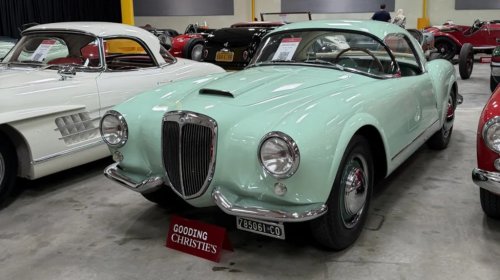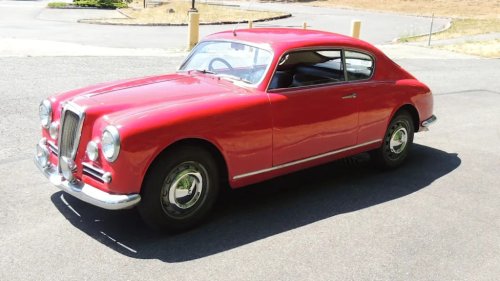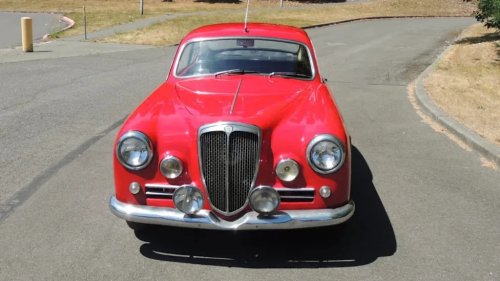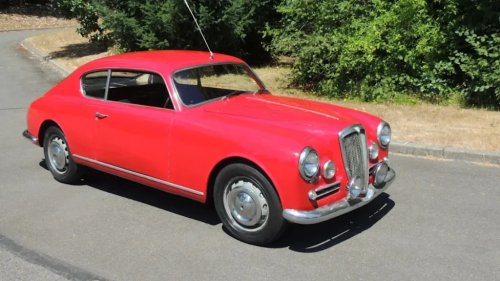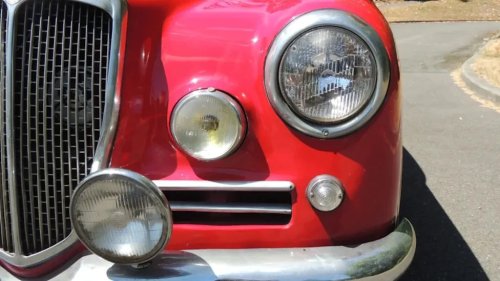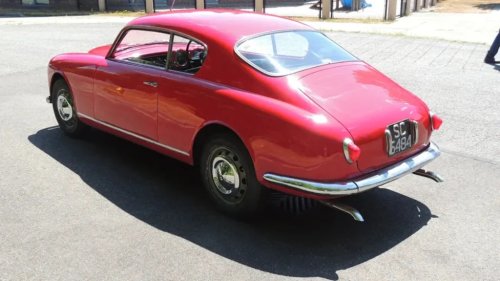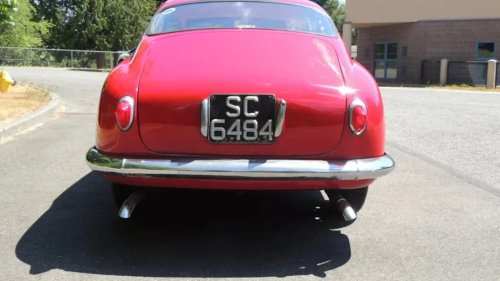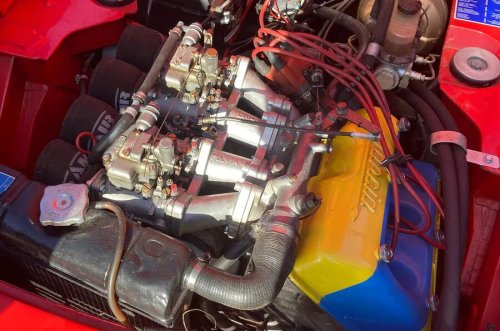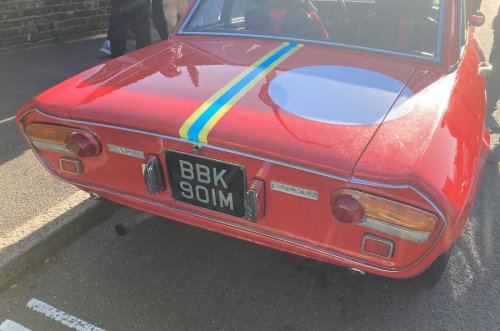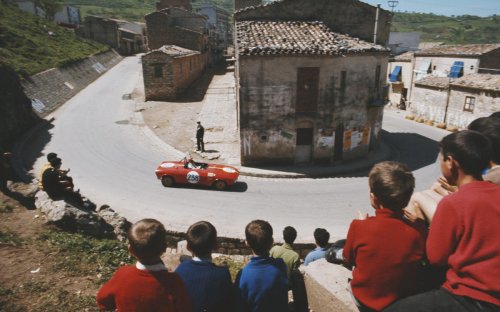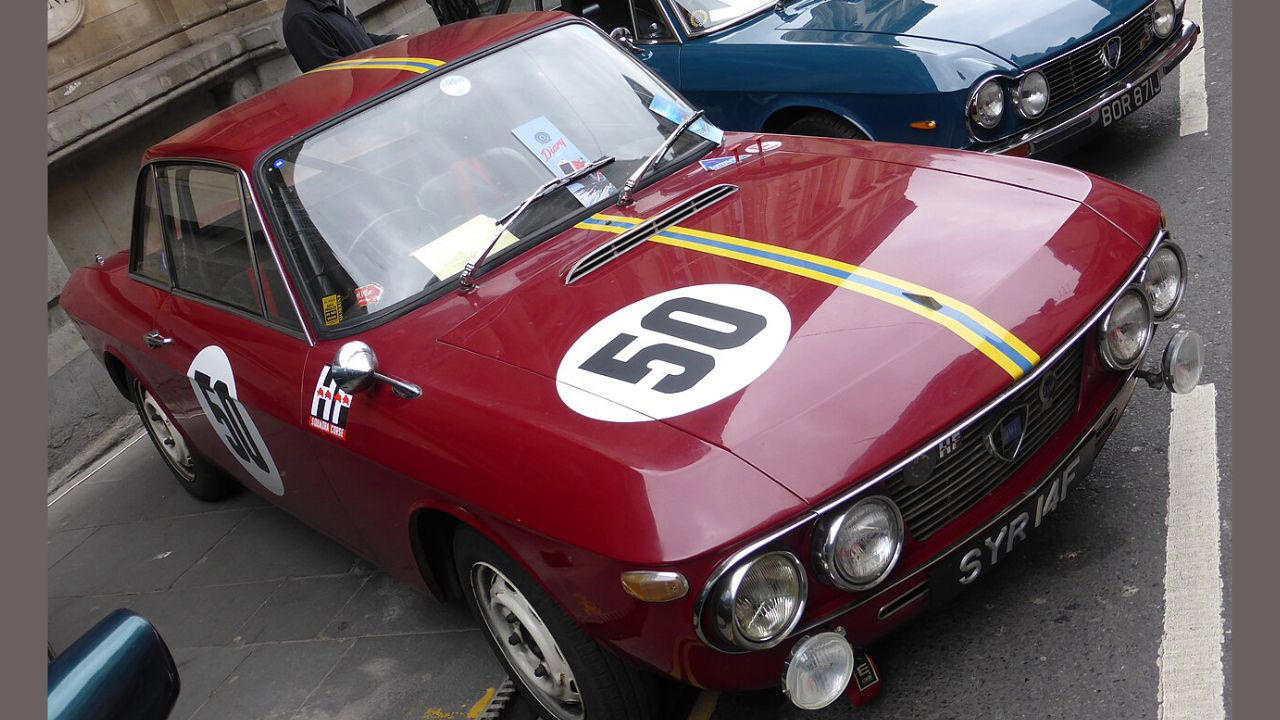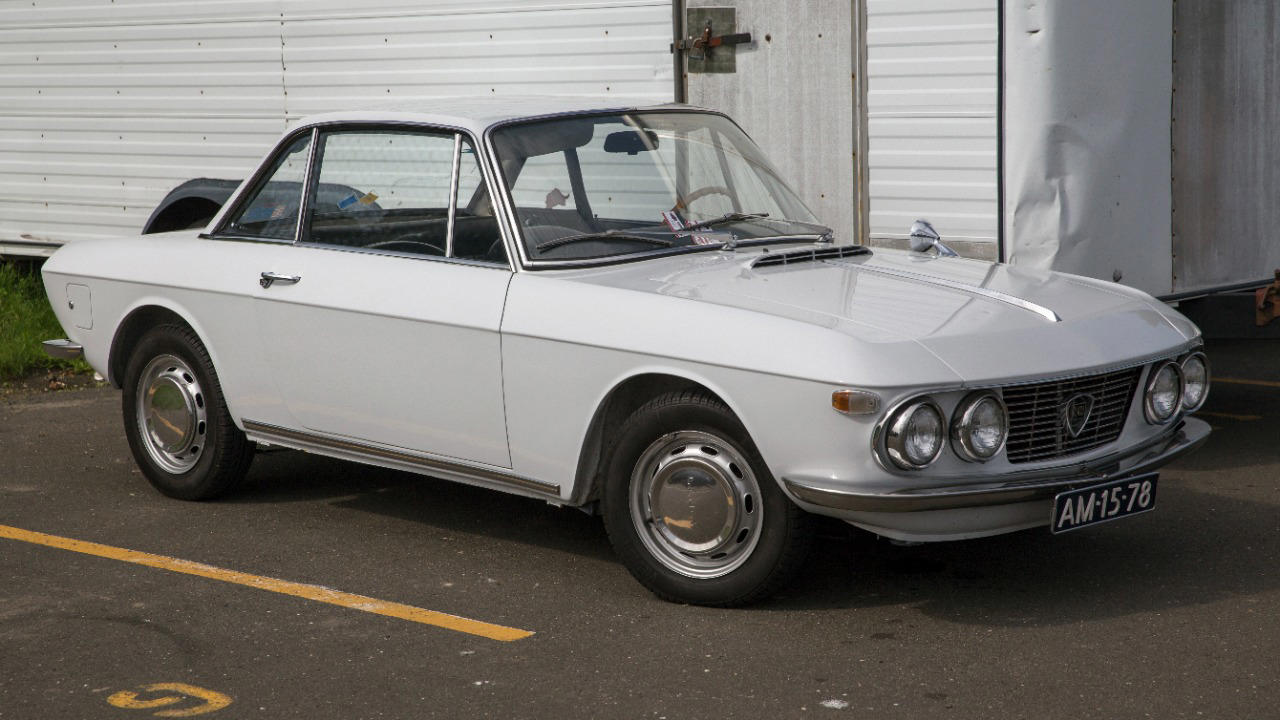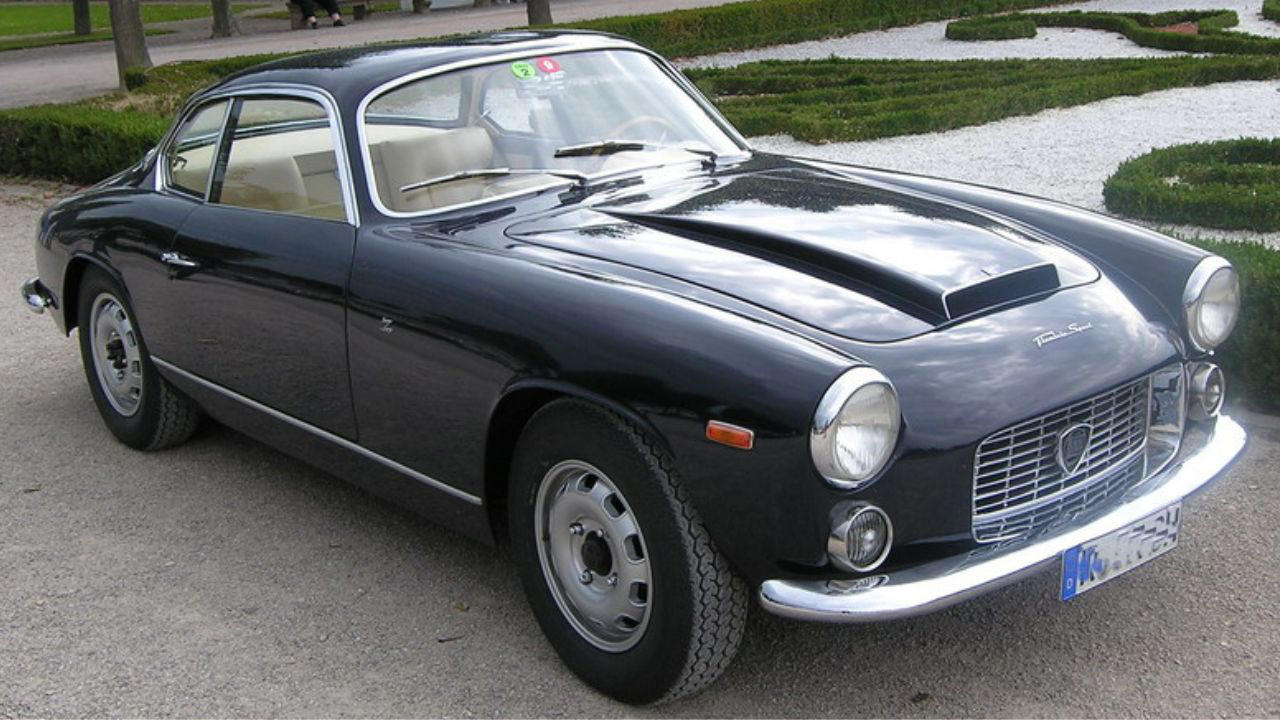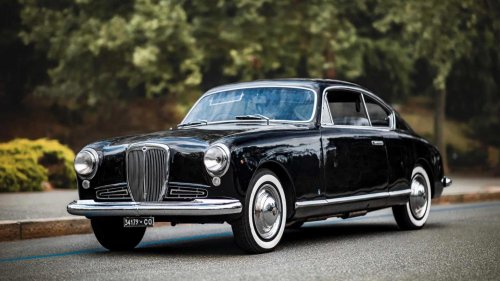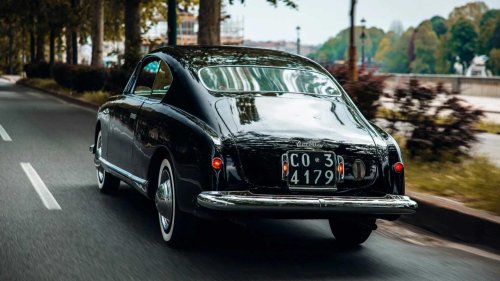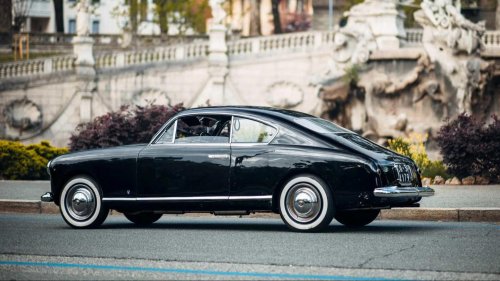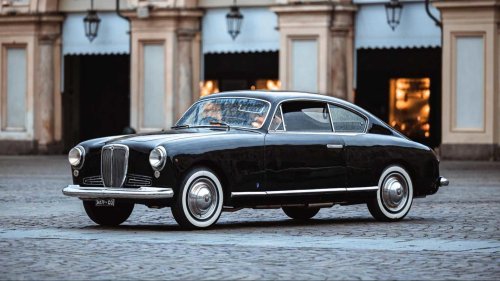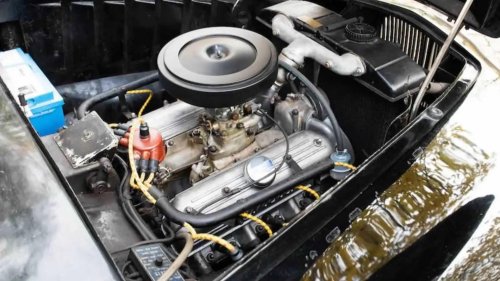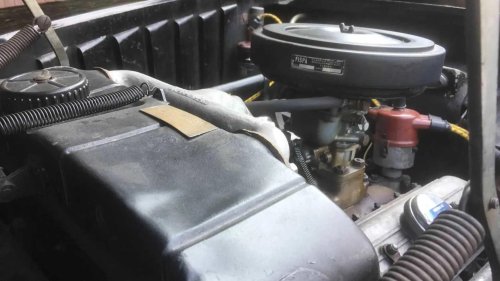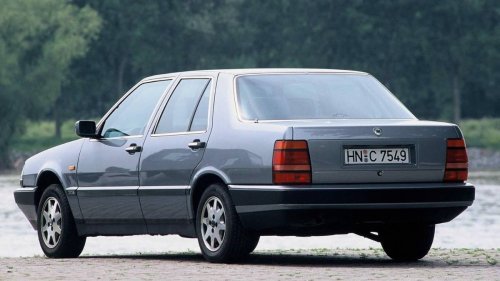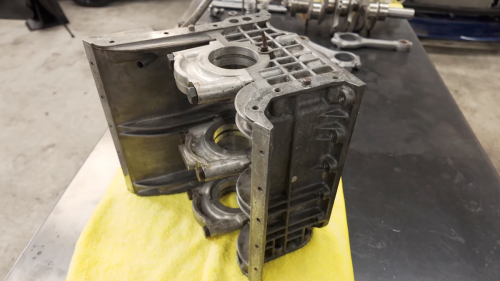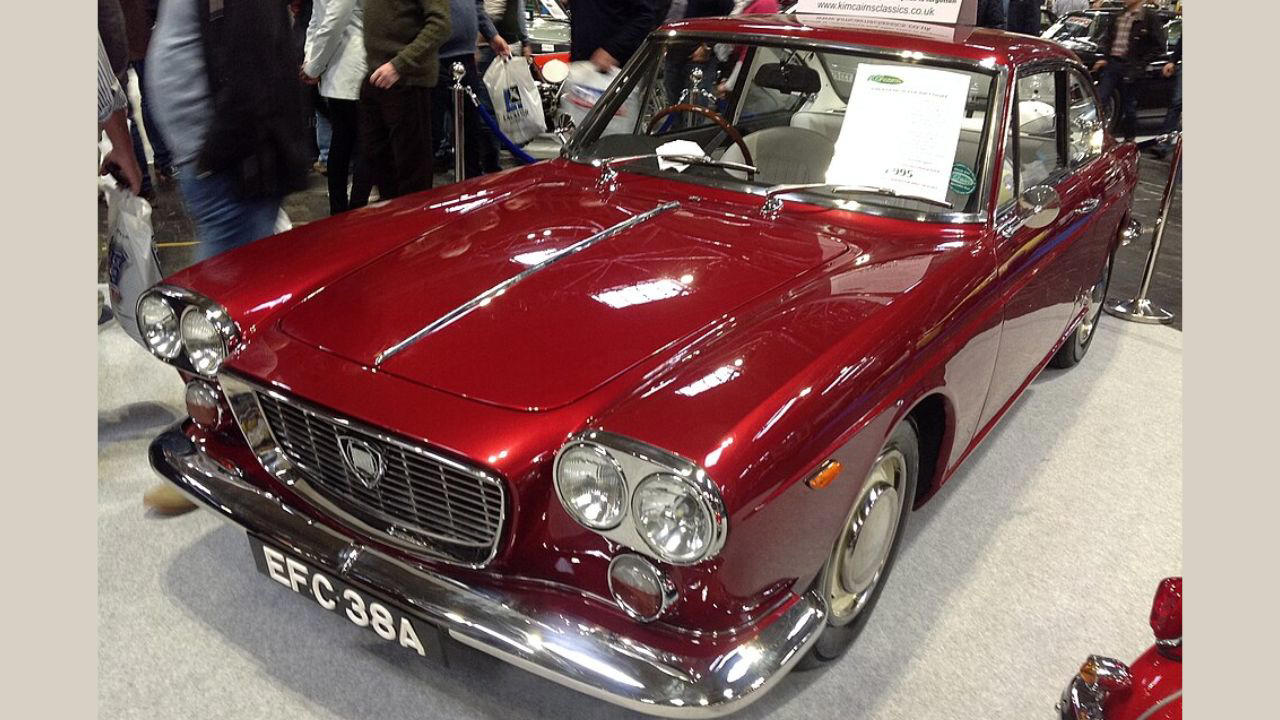



















You’ve probably never heard of the 1963 Lancia Flavia but it brought innovation with itThe 1963 Lancia Flavia rarely comes up in casual conversations about classic cars, yet it quietly introduced ideas that would shape family sedans and sporting coupes for decades. Conceived as a clean-sheet project, it combined front wheel drive, a flat four engine and advanced suspension in a package that looked understated but drove like a laboratory on wheels. For enthusiasts who only know Lancia through rally legends, the early Flavia reveals how experimental the Italian brand once was. A radical Italian family car When the Flavia Berlina appeared at the Turin Motor Show in the early 1960s, it signaled a decisive break from the way most Italian cars were built. Contemporary rivals largely followed the same pattern, with an engine mounted longitudinally at the front, a driveshaft running down the middle and power sent to the rear axle. Lancia took a different path and created what period observers soon called the first Italian front wheel drive production car, an approach that made the Flavia a progressive statement in its home country of Italy. That shift was no accident. The Lancia Flavia was developed by engineer Antonio Fessia at the direction of Lancia owner Carlo Pesenti, who wanted a new mid-size car that did not simply update the outgoing Appia. Rather than reusing existing hardware, Fessia specified a flat four engine, independent suspension and a new platform that treated front wheel drive as its starting point rather than an add-on. The result was a sedan that looked conservative but hid an unusually modern structure beneath its straight-edged bodywork. Stellantis heritage material describes how, at that time, nearly all the cars on European roads were based on the same front engine and rear drive architecture. In that context, the decision to put a horizontally opposed engine ahead of the front axle and drive the front wheels on an Italian car was a genuine break with tradition. The Flavia was not chasing fashion; it was a technical project that used a family four door as a test bed for new thinking about packaging, safety and handling. The engineering experiment under the skin The most striking mechanical choice was the flat four, or boxer, engine. Instead of standing upright like a conventional inline four, the Flavia’s cylinders lay flat in two opposing banks, which lowered the center of gravity and reduced vibration. A detailed walkaround by Apr and Cherry of a 1963 Lancia Flavia Pininfarina coupe highlights how this boxer unit sat ahead of the front axle and drove the front wheels, a layout that set it apart from other Italian cars of its era and helped define it as the first Italian front wheel drive car with a boxer engine. For drivers, that meant a smoother, more balanced feel than many upright fours of the period. The chassis itself was equally unusual. Instead of a simple ladder frame or a basic unitary shell, the entire mechanical structure, including engine, gearbox, differential, suspension and steering, was mounted to a subframe that was anchored to the bodyshell at specific points. This approach, described in period factory material on the Flavia structure, aimed to isolate noise and vibration while improving crash protection. It also allowed Lancia to adapt different body styles to the same mechanical package without reengineering the core hardware each time. Front wheel drive brought its own advantages. By eliminating the driveshaft and rear differential, the Flavia could offer a flatter floor and more interior space for a given footprint. Weight sat over the driven wheels, which improved traction in poor weather and made the car more predictable for everyday drivers. Contemporary technical profiles note that the Flavia’s front suspension used unequal length wishbones, while the rear relied on a carefully located beam axle, a combination that prioritized stability and comfort instead of outright sportiness. Braking was advanced for its class. Period specifications for the Lancia Flavia Technical Specifications list front disc brakes at a time when many rivals still relied on drums. That decision reflected Lancia’s long-standing focus on engineering sophistication, even in models that were not positioned as outright sports cars. The Flavia was designed to be driven briskly on Italian autostrade and mountain roads, so stronger and more fade resistant brakes were more than a marketing line. From sober Berlina to elegant coupe and Spyder The original Flavia Berlina sedan was intentionally restrained in appearance, with upright lines and a large glass area that prioritized visibility and space. Contemporary commentary has noted that its styling was not the most successful in aesthetic terms, yet the sedan provided the volume base that justified Lancia’s investment in the new platform. With that foundation in place, the company turned to Italian design houses to express the mechanical innovation in more glamorous forms. The most famous of those interpretations was the Pininfarina coupe, which appeared shortly after the Berlina. The two door body sat slightly lower, with a sleeker roofline and crisper detailing that framed the same flat four and front wheel drive layout in a more sporting package. A modern video review by Apr and Cherry of a 1963 Pininfarina coupe emphasizes how the car combined an elegant greenhouse with subtle fins and delicate chrome, a far cry from the more aggressive shapes that would define performance cars later in the decade. Coachbuilder Vignale created an even more exotic expression with the Flavia convertible. The Lancia Flavia variants were introduced in 1962, and as the open car arrived, production of the older Appia soon ceased, signaling how fully the new platform replaced the previous generation. According to material on the Flavia convertible by, the open model combined the modern mechanical package with a hand finished body and was offered with a removable hardtop, which made it usable as a year round car in colder climates. The same source trail leads to auction listings that describe the Lancia Flavia Convertible by Vignale as a rare, highly finished model that appealed to buyers who wanted Italian style without the harsh ride or cramped cabin of a pure sports car. References on classic auction catalogues underline how these cars, once positioned as upmarket touring machines, have become prized for their combination of engineering curiosity and coachbuilt charm. Vignale was not the only outside partner. Later in the run, Zagato would apply its own idiosyncratic forms to the Flavia platform, creating the Flavia Sport with a distinctive fastback profile. Social media posts describing a 1965 Flavia Sport remind readers that Italy’s first series production front wheel drive car provided the base for some of the most striking coachbuilt shapes of the period. The working man’s Italian beauty Despite these glamorous derivatives, the Flavia’s core mission remained practical. A detailed profile of the 1962 to 1968 Lancia Flavia coupe describes it as a working man’s Italian beauty, a car that delivered engineering sophistication in a package that could be used daily. When the Flavia Berlina debuted in Turin, it offered middle class Italian families a car that felt more advanced than many larger and more expensive rivals. The coupe that followed carried the same qualities into a slightly more aspirational form without losing everyday usability. Period road tests and later retrospectives emphasize that the Flavia was not a raw sports machine. Instead, it was tuned for stability, comfort and security at speed. The flat four engine delivered modest power by modern standards, but the way it worked with the front wheel drive layout gave the car a planted feel that inspired confidence. A long feature on the 1962 to 1968 notes that owners appreciated the car’s composure on rough roads and its resistance to the nose heavy plow that afflicted some later front wheel drive designs. That same analysis points out that the Flavia shared almost no components with earlier Lancia models, which made it more expensive to build and maintain but also reinforced its character as a clean break. The car’s interior reflected that ambition. Thin rimmed steering wheels, clear instruments and supportive seats gave the cabin a light, airy feel, while high quality switchgear and trim reminded buyers that they were sitting in a premium Italian product, not a budget experiment. For collectors today, those qualities translate into a car that can be driven long distances without fatigue. The coupe, in particular, offers enough space for four adults and luggage, yet its overall dimensions remain compact enough for tight European streets. Owners who share their cars at events like South OC Cars and Coffee describe how the Flavia’s understated lines attract curious questions precisely because most visitors have never seen one before. A video from Simon at South OC Cars features a 1963 Flavia Vignale Spyder that stands out among more familiar classics for its combination of bright coachwork and unfamiliar badging. Heritage, innovation and quiet influence Within Lancia’s own history, the Flavia sits at a crossroads. Company heritage material describes how the model inaugurated a new era of front wheel drive engineering for the brand and set the pattern for later cars that would carry the Lancia name into rally stages and executive car parks. The official heritage profile emphasizes the way the entire mechanical package was designed as a unit, from the flat four engine to the subframe and suspension, which allowed Lancia to refine the concept over a long production run. Enthusiast histories on sites like Driven to Write frame the Flavia as an academic revolution, a car that prioritized engineering purity over styling drama or outright speed. They highlight how the first Italian front wheel drive production car used a power unit cantilevered over the front axle line, a configuration that prefigured later mass market front drive platforms. That approach influenced not just Lancia but also engineers across Europe who were watching how the concept worked in real world use. The Flavia’s technical specifications underline its role as a bridge between eras. Reference tables for the Lancia Flavia Technical list a production span from 1960 to 1970, which means the car lived through a decade of rapid change in automotive design. Over that time, displacement grew from the original 1.5 liter engine to 1.8 liters and beyond, while power output and top speed crept upward. Yet the basic layout remained consistent, a sign that Fessia’s original concept had enough headroom to evolve. Surviving examples illustrate how that evolution played out. Social media posts about a 1964 Lancia Flavia Convertible with Hardtop in the spirit of Italian ingenuity describe how Lancia continued to refine the convertible’s details and equipment while staying true to the underlying engineering. Another enthusiast post about a 1968 Lancia Flavia 1,8 i Coupe PF at the Manro Classic Auto & Musik Museum in Salzburg, Austria, notes that the later injection equipped cars delivered smoother performance while preserving the same front wheel drive architecture. More from Fast Lane Only Unboxing the WWII Jeep in a Crate 15 rare Chevys collectors are quietly buying 10 underrated V8s still worth hunting down Police notice this before you even roll window down The post You’ve probably never heard of the 1963 Lancia Flavia but it brought innovation with it appeared first on FAST LANE ONLY.