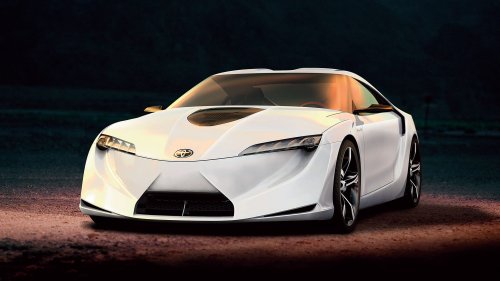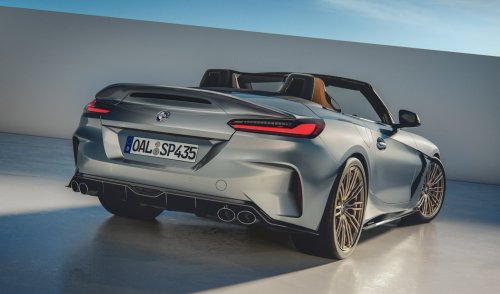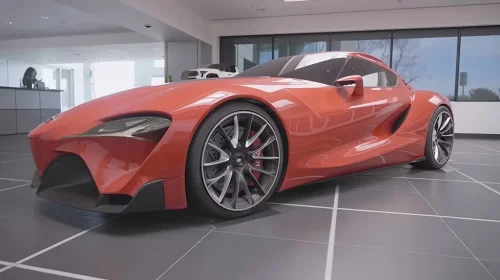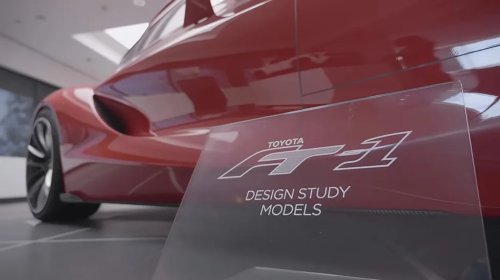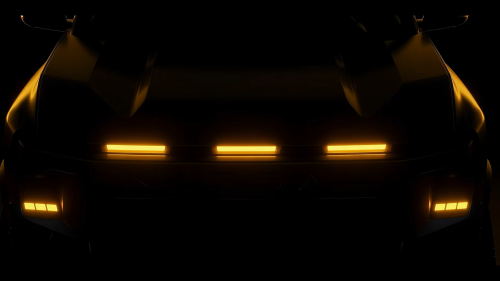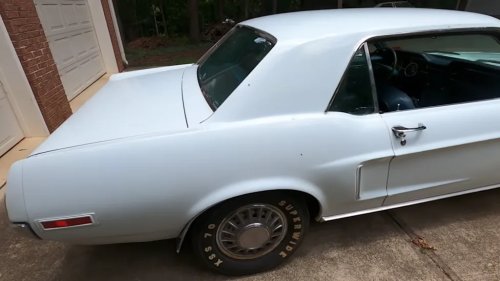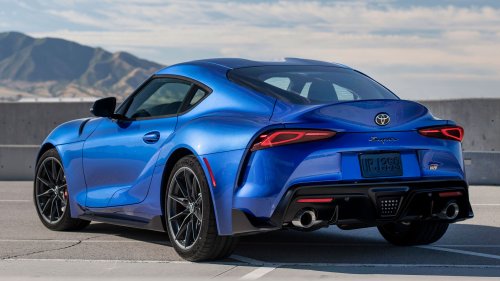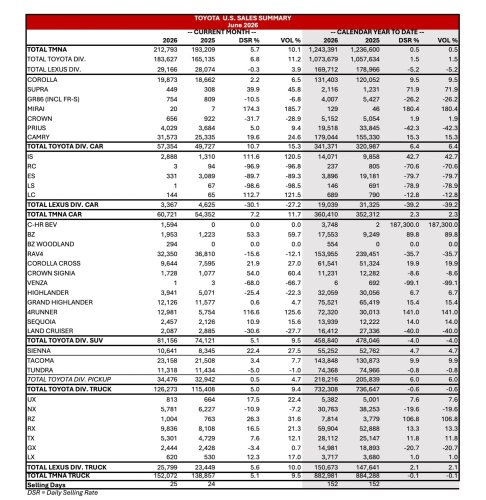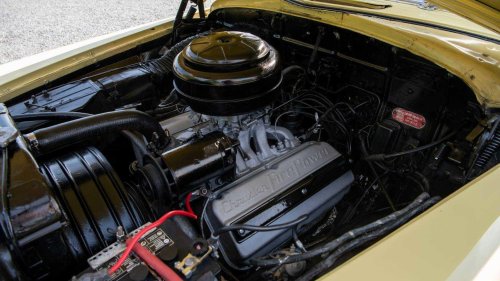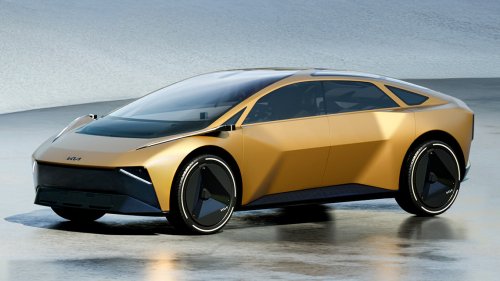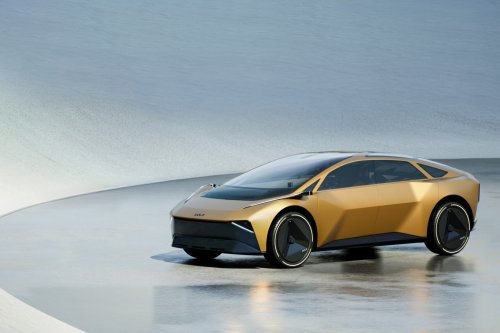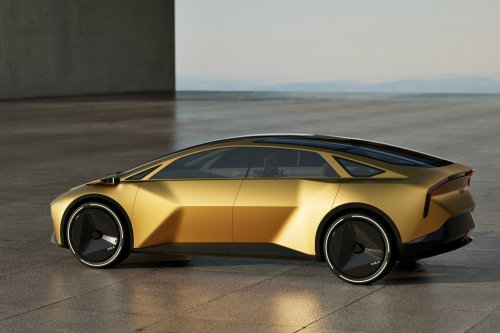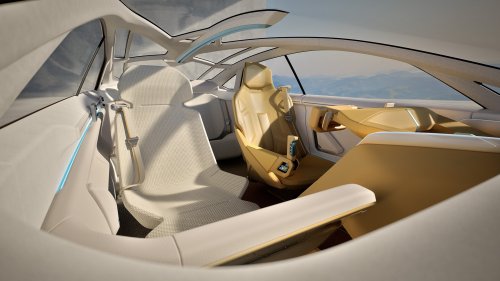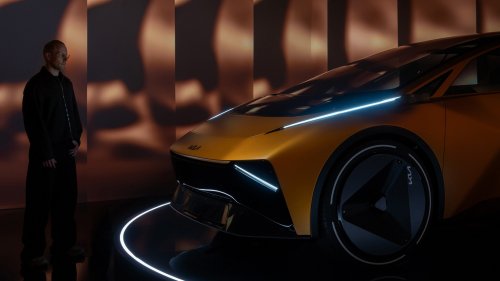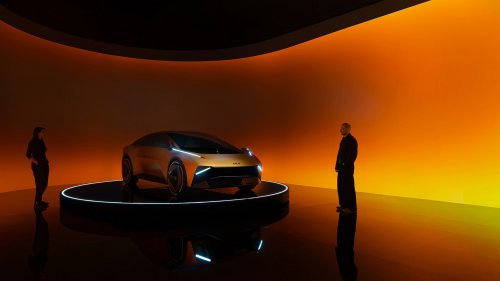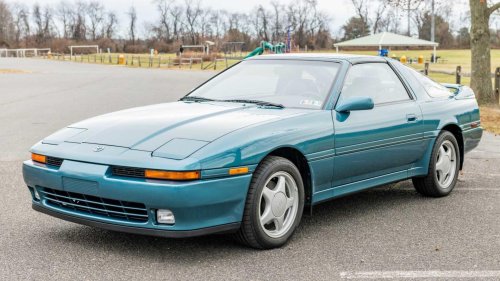
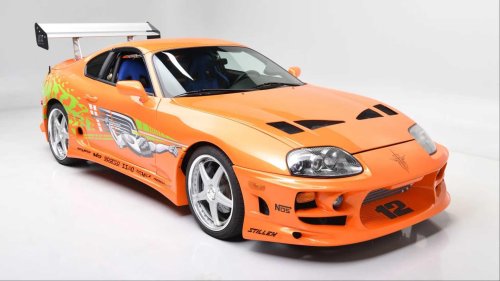
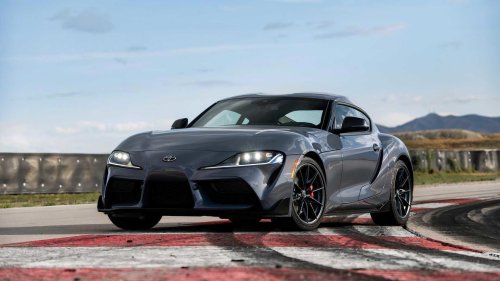
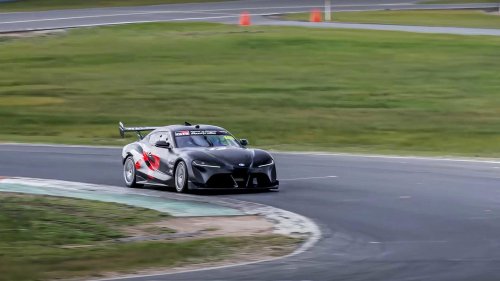
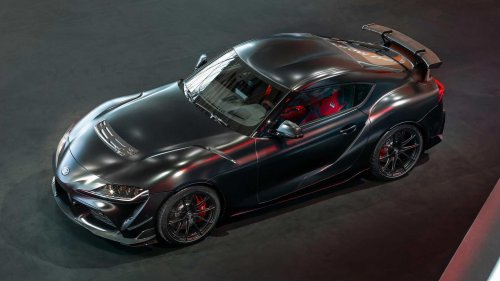



















Unfortunately, car enthusiasts had to mourn the loss of an icon for 17 years. That's how long the beloved Toyota Supra was discontinued, leaving a tremendous gap in the lineup. The surprising decision to end production came after multiple generations of success between 1986 and 2002. But luckily, after the extended hiatus, the Supra was finally revived. There are many racing fans that pushed for its return, and their work certainly paid off. However, the decision to bring this sports car back is widely attributed to a few individuals who promised to keep its legacy alive.Respect for the older generation is simply too great to ignore. Additionally, the car is crucial for demonstrating that Toyota has the capability to compete with European models. If you’ve ever spent time behind the wheel, then you certainly understand why it's such a big deal. However, here’s why it’s worth fighting for. Why Was The Toyota Supra Discontinued? Bring a TrailerThe temporary death of the Toyota Supra occurred when it drifted into the perfect storm of rising costs and increasing difficulties with sourcing materials. There were global supply chain shortages and trade tariffs impacting imported cars, which sounds like something the automotive market can currently relate to. Plus, a partnership between Toyota and BMW came to an end as the automakers decided to go in different directions. Toyota wanted to build a lightweight sports car while BMW needed a new luxurious Z4. Also, the Supra shared a platform with the BMW Z4, and when BMW ended its production, Toyota lost access to crucial components. This caused Toyota to lose access to crucial components as prices for certain design features increased due to licensing fees.On top of all that, Supra sales were on the decline, making the idea of investing in the fourth generation extremely unviable. Marketing trends shifted away from niche sports cars to more practical daily driving options, causing a significant blow to the Supra’s profitability. BMW And Toyota Gazoo Racing Fought To Revive The Toyota Supra Barrett-JacksonWhile passionate fans and racing enthusiasts made their voices heard, one man is considered to be the ringleader in the fight to bring the Toyota Supra back from its grave. Toyota Chief Engineer, Tetsuya Tada, made it his mission to honor the brand’s heritage by returning a true sports car to the track. Tada was mentored by Isao Tsuzuki, the head engineer of the fourth-generation model, which led to a passion for racing. An early 1990s A80-generation Supra was the only car in the lineup that could complete the Nürburgring challenge, but it was considered dated when it raced in 1997. There was a clear need for a modern racer.Also, Toyota CEO Akio Toyoda, had the “Three Brothers” vision, referring to a performance lineup including a top-tier sports car, with the GT86 as a middle option, and an entry-level model. Toyoda worked to build cars according to his personal mantra of "If it is not fun, it is not a car," as he desired a new Supra to defeat European rivals. The Supra already had a reputation among enthusiasts for being easy to modify. Then, when it appeared in The Fast and the Furious franchise, it was introduced to an entire new generation. As the Supra was driven by Paul Walker, the push for its return greatly increased. The Push For Electrification Created The Right Time For the Supra To Return Via ToyotaTada and others recognized that the demand for electric vehicles and increasing regulations put sports cars like the Toyota Supra on the clock. Basically, the time to build cars with a pure racing experience with the smell of fuel in the morning and the nostalgic sound of high-revving beasts was running out. He wanted to give enthusiasts a final gift of preserving the inline-six engine tradition before going greener. This is considered to be the perfectly balanced engine for optimal performance despite facing colossal engineering and packaging challenges. The design reduces vibrations for a more comfortable experience. Tada spoke with owners of previous generation Supra models that tuned their cars for high power to discover what could be improved for the fifth-generation model with a 2019 deadline. This led to cooling improvements, structural reinforcements, and new mounting points.The Toyota Supra returned in 2019 with a BMW-sourced engine. The 3.0-liter turbocharged inline-six engine delivers 382 hp and 368 lb-ft of torque. It can accelerate from 0 to 60 mph in 3.9 seconds (manual) or 4.2 seconds (automatic) with a top speed of 155 mph. The fifth-generation Supra has secured wins in its class during the Nürburgring 24-hour endurance event, multiple GTA wins, wins in the National Auto Sport Association (NASA) series, and triumphs in the GT4 European Series. What’s New For The 2026 Toyota Supra? Supercars YouTubeThe 2026 Toyota GR Supra is part of the fifth generation, and doesn’t have many changes for the model year. However, it's the last model before the sixth-generation launches in 2027. So, it’s the last chance to get an MK5 or A90 model. As a result, buyers can opt for the new MkV Final Edition model. It builds upon the Supra’s reputation for being a factory-ready sports car with several racing upgrades to enhance its performance and style.The MkV Final Edition includes: Larger front Brembo brakes Improved Chassis Bracing A Performance-tuned suspension Steering/traction control systems Dark 19-inch wheels A carbon-fiber ducktail spoiler/mirror caps GR (Gazoo Racing) embroidered headrests Red seat belts An MkV Final Edition plaque A GR car cover What To Expect With The 2027 Toyota Supra ToyotaThe sixth-generation Toyota Supra is expected to debut for the 2027 model year. It’s being developed in-house, without any BMW or Mazda influence. Rumors suggest that it will have a hybrid powertrain with a 2.0-liter turbocharged four-cylinder engine. However, it could also have an improved inline-six engine. It’s expected to produce 400 hp. Plus, the next Supra could gain performance enhancements with a lighter frame, wider stances, and enhanced aerodynamics. However, a hybrid engine could impact its weight reduction goals. Either way, the engine will likely be paired with an eight-speed automatic transmission and an adaptive suspension.Tech upgrades will probably include a head-up display, wireless Apple CarPlay/Android Auto, a 12.3-inch touchscreen, and an entire host of modernized safety features. Production for the current-generation ended in March, so we could see more clues about the upcoming model soon.Sources, MotorTrend, Japanese Nostalgic Car