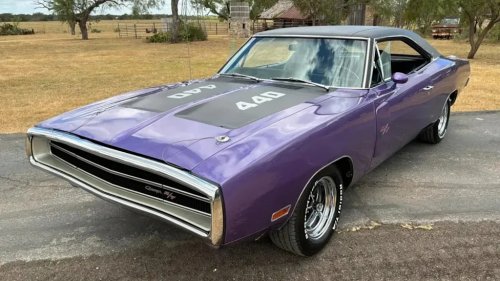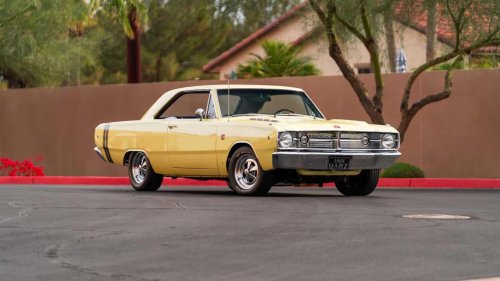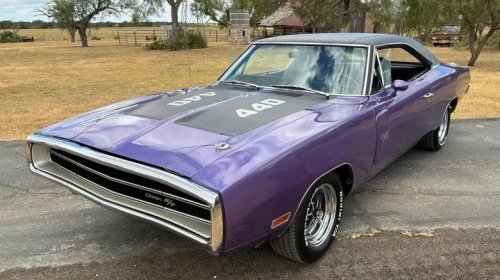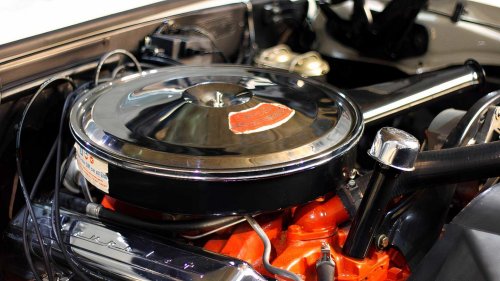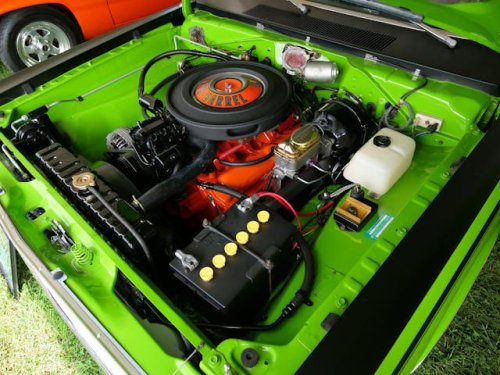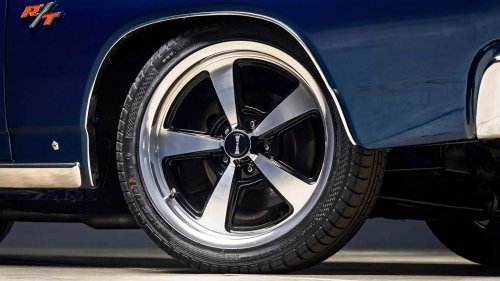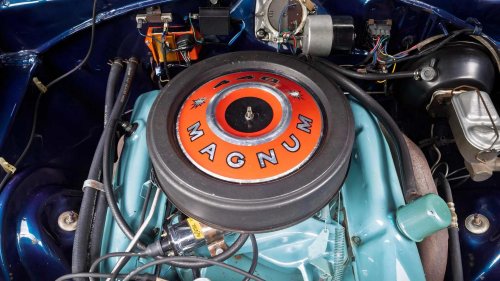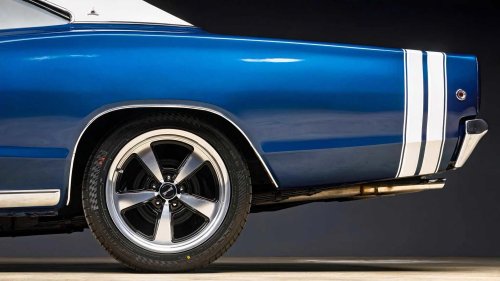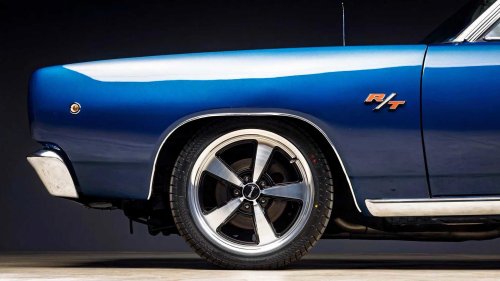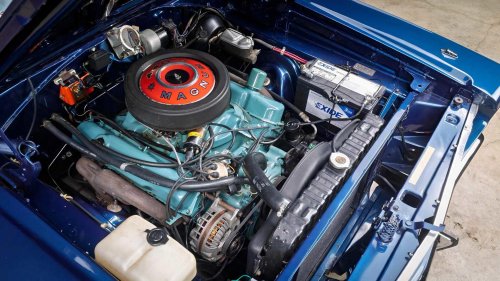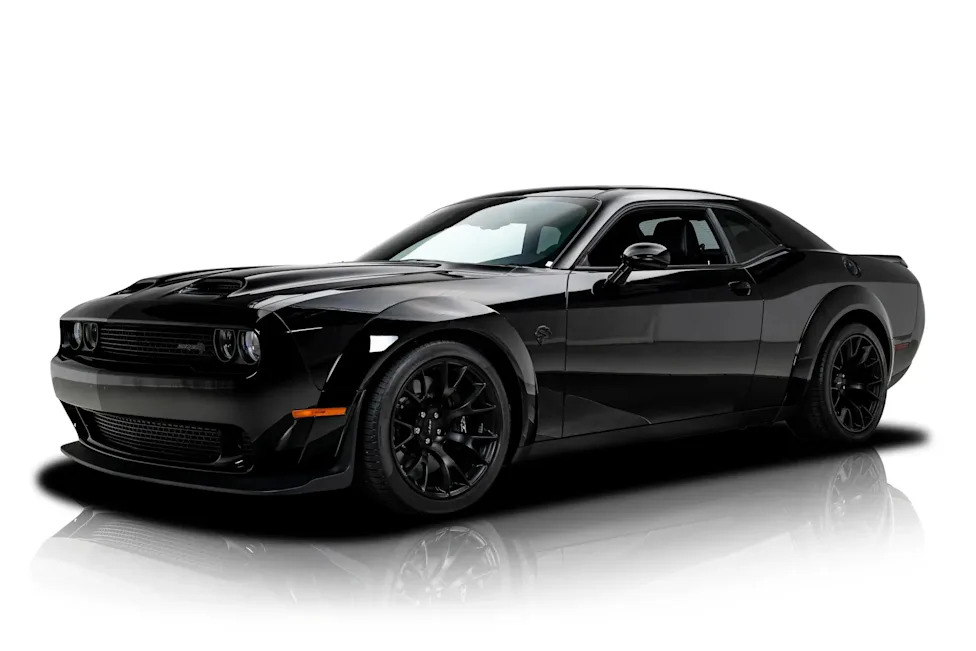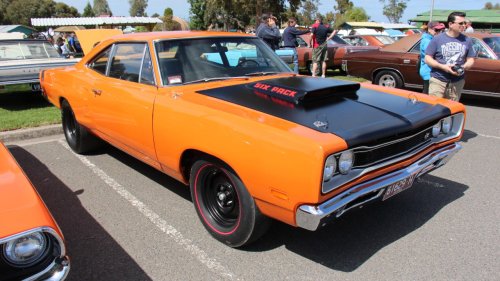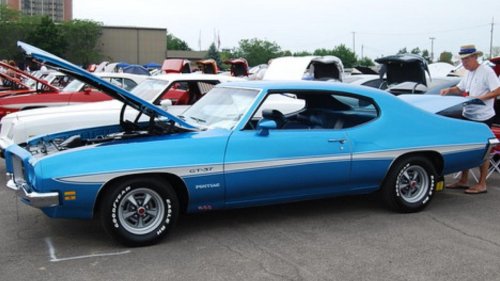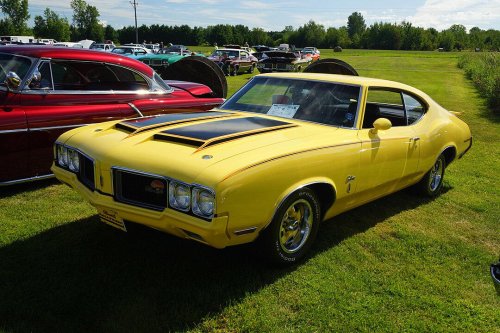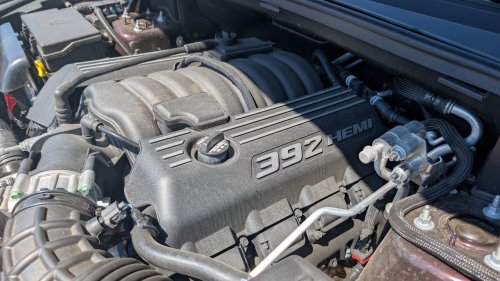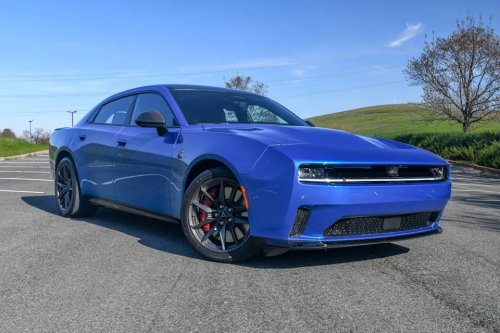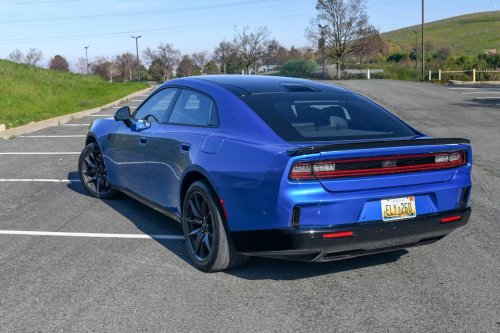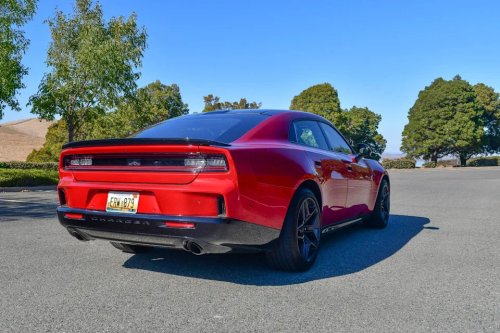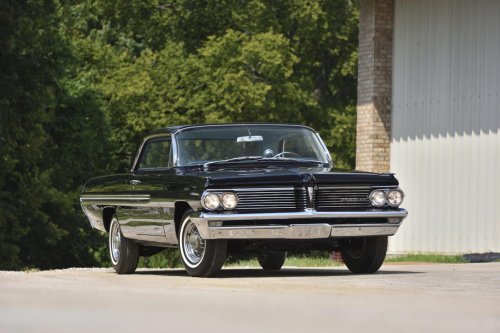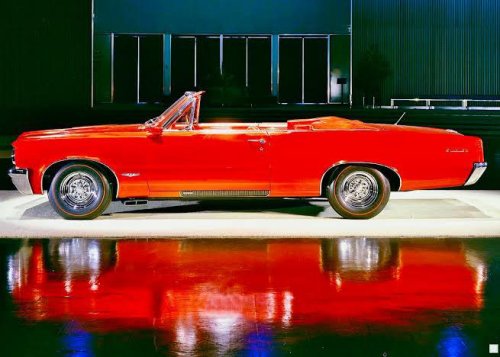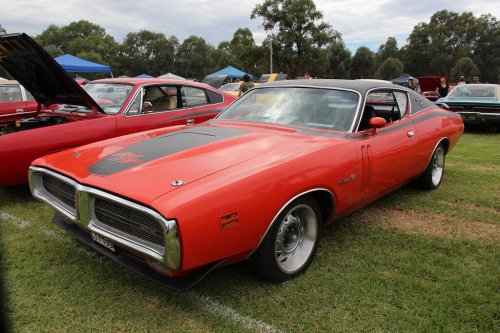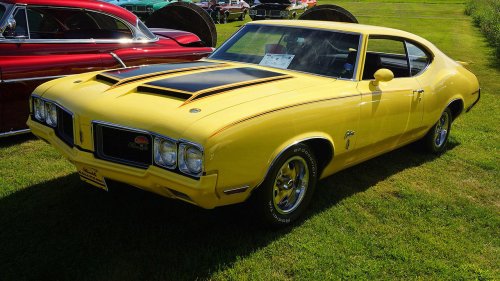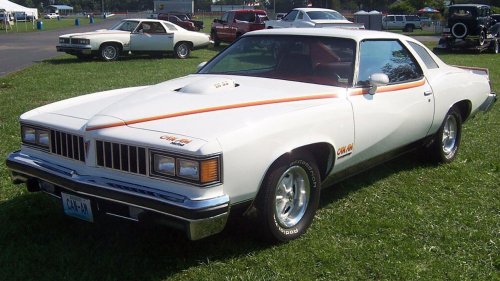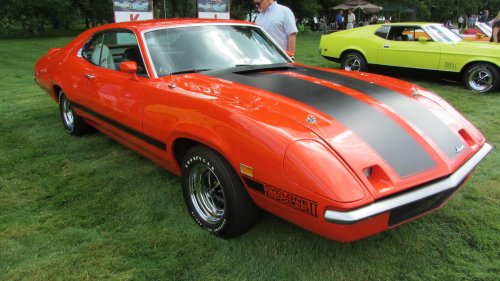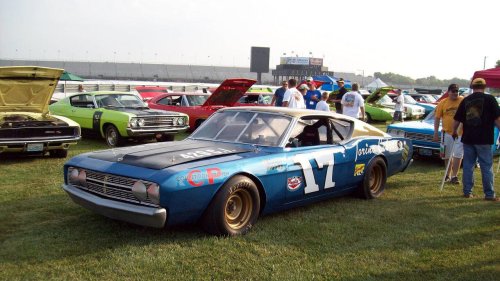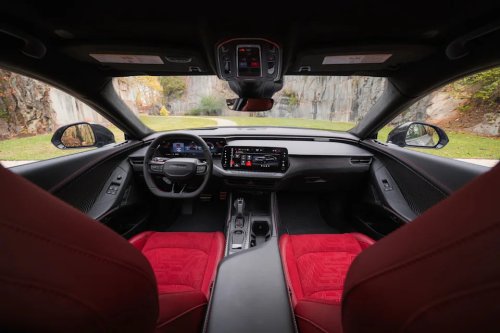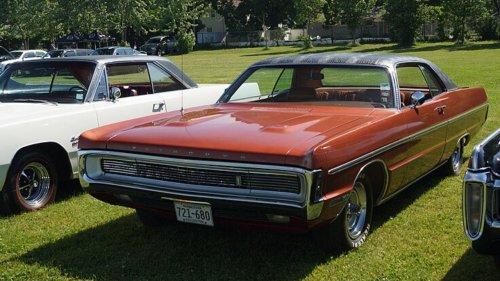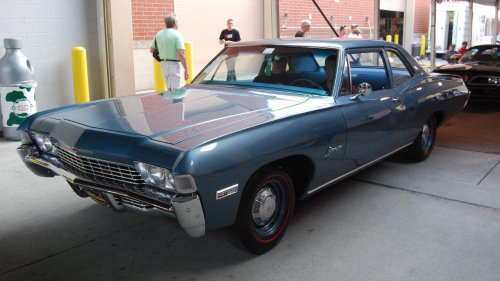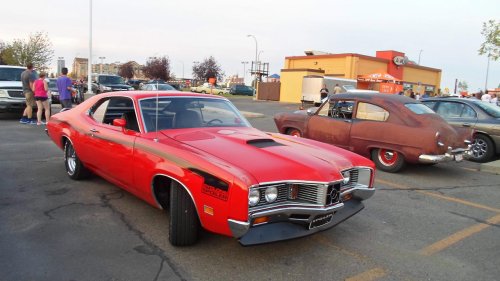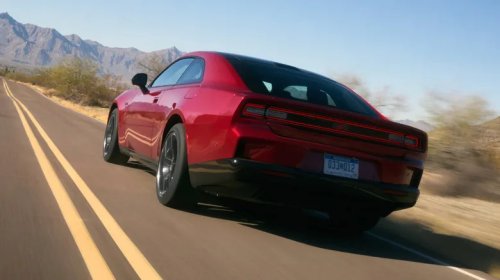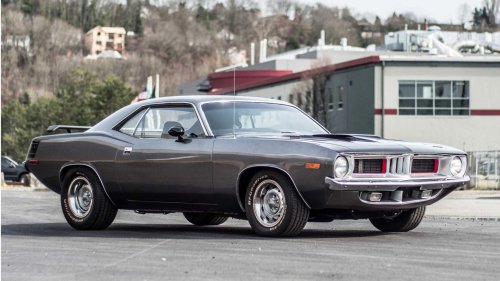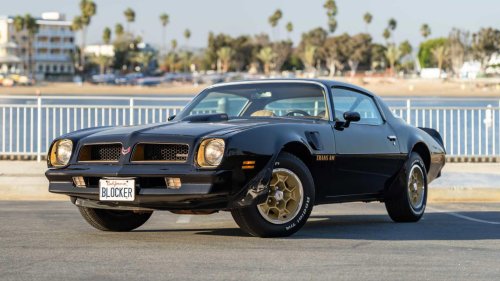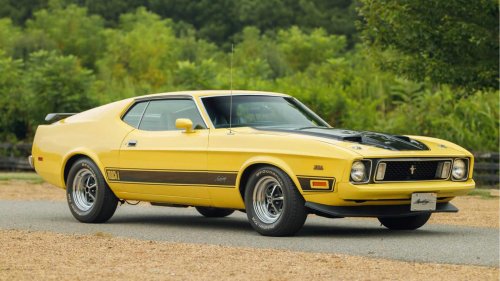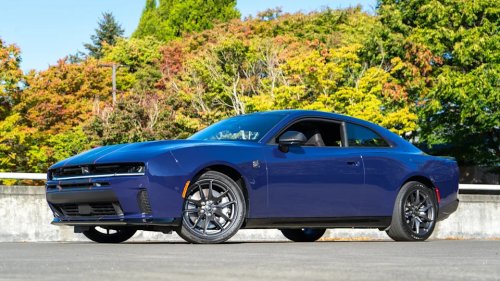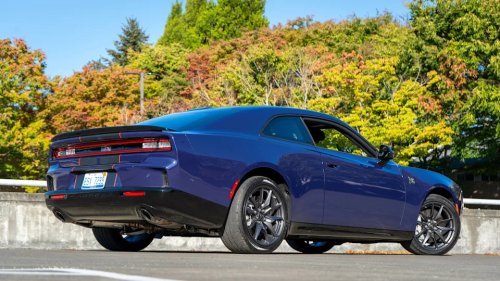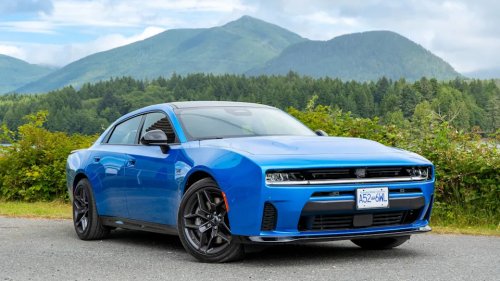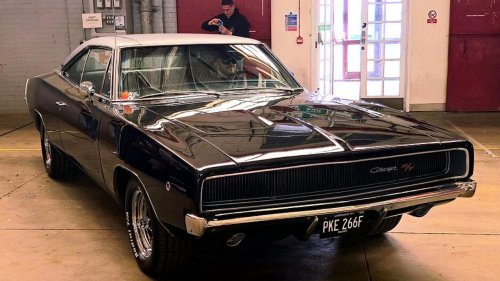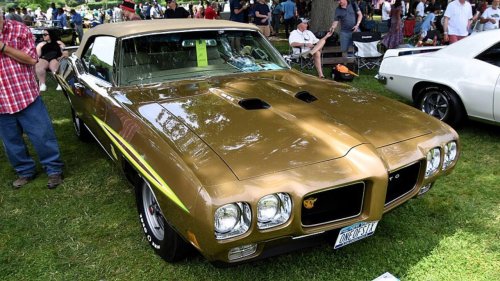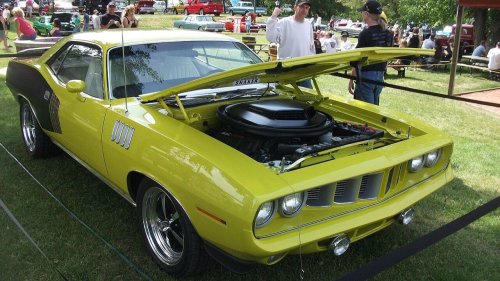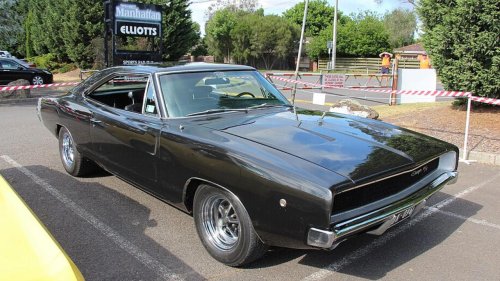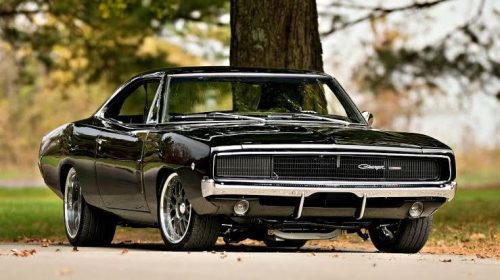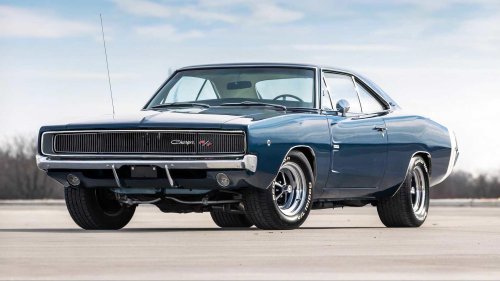
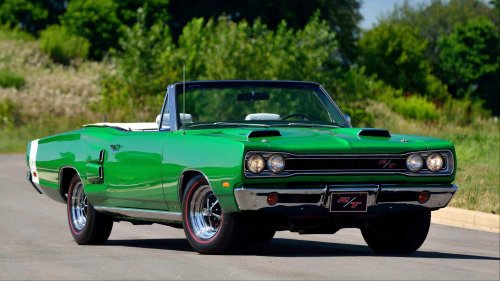
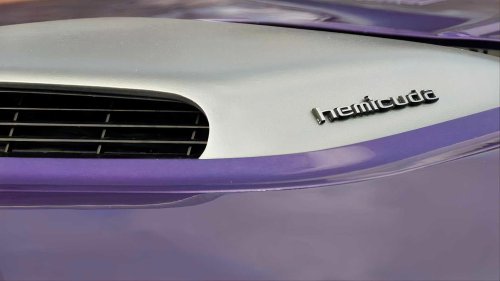


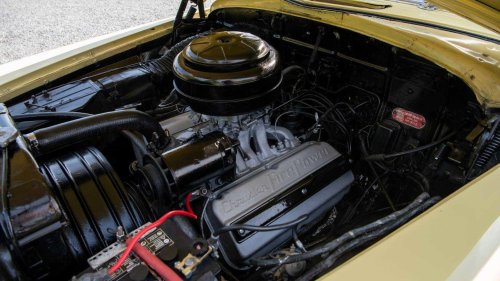
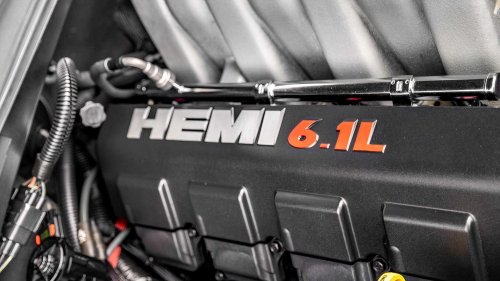
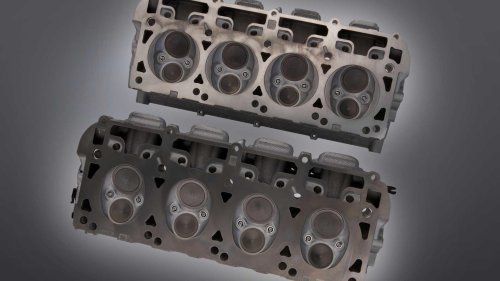
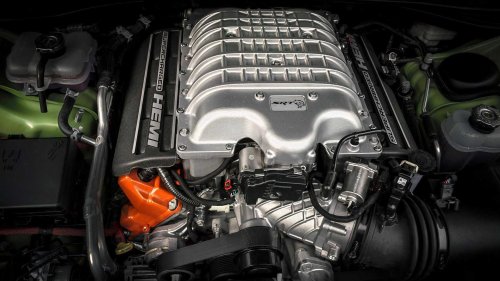




















The Hemi name has been firmly etched into automotive history. The badge has adorned a slew of famous trucks and performance vehicles, and the Hemi has become a household name in itself in the process. Yet Hemi is more than just a legendary badge. It refers to a simple, yet also incredibly clever piece of automotive engineering that should, in theory, have reinvented the way engines were built.But design and production drawbacks mean it has never quite been perfected, and it has never become a conventional technology. However, Dodge, Ram Trucks, and others have continued using the name - and the technology - up to the present day. It’s a true performance hero, and one that deserves more than a little celebration. These Are The Famous Hemi Names MecumDespite its flaws, the Hemi has become a bit of a calling card for Chrysler, Dodge, Mopar, and the rest of the Stellantis group. Some of Mopar’s greatest creations have been Hemis — often powered by the first Hemi-branded engine: the big-block 426 Hemi. The Plymouth Hemi 'Cuda and the Plymouth GTX were both Hemi-powered, but it's the Dodge products that turned the Hemi into a real hallmark of performance.Perhaps the most notable is the Dodge Charger R/T, with around 425 horsepower from its road-tuned Street Hemi V8. It’s the car that put the Hemi name into the public’s imagination and gave it credibility. Now enormously desirable, Classic.com reckons the average 1968-70 Charger R/T fetches more than $100,000 at auction, which makes it one of the more expensive options for muscle car fanatics.MecumDespite the Charger's fame, the NASCAR-bred engine remained the superstar. It went on to power the Coronet, Dart, and Challenger models, including the space-age Charger Daytona, with its massive rear wing and pointed nose. And it also found its way into the Plymouth Belvedere, and even a one-off experimental version of the Jensen Interceptor.More recently, the Charger R/T returned with a Hemi engine, and Dodge even put the 5.7 Hemi in the Ram 1500 pick-up truck and the Dodge Durango SUV. The Chrysler 300C got that engine, too, as well as the Jeep Grand Cherokee SRT8. What Does Hemi Mean? MecumThe word hemi is short for hemispherical, and it refers to the shape of the cylinder head in engines. The idea is that a rounded top part of the cylinder allows the fuel/air mixture to burn more completely and more quickly, producing more power per engine revolution.Any engine with a hemispherical (or semi-hemi) cylinder head is known as a “hemi”, but only those built by Chrysler — or, more recently, the Stellantis group formed when Fiat-Chrysler (FCA) joined forces with Peugeot-Citroen (PSA) — get the capital “H”. Often, you might see the word in all caps, particularly in Stellantis marketing material, but that’s just to draw extra attention to it. Technically speaking, it’s grammatically incorrect because the letters “H”, “E”, “M”, and “I” don’t stand for anything. And even if they did, it would be irrelevant. You pronounce it “hemmy”, so it’s just a capital at the start. Just like Fiat.MecumAnyway, grammatical ranting aside, Hemi engines (note the capital) are specifically hemispherical-head engines built by Stellantis companies such as Dodge, Chrysler, and Mopar. They’re often some of the biggest, most expensive, and most powerful engines in their respective ranges, and they come with an inference of performance. How Powerful Are Hemi Engines? StellantisHemispherical engines are nothing new. Fiat used the technology for racing in the 1930s, and the WW2 Republic P-47 Thunderbolt fighter plane also had domed cylinder heads in its Pratt & Whitney R-2800 Double Wasp engine. And given the 2,800-cubic-inch R-2800 had 2,000 horsepower in 1941, and around 2,400 horsepower by the end of the war, the benefits of hemispherical heads were clearly well known long before Chrysler made them popular.The first Chrysler road-going hemis weren't officially called Hemis at all. Introduced in the early 1950s, the Firepower V8 was a 331-cubic-inch displacement and about 180 horsepower, which made it reasonably powerful for its size. As a result, the technology was quickly adopted by the rest of the Chrysler range, including the Dodge Red Ram engine.MecumWith just 281 cubic inches of capacity, it was the brand’s smallest V8, but it packed a punch. With 140 horsepower in its first iteration and 150 horsepower later on, the comparatively small V8 became a record holder. In 1954, Dodge took four cars to the Bonneville salt flats and set almost 200 AAA-certified speed records, including 108.36 mph for the flying 10-mile. It doesn’t sound like much today, but it was impressive 70 years ago.Chrysler’s 426 Hemi was, at first, known as the Elephant Engine for its reliability, weight, and solidity, but it became a performance hero, too. Banned from NASCAR in 1965 for providing an unfair advantage, tuners managed to adjust it to churn out increasingly ridiculous power outputs. Dragsters have even managed to produce five-figure power from the same cylinder heads and two-valve cylinders as the stock Hemi. Why Were Hemi Engines Introduced? Bring a TrailerThe details of the physics behind the hemispherical top of a cylinder are quite complicated, but you don’t need a college degree to understand them. You do, however, need to understand the basics of a four-stroke internal combustion engine. So for those who aren’t clear, we’ve got a refresher detailing exactly what’s going on inside a four-stroke engine.Unlike a conventional engine, though, the hemispherical engine uses a domed shape inside the cylinder head and a central spark plug. That allows a more rapid rise in combustion chamber pressure than a more conventional design. And with the ignition source — the spark plug — at the very top, the distribution of pressure around the combustion chamber will allow the fuel to burn faster, and therefore earlier in the piston’s power stroke, allowing it to exert more force on the crankshaft.Admittedly, Chrysler’s Hemi engines don’t technically have hemispherical cylinder heads because the shape would be ridiculous, but they are slightly domed, creating what’s more accurately called a “semi-hemi” design. But the principle is the same.StellantisWhat’s more, the semi-hemi shape allows the valves to be bigger than they would normally be, which means there’s less of a bottleneck in the flow of gases in and out of the cylinder. Even better, the tilt of the valves means they can open with more clearance from the cylinder walls, allowing more gas to flow through the gap at low-lift positions.Naturally, Hemi engines come with their problems. They’re big and heavy, for one, and because they burn fuel more efficiently, they emit more nitrogen oxides, which aren’t great for human health. They also cost more to build, which limits their use in cars for the people. But with the promise of more bang for your buck, the hemispherical-head engine has a role to play. The Hemi Engines Today DodgeAs gearheads everywhere will know, the Hemi name remains in use today, and Stellantis is still churning out hemispherical-head engines to this day. In basic terms, the technology hasn’t really changed very much at all. There’s still a domed cylinder head with a central spark plug and comparatively big valves, but small tweaks have had to be made to get the most from the technology.For example, the shape of the combustion chamber means it’s difficult to raise the compression ratio, and though designers have tried increasing the ratio with a domed piston, that causes problems of its own. As a result, hemi engine designers have tried all sorts of solutions to unlock the full potential of the semi-hemispherical head, including strange piston designs, different coatings, and different domes.But hemis really shine in boosted form — either turbo- or supercharged — where it’s easier to make the most of the shape.Arguably the most famous modern hemi, though, has changed the recipe slightly more fundamentally. By taking a section of a flattened sphere, rather than a proper dome, Stellantis has removed some of the issues, but retained the hemi qualities of big valves, flow quality, and fuel burn efficiency. We’ll gloss over the fact that it isn’t quite a true hemi.RamTechnicalities aside, the more modern third-generation Hemi found fame under the hoods of the Dodge Ram, Chrysler 300C, and Jeep Grand Cherokee. And more recently, it became the powerplant for the mighty Hellcat. The latest generation of this drag-strip-centric Challenger is widely seen as the last of its breed, as electric muscle aims to take over, but it’s an awesome swan song. Producing more than 1,000 horsepower in Demon form, Dodge claimed it could finish the standing quarter in 8.9 seconds at 151 mph, which is fast enough for the NHRA to require a parachute.Although Stellantis is still committed to Hemi technology, the wheelie-loving Hellcat Demon looks likely to be one of the last ultra-high-performance Hemis, but it shows us just how impressive these engines can be. After all, how many auto engines can claim to be so powerful that their host vehicle requires a parachute?Source: Dodge