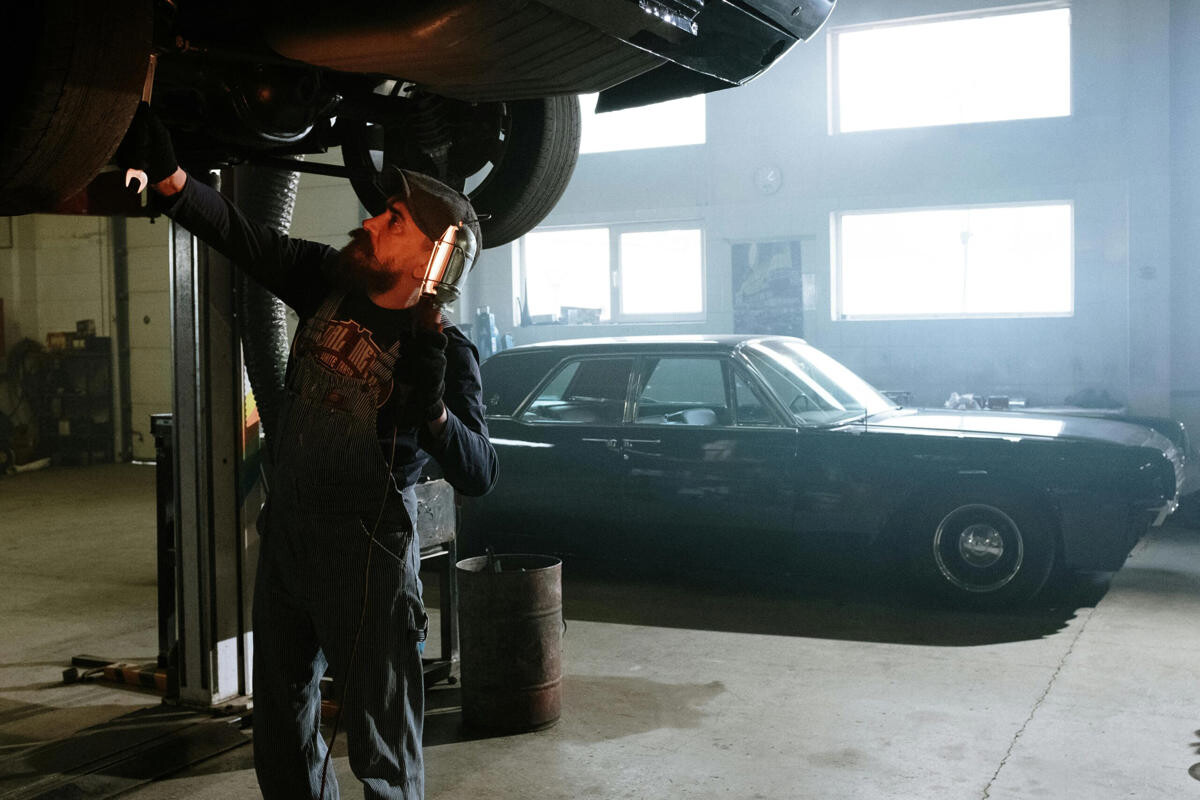
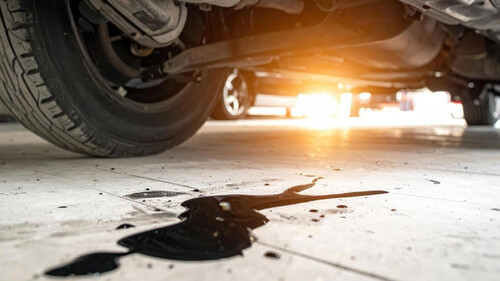
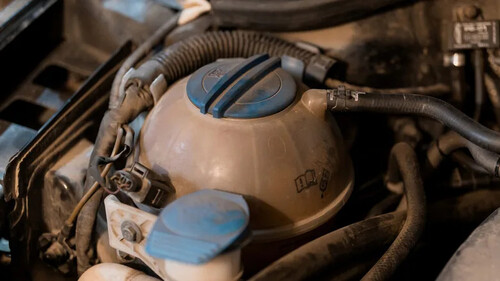
I brought my car in for a fluid leak, but the mechanic said it was just residue from a past serviceIt started the way most car worries do: with a suspicious spot on the driveway and a sudden interest in gravity, chemistry, and worst-case scenarios. One day it’s a tiny stain, the next day you’re crouched down with a paper towel like you’re collecting evidence at a crime scene. And of course, the car seems to run perfectly fine—because vehicles love being mysterious. So the appointment got booked, the keys got handed over, and the mental calculator started adding up potential repairs. Then came the curveball: the mechanic took a look, wiped a few areas clean, and said the “leak” was probably just residue left behind from a past service. No active drip, no failing seal, just old fluid that had clung on for dear life. How a “leak” can be real… and not actually happening If you’ve ever changed oil, topped off coolant, or had any kind of fluid service done, there’s a decent chance a little bit spilled somewhere along the way. That’s not always sloppy work; it’s just the reality of working around tight spaces and awkward angles. A few drops can land on a splash shield, a subframe, or the underside of the engine and hang around longer than you’d expect. The tricky part is that residue doesn’t always stay put. Heat cycles can thin it out, airflow can spread it, and gravity can guide it to the lowest point where it finally drops onto your driveway. That’s why a stain can show up weeks after the original spill, like a delayed plot twist. What mechanics look for when they hear “fluid leak” A good shop won’t just glance underneath and shrug. They’ll usually check common leak points—oil pan edges, drain plugs, valve cover seams, filters, coolant hoses, the transmission case—then look for fresh, wet fluid versus old, dusty grime. Fresh leaks tend to look shiny and wet; old residue usually looks darker, caked, and mixed with road dust. They may also clean the area and ask you to come back after a few days, or they’ll recheck after a short test drive. Some shops use UV dye in oil or coolant systems to confirm where fluid is coming from. It’s basically a glow-in-the-dark truth serum for cars. Why residue can mimic a new problem so well Cars are basically moving wind tunnels, and the underside is a messy place. A small spill near the top of an engine can travel backward as you drive, making it look like it’s coming from somewhere completely different. That’s how a harmless spill near the oil filter can end up looking like an oil pan gasket issue. Also, modern cars have plastic undertrays and splash shields that catch fluid like a shallow bowl. It can sit there quietly until it builds up enough to drip from the lowest corner. When it finally does, you see a fresh spot on the ground and assume the worst. What that puddle might’ve been (and how to tell at home) If you spot a stain, a few quick checks can help you describe it clearly. Engine oil is usually amber to dark brown and feels slick. Coolant often looks pink, orange, green, or blue and can feel slightly sticky with a sweet-ish smell (not a tasting recommendation, just a sniff-from-a-distance situation). Transmission fluid is commonly red or reddish-brown and slippery, and brake fluid tends to be clear to light amber but feels more “thin” than oil. Water from A/C condensation is the harmless classic: clear, odorless, and it usually shows up after running the air conditioning. If it’s water, congratulations—you’ve discovered the rare “leak” that’s actually good news. Why a past service can leave marks for a long time Even if the original spill was tiny, it can cling to textured surfaces and seams where it doesn’t get washed away. Add dust, and it turns into a grimy paste that stays put until it warms up and softens. Then it slowly migrates, and you get occasional drips that look brand new. Season changes can make this more noticeable too. Heat thins fluids and makes residue more likely to run; cold can make rubber seals shrink slightly, which sometimes creates a real seep that comes and goes. That’s why it’s smart that the mechanic didn’t dismiss your concern—even “probably residue” still deserves verification. What you should ask the shop so you leave feeling confident If you’re told it’s residue, it’s fair to ask what fluid they think it was and where they saw it. Ask whether they found any wet, active seepage and if they cleaned the area. A quick “Can you show me where it was?” is totally reasonable, and most mechanics are happy to point it out under the lift. You can also ask what signs would indicate it’s actually leaking and when to come back. Some shops will suggest monitoring the fluid levels for a week or two. If you’re the type who likes receipts for your peace of mind, ask them to note “no active leak found” on the work order. How to monitor it without turning your life into a car detective show The easiest move is to park over a clean piece of cardboard overnight for a few days. If you get new spots, you’ll see size, color, and location more clearly. It’s low-tech, but it works, and it beats guessing based on a driveway stain that’s been baked by the sun. Also, check your fluid levels on a schedule: engine oil dipstick, coolant reservoir level (only when the engine is cool), brake fluid reservoir, and transmission fluid if your car has a dipstick for it. If levels stay steady and there’s no new wetness underneath, the “residue” explanation starts to look pretty convincing. When “just residue” shouldn’t be the end of the story There are a few times you shouldn’t shrug it off. If the spot grows quickly, if you see an actual drip forming, or if any warning light comes on, that’s a comeback visit. Same goes for smells of burning oil, visible smoke, or a sudden change in how the car shifts or brakes. And if you’re topping off any fluid repeatedly, that’s no longer residue—something’s leaving the building. A slow leak can still be a real leak, even if it’s not dramatic. The goal isn’t to panic; it’s to catch problems early while they’re still cheap and boring. The surprisingly nice part of this kind of diagnosis Hearing “it’s just residue” can feel like you got a free pass from the car-repair gods. But it also tells you something useful: the shop took the concern seriously enough to inspect it, and your instincts were good enough to get it checked. That’s a win-win, even if it felt a little anticlimactic. Cars don’t send clear emails when something’s wrong—they communicate through stains, smells, and vibes. Sometimes it’s a real issue, and sometimes it’s just the ghost of an oil change past. Either way, getting it looked at beats the alternative: pretending you didn’t see it and hoping your driveway magically learns to keep secrets. More from Fast Lane Only Unboxing the WWII Jeep in a Crate 15 rare Chevys collectors are quietly buying 10 underrated V8s still worth hunting down Police notice this before you even roll window down The post I brought my car in for a fluid leak, but the mechanic said it was just residue from a past service appeared first on FAST LANE ONLY.