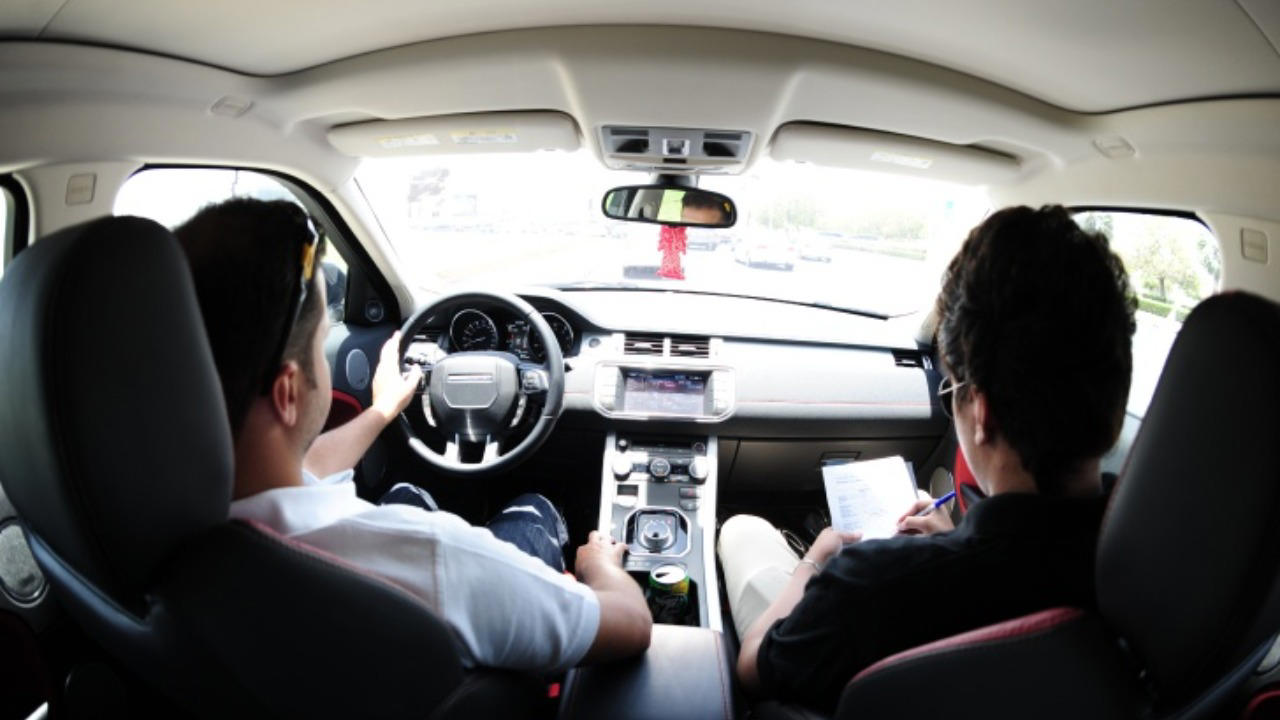
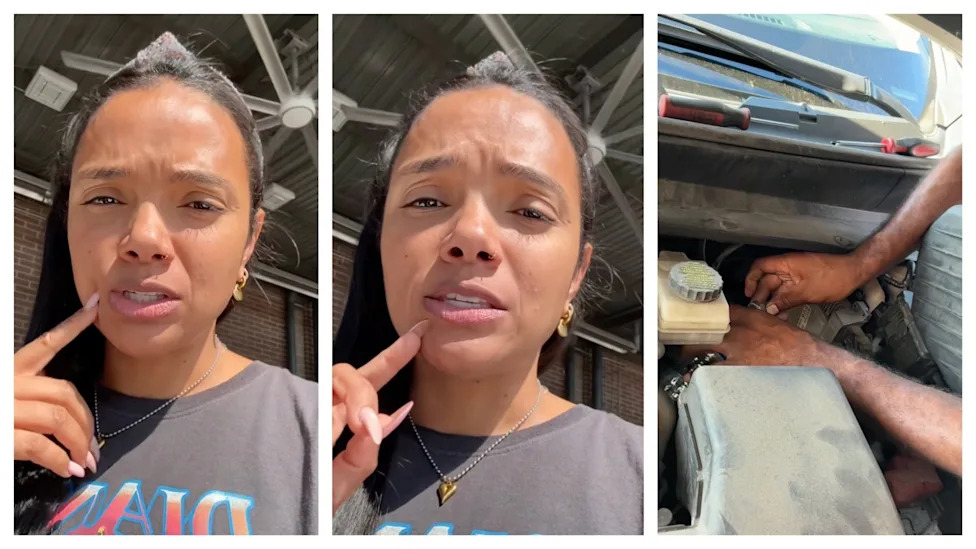
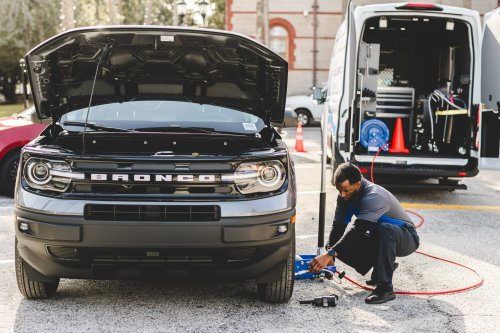
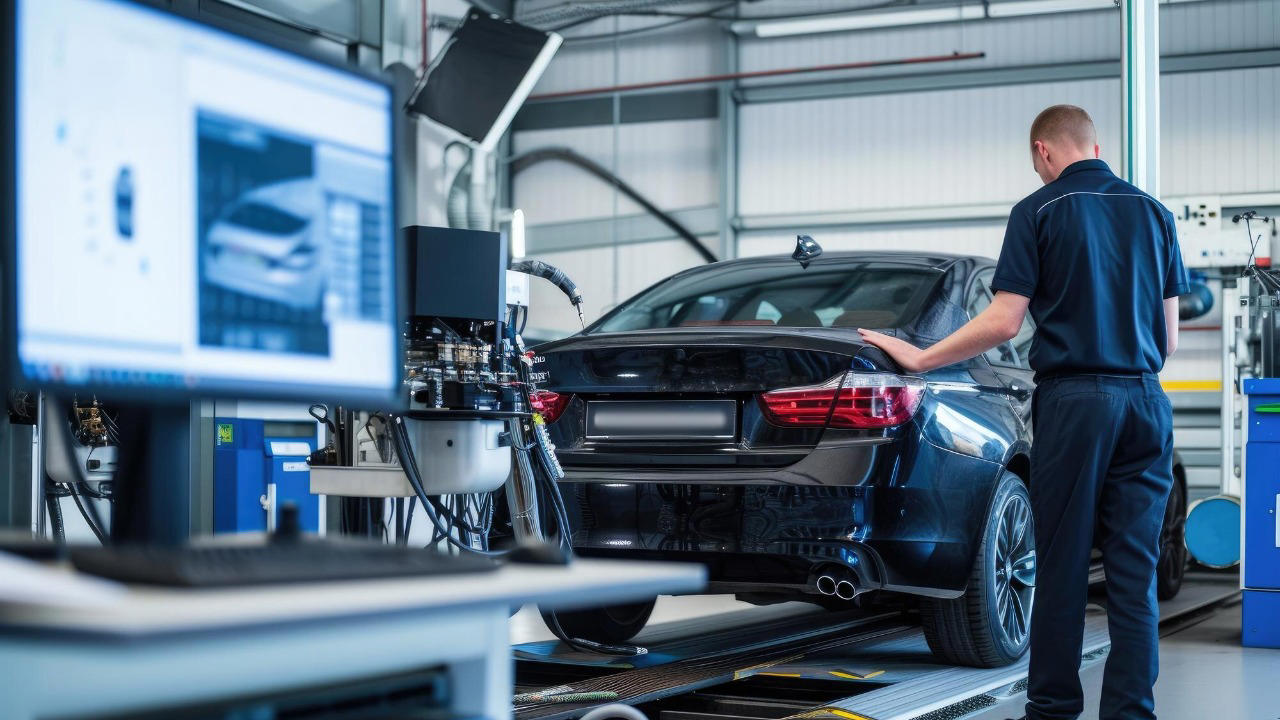
I brought my car in for a warranty noise complaint, and left with a bill for “diagnostic time not reimbursed”It started the way these things usually do: a new(ish) car, a weird noise, and that little voice in your head saying, “This is exactly why I have a warranty.” Maybe it was a rattle over bumps, a squeak when turning, or a clunk that appeared right after you told your friends the car has been “perfect.” So you book an appointment at the dealership, expecting a quick fix and a polite “all set.” Instead, plenty of people are walking back to the parking lot with something nobody expects in a warranty visit: a bill. Not for parts, not for repairs, but for time—specifically, “diagnostic time not reimbursed.” The phrase sounds like an accounting footnote, but it can translate into real money, and it’s leaving drivers confused, annoyed, and wondering if “warranty” means what they thought it meant. The surprise charge that doesn’t feel like a warranty visit The scenario is pretty consistent. You bring the vehicle in and describe the noise. The service advisor nods, writes it up, and tells you they’ll have a tech take a look—often with the casual tone of someone describing a routine oil change. Then comes the call (or the text) that the vehicle is ready. The noise might still be there, might be “could not duplicate,” or might be chalked up to “normal operation.” And on the invoice, there it is: diagnostic labor, sometimes one hour, sometimes more, labeled as not covered or not reimbursed. To a customer, it can feel like paying for the privilege of being told nothing’s wrong. Or worse, paying for the dealer to search for a warranty-covered issue and then charging you when the manufacturer doesn’t pay them. That’s the emotional sting: you didn’t ask for a new feature, you asked for the warranty you already paid for. What “diagnostic time not reimbursed” usually means Here’s the inside-baseball part. Dealerships don’t “own” your warranty; the automaker does. The dealer performs the work and submits a claim to the manufacturer, which then decides what it will reimburse—and under what conditions. For many warranty claims, the manufacturer pays a set amount of labor time based on a guide. If the problem is confirmed and matches a covered failure, the dealer can usually claim diagnostic and repair time within certain limits. But if the tech can’t confirm the concern, or if it’s judged “normal,” “environmental,” “wear,” “aftermarket-related,” or “no trouble found,” the manufacturer may refuse the claim. When that happens, someone still has to pay the technician for the time spent test-driving, inspecting, scanning codes, checking bulletins, and trying to recreate the noise. The dealer often pushes that cost to the customer. That’s where “not reimbursed” comes in: it’s code for “we tried to bill the manufacturer, and they said no.” Why noises are the perfect storm for this kind of charge Noises are slippery. They show up on cold mornings, disappear on smooth roads, and magically vanish the moment a technician gets behind the wheel. If you’ve ever tried to imitate a sound with your mouth in a service drive—“it’s like a ‘grrrk-ting’ when I’m turning left”—you already know how this goes. From the dealer’s perspective, noise complaints can be time sinks. A tech may spend an hour driving the exact route, checking wheel liners, tightening shields, and scanning for technical service bulletins, only to end up with nothing they can prove or replicate. And manufacturers don’t love paying for “could not duplicate.” From the customer’s perspective, that’s maddening. You didn’t invent the noise. You just can’t summon it on demand like a party trick. The key question: were you told up front? In many disputes, the issue isn’t that diagnostics cost money. It’s that the customer didn’t realize they might be responsible for it during a warranty visit. The service advisor may have said, “We’ll diagnose it under warranty,” which sounds like “this won’t cost you.” Some dealerships do give a heads-up: if the issue isn’t found or turns out not to be warrantable, a diagnostic fee applies. They may even ask you to sign an authorization that spells it out. If that didn’t happen—or if it was buried in fine print—people understandably feel blindsided. It’s also common for advisors to phrase it like a conditional: “Warranty covers it if it’s a defect.” That’s true, but it’s not the same as saying, “If we can’t confirm it today, you may owe $180 for diagnostic time.” Those are very different vibes. What you can do before your appointment (and why it helps) If your car’s making a noise, treat it like you’re gathering evidence for a tiny, low-stakes courtroom drama. Record a video with audio. Note the speed, road type, temperature, and whether you’re braking, turning, or accelerating. Better yet, try to reproduce it with the advisor on a short test drive before you hand over the keys. If they hear it too, it becomes a “verified concern,” and that tends to make warranty reimbursement more likely. It also reduces the chances of the dreaded “could not duplicate” line that can trigger a diagnostic charge. When you drop off the car, ask one direct question: “If you can’t duplicate it or it’s considered normal, will I be charged diagnostic time?” It’s not confrontational; it’s just clarifying the rules of the game before you play. What to do if you’re already holding the invoice First, ask for a clear explanation of what was done. “Diagnostic time” shouldn’t be a mysterious blob of labor. You can politely request details: road test time, inspection steps, scan results, and any bulletins checked. Next, ask whether the dealer attempted to submit a warranty claim and whether it was declined. If it was declined, you can ask why—no fault found, normal operation, aftermarket parts, or something else. Sometimes a simple re-write of the concern or additional documentation (like your recording) can change the outcome. If you weren’t informed about the possibility of a charge, say that plainly and calmly. Many service departments will work with you—waiving part of the fee, reducing the time billed, or offering a “goodwill” adjustment—especially if you’re a repeat customer. You can also ask to speak with the service manager if the front desk can’t help. Is this normal? Yes. Is it avoidable? Often, also yes. Like it or not, this practice is fairly common, and it’s been around for years. Dealerships operate on tight labor economics, and warranty reimbursement rules can be strict. When the manufacturer won’t pay, dealers look for somewhere else to place the cost. But common doesn’t mean inevitable. The biggest difference between a smooth warranty visit and an aggravating surprise bill is usually communication. A quick upfront conversation about diagnostic charges—plus a little noise “proof”—can save you money and save the service department a lot of back-and-forth. And if you’re thinking, “I thought a warranty meant I don’t pay for problems,” you’re not wrong for expecting that. The fine print, though, tends to define “problem” as “a confirmed defect,” not “a concerning sound that only appears when Mercury is in retrograde and you hit that one pothole near the grocery store.” The bigger takeaway for drivers If you’re bringing a car in for a warranty noise complaint, walk in with two goals: get the issue verified, and get the billing rules stated out loud. Neither one is dramatic. Both are practical. Because the real frustration isn’t paying for diagnosis in every case. It’s paying for it when you didn’t know it was on the table—and learning the hard way that “under warranty” sometimes comes with an asterisk the size of a hubcap. More from Fast Lane Only Unboxing the WWII Jeep in a Crate 15 rare Chevys collectors are quietly buying 10 underrated V8s still worth hunting down Police notice this before you even roll window down The post I brought my car in for a warranty noise complaint, and left with a bill for “diagnostic time not reimbursed” appeared first on FAST LANE ONLY.




















 +39 others