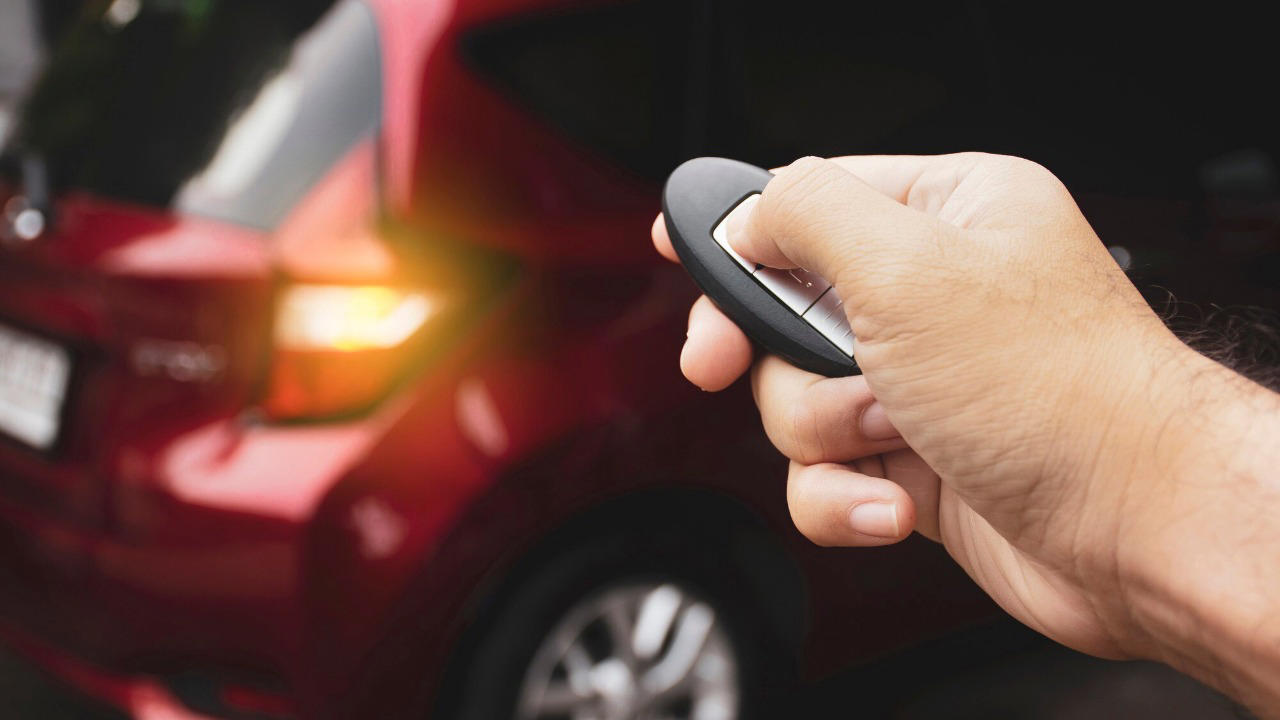



















Someone left a note on my windshield saying my car alarm is “too sensitive”It’s not every day you walk up to your car and find a tiny piece of neighborhood diplomacy tucked under the wiper blade. But there it was: a handwritten note, polite enough, and somehow still brutal in its simplicity—my car alarm is “too sensitive.” No exclamation points, no angry doodles, just a quiet verdict from a stranger who’s clearly heard one too many chirps. The funny part is I didn’t even realize I was That Car. You know the one: the alarm that goes off when a leaf thinks about landing on the hood. Apparently, my car has been holding auditions for a bird-sneeze detection system, and the neighbors have been forced to listen. The note that started a mini-mystery The note itself was short and direct, the way people write when they’ve already edited their feelings down to something printable. It didn’t threaten towing or call me names. It just asked—maybe begged—for me to get it checked. That kind of restraint almost makes you feel worse. If someone takes the time to leave a calm message instead of yelling into the void, it’s usually because they’ve tried every other option, including closing their windows and praying. What made it feel extra “newsworthy,” in the everyday-life sense, is how common this has become in dense neighborhoods and apartment lots. Cars are packed closer together than ever, and everyone’s sleep schedule is a delicate ecosystem. One overly enthusiastic alarm can throw the whole thing off like a bad group chat notification at 2 a.m. Why car alarms get jumpy in the first place Most modern car alarms don’t need a real break-in to get dramatic. Many systems rely on shock sensors that detect vibration, and those sensors can be adjusted—sometimes too aggressively by default, sometimes after an aftermarket install. If it’s set to “hair-trigger,” a shopping cart bump or a motorcycle rumble can be enough to start the show. Weather can also be a sneaky culprit. Big temperature swings can cause metal to expand and contract, and some cars interpret that as tampering, especially if a sensor is already borderline. Add wind, a loose hood latch, or a slightly misaligned door sensor, and suddenly your car’s acting like it’s guarding state secrets. And then there are false alarms caused by the battery itself. A weak car battery or a failing key fob battery can lead to weird electrical behavior, including alarms that trigger randomly or refuse to disarm smoothly. It’s the automotive version of being hangry—everything feels like a threat. The real cost of a “minor” nuisance An alarm going off isn’t just annoying; it changes how people feel in their own space. If it’s happening late at night or early in the morning, neighbors can start to feel trapped in a cycle of interrupted sleep, especially parents, shift workers, and anyone whose walls might as well be made of cardboard. You can’t put a price tag on rest, but your crankiest coworker will try. There’s also the awkward social side. People might not know whose car it is, but they’ll definitely notice patterns. After enough incidents, your vehicle becomes the parking lot’s main character, and not in a fun way. Ironically, frequent false alarms can undermine actual security. When alarms go off constantly, everyone tunes them out. If something real does happen, nobody looks up because they’ve been trained to assume it’s just the “sensitive” one again. What you can check before calling a professional If you find yourself on the receiving end of a windshield note, you don’t need to panic, but you do need a plan. Start with the simple stuff: make sure all doors, the trunk, and the hood are closing securely. A barely-latched trunk can be the silent troublemaker that makes the alarm think it’s being opened. Next, consider the battery situation. If your car has been slow to start, or if the key fob has been finicky, replacing the fob battery is cheap and fast. If the car battery is older or struggling, a quick test at an auto parts store can tell you whether it’s time. If it’s an aftermarket alarm, see if you can locate the sensitivity settings in the manual or app. Some systems have a small dial on the shock sensor module that can be turned down, which might immediately reduce false triggers. Just be careful not to turn it so low that the alarm becomes decorative. If it’s a factory alarm, here’s what usually helps Factory alarms can still act up, but troubleshooting is a little different. Sometimes the issue is a door-ajar sensor, a hood switch, or a latch sensor that’s dirty or failing. These parts can send mixed signals, especially in older vehicles or cars that live outside year-round. A dealership can diagnose it, but so can a reputable independent shop with the right scanner tools. If you want to keep costs reasonable, describe the problem clearly: when it happens, how often, and whether it’s connected to weather, time of day, or locking method. “It screams every time a squirrel thinks about crossing the street” is relatable, but “it triggers after locking with the fob, usually within 10 minutes” is actionable. Some cars also have settings that affect alarm behavior, like whether the horn honks on lock or how the security system arms. A quick look through the vehicle settings menu—or the owner’s manual—can reveal options you didn’t know existed. Manufacturers love burying practical features like they’re Easter eggs. The neighborly part: what to do about the note The fact that someone left a note instead of escalating is actually good news. It means the relationship is still in the “we can fix this” phase. If you feel comfortable, you can leave a brief response in the same spot, something like: “Thanks for the heads-up—getting it checked this week. Sorry about the noise.” It doesn’t need to be a whole apology tour. Just acknowledging it can defuse tension and reassure people you’re not ignoring them. Plus, it’s a small act of community that costs you one sticky note and about twelve seconds. If you live in an apartment complex, you might also let management know you’re addressing it. Not because you’re in trouble, but because it prevents misunderstandings and shows you’re being proactive. It’s easier to solve a noise issue when everyone believes it’s temporary. A relatable reminder: you’re not the villain, your alarm is Getting called out by windshield stationery is a uniquely modern embarrassment. Still, it happens to plenty of responsible people, especially when a sensor drifts out of calibration or a battery starts misbehaving. You can be a perfectly considerate neighbor and still end up with a car that panics at the sound of its own reflection. The upside is that “too sensitive” is usually fixable, and often without a huge bill. A small adjustment, a sensor replacement, or a battery swap can turn your car from anxious alarmist back into a quiet member of the community. And if you’re lucky, your next windshield surprise will be something nicer—like “Love your parking job,” which, honestly, would be a first for everyone. More from Fast Lane Only Unboxing the WWII Jeep in a Crate 15 rare Chevys collectors are quietly buying 10 underrated V8s still worth hunting down Police notice this before you even roll window down The post Someone left a note on my windshield saying my car alarm is “too sensitive” appeared first on FAST LANE ONLY.