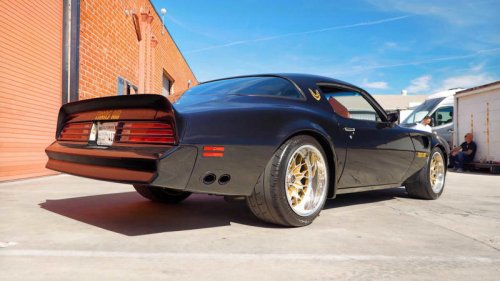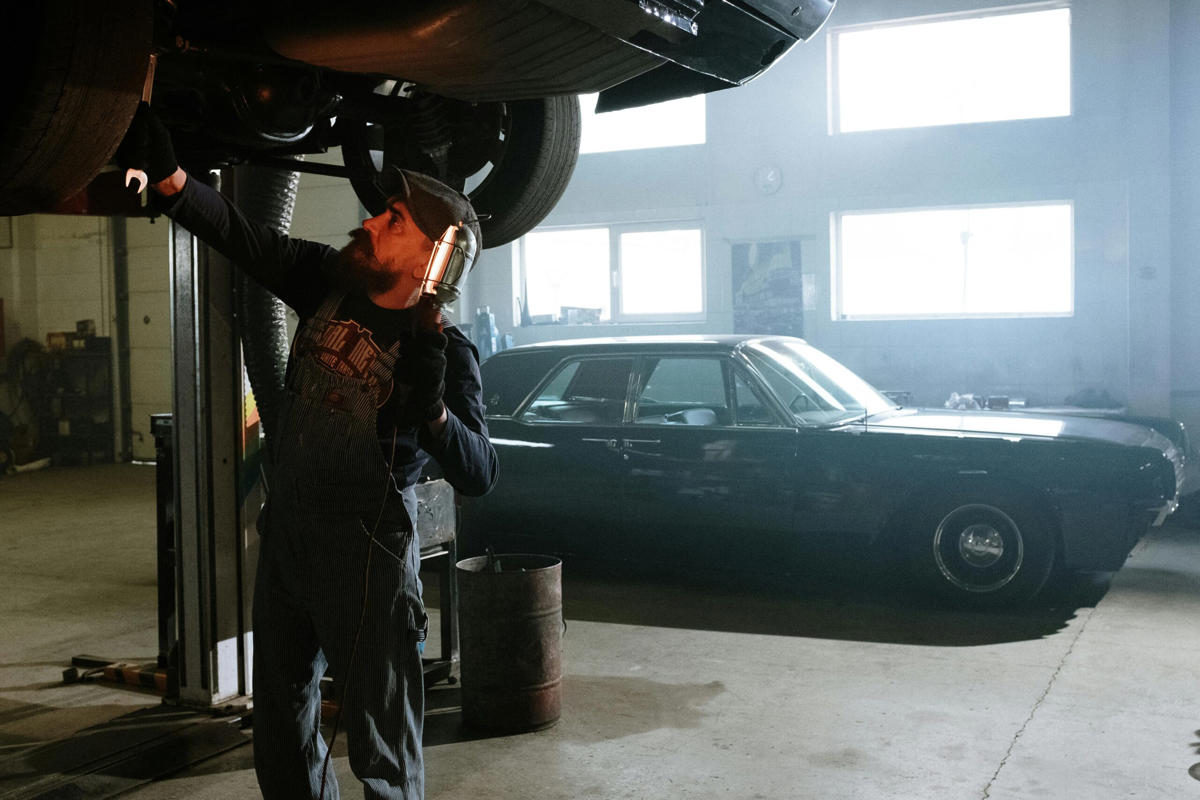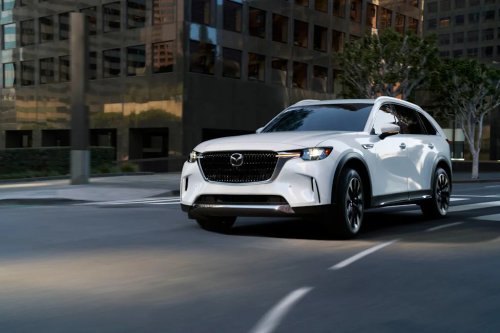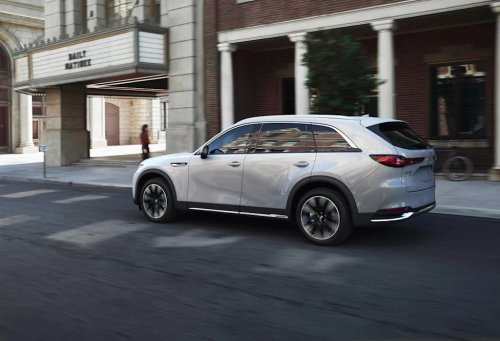



















The officer said my exhaust was “too aggressive for the area,” even though it’s completely stockIt starts the way a lot of modern traffic stops start: calm night, normal driving, and a sudden flash of red-and-blue in the mirror. The driver in this case—let’s call them Alex—wasn’t speeding, wasn’t swerving, and wasn’t revving at stoplights. Still, when the officer walked up, the first thing out of his mouth wasn’t about a turn signal or a plate light. It was, “Your exhaust is too aggressive for the area.” Here’s the twist: the car was completely stock. Factory exhaust, factory muffler, no “pop-and-bang” tune, no aftermarket anything. And yet, in the moment, Alex was left trying to figure out how a car can be both “as-built” and apparently “too much.” A subjective phrase with real consequences “Too aggressive for the area” isn’t a phrase you’ll find neatly defined in most vehicle codes. That’s part of why it lands so strangely. It sounds less like a measurable violation and more like a vibe check. But subjective language can still lead to very real outcomes: warnings, fix-it tickets, citations, or in some places even orders to get a sound test. And because many noise rules are enforced based on an officer’s perception, drivers can end up feeling like they’re arguing with someone’s ears. How a stock exhaust can still sound “loud” Alex’s situation isn’t as rare as you might think. Cars that are bone-stock can still draw attention, especially newer models that come from the factory with sportier exhaust notes. Some trims are intentionally tuned to sound more “alive,” and manufacturers have gotten good at making that happen while staying within regulations. Then there are the other variables: cold starts can be louder, certain RPM ranges resonate, and some streets amplify sound like a hallway. Drive past a row of parked cars or a wall and suddenly your normal engine note bounces right back at you. Add a quiet neighborhood at night and even mild exhaust can feel like it’s shouting. Noise enforcement isn’t always about decibels A lot of people assume there’s always a decibel meter involved. Sometimes there is, but plenty of jurisdictions don’t require officers to measure sound on the roadside. Instead, the law might prohibit “excessive” or “unusual” noise, which is… not exactly precise. That’s where stock cars can get caught in the net. If the rule is “no modified exhaust,” you’d think factory equipment is safe. But if the rule is “no excessive noise,” then “stock” doesn’t automatically mean “immune,” especially if the officer believes the sound is unreasonable for the setting. The “area” part: why location changes everything The officer’s wording is telling. “For the area” suggests the concern wasn’t purely mechanical; it was contextual. A busy commercial boulevard at 5 p.m. and a residential street at 11 p.m. don’t get treated the same, even if the car makes the exact same sound. Some cities also have specific quiet zones near hospitals, schools, or dense residential blocks. Even when those zones aren’t formally marked, complaints from residents can lead to targeted enforcement. If a neighborhood’s been calling in “loud cars,” officers may be on the lookout, and the threshold for what counts as “too loud” can drop fast. What usually happens during stops like this In Alex’s case, the officer didn’t claim the exhaust was illegally modified. He focused on the sound and the setting, asked a few questions, and stood behind the car while Alex idled. Alex mentioned it was stock, offered that the car was purchased that way, and asked if there was a specific issue like a missing muffler. That’s often the fork in the road: either it ends as a warning, or it turns into a citation that requires proof later. Sometimes officers will write a ticket under a general noise statute. Other times it’s a “modified exhaust” citation even when the driver insists it’s factory, which can become a paperwork problem more than anything else. Why “stock” can be hard to prove in the moment On the roadside, “it’s stock” is basically a trust exercise. The officer can’t easily verify the original parts without crawling under the car, checking part numbers, or pulling manufacturer documentation. If the car is a performance model, it may also look like the kind of vehicle people modify—even if you haven’t touched it. There’s also a more mundane issue: plenty of owners buy used cars that have subtle modifications without realizing it. A prior owner can install an aftermarket axle-back that looks OEM-ish, and most people won’t notice until a cop points at it. Alex was confident, but you can see why an officer might not take a verbal assurance as definitive proof. If this happens to you, here’s what helps First, keep the interaction calm and practical. “I understand” and “I want to make sure I’m compliant” goes further than debating whether the exhaust feels aggressive. You’re not conceding guilt; you’re keeping the temperature down. Second, ask what the officer is citing: a noise ordinance, modified exhaust law, or something else. That one detail matters because it determines what you’ll need later—decibel testing, an inspection, or simply proof of factory equipment. If you receive a ticket, politely ask how to resolve it and whether a fix-it sign-off or inspection clears it. Third, gather quick documentation when you can. If your car is truly stock, a dealer service printout stating the exhaust system is OEM can be useful. Even the original window sticker or manufacturer spec sheet can help, especially if it notes a factory “sport exhaust” as part of the trim. The bigger trend: cities cracking down on “noise,” broadly defined Alex’s stop comes at a time when many cities are taking vehicle noise more seriously. Some places have rolled out noise cameras that trigger tickets when sound exceeds a threshold, while others are doing targeted patrols based on resident complaints. The motivation is usually quality-of-life: sleep disruption, startling pedestrians, and the sense that some drivers treat streets like a stage. The tricky part is that enforcement tools don’t always cleanly separate the truly obnoxious—straight pipes, removed mufflers, crackle tunes—from the merely noticeable. When the focus is “noise” as a category, stock performance cars can get swept in, especially in quiet neighborhoods or at night. So was the officer wrong? Maybe, maybe not. If the exhaust is stock and within legal limits, Alex may have a solid case—especially if the citation alleges modification. But if the local code is written around “unreasonable” noise, the question becomes less about parts and more about perception, time, place, and how the law is interpreted. Either way, the encounter highlights a frustrating reality: you can do everything “right” mechanically and still end up explaining your car to someone who thinks it sounds out of place. And if you’re driving a model that’s designed to sound sporty, you may want to keep your paperwork handy—because apparently, “factory” and “aggressive” can live in the same sentence now. More from Fast Lane Only Unboxing the WWII Jeep in a Crate 15 rare Chevys collectors are quietly buying 10 underrated V8s still worth hunting down Police notice this before you even roll window down The post The officer said my exhaust was “too aggressive for the area,” even though it’s completely stock appeared first on FAST LANE ONLY.