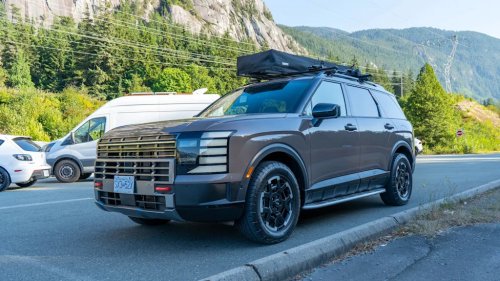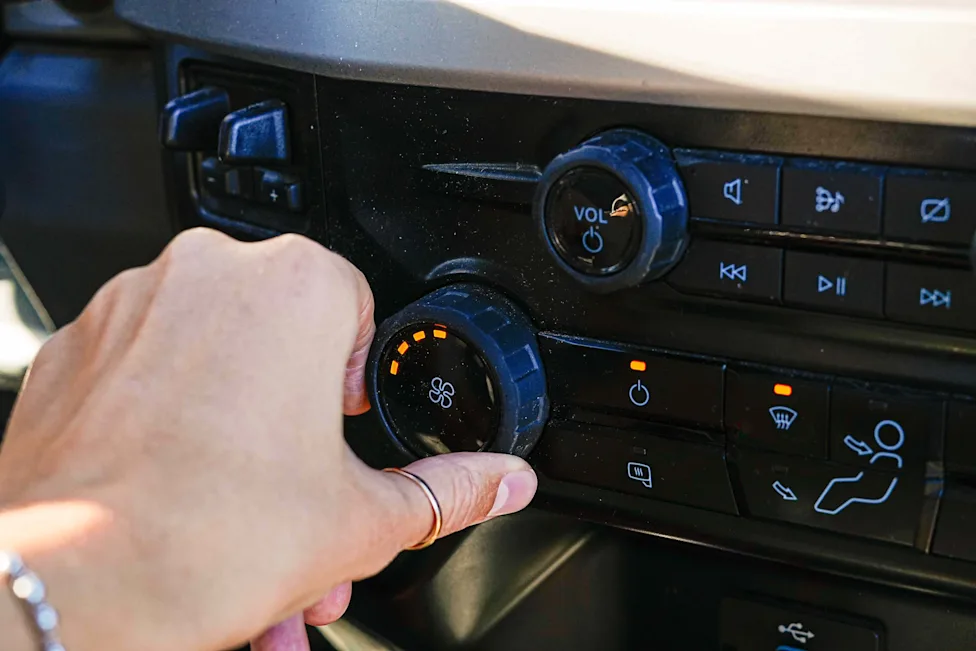



















I took my car in because the AC stopped working, but the dealer said it was just “operating as designed”It started the way these things always do: one day the air conditioning was fine, and the next day it was basically a polite fan with delusions of grandeur. The cabin got stuffy, the vents blew “kinda cool if you squint,” and the dashboard didn’t show any obvious warnings. So, like a responsible adult who enjoys not arriving at work lightly roasted, the car went to the dealer. The expectation was simple: identify what failed, fix it, hand over the keys, and go back to pretending car ownership is a calm, predictable experience. Instead, the service advisor delivered a phrase that has launched a thousand group chats: “It’s operating as designed.” The tone was reassuring, like that should make the warm air feel less warm. The complaint: “It used to be cold, and now it’s not” The problem wasn’t subtle. At idle, the vents blew air that felt barely cooler than outside, and at stoplights it seemed to get worse. On the highway it improved a little, which was both a clue and an insult, because it meant the car could do the job—just not when it was most needed. There were a few classic tells. The compressor didn’t sound angry, there wasn’t a dramatic smell, and nothing was dripping onto the driveway like a defeated robot. It just… didn’t chill the cabin the way it had last summer. What the dealer checked (and what they didn’t exactly say out loud) Dealers typically run through a standard process: scan for fault codes, check system pressures, confirm the compressor engages, and verify vent temperature under a specific set of conditions. If the system hits the manufacturer’s target in that test window, it can get stamped “OK,” even if it feels disappointing in everyday use. That’s where “operating as designed” tends to show up like an unwanted cameo. The tricky part is that air conditioning performance isn’t one single thing. It’s a dance between refrigerant charge, compressor output, ambient temperature, humidity, engine cooling performance, airflow across the condenser, and even how the vehicle’s software decides to manage everything. If the test is short, or the conditions are favorable, a borderline system can look fine on paper. “Operating as designed” doesn’t always mean “nothing’s wrong” That phrase can mean a few different things, and some are more reasonable than others. Sometimes the system really is working within spec, and the “spec” is simply less icy than older cars because manufacturers prioritize efficiency. Other times it’s a translation for “we can’t reproduce it today” or “we don’t have enough evidence to replace parts under warranty.” It can also mean the car is protecting itself. Many modern vehicles will reduce AC output at idle if engine temps rise, if the battery state of charge is low, or if the car’s trying to maximize fuel economy. That’s not a conspiracy; it’s software making decisions—sometimes the kind that makes humans sweat. The real-world reasons AC can feel weak (even without a hard failure) Low refrigerant is the big one, and it doesn’t always leave a dramatic puddle. A tiny leak over time can drop the charge enough that cooling gets weak at idle or in high heat, while still looking “almost normal” during a quick check. If the dealer only verifies pressures without measuring exact refrigerant quantity, a borderline charge can slip through. Airflow problems are another common culprit. A condenser clogged with bugs, road grime, or bent fins can’t shed heat well, and the AC suffers most when the car isn’t moving fast. Weak radiator fans, a fan control module acting up, or even a blocked grille can cause the same vibe: “It’s cool-ish until I stop.” Then there are blend door and climate-control quirks. If a blend door actuator is lazy or miscalibrated, the system might mix in warm air even while the AC is doing its best. It’s like ordering an iced coffee and someone topping it off with hot espresso for “balance.” How a system can pass a test but still annoy you daily Service departments often test vent temperature at a set blower speed, recirculation setting, and engine RPM, sometimes in a shaded bay. If the car hits the target—say, a certain temperature drop from ambient—the result is “within specification.” But real life includes sun load, traffic, heat-soaked dashboards, and the unpleasant reality of black interiors. Also, the car might be “designed” to ramp compressor output differently depending on drive mode or eco settings. Some systems pull back hard in Eco to save fuel, and they don’t always advertise how dramatic that pullback can feel. If the driver’s been using the same mode forever, the change might not be obvious until the hottest day arrives to bully everyone involved. What helped: turning a vague complaint into something testable The best way to move past “could not duplicate” is to show a pattern. Bringing notes helps: outside temperature, whether the car was idling, whether it was in recirculation, fan speed, and how long it took before the air got weak. If there’s a specific moment it fails—like after 20 minutes in traffic—that’s gold for a technician. Even better: a quick video. A clip showing the vent thermometer reading climbing at idle, then dropping when the car moves, turns a subjective complaint into a little science project. Service departments love anything that reduces guessing, even if they don’t say “thank you for being a nerd about this.” Questions that get clearer answers than “it’s fine” Instead of asking “Is it working?” it helps to ask for numbers. What was the center-vent temperature at idle after five minutes, and what was the ambient temperature? What were the high-side and low-side pressures, and were the radiator fans commanded on during the test? It’s also fair to ask how the refrigerant charge was verified. Did they recover and weigh the refrigerant, then recharge to spec, or did they only check pressures? Pressure readings can look “acceptable” while the charge is still off, especially with variable-displacement compressors and modern control strategies. If it’s truly “by design,” it should be easy to demonstrate Here’s the funny thing: if the behavior is normal, the dealer should be able to show it clearly and consistently. They can compare it to another identical vehicle, or point to a technical service bulletin describing the exact symptom and why it happens. “By design” shouldn’t be a mystery; it should come with receipts. Sometimes there really is a known quirk, like the system limiting cooling at idle to protect engine cooling on very hot days. If that’s the case, it’s reasonable to ask what the driver can do—recirculation, higher idle through remote start, avoiding Eco mode, or checking for software updates that improve fan logic. If it’s normal, there should be a normal workaround, too. What happened next in the service lane After the “operating as designed” moment, the conversation usually splits into two paths: accept it, or ask for a deeper look. A deeper look might mean leaving the car longer so it can heat-soak, requesting a ride-along to reproduce the issue, or asking for an HVAC performance test printout. It’s not about being difficult; it’s about matching the test to the real-world complaint. And if the car’s under warranty, it’s worth getting the concern documented, even if they don’t fix it that day. Problems that start as “minor” can become obvious later, and having a paper trail can save a lot of arguing when the weather gets hotter and patience gets thinner. In the end, “operating as designed” can be true and still feel ridiculous when you’re sweating in traffic. The goal isn’t to win a debate with the service desk; it’s to get the car to cool the way a normal human expects. With a few numbers, a repeatable scenario, and the right questions, that phrase stops being a dead end and starts being the beginning of an actual diagnosis. More from Fast Lane Only Unboxing the WWII Jeep in a Crate 15 rare Chevys collectors are quietly buying 10 underrated V8s still worth hunting down Police notice this before you even roll window down The post I took my car in because the AC stopped working, but the dealer said it was just “operating as designed” appeared first on FAST LANE ONLY.