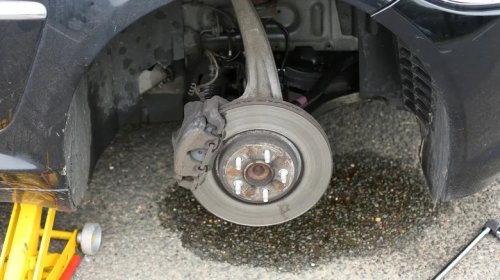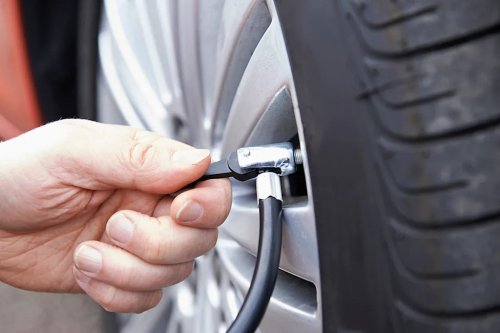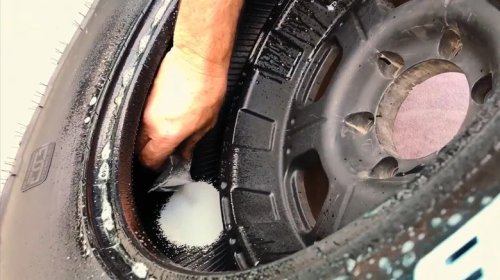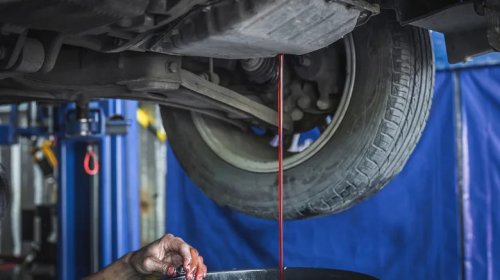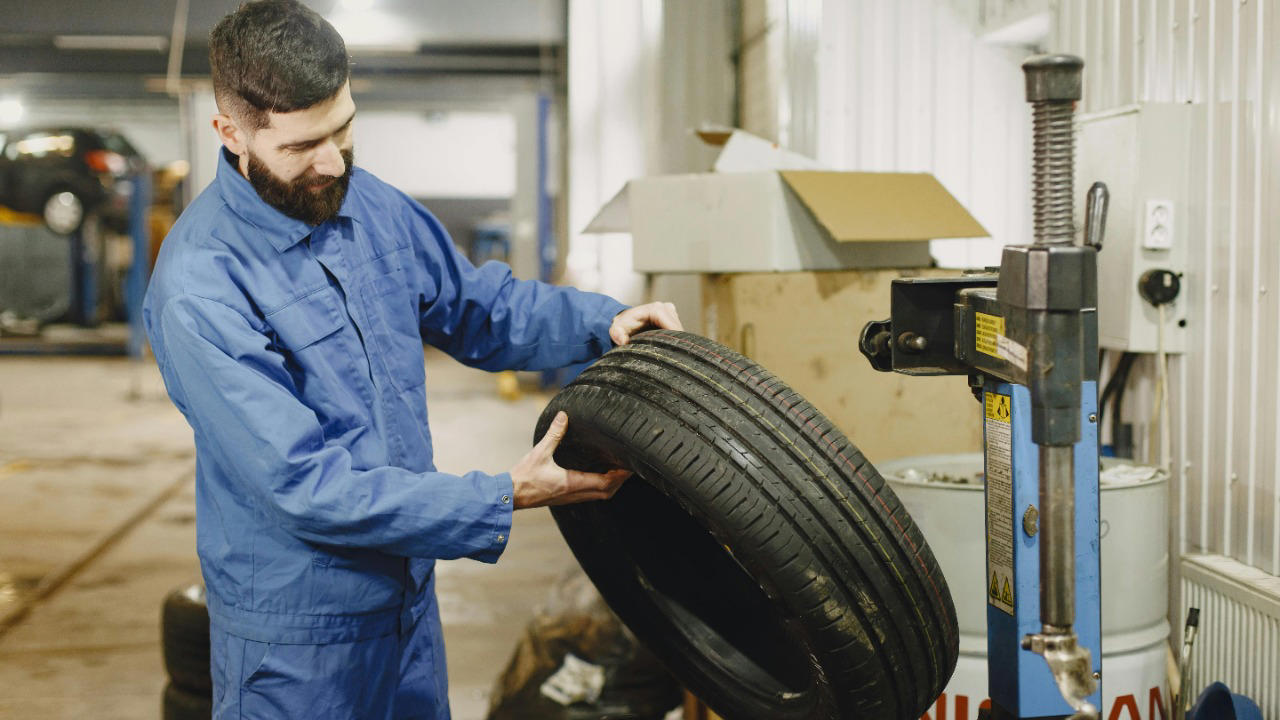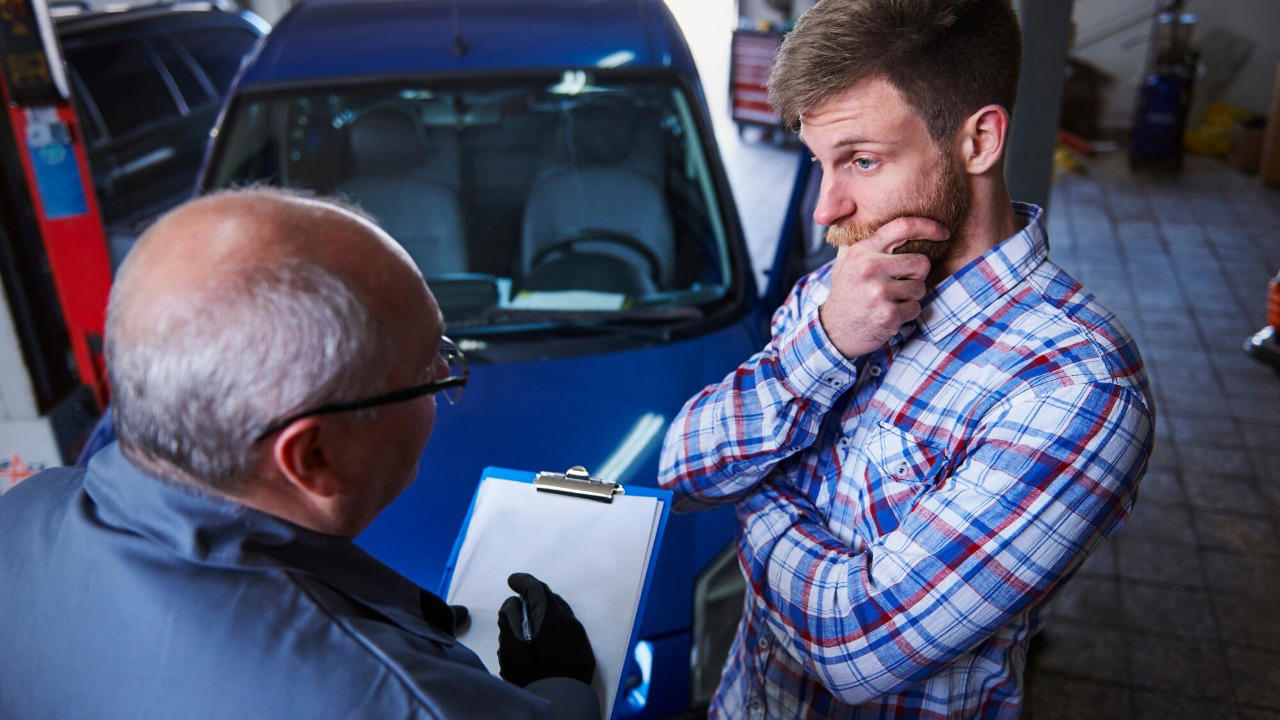




















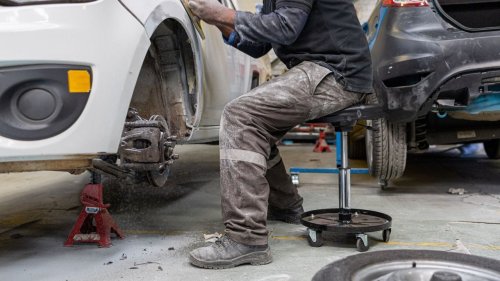





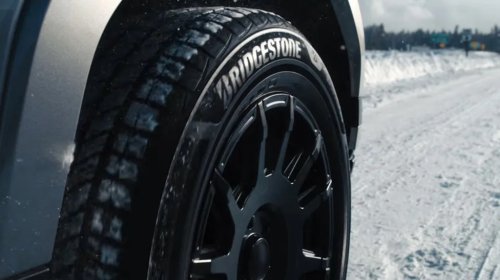





I took my car in for a slow leak in one tire, but the shop recommended replacing all fourIt started as the most minor kind of car annoyance: one tire that needed air every few days. Not flat-flat, just “grab the compressor again” flat. So the plan was simple—swing by the shop, patch the leak, be on the road before the waiting-room coffee got cold. Then came the curveball. After a quick look, the shop came back with a recommendation to replace all four tires. And suddenly a cheap fix felt like it was trying to audition for a whole new line item in the budget. How a slow leak turns into a four-tire conversation A slow leak can be a nail, a screw, a leaky valve stem, corrosion around the bead, or even a tiny crack in the wheel. Many of those are patchable or at least fixable without buying a whole set. The weird part is that a leak often sends you in for one issue, but the inspection uncovers a separate one: overall tire wear. Shops usually don’t look at a tire in isolation. When one tire comes off, they check tread depth, sidewall condition, dry rot, uneven wear, and age on all four. If the other tires are close to the wear bars, or if the leaking tire is older and worn differently, the “one quick patch” turns into “these are all living on borrowed time.” The most common reasons a shop recommends all four The first reason is plain old tread depth. If three tires are nearly worn out and one has a puncture, the shop may figure it’s not worth patching something that’s going to be replaced soon anyway. It can feel like upselling, but sometimes it’s just math. The second reason is uneven wear. If one tire is significantly more worn than the others, it can affect handling and braking, especially in rain. That uneven wear can also hint at an alignment issue, which is a separate problem that’ll chew through new tires if it isn’t addressed. The third reason is tire age. Even with decent tread left, rubber hardens and cracks over time, and most tires start raising eyebrows around the six-year mark. If the tires are old enough to have sidewall cracking, a patch won’t change the fact that the rubber itself is aging out. When replacing all four really does matter If the car is all-wheel drive, this recommendation can be genuinely important. Many AWD systems are picky about tire circumference, because different tread depths can make one tire spin slightly differently than the others. Over time, that mismatch can stress the center differential or transfer case, which is a painfully expensive way to “save” on tires. Even on front-wheel or rear-wheel drive, four matched tires can keep the car predictable. Mixing tread depths and tire models isn’t automatically dangerous, but it can make wet braking and emergency handling less consistent. The shop may be trying to keep you from leaving with one “good” tire and three that turn the car into a coin flip in the rain. But sometimes “all four” is more suggestion than necessity Not every slow leak should trigger a full set replacement. If the other tires have solid tread left and are in good condition, patching or replacing just the one tire can be perfectly reasonable. The key is whether the tire can be safely repaired and whether its replacement will match the others closely enough. There are also situations where two tires make more sense than four. If the tires are worn but not dead, replacing two (usually the pair on the same axle) can be a compromise. Many tire folks prefer putting the new pair on the rear for stability in wet conditions, even on front-wheel-drive cars, which feels backwards until you see what a rear slide looks like. What to ask the shop, without turning it into a courtroom drama Start with the simple question: “Can you show me the tread depth on all four?” Tread is measurable, and most shops have a gauge that makes this a quick, non-awkward demo. If you hear numbers, you can make a decision with something more concrete than vibes. Next ask, “Is the leak repairable, and where is it?” A puncture in the tread area is often repairable with a patch/plug combo, but damage near the sidewall typically isn’t considered safe to repair. If the leak is from the valve stem or bead, that’s a different fix than a nail. Then ask, “How old are the tires?” The manufacture date is on the sidewall as a four-digit code (week and year). If the tires are approaching the age where cracking is common, that makes the recommendation more reasonable, even if tread looks okay. The match-up problem: why one new tire can be tricky Replacing just one tire isn’t always as simple as buying the same size. Two tires with the same size printed on the side can still have noticeably different tread depth, and that changes overall diameter. On AWD, that difference can be a bigger deal; on other drivetrains, it’s mostly about traction balance and how the car behaves under braking. Some people split the difference by getting a new tire “shaved” to match the tread depth of the remaining tires, though not every shop offers it. It sounds ridiculous until you realize it can be cheaper than drivetrain repairs or a full set. If the shop immediately jumps to four without discussing match options, it’s fair to ask what alternatives exist. Cost reality: what you’re paying for (and what you’re not) A full set can feel like a punch, but it usually includes more than rubber. Mounting and balancing, disposal fees, and sometimes alignment checks get bundled into the quote. A good shop should itemize it so you can see what’s actually happening to the number. Also, tire pricing isn’t just about brand hype. Tread life, wet traction, road noise, and warranty can vary a lot. If the recommendation is four new tires, it’s completely reasonable to ask for two or three different options at different price points. So what should you do if you came in for a leak? If the tires are worn, old, or mismatched enough to create a safety or drivetrain issue, replacing all four can be the sensible move, even if it stings. If the other three are in good shape, a repair or single-tire replacement might be the better call. The difference comes down to measurable tread depth, tire age, and whether the leak is in a repairable spot. The best part is you don’t have to decide on the spot based on pressure—ironically, the one thing you came in for. Ask to see the measurements, ask where the leak is, and ask what they’d do if it were their own car. If the answers are clear and consistent, it’ll feel less like a sales pitch and more like a plan. More from Fast Lane Only Unboxing the WWII Jeep in a Crate 15 rare Chevys collectors are quietly buying 10 underrated V8s still worth hunting down Police notice this before you even roll window down The post I took my car in for a slow leak in one tire, but the shop recommended replacing all four appeared first on FAST LANE ONLY.