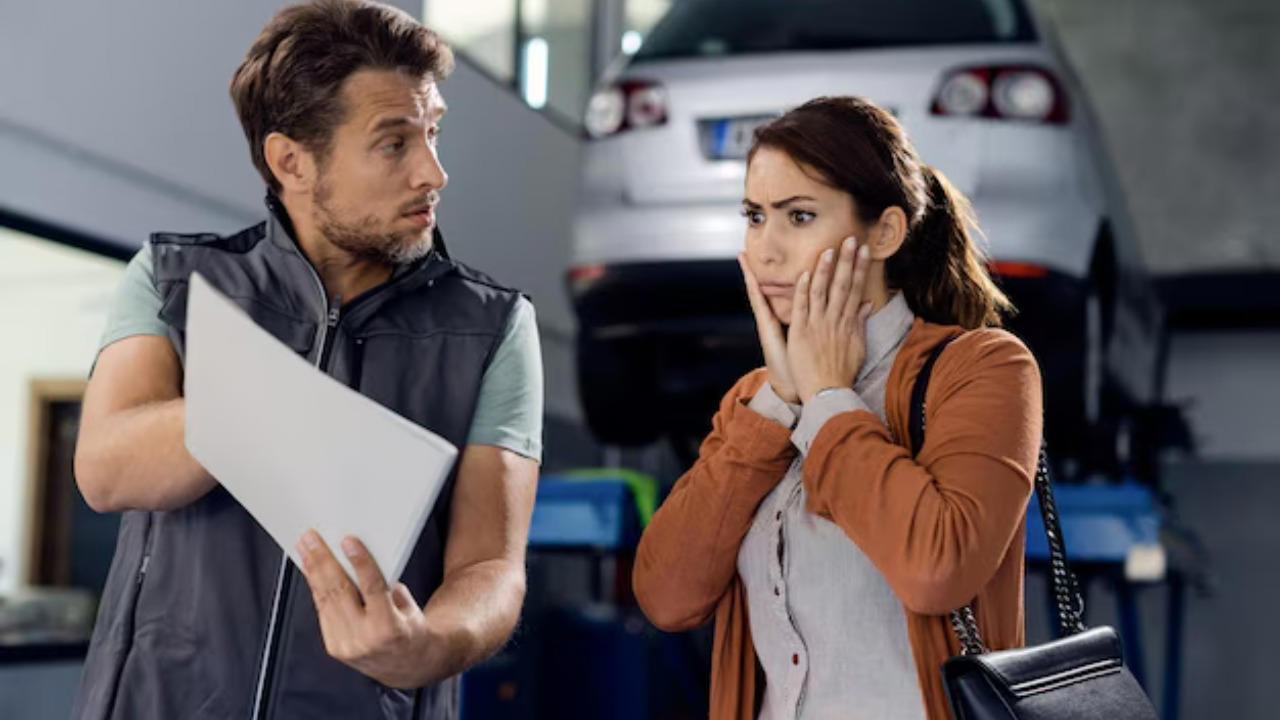
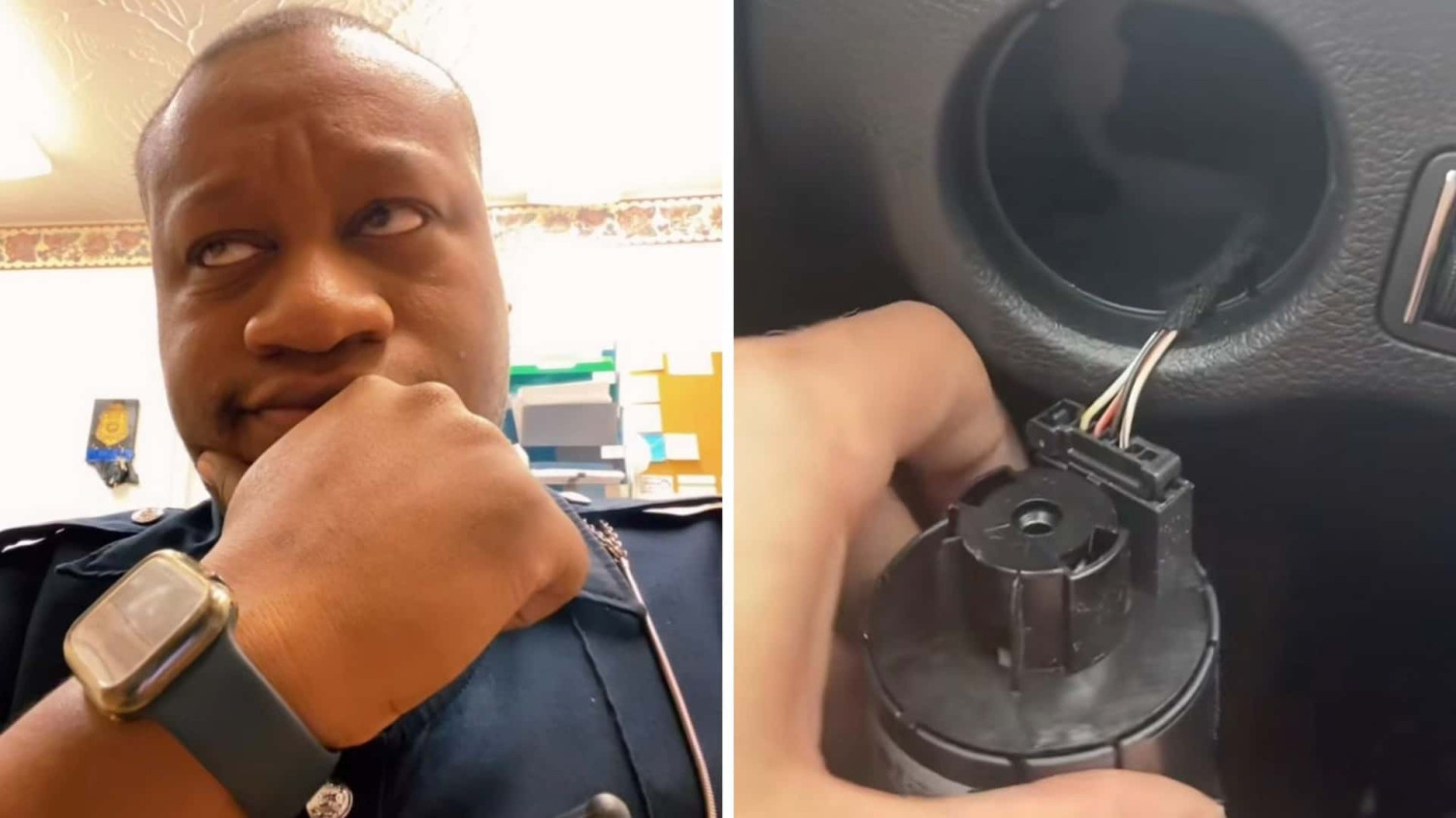
I took my car in for a recall fix, but it came back with a warning light that wasn’t there beforeIt’s the kind of errand that’s supposed to feel responsible and low-stress: book the recall appointment, hand over the keys, drink the waiting-room coffee, then drive home feeling like a model citizen. Except this time, the car rolled out of the service lane with a brand-new warning light glowing on the dash like a tiny neon “surprise.” The recall was “done,” but now something else was apparently wrong. If this has happened to you, you’re not alone. More drivers are reporting the same frustrating pattern: come in for a recall repair, leave with a dashboard light that wasn’t there before. Sometimes it’s nothing serious. Sometimes it’s a sign something got bumped, unplugged, or needs a reset. When a simple recall turns into a “Wait, what’s that light?” moment Recalls are usually straightforward, but the work still involves pulling panels, unplugging connectors, disconnecting the battery, or updating software. Any of those steps can accidentally trigger a warning light, especially in cars packed with sensors that are sensitive, dramatic, and a little too eager to report their feelings. Most of the time, the warning pops up for predictable reasons: a low battery voltage during service, an electrical connector not fully seated, or a system that needs recalibration after parts are replaced. It can also happen if the technician runs a scan and clears one set of codes, only for another system to complain once the car goes through its next drive cycle. The most common culprits (and why they happen) One frequent offender is the battery being disconnected or running low during the recall work. Modern vehicles can throw warning lights when voltage dips, and those lights don’t always clear on their own, even if everything’s fine. Think of it like the car got startled and never fully calmed down. Another common cause is a loose connector or harness clip that didn’t click into place. Recalls sometimes involve areas near airbags, seat sensors, steering components, or engine wiring, and it only takes one slightly off connection to light up the dash. The annoying part is it might drive “normal” while still showing a warning. Software updates are also a big one now. Some recalls are basically a computer patch, and after reprogramming, certain systems may require a relearn procedure—like steering angle calibration, throttle adaptation, or camera/radar alignment. If that step is skipped or doesn’t complete, the car can complain loudly with a light that looks scarier than the actual problem. Is it dangerous to drive home with the new warning light? It depends on the light, but it’s smart to take it seriously until you know what it is. A steady “check engine” light often means “get it checked soon,” while a flashing check engine light can mean “stop driving before something expensive melts.” Brake system warnings, airbag lights, and temperature warnings should be treated as urgent. If it’s something like a tire pressure light and your tires look fine, it may be a sensor wake-up issue or a relearn situation. Still, don’t guess—snap a photo of the warning and look up what that specific icon means for your vehicle. Your owner’s manual (or the manufacturer’s app) usually spells out what’s “okay to drive” and what’s “pull over now.” What to do right away (while it’s still fresh) First: document it. Take a quick photo of the dashboard with the warning light and the mileage visible, and if there’s a message on the screen, photograph that too. If you can, note the time and whether the light appeared immediately on pickup or after a few miles. Next: turn around if you’re close, or call the service department the same day. The closer you are to the moment the recall work finished, the harder it is for anyone to argue it’s unrelated. Plus, if it’s something simple—like a connector or a reset—they may be able to fix it on the spot without another appointment. How to talk to the service desk without it getting weird You don’t need to go in swinging. A calm, specific description works best: “This warning light wasn’t on when I dropped it off. It came on immediately after the recall work.” That frames the problem clearly without accusing anyone of sabotage. Ask two direct questions: “Can you pull the codes and tell me what triggered it?” and “Is this related to the recall work you performed today?” If they say it’s unrelated, ask them to explain why, based on the codes and the service steps they performed. You’re not being difficult—you’re asking them to connect the dots. Should you pay for diagnosing a problem that showed up after recall service? This is where things can get murky, and it varies by shop and situation. If the warning is clearly tied to the recall repair—like an airbag connector not seated after an airbag-related recall—it’s reasonable to expect them to correct it at no cost. If the scan shows an unrelated failure (say, an oxygen sensor that was already on its way out), they may treat it as separate. If they want to charge a diagnostic fee, ask politely whether they can waive it given the timing. Sometimes they will, especially if the light appeared immediately after pickup. And if they won’t, ask for a printed copy of the diagnostic report and codes so you can make an informed decision. What the codes can tell you (even if you’re not a car person) When they scan the car, they’ll see diagnostic trouble codes (DTCs) that point to the system complaining. You don’t need to decode everything, but you do want the exact code numbers (like P0xxx, C0xxx, B0xxx, or U0xxx). Those codes help determine whether it’s powertrain, chassis, body, or communication-related. Communication codes (often starting with “U”) can pop up if a module didn’t like the battery being disconnected or if a connector is loose. Calibration-related messages can appear after steering, braking, or driver-assist work. If the code points to the same area the recall touched, that’s useful context when you ask for it to be addressed. Why this happens more now than it used to Cars are basically networks on wheels, and every module wants to be consulted before anything changes. A recall that once meant “swap this part” might now involve software, sensor checks, camera alignment, and a post-repair scan. More steps mean more chances for a tiny hiccup to show up as a warning light. Also, many vehicles run self-tests after a few drive cycles. That means you might pick up the car with no lights, then get one the next morning when the car decides to run a system check. It’s still worth calling right away, because the timeline matters. If the shop says, “It’ll clear on its own,” here’s what to ask Sometimes that’s true, especially after a low-voltage event or a temporary sensor glitch. But it shouldn’t be a shrug-and-send-you-off situation. Ask: “How many drive cycles should it take?” and “If it doesn’t clear by then, can I come back without another diagnostic charge?” If they’re confident it’s harmless, ask them to note it on the repair order. That way, if it turns into a repeat issue, you’ve got a paper trail showing you raised it immediately. Paper trails aren’t glamorous, but they’re weirdly comforting when dashboards start playing whack-a-mole. When to escalate (and how to keep it simple) If you’re not getting help, ask to speak with the service manager and keep it factual: you came in for recall work, a new warning appeared right after, and you want it assessed and documented. If it’s a dealership, you can also contact the manufacturer’s customer assistance line and provide the repair order number. For safety-related lights—airbag, brakes, steering, or anything that affects stopping or stability—don’t wait it out. If the car feels different, sounds different, or the warning is red or flashing, treat it like the vehicle is telling you it needs attention now, not after the weekend. Recalls are supposed to reduce risk, not add mystery lights to your daily commute. The good news is that many “new after service” warnings are fixable with a quick recheck, a connector reseat, or a calibration step that got missed. The key is catching it early, getting the codes, and making sure the shop treats the timing as the important clue it is. More from Fast Lane Only Unboxing the WWII Jeep in a Crate 15 rare Chevys collectors are quietly buying 10 underrated V8s still worth hunting down Police notice this before you even roll window down The post I took my car in for a recall fix, but it came back with a warning light that wasn’t there before appeared first on FAST LANE ONLY.



















 +74 others