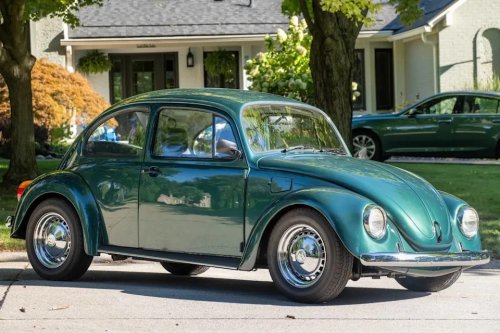
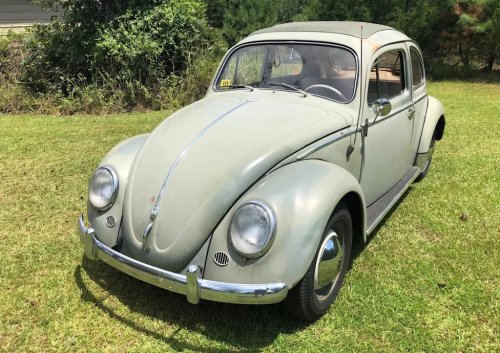
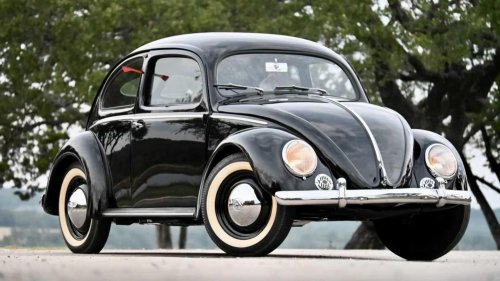
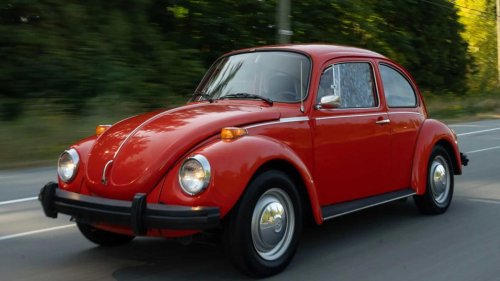
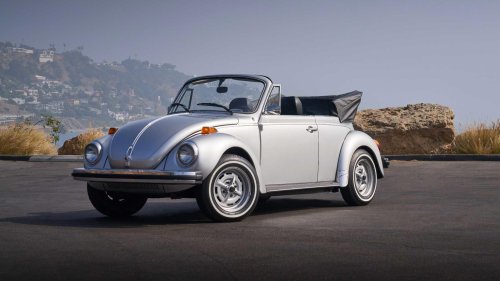
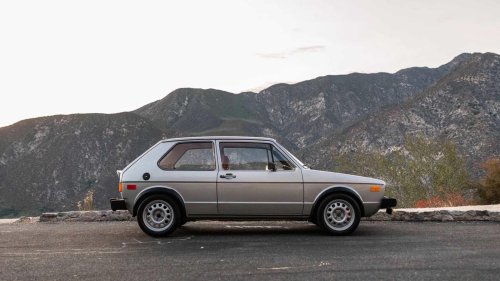
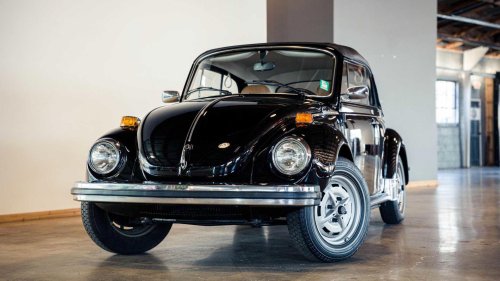
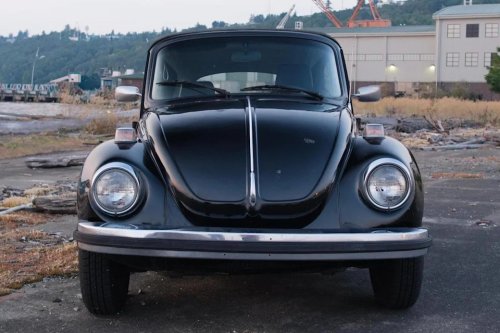
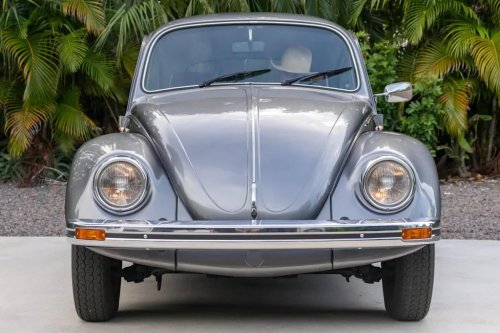
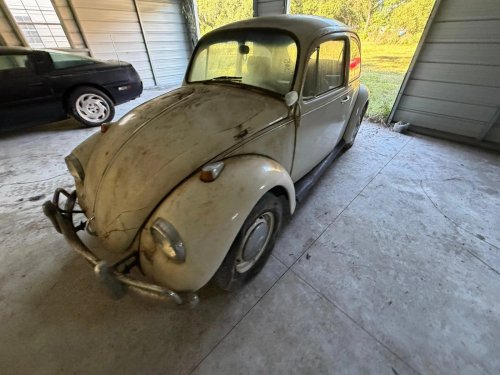
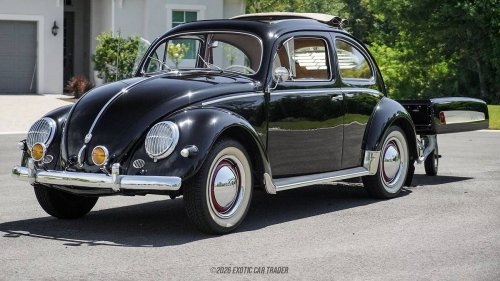
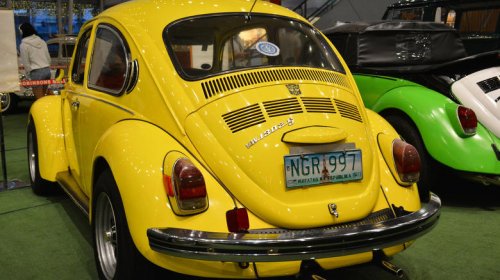
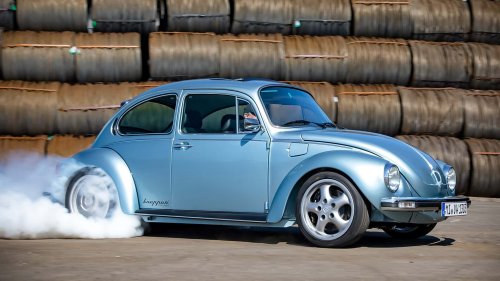
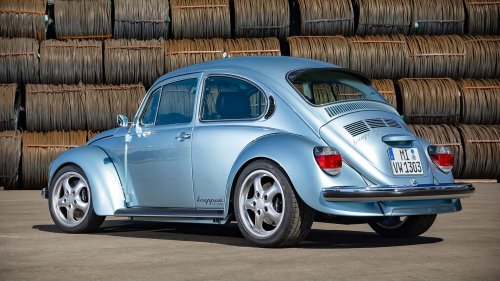
Jump LinksEarly Success In The USA Full Upgrade From The OriginalThe Super Beetle: Key DifferencesThe Volkswagen Beetle needs no introduction. It's one of the best-selling vehicles ever to be produced, and it's also the model that put Volkswagen on the world stage, helping it develop into the auto giant we see today. But the story of the Volkswagen Beetle wasn't smooth sailing throughout its entire lifespan. In fact, there was a time when the Beetle was struggling for sales and Volkswagen had to make changes to allow it to remain competitive against its rivals. That's when the Super Beetle came into play, introduced in the 1970s with some of the biggest changes ever to be seen on the model. The move was nothing short of genius, putting the original Beetle back into the game and ensuring its place in the automotive landscape. In case you are wondering what the Super Beetle really is, here's a complete guide to answer all your questions.This article examines the history of the Volkswagen Super Beetle, the differences between it and the original Beetle, and the current second-hand values on the market for these models. The Story Of The Volkswagen Beetle: Where It All Began 1947 VW Beetle front quarterThe first question that most people ask when talking about the Volkswagen Beetle is "When did the Volkswagen Beetle come out?" Although the answer may vary depending on what specific Volkswagen Beetle you are referring to, the idea of a Beetle actually originated in 1934 when Hitler first announced the concept of a KDF Wagen to the public. The idea of a "people's car" that could carry the entire family of four and cruise happily at 60 mph on the German Autobahn while being affordable to the mass public was a bold one. It's one of the first vehicles that wass designed to be affordable for everyone in an era where automobiles were still seen as a rare mode of transport, only available to the wealthy. Early Success In The US Volkswagen The real delivery of the Beetle wouldn't start till after the Second World War, where it played a huge role in the post-war era due to its simple design and reliable engine. The model soon became popular, and it was later sold to markets across the world. The first Volkswagen Beetle arrived in the US in 1949 and quickly became popular among customers due to its cheap price and reliability. The US market would later become the largest overseas market for Volkswagen, accounting for over a third of Volkswagen's production with over a million vehicles a year. Other models such as the Transporter van and Type 3 saloon, which were based on the Beetle chassis, also helped Volkswagen achieve huge success in the US. What Is A Super Beetle? A Full Upgrade From The Original 1974-volkswagen-super-beetle-sedanWhile the original Beetle enjoyed its success throughout the 1950s all the way to the 1960s, there is no getting over the fact that by the end of the 1960s, the design was already over 30 years old. Moreover, the competition from new Japanese manufacturers such as Toyota and Honda, along with newer models from American manufacturers, had made the Beetle lose all of its competitive advantage. In an effort to battle against new rivals before the introduction of new water-cooled models, Volkswagen decided to rework the original Beetle and bring it up to the same standards as its competitors.This is where the VW Super Beetle nameplate entered public sight. The new Super Beetle was designed to increase the utility of the vehicle by providing a larger luggage space and better comfort for its customers. The decision to revise the Beetle would turn out to be a costly plan for Volkswagen. Never before had the German manufacturer spent this amount of money on the Beetle and the plan itself was the most costly and extensive update of the original Beetle since its debut. Throughout the eight years that the Super Beetle was produced, it was first sold in hatchback/fixed roof form from 1971 to 1975, and followed by a convertible version from 1975, all the way to the end of its production in 1979. The Super Beetle: Key Differences VolkswagenDesigned to meet the standards of the 70s, the Super Beetle received an upgrade to its front suspension to improve ride and handling. Gone was the torsion bar of the original Beetle, replaced by a more modern MacPherson front suspension that provided it with precise steering and a comfortable ride. Thanks to the lengthened hood, the Super Beetle received an 86% increase in cargo capacity. These key upgrades not only made the Super Beetle more competitive, but also gave the Beetle the abilities that people would want for years to come.The powertrain also received an upgrade to accommodate the modern standard. For the years between 1971 and 1974, the Super Beetle received an update with a new dual-point manifold, which bumped the horsepower figure up to 60 horsepower. Another change to the engine would come in 1975, lasting till the end of 1979, which saw Volkswagen finally switching to a fuel-injection system, which dropped the maximum horsepower down to 48 hp. Throughout its five-year lifespan, the Super Beetle received more upgrades, including a larger rear window and a curved windshield, an indication that the Super Beetle was constantly evolving for the fast-changing market. What Followed After The Super Beetle 1978 Volkswagen Rabbit While the upgrades on the Super Beetle were aimed at the standards of the 70s, there is no getting over the fact that Volkswagen was in desperate need of a new generation of models that would bring the company another step further. That's when the introduction of the Volkswagen Golf helped bring Volkswagen into the water-cooled era. The first Golf came to the US in 1975, and was renamed as the Volkswagen Rabbit for the local market. The hatchback with an all-new front-wheel-drive platform and water-cooled engine soon earned a solid reputation in the US market and had a brilliant start. The Rabbit's success in the US would drive Volkswagen to make an executive decision later in 1976 to begin producing the Rabbit in a separate plant in the US.It wouldn't be a stretch to call the VW Rabbit revolutionary. It's one of the reasons that front-wheel-drive cars are a norm in modern society. Moreover, it also introduced the well-loved GTI nameplate to the US market, which would later become one of Volkswagen's icons for years to come. Despite the production of the Rabbit in the US being discontinued in 1985 due to the introduction of the MK.2 Golf and competition from Japanese manufacturers, there's no doubt it perfectly replaced the Beetle as a new people's car and opened a new chapter for Volkswagen. Super Beetle In 2026: A Taste Of The Legend Cars & Bids In case the idea of a front-wheel-drive hatchback doesn't interest you in 2026, the Super Beetle might be one of your best choices if you are looking to experience the original Volkswagen Beetle with some extra refinement. For a vehicle that was produced in the last century and is already 50 years old, the Super Beetle still holds its value according to auction results. The non-drop-top model would be the cheaper option, having an average sale value of $11,033 on the market currently. The ones that are original and unmodified will be the most costly, normally sitting around $10,000.As for the convertible models, they can be a bit more pricey when compared to fixed-roof models, having an average sale value of $15,335. Some of the convertible models can have a higher sale value due to their rarity. Certain Super Beetle convertible models came as a special edition, which also bumped up their value significantly compared to normal models. For example, a 1978 Super Beetle Champagne Edition was sold for $54,880 in an auction according to auction data from Classic.com. The most expensive example, with only 86 miles on its odometer, sold for a whooping $73,920 in an auction in Florida - a perfect demonstration that these "people's cars" can still be highly desirable even today.
















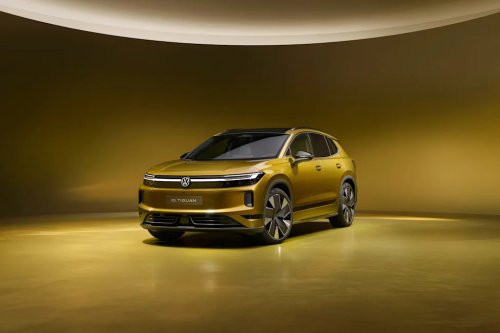
![Volkswagen, Volkswagen ID.4, Volkswagen's best-seller goes EV to replace the ID.4 [Images]](https://cdn.topcarnews.net/thumb/id/aHR0cHM6Ly9pMC53cC5jb20vZWxlY3Ry-ZWsuY28vd3AtY29udGVudC91cGxvYWRz-L3NpdGVzLzMvMjAyNi8xMC9Wb2xrc3dh-Z2VuLUlELVRpZ3Vhbi1JRC00LWltYWdl-cy5qcGVnP3c9MTUwMCZhbXA7cXVhbGl0-eT04MiZhbXA7c3RyaXA9YWxsJmFtcDtz-c2w9MQ/0ccd3b3b36acc251cd0f5ee652e9aa5a.jpeg?t=20261010&post_id=69282)
![Volkswagen, Volkswagen ID.4, Volkswagen's best-seller goes EV to replace the ID.4 [Images]](https://cdn.topcarnews.net/thumb/id/aHR0cHM6Ly9lbGVjdHJlay5jby93cC1j-b250ZW50L3VwbG9hZHMvc2l0ZXMvMy8y-MDI2LzEwL1ZvbGtzd2FnZW4tSUQtVGln-dWFuLUlELTQtaW1hZ2VzLTEuanBlZw/c2365ec7b7610c9187ef724f1275a7ad.jpeg?t=20261010&post_id=69282)
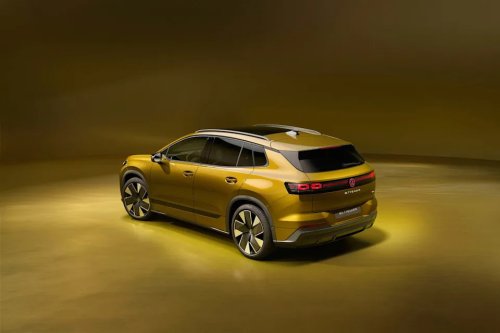
![Volkswagen, Volkswagen ID.4, Volkswagen's best-seller goes EV to replace the ID.4 [Images]](https://cdn.topcarnews.net/thumb/id/aHR0cHM6Ly9lbGVjdHJlay5jby93cC1j-b250ZW50L3VwbG9hZHMvc2l0ZXMvMy8y-MDI2LzEwL1ZvbGtzd2FnZW4tSUQtVGln-dWFuLUlELTQtaW1hZ2VzLXNpZGUuanBl-Zw/ab6a990e9498c23d78824d193558e329.jpeg?t=20261010&post_id=69282)
![Volkswagen, Volkswagen ID.4, Volkswagen's best-seller goes EV to replace the ID.4 [Images]](https://cdn.topcarnews.net/thumb/id/aHR0cHM6Ly9lbGVjdHJlay5jby93cC1j-b250ZW50L3VwbG9hZHMvc2l0ZXMvMy8y-MDI2LzEwL1ZvbGtzd2FnZW4tSUQtVGln-dWFuLUlELTQtaW1hZ2VzLWludGVyaW9y-LmpwZWc/8f4dd07e1298765bac26e0dcfa56158b.jpeg?t=20261010&post_id=69282)
![Volkswagen, Volkswagen ID.4, Volkswagen's best-seller goes EV to replace the ID.4 [Images]](https://cdn.topcarnews.net/thumb/id/aHR0cHM6Ly9lbGVjdHJlay5jby93cC1j-b250ZW50L3VwbG9hZHMvc2l0ZXMvMy8y-MDI2LzEwL1ZvbGtzd2FnZW4tSUQtVGln-dWFuLUlELTQtaW1hZ2VzLWRpc3BsYXku-anBlZw/bad123178522a1648c901e95aed23ddf.jpeg?t=20261010&post_id=69282)
![Volkswagen, Volkswagen ID.4, Volkswagen's best-seller goes EV to replace the ID.4 [Images]](https://cdn.topcarnews.net/thumb/id/aHR0cHM6Ly9lbGVjdHJlay5jby93cC1j-b250ZW50L3VwbG9hZHMvc2l0ZXMvMy8y-MDI2LzEwL1ZvbGtzd2FnZW4tSUQtVGln-dWFuLUlELTQtaW1hZ2VzLWludGVyaW9y-LTEuanBnP3N0cmlwPWluZm8mYW1wO3c9-MTUwMA/b6ec173b5cbd66d329300f5493df5cd1.jpg?t=20261010&post_id=69282)