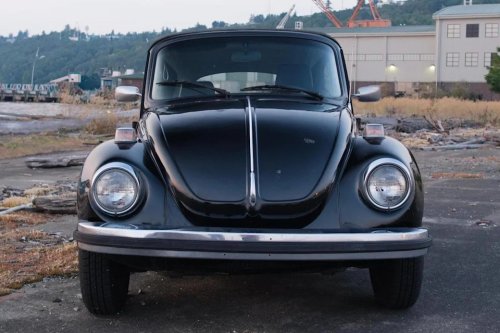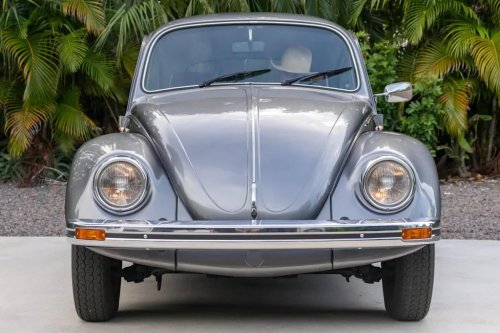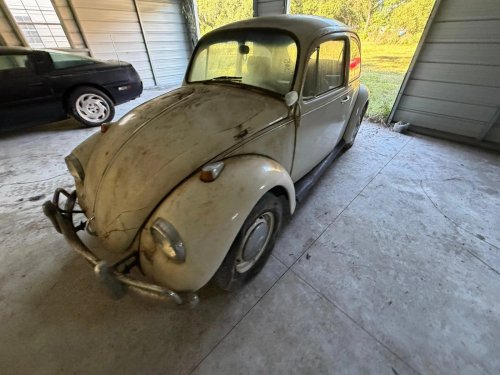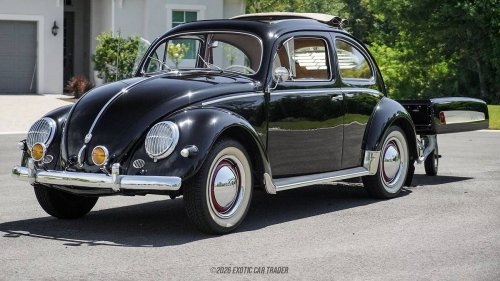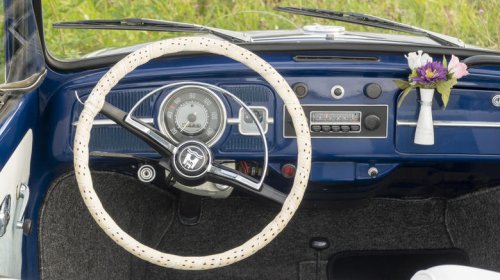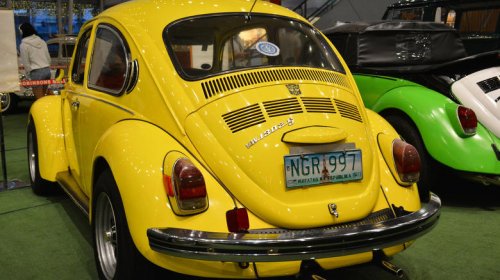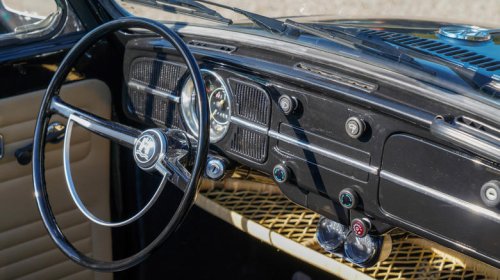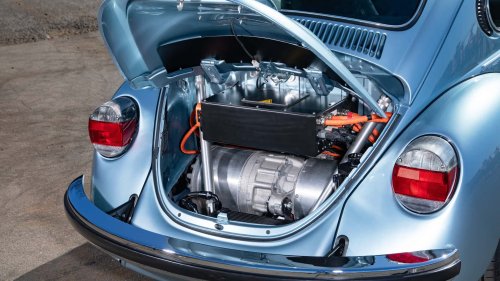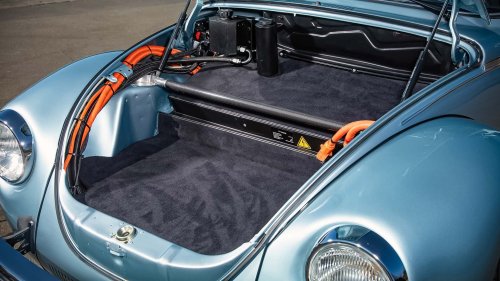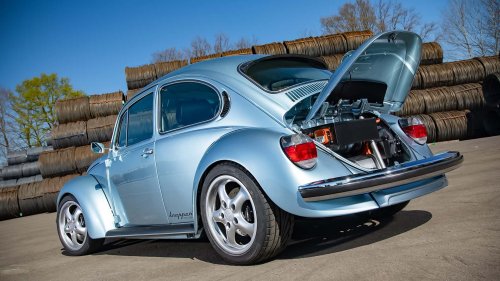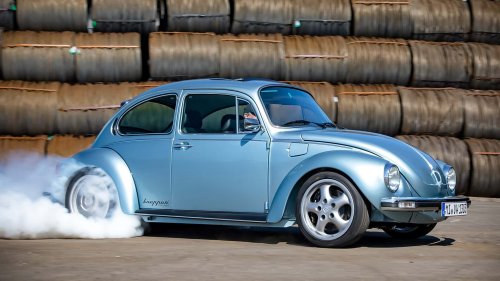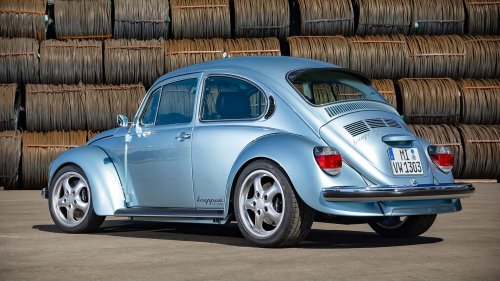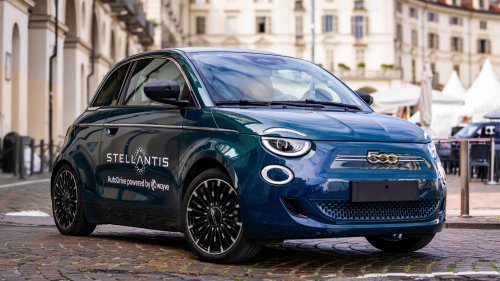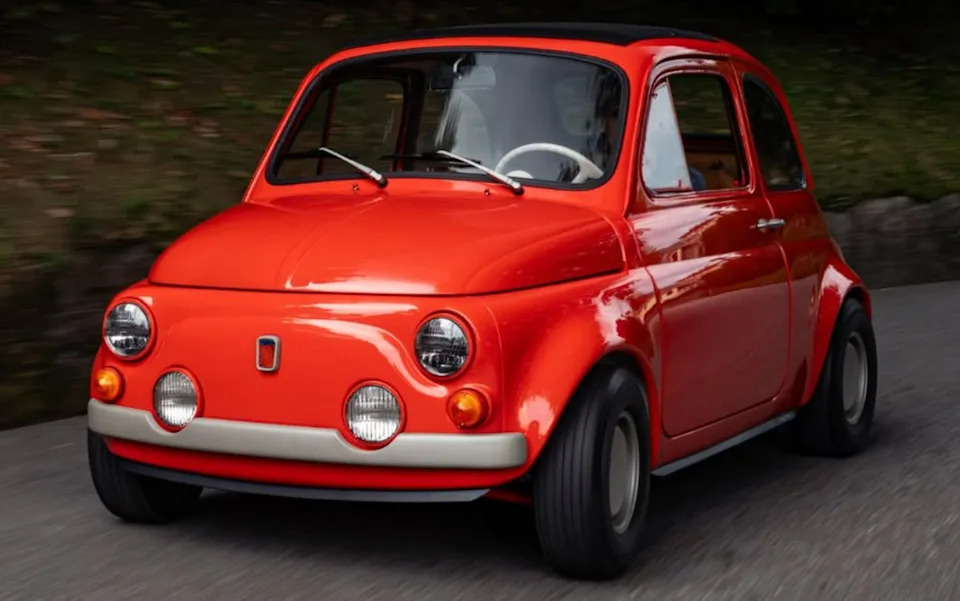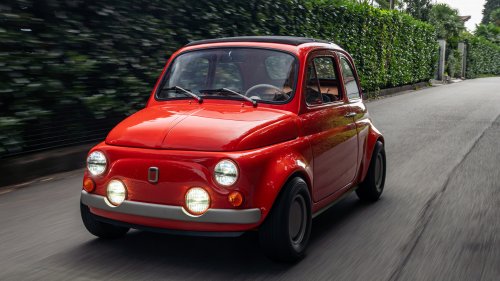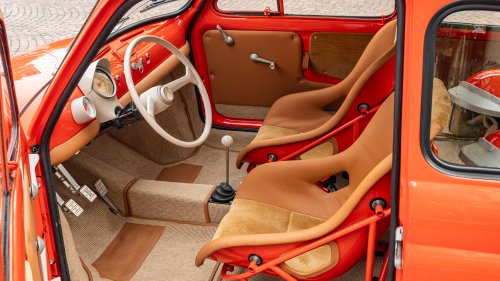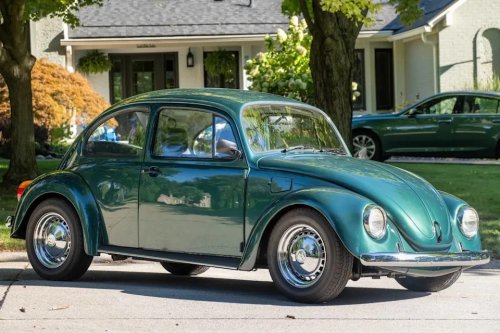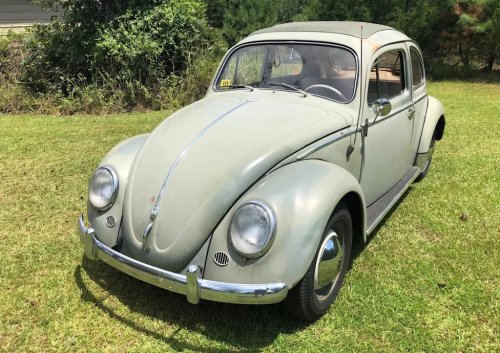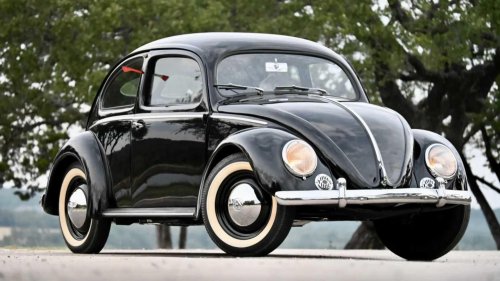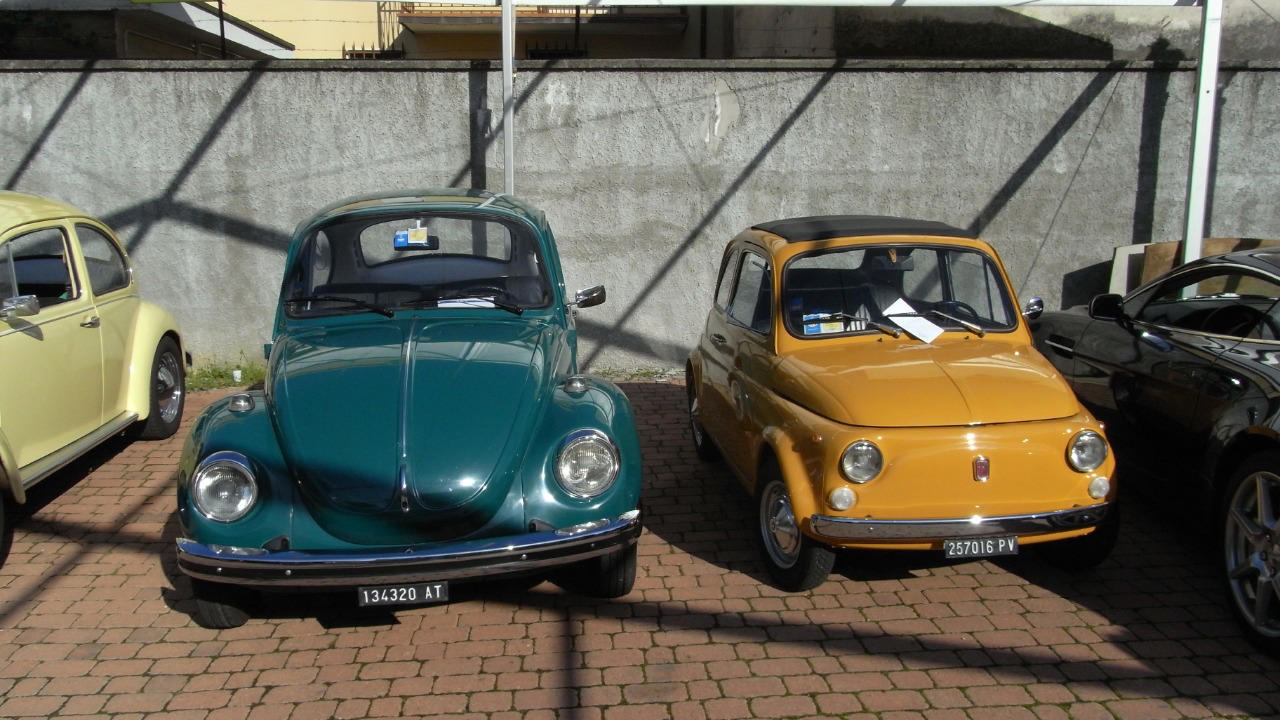



















The 1969 Volkswagen Beetle and the 1969 Fiat 500 were born to do the same job: move ordinary people cheaply and reliably. Yet one clung to simplicity so stubbornly that it became a global default, while the other charmed drivers but demanded real patience and mechanical sympathy. Half a century later, the choice between them still divides enthusiasts who must decide whether they want a car that simply works or a tiny icon that occasionally works them. Look closely at these two people’s cars and a clear split emerges. The Beetle refined a basic recipe until it was almost unbreakable. The Fiat 500 chased minimum size and maximum character, then left owners to manage the compromises that came with it. The Beetle’s genius: simple, slow and almost unkillable For anyone raised on modern hatchbacks, the raw numbers behind a 1969 Volkswagen Beetle sound absurd. Period footage shows a car with only 57 horsepower pushing skinny tires that look more lawnmower than highway machine. Yet that humble specification helped the Beetle become one of the bestselling vehicles in history, precisely because it did not try to be anything more than basic transport. Mechanically, the Beetle stayed conservative for years. The air cooled flat four sat out back, the suspension was simple, and there was very little to confuse either driver or mechanic. A later analysis of the 1960 to 69 generation noted that from vent placement to window sizing and other tiny details, the Bug kept the while only gently improving comfort and usability. That continuity meant parts interchangeability, familiar repairs and a global network of people who already knew how to fix one. Owners could ignore the Beetle for long stretches and still expect it to start. The engine tolerated abuse, the chassis shrugged off bad roads, and the cabin materials were hard wearing rather than luxurious. In an era before roadside assistance apps and instant parts delivery, that predictability mattered more than power or speed. Drivers learned to work within the limits of 57 horsepower and narrow tires, and in return the car rarely punished them. The driving experience reflected this philosophy as well. Steering was light, the controls were straightforward, and visibility was excellent. There was no complicated instrumentation to fail, no fragile electronics to chase. The Beetle invited people to treat it like an appliance and rewarded them by behaving like one, just with more personality. The Fiat 500: smaller, cuter and far more demanding If the Beetle represented cautious evolution, the Fiat 500 was closer to a moonshot. Italian planners wanted something that could compete with scooters in narrow streets and tight budgets. As one retrospective put it, the original Fiat 500 was designed to beat motorcycles and scooters at their own game. That meant a tiny footprint, minimal weight and a cabin that could just about carry a small family. Guides that cover the 1957 to 1976 production run describe how the Fiat 500 used, but pushed that simplicity to extremes. The rear mounted two cylinder engine was even smaller than the Beetle’s four cylinder unit, the wheelbase was short, and the bodywork was pared back to the essentials. The result was a car that could slip through ancient city streets and park almost anywhere, but it also felt fragile compared with the German rival. Modern buyers considering a classic are often warned that the 500 demands care. One detailed overview of the 1957 to 1975 cars highlights corrosion risks, especially around structural seams, and notes that the Fiat body and mechanical parts are available, but the car’s light construction means neglect can be expensive. Where a Beetle might absorb years of indifferent maintenance, a 500 can suffer badly if servicing is skipped. The driving experience also expects more from the person behind the wheel. Enthusiast accounts of a 1969 Fiat 500F describe a car that feels incredibly small and lively, but also busy at modern speeds. The engine works hard, the cabin is noisy, and every hill or headwind becomes a negotiation. The payoff is charm and involvement, yet the price is patience. Long trips demand planning, and even short commutes can feel like an event. Transmission design underlines this difference. Detailed buyer advice explains that the non synchro gearbox of the 500 requires double on downshifts. Once mastered, it is manageable, but it is not the point and shoot experience of a synchronized Beetle gearbox. New drivers must learn a technique that most modern manuals no longer require, and that learning curve can frustrate anyone expecting instant familiarity. How each car treated owners: forgiveness versus finesse Both cars were built for people who had never owned a vehicle before, yet they took very different attitudes toward driver mistakes. The Beetle’s forgiving nature meant that clumsy shifts, late oil changes or overloaded family trips rarely led to immediate failure. Its engine design tolerated heat and abuse, and the chassis could handle rough roads without bending or cracking. When something did go wrong, the layout was open and logical, so local mechanics could diagnose issues quickly. That ease of use carried into restoration decades later. Classic car guides often single out the 1960 to 69 Beetle as a near perfect starter project because panels, trim and mechanical parts remain widely available and affordable. A detailed look at that generation notes how the 1969 Volkswagen Beetle could be upgraded with a refreshed drivetrain and comfort improvements without losing its character. That modularity is a direct result of the original simple design. The Fiat 500, by contrast, often rewards owners who enjoy tinkering. Corrosion in the floorpan or around suspension mounting points can require specialist welding. The compact engine bay and tight packaging make some jobs awkward. While dedicated garages and parts suppliers now support the model, buyers are still advised to research carefully and to budget for professional help if they lack experience. Enthusiast communities reflect this split. On one side, conversations among classic car fans show people weighing a Volkswagen against a or similar small cars, often praising the Beetle’s iconic status despite reservations about its looks. On the other, discussions among watch and car aficionados compare the Beetle, Mini and 500 as lifestyle, where charm and image matter as much as raw practicality. The Fiat often wins hearts, but the Beetle tends to win arguments about reliability. Modern drivers cross shopping retro styled city cars show a similar pattern. In communities focused on contemporary Volkswagens, owners debate a modern Fiat 500 versus and frequently highlight how the larger German car offers more space and everyday comfort. That comparison mirrors the original 1960s tension. The Fiat still sells itself on cuteness and urban agility, while the Beetle, even in later generations, leans on practicality and a more relaxed driving experience. Why one conquered the world while the other stayed a cult hero Both cars achieved cultural fame, yet their global footprints differ. The Beetle became a default car in markets from Europe to Latin America and beyond, helped by its robustness, simple maintenance and ability to cope with poor roads and fuel. Its engineering left more margin for error, which mattered in regions with limited service infrastructure. The car’s shape changed very little through the 1960s, and as later analysis of the Even Skinny Tires era suggests, that consistency built trust among buyers who valued predictability over novelty. The Fiat 500 did spread beyond Italy, but its natural habitat remained dense European cities. Reports that trace its origins through specialist garages such as Fiat focused workshops describe a car that was ideal for cobbled streets and short hops, yet less suited to long highway journeys. Its minimalist construction and tiny engine were perfect when distances were small and speeds low. As traffic grew faster and safety expectations rose, those same traits became liabilities. Marketing also played a role. The Beetle’s image as honest, unpretentious transport resonated in countries where car ownership was still new. Its advertising leaned into the car’s limitations in a way that made them virtues. The Fiat 500 relied more on national affection and design flair. It was a symbol of Italian postwar optimism, but that story did not always translate abroad as powerfully as the Beetle’s message of simple reliability. Social media has amplified both stories. Enthusiast channels highlight how a Best Classic Car pick can influence demand for certain Beetle years, especially the 1960 to 69 g models that balance vintage looks with usable performance. At the same time, owners share short clips of 500s buzzing through towns, reinforcing the idea that this is a car for short, joyful drives rather than heavy duty commuting. Even news aggregation platforms track these trends. Dedicated feeds that surface content about the Volkswagen Beetle across show how enduring the model’s appeal remains. Curated boards that collect HotCars 69 era continue to spotlight the Beetle as a practical classic, while the Fiat 500 often appears in lifestyle and design focused sections rather than hard automotive analysis. In the end, the 1969 Volkswagen Beetle and the 1969 Fiat 500 represent two philosophies of simplicity. The Beetle simplified engineering to maximize durability and ease of ownership. The 500 simplified size and weight to maximize agility and charm, then asked owners to accept a more hands on relationship. One car stayed simple for the driver. The other kept the design simple and left patience, skill and commitment to the person holding the wheel. More from Fast Lane Only Unboxing the WWII Jeep in a Crate 15 rare Chevys collectors are quietly buying 10 underrated V8s still worth hunting down Police notice this before you even roll window down