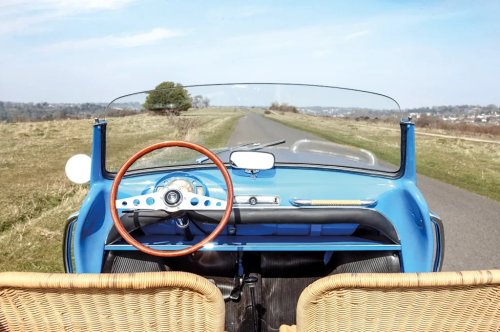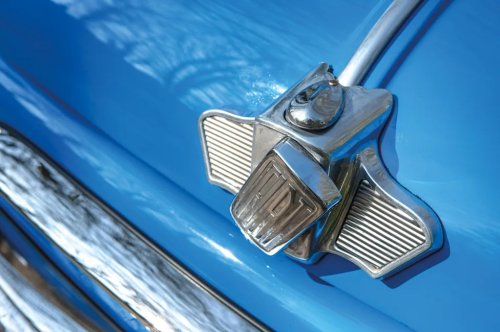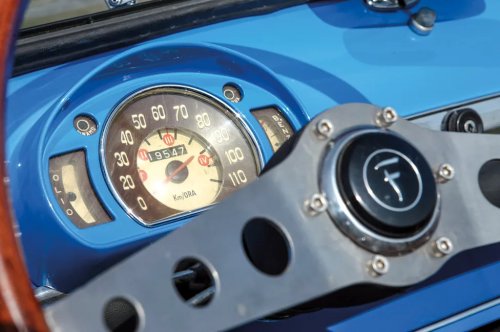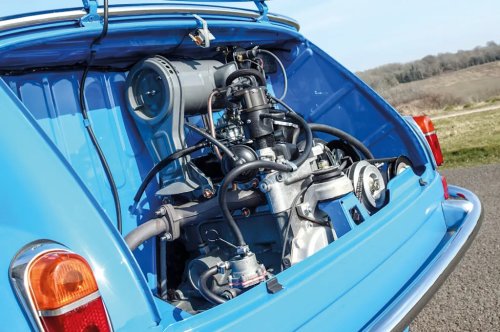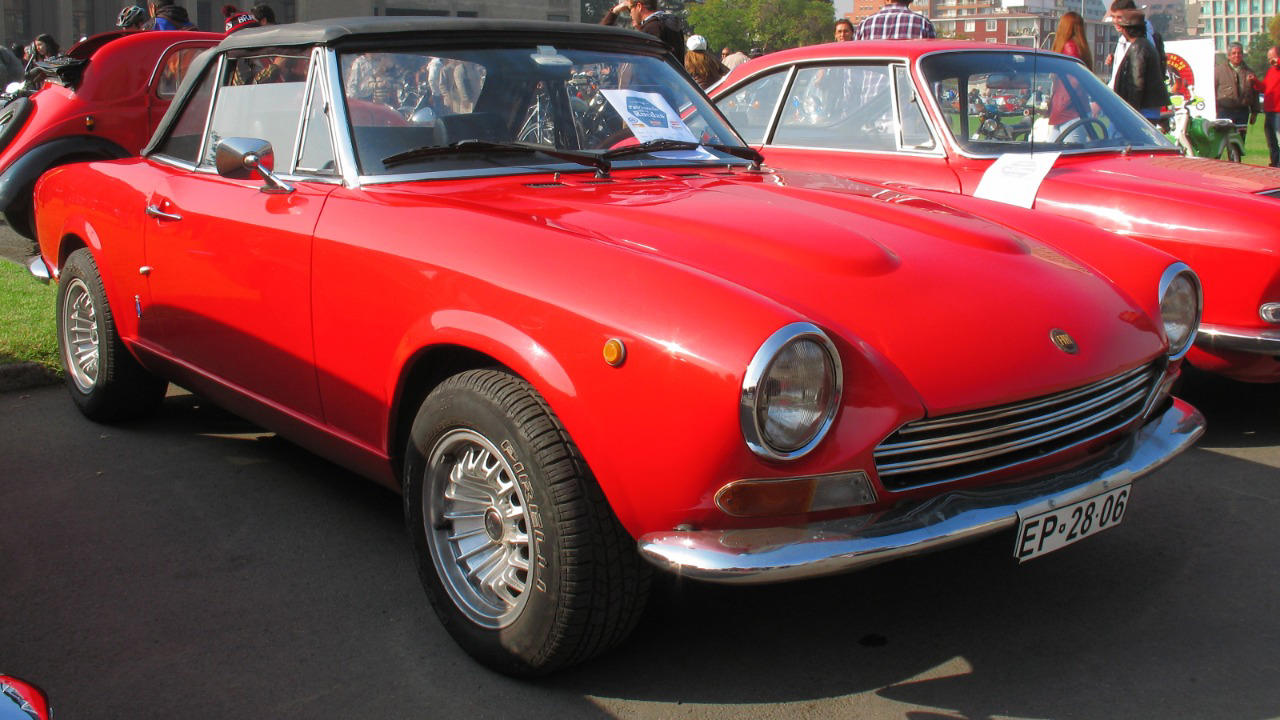





















Mechanics warn the 1968 Fiat 124 Spider can demand constant attention to stay reliableFor enthusiasts drawn to the 1968 Fiat 124 Spider, mechanics describe a car that can be charming and capable yet demanding of constant attention to stay dependable. The compact Italian roadster rewards owners who treat maintenance as a regular ritual, not an occasional chore, and it can punish neglect with a cascade of small but persistent faults. Owners and specialists say the car is not inherently fragile. Rather, it is a 1960s design that expects frequent inspection, careful setup, and a mechanic who truly understands how a Fiat 124 Spider is supposed to feel and sound. Why the 1968 124 Spider still captivates The original 124 Spider arrived as an affordable, stylish alternative to British roadsters, with a twin-cam engine, disc brakes on all four corners, and a chassis that encouraged enthusiastic driving. Period testers later reported putting as much as 88,000 miles on a 124 Sport Coupe and Spider in only a few years, hinting at what these cars can do when they are driven regularly and serviced correctly. The same basic mechanical package underpins the 1968 model. It shares its family DNA with the Fiat 124 Sport Coupe and the FIAT 124 Sport Spider that enthusiasts still discuss in long-term videos about the Fiat 124 Sport. When maintained and used, the platform can cover real distance. Trouble begins when a 124 Spider sits or falls into the hands of owners who treat it like a modern, low-maintenance car. What mechanics mean by “constant attention” Specialists who see these cars daily describe a pattern: the 124 Spider does best when someone is always looking for the next weak link. One long-time owner in a reliability discussion about the FIAT 124 Sport Spider argued that the cars, as manufactured, were not badly engineered at all. The real problem came when people started putting a bandaid on symptoms instead of fixing root causes, which turned minor issues into chronic ones. That view matches what independent mechanics report. They see cars that have been patched instead of properly repaired, with fuel, ignition, and cooling systems modified over decades. The result is a car that constantly asks for adjustment because someone in the past cut corners. Classic specialists also warn that the 124 Spider does not like long periods of inactivity. One detailed set of tech tips points out that brakes can stick, ignition components can foul, and seals can go dry when the car spends too much time as a garage ornament. Mechanics then face a stack of age‑related failures all at once, which reinforces the reputation for fragility. None of these issues is catastrophic on its own. Together, they create the impression of a car that always has another small job waiting. How storage and past neglect shape reliability Owners who have lived with the 124 platform for decades often draw a sharp line between cars that were garaged and those that were left outside. In one detailed account of Fiat 124 Spider, Tony Street My described a FIAT 124 Sport Spider that seemed to have been garaged by its previous keeper. That car behaved very differently from examples that had sat outdoors, suggesting that storage conditions can be as important as mileage. Other enthusiasts warn buyers to avoid anything that has been sitting out for years with a failed top. One owner in a Facebook group told prospective buyers to avoid anything that has suffered that fate, then added that personal favorites were the 74 to 78 model years. A 1968 Spider that has spent decades exposed to leaks and rust around the cowl, floorpans, and trunk will demand far more of a mechanic than a dry‑stored example. Mechanics see this history in the workshop. Cars that lived under covers and saw regular fluid changes present as tight, if slightly oily, classics. Neglected cars often arrive with seized brakes, perished hoses, rotten exhausts, and wiring that has been repeatedly hacked to keep lights working. Carburetors, fuel injection, and the 1968 tradeoff The 1968 Spider predates the later factory fuel injection systems, so it relies on carburetion. That design choice shapes how often a mechanic must touch the car. One detailed buyer’s guide explains that while a carbureted 2‑liter engine can be upgraded to the same power level as a fuel‑injected one or well beyond, the fuel injection setup tends to be more reliable in daily use. For an early car, that means the carburetor must be in top condition. Worn throttle shafts and poor tuning can lead to hard starting, rough idle, and rich running that fouls plugs and oil. Some specialists recommend upgrading the stock carburetor to a Weber DF series or even a Weber 38 unit, which can improve both performance and driveability when tuned correctly. Those modifications, however, add another layer of setup work that only a knowledgeable mechanic can deliver. Owners who switched to later injection systems report more consistent starting and fewer seasonal adjustments. At the same time, a separate Facebook discussion of fuel‑injected 124 Spiders stressed that the cars were not improperly engineered from the factory. The problem was people putting temporary fixes ahead of proper diagnosis, which applies just as strongly to carbureted 1968 cars. The importance of the right mechanic Parts supply is not what makes the 1968 Spider demanding. In a widely shared discussion among classic 124 owners, one contributor argued that parts are not really expensive. The real cost comes from labor performed by people you cannot trust. The advice was blunt: find an honest mechanic who knows what they are doing with a 124 Spider, because parts are only half the story. Shops that specialize in Italian cars, and particularly in Fiat 124 Spider work, have developed relationships with suppliers that keep common wear items in stock. Enthusiast‑focused businesses, including those behind the Classic FIAT Spider Buyers Guide social feeds and related pages such as the Spider Buyers Guide presence on Facebook and the matching Spider Buyers Guide Pinterest boards, focus almost entirely on this platform. That ecosystem means a mechanic who understands the car can source what is needed quickly and relatively cheaply. The challenge is that many general repair shops see a 1960s Fiat only rarely. They may not know the correct ride height, the proper shift feel, or the exact timing settings that keep the twin‑cam happy. Owners who rely on such shops often end up paying for repeated adjustments and misdiagnoses, which feeds the narrative that the Spider is inherently unreliable. How often a well kept 124 can actually be driven Historical accounts and modern experience both suggest that a sorted 124 Spider can be driven regularly. One driver who used a 124 Sport Coupe as a daily car reported covering 88,000 miles in roughly three years. Another long‑term owner of a Fiat 124 Sport Coupe described, in a video posted in Sep, how the car held up over three years of use, reinforcing the idea that the basic 124 package can handle real mileage when maintained. Modern reliability data for the newer 124 Spider, which shares the name but not the 1968 chassis, give some context. A major repair cost site rates The Fiat Reliability Rating at 3.5 out of 5.0, which places the brand 18th out of 32 for all car makers. That figure does not directly apply to a 1968 classic, yet it shows that Fiat, as a badge, sits in the middle of the pack rather than at the bottom. Enthusiasts who have owned both modern and classic Spiders often describe the 1968 car as perfectly usable for weekend trips and occasional commuting, provided it receives oil changes, valve adjustments, and brake inspections far more often than a contemporary compact. A Quora contributor who answered a question about 124 Spider reliability summed it up by saying that Everything on the car can be made reliable, but owners must protect vulnerable components, even if that means installing guards that slightly reduce ground clearance in order to prevent damage. Why some owners still blame the 124 for Fiat’s U.S. troubles Not everyone sees the 124 Spider as an innocent victim of neglect. In a detailed video essay on the model, host Jack argued that the story of the 124 is intertwined with Fiat’s reputation in the United States. The piece, focused on why the 124 affected the brand, described how early reliability complaints and dealer support issues combined to sour buyers on Fiat generally. More from Fast Lane Only Unboxing the WWII Jeep in a Crate 15 rare Chevys collectors are quietly buying 10 underrated V8s still worth hunting down Police notice this before you even roll window down