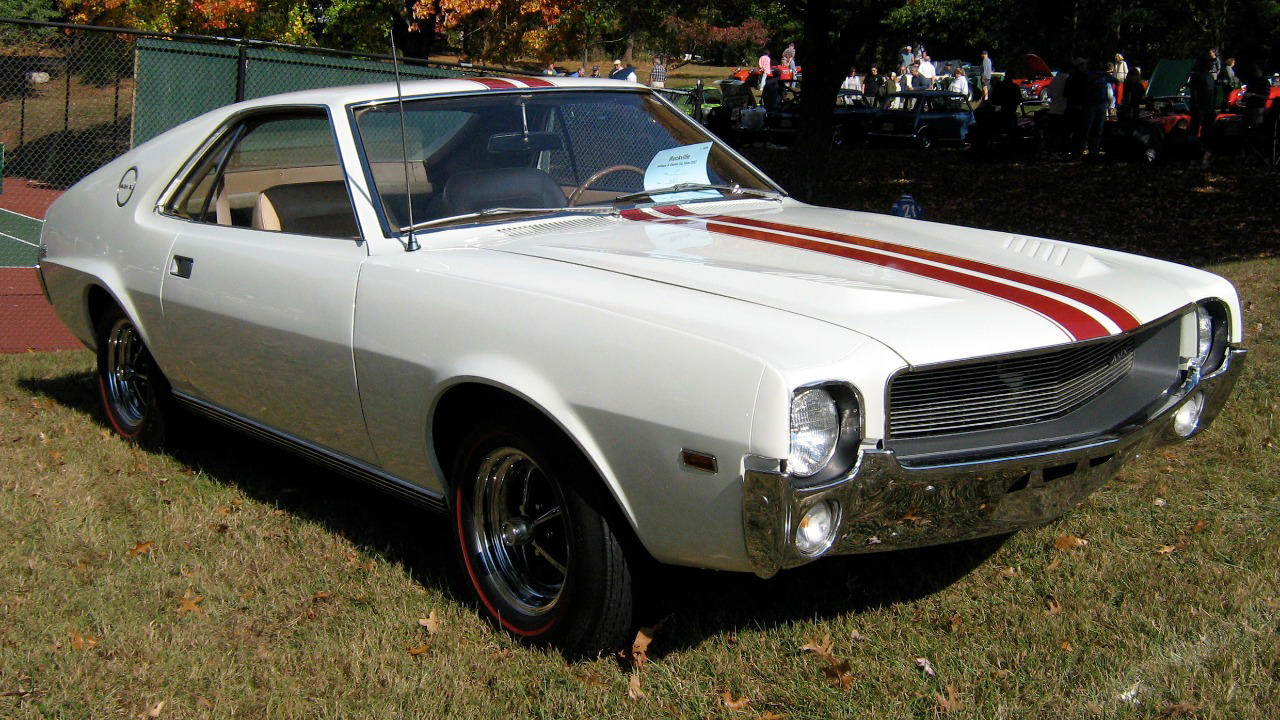
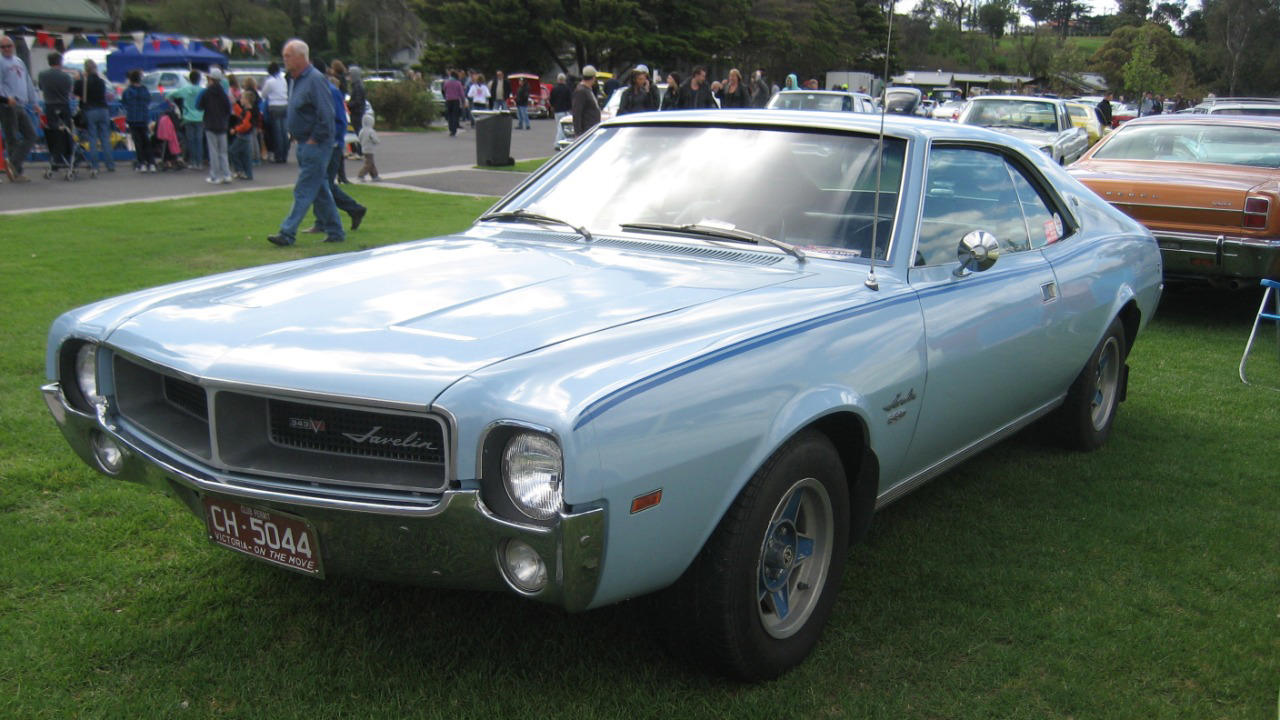
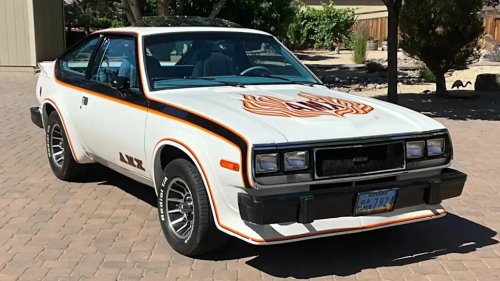
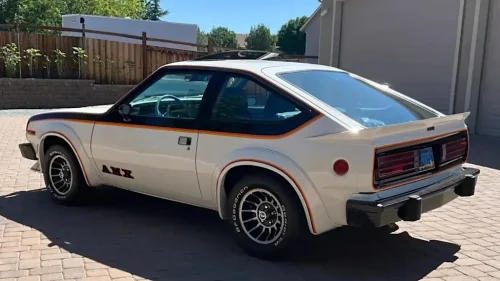
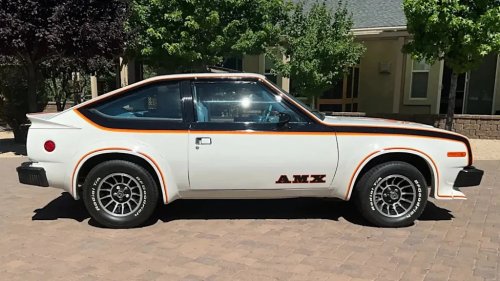
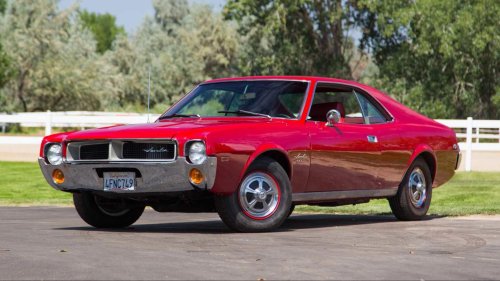
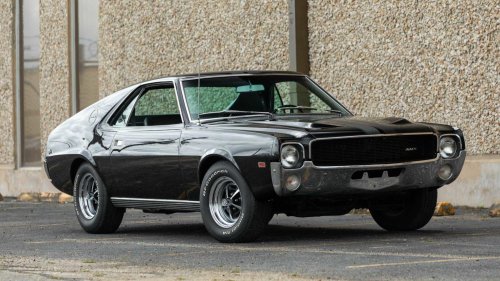
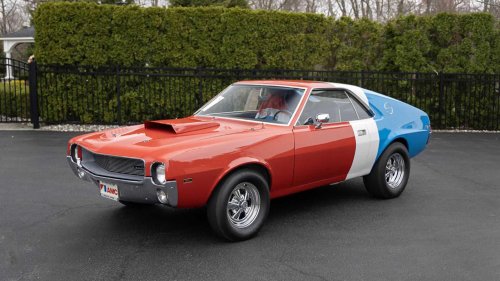
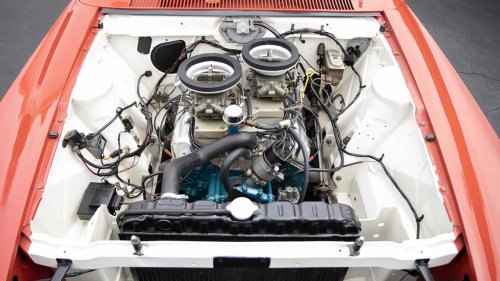
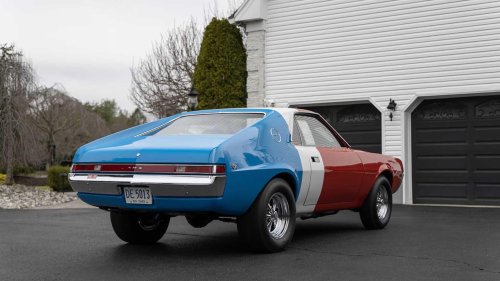
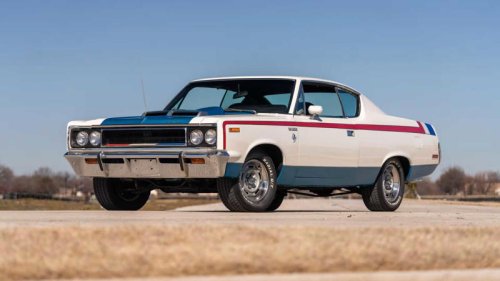
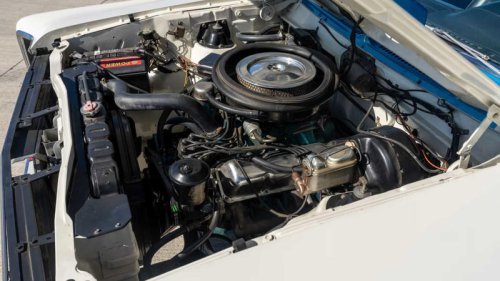
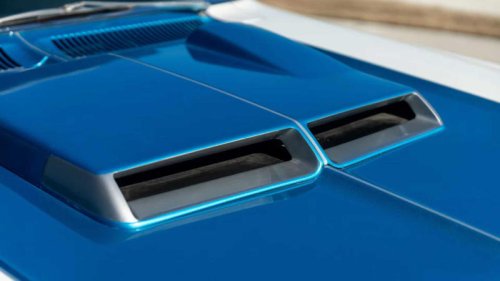
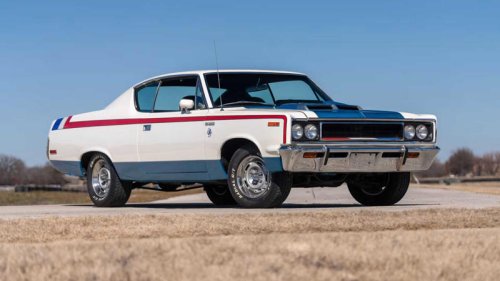
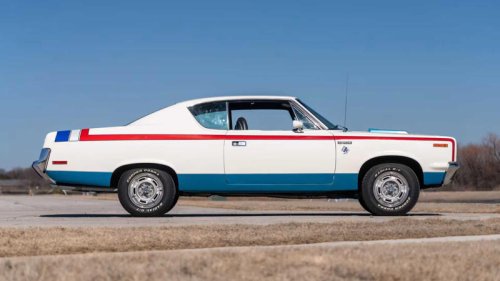
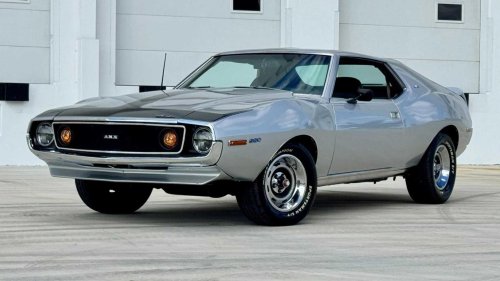
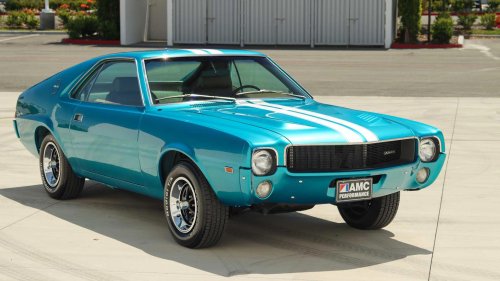
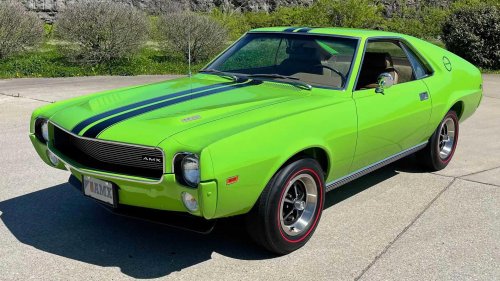
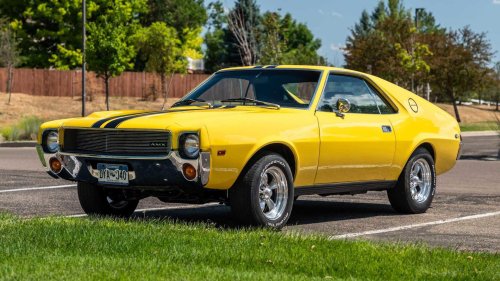
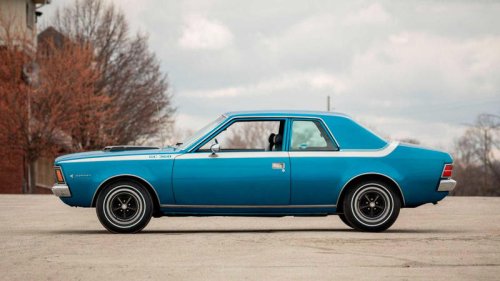
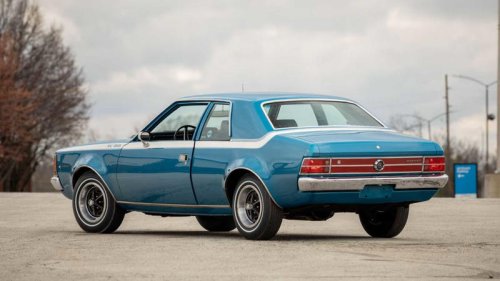
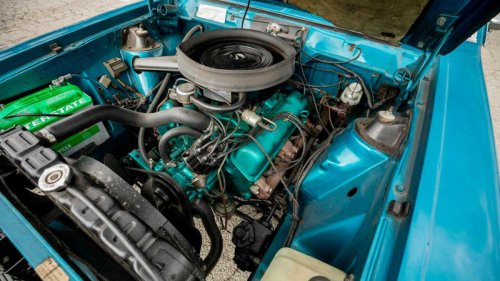
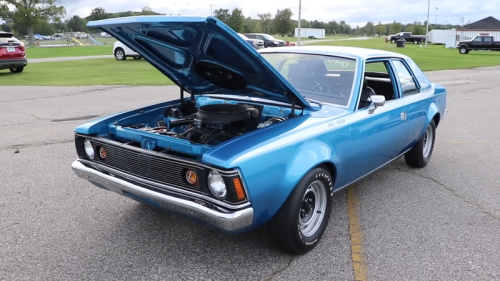
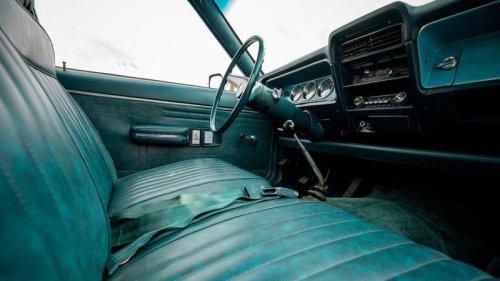
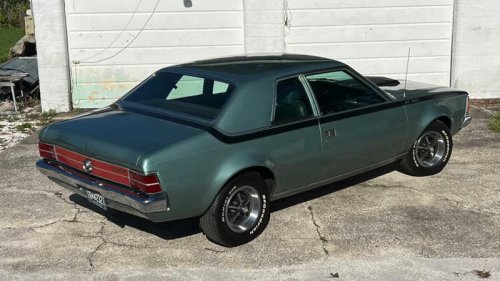
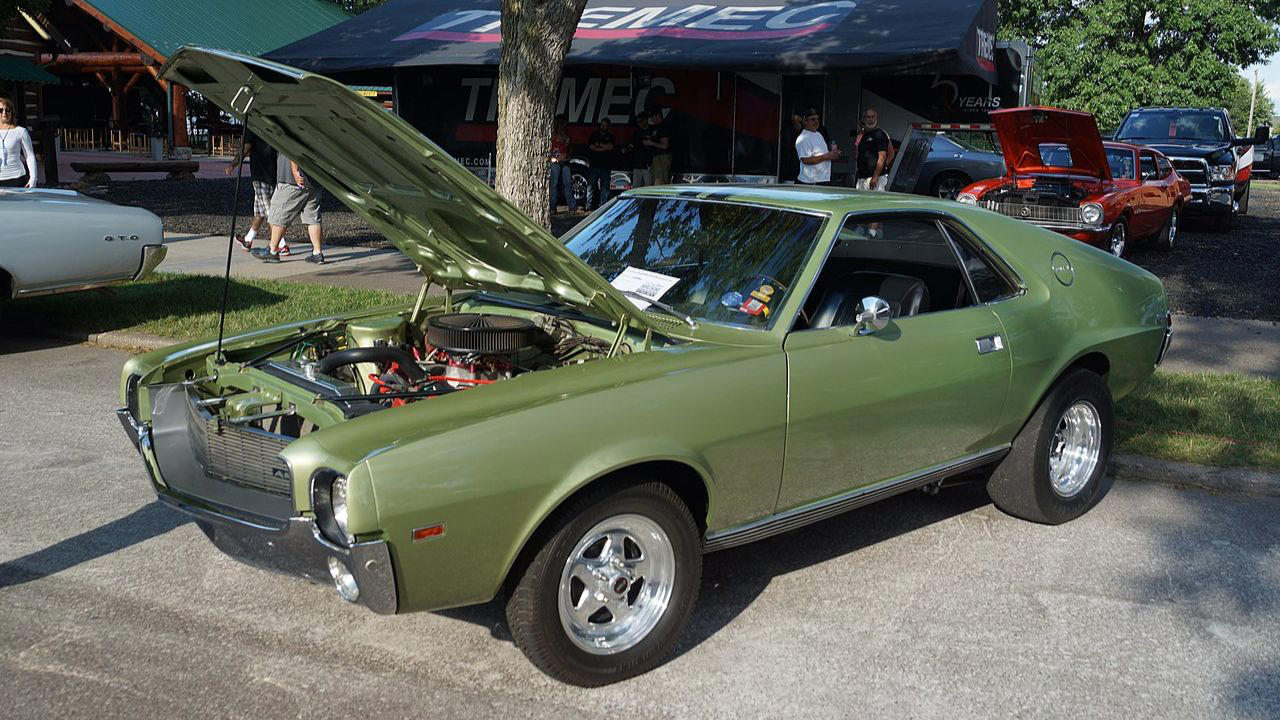
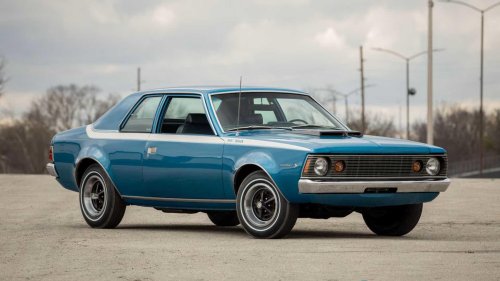
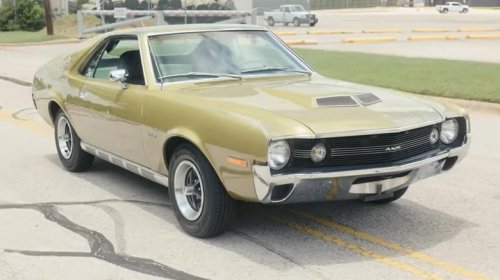
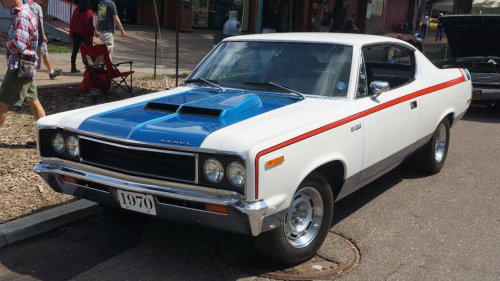
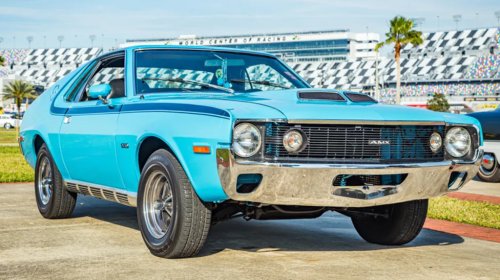
AMC built the AMX differently and it forced people to pay attentionThe AMC AMX arrived as a blunt instrument aimed at Detroit convention. Instead of copying the long-hood, four-seat formula that defined the muscle era, American Motors carved its new performance car down to two seats, shortened its wheelbase, and treated it like a budget exotic hidden inside a pony car shell. Built differently from the start, it forced rivals and buyers to reconsider what a domestic performance car could look like. That contrarian approach did not make the AMX a volume hit, but it did give American Motors a halo machine with real engineering substance, racing credibility, and a personality that still stands apart from better known nameplates. Today, as collectors and younger enthusiasts rediscover it, the AMX looks less like an oddball and more like a deliberate counterargument to the way Detroit usually built speed. The late arrival that refused to blend in By the mid-1960s, larger was better and muscle cars were the in thing. American Motors, often shortened to AMC, was a smaller player that had to respond as best it could to a market obsessed with cubic inches and quarter-mile times. As one period account of the company’s strategy puts it, By the time the big three had filled showrooms with brawny intermediates, AMC was still best known for economy models and family cars. Younger enthusiasts may know AMC only as a defunct brand from the 1980s, but the Kenosha company was late to the muscle car party and hungry to change that perception. One modern look back notes that AMC Was Late, yet it still wanted a car that could reshape its image and impress younger buyers who might otherwise default to a Chevelle or Mustang. AMC entered the high performance conversation in 1968 with the Javelin, a conventional four-seat pony car that finally gave the company a credible rival to the Mustang and Camaro. The Javelin was a confident first step, but inside AMC a more radical idea was already taking shape. Project IV, a design and concept program that explored future products, produced a shorter, two-seat concept called the AMX, an acronym for American Motors Experimental. That concept became the blueprint for a production car that would be related to the Javelin, yet fundamentally different in mission and layout. Cut-down pony car, sports car attitude When the AMX reached showrooms, it was not a clean-sheet chassis. Instead, AMC based it on the new-for-1968 Javelin, but with a shorter wheelbase and deletion of the rear seat. The result was effectively a cut-down pony car that looked familiar from some angles and surprisingly exotic from others. A detailed history of the model notes that the AMX was built off the Javelin platform, then trimmed and reconfigured so that the two-seat layout and compact dimensions changed its character completely, a point reinforced in the core AMC AMX overview. That relationship to the Javelin gave AMC a cost advantage. The company could share major structural components and driveline parts, yet the AMX did not feel like a simple trim package. With its wheelbase cut down and rear seat removed, it read visually as a short, wide, almost European sports coupe. One analysis of the car’s positioning describes it as a Cut Down Pony Car AMC based the AMX, or American Motors Experimental, on the larger, four-seat AMC Javelin, then reshaped it into a more focused machine that could stand as a pony car alternative rather than a direct copy. The AMX’s proportions were part of that message. The hood was long enough to house serious V8 power, but the roofline and rear quarters were tight, almost stubby. The decision to go with two seats instead of four was a deliberate break from the domestic norm. In the American market at the time, only the Chevrolet Corvette offered a two-seat layout in a mainstream performance context. AMC did not have Corvette scale or budget, yet it decided to chase a similar sense of exclusivity at a lower price point. Inside, the effort to make the AMX feel more like a sports car than a dressed up compact extended to details that buyers could touch. For its first-year recognition, the reasons cited included the car’s dashboard, which was injection-molded in one piece for safety and style instead of being assembled from multiple panels. That one-piece dash was developed in AMC’s interior studio to ensure maximum efficiency and a clean, modern look, a detail preserved in factory documentation. The 1968 AMX emerged as a two-seat muscle missile with a bold personality. Contemporary and modern enthusiasts describe it as Unique among American cars, a compact package that combined muscle car power with sports car dimensions in a way that no other domestic manufacturer attempted at similar volume. That uniqueness would prove to be both its greatest strength and a commercial handicap. Engineering for credibility, not just advertising AMC knew that a two-seat halo car could not survive on styling alone. To be taken seriously, the AMX had to deliver real performance on the street and track. Under the skin, the car benefited from chassis preparation that included heavy-duty suspension components, upgraded brakes, and supplementary engine-monitoring instruments that catered to drivers who intended to push the car hard. These upgrades are detailed in period technical descriptions of the chassis preparation for high performance models. Powertrain choices reflected the same intent. In its most serious form, the AMX could be ordered with a 390 cubic inch big block V8 that was hardly a token gesture. Contemporary performance coverage notes that Stuffed into that compact chassis was some serious firepower: a 390 cubic-inch big block V8 with forged internals, dishing out 315 horsepower and enough torque to make the short wheelbase car feel urgent in any gear. That combination of 390 cubic inches and 315 rated horsepower gave the AMX acceleration figures that put it in the same conversation as better known muscle nameplates. AMC did not stop at straight-line speed. The company wanted validation that went beyond quarter-mile bragging rights. At Bonneville, an AMX set over 100 international speed and endurance records, proving that this little two seater could run flat-out for extended periods and survive. That feat, recorded in period coverage of the at Bonneville effort, gave AMC something concrete to point to when it claimed that the AMX was more than a styling exercise. Racing activity around the Javelin also helped the AMX by association. In SCCA and Trans Am competition, AMC proved that it could run with Ford and Chevrolet when the Javelin was prepared properly. One enthusiast summary of that period notes that It Was Competitive In SCCA and Trans Am competition, in Javelin form, AMC proved it could run with Ford and Chevrolet. That racing credibility bled into the AMX story, even if the two-seat car itself was not the primary platform in those series. Inside the cabin, details such as supplementary gauges and the one-piece dash reinforced the impression of a serious driver’s car. The AMX cockpit wrapped around its two occupants with a focus on function instead of decorative chrome. A later retrospective on what made the AMX special highlights that AMC avoided excessive chrome or exaggerated design in favor of clean surfaces and purposeful controls. Combined with the short wheelbase and big engine options, the package felt more European in intent than most American muscle cars of the period. Two seats, one big marketing problem For all its engineering authenticity, the AMX faced a challenge that had nothing to do with horsepower or suspension tuning. Its two-seat layout, though distinctive, also limited its market appeal. Buyers who wanted a sole mode of transportation often needed a back seat, even a token one, for family or friends. A modern analysis of the car’s sales history notes that that underdog status made it hard for the AMX to gain traction and that Its two-seat layout, though distinctive, also limited its market as many buyers needed their sole mode of transportation to carry more than two people. AMC was trying to prove that it could build a serious performance car, not just a warmed over compact, and the AMX was the sharpest expression of that ambition. Yet the same sources that celebrate its engineering also acknowledge that AMC did not have the marketing muscle or dealer footprint of its larger rivals. One modern retrospective observes that AMC was trying to prove it could build a true performance car and that the AMX made a bold two seat American performance statement, but the combination of brand perception and practicality concerns kept it from becoming a mainstream hit. That assessment appears in a detailed look at how The AMX Made its mark despite modest sales. The AMX’s production numbers tell the story. Built for only a few model years in its original two-seat form, it never approached the volumes of a Mustang or Camaro. That scarcity has implications today, but at the time it meant that relatively few buyers experienced the car firsthand. For many, AMC remained the company of economy cars and quirky compacts, not a brand associated with sports car style performance. Inside the company, there were also practical pressures. Sharing the platform with the Javelin helped control costs, but maintaining a separate two-seat body style for a niche model was expensive for a manufacturer of AMC’s size. As the initial novelty wore off and sales softened, the business case for a dedicated two-seat shell became harder to justify. The AMX name would later migrate to high performance versions of the Javelin, but the original configuration that made the car so distinctive disappeared from the lineup. How the AMX changed perceptions anyway Even if it did not become a showroom sensation, the AMX still forced people to pay attention to AMC in several ways. First, it gave the company a car that enthusiasts could discuss in the same breath as the Corvette, Mustang, and Challenger. The fact that AMC, a smaller player from Kenosha, had the nerve to build a two-seat V8 coupe with real performance made the brand harder to dismiss as purely sensible or dull. The AMX also helped reshape AMC’s image among younger buyers. Commentators looking back at the period emphasize that the company wanted to impress younger enthusiasts who might otherwise ignore its products. The AMX, with its aggressive stance, bold colors, and racing exploits, served as proof that AMC was willing to take risks. That effect extended beyond direct sales. Even buyers who ended up in a Javelin or a more practical AMC model could see that the company had a performance halo. Just as important, the AMX demonstrated that a domestic manufacturer could blend muscle car power with sports car packaging without charging Corvette money. A feature on the car’s collector appeal describes it as AMX, Muscle Meets Sports, capturing the idea that it fused American V8 strength with a compact, two-seat layout more common in European machines. That same article notes that By the mid to late 60s, the American performance scene was crowded, yet the AMX carved out a niche by refusing to follow the typical formula. Finally, the AMX’s engineering achievements, from its chassis preparation to its Bonneville records, gave AMC internal confidence and external validation. Engineers and marketers inside the company could point to hard data rather than just advertising copy. Enthusiasts, in turn, had numbers and stories to share that elevated the car beyond a curiosity. From underdog to collectible For decades after production ended, the AMX lived in the shadow of Detroit’s more famous muscle machines. That obscurity, combined with limited production, made it a hidden bargain among classic car hunters. As one modern collector-focused feature puts it, the limited production numbers of the AMX have made surviving examples highly sought after by collectors who appreciate its blend of rarity and performance. The same source notes that AMX, Muscle Meets Sports, remains a fitting description of why the car resonates with enthusiasts who want something different. Collectors have also been drawn to the car’s mechanical honesty. A compact chassis, a big engine, and straightforward rear-wheel drive are easy to understand and maintain. When a 390 cubic inch V8 with forged internals and a 315 horsepower rating is stuffed into such a small package, the performance per dollar equation becomes attractive, especially compared with more hyped nameplates. A detailed buyer’s guide on the model highlights how Stuffed into that compact chassis, the 390 and its 315 rating make the AMX a formidable performer that still feels quick in modern traffic. Attention from media and enthusiast communities has grown accordingly. Video features from channels such as Retro Wolves Vault, where host Retro Bault walks viewers through the smoky burnout lanes of muscle car history, have spotlighted the 1970 AMC AMX as an underdog that took on better funded rivals. That exposure has helped reframe the car from an oddity to a legitimate alternative for collectors tired of seeing the same big three badges at every show. Online communities have also played a role. Enthusiast groups describe the AMC AMX as a unique American performance car, a two-seat muscle missile that appeals to car enthusiasts seeking something different. Those discussions often emphasize the same traits that made the car a hard sell when new: the two-seat layout, the short wheelbase, and the way it straddles the line between muscle car and sports car. What once limited its mainstream market now enhances its appeal among buyers who want a distinctive garage. Why the AMX still matters in car culture Looking back, the AMX can be seen as a case study in how a smaller manufacturer can use design and engineering to punch above its weight. By basing the car on the Javelin yet cutting it down to two seats, AMC created a machine that shared parts with a volume model but projected a very different image. That strategy allowed the company to chase a halo effect without the full cost of a bespoke platform. The car also illustrates the trade-offs between purity and practicality. The decision to delete the rear seat and commit to a two-seat layout gave the AMX a clear identity. It also constrained its sales potential in a market where many buyers needed their performance car to double as family transport. The same underdog status that made it hard for the AMX to gain traction in period now feeds its reputation as one of America’s most underrated muscle cars. More from Fast Lane Only Unboxing the WWII Jeep in a Crate 15 rare Chevys collectors are quietly buying 10 underrated V8s still worth hunting down Police notice this before you even roll window down