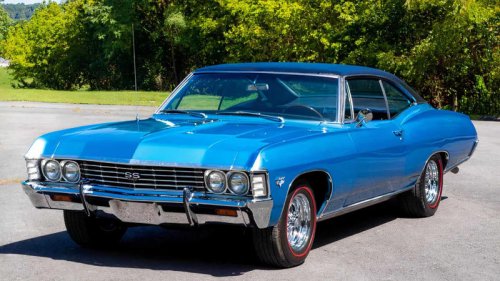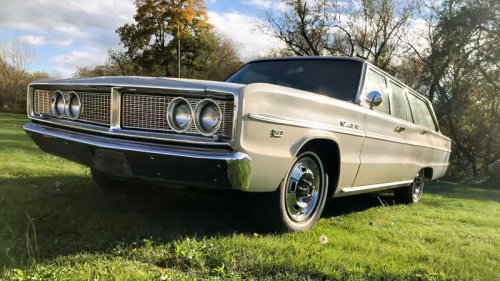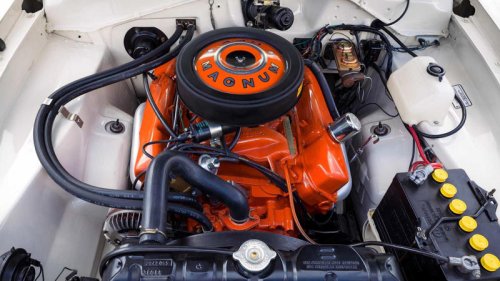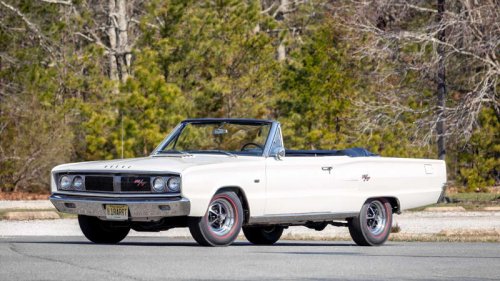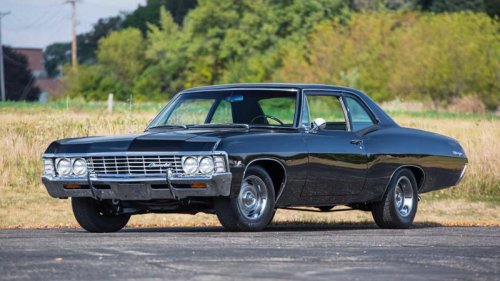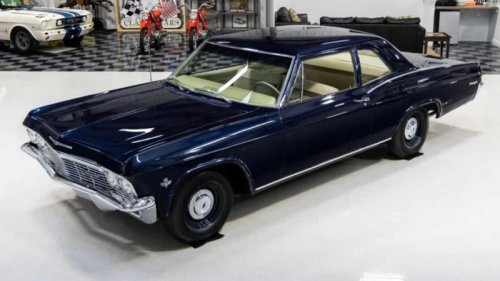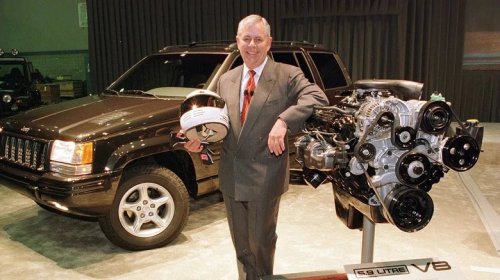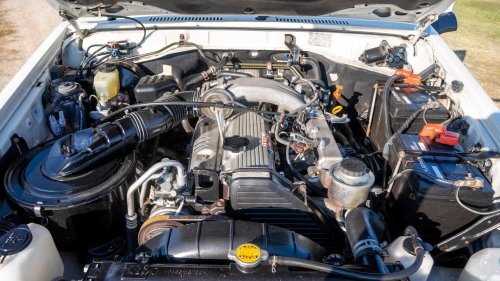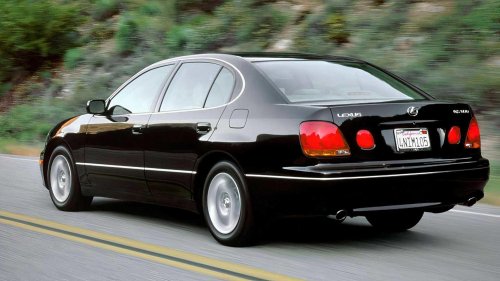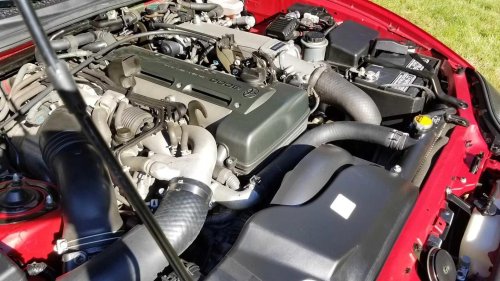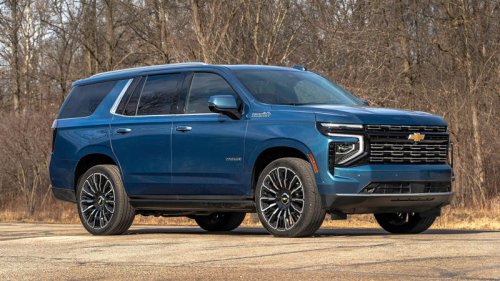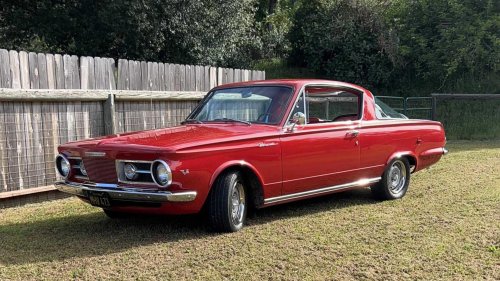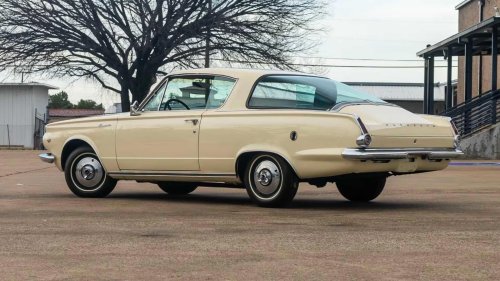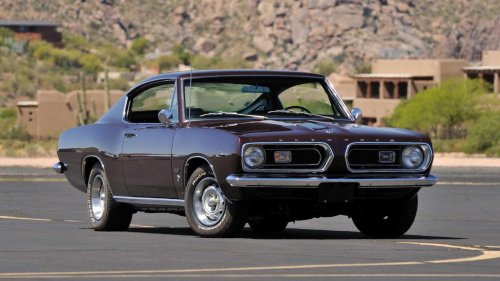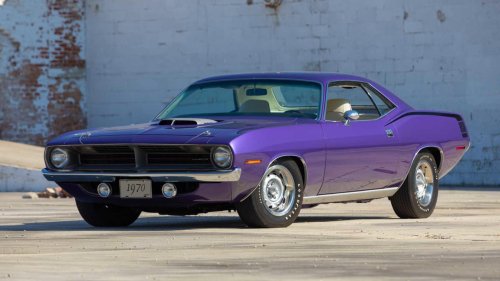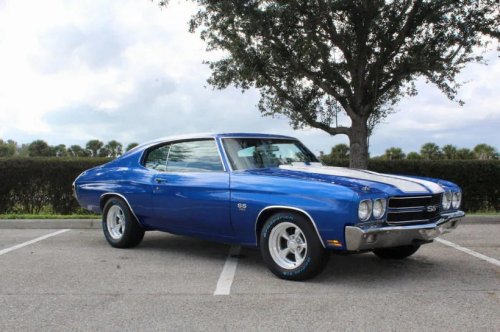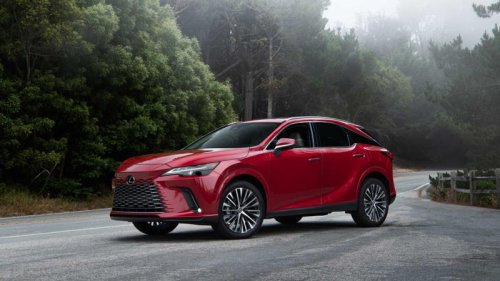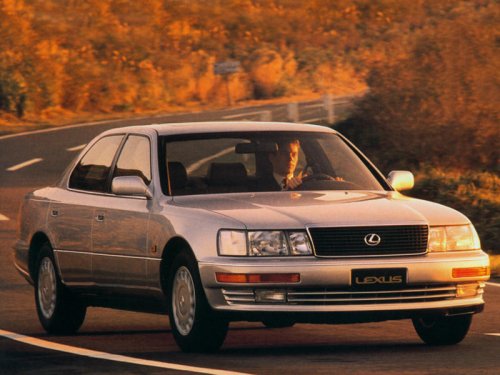
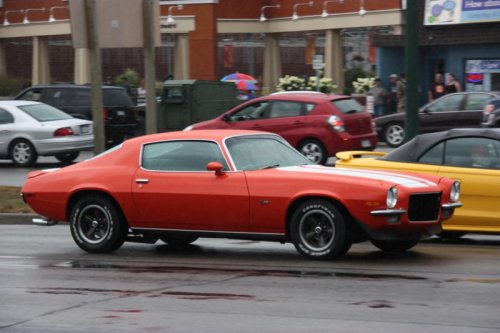
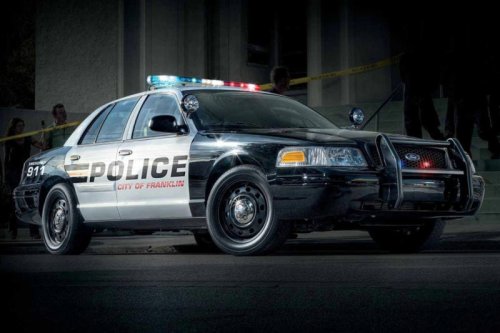
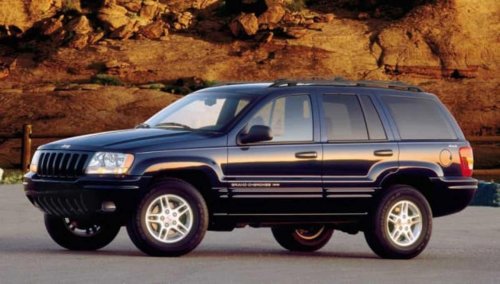
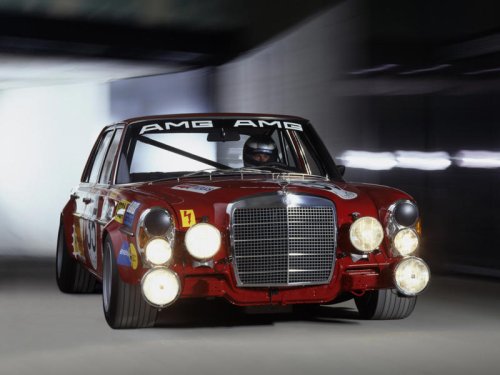



















Reliability often comes down to the perfect mix of over-engineering and tried-and-trusted technologies. Many of the most reliable V8 engines below earned their reputation for hardiness by being designed to perform well beyond their standard specifications. Some of the best engines were built to survive the high-speed demands of the Autobahn, while others won their reputation by being so simple and hardy that they would run for decades on neglect and cheap parts. Here are five of the most reliable V8 engines ever produced. Let us know in the comments if you have a V8 motor that has achieved mega miles.1. Toyota 1UZ-FE Production: 1989–2013Power Output: 256–300 hp / 260–325 lb-ftNotable Applications:Lexus LS 400, Lexus SC 400, Toyota Crown, Toyota SoarerThe 4.0-liter 1UZ-FE is one of the most over-engineered V8 engines ever built. Developed for the launch of the Lexus brand, Toyota spent over $1 billion developing the LS 400 to ensure it would beat Mercedes and BMW. It features a 6-bolt main bearing design and forged crankshaft, as well as extremely tight tolerances that allow it to reach serious mileages with nothing more than basic maintenance. The 1UZ-FE was so smooth and robust that it forced its major rivals to up their game with much -improved V8 engines of their own. There is a famous "million-mile Lexus" owned by motoring journalist Matt Farah that still runs on its original 1UZ engine.2. Chevrolet Small Block 350 (L31 Vortec)1970-chevrolet-camaro Production: 1967–2003 (L31 1996–2002)Power Output: 145–370 hp / 250–380 lb-ftNotable Applications:Chevrolet Silverado, Corvette, Camaro, Suburban, Cadillac FleetwoodThe 5.7-liter Chevy 350 is the Swiss Army Knife of V8 engines. Its reliability stems from a remarkably simple pushrod design and a production run that lasted nearly 40 years, allowing GM to iron out every possible quirk. The final L31 Vortec versions are particularly prized for their excellent airflow and durability. If something does break, parts are readily available. Over 100 million Small Block Chevys have been built since 1955. It is also the most popular engine in the world for swapping into everything from sports cars to trucks.3. Ford 4.6L Modular V8 Production: 1991–2014Power Output: 190–260 hp / 260–302 lb-ftNotable Applications:Ford Crown Victoria (Police Interceptor), Ford F-150, Lincoln Town Car, Mustang GTWhile it isn't a powerhouse, the 2-valve 4.6-liter is as reliable as the sunrise. It became the industry standard for taxi fleets and police departments because it can handle constant idling and brutal driving conditions. It’s common to find these in retired Crown Vics with 300,000 to 400,000 miles on the clock and still purring along. Its deep-skirt block and cross-bolted main bearings give it a structural rigidity usually reserved for heavy-duty diesel engines. Because so many were used in taxis, there are documented cases of these engines reaching over 600,000 miles without a rebuild.4. Chrysler 318 (5.2L LA/Magnum)image-placeholder-title Production: 1967–2002Power Output: 140–230 hp / 260–340 lb-ftNotable Applications:DodgeRam, Jeep Grand Cherokee, Plymouth Fury, Dodge ChargerThe Chrysler 318 is often overshadowed by the Hemi, but in terms of longevity, the 318 is the one to beat. It was designed to be a workhorse rather than a racehorse, so its internals are put through far lower stresses. The thick casting of the engine block and the simplicity of its valvetrain make it nearly bulletproof against overheating and it can tolerate poor oil quality far better than more complex designs. The 318 V8 was so reliable that it was the standard choice for the U.S. Postal Service’s heavy-duty delivery trucks for years. This engine’s ability to run on minimal maintenance and intermittent servicing made it perfect for fleets.5. Mercedes-Benz M117 Production: 1971–1992Power Output: 160–300 hp / 200–300 lb-ftNotable Applications: Mercedes 450SEL, 560SEC, 500SL, G-WagonThe M117 comes from an era when Mercedes-Benz valued over-engineering above all else. These V8 engines were designed to perform at high speeds on the Autobahn for hours without breaking a sweat. The early versions used a cast-iron block, while later versions (500 and 560) used a more sophisticated Alusil alloy block. Its reliability is legendary among classic car collectors, provided you replace the plastic timing chain guides every 100,000 miles. The M117 was the heart of the "Red Pig," a 300SEL 6.3 that first put AMG on the map by taking a massive luxury sedan and beating purpose-built race cars at the 24 Hours of Spa.