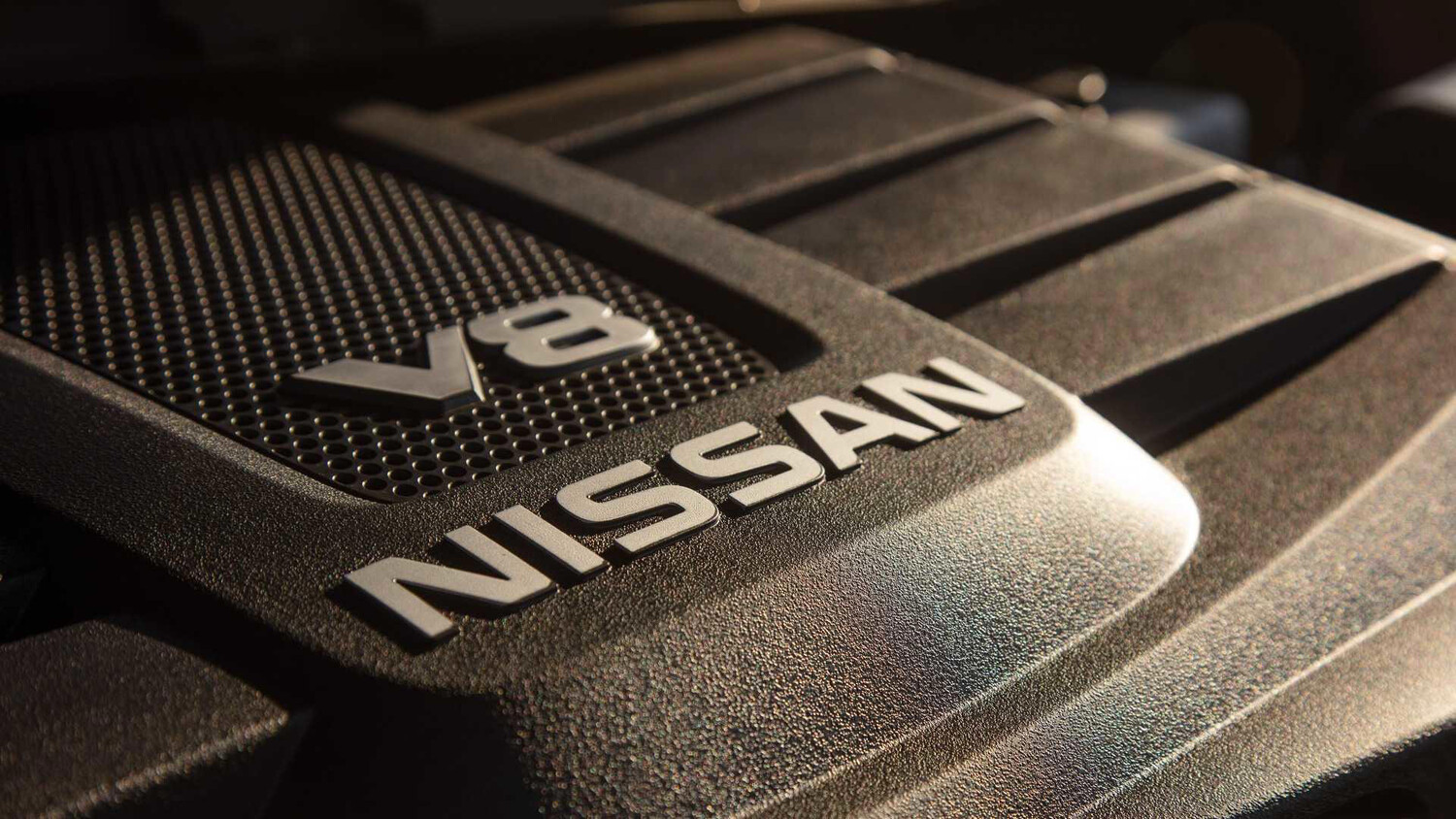
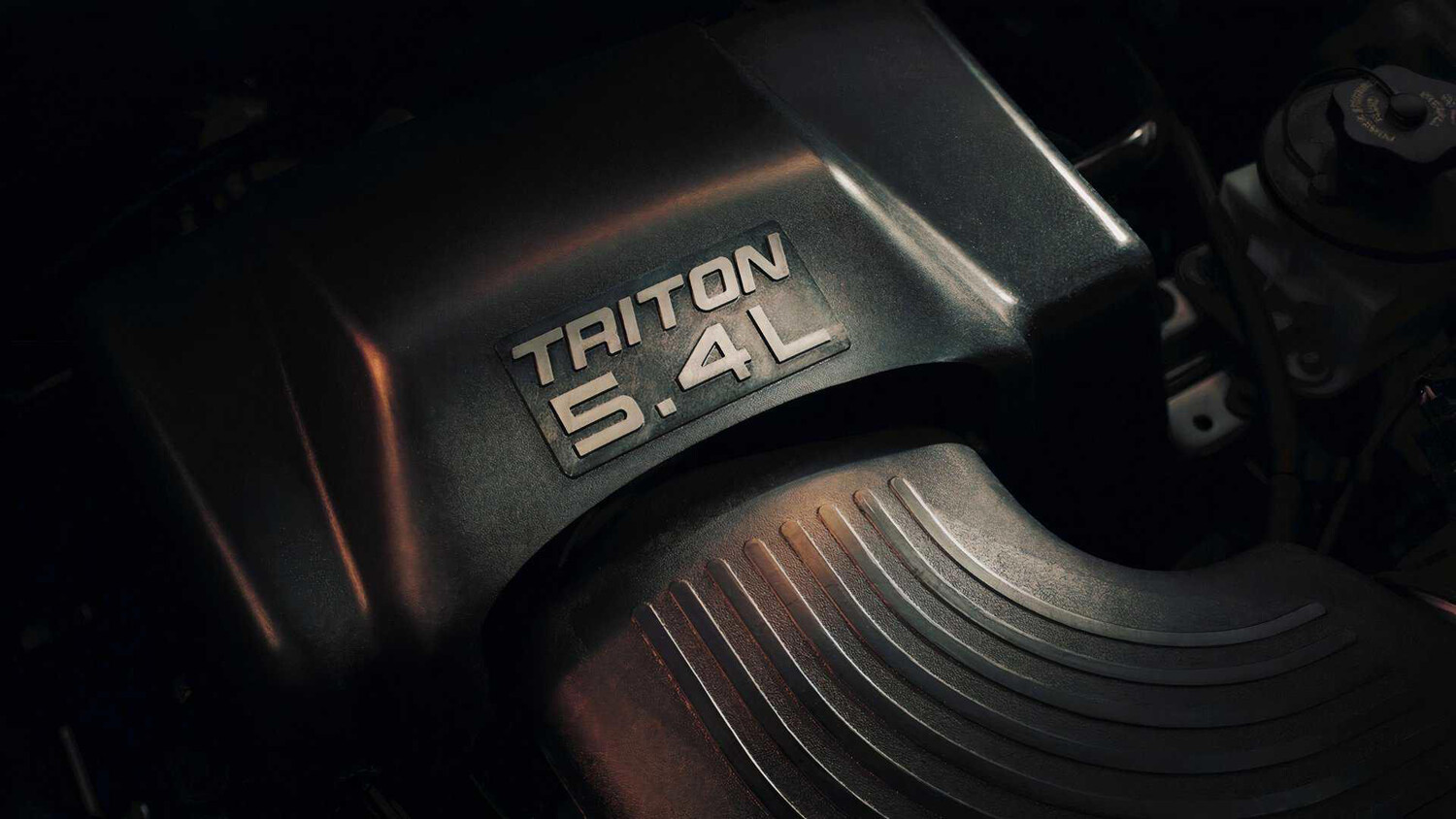
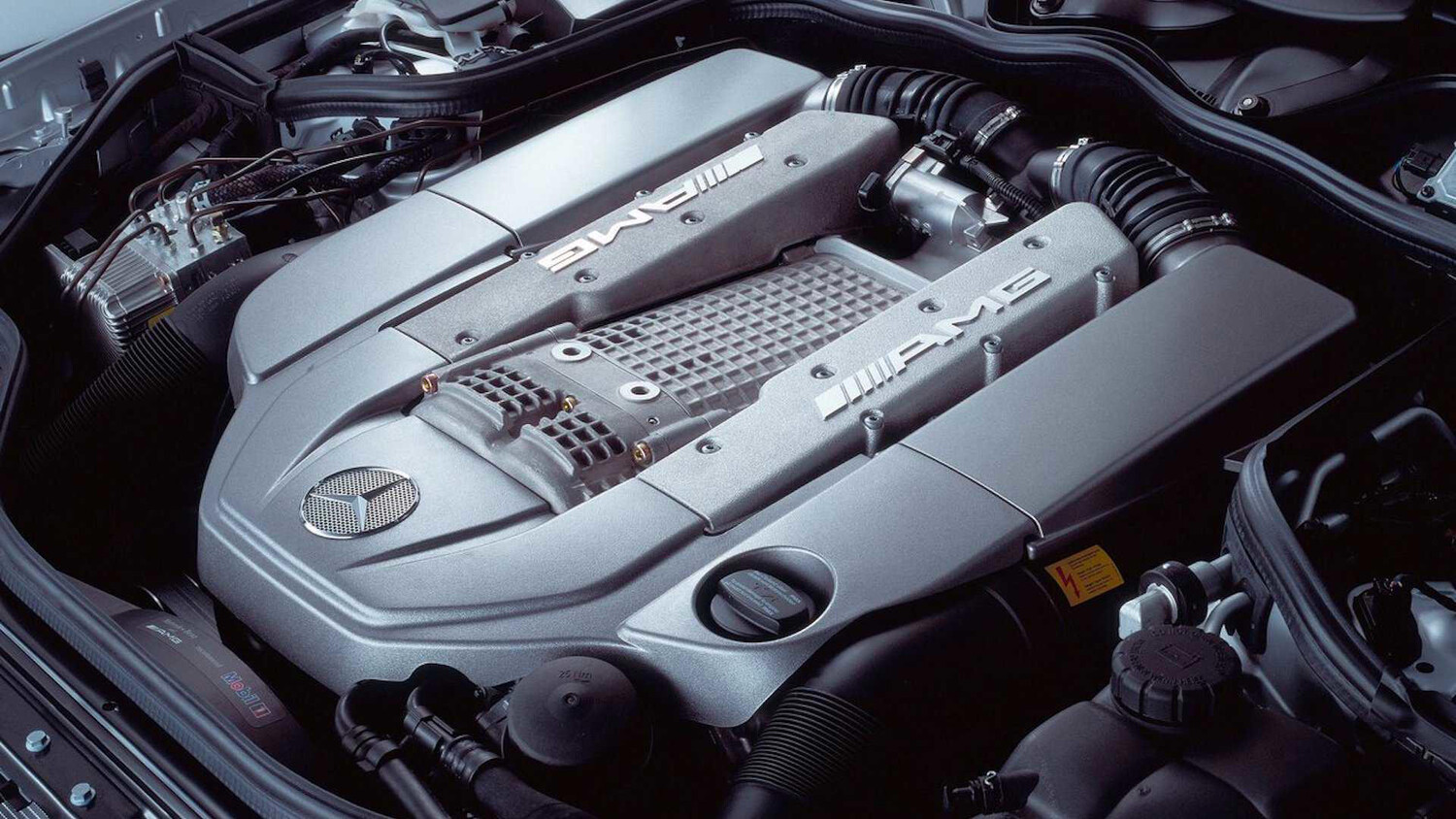
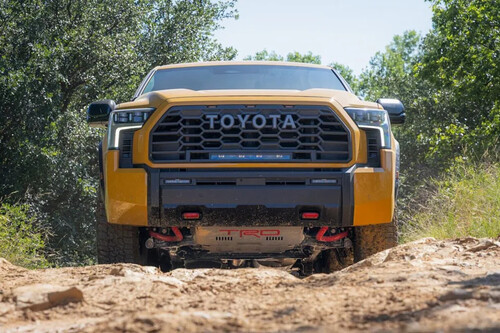
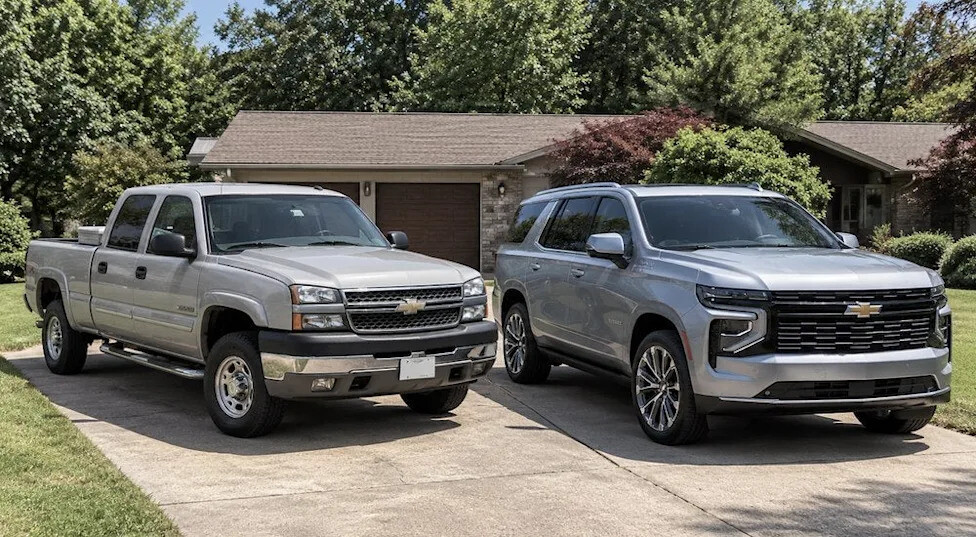
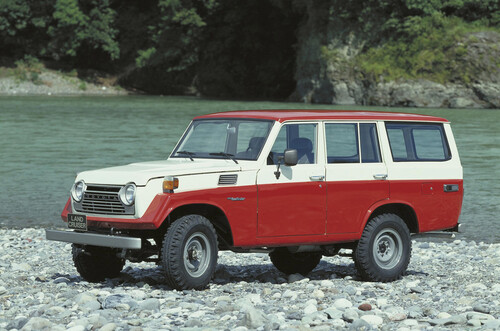
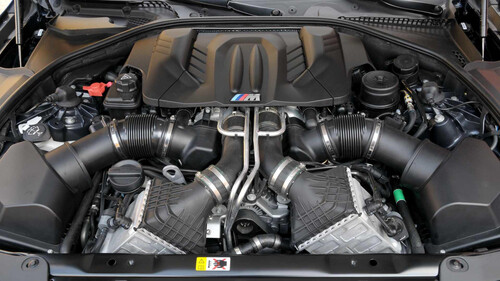
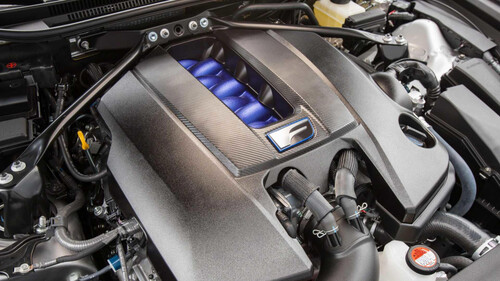
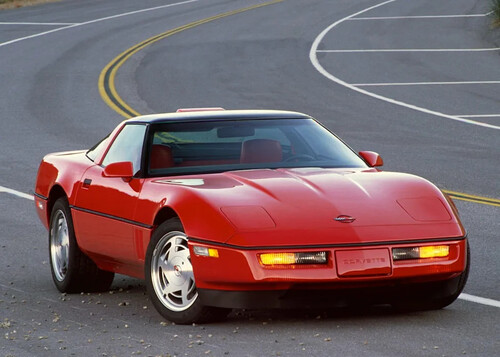
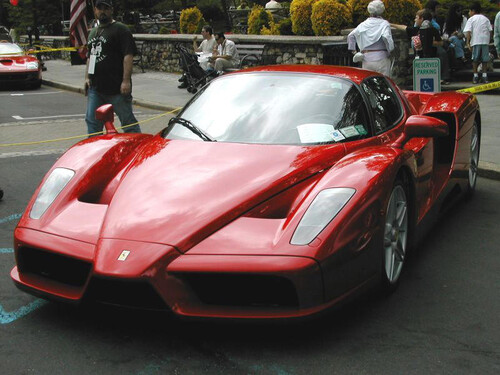
The naturally aspirated V8 has endured for multiple reasons, but mainly for its adaptability. There's a reason you find V8s in workhorse trucks, large family cruisers, off-road vehicles, high-performance cars, and luxury cars. They can pull a lot of weight with plenty of easily available torque, can make a lot of horsepower, and provide effortless power for cruising around town or on the freeway. On top of that, a V8 is a naturally well-balanced engine compared to a V6 and V10, while still being relatively easy to package under the hood. Time has proven that the V8 is a great mix of power, footprint, smoothness, and complexity. Before We Start: Reliability Defined Reliability in an engine isn't as straightforward to quantify as it might seem. To some, it's an engine that can keep rolling with a "when I think of it" approach to oil changes. To others, it simply never breaks down until it does. To us, though, it's a powerplant that can relatively confidently log over 200,000 miles with routine maintenance, only minor repairs, and without the failure of critical and expensive components. Of course, no engine is guaranteed to outlast its warranty and log 300,000 trouble-free miles. However, these are the V8s most likely to get you the most miles for the money without heading into the distant past. The ranking is in no particular order. Toyota 5.7-Liter (3UR-FE) ToyotaWe recently covered a teardown of a 300,000-mile 3UR-FE unit, and 300,000 is far from uncommon. Toyota deliberately overbuilt this engine, particularly in the cooling and oil systems, so it could endure a hard life in trucks and SUVs. The most common replacement part is the starter motor, which is a simple replacement and is non-damaging to the engine when it fails. Power-wise, from the factory, it makes 381 horsepower and 401 lb-ft of torque.There is a wealth of 500,000-mile units, and there are a couple of million-mile 3UR-FE units out there. You'll most commonly find it in 2007-2021 Toyota Tundra, Sequoia, Land Cruiser, and Lexus LX570 models. Unfortunately, the 3UR-FE is now out of production due to its fuel economy and emissions. Toyota replaced the powerplant with a soon-to-be ubiquitous twin-turbo V6.Toyota's philosophy of gradual refinement was applied to the 3UR-FE, so we would suggest aiming for a 2010 or later example. However, that's a suggestion as opposed to advice because, in reality, anything after the first teething year of the engine is going to be an absolute workhorse. Nissan 5.6-Liter V8 (VK56DE) Nissan The Japanese V8 engines for pickups need to help the brands compete with the much better-selling American trucks from Ford, GM, and Stellantis. The most effective place for Japanese brands to compete is in durability and reliability while matching power outputs. The VK56DE is likely the final evolution of Nissan's VK series of V8s.The engine showed up first in the 2010 Nissan Patrol, but is known for being near bulletproof in Infiniti sedans and SUVs, in addition to the Nissan Armada SUV, the NV full-size vans, and the Titan full-size pickup truck. Horsepower and torque vary depending on the model, but the output is generally between 300 and 320 hp and between 380 and 400 lb-ft of torque.For the Nissan VK56DE, it's all about regular as clockwork oil changes to gain the statistical likelihood of hitting 300,000 with some more to go. However, it has a more interesting history of vehicles than the Toyota 3UR-FE as Nissan put the VK56DE into motorsport. Not only was a 600 hp version built for the Nissan GT-R GT1 in Australia's ever-thrilling V8 Supercars Championship. Nissan later raced an Altima in the same series that made 650 hp. The engine also powered Le Mans Prototype class race cars. Ford 5.4-liter Triton FordUnfortunately, the Ford 5.4-liter Triton engine has a caveat to it. The first generation appeared in the 1997 F-150 with a design fault that could lead to the spark plugs being ejected from the cylinder head. The problem was that the threads for spark plugs were simply too short. However, the two-valves-per-cylinder version can still be an incredibly reliable engine as long as it has the new cylinder head from Ford's service bulletin. There's also an aluminum insert kit for out-of-warranty vehicles. Additionally, the plastic timing chain guides require regular inspection and replacement.The second-generation 5.4-liter Triton engine appeared, as part of the Ford Modular Engine line, in the 2004 model year Ford F-150 with three valves per cylinder. The automaker fixed the spark plug issue, but there was a new problem. Carbon build up in the cylinder head would cause the special two-piece spark plugs to snap. There are solutions for that problem in the form of special tools, but the common approach by owners in the know is to replace the spark plugs within shorter periods than Ford recommends.Spark plugs aside, the key to keeping the engine going is being on top of oil changes and watching for coolant leaks. Keep that oil fresh and avoid those spark plug issues, and a 5.4-liter Triton two- or three-valve engine can keep on trucking while producing anywhere between 235 and 380 hp depending on application, and up to 450 lb-ft of torque.The four-valve version was used mainly for luxury and performance cars, including the Ford Mustang SVT Cobra R, the Ford GT, and the Shelby GT500 from 1999. It also appeared in Australian performance cars such the Ford Falcon XR8 and Ford Falcon FPV GT. Stellantis 5.7-Liter Hemi V8 ChryslerWhen the Hemi engine was resurrected in 2003, the 5.7-liter unit first appeared in Dodge pickup trucks. It has powered everything from the Jeep Commander to the Dodge Charger, but still lives on in the Ram 1500. The Hemi is a legendary engine, differing from most designs due to the hemispherical combustion chambers that give the engine its name. While it was a tough engine to engineer to exploit the hemispherical combustion chambers, it was well worth it for the improved thermal efficiency and increased compression, leading to more power.However, the last 27 years of the Hemi V8 haven't been perfect, and there were some caveats. The notorious "Hemi tick" is real, and if not caught early enough, can lead to a failed engine. The tick is the sound of the lifters failing, and can lead to the pushrods wearing into the cam lobes, then causing chaos in the valvetrain. For that reason, we would studiously avoid 2011 and 2012 model year Ram pickups, as they are the most common to have the issue. LX-platform cars, such as the Magnum from 2005 and 2006, are also to be avoided due to their fuel starvation issues. However, if the tick never shows or gets caught quickly, the 5.7-liter Hemi is as reliable as it is powerful in all the applications – as long as there's proper maintenance. BMW 4.9-liter V8 (S62) BMW Nothing carries the importance of maintenance like a BMW engine, but if the S62 V8 was treated right from the start, the E39 M5 can go further than most high-performance V8s. It's the high-performance version of the aluminum engine block M62 engine, powering vehicles such as the turn-of-the-century BMW 5 Series, 7 Series, and X5, as well as the Range Rover. But, the S62 also ironed out the problems the M62 suffered while making 394 hp and with an entertaining 7,000 rpm redline.The caveats start with the same issue as any BMW engine from this era. The entire cooling system requires preventative maintenance. The VANOS variable valve timing system typically requires rebuilding or replacement at higher mileage, along with the rod bearings. The engine has luxury performance car maintenance costs. Keep on top of the work, and the S62 is as reliable as it is entertaining. Mercedes-Benz V8 (M113 Series) Mercedes-BenzSticking with the Germans, Mercedes had a reputation for bulletproof engines in the 1970s and early 1980s. The M113 V8 engine, starting with a 4.3-liter version in 1997, doesn't get the credit it deserves. It's a relatively simple aluminum block unit that tends to age out rather than suffer a catastrophic failure and has proved itself reliable. The plastic parts can fail over time, such as the valve covers and PCV tanks, leading to leaks. However, the unit is one of Mercedes' strongest before over-complicating its engineering.The kicker is that the M113K is the bulked-up, AMG supercharged version of the V8 bored out to 5.4 liters. The engine is so strong that there's a documented 2003 Mercedes-Benz E55 AMG that's crossed the 400,000-mile mark. We suspect that the reason the M113 doesn't get the recognition it deserves is that most Mercedes cars just don't cover so many miles. It's been a long time since they've been commonly used as taxis that put in the big miles now. Ford 5.0-liter Coyote FordLike the 5.4-liter Triton, the Ford Coyote engine is an evolution of the Ford Modular Engine, which refers to the tooling rather than the engines themselves. The Coyote 5.0-liter V8 was developed primarily for the Mustang but has several variants, most notably a torque-biased version for the F-150, which replaced the 5.4-liter Triton. It arrived in 2010, but is currently in its fourth generation. As you would expect, each iteration becomes more reliable as issues are ironed out, but there isn't a version that's generally known to be worth avoiding.The first generation is the least preferable, though, and the second generation is prone to oil leaks. The fourth generation had revisions in 2023 for the 2024 model year. So, the jury is still out on its dependability. We don't expect any surprises as most of the updates are about tuning for purpose.For the most sensible buyers, the third generation is currently the sweet spot for the Mustang and the second generation for its torque in the F-150. The third gen produced 460 hp and 420 lb-ft of torque in the Mustang, and the second gen produced 385 hp with 387 lb-ft. Any which way, though, keep up that maintenance. Chevrolet 5.3-liter Vortec 5300V8 ChevroletIn 1997, Chevrolet brought out the clean-sheet design for the third generation of its small block engine. The now legendary LS1 and LS6 were high-performance versions, mostly finding homes in the Corvette and also renowned for their reliability. However, the 5.3-liter Vortec 5300 is expressly a truck engine that started off with 270 hp and 315 lb-ft, but in its final form made 345 hp with 380 lb-ft in the Cadillac Escalade, Chevrolet Silverado, and GMC Sierra until 2007.The 5.3-liter V8 Vortec 5300 stuck around for 20 years with good reason, but, as expected, had a few blips on its journey. The biggest concern you find with some forum searches is lifters failing, which is blamed on the automatic stop/start function. However, there's no actual proof we can find that the start/stop causes issues, and we suspect that of the many hundreds of thousands of 5.3-liter V8 small blocks out there, the failure rate is incredibly low. It appears that the complaints peaked in 2021 and are the result of defective lifters from the factory, so we would avoid that just out of caution as there are 19 years' worth of alternatives. Toyota 4.7-liter V8 Toyota We're including the 2UZ-FE, which was the precursor of the 3UZ-FE, purely on the basis that there would be complaints by people claiming it's the more reliable model. There are no real statistics to support one or the other. However, there's no arguing with the fact that it's easier to work on by the home mechanic, and a timing belt is easier to keep an eye on and deal with once the miles get up there than a timing chain and the 3UZ-FE's plastic guide. The belt is also the reason the 2UZ-FE is a smoother engine, and perfect for the Lexus GX and LX. The added bonus is for those looking to avoid electronics, as the 2UZ-FE is a turn-of-the-century engine. However, you're only looking at around 270 hp and 260 lb-ft of torque depending on its use case.