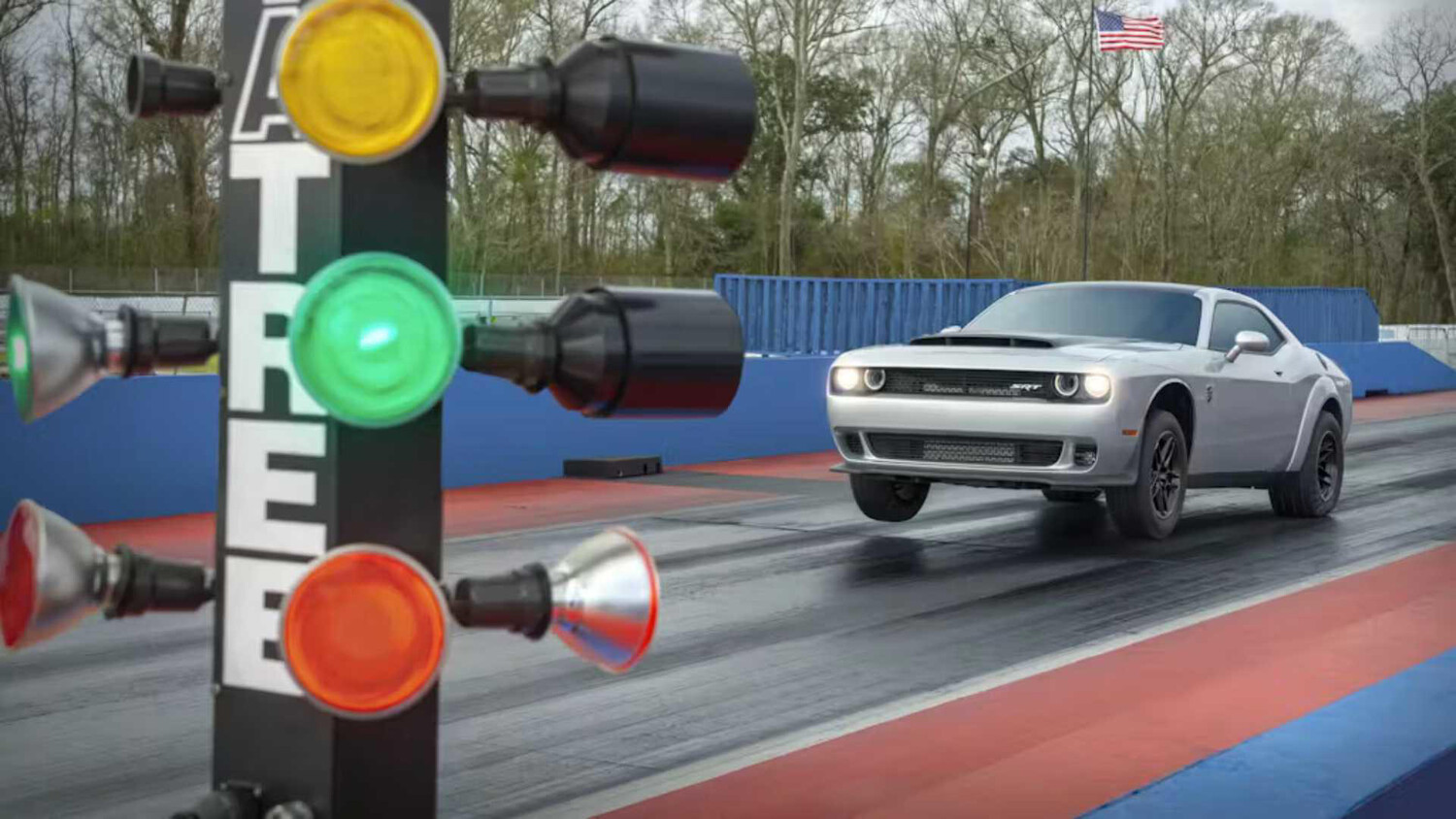
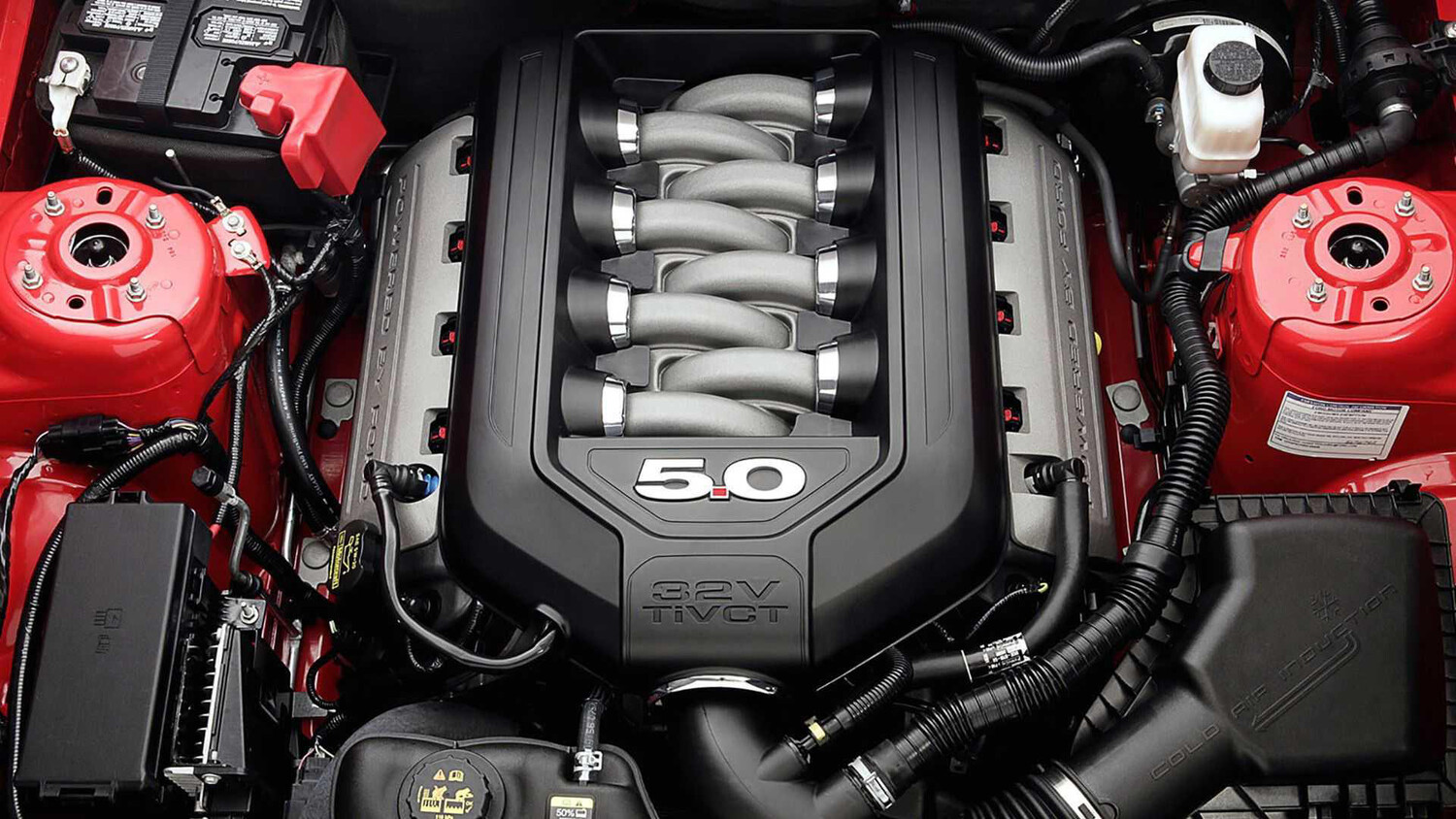
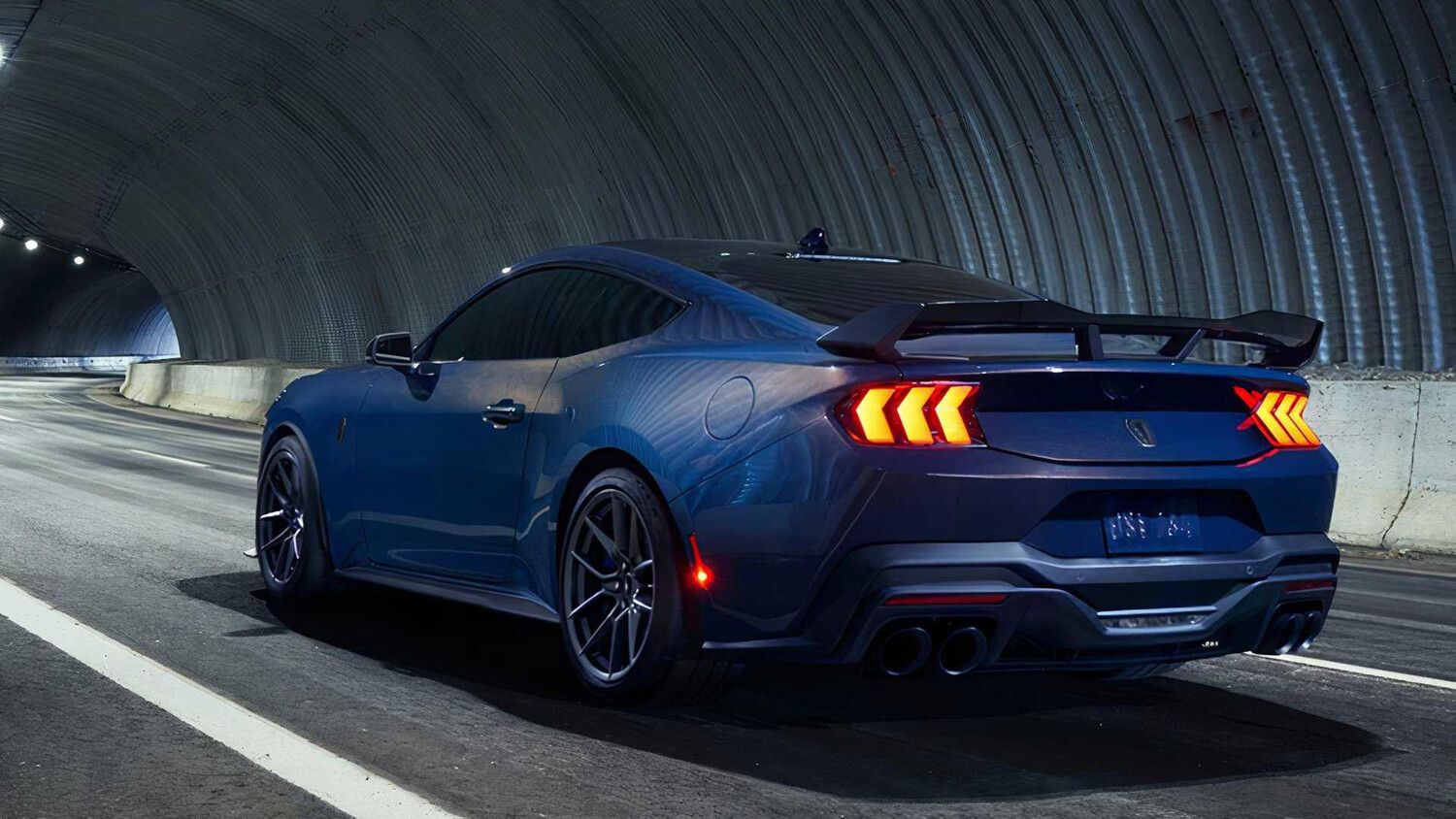
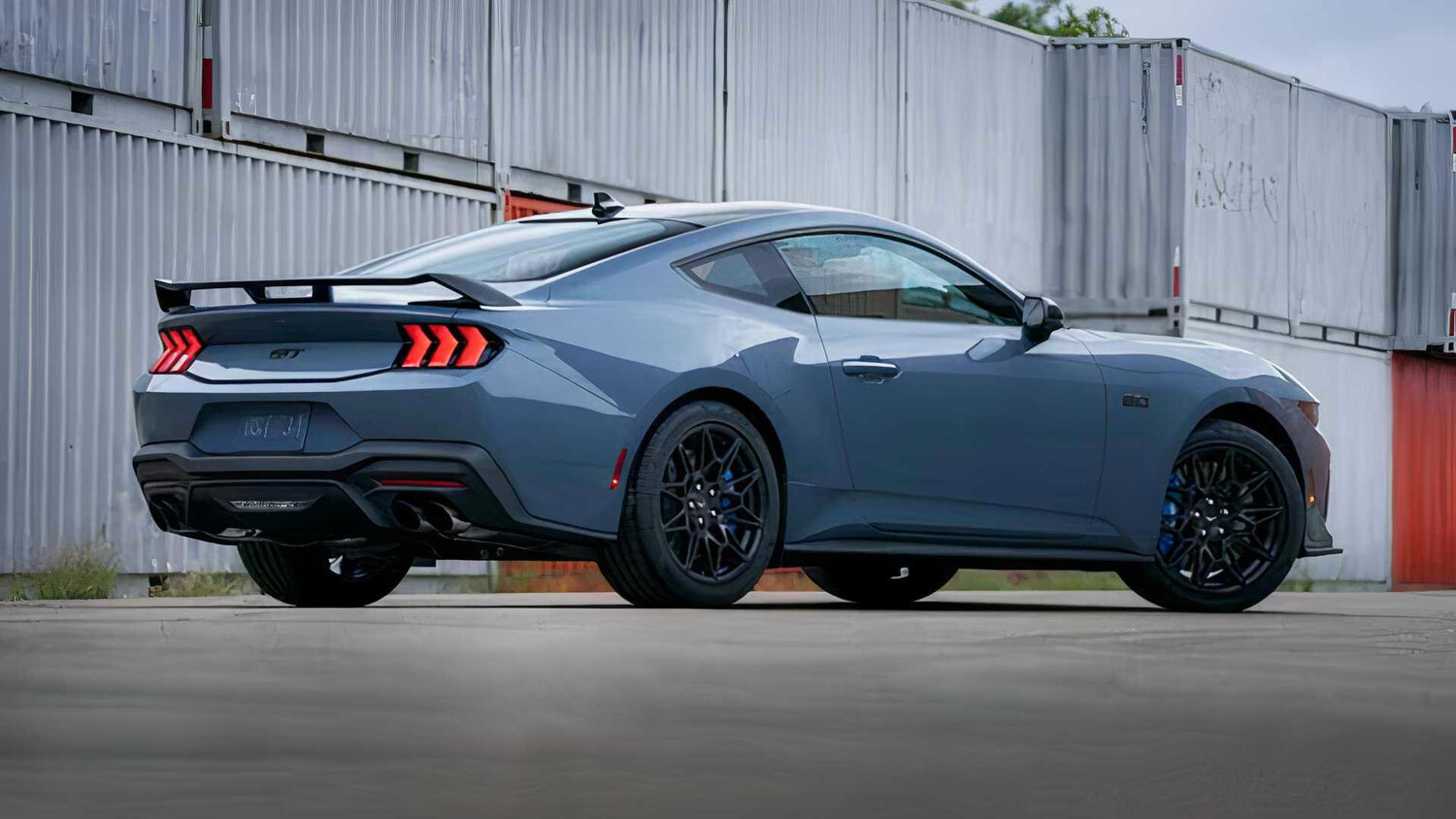
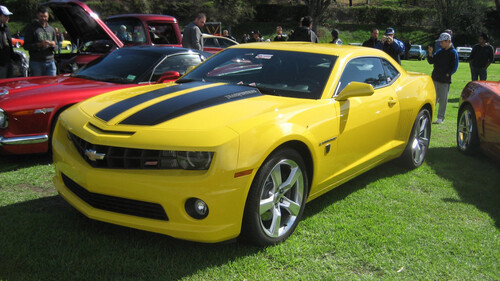
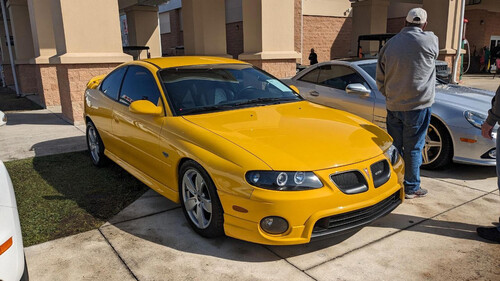
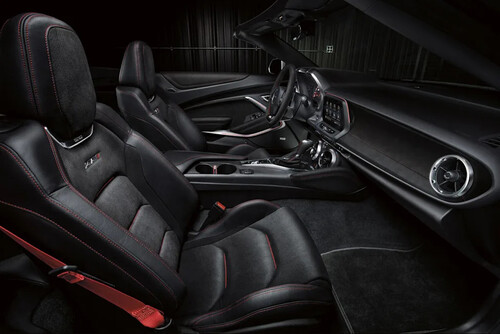
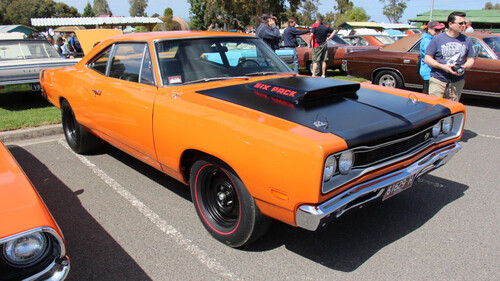
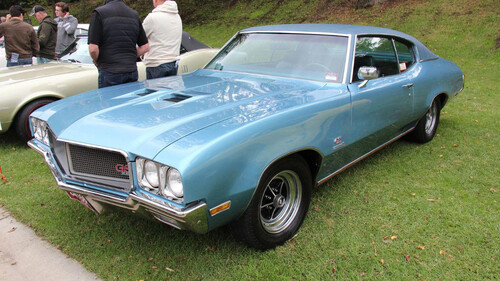
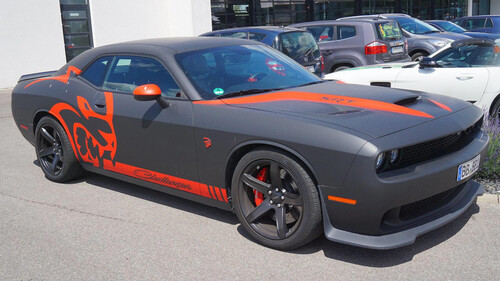
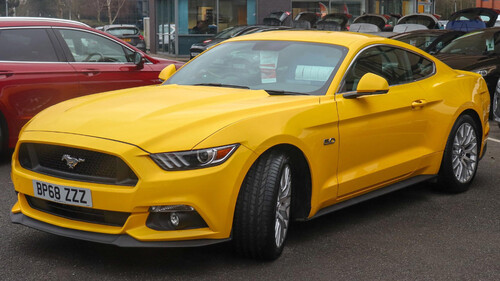
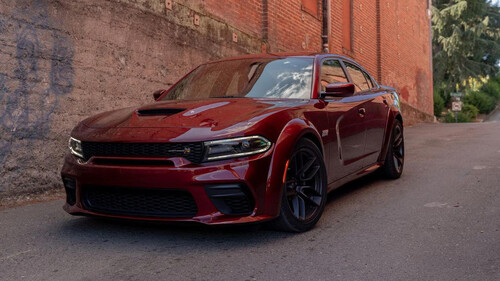
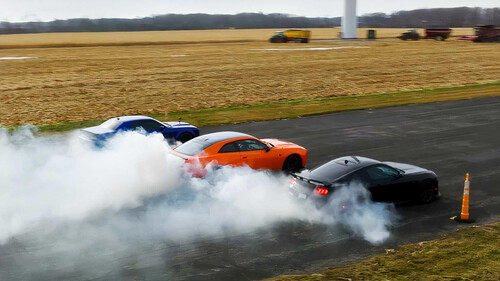
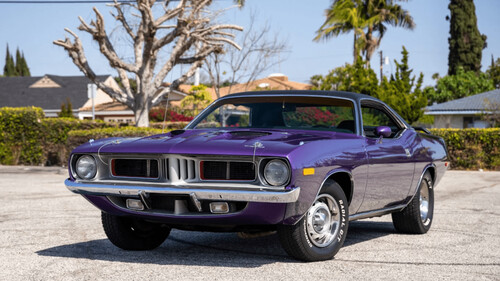
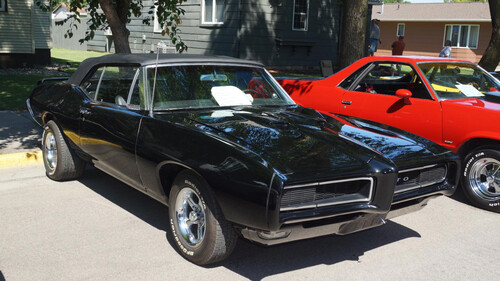
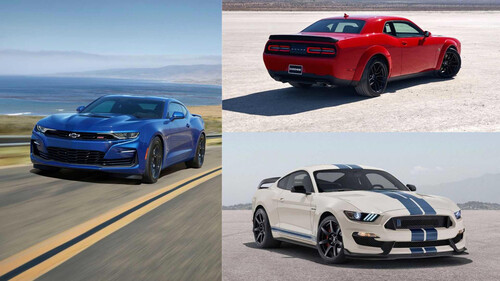
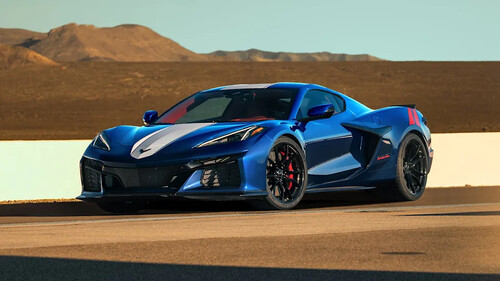
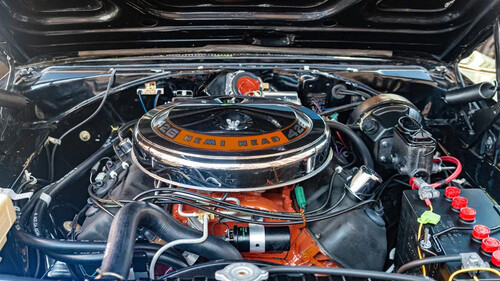
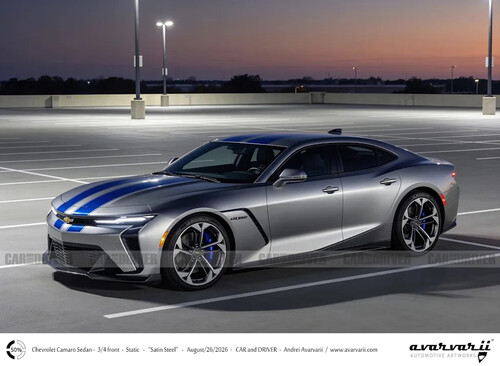
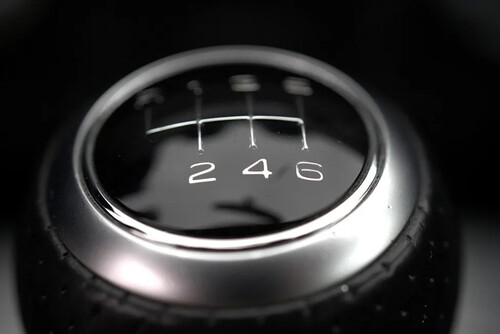
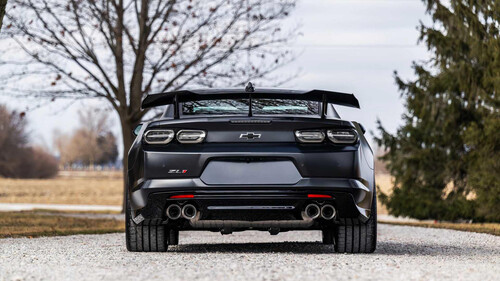
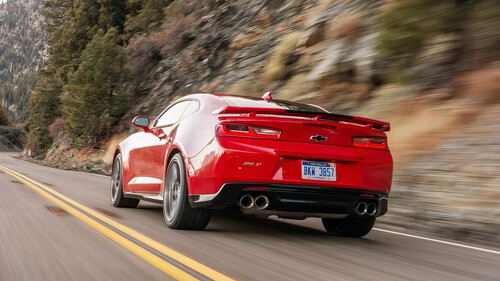
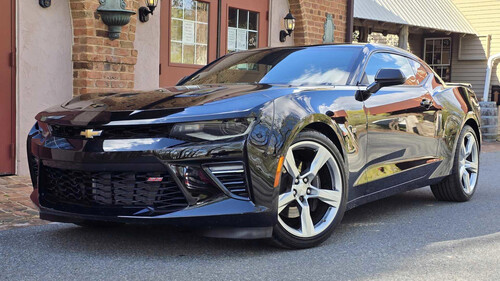
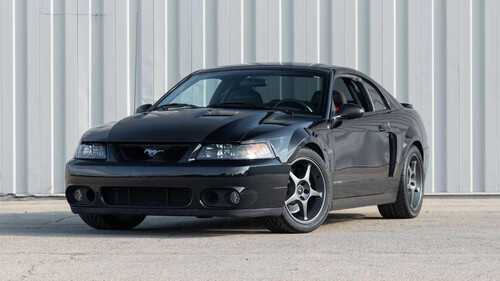
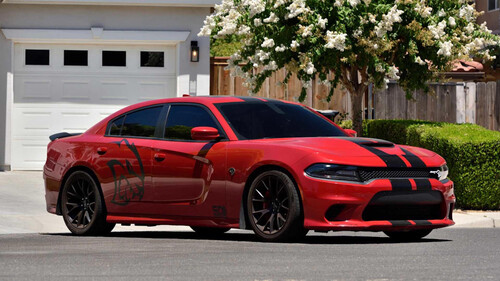
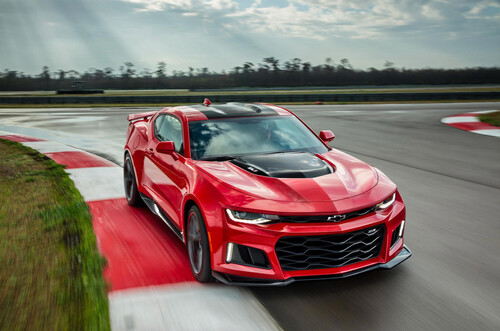
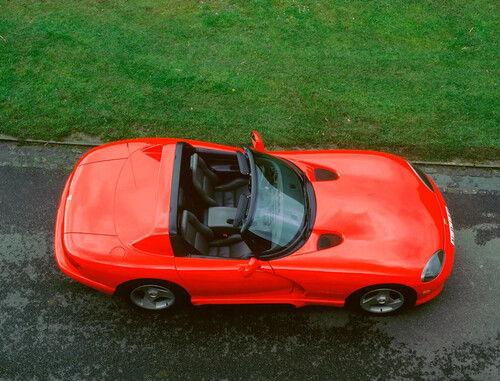
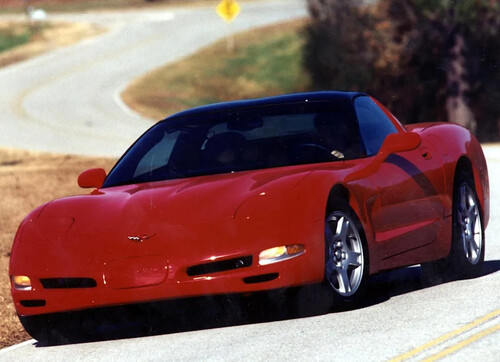
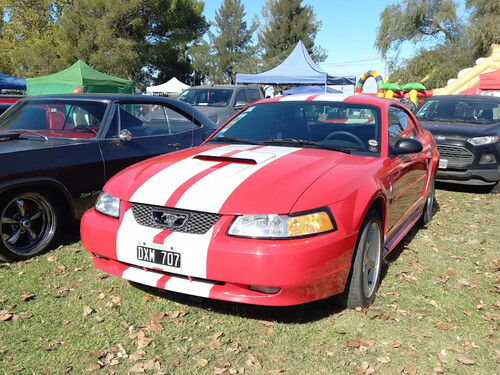
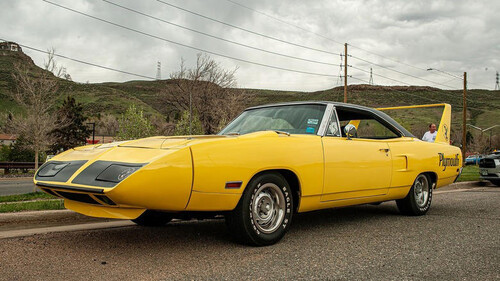
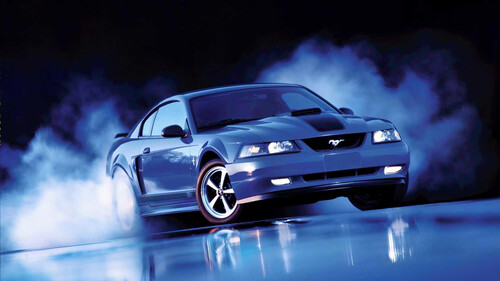
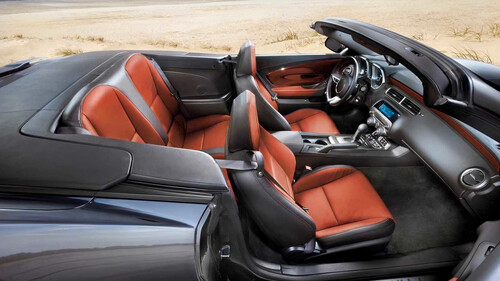
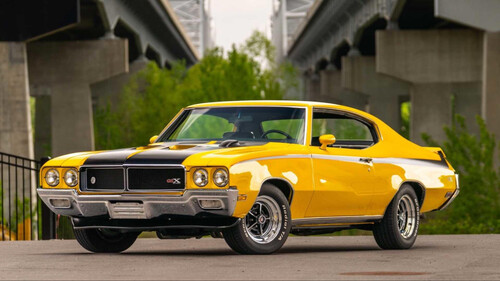
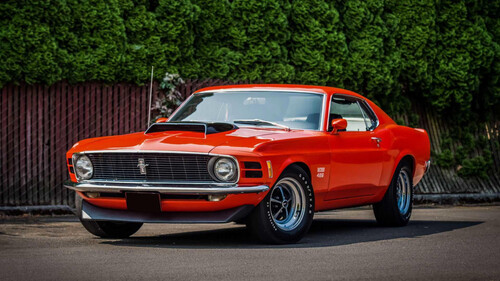
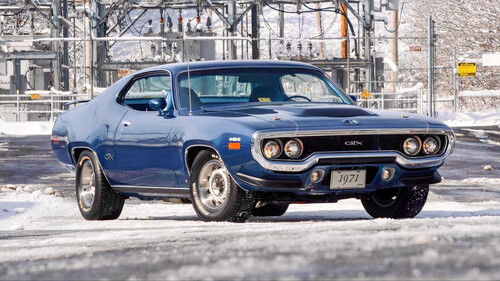
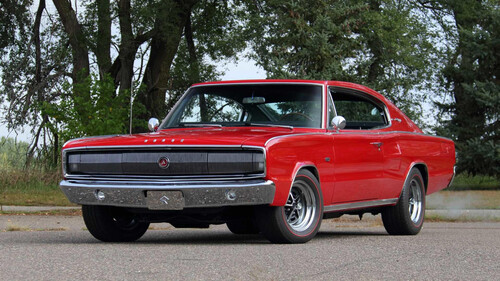
There are three things that defined the golden age of American muscle: a naturally aspirated V8, a manual gearbox, and power going to the rear wheels. For decades, you could walk into a showroom and take your pick. Dodge, Chevrolet, and Ford all had a version of this formula, and the rivalry between them produced some of the most exciting cars ever built on American soil.That era of muscle cars is almost over. Two of those three brands have seemingly already called it quits, pulling iconic nameplates from showrooms and pointing toward an electrified future. The cars that replaced them are faster in some ways, but they are not the same thing.What is left is a single car, still built using the traditional philosophy, still available with the gearbox that rewards the driver, and starts below $50,000. Here is how we got to this point, and why the window to own one of these may be closing faster than a 60s muscle car reaches 60 mph. Dodge And Chevy Gave Up On The V8 Stellantis For a long time, the American muscle car market was a genuine three-way fight. Ford had the Mustang, Chevrolet had the Camaro, and Dodge had the Challenger. Each brand brought something different to the segment, and buyers had choices. That era came to an end within the span of about 12 months.Dodge ended production of both the Challenger and the Charger after the 2023 model year, marking the occasion with seven special-edition Last Call models. A fond but final farewell to two of the most recognizable nameplates in American performance history. GM followed closely, officially ending Camaro production in January 2024 with no seventh generation planned, a decision confirmed by Chevrolet VP Scott Bell himself.Chevrolet The reasons behind both exits are tighter emissions regulations and new CAFE standards made it increasingly difficult to justify the cost of building a new high-displacement naturally aspirated V8. At the same time, the business case for these cars had been eroding for years. Camaro sales had collapsed from 72,705 units in its first year back in 2016 to just 21,893 by 2021 — a fall of nearly 70 percent in five years. In the first half of 2025, a mere 169 Camaros left the showroom.Both brands are now betting on electrification to keep their performance identities alive. GM intends to replace the Camaro with an electric crossover, shifting from a two-door coupe to a four-door EV body style. Dodge then introduced the electric Charger, which is also available with a six-cylinder engine after abysmal demand for the electric muscle car. Whether those cars will feel like their predecessors is a question nobody can answer yet.What is certain is that the three-way muscle car war is over. Only one side kept fighting. Today, there are only a handful of naturally aspirated sports cars you can buy new, but only one that packs a V8 paired with a manual. The Last Car With a V8 and a Manual You Can Actually Afford FordWhile Dodge and Chevrolet were throwing in the towel, Ford was doubling down. The seventh-generation Mustang arrived for 2024 with the same 5.0-liter Coyote V8 that enthusiasts had loved for years, still offered with a six-speed manual, still sending power to the rear wheels only. No turbos or hybrid systems. Just the formula that built the legend.With the Camaro gone and the new Dodge Charger arriving without a V8 or a manual transmission option, the 2026 Ford Mustang is now the only car on sale in the US where you can buy a naturally aspirated V8 and a manual gearbox in the same package. Ford stands alone in an increasingly empty category, and the Mustang is the only door left open.Ford Within that, Ford offers two versions worth knowing about: the Mustang GT and the Mustang Dark Horse. They share the same engine family and the same fundamental architecture, but they are built with meaningfully different drivers in mind. The GT is the accessible entry point, the everyday performance car that most buyers will choose. The Dark Horse is something closer to a factory-built track weapon that happens to have license plates. Same Coyote V8 Engine, But Two Very Different Personalities FordBoth the Mustang GT and the Dark Horse run the same fundamental engine, Ford's Gen 4 5.0-liter Coyote V8, the same block that has powered performance Mustangs for over a decade. In the GT, it produces 480 horsepower and 415 lb-ft of torque, while the Dark Horse is tuned to deliver an even 500 hp and 418 lb-ft. Buyers who opt for the GT's active valve performance exhaust close that gap slightly, pushing output to 486 hp and 418 lb-ft.The Dark Horse gets a dual-inlet intake manifold with ram-air ducts fed directly from the front grille, forged connecting rods borrowed from the GT500's Predator V8, revised camshafts with different exhaust lobe profiles, and a Dark Horse-specific ECU tune. That results in the 20 hp difference between the two. Each of those changes is modest on its own, but together they push the Coyote meaningfully closer to its natural limit.Both engines share the same 12.0:1 compression ratio and Gen 4 dual intake architecture, but the Dark Horse version makes its peak power slightly higher up the rev range, closer to the 7,500 rpm redline. The GT is the Coyote in its most accessible, daily-friendly form. The Dark Horse is that same engine taken as far as Ford was willing to go without bolting on a supercharger. The GT And The Dark Horse Do Not Share The Same Manual Gearbox Ford Both the GT and the Dark Horse are available with a six-speed manual, but the two cars do not share the same gearbox. This is one of the most meaningful differences between them, and it matters more than the horsepower gap.The GT uses the Getrag MT82-D4, an updated version of the six-speed manual Ford has fitted to Mustangs since 2011. Earlier versions of that gearbox became the subject of a class-action lawsuit after owners reported premature internal wear, increased shift effort, and in some cases, catastrophic failure. The D4 revision addressed most of those complaints, and modern examples are considerably better than what early owners experienced. But the reputation lingers, and the engineering pedigree of the unit was never in the same league as what the Dark Horse receives.The Dark Horse comes with the TREMEC TR-3160, a transmission with a very different history. It was engineered to handle sustained abuse on and off the racetrack, and, unusually for a manual gearbox, it comes fitted with a factory transmission cooler, a detail that makes a real difference during extended track sessions. The TR-3160 uses high-strength steel gears and shafts, high-capacity tapered bearings, and high-capacity synchronizers, all designed to take significant torque loads while delivering consistently smooth, precise shifts.This is not a new transmission for the Mustang family. The TR-3160 earned its reputation in the Shelby GT350 and GT350R before carrying over to the Mach 1, and now it is mated to the Dark Horse's Coyote V8. Drivers who have spent time with both gearboxes consistently describe the TREMEC as better in every way, crisper, more positive, and more confidence-inspiring, which makes the manual the obvious choice if you are buying the Dark Horse. The Mustang Is Cheap At $46,885, This Alternative Is Not FordThe 2026 Mustang GT Fastback starts at $46,560, while the Dark Horse starts at $64,080, and a fully loaded Dark Horse Premium can push toward $90,000 depending on options. The manual gearbox costs nothing extra in either the GT or the Dark Horse over the standard 10-speed automatic.If you want to put the Mustang's value into perspective, consider the only other new car on sale today that also pairs a naturally aspirated engine with a manual transmission. The Porsche 911 GT3 uses a naturally aspirated 4.0-liter flat-six producing 502 hp, with a standard 6-speed manual and a redline that stretches to 9,000 rpm. It is one of the greatest driver's cars ever built. It also starts at $235,800 before options. That's more than five times the price of the Mustang GT.PorscheThe 911 GT3 exists in a different conversation entirely, built for a different kind of buyer with a very different budget. The Mustang is where this combination of engine character, manual engagement, and rear-wheel drive remains genuinely accessible — where someone with a reasonable budget can still walk into a dealership and leave with something that drives the old way. That is not something any other car on sale today can offer at this price.The C8 Corvette is a phenomenal hp-per-dollar alternative, but it does not offer a manual transmission. While for the price 911 GT3 and change to spare, you can get two Mustang Dark Horse SC with the 795 hp supercharged Predator V8, but still no manual gearbox. How Much Longer Can Ford Keep The NA V8 Manual Mustang Alive? Ford The naturally aspirated V8 and the manual gearbox are not disappearing because nobody wants them. They are disappearing because the regulations, the investment cycles, and the economics of building modern cars have made them increasingly difficult to justify. Ford CEO Jim Farley has clearly stated that a manual V8 Mustang will only be discontinued "out of their cold, dead hands." Ford refuses to give up and has held the line longer than anyone else, but the Mustang will not be immune to those pressures forever.Whether you choose the GT or the Dark Horse, you are buying something that the industry is quietly phasing out. The GT gives you the heart of the formula at a price that is still within reach for most enthusiasts. The Dark Horse gives you the same formula taken to a level that rivals cars costing twice as much.Future generations of car buyers will read about naturally aspirated V8s and manual transmissions the way we read about carburetors and drum brakes, as features of a different era. That era has not ended yet. But right now, the Mustang is keeping it alive, but the window to own a new one will not stay open indefinitely.