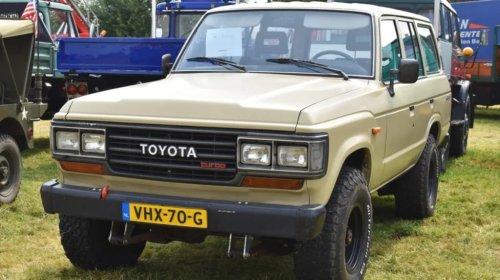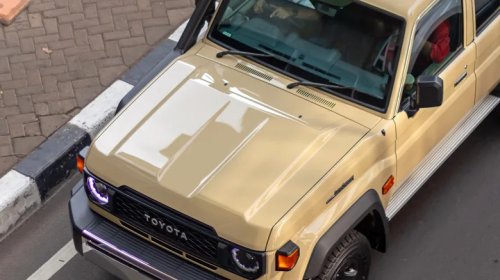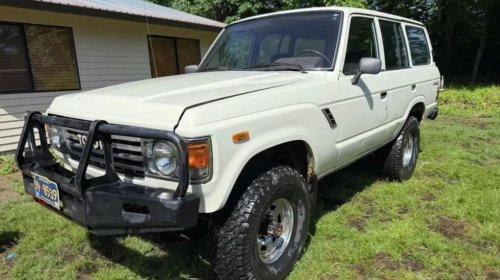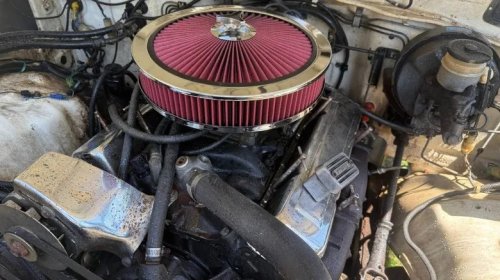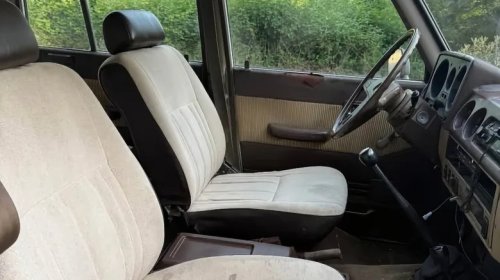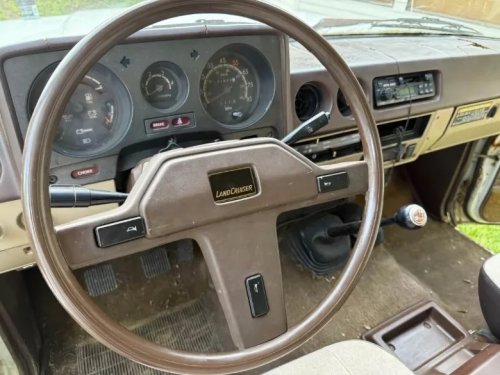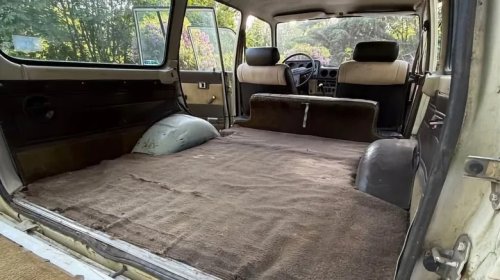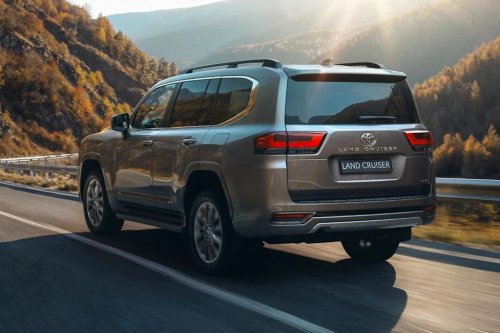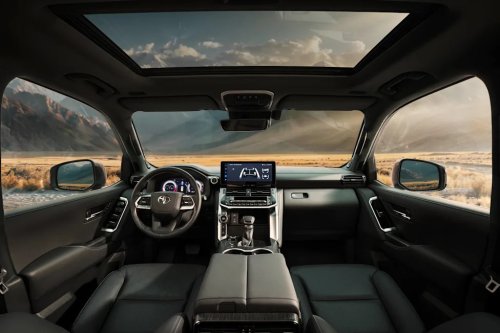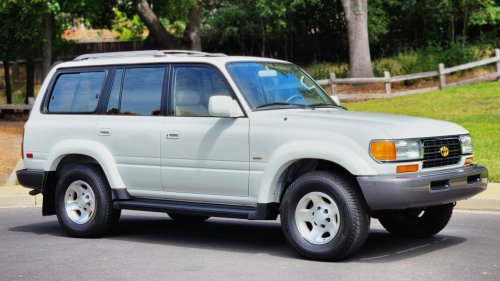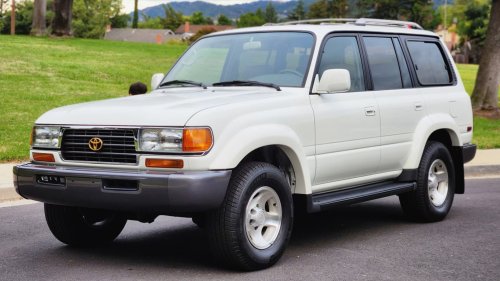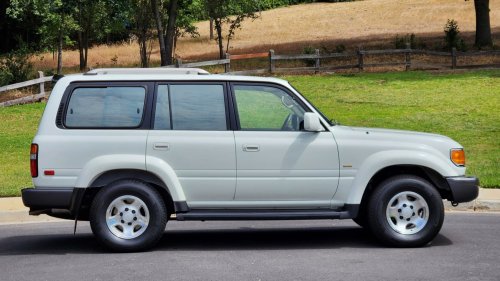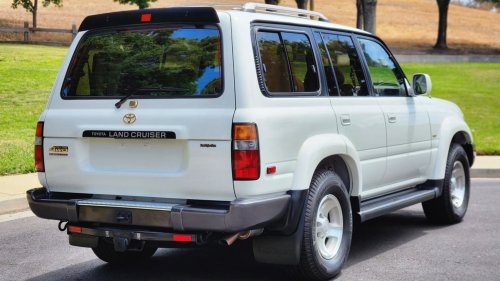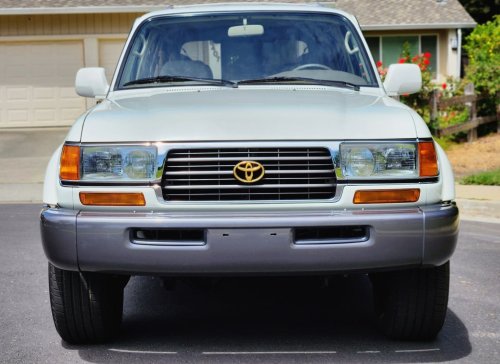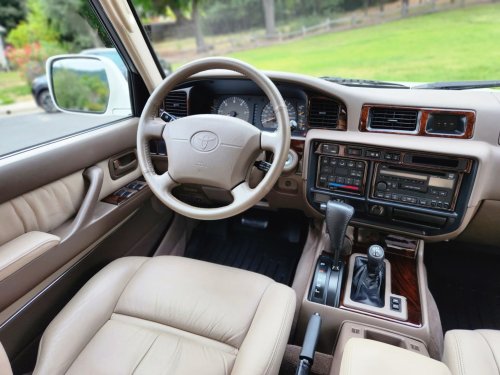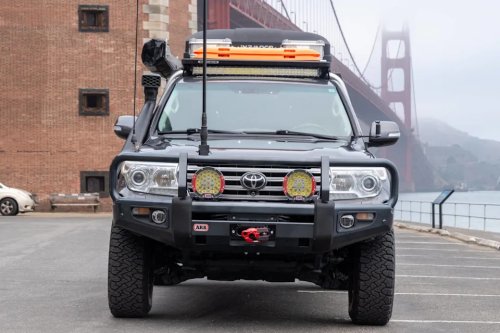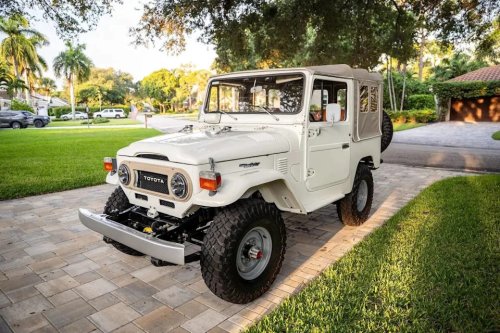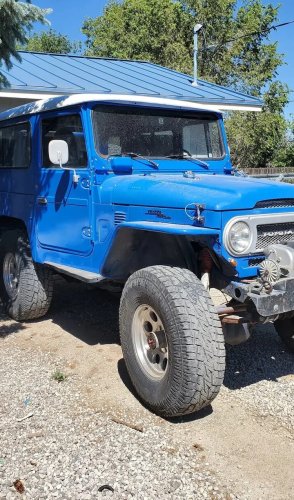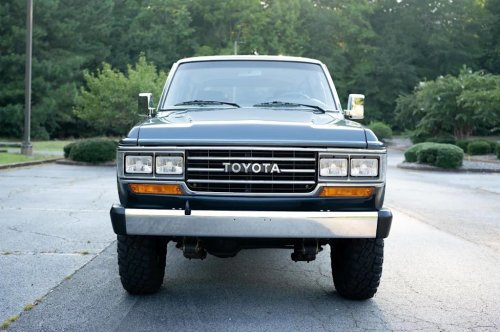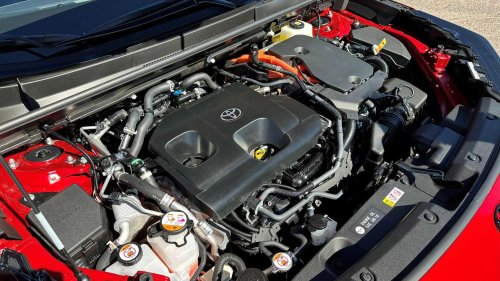
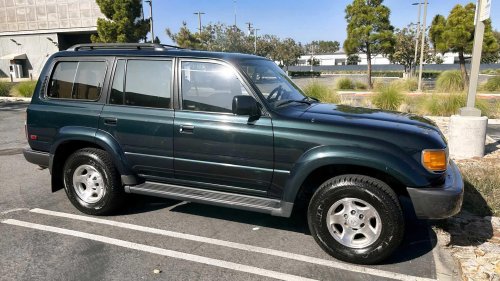
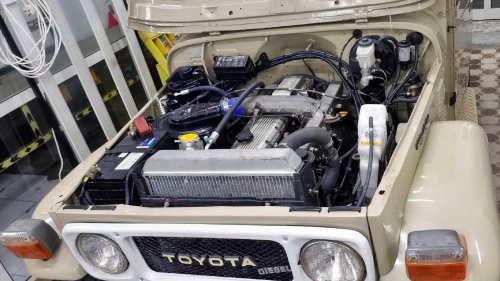
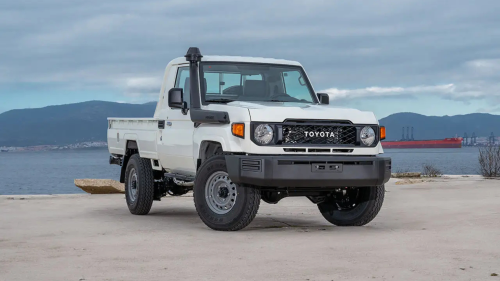
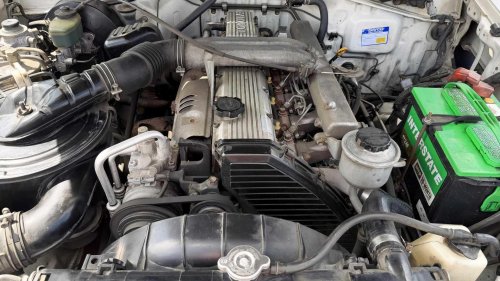
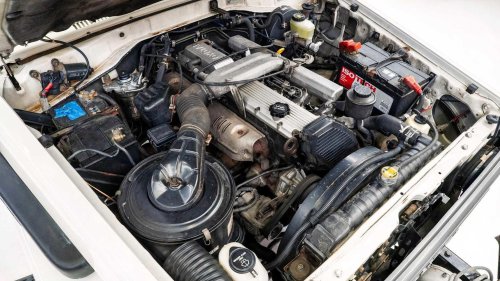



















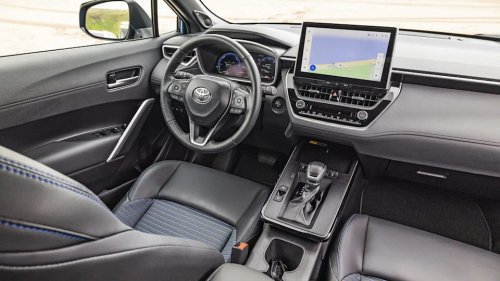
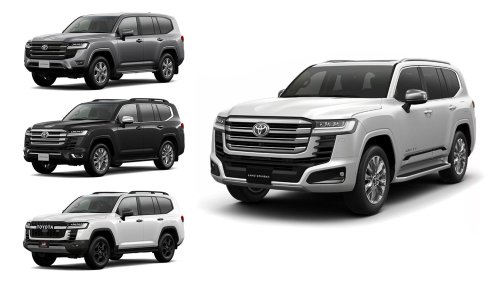
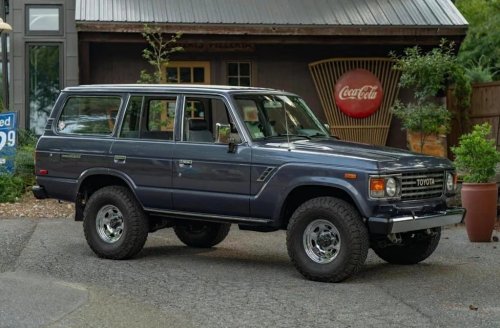
When you talk about reliability, everyone constantly imagines a vehicle with a Toyota badge on it. But Toyota didn't just stumble into a reputation for building the world’s most dependable vehicles; that reputation was built on continuous improvement on what worked. Across every continent and almost every terrain on the planet, one badge and one model have been the vehicle of choice people depend on to reach their destinations, and it's the Toyota Land Cruiser. The four-wheel-drive icon has become a symbol of complete resilience, but they are only as good as the engines that power them.Engines like the 1FZ inline-six and 2UZ V8 engines are tanks that can go on forever, but there is one specific engine that stands as the ultimate testament to the "over-engineering" philosophy. It is a motor so simple it feels like a relic, yet so durable it remains in production decades after its peers were sent to the scrapyard. Modern Engines Are Better But Complicated Craig Cole/Valnet Modern engineering has made a lot of improvements to engines and addressed some issues we used to have. Today's engines are smaller, more efficient, make more power and get way better gas mileage. Even diesel variants aren't left behind as they don't need big V8s to make loads of torque anymore. A turbocharged V6 can give you as much torque as you need without struggling. The clever sensors and electronics also make sure everything works properly.However, these advanced and sophisticated features come at a price, and that is complexity. Every new sensor and wire is a potential failure point. In a modern engine, a single faulty oxygen sensor or a clogged Diesel Particulate Filter (DPF) can put your car in "limp mode," effectively turning a new ride into a very heavy paperweight. This could ruin your entire day and cost a pretty penny.But one Toyota diesel engine has refused to evolve with the times—and that stubborn simplicity might be exactly why it's still saving lives today. Toyota’s Reputation Was Built On Simplicity Toyota Toyota’s global dominance wasn't built on being the fastest or the most technologically advanced, but on simplicity. People depend on these vehicles to go anywhere and sometimes to places far away from civilization. In these instances, having a simple car that could easily be worked on with a few tools is essential. They had large, robust engines that were hardly stressed and were completely mechanical with very little electronic assistance. Toyota used this philosophy to create a lineup of engines that could be maintained by almost anyone and could sometimes run on low-quality fuel. Keeping things simple allowed Toyota to create a reliability standard that became the benchmark for the entire industry. The Toyota Land Cruiser: A Vehicle For The World Bring a Trailer The Land Cruiser is one of those names that has become legendary in the automotive space for its resilience. It's a vehicle that can handle daily family duties pretty well, tow a trailer, and take on some of the worst terrain with little effort. Since the 1950s, the Land Cruiser has been Toyota's vehicle of connection to the whole world, proving that Japanese engineering could survive any form of torture the world threw at it.Iconic models like the FJ40, the later 60 series or the legendary 80 series were vehicles that solidified the Land Cruiser's identity of being unstoppable, but even Toyota has to conform. The world has now moved toward turbocharging and hybridization to meet the strict emission and current power demands of modern vehicles. But hidden in Toyota's current lineup is one powertrain so outdated it shouldn't exist—yet aid organizations worldwide refuse to use anything else. Here's why. The 1HZ Is Toyota's Last Naturally Aspirated Diesel Ever BaT At this point, the Toyota 1HZ is more than just an engine; it is a living piece of automotive history. But this engine wasn't built to make power; it was built to be unbreakable. It is the last naturally aspirated diesel engine Toyota ever put into a Land Cruiser and has been around for over three decades and remains unchanged to date.The 1HZ was designed to replace the aging 2H engine, which was a 4.0-liter inline-six diesel which had been in production since 1967. Toyota took an already-proven engine design and simply refined it. Despite the improvements, this new Single Overhead Cam (SOHC) engine still used mechanical fuel injection. What that meant was this engine didn't need any computers to run; as long as you got some fuel into the cylinders, the 1HZ would fire up and keep going. The Heart Of The 70 Legendary Seriesvia Toyota GIBThe 1HZ first started life in the80 series Land Cruiserand the later 100 series, which was the last big land Cruiser to get this diesel engine. But it is very much alive today in the Land Cruiser 70 Series (the 76, 78, and 79 variants) which has been in production since 1984 and sold in markets like Australia, Africa, and the Middle East. The most famous Land Cruiser that uses this engine is the legendary "Troopy" (the Troop Carrier), a vehicle known for carrying a dozen people across some of the toughest terrain that most vehicles would never dare go through. The 1HZ Inline-Six Was Simply Over-Engineered Bring A Trailer To understand why the 1HZ is so durable, you have to look at how it's built. A 4.2-liter displacement is massive for a 6-cylinder engine. This cast iron diesel engine makes around 129 horsepower and 210 pound-feet of torque, which is such a small amount of power today when compared with most modern four-cylinder engines.To put that in perspective, the much smaller and modern 3.5-liter 2GR V6 makes 311 horsepower and 280 pound-feet of torque. The 1HZ produces less than 130 horsepower. This means the engine is incredibly big and has low mechanical stress. The internal components are not being pushed at all, and with the redline at 4,400 rpm, all it does is push out as much torque as possible; even at highway speeds, the engine is barely spinning.It is not uncommon to see these engines at super high mileage and still working. There are other reasons why:Cast Iron Everything: The block and head are both heavy-duty cast iron, which is heavy and handles heat cycles much better than lightweight aluminum. Gear-Driven Timing: While it uses a belt for the camshaft, many of the auxiliary components are gear-driven, reducing the number of parts that can snap or wear out. No Turbocharger: No turbo means no intercooler, no oil feed lines to leak, and no high-speed bearings to seize. It also means lower combustion temperatures, which preserves the life of the head gasket and valves. This is a highly under-stressed, heavy-duty engine, and with nothing more than regular oil changes and the occasional timing belt replacement, it is not uncommon to see 1HZ engines reaching 500,000 miles without ever needing a rebuild. The Engine That Saves Lives The 1HZ isn't just for off-road enthusiasts; it is a vital tool for global humanitarian efforts. If you see a white 70 series Land Cruiser with "UN" or "Red Cross" on the side, there is a very high probability that a 1HZ is under the hood. NGOs and relief organizations favor this engine because of its simplicity and because it can easily be repaired in the field. In regions where the nearest mechanic might only have a set of wrenches and no computers, the 1HZ is the perfect engine. It can run on "dirty" diesel found in drums in the middle of the jungle with no issues. This is the type of fuel that would instantly ruin the sensitive injectors of a modern engine. This Engine May Not Be Going Anytime Soon Bring A TrailerAs global emissions standards tighten, the 1HZ is one engine you won't find in major markets. However, for the "rest of the world" where roads are almost non-existent and reliability could mean life or death, there is simply no replacement. Toyota continues to make this engine to meet the demands of those regions that depend on it. The 1HZ is the diesel engine perfected before modern regulations made them complicated. It may be slow and loud, but definitely the engine you need when you have to completely get to your destination. It's been around for over three decades with no signs of being dumped and will probably be around for another decade or more.Sources: Toyota