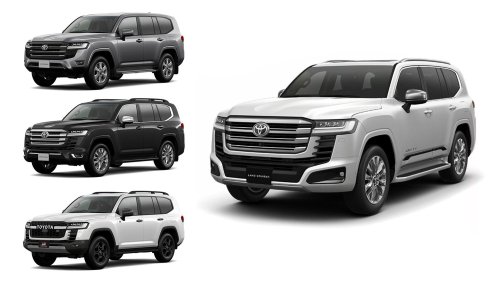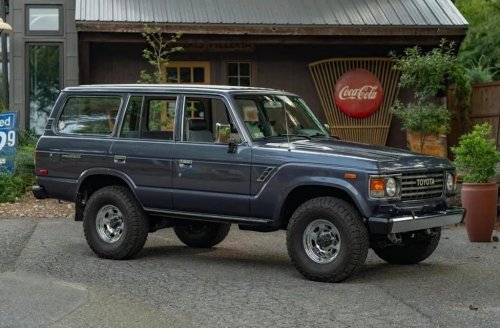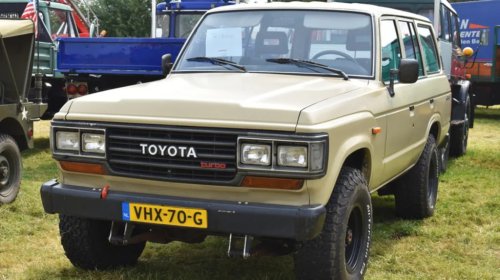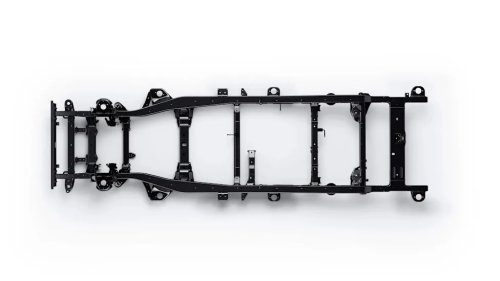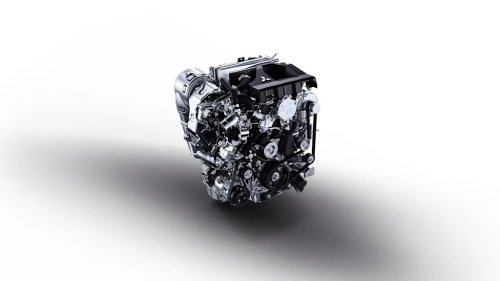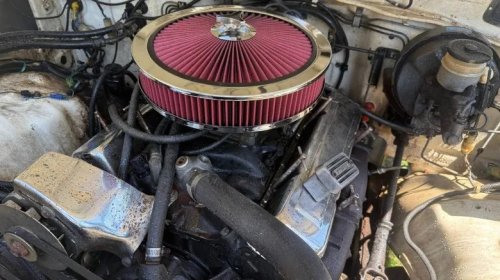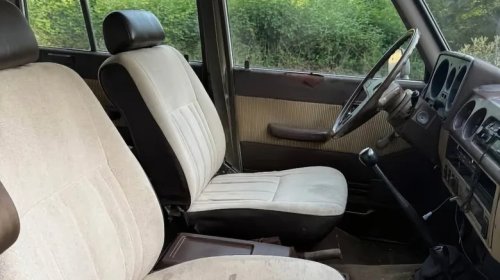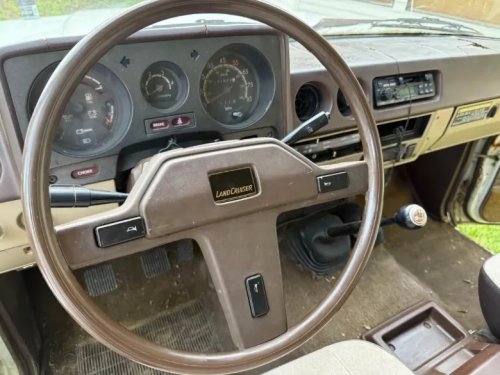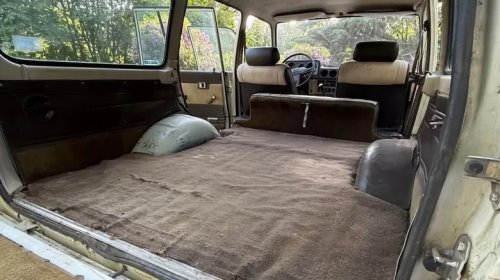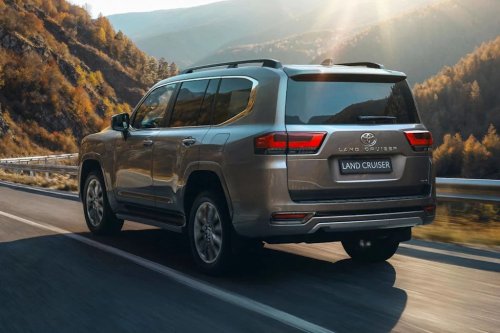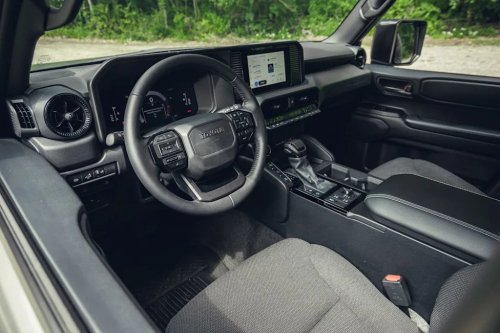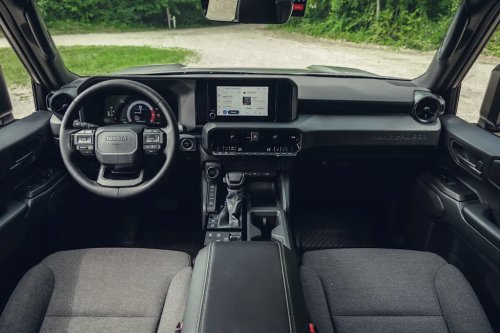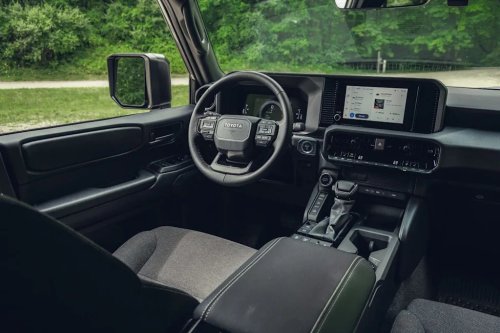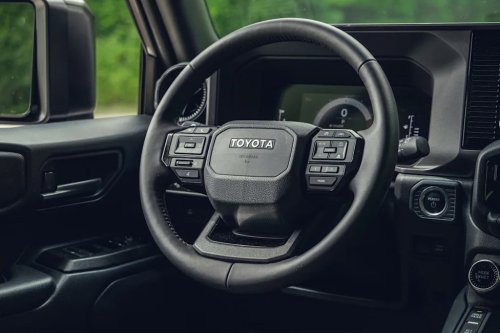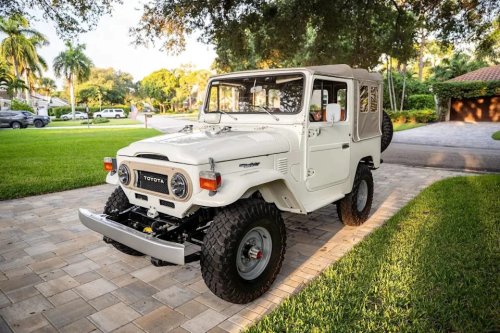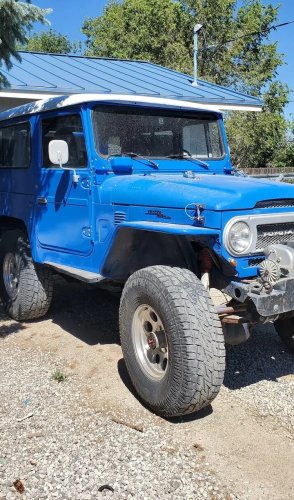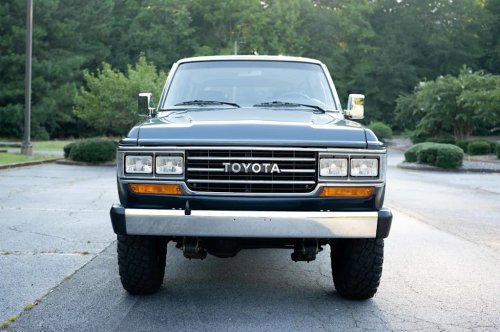
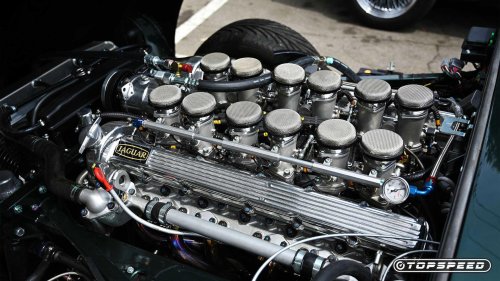
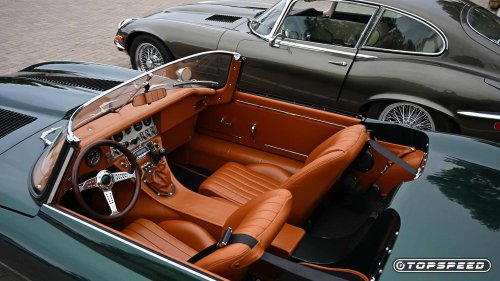
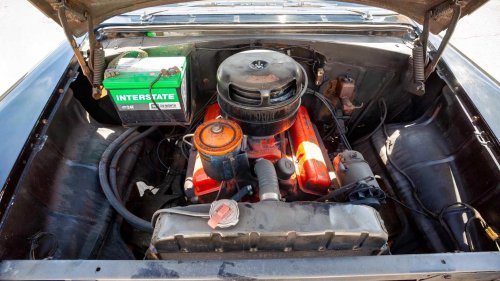
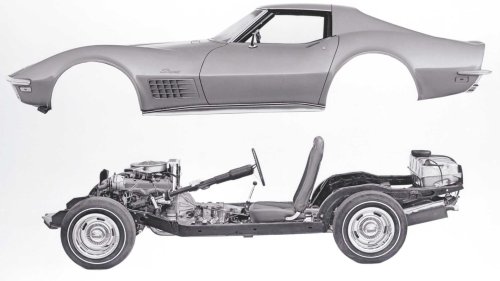
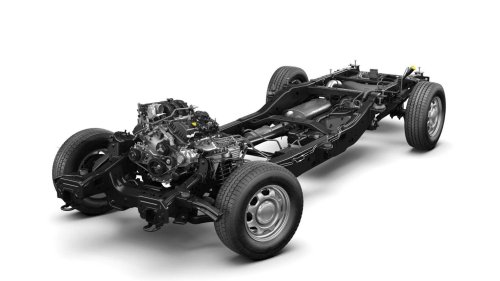
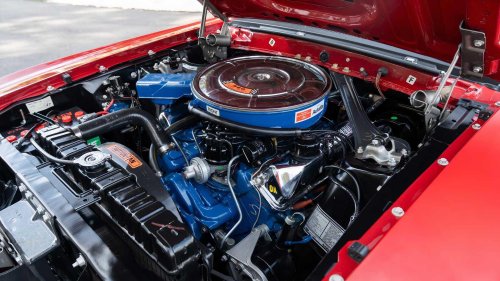
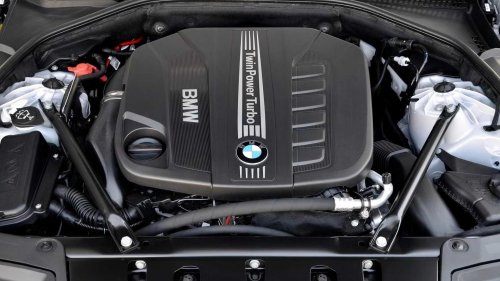

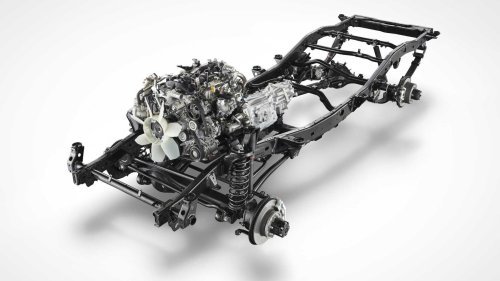
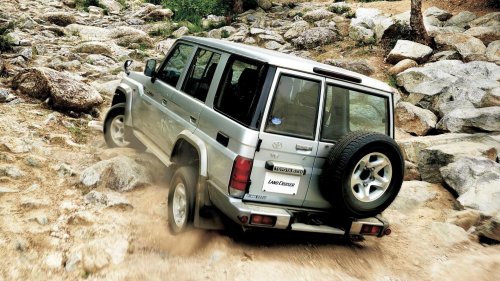
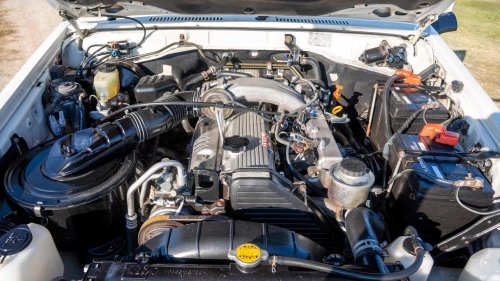

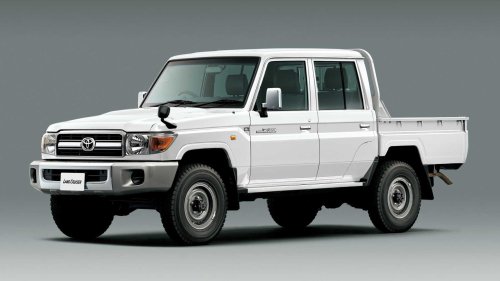

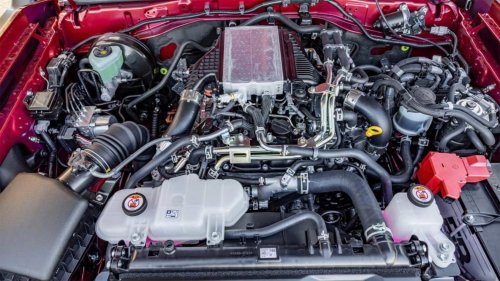



















There is a strong nostalgic belief among automotive enthusiasts that classic cars were much more reliable than the overcomplicated computerized vehicles we have now. While that idea is true to an extent, the romanticization of the unbreakable classic car is more of a fantasy than anything else. Indeed, some vehicles of the past were built to a higher standard than today's vehicles. Yet, does that alone mean that these vehicles were engineered to last forever? Not exactly. Most of the cars from over 45 years ago are long gone, and the few that remain are due to the exceptional care of loyal owners and collectors. There is one vehicle, however, that genuinely earns every word of its myth—a Japanese workhorse that has remained relevant since before the internet was popularized and still rolls off the assembly line in select markets today. Most Classics Are Not As Reliable As Their Legends Suggest Bring A TrailerOnce a vehicle has built up decades of mythology among enthusiasts, it's often hard to separate fact from fiction. The reality is often much messier than what is discussed online, and once you own a classic car, you understand it's more of a labor of love than anything else. Survivorship Bias Is Real TopSpeed | Garret DonahueWhen enthusiasts point to evidence of old-school reliability, they often discuss the outlier examples that survived the test of time. Yet, the reality is that many vintage vehicles on the road today live on as a result of modifications that did not exist when they were new. The examples you do see at car meets and in online discussion groups are the rare few that were cared for and saved by loving owners. These cars are rarely a representative sample of what rolled off the line all those years ago. The fact is, even among the classics that are considered reliable, most of the supply was left to rust out or was simply abandoned. Diligent Maintenance Does Not Equal Durability TopSpeed | Garret DonahueThe illusion that classic cars are more durable is in part due to how they were designed. In the era of carburetors, vehicle owners were expected to have a high standard for their service intervals, where carburetor tuning and valve adjustments were regular, monthly requirements. In comparison, modern vehicles don't require nearly as frequent or diligent maintenance schedules as older vehicles, and most of these processes have been eliminated or automated.ECD Automotive DesignA well-maintained vehicle will always be more reliable than one that is neglected, regardless of whether the vehicle is two or 20 years old. A classic car with a questionable service history, however, is a risky proposition. Most classic cars that survive today aren't actually that tough; they just have disciplined owners who have no issues spending a pretty penny to keep them going. What Actually Makes A Vehicle Survive For Decades Bring A TrailerOnce you distinguish the engineering principles that allow some vehicles to achieve true longevity from those that simply look cool and break all the time, there are clear differences. These key aspects are not driven by nostalgia, but rather by strong design architecture that doesn't overcomplicate its mission. Structural Simplicity Wins Every Time ChevroletThe standout vehicles that tend to last the test of time often share a foundational philosophy: less is more. Less going on simply means there is less to break. This is why modern cars are double-edged swords. They provide incredible capability and convenience, but at the cost of a high level of technical complexity. Electronics are capable of solving more problems than purely mechanical solutions, but this puts a lot of expectation on today's mechanics and engineers. FordBeing an automotive technician requires a deep understanding of complex software that uses terminology that would have alienated skilled mechanics a few decades ago. However, you don't need to have a STEM degree to understand body-on-frame construction, solid axles, and carbureted engines. We might view these design choices as primitive today, but these decisions were not oversights. They followed a deliberate approach that made troubleshooting predictable and straightforward. A vehicle that can be repaired with simple hand tools in a remote location, instead of a laptop in a climate-controlled garage, is built for real longevity. The Engine Will Make Or Break A Car MecumWhat is more key to a vehicle's survival than a good engine? Hundreds, if not thousands, of different engine platforms have found relevance in the last half-century or so. Yet the rare few we still discuss and praise today are the ones that reachedlegendary levels of durability. These power units are most often overbuilt, under-stressed, and designed for heavy-duty use. BMWModern engines that feature advanced technology like twin-scroll turbocharging and high-pressure direct injection systems produce impressive capability, but that added power comes at the cost of robustness. For an engine to survive several decades, the best course of action is to produce a unit that has room to breathe while requiring modest routine maintenance standards. That may not sound like much, but this combination is seldom found in modern vehicles. There is one classic vehicle that is an exception to that rule in every metric that counts, and that is the J70 Toyota Land Cruiser. The 1984 Toyota Land Cruiser Lives Up To Its Myths ToyotaWhen the Toyota Land Cruiser was first introduced in 1951, it was nothing more than a direct clone of a military-spec Willys Jeep. Once the 70 Series Land Cruiser made its debut in 1984, the off-roading SUV rapidly grew into one of the most formidable 4WD vehicles ever produced. A Chassis Built For Longevity ToyotaThe J70 was built from a boxed steel ladder frame designed for superior torsional strength and off‑road durability. Since its 1984 debut, this successful design has never changed. It facilitates load distribution and impact absorption with frame sections that are welded and reinforced for longevity.ToyotaThe suspension system is also simple and effective, with solid live axles front and rear to ensure maximum wheel contact on uneven surfaces. In addition, the rear utilizes heavy-duty leaf springs that have a payload capacity of up to 2,200 pounds. So while the J70 certainly has appeal for being both vintage and cool, its real allure is its deliberate engineering focus on high-quality construction. The 1HZ Diesel Is A Durability Legend That Lives On Bring a TrailerIn 1990, Toyota introduced the SOHC 4.2-liter 1HZ diesel inline-six as part of a generational refresh of the J70. Every aspect of the 1HZ was designed for pure longevity. It features a cast iron block and head with simple mechanical fuel injection. Toyota made a name for itself by overbuilding engines well beyond what was expected of them. ToyotaThe 1HZ is one of the clearest examples of this design ideology, as despite its relatively large 4.2-liter displacement, it only provides 129 horsepower and 210 lb-ft of torque. With peak torque coming in at 2,220 rpm, the 1HZ barely has to work its rev range to achieve its maximum torque capability. Even then, the engine redline is just about 4,400 rpm, which demonstrates that its focus is consistent operation rather than peak performance. This is why stories of 1HZ engines maintaining solid compression and oil pressure figures without an engine rebuild at the 500,000-mile mark are commonplace. The J70 Land Cruiser Is One Of Toyota's Most Successful Vehicles ToyotaMost vehicles from the 1980s are either sitting in a museum or have been repurposed into scrap metal. The J70 Land Cruiser, somehow, is neither. In 2026, the J70 is a current production vehicle that is still being sold and trusted as one of the most reliable options you can buy. Four Decades Without A Successor ToyotaDespite over 40 years of production, the J70 is the only Land Cruiser generation with no successor. As with most vehicles, other generations of the Land Cruiser have been retired and replaced by the next best thing. The J70, however, is living proof of the phrase "if it ain't broke, don't fix it." The J70 stands as one of the longest-running single-generation models ever produced. It saw major facelifts in 1999 and 2007 that updated details like the suspension geometry and emissions compliance, but the core foundation remains unchanged. The technical hand-drawn sketches that inspired the J70 all those years ago still serve as the functional basis for one of Toyota's most iconic 4WD models. The 2023 Revival Solidified Its Legacy As An All-Time Great ToyotaSadly, the J70 Land Cruiser was never sold in the U.S. and is considered a forbidden fruit for American off-road enthusiasts. However, because of the 25-year import law, many of the most desirable variants of the J70 are now available for import. If you want a new J70, though, you are out of luck. This was also the case in Japan until a revival was announced for the Japanese domestic market in 2023.\ToyotaThe new J70 features a turbocharged diesel inline-four with a six-speed automatic transmission and was sold new in Japan during its debut for about $30,000. A new J70 can also still be purchased in Australia, the Middle East, Africa, and Latin America. Since its launch in 1984, the J70 has gone on to embody the reliability and capability that have made Toyota a dominant global giant. Some vehicles are simply too special to be replaced, and the J70 has proven it is genuinely irreplaceable.Sources: Toyota, Hagerty, Bring-A-Trailer