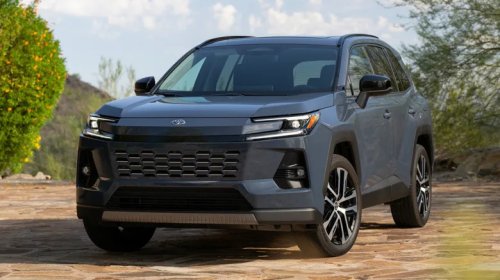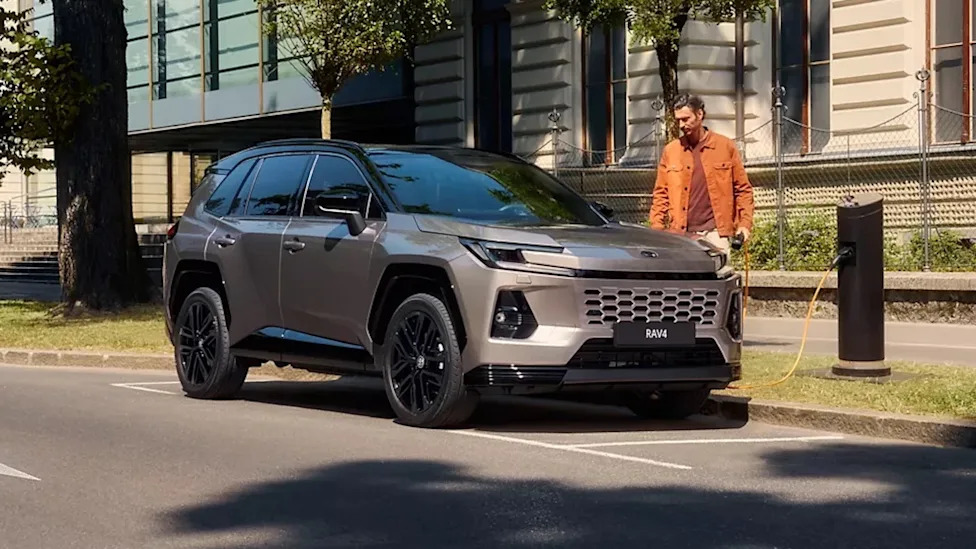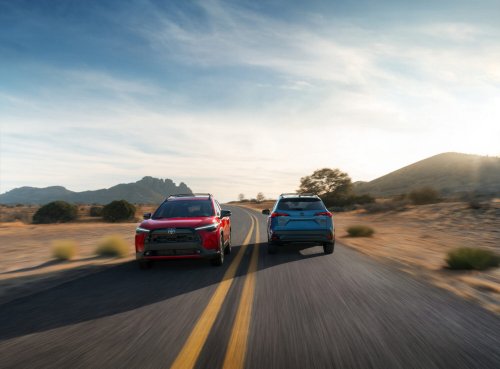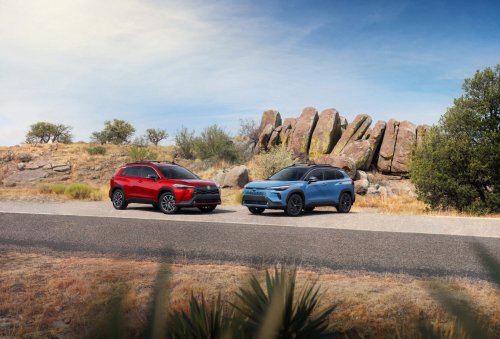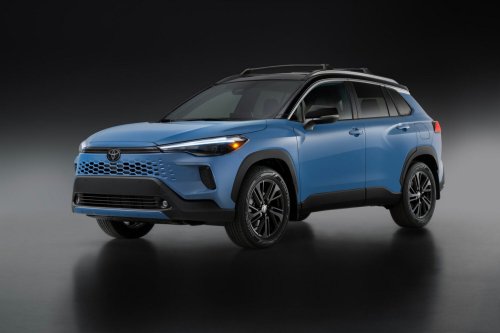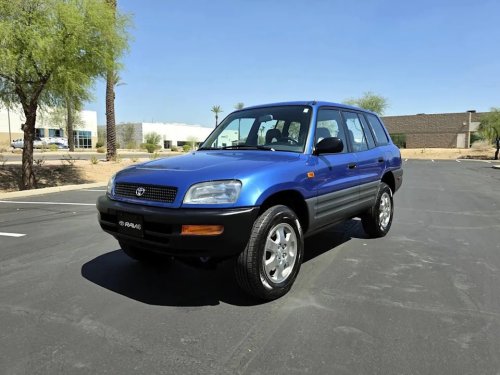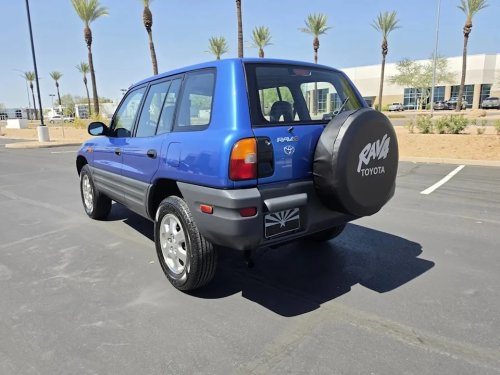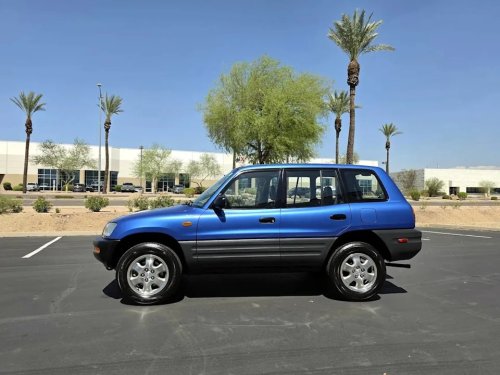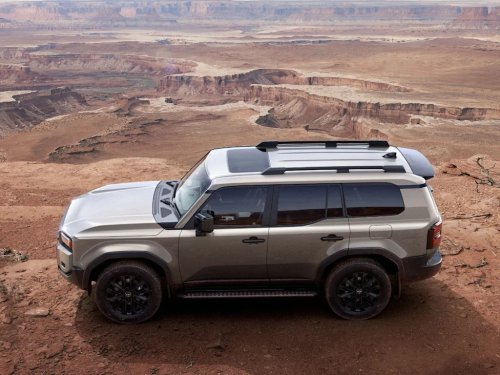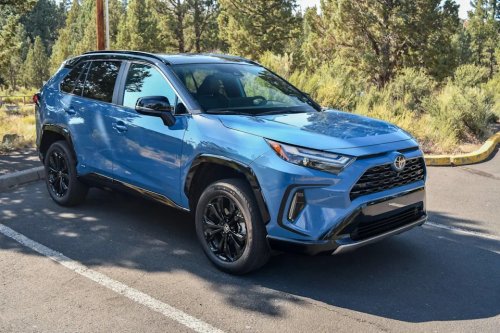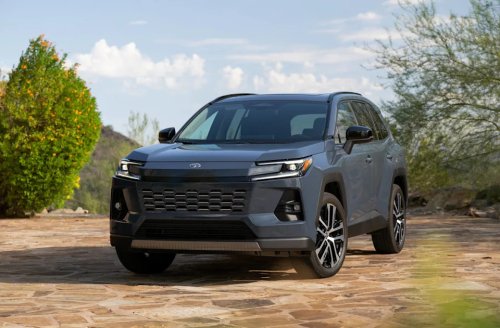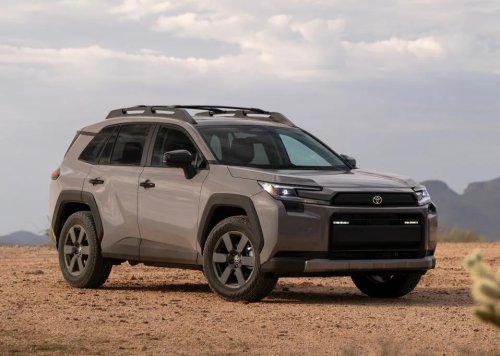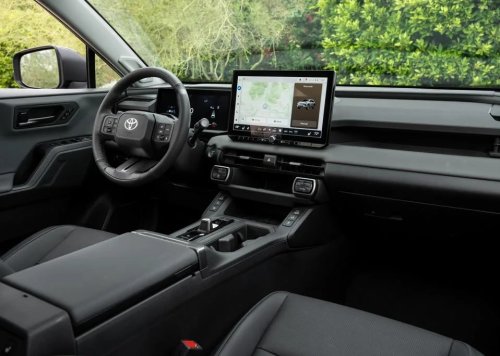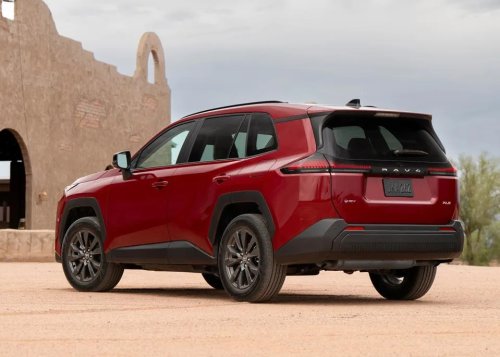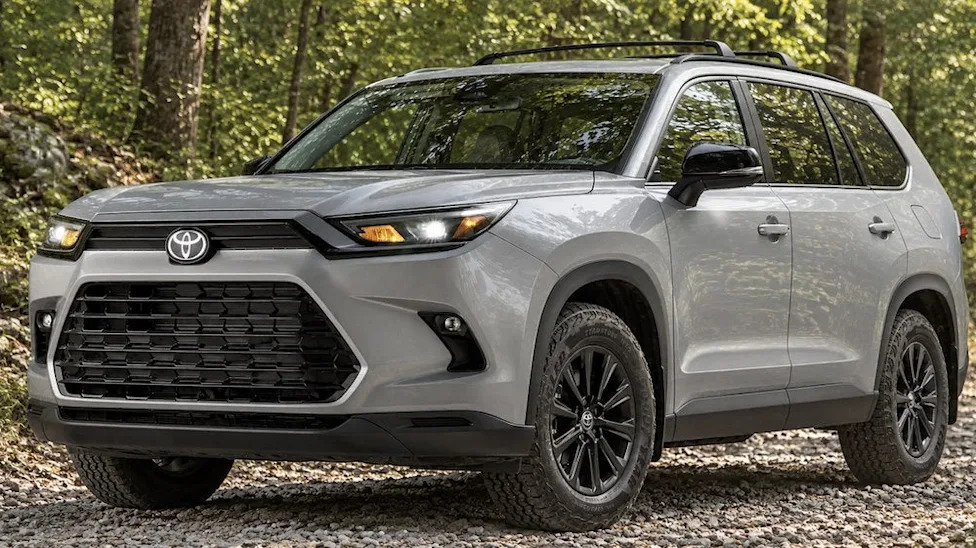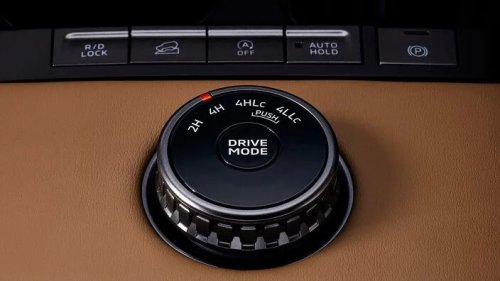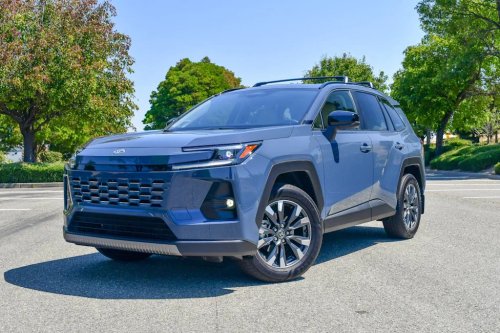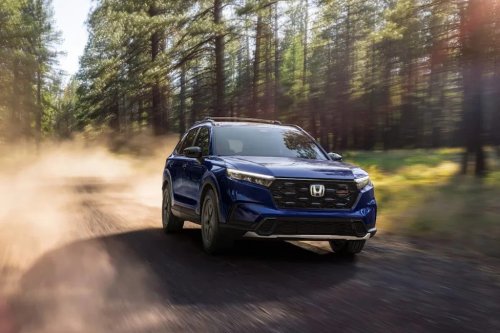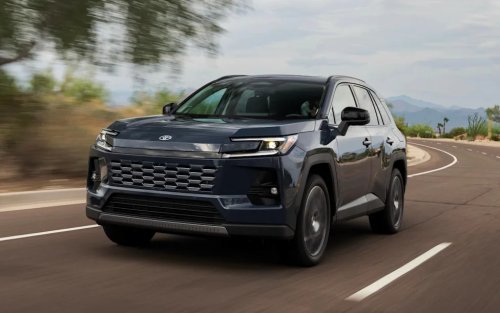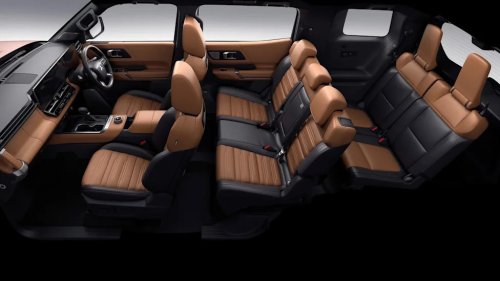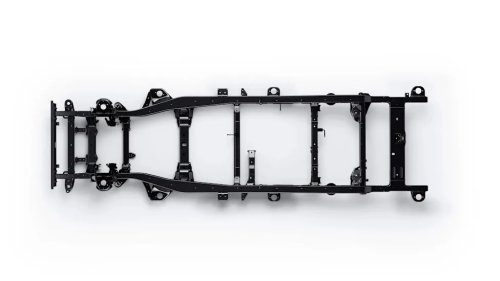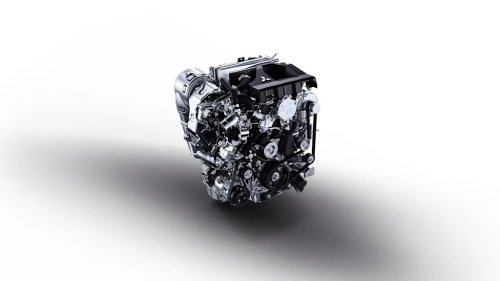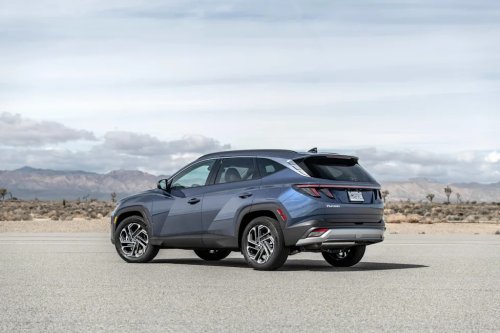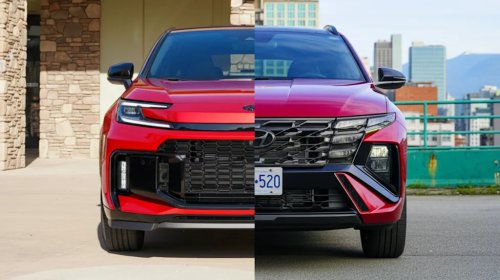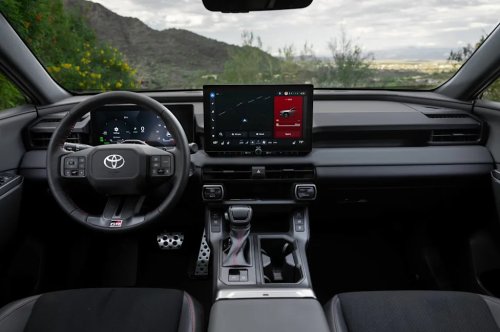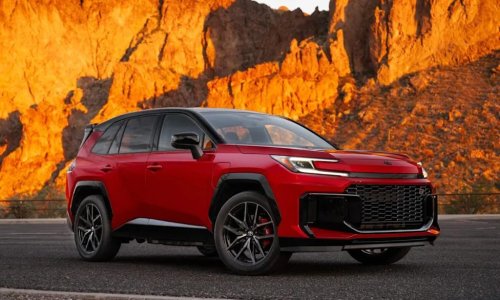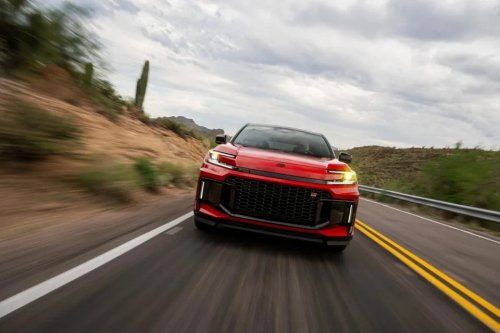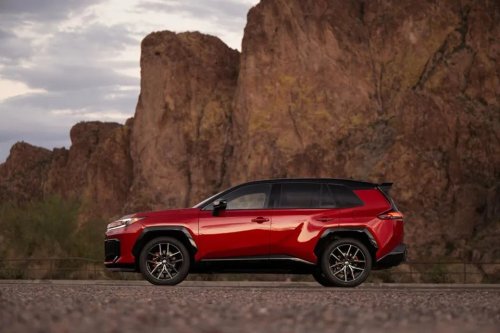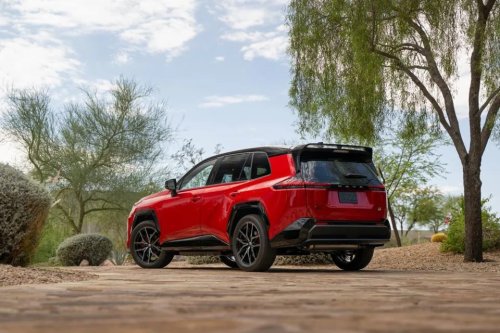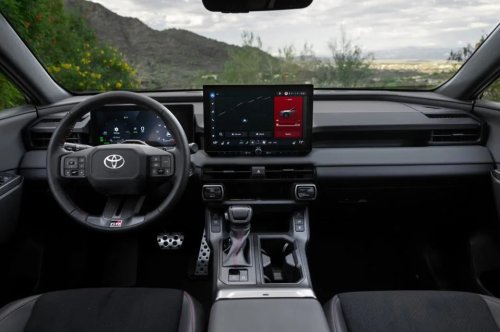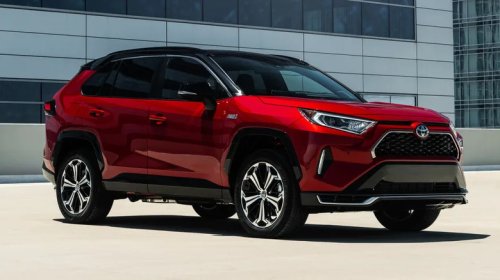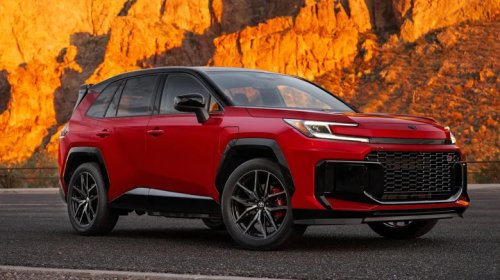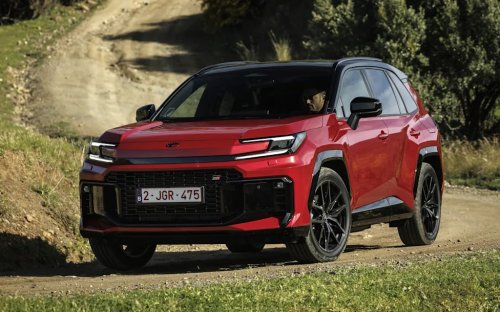
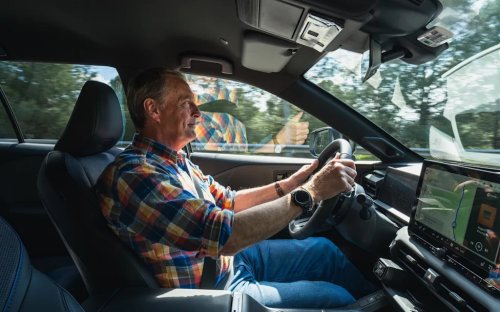
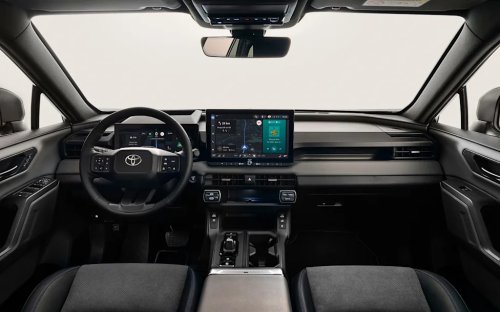
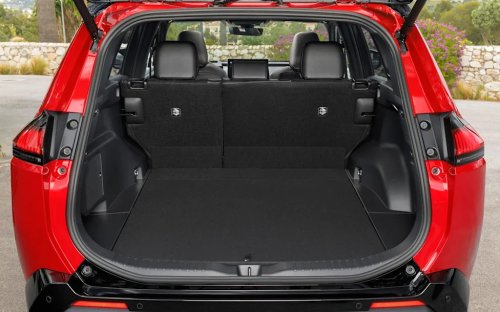
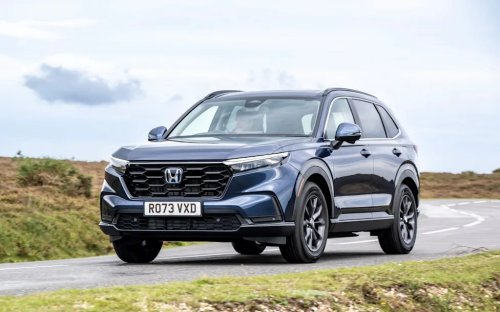
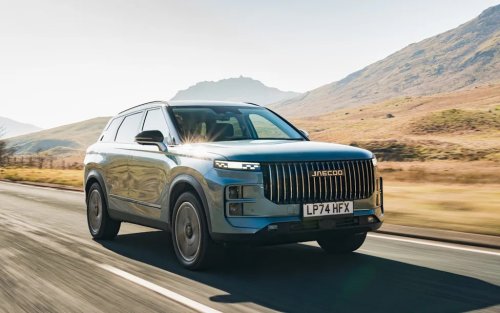



















This model has been credited with being the first family SUVWhat was the best-selling new car in the world last year? Full marks if you guessed that it was this car’s predecessor, the fifth-generation Toyota RAV4. Since 1994, when the first “Recreational Active Vehicle with 4-wheel Drive” (RAV4) was launched at a price of £12,500, this model has been credited with being the first family SUV, with sales of more than 15 million.Personally, I’m not so sure. What about the Matra-Simca Rancho of 1977? Or the 1995 Honda CR-V? But you don’t get to wear the “world’s best-seller” badge without offering something pretty good, particularly in this C-segment family SUV market, which includes almost 40 rivals from Europe, Korea, Japan and China.The RAV4 has outsold them all thanks to a combination of keen pricing, fine engineering, reliability and fuel economy, although it’s only since the adoption of the Toyota New Generation Architecture in 2019 for the fifth generation that this “soft-roader” could be deemed good to drive.Under the skinWhile this sixth-generation model is billed as all new, the basic premise is much the same, just improved and with a common plug-in hybrid (PHEV) drivetrain and sharper looks. Whatever your views of a car with effectively two engines, PHEV drivetrains are very popular at present, potentially offering tax and fuel economy advantages. However, the spectre of road pricing charges of up to 1.5p per mile from 2028 looms.Writer Andrew English behind the wheel - Jordan ButtersThe bodyshell has been further stiffened, while the MacPherson-strut front and multi-link rear suspension has been titivated to improve the ride and handling.AdvertisementAdvertisementThe main innovations, however, are new Arene software to control the human machine interface (HMI – or dashboard to you and me), coupled with drivetrain upgrades to ensue faster charging, longer all-electric ranges and a shift-by-wire system that gives faster and more positive gear changes via the Continuously Variable Transmission.Four trim levels start with the front-drive versions: Icon at £43,845; Design at £45,745; Excel at £50,045. The four-wheel-drive GR Sport costs £52,330.The hybrid system is based on a 2,487cc, 141bhp/167lb ft, four-cylinder petrol engine, with one motor in the CVT transmission, a 203bhp/200lb ft AC permanent magnet motor in the rear axle and, for 4x4 models, a 53bhp/90lb ft unit in the front axle.The 22.7kWh 104-cell lithium-ion battery allows an EV range of up to 85 miles, with a top speed of 112mph, 0-62mph in 7.5sec, a WLTP Combined fuel consumption of 166mpg and CO2 emissions of up to 129g/km.Inside jobThere has always been a suspicion that RAV4 interiors have been kept deliberately downmarket and wipe-clean to give sister premium brand Lexus room to manoeuvre.AdvertisementAdvertisementBut compared with the sophistication of the software and the detailing on the body, the acres of scratchy black plastic in the interior seems almost wilful. Despite some interesting materials on the door trims and lots of surface changes to provide variety, there’s no colour, only black and grey. At best, it feels sombre.The ‘somber’ interior of the RAV4 - Jeroen PeetersThe touchscreen is pretty much industry standard; it’s difficult to find less-used features, while I would have preferred separate buttons to operate the most commonly used functions. It’s practical, though, with decent switchgear, useful storage spaces and a nifty double-hinged “magician’s wallet” hatch for the centre console. There’s also wireless phone charging and large door pockets, although they are unlined and the sharp moulding marks hint at cost-cutting.The seats are comfortable, wide and squashy, and there’s room for three adults across on the rear bench. The boot swallows 672 litres and up to 1,690 litres with the rear seats folded.On the roadThere are Normal, Economy, Sport or Custom drive modes and you can adjust the plug-in system for EV and hybrid operation. The 4x4 version has additional settings for Trail, Snow and Normal. So there’s a fair bit to do before you set off, although none of the settings makes a huge amount of difference; I resorted to Normal for everything, and let the hybrid system do what Toyota’s engineers wanted in the first place.AdvertisementAdvertisementThe previous PHEV RAV4 was surprisingly (and possibly inappropriately) rapid for a family SUV. This one is slightly more manageable, with a better balance to the acceleration and more measured response to the major controls. Even so, it’s brisk, particularly in the mid-range, where two tonnes of family car romps away. And while the wavering engine note typical of a CVT gearbox is muted, it’s still present if you floor the accelerator.The boot allows for 672 litres of storage – and up to 1,690 litres with the rear seats foldedNot so good are the brakes, previously a high point for Toyota, which managed the transition between regeneration braking (where the motor acts as a generator powered by the vehicle’s momentum) and conventional friction brakes. In this case, the former works beautifully, but the latter feels wooden and about as effective as when cartoon characters Fred Flintstone and Barney Rubble put their feet through the floor of the Flintmobile to stop it.The suspension seems to cope with Spain’s generally decent roads quite well, neither wallowing nor throwing you from side to side, either. The steering is responsive and decently weighted and the main impression is of a well-honed machine, mostly finely engineered by people who know what they’re doing.A few journalists thought the more sporting GR version, with its better dampers, revised spring rates and body reinforcement, was worth the extra money for its improved handling. I wasn’t so convinced and on the whole am distrustful of SUVs that claim to be “sporting”.The Telegraph verdictRAV4s tend to be keepers; cars you hand down to children and friends when you replace. This sixth generation feels no exception, seemingly well built, comfortable and good to drive. Most owners will view it as a house-trained version of Toyota’s larger, more utilitarian Land Cruiser; the plasticky interior only adds to that feeling rather than pitching it against the dubious luxury of some upmarket SUV rivals.AdvertisementAdvertisementAdd in a pretty-much peerless reliability record and the high price looks justifiable, if not entirely achievable. Some of the Chinese competition is only two thirds of that sum, but what is it they say about fine tailoring? You still feel the quality long after you’ve forgotten the price.The factsOn test: Toyota RAV4 PHEVBody style: five-door SUVOn sale: nowHow much? from £43,845 to £52,330 (£50,045 as tested in Excel front-drive form)How fast? 112mph/0-62mph in under 7.5secHow economical? 162mpg WLTP CombinedElectric-only range: 85 milesEngine & gearbox: 2.5-litre, four-cylinder petrol engine with 141bhp and 167lb ft, AC permanent magnet synchronous electric motor with 203bhp and 200lb ft driven by 22.7kWh lithium-ion battery, CVT gearbox, front-wheel driveAdvertisementAdvertisementMaximum power/torque: 268bhp/N/ACO2 emissions: 129g/km WLTP CombinedVED: £455 first year, £640 next five years, then £200Warranty: three years/60,000 miles, extendable up to 10 years if serviced by ToyotaThe rivalsHonda CR-V e:PHEV, from £50,675This cheapest, two-wheel drive CR-V has a 146bhp 2.0-litre petrol engine augmented with a 181bhp electric motor. As ever with Honda, immaculately engineered and good to drive, but this is on the bounds of acceptable pricing.The Honda CR-V has a 146bhp 2.0-litre petrol engineJaecoo 7 PHEV Luxury, from £35,175Chinese giant Chery’s Jaecoo 7 is as attractive as its finance deals. This plug-in SUV version has moderate performance from a 1.5-litre turbo engine and 18.3kWh battery. Noisy, dynamically poor – and there are concerns about long-term parts supply and reliability.The Jaecoo 7 has a 18.3kWh batteryTry full access to The Telegraph free today. Unlock their award-winning website and essential news app, plus useful tools and expert guides for your money, health and holidays.