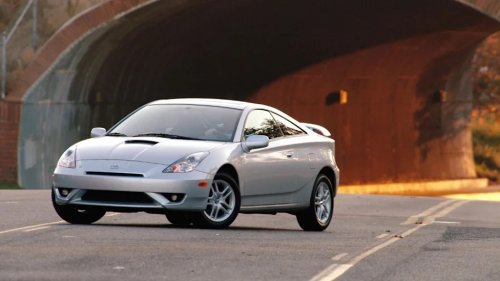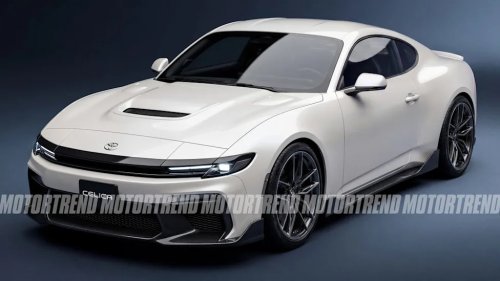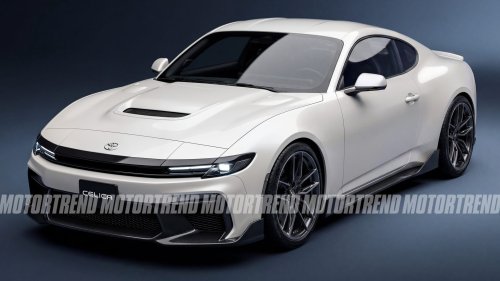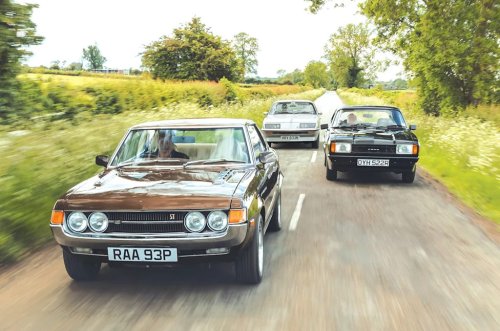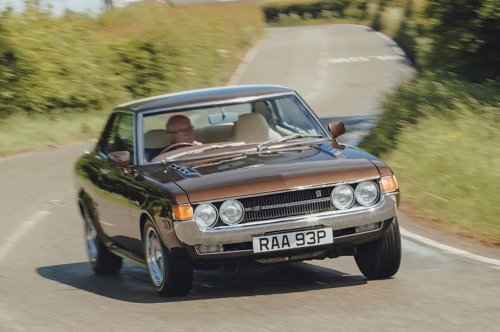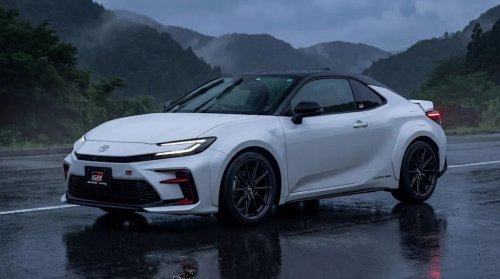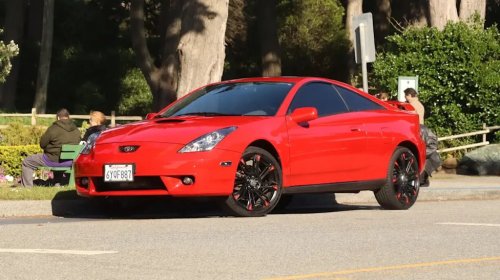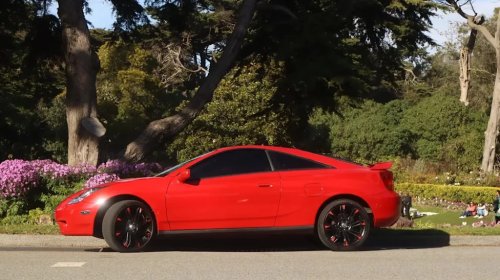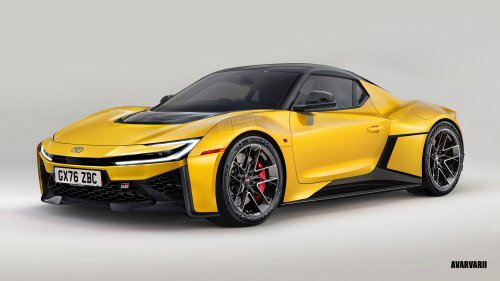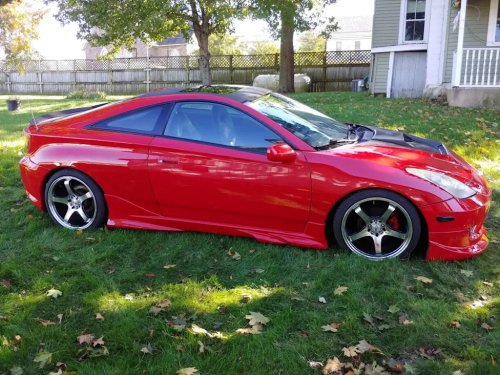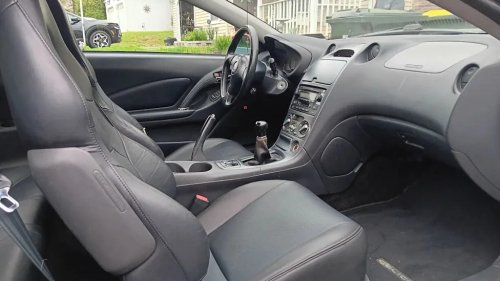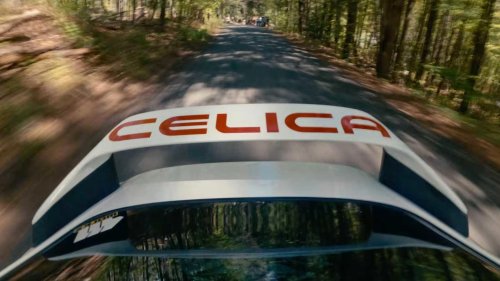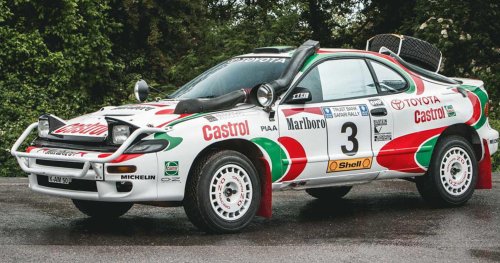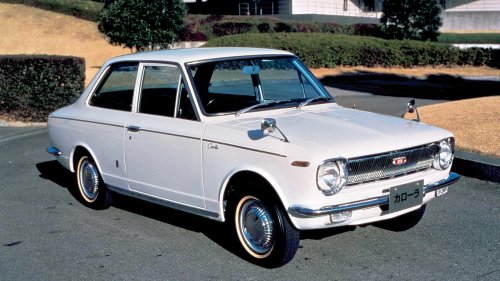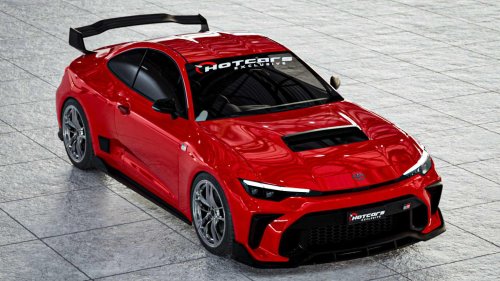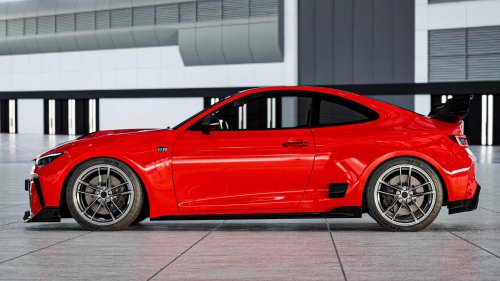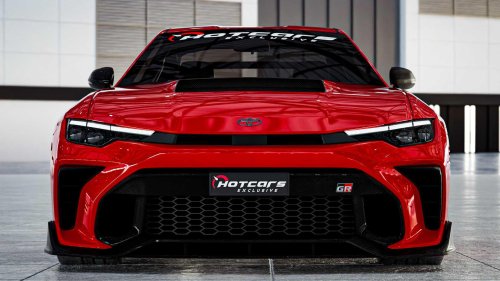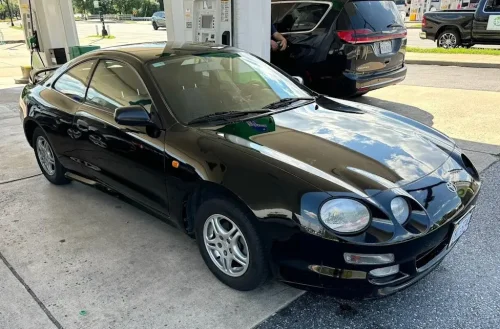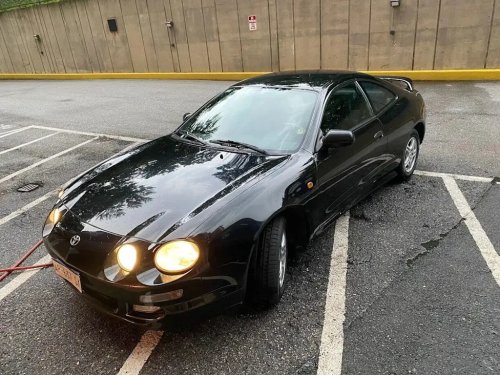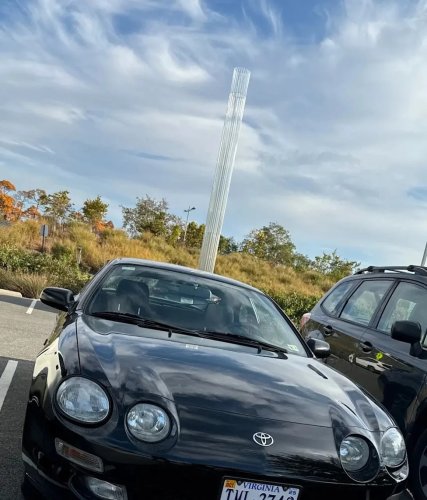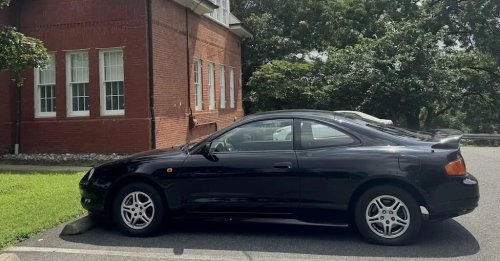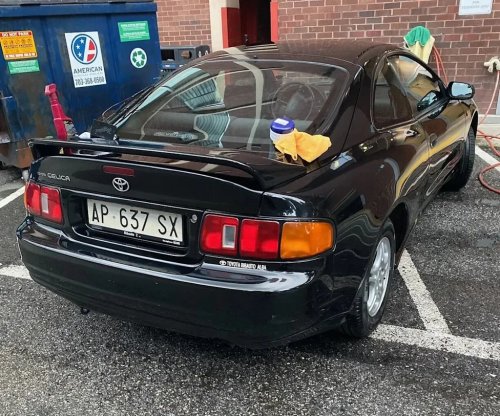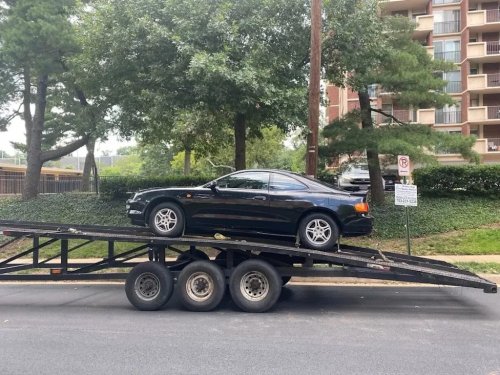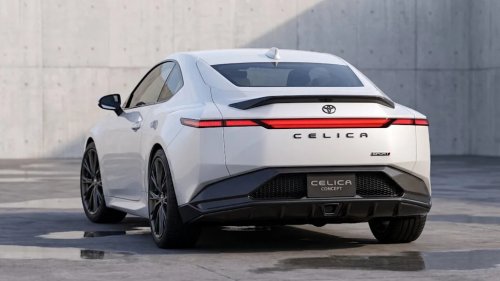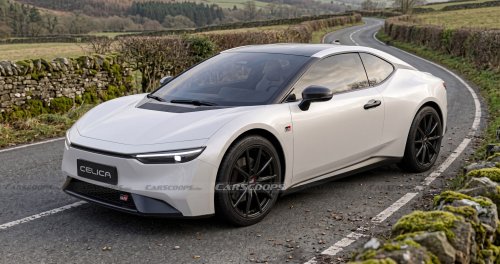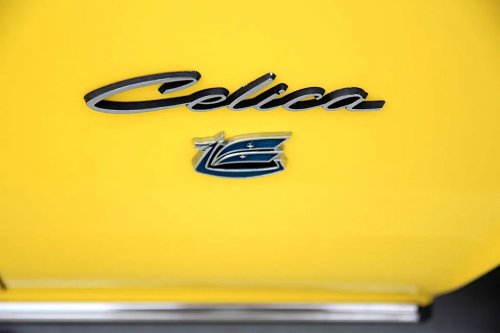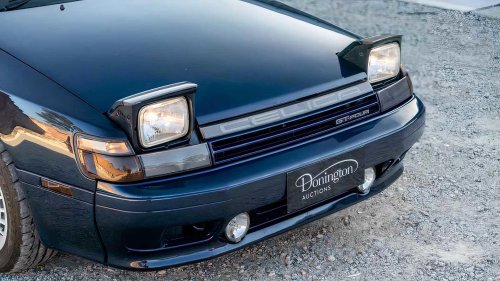
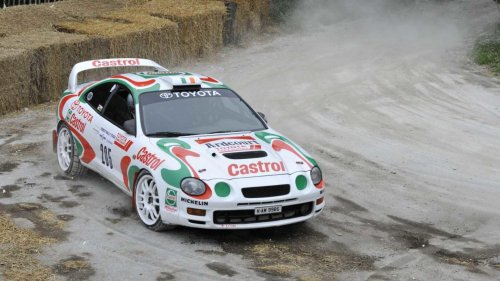
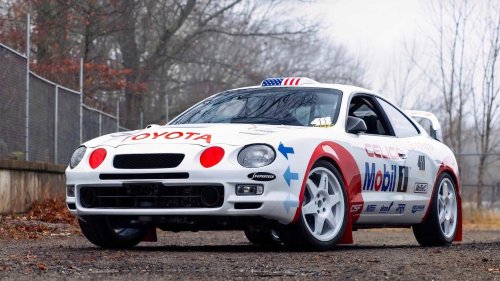
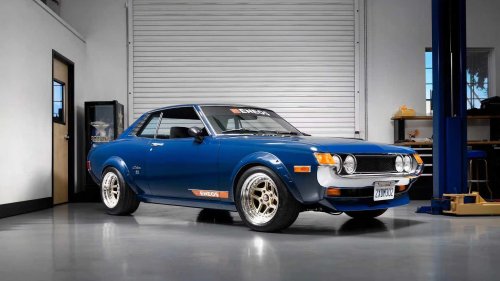
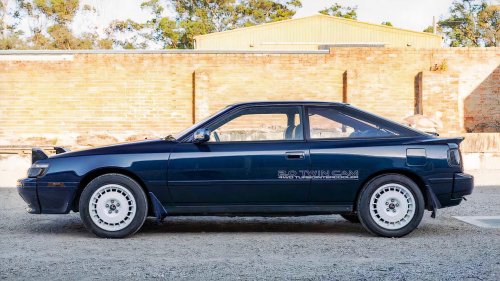
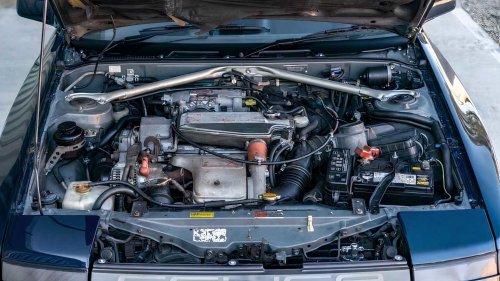
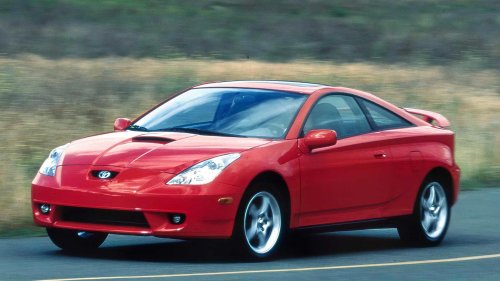
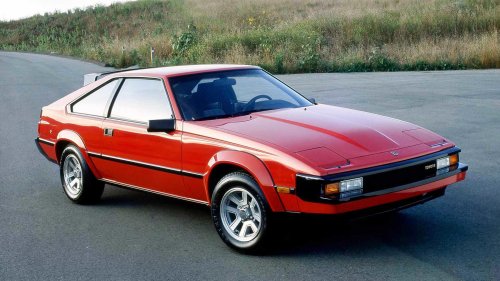
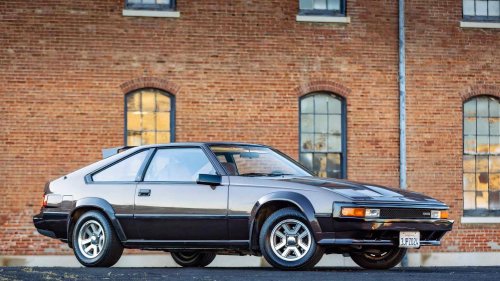



















Some cars became classics because they were the fastest, the most expensive, or the most technologically advanced machines of their era. The Toyota Celica followed a different path. Over seven generations, it built a reputation through sharp styling, motorsport success, accessible performance, and the kind of reliability that allowed many examples to survive long after rival sports coupes disappeared from the road.What once seemed like an overlooked chapter in Toyota’s history now looks increasingly important to enthusiasts who value analog driving experiences and genuine character. As interest in the 1990s and early-2000s performance cars continues to grow, the Celica is quietly emerging as one of the most compelling future classics the market has yet to fully appreciate. Why Some Older Japanese Sports Cars Are Suddenly Being Taken Seriously Again Lightweight, Analog Driving Experiences Are Becoming Increasingly Rare Toyota Modern performance cars lack what traditional driving cars contain: an inclusive feeling for the driver. Drivers who love to get behind the wheel, often called driving enthusiasts, tend to prefer driving experiences with maximum involvement. Today's cars have been digitized to the point of nearly removing the driver. Getting behind the wheel of a modern performance car can be exciting, but it can also feel like you’re being isolated from the road.This shift toward electrification, overcomplicated systems, and driver-assistance technology has made cars like the Toyota Celica more appealing. The simple, natural, and engaging nature makes it more collectible and enjoyable for drivers who truly want to be part of the experience. Enthusiast Nostalgia Is Driving Demand For 1990s And Early-2000s Performance Cars Car & Classic Many sports cars from the 1990s and early 2000s are associated with rally racing, tuner culture, and Gran Turismo-era gaming, making them recognizable years after production ended. These are the cars many enthusiasts seek out, searching for something unique that brings their visions to life.The Toyota Celica sits directly in the middle of the era thanks to its World Rally Championship success and strong tuner reputation. The Celica Turbo 4WD, better known as the GT-Four or All-Trac in America, won manufacturers’ championships in 1993 and 1994, making it a lock for gaming and part of the decade’s culture. In this form, the Celica had nearly 300 horsepower, but the real rally strength was in its rugged construction and sophisticated 4WD system. The Toyota Celica Was Never Just Another Cheap Coupe Toyota Gave The Celica Genuine Motorsport Credibility Toyota Even before the mid-1990s wins, the Celica GT-Four won the 1990 WRC Driver’s Championship thanks to Carlos Sainz's driving, which gave the car global credibility. This car established the brand in the WRC, ensuring that drivers around the world took notice.The GT-Four was originally released in 1986, bringing an additional element to the Celica line of specialty cars of the decade. It wouldn't be until the calendar turned to the 1990s that the Celica would gain fame in the WRC, but even the original model had a twin-cam turbocharged engine, a water-cooled intercooler, and full-time 4WD, making it ideally suited for rally racing. The Celica Offered Real Sports-Car Style At A Reachable Price Toyota The first model year for the Celica was even further back, in 1971. This mostly forgotten Toyota sports car lasted through seven generations until 2005, giving it an impressive continuous run, especially when you consider it was originally made to compete in America against V8-powered pony cars that were all the rage in the late 1960s and early 1970s.The original model cost $2,598 in 1971, which was a relatively affordable price even then. The final 2005 model cost $19,830 for the GT and $23,575 for the GT-S model, which was still relatively affordable. The pricing made the Toyota Celica an affordable sports car that many drivers could easily fit into their budgets when new. Today, you can get a final model-year version for as little as $2,775 thanks to depreciation and the car's relative obscurity. The GT-Four Models Are Becoming The Most Desirable Celicas Turbocharged AWD Performance Made The GT-Four Special Toyota Today’s market is littered with AWD performance cars, but when the Toyota Celica was produced, it was unique. A turbocharged power plant with full-time AWD (4WD in the case of the Celica) was rare, and that’s what made the GT-Four models special. Because of this, enthusiasts search for this specific 1990s combination to enjoy a version of the same car that was a WRC champion during that decade.In 1991, the GT-Four used a 2.0-liter turbocharged four-cylinder engine that produced 222 horsepower and 224 lb-ft of torque. This engine, mated to a five-speed manual transmission, could send the Toyota Celica to 60 mph in 6.1 seconds and posted a top speed of 149 mph, which is impressive, especially for such a small engine and a WRC car. The 3S-GTE Engine Has Become A Major Part Of The Car’s Legacy Toyota Toyota has many amazing engines to its name, but the engine found in the Celica, especially the GT-Four model, is an unknown or forgotten legend. The 3S-GTE is one of Toyota’s most successful racing engines, but it has become an afterthought, falling behind other legendary Toyota engines. To be completely fair, with so many engines from one automaker, it's easy for one or two to be lost in the shuffle.The 3S-GTE debuted in the Celica GT-Four in 1986 and later appeared in the MR2 Turbo. It was part of the Toyota “S” family of engines developed in the 1970s, with the goal of improving performance while remaining small, cleaner-running, and more economical than competing engines. This is the engine that helped Carlos Sainz win the WRC in 1990, then again with Juha Kankkunen behind the wheel in 1993, and again in 1994 with Didier Auriol piloting the car. Even The Final Front-Wheel-Drive Celicas Have Started To Age Well The Seventh-Generation Celica Delivered Sharp Styling And Lightweight Character Toyota Although styling changed dramatically from the first Celica to the last, the car remained true to its character. Every model had sharp styling, a lightweight build, and a high-revving engine. The final Celica hit the market before modern safety and technology requirements significantly increased vehicle mass, altering the driving dynamics of many sports cars.The 2005 Toyota Celica uses a 1.8-liter four-cylinder engine that mates to either a manual or automatic transmission. The GT models produced 140 horsepower and 125 lb-ft of torque, and the GT-S models produced 180 horsepower and 130 lb-ft of torque. The GT-S was limited to 129 mph, but drivers searching for a fun sports car with analog driving qualities are finding these final FWD models enjoyable. Reliable Mechanicals Help Preserve Survivor Cars Toyota Toyota’s reputation for reliability isn’t new; it dates back decades, helping many Celicas survive long after rival sports coupes have disappeared from the road. The combination of durability and enthusiast appeal allows older cars to become future classics, and the Celica is certainly enjoying a bit of a resurgence among driving enthusiasts, especially those seeking cars with much less computerization than modern cars. Toyota’s Own Actions Suggest The Celica Name Still Matters Toyota Has Publicly Discussed Bringing The Celica Back Toyota Recently, Toyota has suggested bringing back the Celica in a new form. It could bear the name Celica Sport and be part of the Gazoo Racing family starting as soon as 2028. As Toyota has developed smaller, more powerful engines, a new Celica could feature an AWD hybrid powertrain with a 2.0-liter turbocharged four-cylinder engine that could produce as much as 400 horsepower. That would make for an extremely fun, lightweight sports car that could easily fit into the Toyota lineup. Not much is known about the Celica’s return yet, but discussions about reviving the model have increased interest in the original generations, especially the GT-Four models. The Celica’s Reputation Has Outlasted Its Production Run It's been more than 20 years since the Toyota Celica was produced, but its reputation continues to endure, keeping it closely associated with Toyota's performance history. Unfortunately, it's sometimes a forgotten car, overlooked thanks to modern-day Toyota performance machines like the GR Supra, GR86, and GR Corolla. Still, the long-term enthusiast recognition of the Celica as one of the most enjoyable analog cars ever produced indicates its potential as a future classic.For years, the Toyota Celica lived in the shadow of more celebrated sports cars, often overlooked in discussions of Toyota's performance icons. Yet that may be exactly why it feels so appealing today. It combines genuine motorsport heritage, distinctive styling, engaging driving dynamics, and Toyota durability in a package that many enthusiasts once took for granted. As collectors continue searching for cars that offer as much character as capability, the Celica’s reputation is only getting stronger. It may have been forgotten by much of the automotive world for a time, but that forgotten status is becoming part of its appeal, and one of the reasons it increasingly looks like a future classic hiding in plain sight.