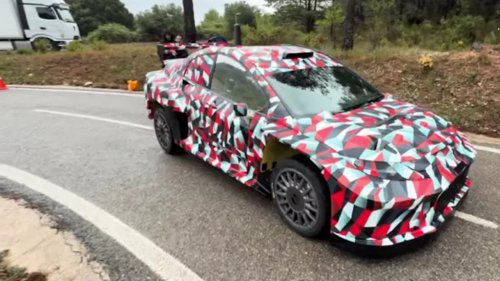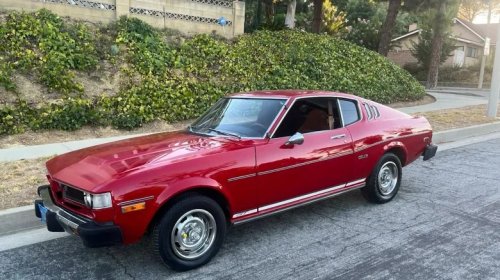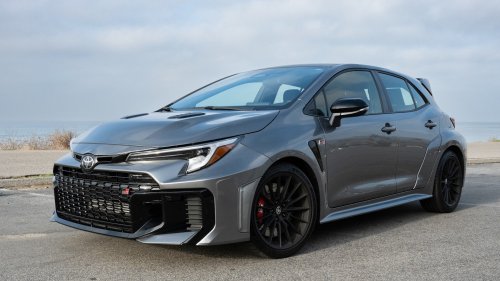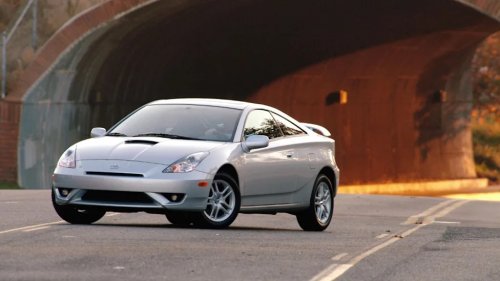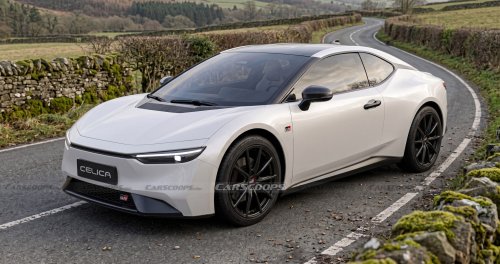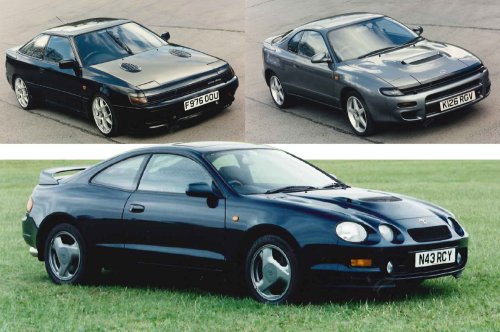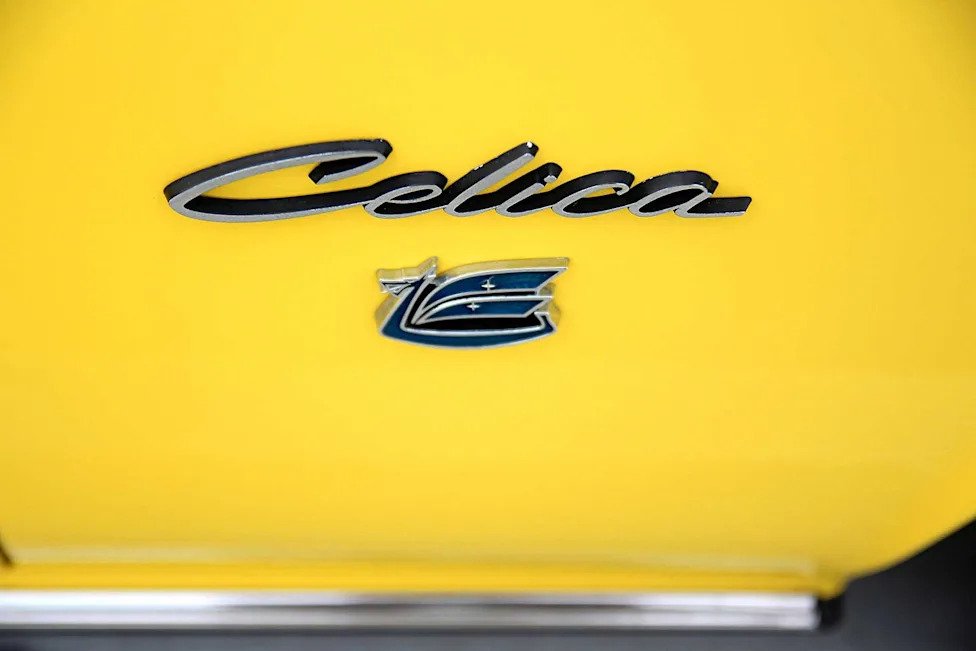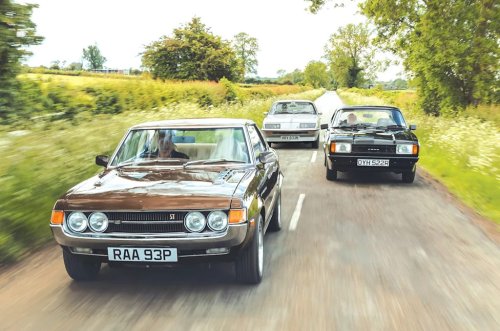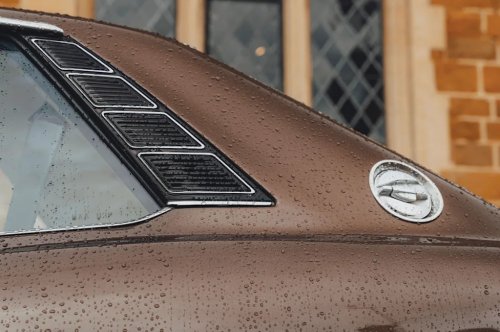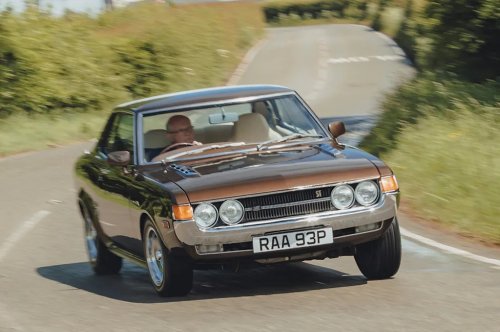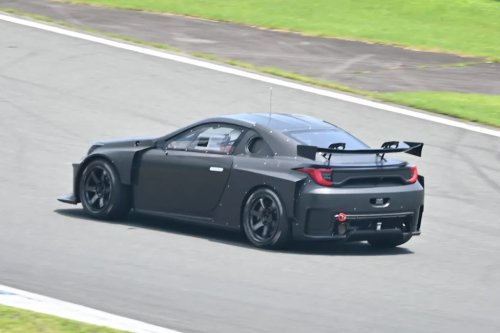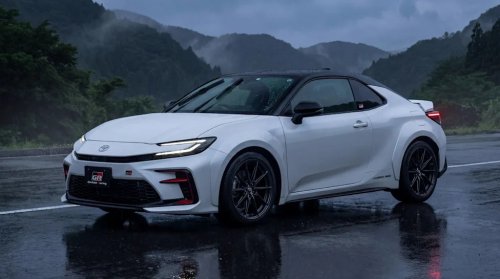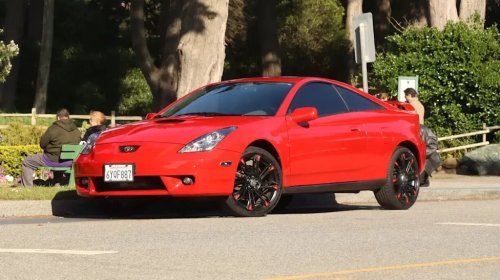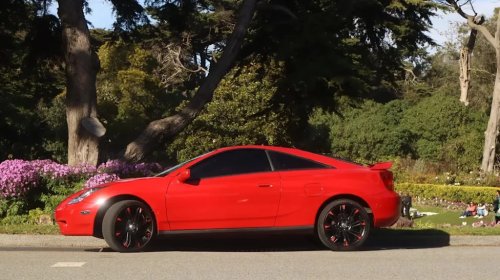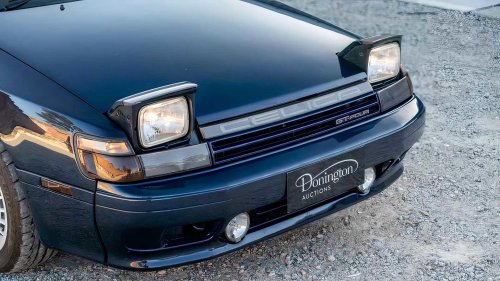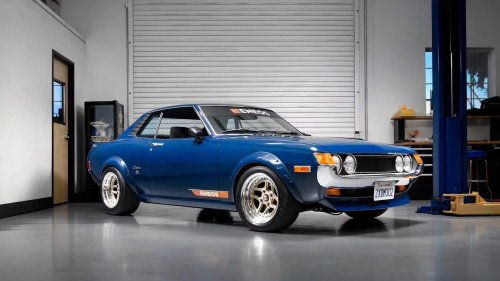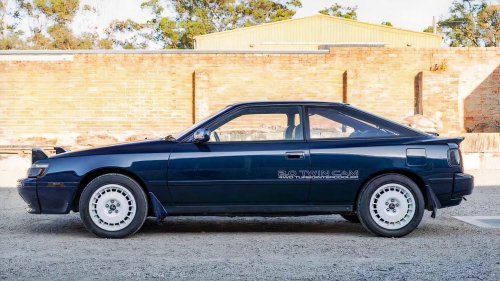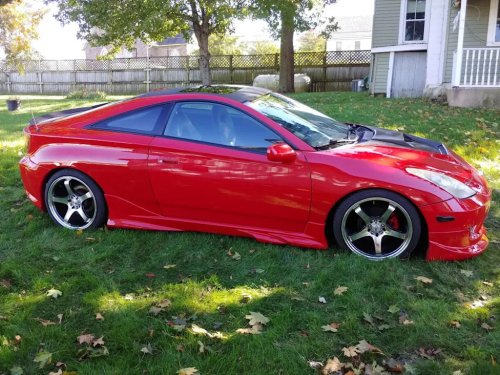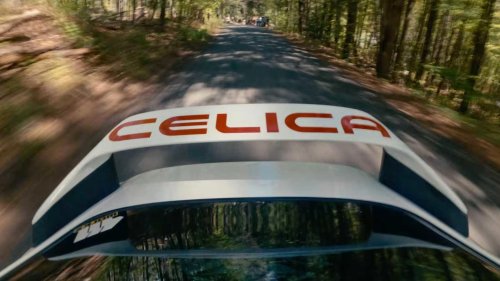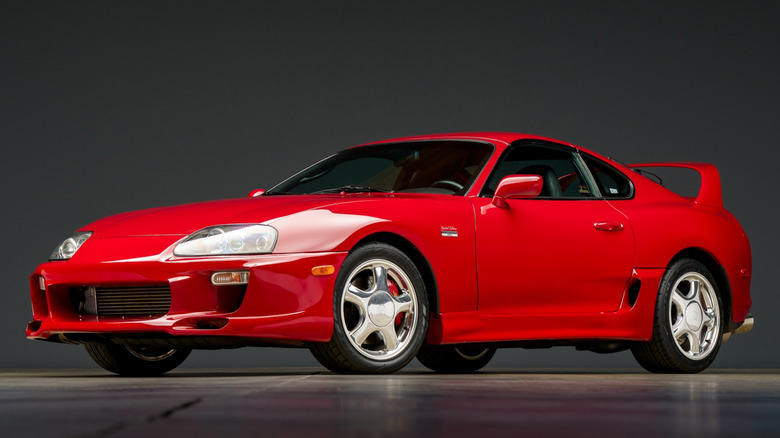
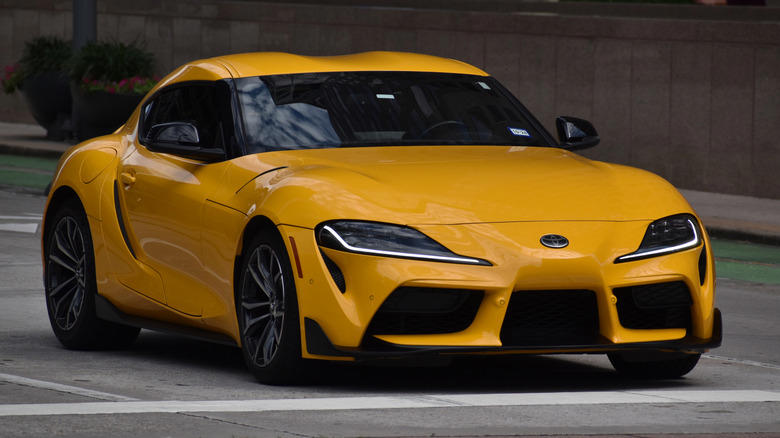



















A red Mk4 Supra in a dark room. - JoshBryan/ShutterstockOver the years, the Toyota Supra went from a $10,000 commuter with luxury intentions to a JDM legend. It may have started life as a slightly longer Celica and carried the Celica prefix until its third generation, but Toyota eventually gave the Supra the place and performance it deserved. While the fourth generation is widely considered peak Supra, the fifth-generation — calling 2026 its final model year — brought along sophistication and upped the sports car performance quotient. Rumors of a ground-up sixth-generation are already making rounds on the internet, so the Supra nameplate is probably not getting shelved anytime soon.Debuting in 1979, the A40-generation Supra was basically a six-cylinder Celica, with Toyota stretching the hatchback an additional 8.1 inches to accommodate the bigger engine. The first-generation Celica Supra's 110-horsepower 2.6-liter straight-six provided the car with modest performance, and things weren't much different when the A50 came along in 1981 with an upsized 2.8-liter engine putting out 116 horsepower and 145 pound-feet of torque.That, however, changed when the second-generation A60 debuted in 1982, with Yamaha stepping in for engine development and Lotus taking care of the chassis. Lo and behold, the Supra matured, with superior driving dynamics and a potent 145-horsepower DOHC 2.8-liter straight-six, which made close to 161 hp toward the end of the A60's life. The third-generation A70 Supra was introduced as a 1986.5 model and got a 200-horsepower 3.0-liter straight-six. But more importantly, it finally ditched its Celica nameplate and became its own standalone model. AdvertisementAdvertisementA turbocharged version came along soon after, bumping the power and torque figures to 230 hp and 246 lb-ft, respectively. According to Car and Driver's testing, this turbocharged A70 Supra was 1.6 seconds quicker to 60 mph than the standard model, which took 8.0 seconds to hit the mark.Read more: 5 Iconic Poster Cars That Just Aren't That GoodThe Turbocharged Supra eraA yellow Mk5 Toyota Supra 2.0 parked on the street. - Artistic Operations/Getty ImagesBy 1993, the Supra entered its fourth generation with the introduction of the venerable 2JZ inline-six. The twin-turbo "GTE" version — often considered a marvel for its time – was rated at 320 hp, but its tunability made it special, and the Fast and Furious franchise later pushed it into stardom. An understressed engine with a robust cast-iron block and forged crank capable of handling 1,000-plus horsepower mated to a brilliant chassis with a level of sophistication that not even a BMW E36 M3 could match at the time — that was the Mk4 Supra. Also adding to its legendary status is its rarity. Sales of the Mk4 were depressingly low versus its predecessors, with Toyota managing to shift just over 11,000 examples during its 5-year run in the U.S.The nameplate took a multi-decade-long hiatus before finally returning in 2019 as a 2020 model. However, a lot of the engineering and development was handled by BMW. Although the Mk5 Supra debuted with a 335-horsepower straight-six and an eight-speed ZF automatic transmission, 2021 and newer models got a spicier 382-hp engine with the option of a 6-speed manual. AdvertisementAdvertisementTo make the car more accessible, Toyota offered the Mk5 Supra with a 255-horsepower 2.0-liter turbocharged inline-4. While the Mk5 Supra was highly criticized for relying on a BMW Z4 base, it stands on its own as a capable sports car. And if you're in the market for a used fifth-generation Supra, you might be interested in knowing how much it has depreciated in the last 5 years.Want more like this? Join the Jalopnik newsletter to get the latest auto news sent straight to your inbox, and add us as a preferred search source on Google.Read the original article on Jalopnik.