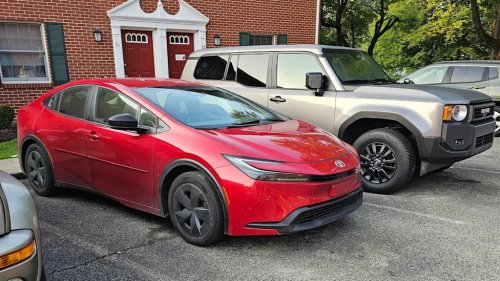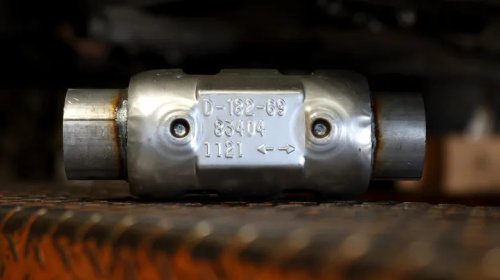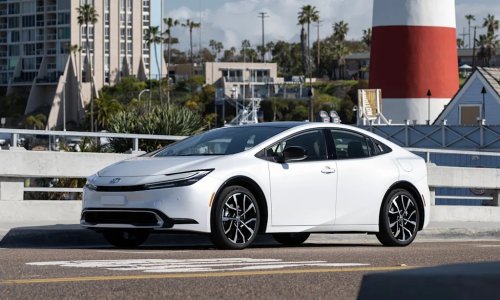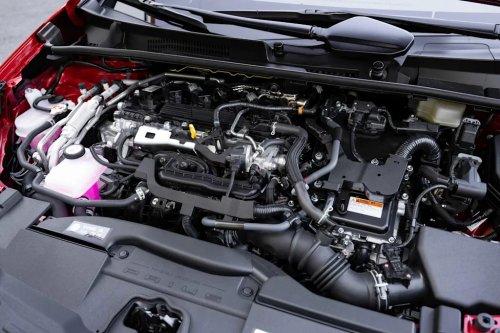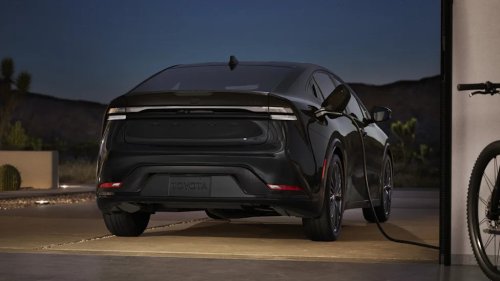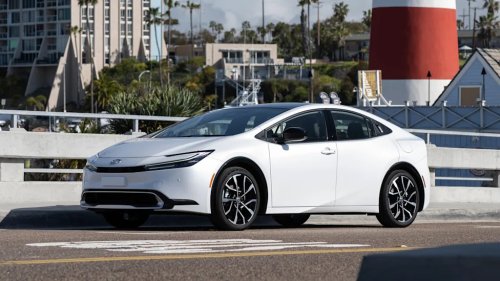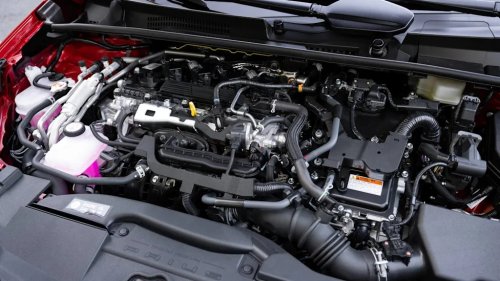



















An LA Councilwoman Is Blaming Toyota for Prius Catalytic Converter Thefts — Here's What's Actually Going OnA Los Angeles City Council member has publicly pointed the finger at Toyota as a contributor to the catalytic converter theft epidemic, arguing that the Prius has become one of the most frequently targeted vehicles because its converters contain particularly high concentrations of precious metals. The claim isn't entirely without basis — Prius converters are genuinely prized targets — but the framing raises some questions about where responsibility actually lies in this equation.The mechanics of why the Prius is targeted so frequently are worth understanding. Hybrid vehicles like the Prius put far less stress on their catalytic converters than traditional gasoline vehicles because the internal combustion engine runs intermittently rather than continuously. This keeps the converter cleaner and the precious metal content — platinum, palladium, and rhodium — more intact and valuable. A Prius converter can be worth three to four times what a non-hybrid converter fetches from scrap metal dealers.The argument that Toyota bears responsibility for this is a stretch. The catalytic converter's precious metal content is a function of emissions regulations that require it to function at a high level — regulations that exist because the alternative is dirtier air. Toyota didn't design the Prius to have theft-attractive converters; they designed it to meet emissions standards. The resulting converter value is a side effect of doing what regulators required.AdvertisementAdvertisementThe more direct contributors to the epidemic are the lack of adequate regulation on scrap metal dealers who purchase stolen converters without sufficient documentation, and law enforcement resource allocation that has historically treated converter theft as a low-priority property crime. Both of those factors are policy choices within the government's control.Toyota and other manufacturers have responded to the theft wave by working with law enforcement, supporting VIN-etching programs for converters, and in some cases engineering design modifications to make converters harder to remove quickly. Whether pointing at the manufacturer rather than the thieves and the regulatory gaps that enable them is a productive political strategy is a separate question from whether it's a fair one.Join our Newsletter, follow our Instagram page, and connect with us on Facebook.