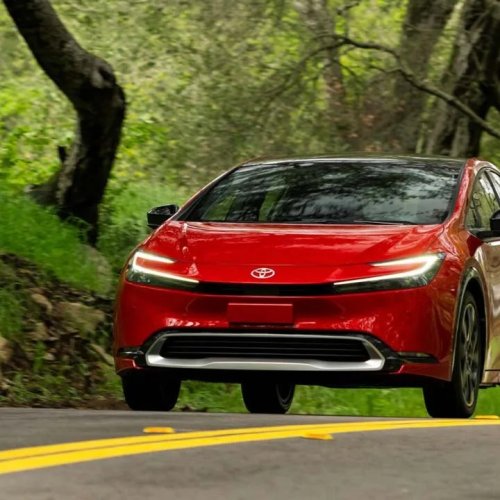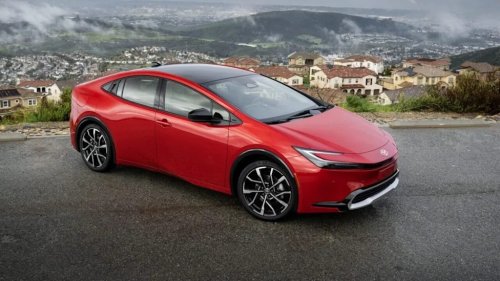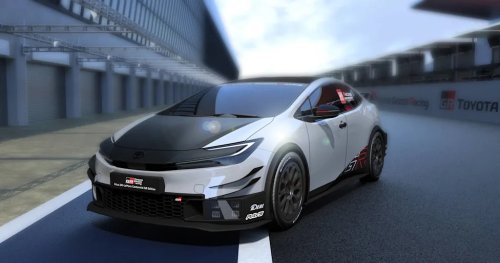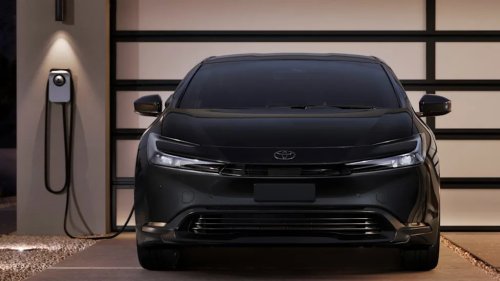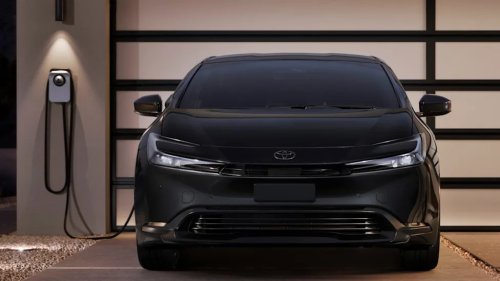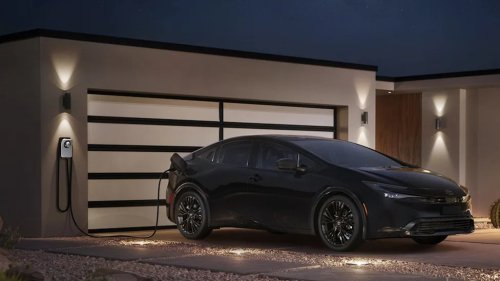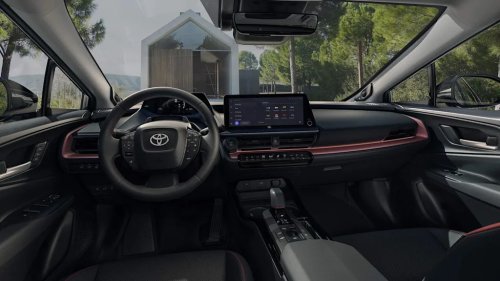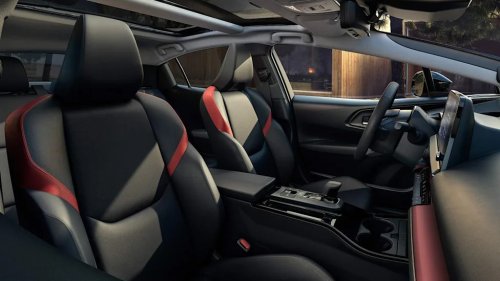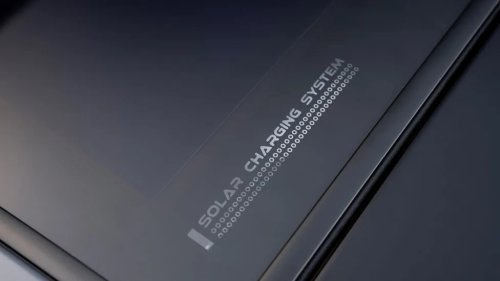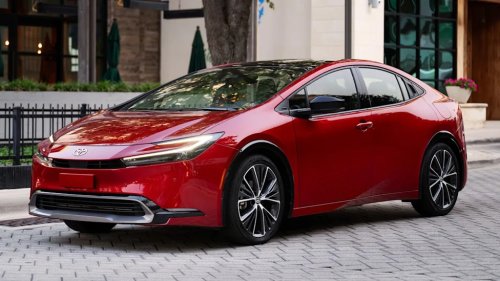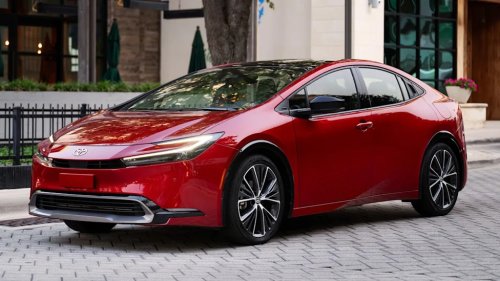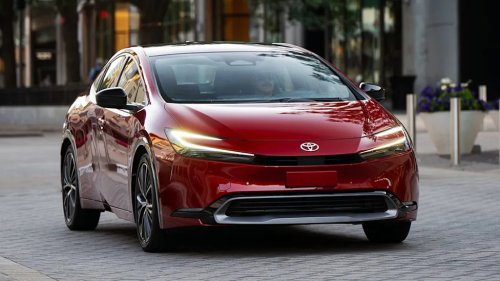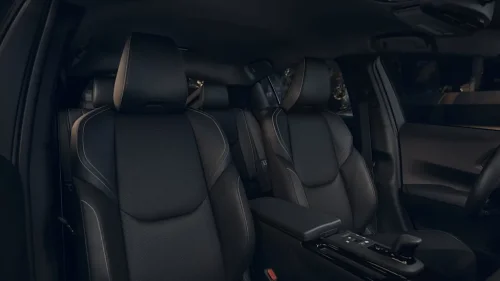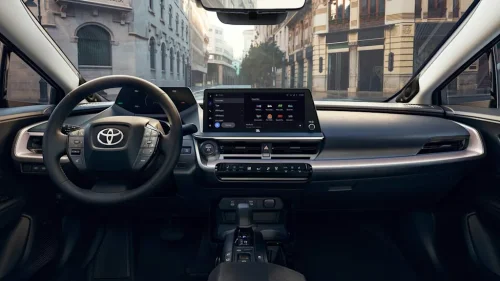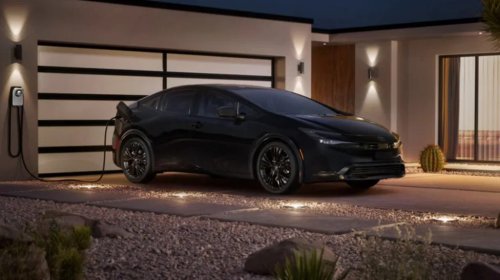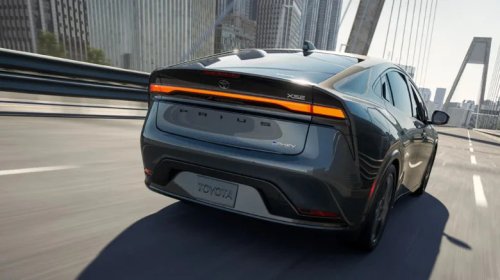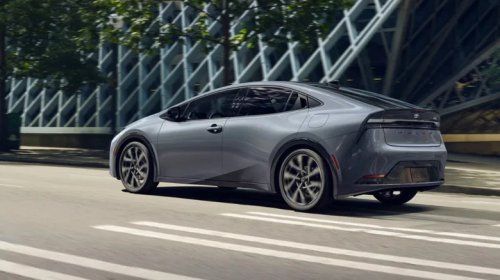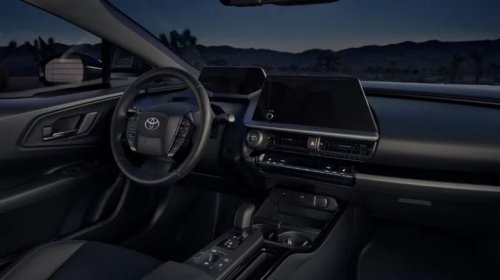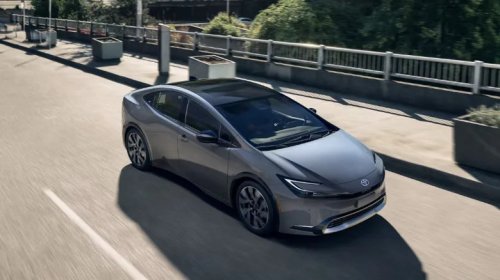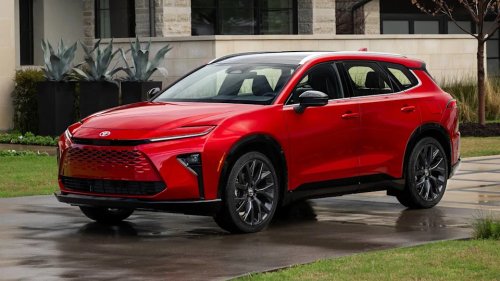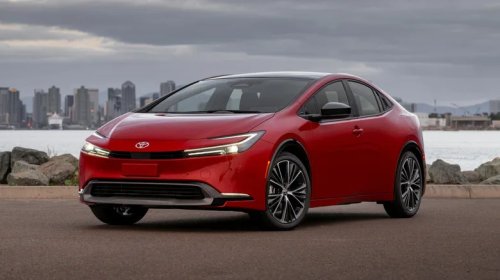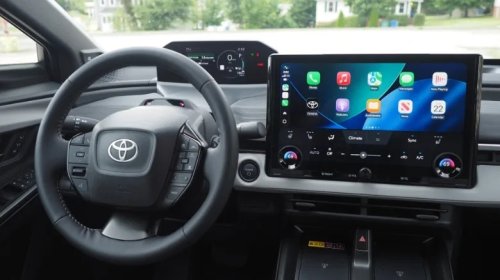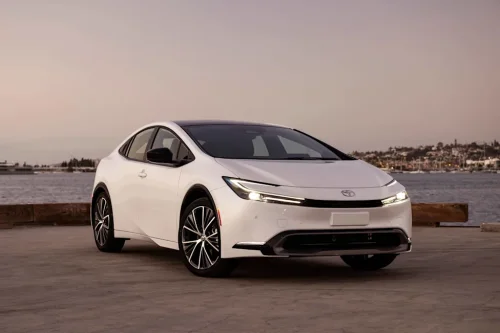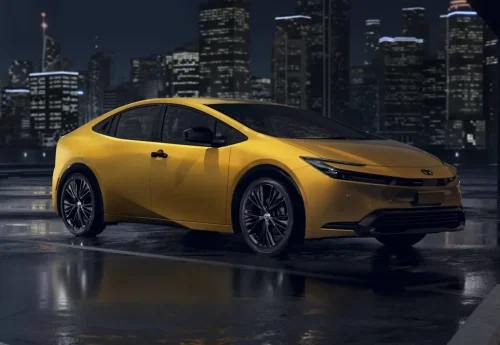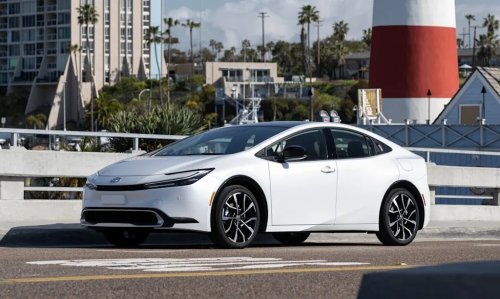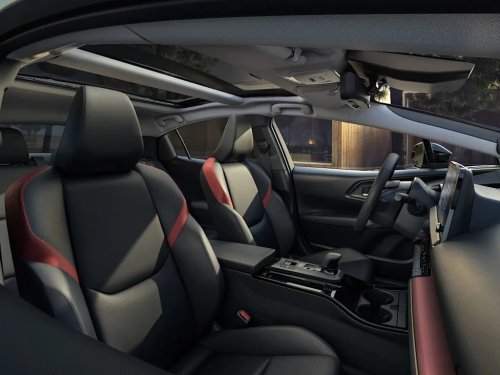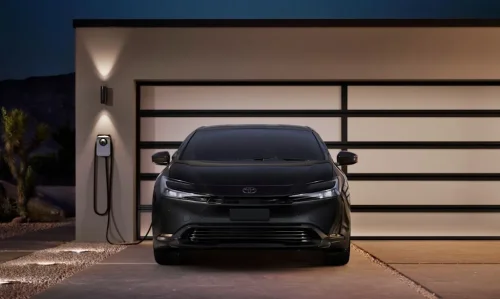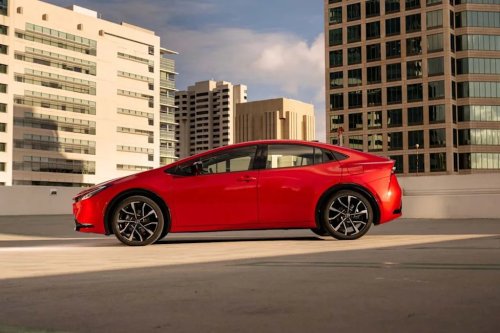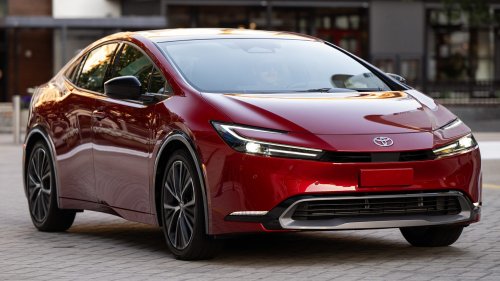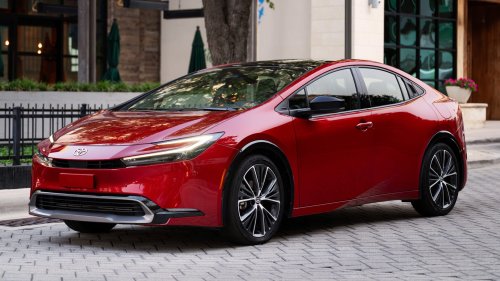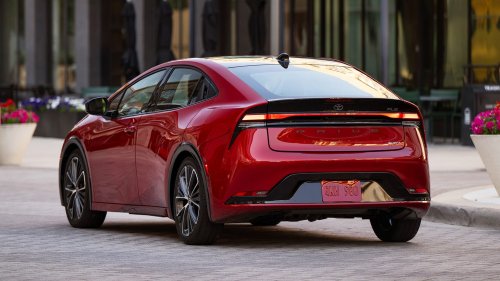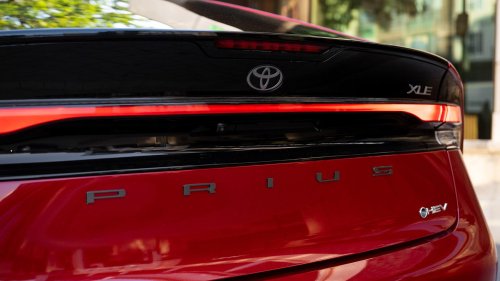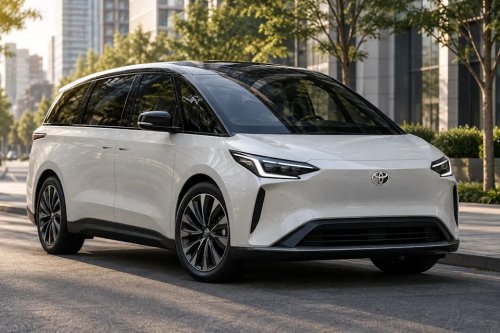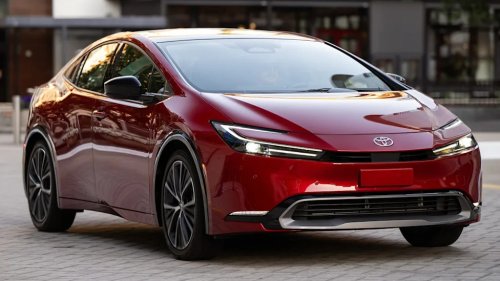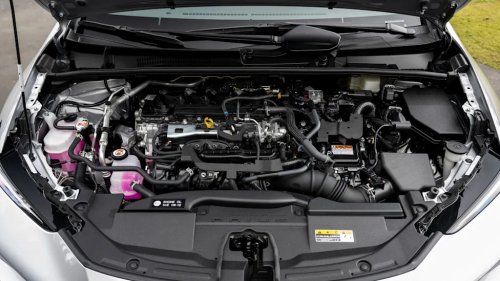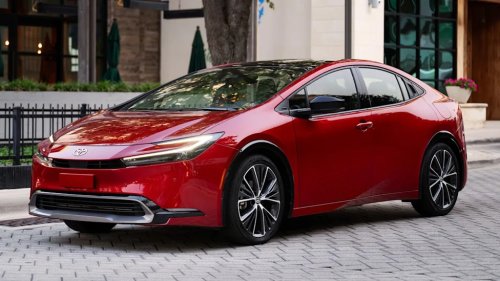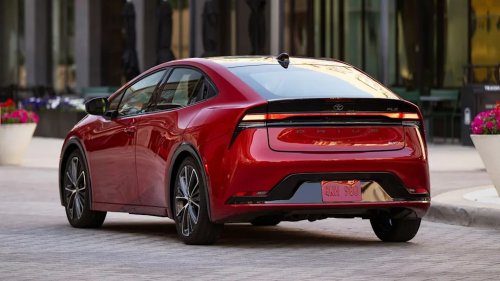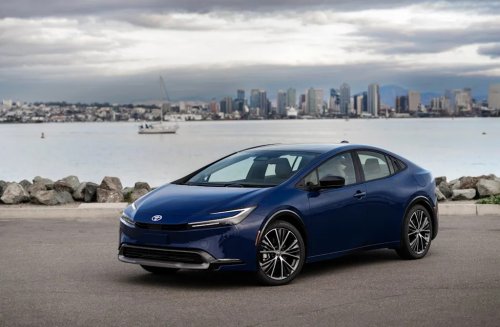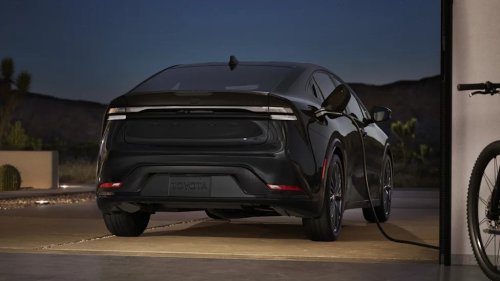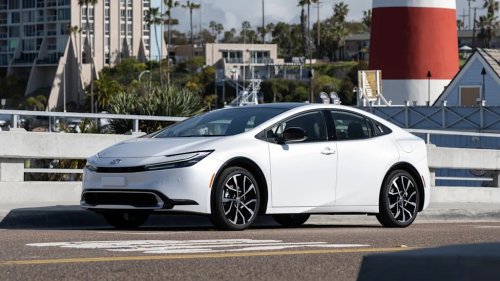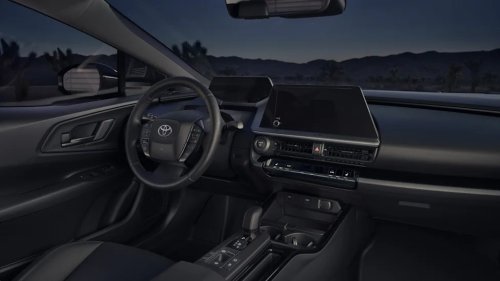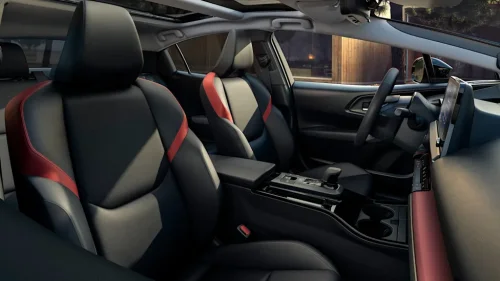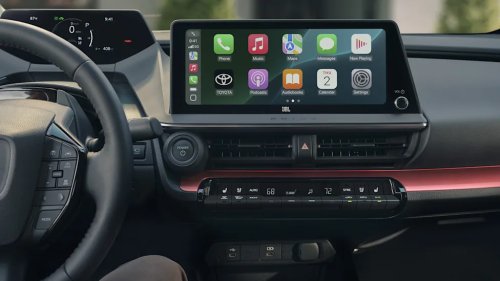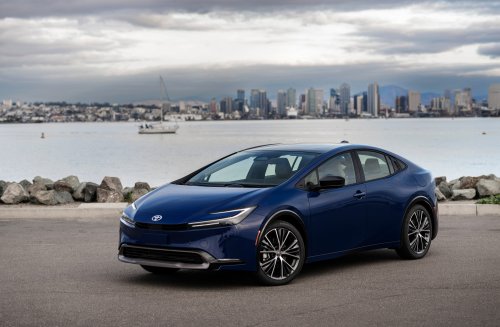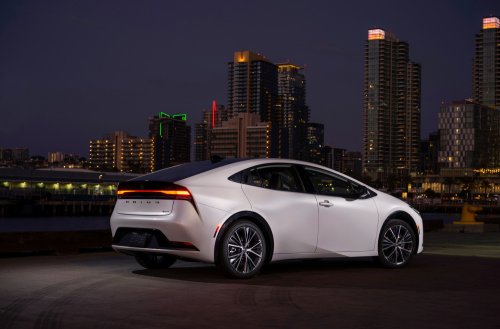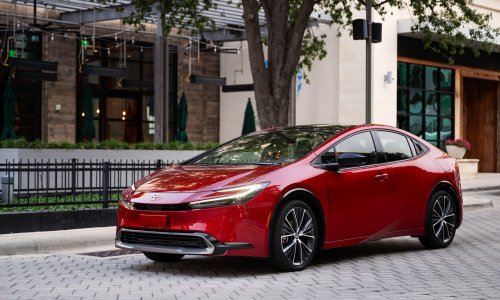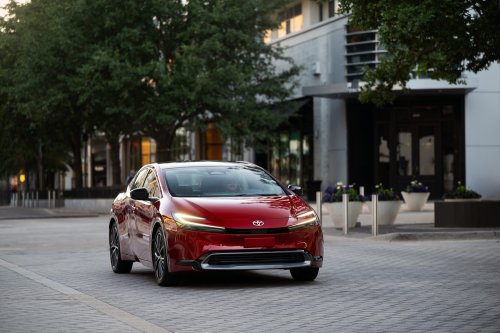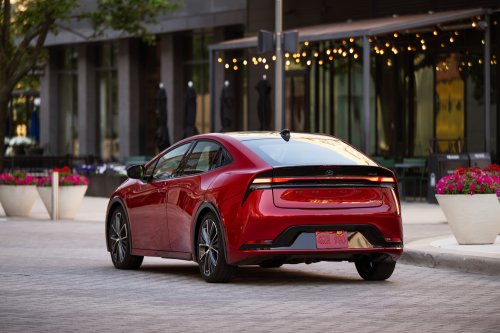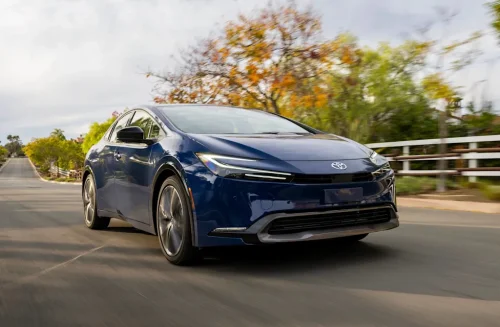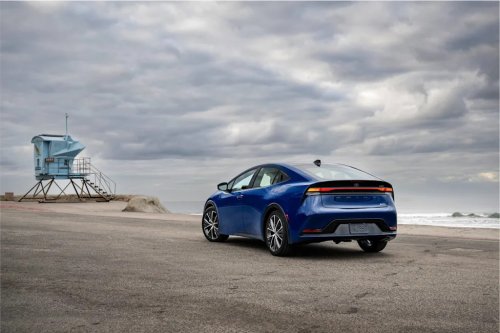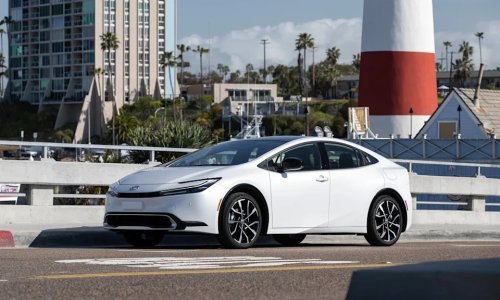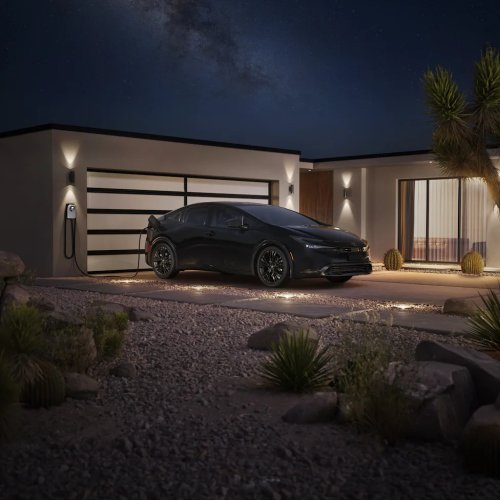
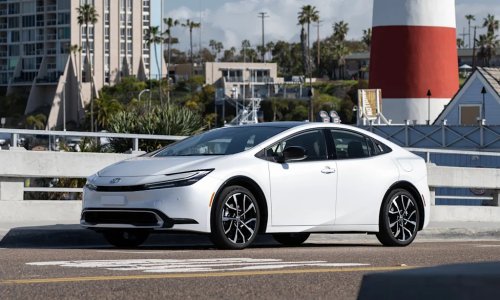
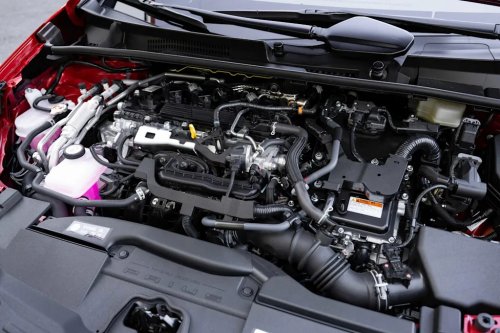
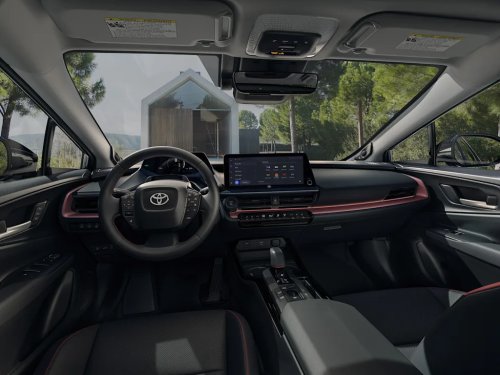



















ToyotaToyota introduced a plug-in hybrid version of the Prius for the 2012 model year, giving buyers a way to drive on electricity alone for short trips while keeping the same hybrid safety net for longer ones. More than a decade later, that basic idea has not changed all that much, but the price of admission has.For 2027, the Prius Plug-in Hybrid costs thousands more than the standard hybrid, and it's not immediately clear whether it's really the better choice when comparing them side by side.I recently went through the standard 2027 Prius to find the smartest buy, which turned out to be the XLE trim level (I was, admittedly, surprised by that). Here, I wanted to compare the standard 2027 Prius against the Plug-in Hybrid version in terms of price, power, efficiency, and features to see which one makes more sense.AdvertisementAdvertisementBuyers should expect to pay around $5,000 more for the Plug-in Hybrid, regardless of the trim they choose. As seen in the table below, the premium narrows slightly as you move up the trim ladder, but not by much. And narrow is the keyword here as the 2027 Toyota Prius Plug-in Hybrid fits a very specific type of buyer with a very specific driving routine. Every price below includes Toyota's $1,295 dealer processing and handling fee.Quicker, but not always more efficientThe Prius Plug-in Hybrid lags behind in a key areaBoth Prius lineups start with the same core hardware. Toyota's fifth-generation Hybrid System pairs a 2.0-liter four-cylinder engine with electric motor-generators and a continuously variable transmission. Both rely on an Electronically Controlled Brake system to blend regenerative and hydraulic braking.The Plug-in Hybrid uses a planetary-type CVT connecting two motor-generators (Toyota calls them MG1 and MG2), alongside a larger 13.6 kWh lithium-ion battery that provides extra power and electric-only range. Normal, Eco, and Sport modes let the driver adjust how eagerly the accelerator responds.The Plug-in Hybrid's two motor-generators and 13.6 kWh battery pack deliver 220 net combined horsepower, with Toyota estimating a 0-60 mph time of 6.6 seconds. The quickest standard Prius, the all-wheel drive LE, makes 196 horsepower and reaches 60 mph in an estimated seven seconds. The Plug-in Hybrid is quicker than any standard Prius that Toyota has, which could be a selling point for some.AdvertisementAdvertisementHowever, the extra weight of the battery and motor-generators works against the Plug-in Hybrid the moment it runs like a regular hybrid.The standard Prius LE (the entry-level trim) with front-wheel drive returns an EPA-estimated 55 mpg combined, the best rating in the lineup. For the Plug-in Hybrid, the base SE returns an EPA-estimated 51 mpg combined, four mpg lower than the standard hybrid.Ideal for shorter trips around townThe true selling point beyond accelerationThe SE trim level of the 2027 Toyota Prius Plug-in Hybrid offers an EPA-estimated 44 miles of all-electric range, while every other trim is rated at 39 miles. For a driver who works close to home and can plug in overnight, most daily errands and commutes could happen without burning any gasoline at all.The standard Prius has no comparable EV-only range. Its EV Mode exists mainly for slow, short-distance driving around a parking lot or small neighborhood, not for a real commute.AdvertisementAdvertisementThe difference comes down to battery size between the standard 2027 Toyota Prius and its Plug-in Hybrid counterpart. Toyota specifications show the standard Prius has a hybrid battery rated at 222 volts and 4.08 amp-hours, which works out to under one kilowatt-hour, just enough to power brief, low-speed electric driving. By contrast, and as noted a moment ago, the Plug-in Hybrid and its battery have a 13.6 kWh capacity, roughly 15 times the capacity.That difference in capacity means some buyers will be able to make shorter commutes on all-electric power. One back at home, a 120V household outlet fully charges the battery in about 11 hours, while a Level 2 charger cuts that down to about four hours.Meanwhile, the standard 2027 Prius is available with all-wheel drive for about $1,400 more, which adds a rear-mounted electric motor that sends power to the rear wheels when conditions call for it.The 2027 Prius Plug-in Hybrid sends its 220 horsepower to the front wheels only, with no all-wheel drive option across any of the four trims. Buyers who want all-wheel drive do not have a choice between the two Prius lineups. Only the standard hybrid offers it.Solar roof trickle-charges the batteryNightshade trim level offers a more sporty lookThe base SE Plug-in Hybrid comes with a heated leather steering wheel, a feature the standard Prius does not offer until the range-topping Limited trim. However, both base trims share six-way adjustable front seats, an eight-inch touchscreen, and six USB-C ports.AdvertisementAdvertisementThe XSE Plug-in Hybrid adds an eight-way power-adjustable heated driver's seat and wireless phone charging, mirroring what the XLE offers on the standard hybrid. The Nightshade treatment looks nearly identical between the two lineups, with black wheels, badging, and trim throughout, though the Plug-in Hybrid also picks up gray stitching on the seats.At the top of the lineup, the XSE Premium has an available solar roof that can trickle-charge the battery while the car sits parked.What I would pick here at How-To Geek and whyFor most Prius shoppers, the standard hybrid is still the smarter buy. It costs about $5,000 less at every trim level, gets better mileage once the battery is removed, and is the only Prius that offers all-wheel drive for winter weather.The Plug-in Hybrid earns its keep for a narrower type of buyer: someone with a short commute, reliable access to a home outlet or Level 2 charger, and no need for all-wheel drive. For that driver, the SE trim level and its 44-mile electric range could cover most days on electricity alone.AdvertisementAdvertisementOutside of that specific situation, the standard Prius does more for less money, and it is the pick for most buyers cross-shopping the two.