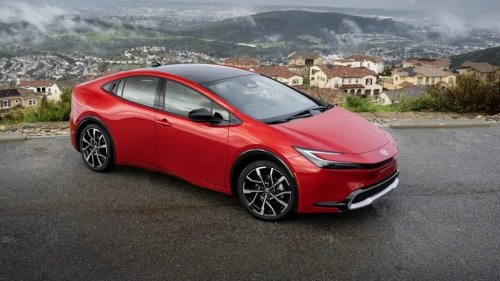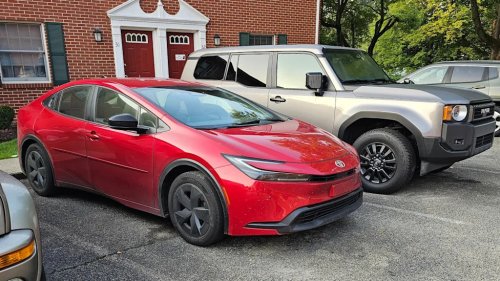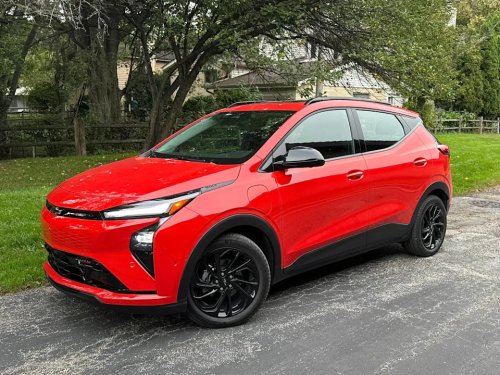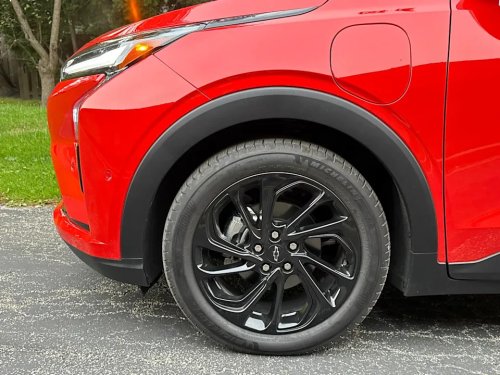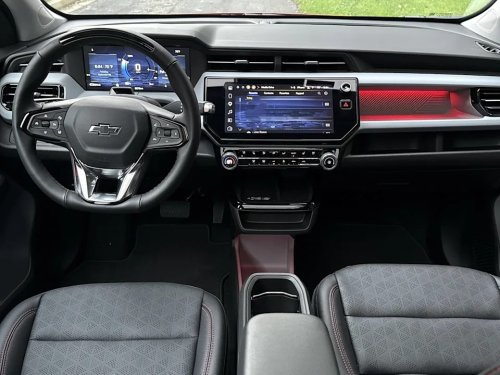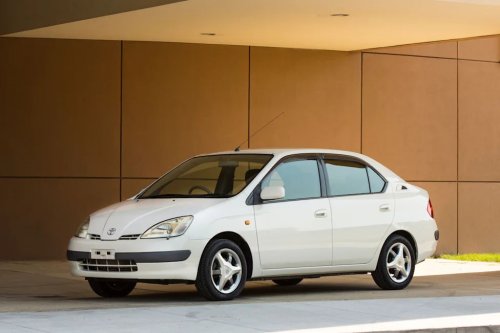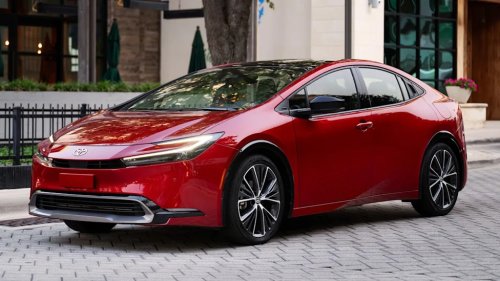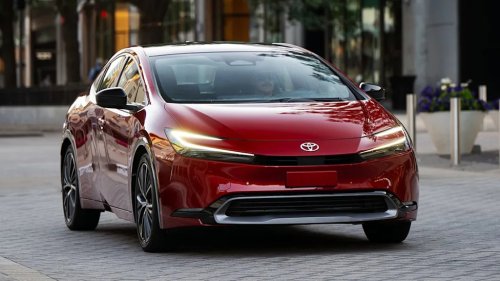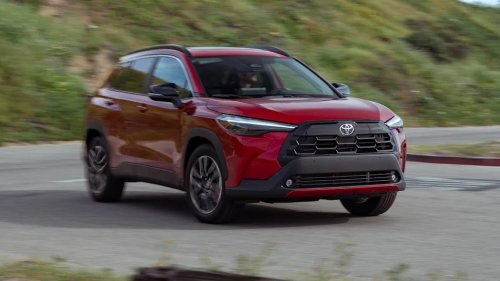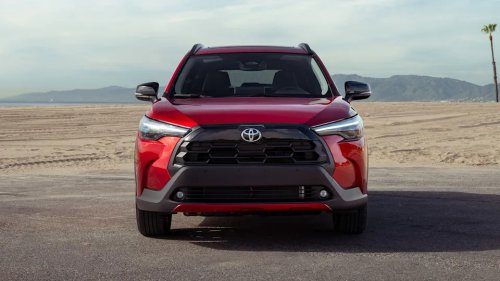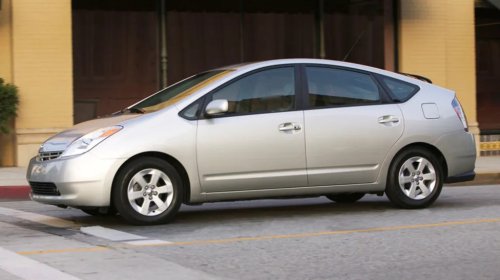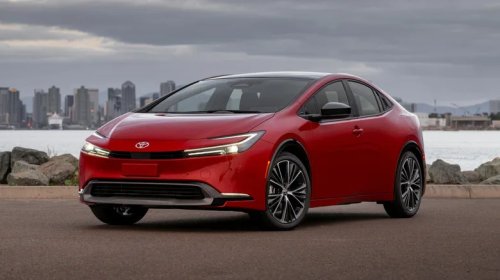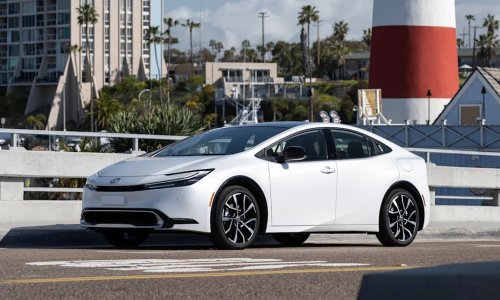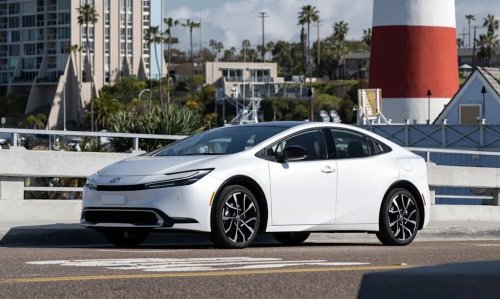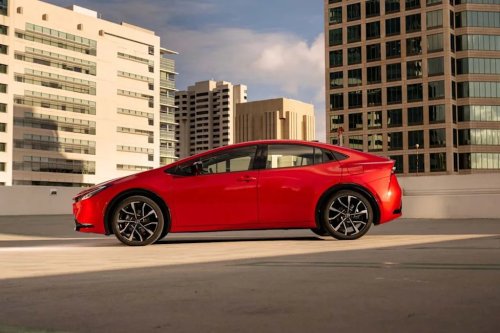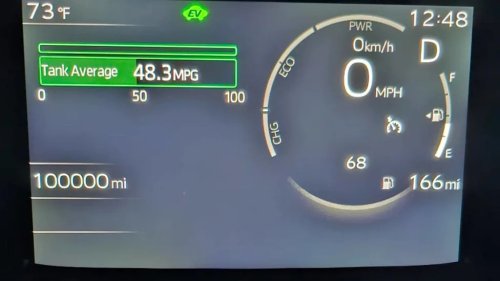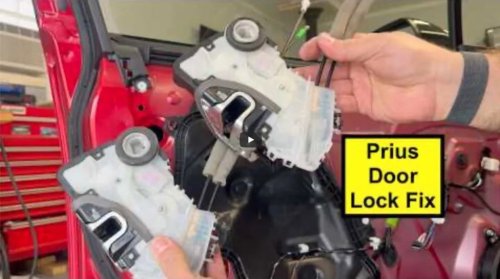
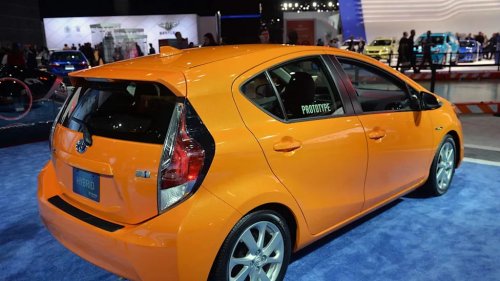



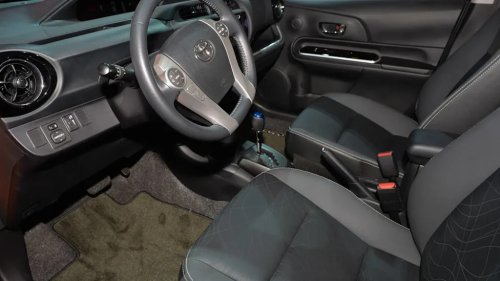
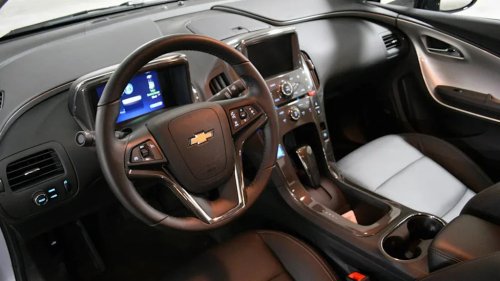



















Autoblog and Yahoo may earn commission from links in this article.A used hybrid from 2015 is either the smartest $15,000 you will ever spend or a ticking time bomb of aging batteries and mystery electrical gremlins. Both the Prius and the Volt were approaching the end of their respective generations by this model year, which in reliability terms is usually a good thing: the kinks have been worked out, the parts pipeline is established, and the engineers have had years to quietly patch whatever went wrong in year one.Neither car is new enough to carry meaningful factory coverage anymore, so this comparison is really about which one can survive the next 50,000 to 100,000 miles with the least drama and the smallest repair bills.2015 Toyota PriusDrew PhillipsReliability ratings at a glanceOn average, the Prius earns a 4.0 out of 5.0 reliability rating, ranking it 10th among 24 midsize cars. Annual repair costs average just $408, which is almost comically low, roughly $250 less than what the average vehicle costs to maintain each year. Severity and frequency of repairs both run below normal, and the 2015 model year specifically scores an 88 out of 100 for reliability, making it one of the strongest years in the entire Prius lineup. Projected five-year ownership costs come in around $19,600, or about $3,900 per year. For a car that now sells for well under $10,000 in many cases, that is a great value.AdvertisementAdvertisementOn average, the Volt earns a 4.0 out of 5.0 reliability rating as well, ranking it second among four alternative fuel vehicles. Annual repair costs average $550, still below the industry average of $652 but noticeably higher than the Prius. Severity of repairs is low and major issues are uncommon, which tracks with the first-generation Volt's reputation as a well-engineered machine that simply did not sell well enough to survive. Owner satisfaction runs high among the devoted Volt community, with consumer ratings around 4.7 out of 5.0. About 69 total complaints are on file, with interior accessories, electrical issues, and engine-related concerns making up the bulk.Recalls and owner complaintsFour NHTSA recalls have been issued for the 2015 Prius, which is more than you might expect for a car with Toyota's reliability halo. One addresses excessive voltage in the Intelligent Power Module that can shut down the hybrid system and stall the car while driving. Another covers a fractured EV fuse that can cause a loss of power. A third recall targets the inverter assembly, and a fourth addresses a fuel pump failure that could stall the engine. None of these are frivolous, but all have been addressed with free dealer repairs, and the fixes have held up well over time. Total complaint volume is low for the model year, with the center display failing and the fuel gauge reading incorrectly being the most commonly reported annoyances.Drew PhillipsJust one NHTSA recall affects the 2015 Volt, and it is a simple one: an inner tie rod that may not have been tightened to specification during manufacturing, allowing it to separate from the steering gear. GM replaced the steering gear assembly for free. Beyond that single recall, the Volt's complaint record is modest at 69 entries, with interior accessory failures, miscellaneous electrical complaints, and the occasional "Shift to Park" error (more common in second-generation models but occasionally reported in late first-gen units) rounding out the list. For a plug-in hybrid with dual powertrains and more engineering complexity than the Prius, that recall sheet is remarkably clean.2015 Chevrolet VoltWhat breaks, what lasts, and what it costsLongevity is the Prius's party trick. Its 1.8-liter four-cylinder paired with an electric motor and CVT has been in service across millions of vehicles worldwide, and the third-generation platform (2010 through 2015) is where the reliability legend truly solidified. Owners routinely push past 200,000 miles on original hybrid batteries, and the two repairs that actually surface at high mileage, the inverter assembly and the brake actuator, are documented and priced into the ownership equation. At under $10,000 for a good used example, the Prius might be the best dollar-per-reliable-mile proposition on the used market.2015 Toyota PriusDrew PhillipsLiving with the Volt long-term requires a slightly different mindset. Its plug-in hybrid setup includes a 17.1 kWh lithium-ion battery that provides up to 38 miles of electric-only range, plus a 1.4-liter range-extending gas engine for longer trips. That dual-powertrain complexity has not translated into proportionally more failures, which is a genuine credit to GM's engineering. Battery degradation on first-generation Volts has proven minimal, with most owners reporting strong capacity retention well past 100,000 miles. Where the Volt loses ground is in parts availability: GM discontinued the model after 2019, and while components are still obtainable, the supply chain is not as deep or as long-lived as what Toyota maintains for the Prius.2015 Chevrolet VoltAdvertisementAdvertisementHow long can you keep each running?Every factory warranty on both of these cars has long since expired. A 2015 Prius came with a three-year, 36,000-mile basic warranty, a five-year, 60,000-mile powertrain warranty, and an eight-year, 100,000-mile hybrid component warranty. All three windows are closed. If you are buying one today with 80,000 to 120,000 miles on the clock and planning to keep it for another three to five years, you are flying without a net, but the Prius's track record suggests the net was barely necessary to begin with. Average used prices sit between $8,000 and $11,000 for a well-kept example, making it affordable enough that even an occasional repair does not sting.2015 Toyota PriusDrew PhillipsCoverage on the Volt was similar: three years and 36,000 miles basic, five years and 100,000 miles for the powertrain, and eight years and 100,000 miles for the battery. All of it is expired. Used prices have dropped sharply, with clean examples now selling for $6,000 to $8,000 and rougher units dipping below $5,000. That low buy-in price is appealing, but factor in the discontinued status and you are betting on a car with a finite parts horizon. For the next two to three years of commuting, a well-maintained Volt is a perfectly sound choice. For a five-year plan, the Prius offers a deeper safety margin simply because Toyota is still building them and stocking parts for every generation.2015 Chevrolet VoltThe bottom lineSo which one is more reliable? On the numbers, it is close: both earn a 4.0 out of 5.0 reliability rating, and neither car has a reputation for catastrophic failures. But the Prius pulls ahead on almost every metric that matters for a long-term used buy. It costs $142 less per year to repair, has a proven hybrid battery that routinely outlasts 200,000 miles, and benefits from a parts ecosystem that is not going anywhere. Four recalls versus one is a point in the Volt's favor, but the Prius's issues were all fixable and well-documented years ago.This story was originally published by Autoblog on Jun 16, 2026, where it first appeared in the Car Buying section. Add Autoblog as a Preferred Source by clicking here.