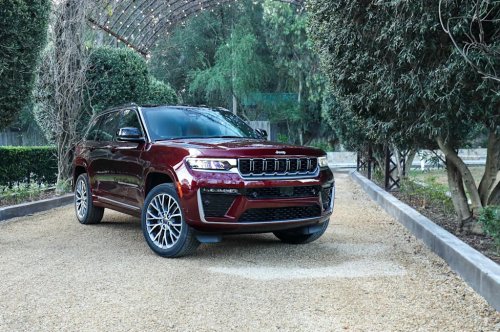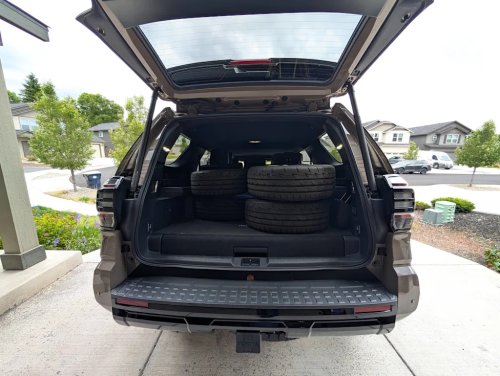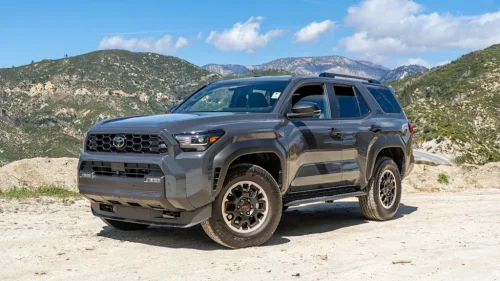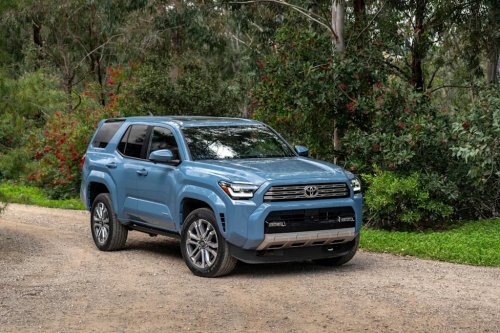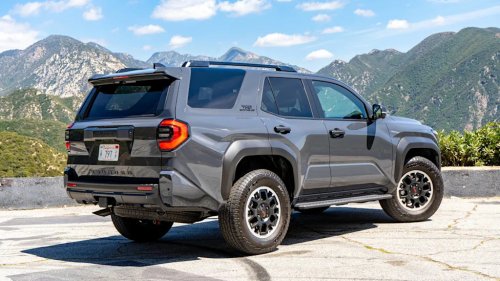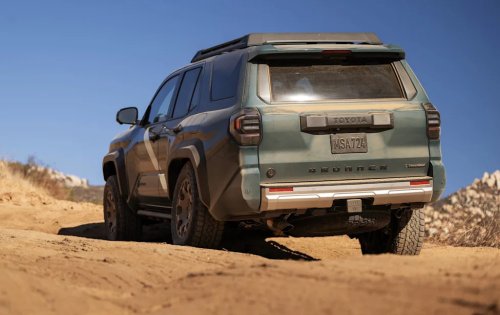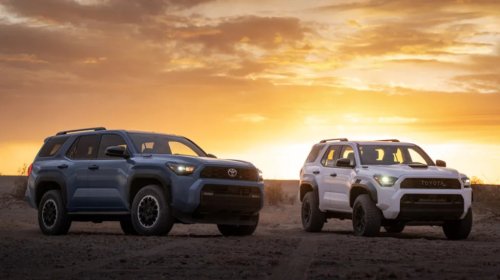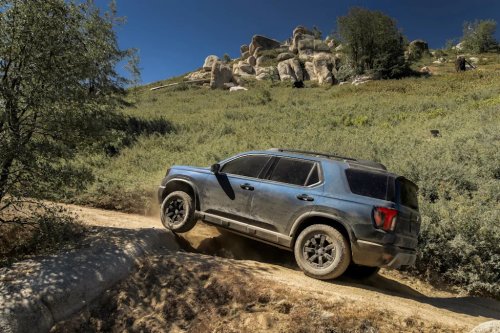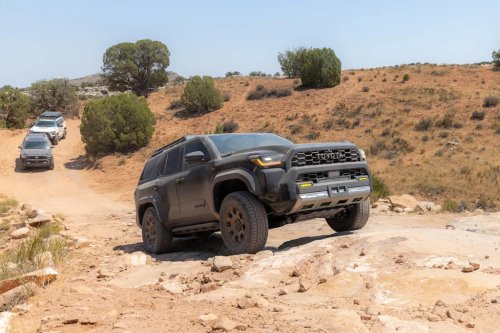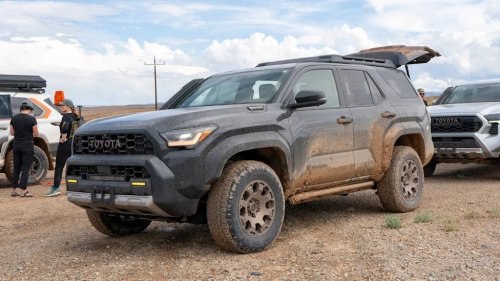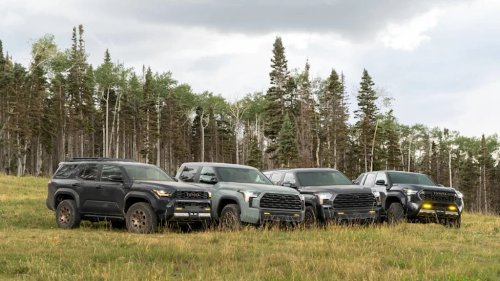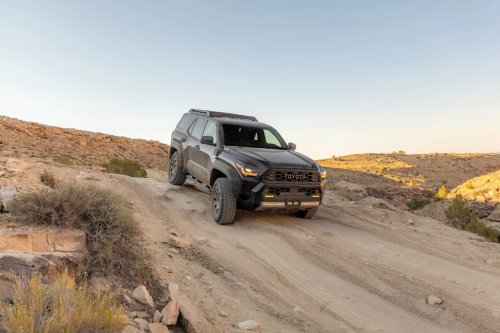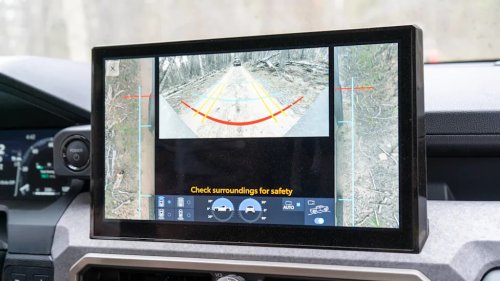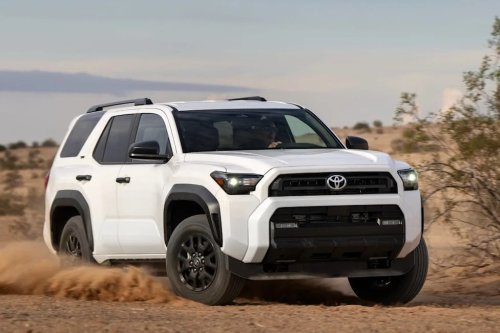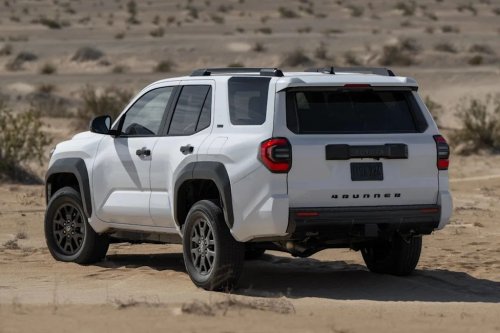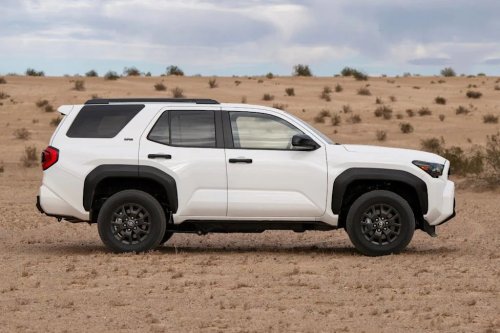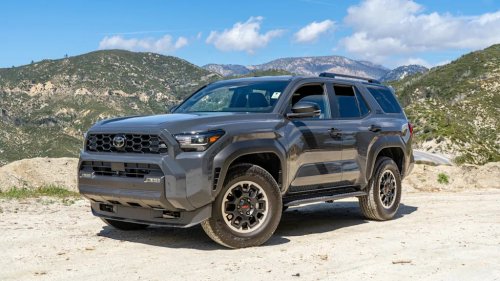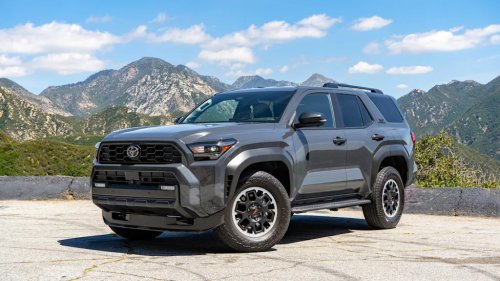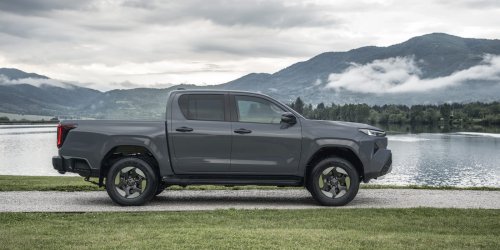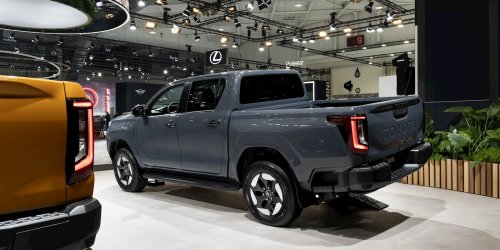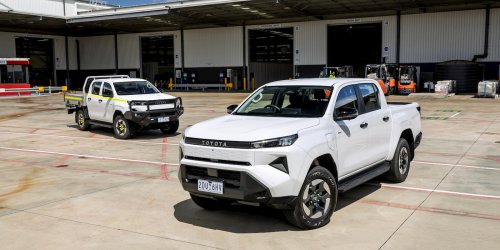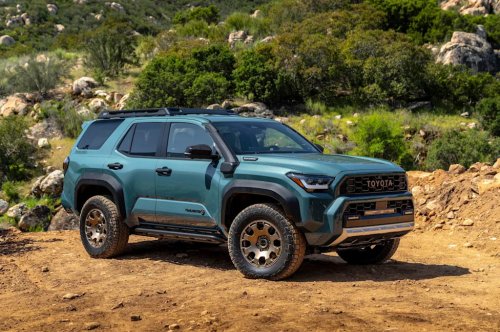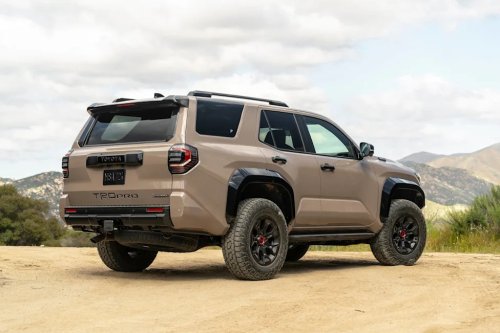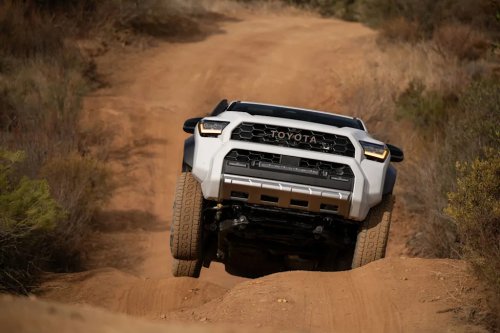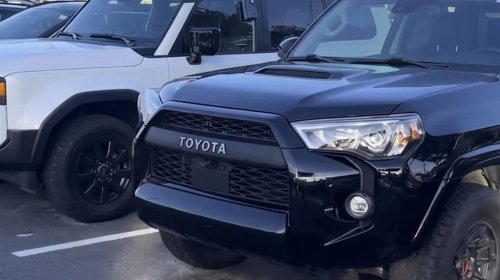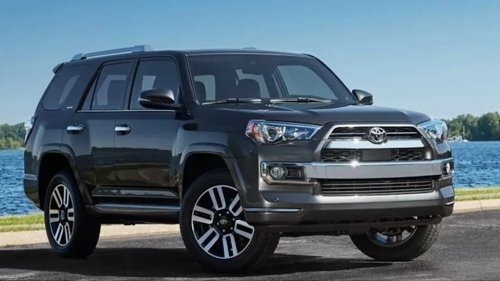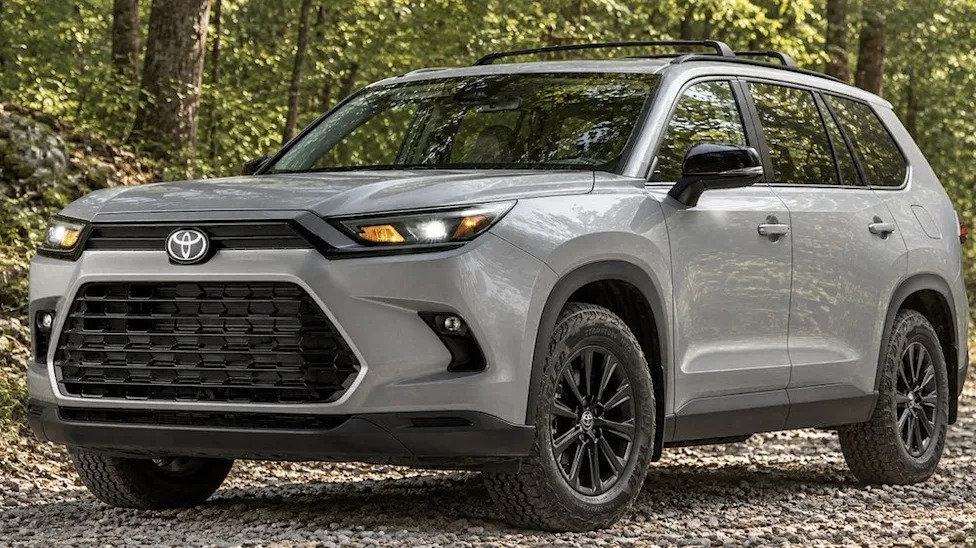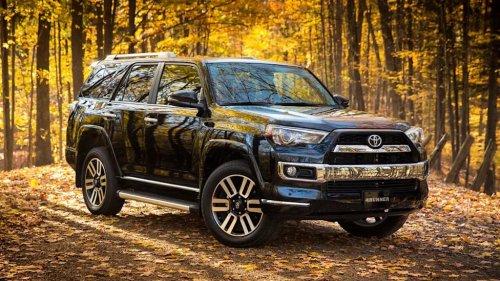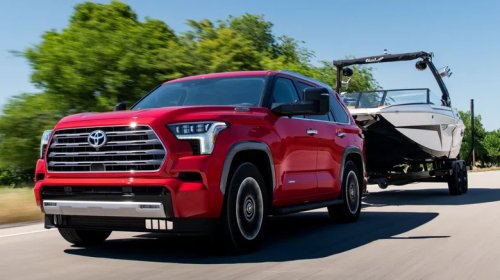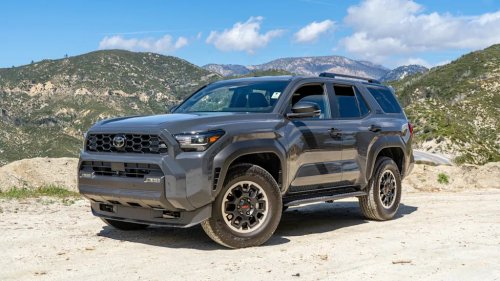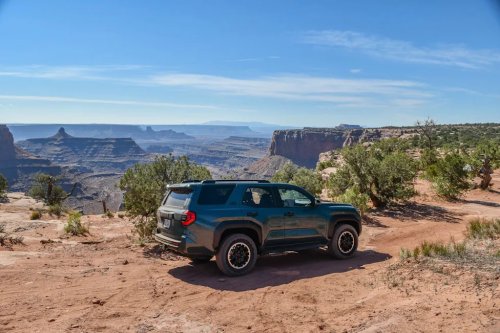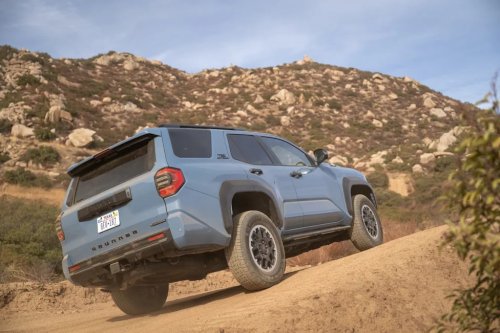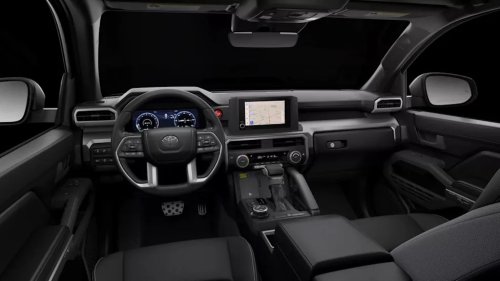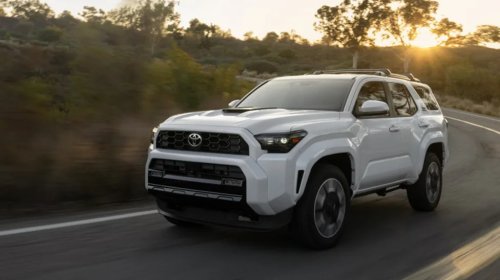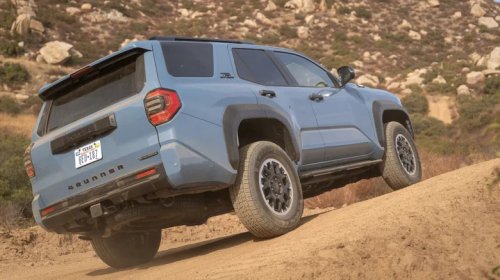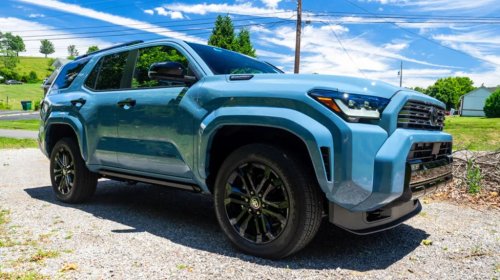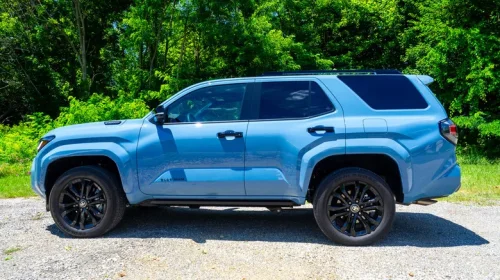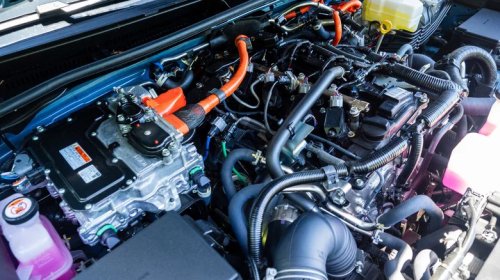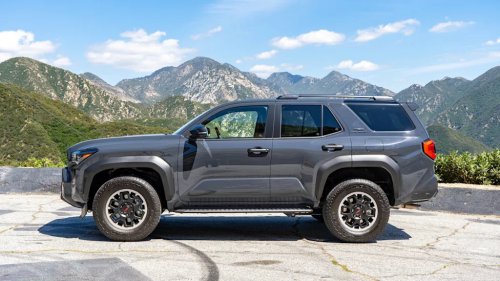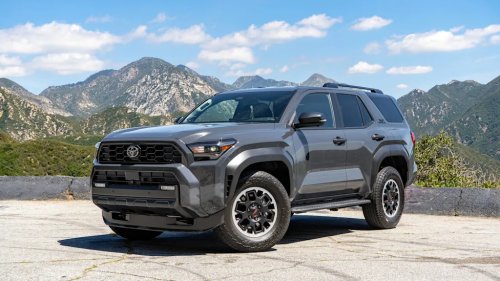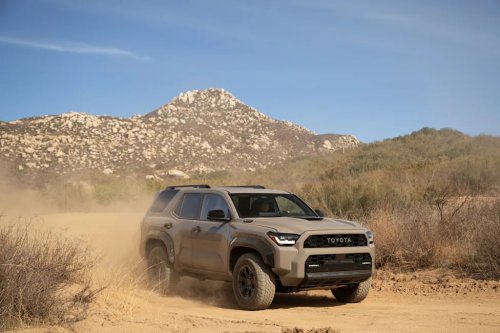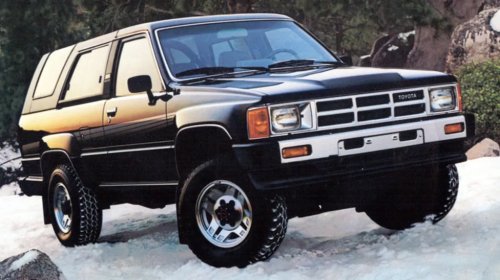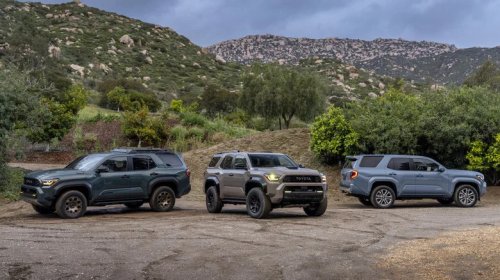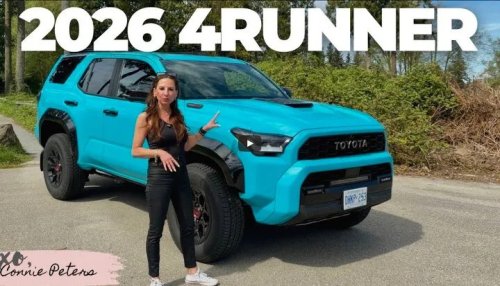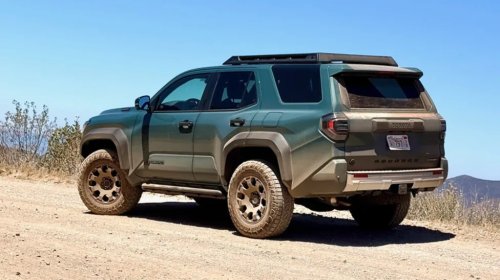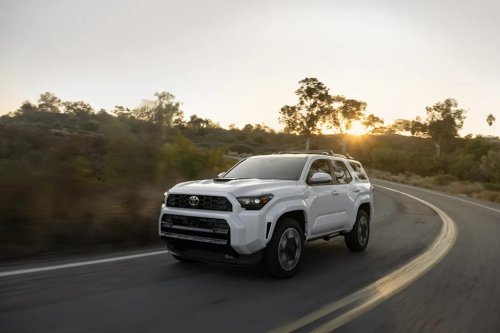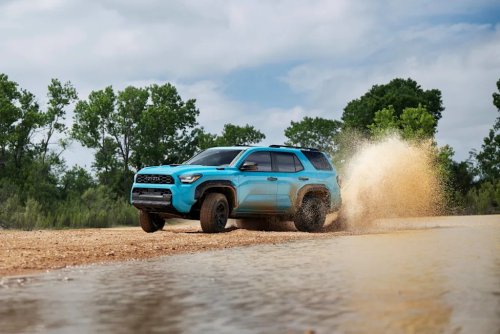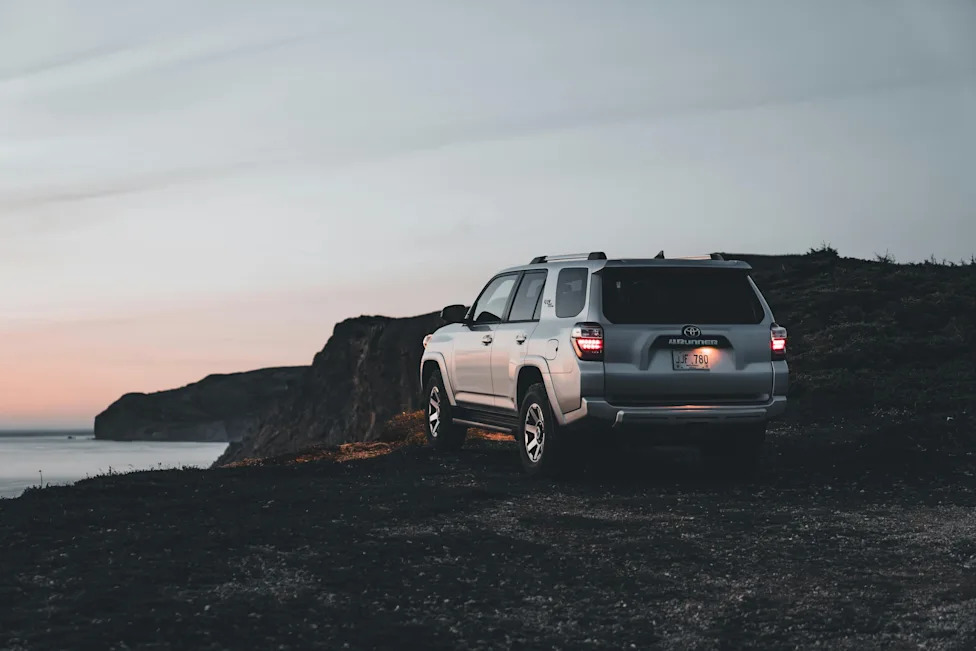



















When Toyota finally pulled the cover off the 2025 4Runner, the reaction in the American off-road community was split. Most people were happy. A loud minority was disappointed. The disappointed crowd had been hoping for something more uncompromising. Solid front axle. Diesel. Less screen, less hybrid, more truck. What they got instead was a thoroughly modern SUV with a turbocharged hybrid drivetrain and an IFS front end. The reason that disappointment matters is that Toyota absolutely can build the truck those people were asking for. They have been building it for forty years. They just don't sell it in the United States. It is called the LandCruiser 70 Series, and a side-by-side with the new 4Runner is the cleanest way to see exactly what got engineered out of the American version, and why.The truck Toyota actually still buildsThe 70 Series is sold in every continent except North America. It comes in three body styles: the 76 wagon, the 78 Troop Carrier and the 79 ute. It runs on the same basic architecture Toyota launched in 1984. Body-on-frame. Live front axle. Live rear axle. Diesel engine. Factory-locking differentials. Vinyl floor and an interior you can hose out. It is the daily driver for mining crews in Western Australia, cattle stations across the Outback, and remote operations everywhere from Africa to South America. It is not a museum piece. Toyota updated the 70 Series significantly in 2024. The new 2.8-litre 1GD-FTV turbo diesel runs alongside the long-serving 4.5-litre V8 turbo diesel, and Toyota added a six-speed automatic for the first time in the platform's history. It is current, certified, and selling. Just not here.What the 2025 4Runner gave upThe 4Runner is genuinely impressive in its own right. The TRD Pro pulls 326 horsepower out of the i-FORCE MAX hybrid, has 9.1 inches of ground clearance, an electronic locking rear diff, FOX shocks, Crawl Control and Multi-Terrain Select. As a midsize off-roader you can buy at a US dealer and daily-drive in comfort, it is one of the best things on sale. There is nothing wrong with it on its own terms. The frustration starts when you put it next to its hardcore sibling. The 4Runner kept the solid rear axle, which is a win. But the front went to independent suspension. The 70 Series kept solid axles on both ends, which articulates further on uneven terrain, holds up better under sustained heavy use, and is dramatically easier to lift and modify. The IFS choice on the 4Runner was about ride quality, packaging and crash standards, all of which matter for an American family SUV. But it is the single biggest engineering compromise relative to what Toyota's other off-roader still does. The engine choice is the second compromise. The 4Runner's turbo-four hybrid will win a 0-to-60 race against any 70 Series. It will lose every other meaningful contest. Fuel range on a tank of diesel, sustained towing under heavy load on a hot day, the ability to run continuously at 80 percent throttle for hours without getting hot, and the simplicity of being able to fix a fuel system with hand tools by the side of a track in the middle of nowhere. The 70 Series exists for those questions. The 4Runner exists for traffic, school runs and a Friday trip to the trailhead.Where the 70 Series proves itselfThe reason the 70 Series engineering choices look the way they do is the work the platform actually does. Cape York. The Simpson Desert. The Gibb River Road. The Canning Stock Route. These are the trails the 70 Series has been earning its reputation on for forty years. Distances are huge, fuel stops are days apart, the terrain is mixed corrugated dirt and sand and rock and water crossings, and a breakdown is a serious event. That kind of country rewards a particular set of choices. Live axles that flex. Diesel engines that run forever at moderate load. Manual gearboxes (or now, finally, an honest automatic) you can trust. Aftermarket support deep enough to let any owner build the truck around the trip they want to take, rather than choosing the trip the truck allows. Specialist outfitters like 70 Series Storeexist purely because the platform supports an aftermarket worth specialising in. Long-range tanks, drawer systems, dual battery setups, suspension upgrades, recovery gear, bull bars and snorkels are all standard upgrades, and the depth of single-model focus in the Australian market is something the US off-road scene has nothing equivalent to.What the comparison actually showsThe 4Runner is the answer to the question "what does the American off-roader want from Toyota in 2025?" It is well-engineered, refined, and obviously aimed at a buyer who wants serious capability but also a comfortable commute. The 70 Series is the answer to a different question: "what does the person who lives, works and travels a long way from anywhere need to keep working for the next twenty years?" Both answers are correct for their audiences. But the side-by-side is useful because it shows exactly how much got compromised, and where, to make the 4Runner palatable for the American market. Toyota didn't fail to build the hardcore off-roader some American enthusiasts wanted. They built it. They have been building it the whole time. They have just decided, for reasons that come down to emissions certification, the chicken tax, and a calculation about what the average US buyer will actually pay for, that you cannot have one. The 25-year rule is slowly changing that. Older 70 Series LandCruisers are starting to arrive in the US through legal grey-market channels, and the community of American owners is small but growing. For now, that is the only practical way to find out what the 4Runner left on the table.