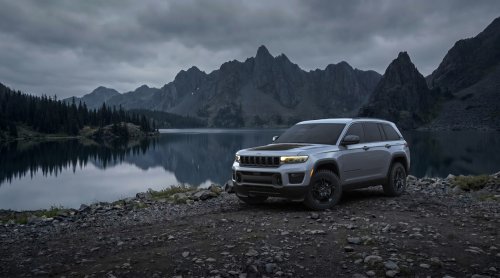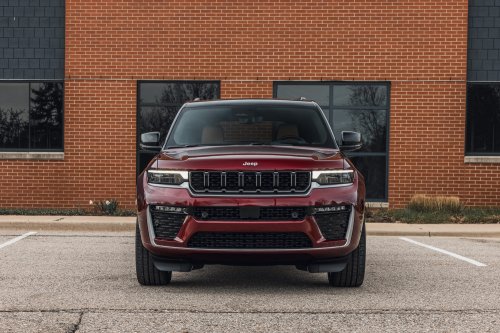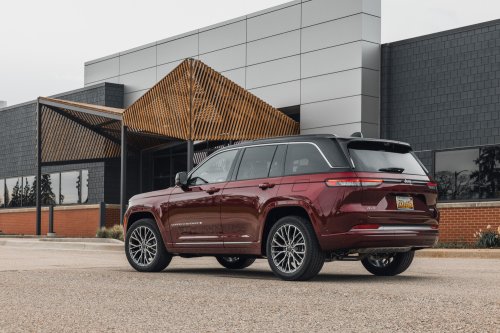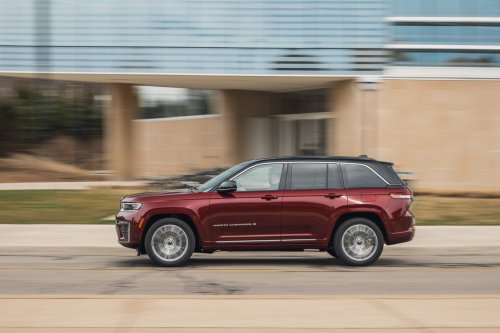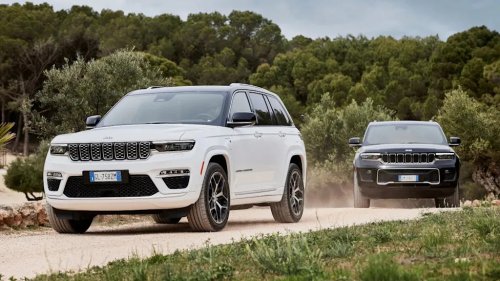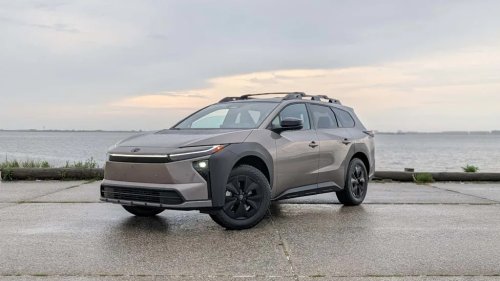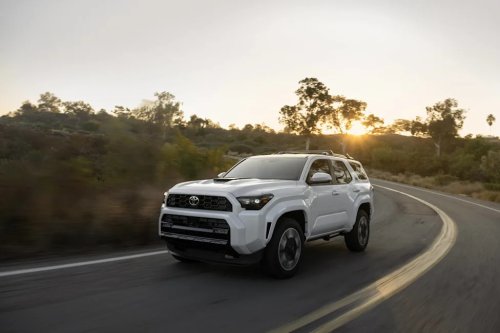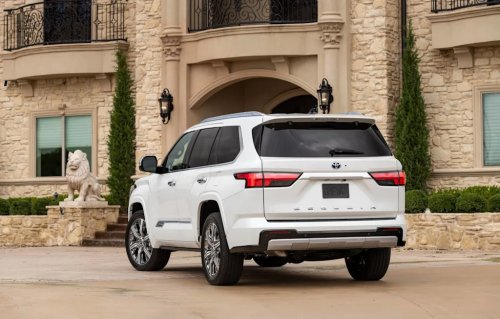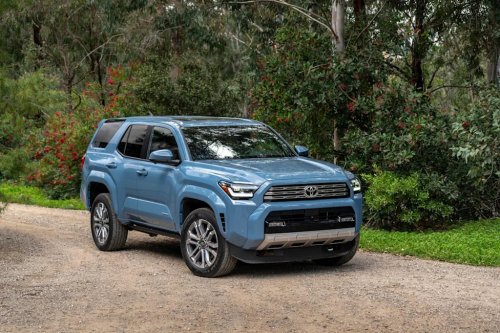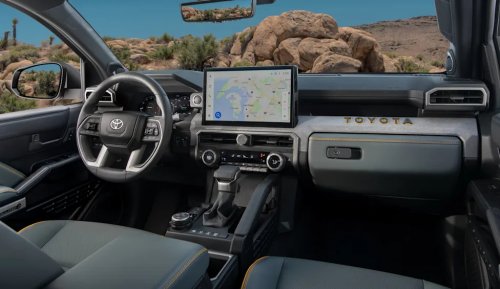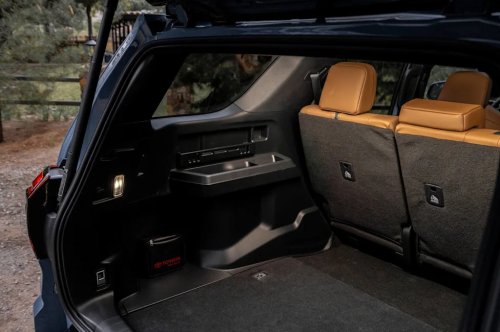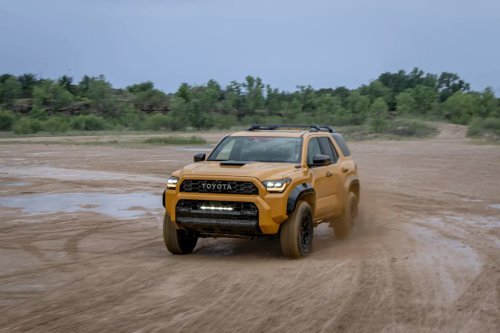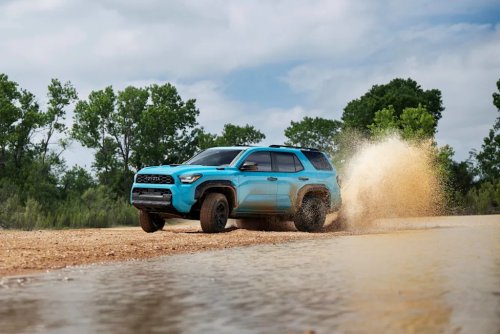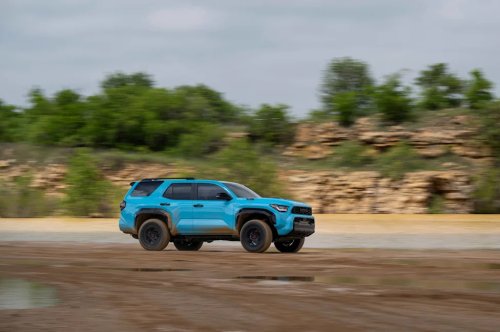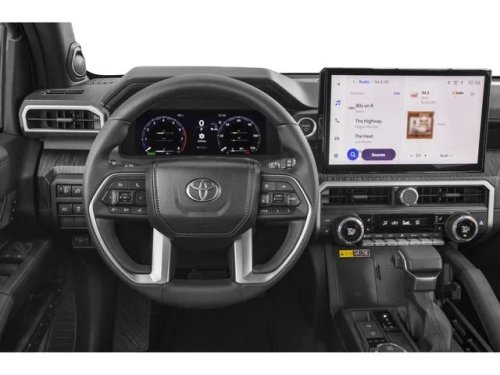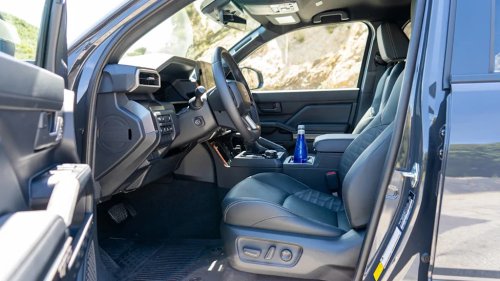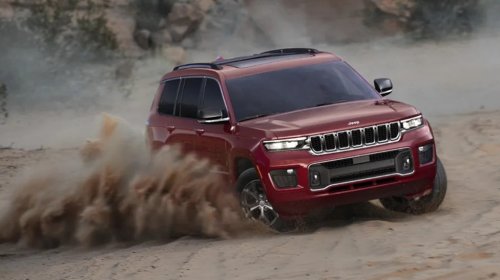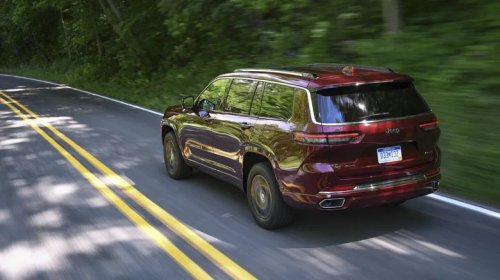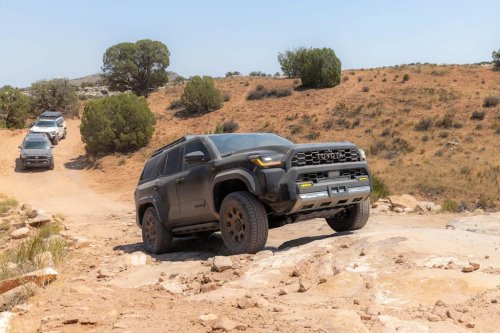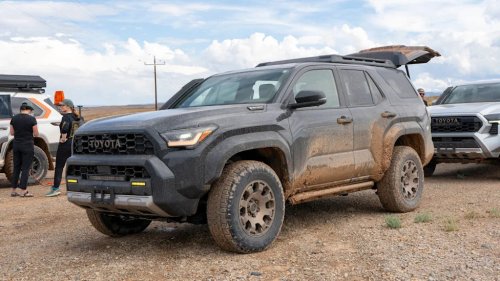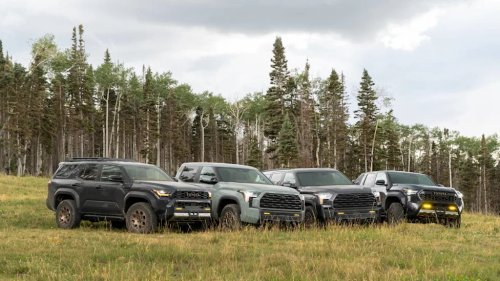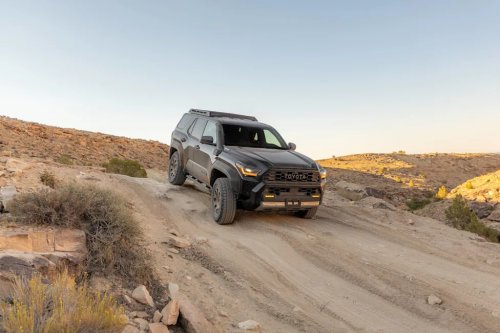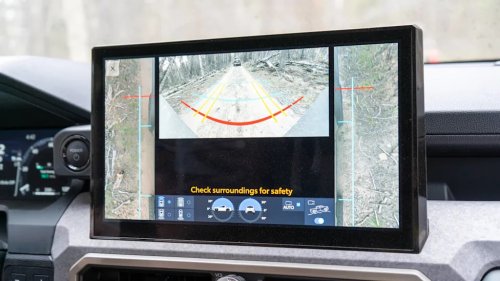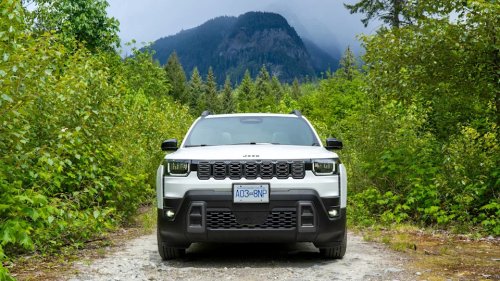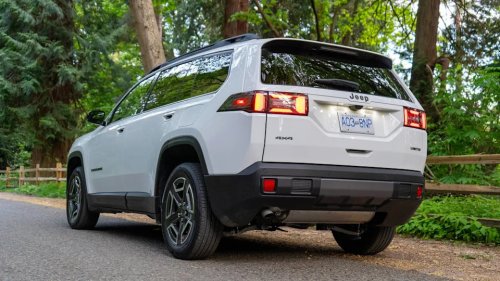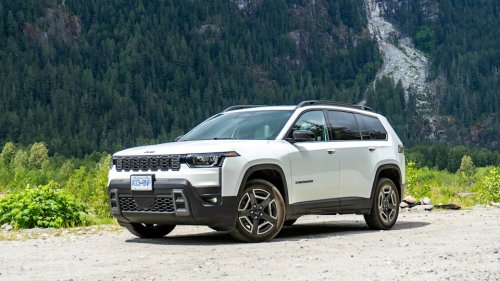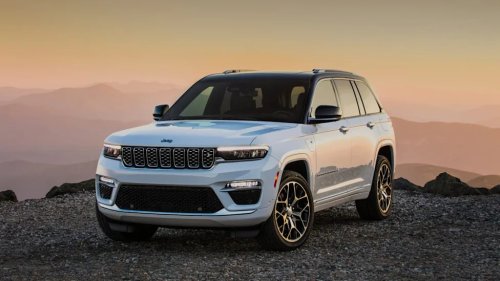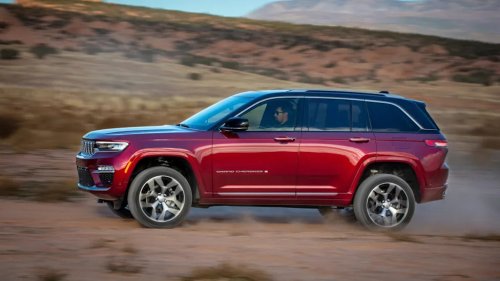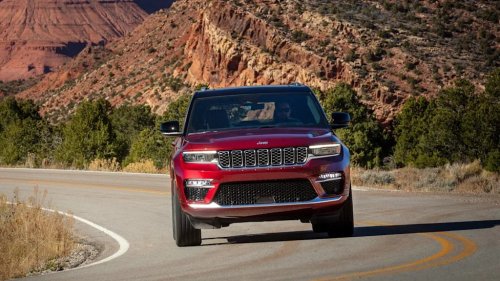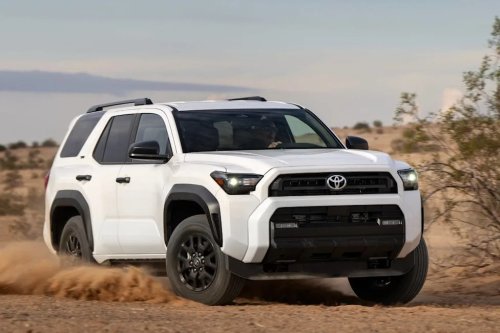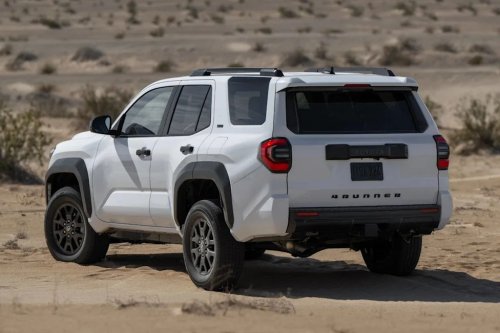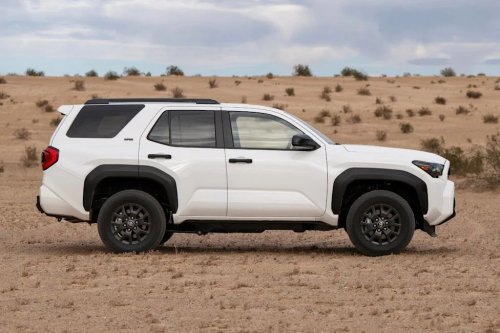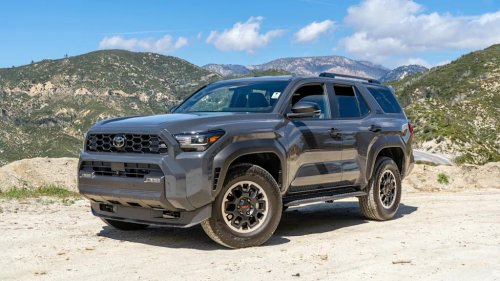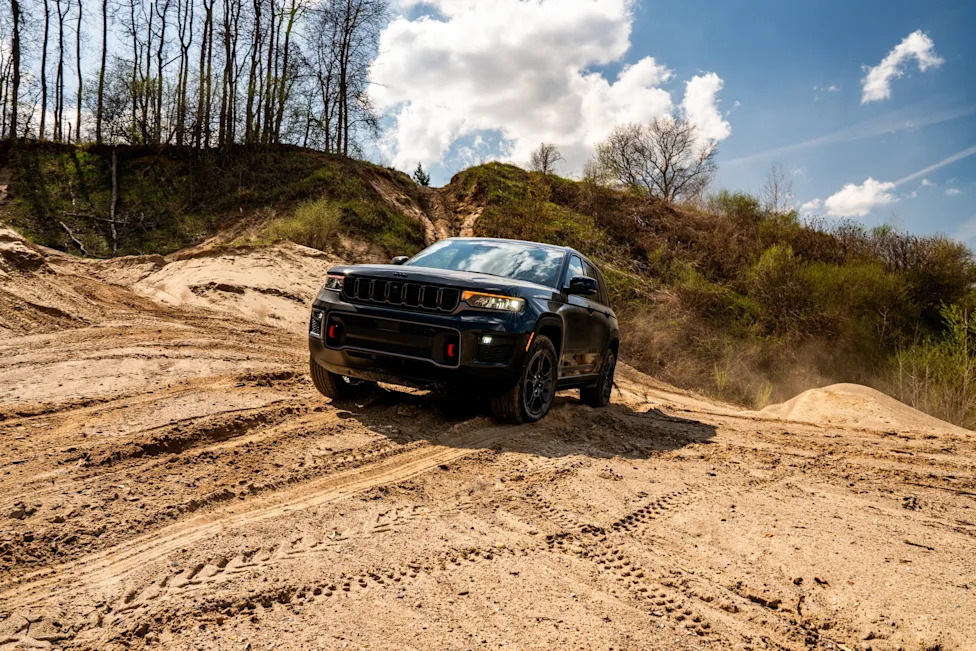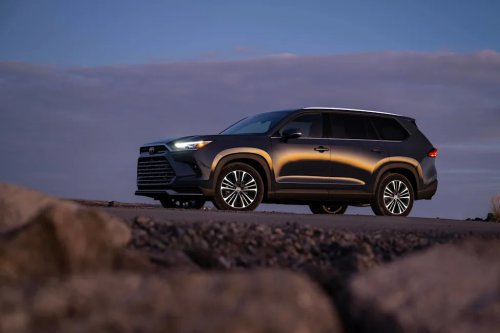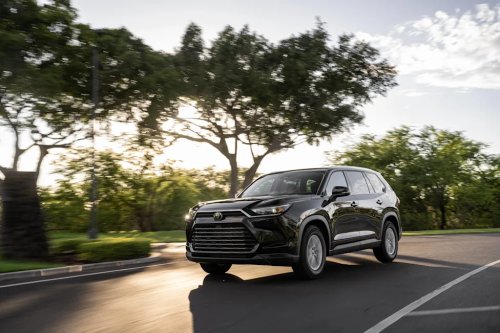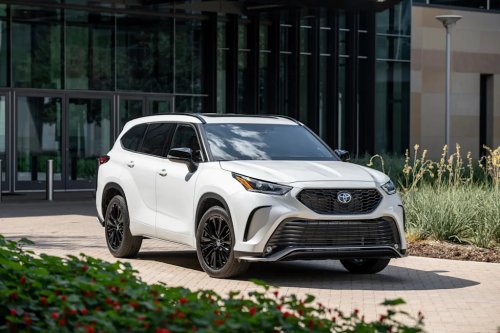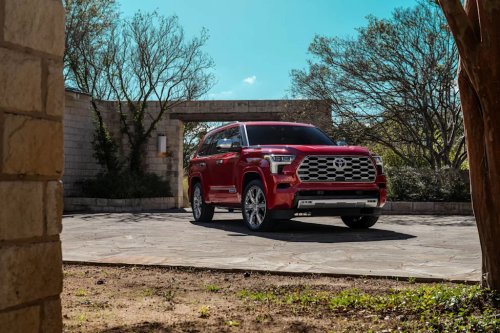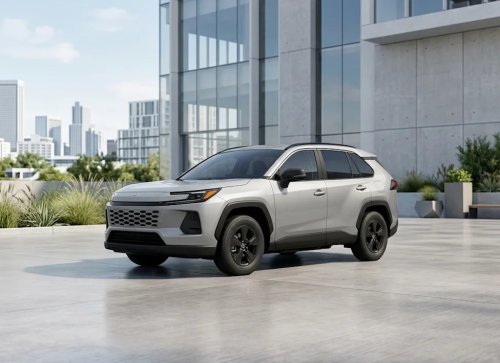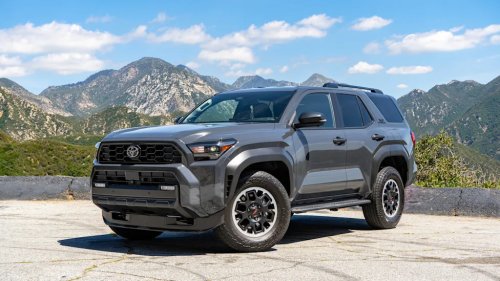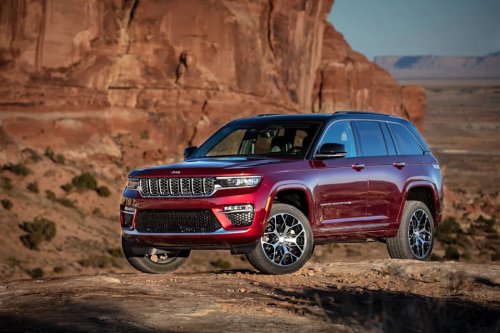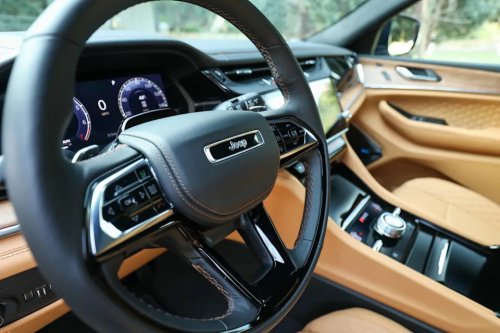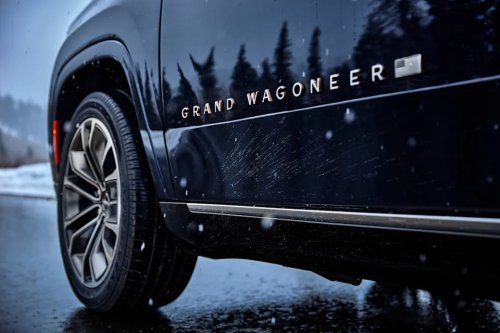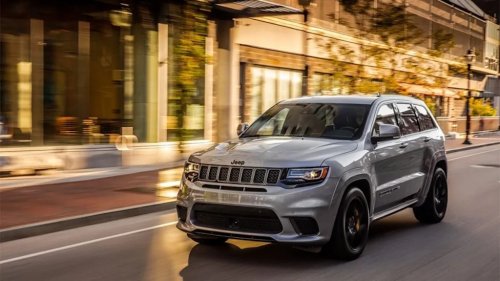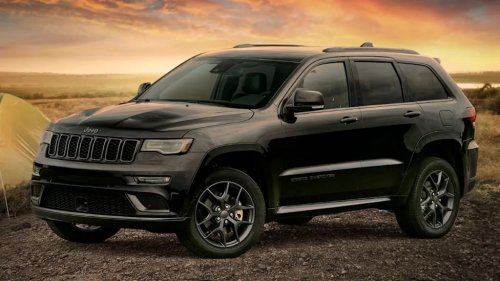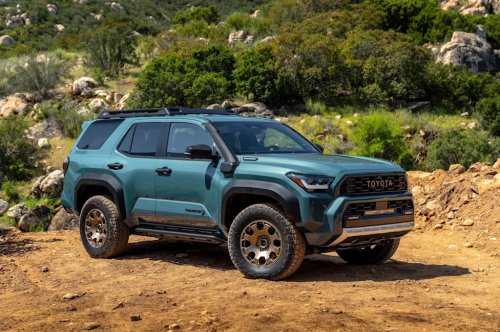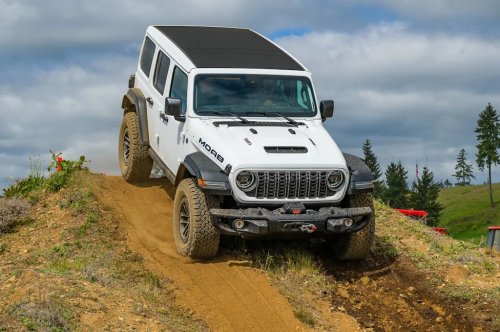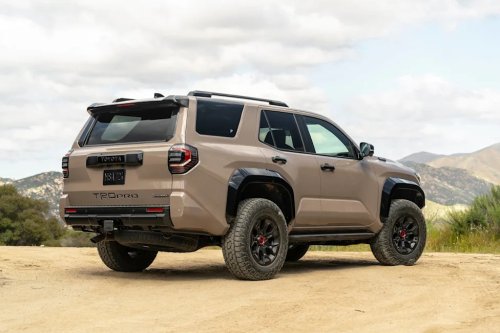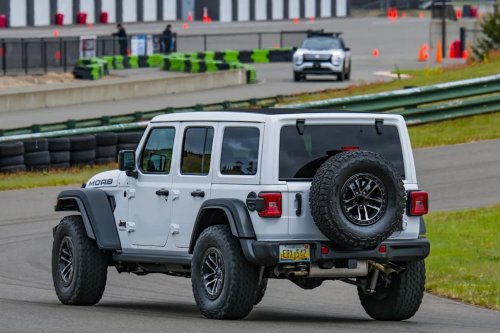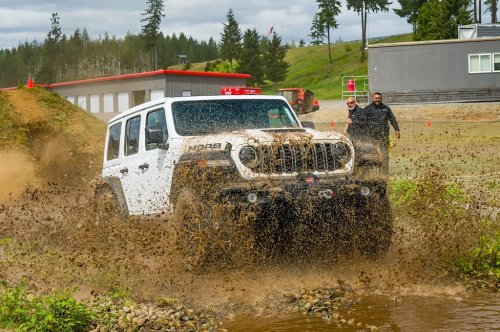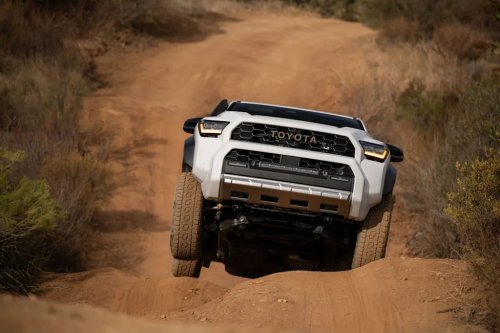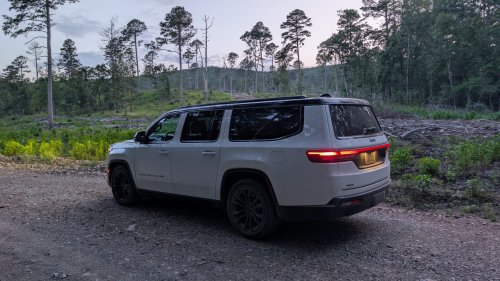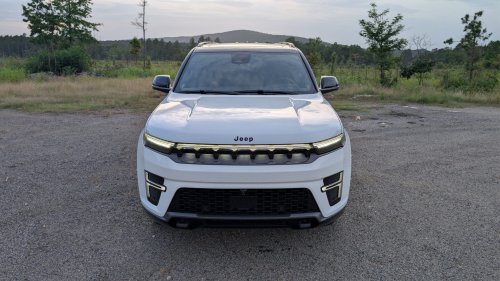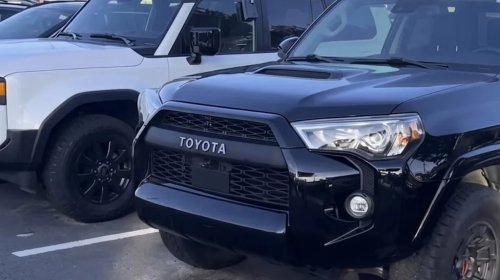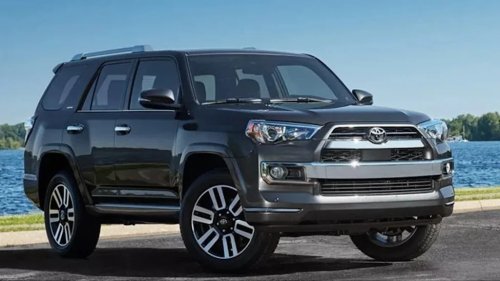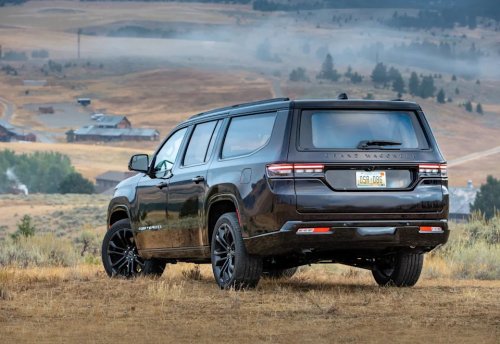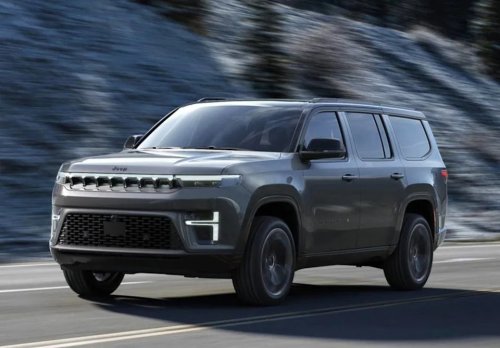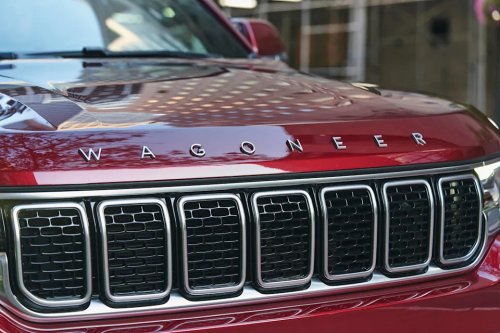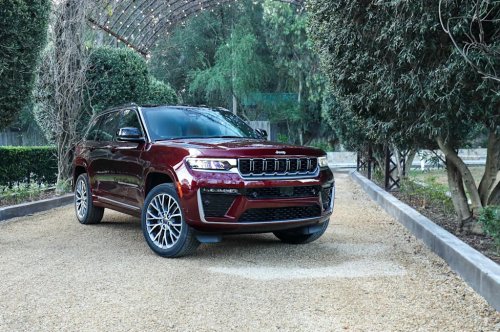
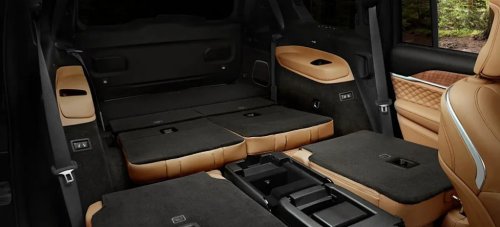
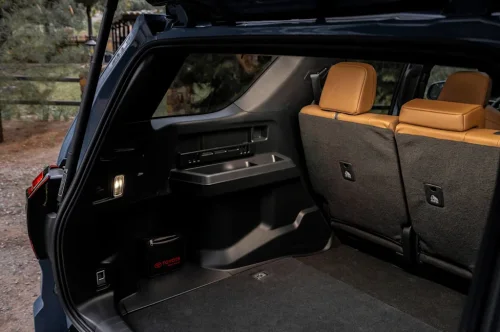
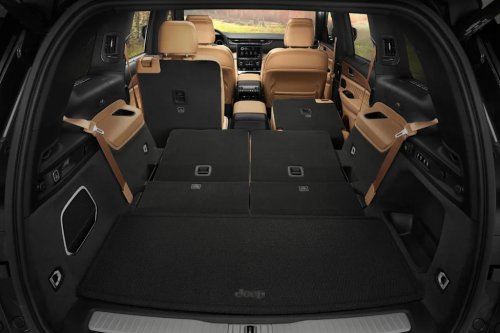
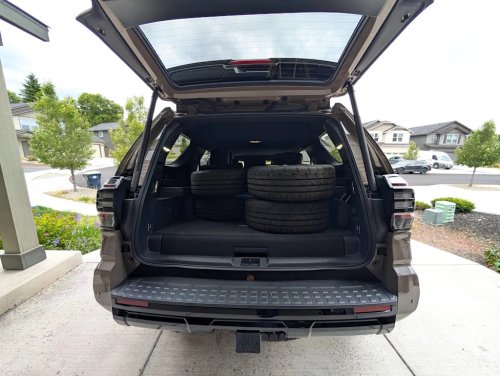
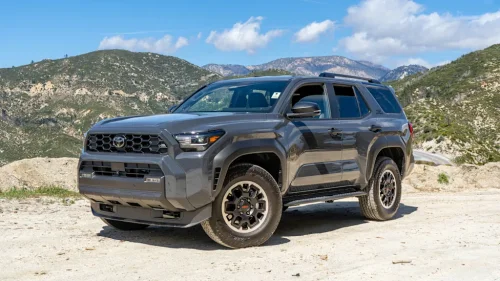



















Autoblog and Yahoo may earn commission from links in this article.Two very different design briefs meet at the tailgate here. Jeep built the Grand Cherokee as a refined unibody cruiser, while Toyota built the 4Runner as a body-on-frame trail machine, and that split decides the cargo contest. At its core, the Grand Cherokee versus 4Runner question is a clash of philosophies. Jeep's two-row, five-seat SUV is tuned for comfort and on-road refinement, while the redesigned Toyota keeps its boxy, truck-based shape built for the trail. That upright body is exactly what gives the 4Runner more usable cargo volume, so in raw hauling room, it starts with an advantage.2026 Jeep Grand Cherokee SummitJeepCargo space at a glanceHere is how the two midsize SUVs compare on cargo, where body shape tells the story.Cargo measureJeep Grand CherokeeToyota 4RunnerBehind the rear seats37.7 cu ftAbout 48 cu ftMaximum cargo70.8 cu ftAbout 90 cu ftSeating capacity5Up to 7Cargo noteTwo-row layoutGas models; hybrid loses some roomBehind the rear seatsWith the rear seats up, the 4Runner's tall, square cargo area pays off. Its more vertical rear opening and taller roof let it stack more volume behind the second row than the Grand Cherokee's sleeker, more tapered shape allows. The Jeep offers 37.7 cubic feet behind its seats, a respectable figure for a two-row midsize SUV, but the boxier Toyota packages more usable space in the same area.2026 Jeep Grand CherokeeJeepThat said, the Grand Cherokee's space is easy to access and nicely finished, and it handles everyday duty without complaint. The 4Runner simply has the shape that maximizes cargo, which is the whole point of this comparison.2026 Toyota 4RunnerToyotaWith the seats foldedFold the seats and the 4Runner extends its lead. It tops out around 90 cubic feet of maximum cargo volume, well clear of the Grand Cherokee's 70.8. That roughly 20-cubic-foot gap is the difference between fitting a big camping or moving load in one go and having to make choices. The Toyota's flat load floor and squared-off walls also make it easier to slide in bulky, awkward items.2026 Jeep Grand Cherokee SummitStellantisAdvertisementAdvertisementThe Grand Cherokee's 70.8 cubic feet of cargo space is perfectly usable for weekend trips and big-box runs, and its lower load floor makes it easier to lift heavy items into it. But on sheer volume with everything folded, the bigger, boxier 4Runner is the clear winner.2026 Toyota 4Runner TRD ProKristen BrownBeyond the numbersThere are important caveats. The 4Runner's cargo advantage applies to its gas models; the i-FORCE MAX hybrid raises the cargo floor to accommodate its battery, which trims space and narrows the gap considerably. Buyers eyeing the hybrid should check the specific figures for that configuration. The 4Runner also offers an optional third row on some trims, which cuts into cargo room when fitted.2026 Toyota 4Runner TRD Off-RoadThe Grand Cherokee counters with a more refined, upscale cabin, a smoother on-road ride, and a quieter interior, and shoppers who need three rows can step up to the longer Grand Cherokee L. For buyers balancing comfort with capability, the Jeep is the more livable daily SUV, even if it carries less.So which one has more cargo space?The Toyota 4Runner has more cargo space. Its truck-based, boxy body gives it more room behind the seats and a maximum of roughly 90 cubic feet against the two-row Grand Cherokee's 70.8, so for outright hauling, it's the bigger box. The Jeep Grand Cherokee remains the more refined and comfortable choice, and its cargo hold is far from small, but it trails the Toyota on volume. The one asterisk is the hybrid 4Runner, whose battery eats into that advantage, so gas models are where the Toyota's cargo win is most decisive.AdvertisementAdvertisementThis story was originally published by Autoblog on Jul 22, 2026, where it first appeared in the Car Buying section. Add Autoblog as a Preferred Source by clicking here.