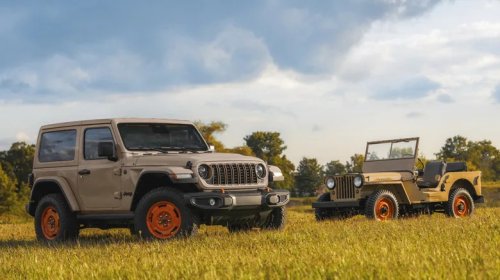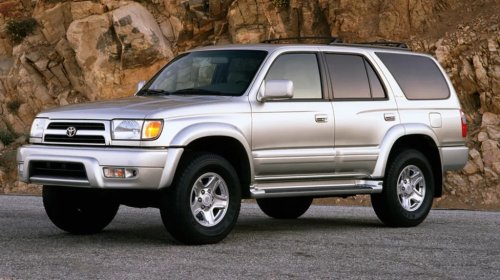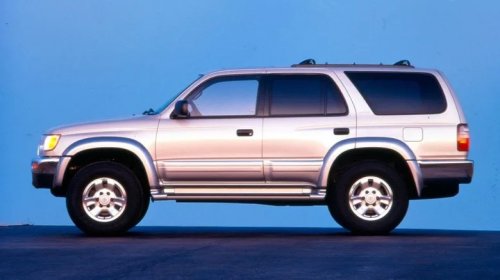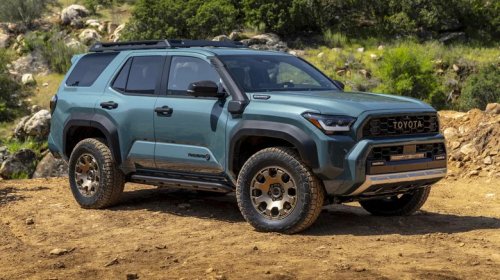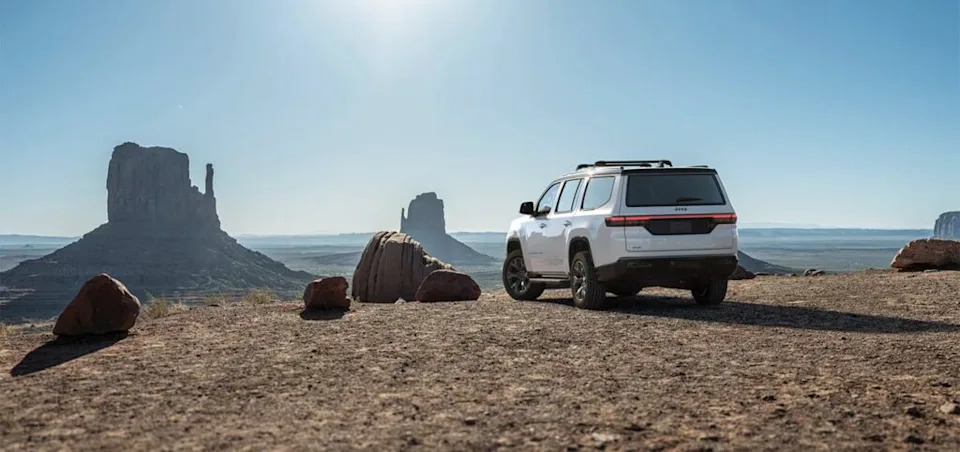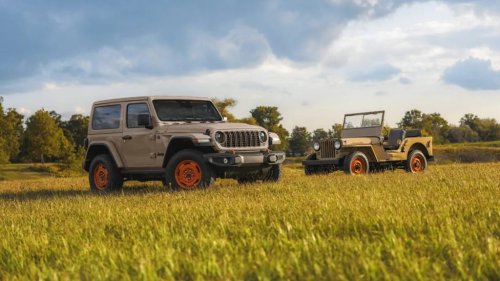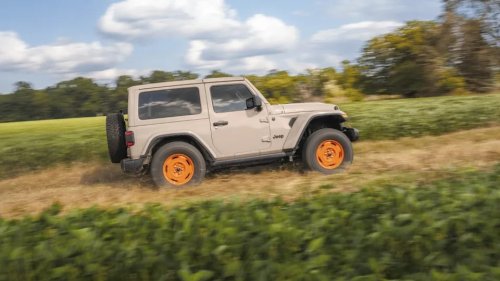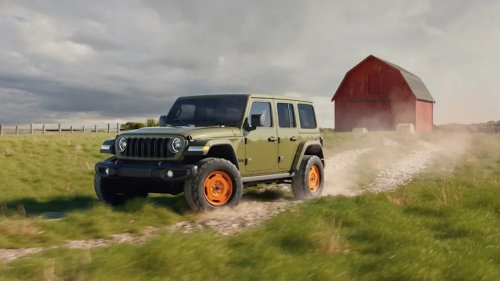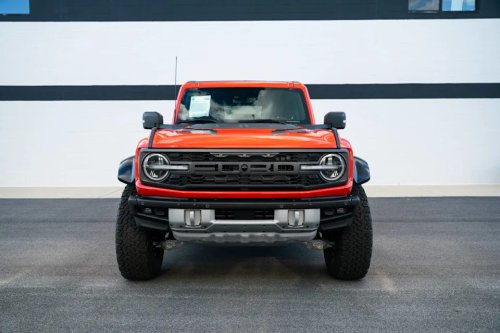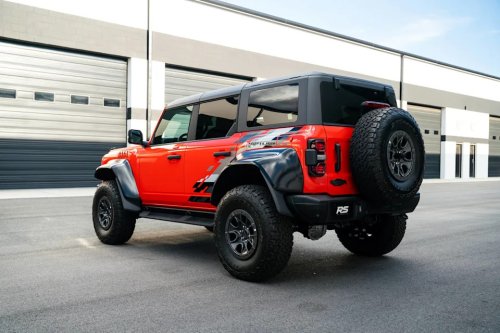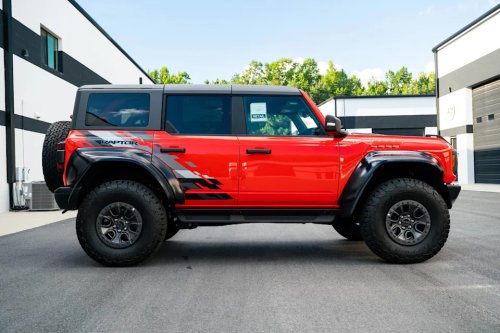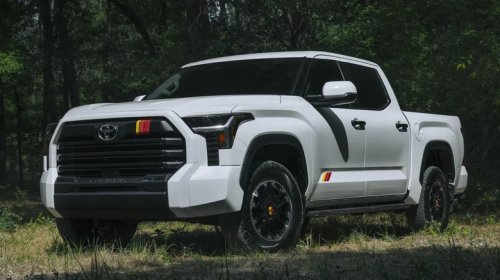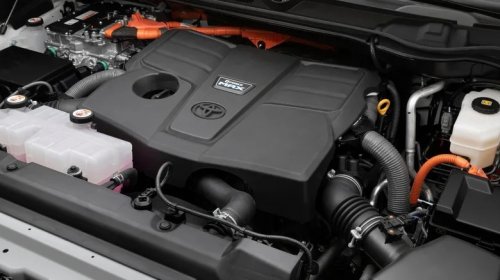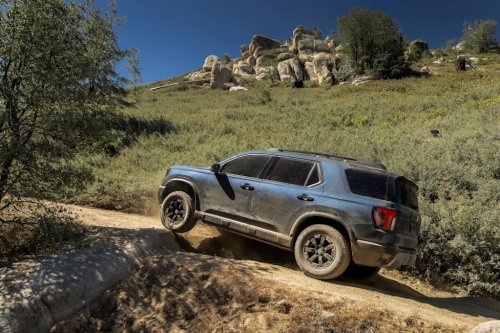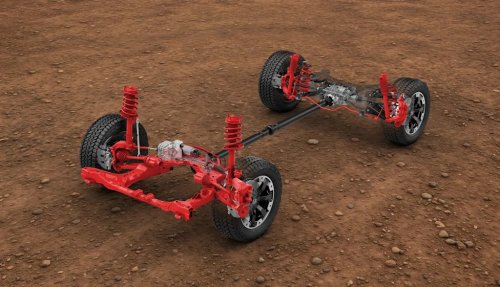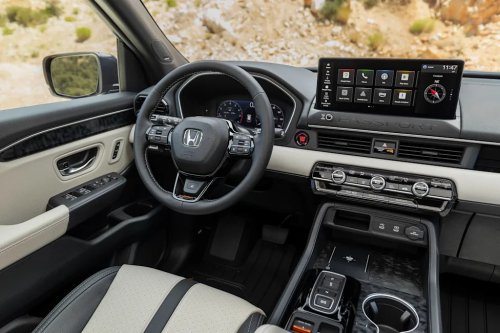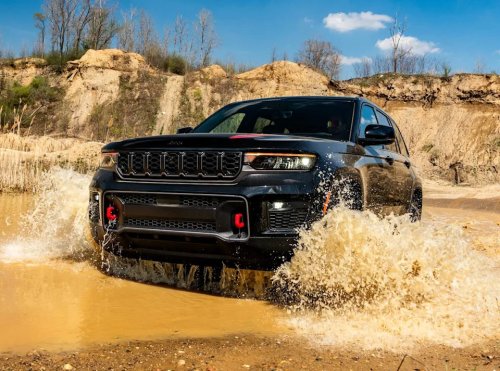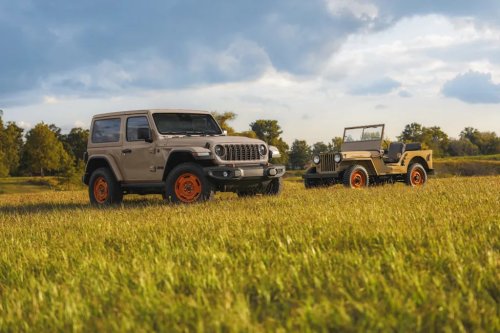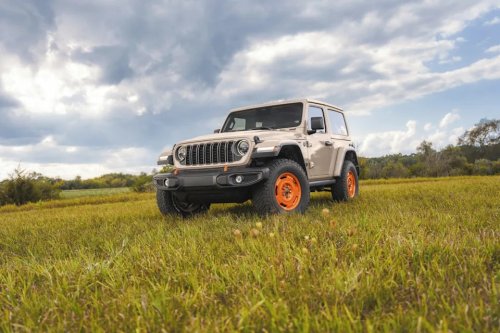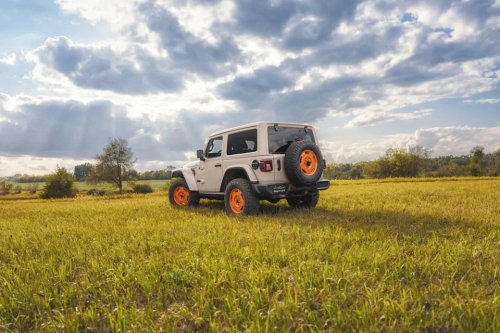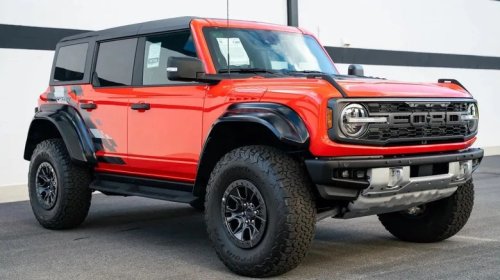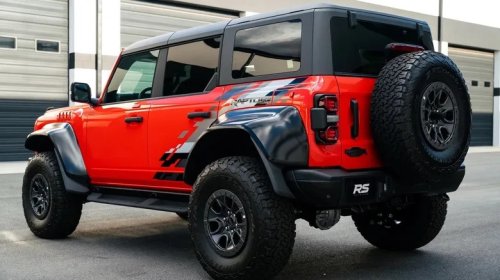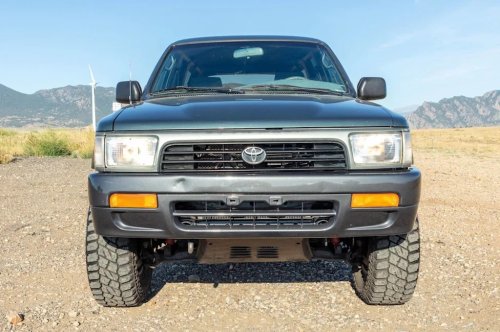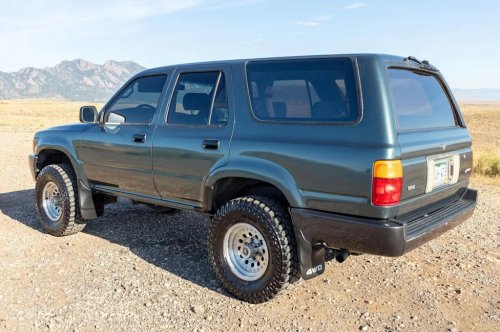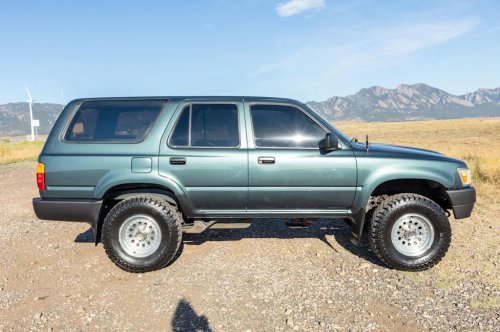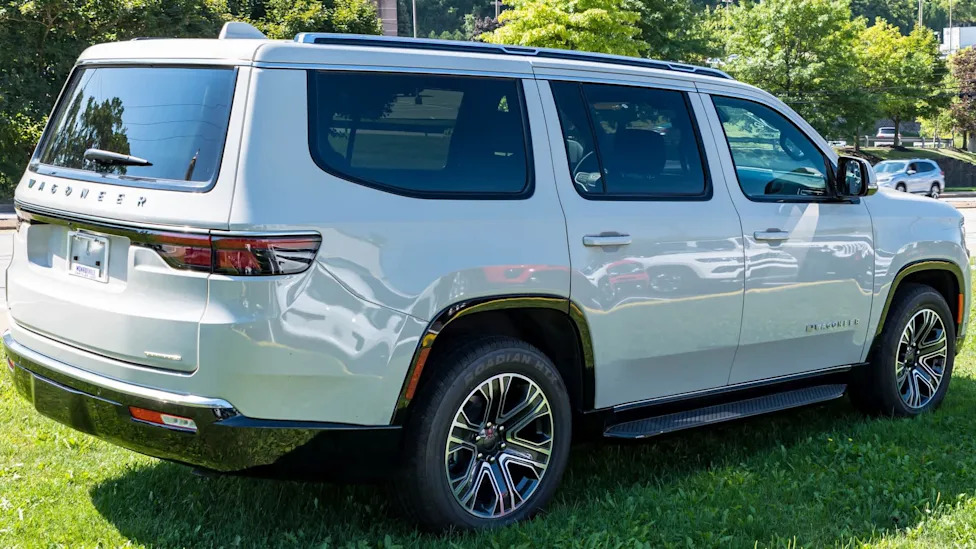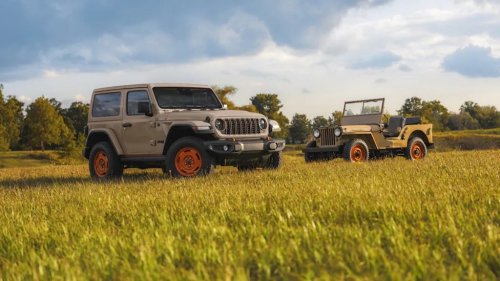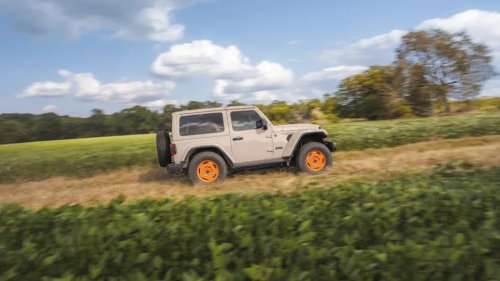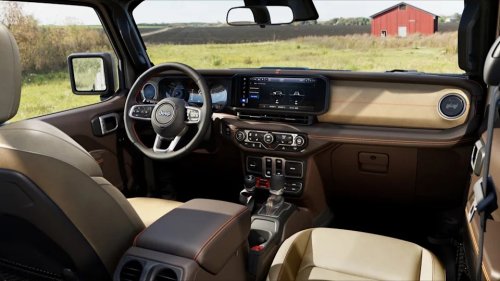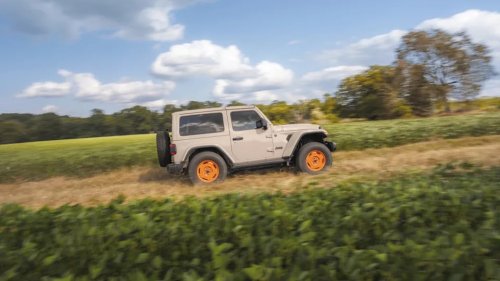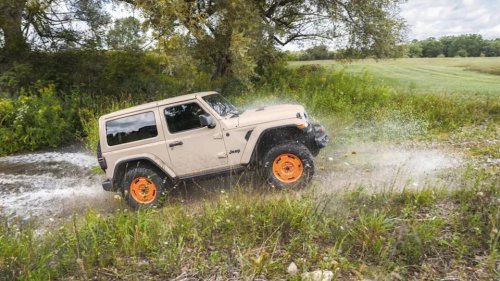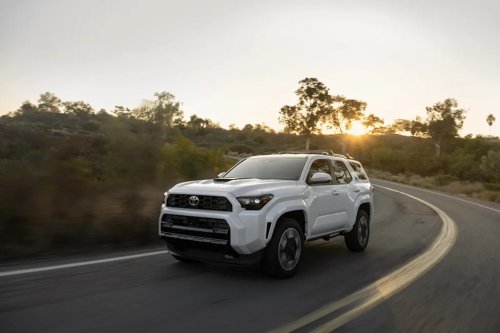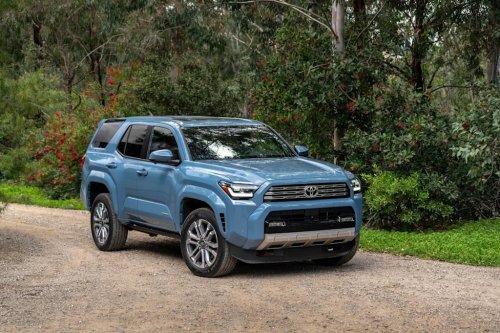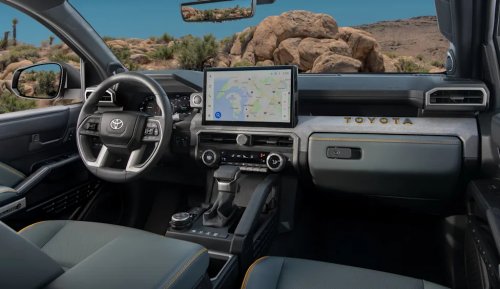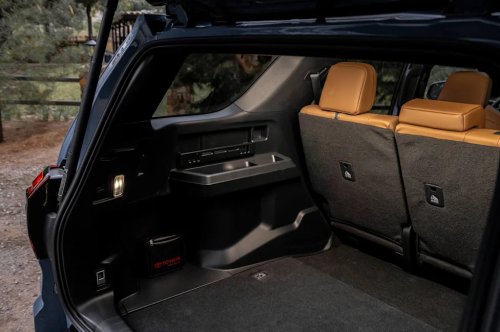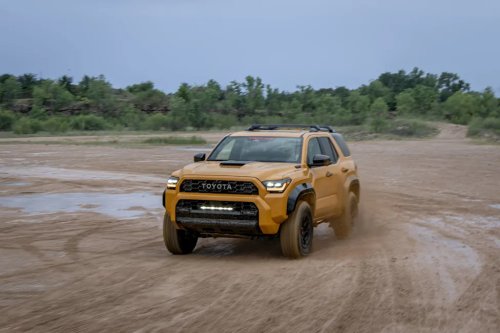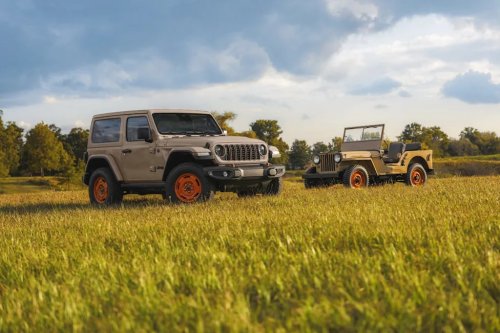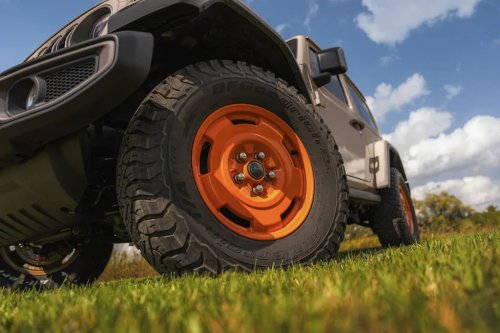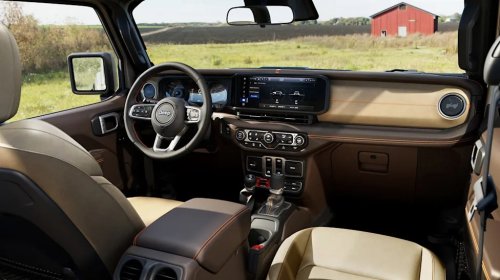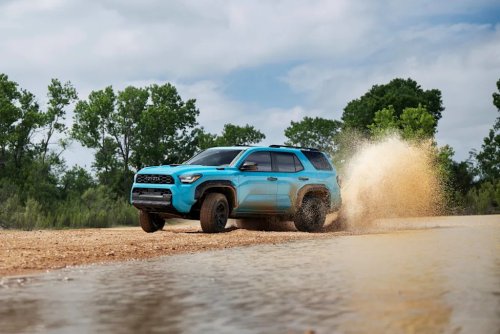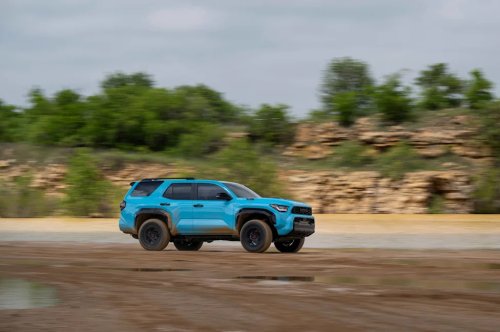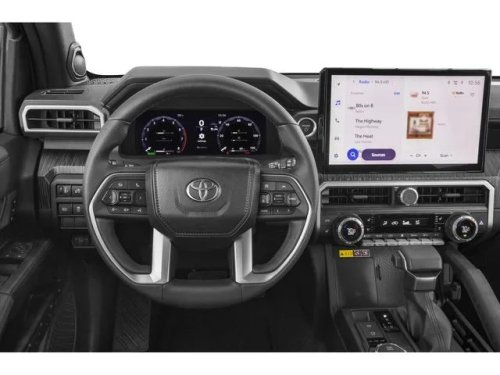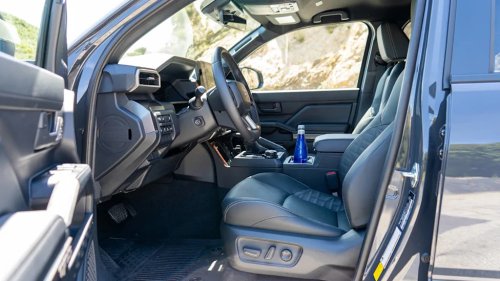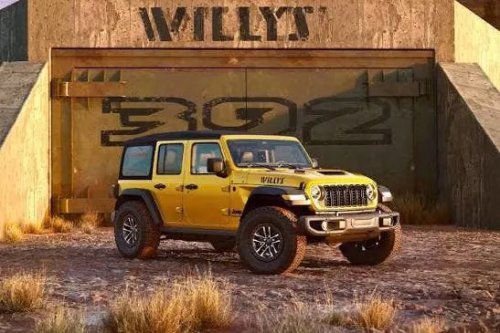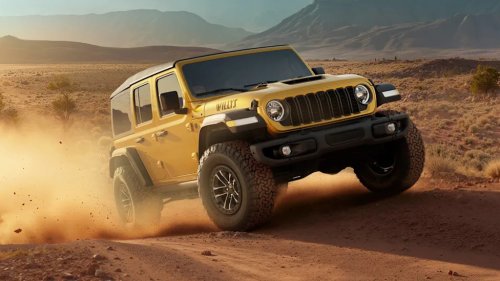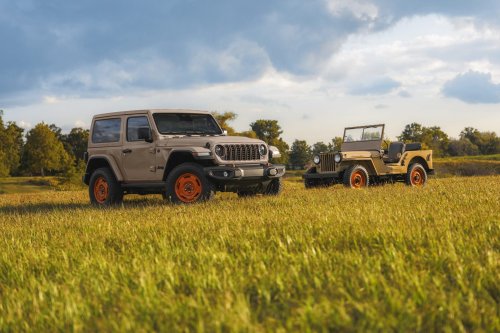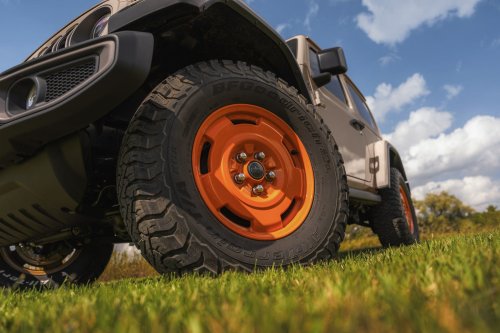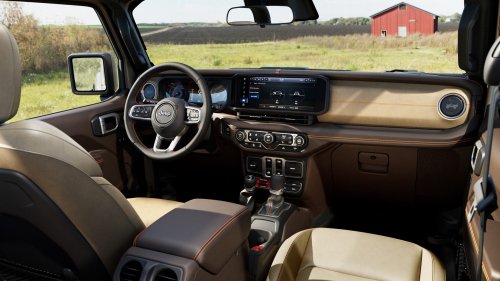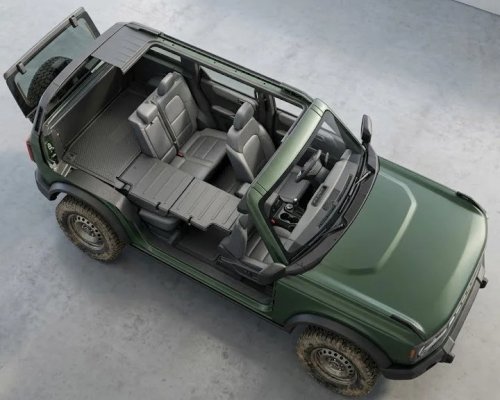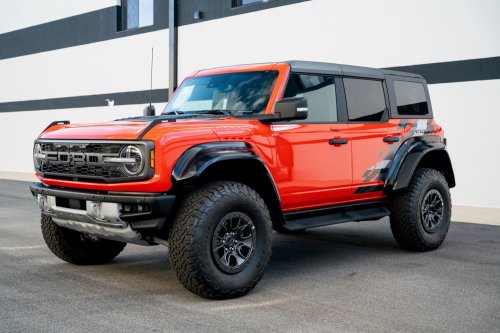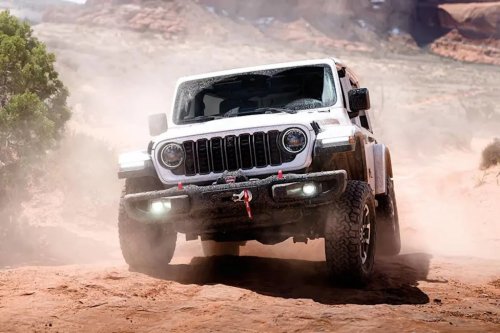
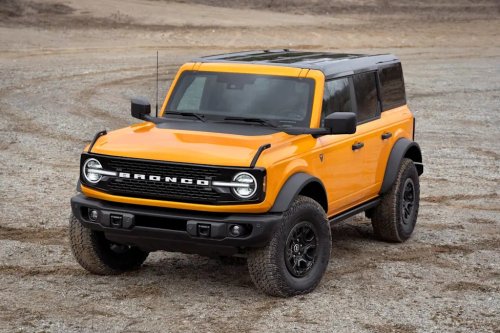
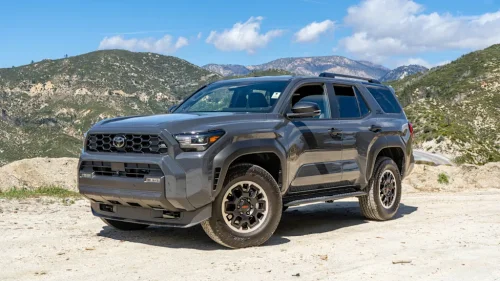
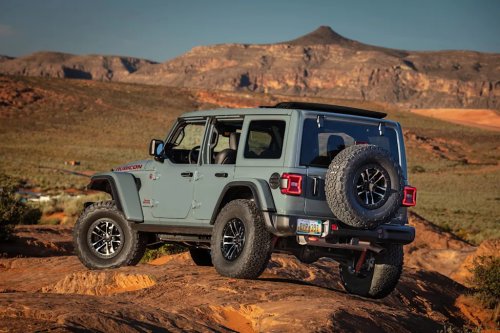
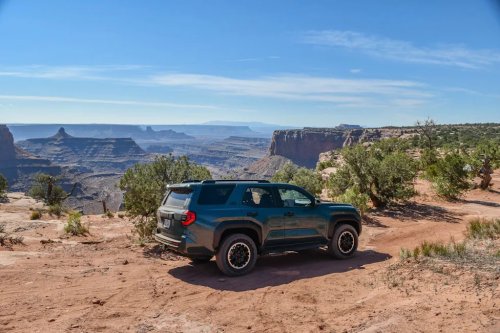
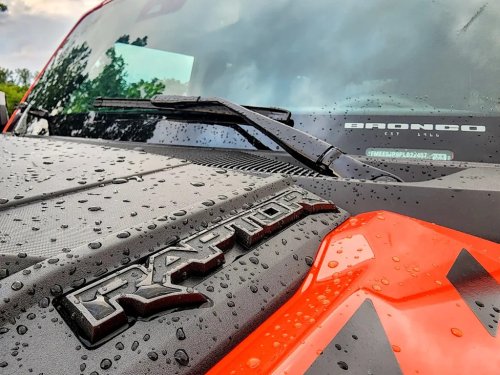
















Autoblog and Yahoo may earn commission from links in this article.The Jeep Wrangler, Ford Bronco, and Toyota 4Runner are the default choices for buyers who want a vehicle that takes the trail seriously, and all three back up their rugged looks with real capability. Separating them on ruggedness means looking past styling to the hardware that actually determines off-road performance: axle design, locking differentials, ground clearance, approach and departure angles, articulation, and underbody protection. Measured on those, the Wrangler comes out on top as the most off-road-ready, the Bronco follows closely with a friendlier on-road character, and the 4Runner places third as the durable long-distance choice rather than the sharpest crawler.2026 Jeep WranglerJeepAxles, lockers, and articulationThe single biggest reason the Wrangler leads is its suspension and axle design. In Rubicon form it runs dual solid Dana 44 axles with electronically locking differentials front and rear, plus a remote disconnect for the front sway bar that frees up enormous wheel travel. That combination gives the Wrangler the best articulation of the three, letting it keep tires planted on terrain that lifts a wheel on its rivals. In direct testing, the Jeep climbed noticeably farther up a stepped rock obstacle than either the Bronco or the 4Runner, a direct result of that flexibility.2026 Ford Bronco WildtrakFordThe Bronco closes much of the gap with available front and rear locking differentials and a disconnecting front sway bar of its own, but it uses an independent front suspension rather than a solid front axle. That independent setup costs it some ultimate articulation compared with the Wrangler, though it remains highly capable and showed strong flex in testing, beating the 4Runner. The 4Runner, in TRD Pro form, offers a locking rear differential and respectable travel, but it lacks a front locker and a front sway-bar disconnect, which places it behind both rivals on the measures that matter most for technical crawling.2026 Toyota 4Runner TRD Off-Road PremiumGround clearance and anglesOn clearance, the Bronco and Wrangler are closely matched and both ahead of the 4Runner. A Bronco on the Sasquatch package and a Wrangler Rubicon both clear roughly 11 or more inches of ground, and both can be equipped with 35-inch tires from the factory, the Bronco through Sasquatch and the Wrangler through the Xtreme Recon package, which lifts clearance to about 11.1 inches and improves its approach angle to a class-leading 46.7 degrees. Those figures let either SUV step over obstacles that would catch a less capable vehicle.2026 Jeep® Wrangler RubiconStellantisAdvertisementAdvertisementThe 4Runner trails here. In TRD Pro form, it offers about 9.6 inches of ground clearance, a 33-degree approach angle, and a 26-degree departure angle, all respectable numbers but a clear step below the other two. It rides on 32-inch tires, where its rivals wear 33s or 35s. The 4Runner makes up some ground with crawl control and good low-end torque, but on the raw geometry that determines how large an obstacle each can clear, it sits third behind the closely matched Bronco and Wrangler.2026 Toyota 4Runner TRD Off-Road PremiumKristen BrownUnderbody protection and powertrainProtection underneath follows the same pattern. The Wrangler and Bronco both use large skid plates that shield a lot of the undercarriage, keeping vulnerable components covered through rough terrain. The 4Runner relies more on smaller steel or composite pieces wrapped around individual parts rather than the broad plates of its rivals, so owners wanting comparable coverage often turn to the aftermarket, though the newer Trailhunter trim addresses this with beefier standard plates.Powertrain is where the older 4Runner shows its age most. In its long-running form, it used a 4.0-liter V6 making 270 hp paired with a five-speed automatic whose design dates back nearly two decades, capable but dated next to the Wrangler's range of modern engines and the Bronco's turbocharged V6. The newest 4Runner generation modernizes this with a turbocharged four-cylinder and a hybrid option, closing much of the gap. Both the Wrangler and Bronco also share the trail-friendly party trick of removable doors and roof, which neither the 4Runner nor most rivals offer, reinforcing their identities as purpose-built open-air off-roaders.So which one is the most rugged and off-road ready?The Jeep Wrangler. Its dual solid axles, standard front and rear locking differentials in Rubicon form, disconnecting front sway bar, and best-in-class articulation make it the most capable pure rock-crawler of the three, and its deep factory off-road hardware is backed by the largest aftermarket support of any vehicle in the class. For a buyer whose priority is maximum technical off-road capability, the Wrangler is the answer, and its advantage in articulation is real rather than marginal. The gap between the Wrangler and Bronco is genuinely narrow. The Bronco is the better choice for buyers who want near-Wrangler off-road ability with better on-road manners, while the 4Runner trades some raw capability for long-term durability, overlanding range, and everyday comfort. All three are seriously rugged, but the Wrangler remains the most off-road-ready of the group.AdvertisementAdvertisementThis story was originally published by Autoblog on Jul 5, 2026, where it first appeared in the Car Buying section. Add Autoblog as a Preferred Source by clicking here.