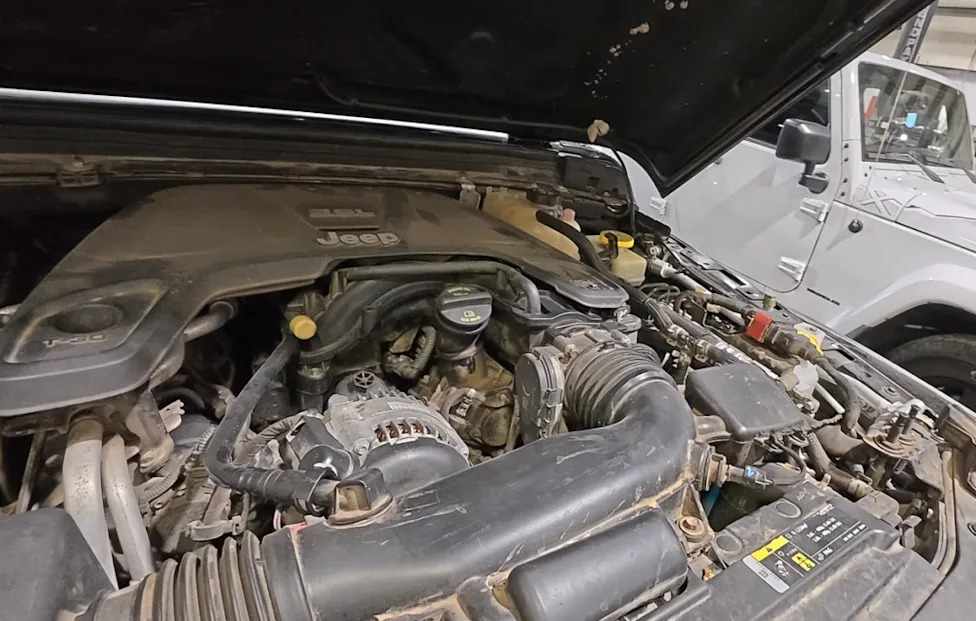
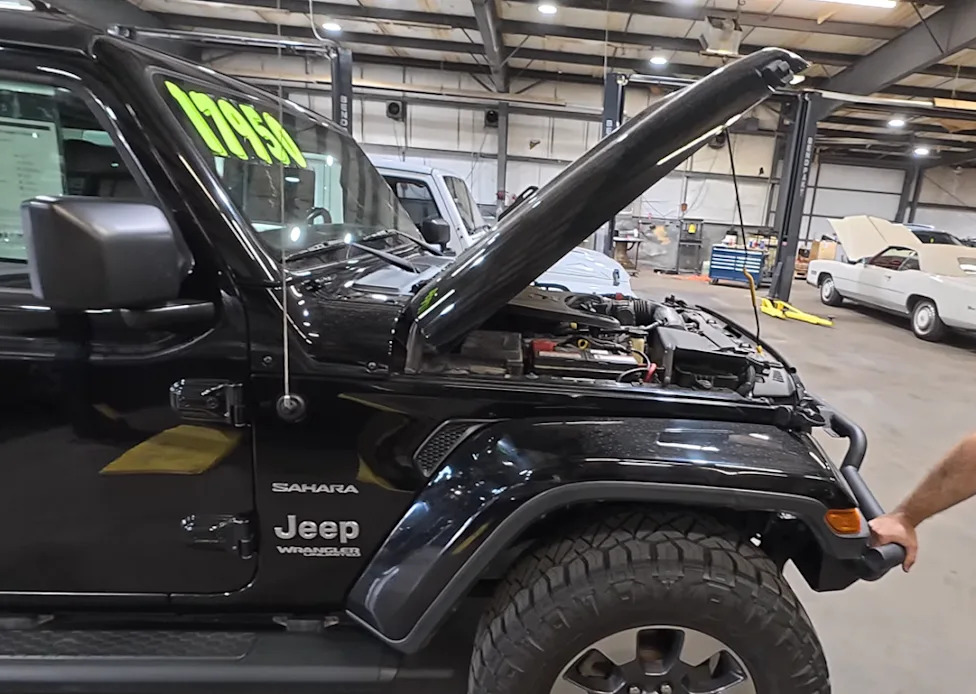
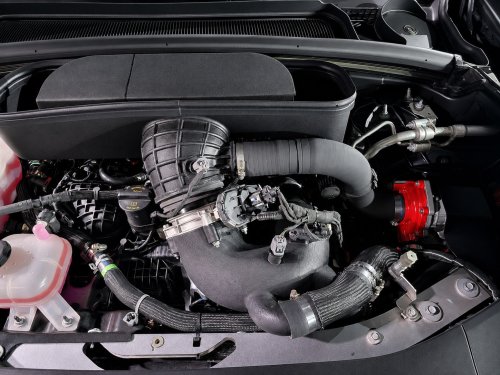
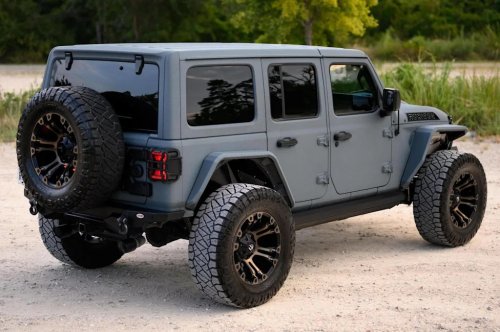
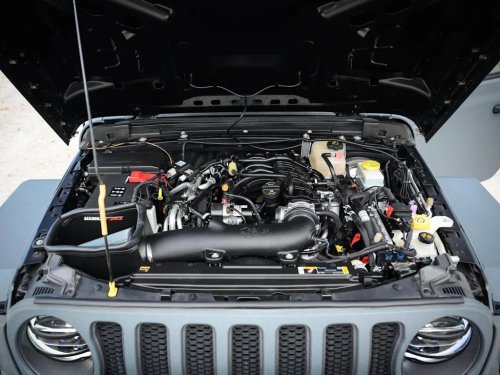
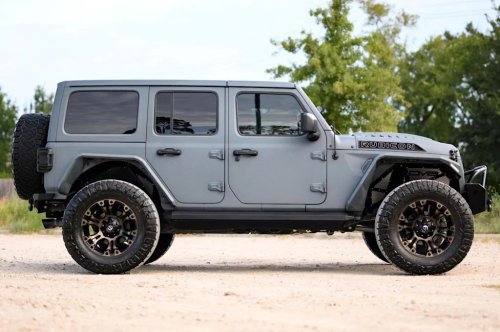
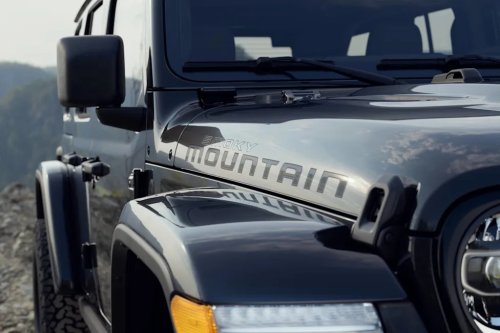
Navigating the wholesale used car auction market is always a gamble, but sometimes the biggest risk isn't the condition of the car—it's the other bidders trying to artificially tank the price.In a recent video from The Hooptie Lot, the team detailed a shockingly common and unscrupulous auction tactic after purchasing their most expensive vehicle yet: a 2018 Jeep Wrangler Unlimited JL. What they initially thought was a massive mechanical failure turned out to be an intentional act of sabotage by a rival dealer.The team purchased the 2018 Jeep Wrangler—equipped with the Pentastar V6 and a manual transmission—for $17,950. At the time of purchase, it was the cheapest JL-generation Wrangler within a 500-mile radius.AdvertisementAdvertisementHowever, the team's excitement quickly turned to panic when they went to pick up the vehicle. "During our test drive it drove great, and then when we picked it up it was stalling out of you having all kinds of problems," one of the hosts explained, noting that they initially thought they had "completely screwed ourselves" on the expensive purchase.After digging under the hood, they realized the Jeep hadn't suffered a mechanical failure; it had been tampered with."They pulled the one for the uh evap uh purge valve," the host explained, referring to a critical vacuum hose. "Somebody, after we test drove it, to sabotage it to cause a check engine light, make it run rough, and sell cheaper at the auction they disconnected that".Why Unplug a Hose? (The Science of the Scam)In modern fuel-injected vehicles, unplugging a vacuum line introduces "unmetered" air into the engine—air that bypassed the Mass Airflow (MAF) sensor. The engine's computer struggles to understand the sudden influx of air and attempts to dump more fuel into the cylinders to compensate.AdvertisementAdvertisementAs the hosts noted, "After a while the car would, you know, because of all the extra air it would it would adjust for fuel until it couldn't adjust anymore and then it would start stumbling, and it would turn off".To an uninformed bidder starting the car on the auction block, this violent stumbling mimics the symptoms of a blown head gasket, severe compression loss, or a destroyed valvetrain. Unscrupulous bidders use this trick to scare off the competition, allowing them to buy the "broken" car for thousands of dollars below market value, only to plug the hose back in—a 5-second fix—and sell it for a massive profit.A Culture of Shady TacticsThe Jeep incident is far from an isolated occurrence in the wholesale car world. The hosts detailed how these rogue bidders frequently target vehicles on preview days."A really common thing on the older cars they'll kind of loosen the ignition coils, the wires here to make it misfire, or they'll unplug the mass air flow sensor," the host noted, explaining that they've even seen people pull fuses to trigger warning lights on the dashboard.AdvertisementAdvertisementSometimes, the sabotage is driven purely by spite rather than profit. The team recalled a recent incident involving a Nissan Armada they attempted to sell. When the bidding stopped at $3,000—a price the team refused to accept—a frustrated bidder retaliated."We had our Nissan Armada, unfortunately, uh, it was I think vandalized out of anger," the host shared. "I think they got angry and went with a pen and just started stabbing our leather seats".While the auction house ultimately repaired the seats, and the Jeep's vacuum hose was quickly reattached, the incidents serve as a stark reminder of the wild, Wild West nature of wholesale auto auctions.