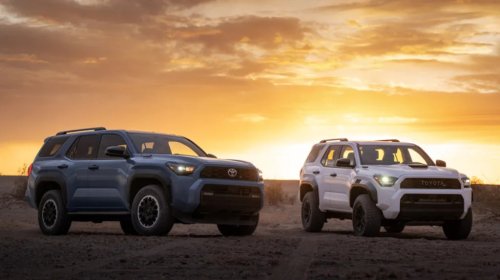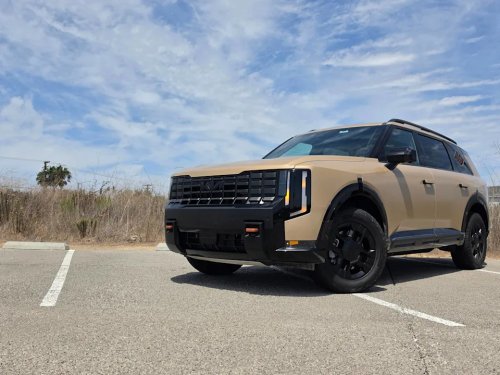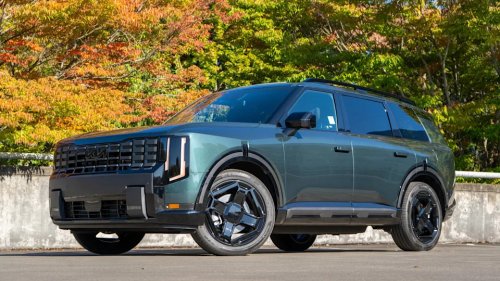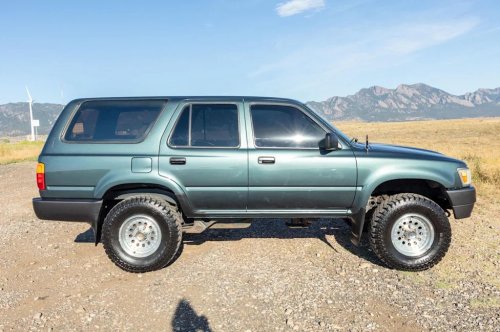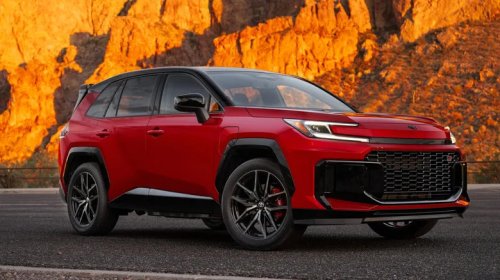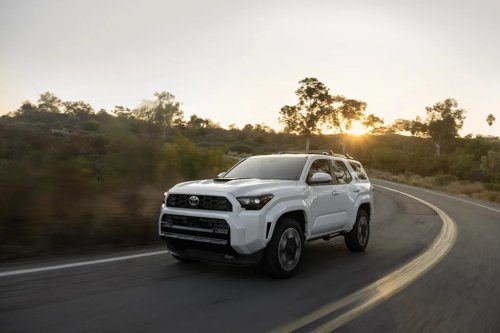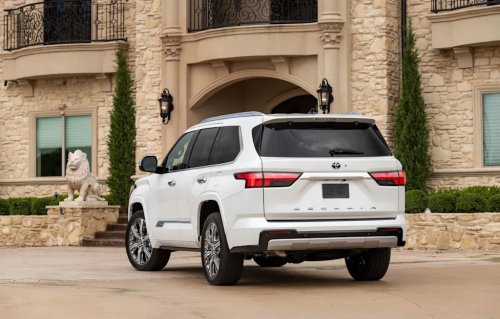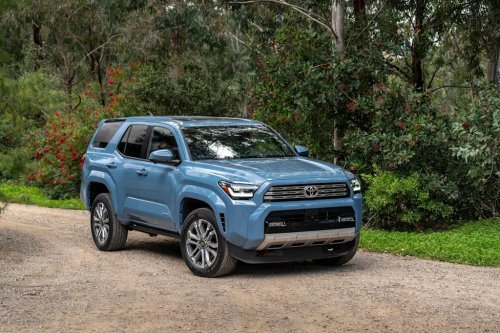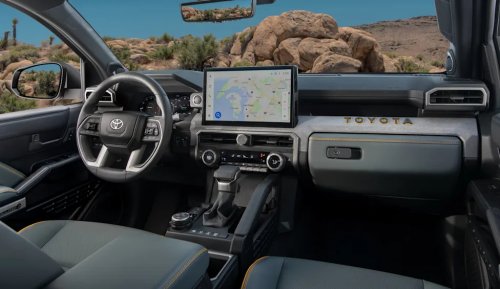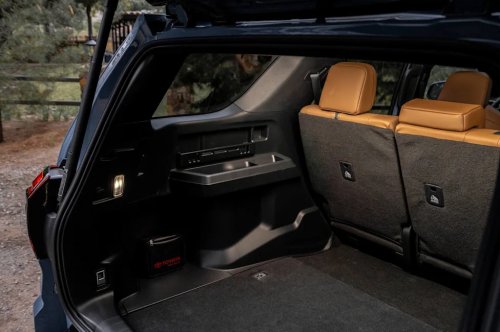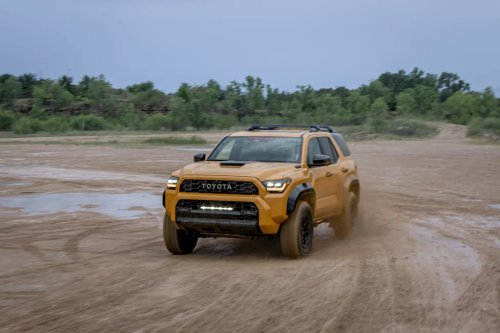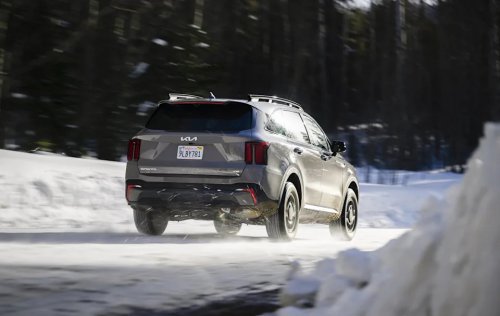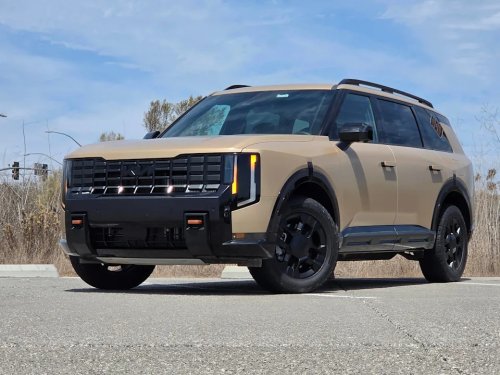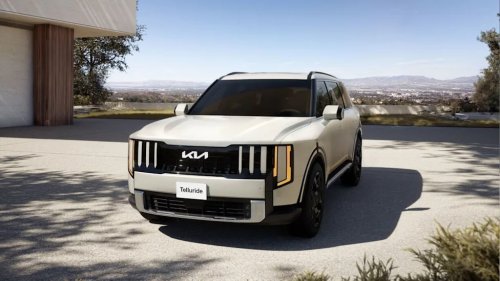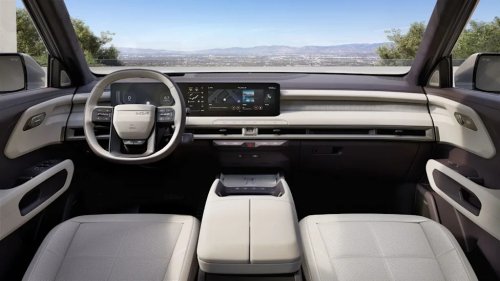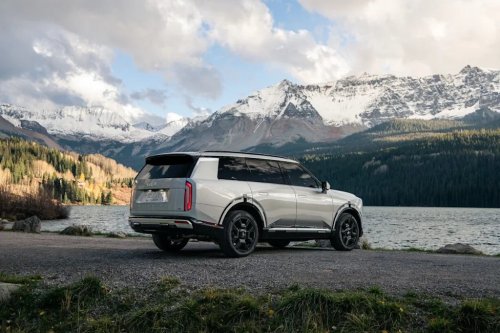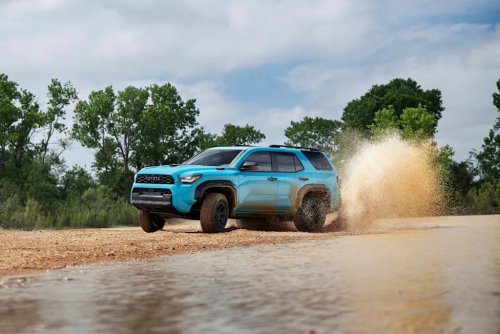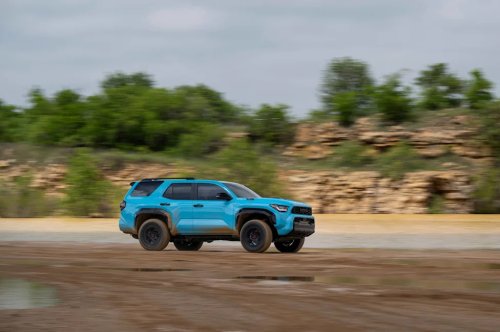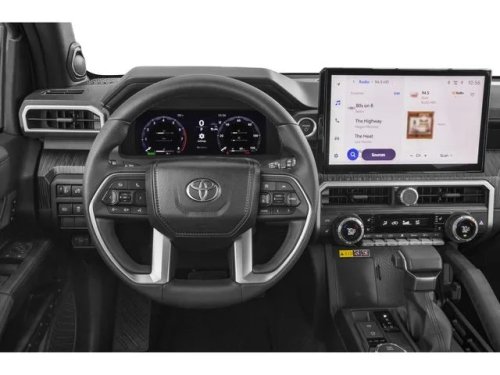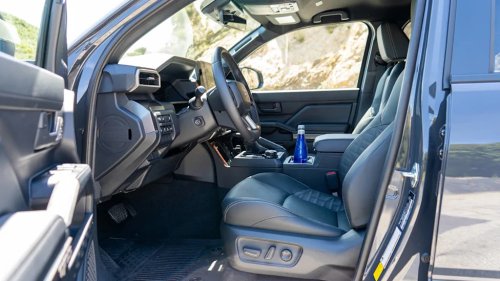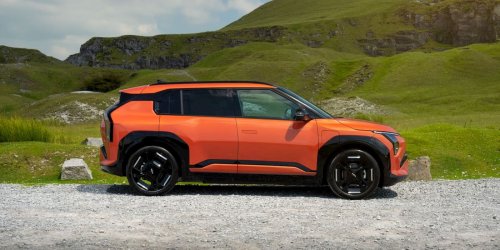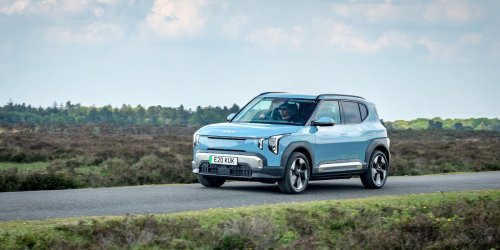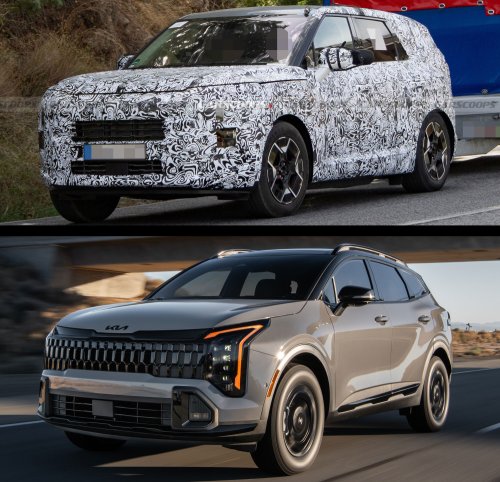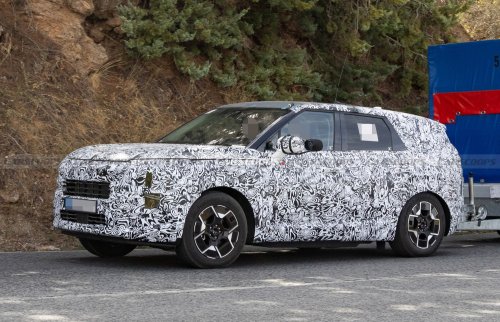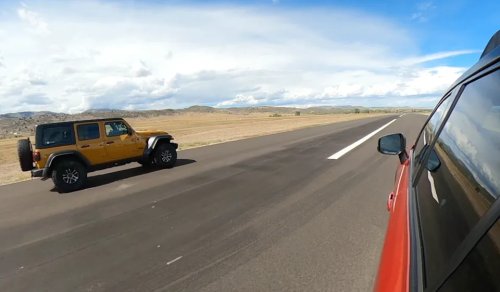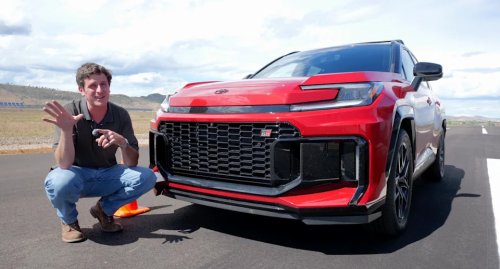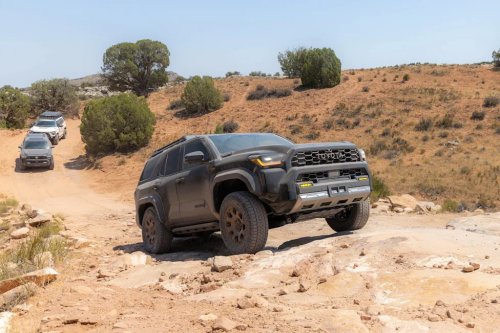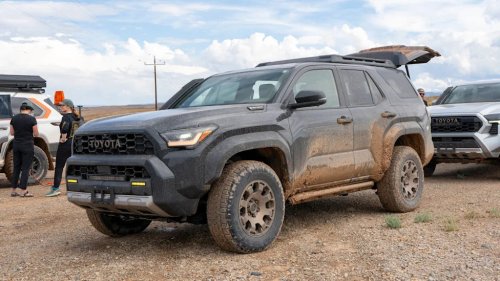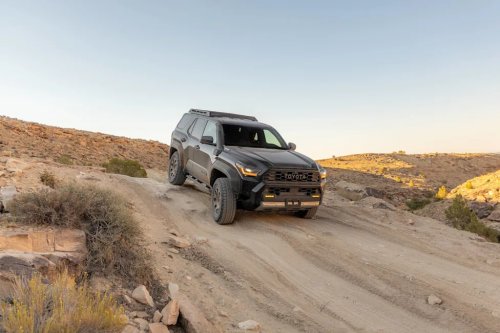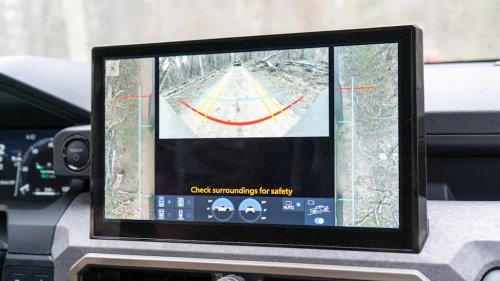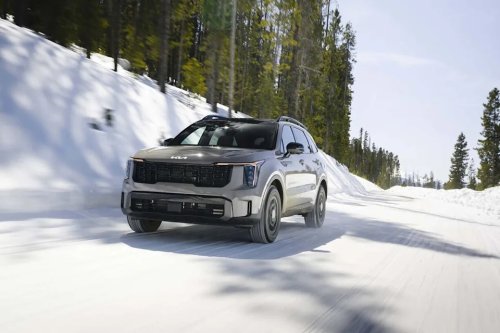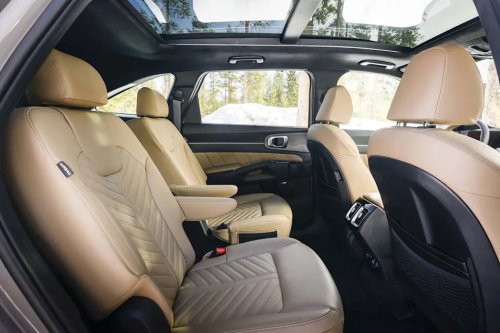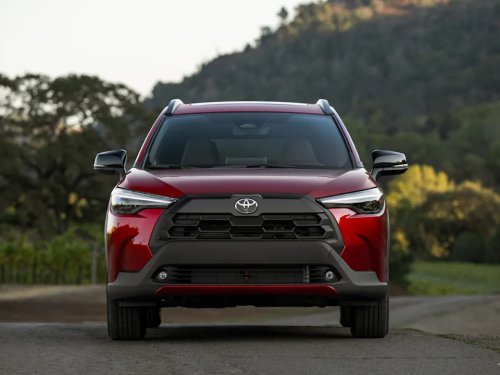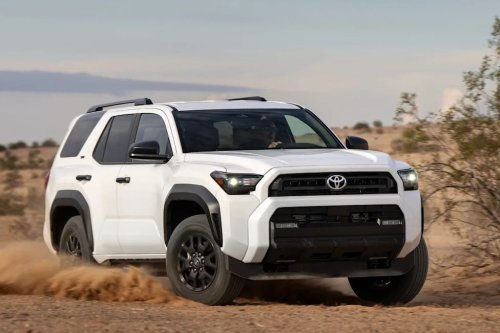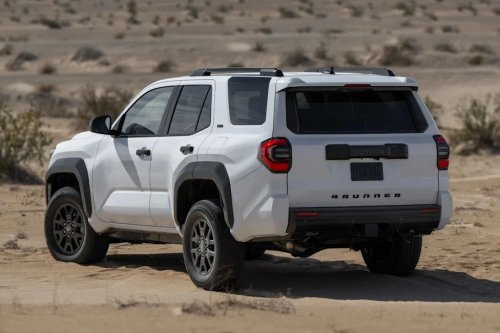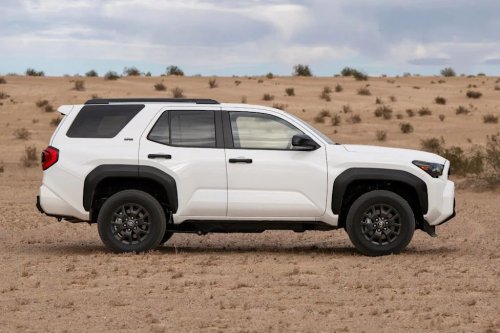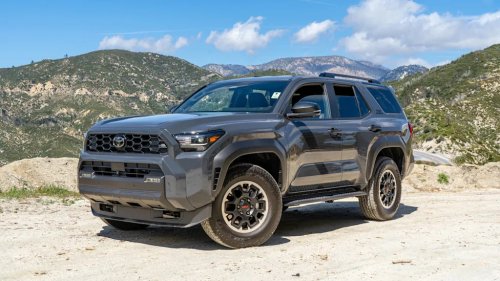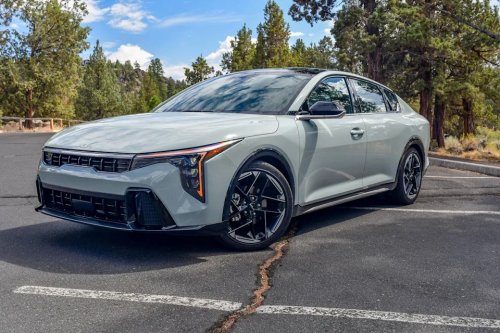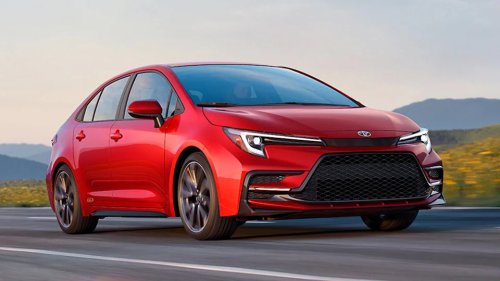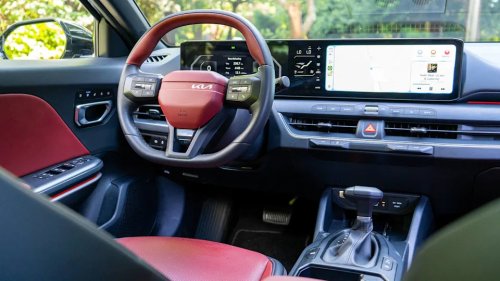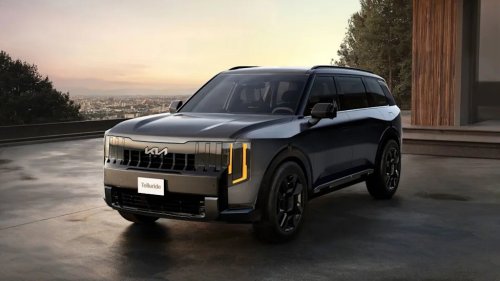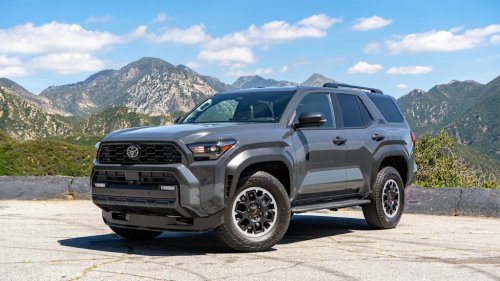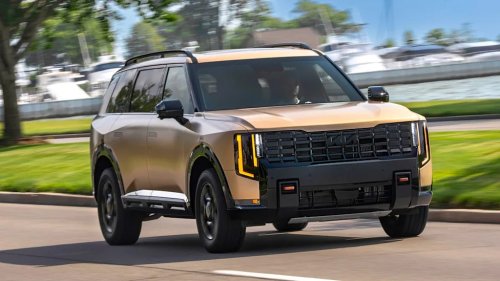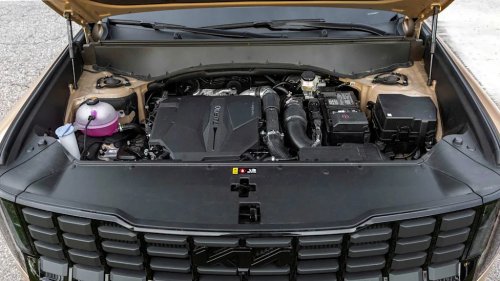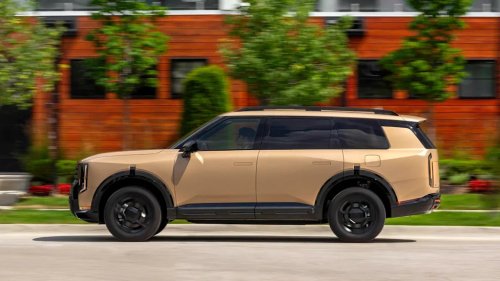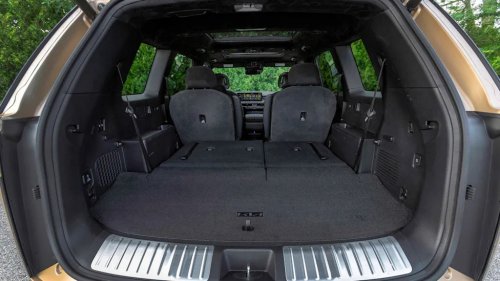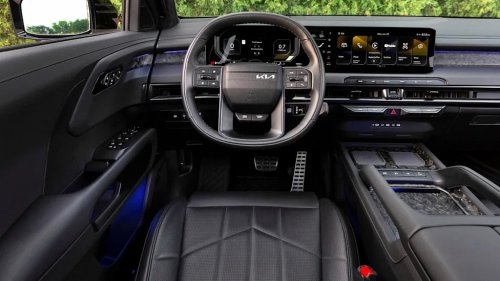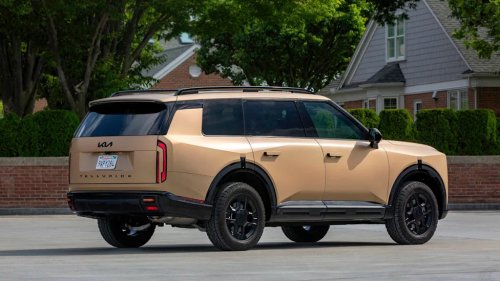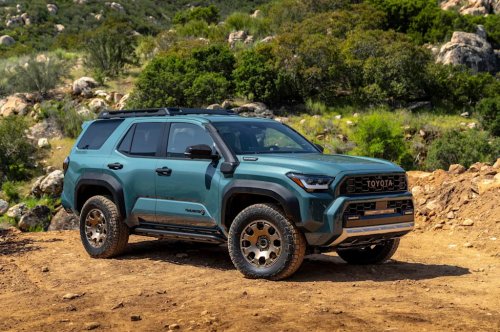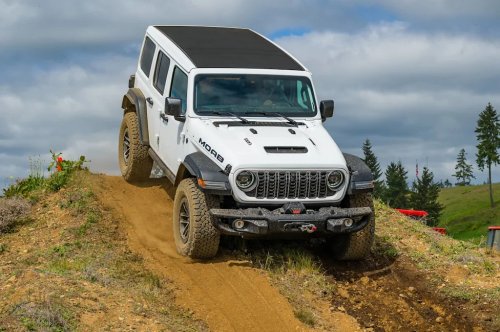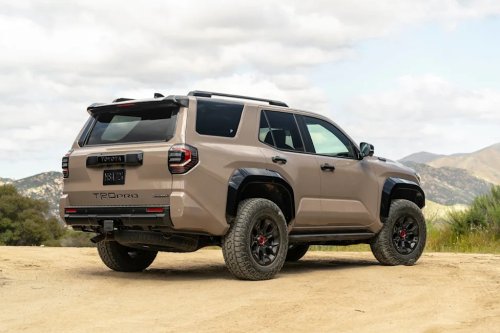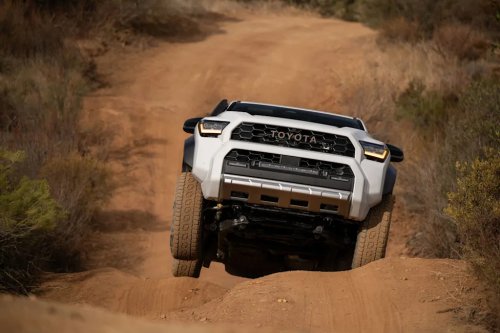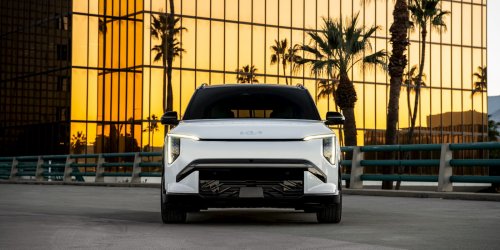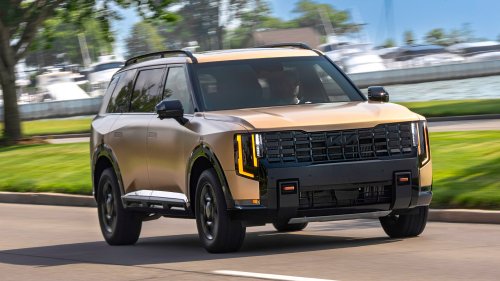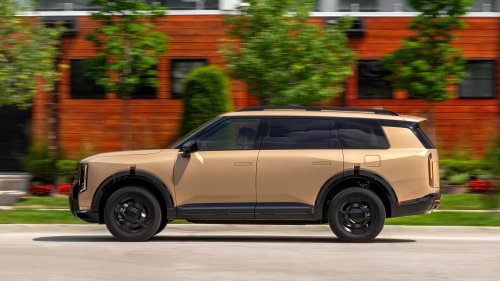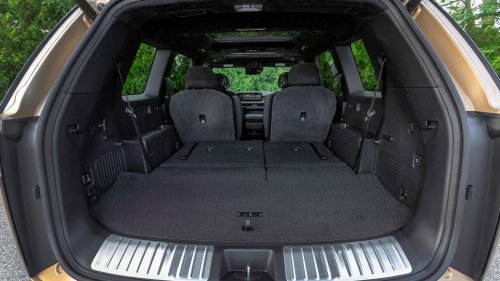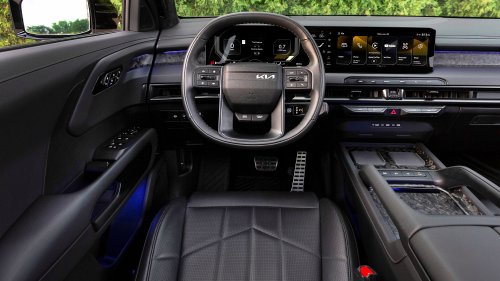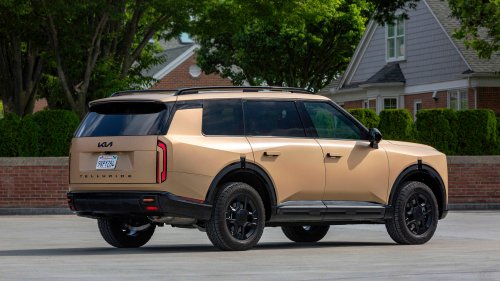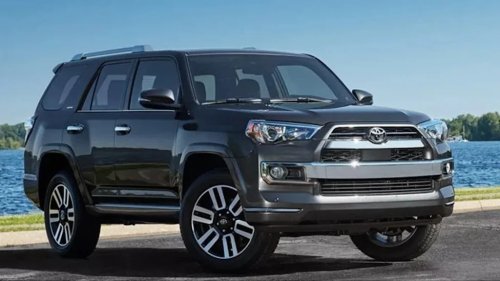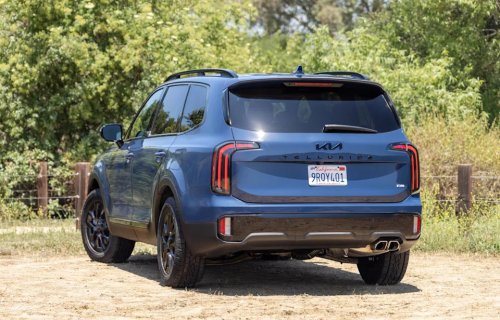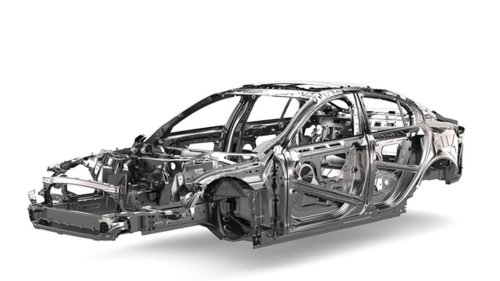
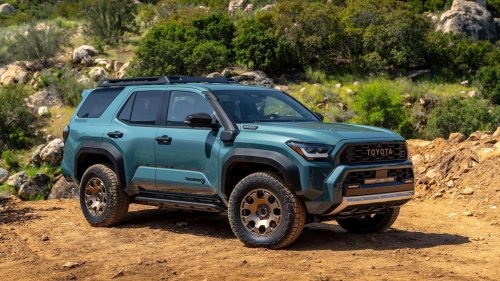
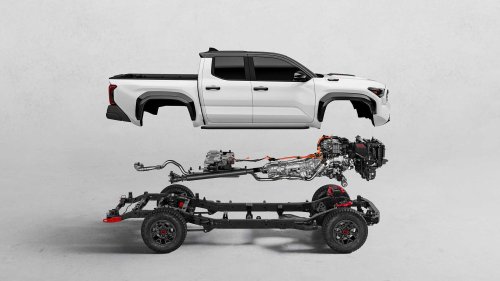
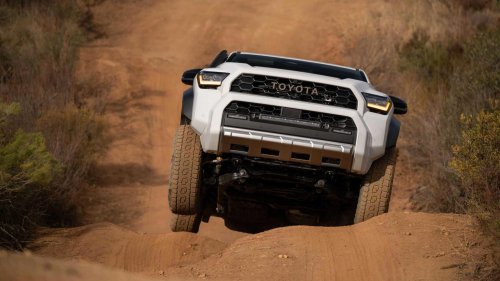

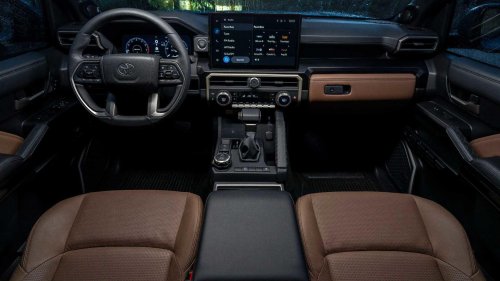
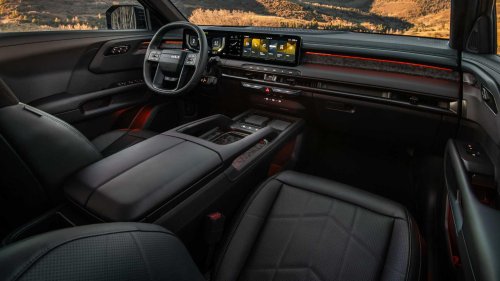
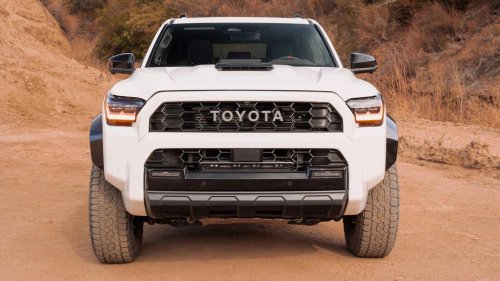



















"4Ever untamed" it says at the top of the website. "Head-turning, heart-pounding" when you scroll further down. Toyota seriously wants you to think you're unstoppable when you buy the latest 4Runner, as if mountains are no challenge for this mighty Japanese SUV. But let's be honest – are you really crossing a snowy mountain to get to Walmart?Automakers are constantly telling us we need the latest and greatest technology to conquer adventures. They'll try to lure you in with flashy videos and impressive chassis articulation, even if most of us probably won't ever reach the maximum capability of our cars. That begs the question: are ladder frame SUVs still worth all the extra weight and extra cost? Personally, we think most people would be better off with a unibody SUV like a Kia Telluride. Here's why. The Difference Underneath: Ladder Frame Versus Unibody JaguarBefore we get into the comparison, it's worth knowing what the difference is between a ladder frame and a unibody chassis. Ladder frames are the more old-fashioned way of building cars, and they split up the car into three main parts: the chassis (which is shaped roughly like a ladder), the powertrain, and the body. The latter two parts are bolted onto the (usually heavy steel) chassis, which is where the "body-on-frame" naming comes from.Toyota Unibody vehicles are a lot more common in the modern day due to the advancements in vehicle building techniques. These will use a single welded or bolted shell to house all components of the car. Everything, be it the cabin or mechanical components, will be bolted into this single piece. While more expensive to manufacture, this method is a lot lighter and offers a lower center of gravity, making it better to drive. Why Do Some People Need A Ladder Frame Chassis? ToyotaEven though it's old-fashioned, there are still serious advantages to a ladder frame design. The first is strength. A heavy steel frame will be more rigid and less resistant to twisting than a lighter unibody design. This strength also means towing capacity is usually much greater and cabin occupants are more protected from striking the ground when off-roading. Body-on-frame does have its downsides, however, as the body on top of the chassis leads to a higher center of gravity, and its added weight means fuel efficiency is sacrificed. Performance: You Probably Don't Need The 4Runner's Insane Capability ToyotaWhile the Toyota 4Runner is clearly marketed as the more off-road-focused choice, the Kia Telluride gives it a big run for its money while slightly flying under the radar. Its X-Pro SX variant might not have the hybrid powertrain that gives you a small power boost and efficiency, but it does have a lot of trail-ready features like unique raised suspension, off-road display, and all-terrain tires. This is what most people need for their adventures – and it's the tires and AWD that mainly do the heavy lifting."I drove hither and yon on a big ranch to get a sense of the capability, and came away with the impression that the X-Pro’d Telluride will almost certainly be overkill for normal owners out on a mini adventure day. You won’t do any extreme rock crawling or anything, but you could certainly drive across a muddy field or over a rough fire road to camp, with nothing to worry about." – Seyth Miersma, senior road tester, CarBuzzWhere the Toyota will really come in handy is in those small moments where you need absolutely 100% of the features working in tandem. That means the Bilstein monotube shocks at the top of their capability, the crawl control mode on, and the 4WD system helping out with grip. The body-on-frame construction works well when the car has to deal with the shock of hitting a rock, as less of that force will reverberate through the cabin. It's overkill 99% of the time, though.Kia The big difference in these cars will come on the road, though, as the 4Runner will feel a bit less confidence-inspiring thanks to that ladder chassis' high center of gravity. Toyota has been able to fix some of the wallow that you usually get with this type of construction, but don't expect it to feel like a sports car. In our Telluride review, we found the tech on board to be extremely impressive and easy to use. For most people who simply get up to a cabin or camp, it's more than enough. The Toyota Reminds You What It Is ToyotaWe know looks are subjective, but there's no question that if you're going into a business meeting, the Kia looks a bit less conspicuous. The Toyota's hugely wide arches, stance, and general fascia make it look right at home on a muddy track, but less at home in the center of town. Kia have made the X-Pro SX trim's extra features a lot more subtle, and that works for most people simply commuting, although there is a large customer base that just loves the look of a maxed-out TRD on the road."It's simple and straightforward, and uses knobs, dials, and physical buttons for everything that should have tactile controls. It's refreshing in an industry that wants to move everything onto a screen and craves minimalism. It's comfortable without being too cushy, even in the Premium variants, reminding you it's a truck with ruggedness and big, obvious grab points." – Ian Wright, senior road tester, CarBuzzInside, these vehicles are also pretty different. The Kia will feel a lot more upmarket than the rugged Toyota 4Runner, even if they have many shared features like a heated steering wheel, wireless charging, and large driver and infotainment displays. The Kia does have the added bonus of a panoramic roof and premium speakers. We found the Toyota to let a lot of engine noise into the cabin, too. While the Kia will help you forget about its off-road chops, the Toyota lets you know you're in something rugged.Kia A big plus of the Kia is it can also carry seven passengers, whereas the similarly-priced TRD Off-Road i-Force Max 4Runner only does with five. The body-on-frame construction does also eat into rear legroom thanks to that raised floor. The 4Runner has 34.8 inches of space, while the Kia has a massive 43 inches. For most people, all that extra space is a lot more useful than slightly more towing capacity and off-road rigidity. Summary: Useful If You're In The 1% 2025 Toyota 4Runner TRD ProIf you're deciding on these two cars based purely on the fact that one has a body-on-frame construction, then let's be honest: you probably don't need the overkill 4Runner. The Kia's unibody construction might eat into towing capacity slightly and rigidity when you're on the absolute limit, but we think that most people (if not all) will never use their SUVs' full off-roading ability.The Toyota does win in coolness (highly subjective) thanks to its Bilstein shocks and great road presence, but with a sane purchasing mind, we're taking the extra legroom and features of the Kia. The perfect solution would be the hybrid Kia Telluride with the same features as the X-Pro SX trim, but we can only hope that that'll come soon. For now, with our $55k budget between these cars, we're going Korean and not regretting the unibody design.Sources: Kia, Toyota