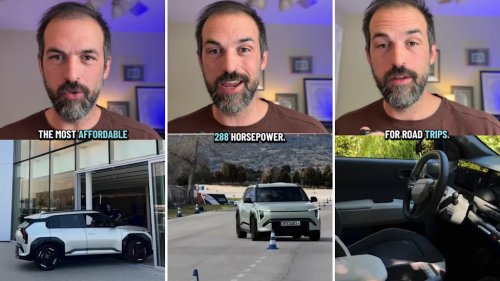
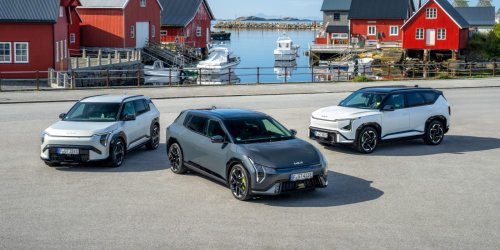
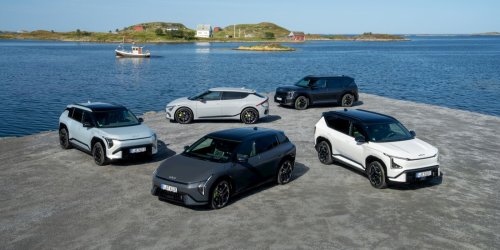
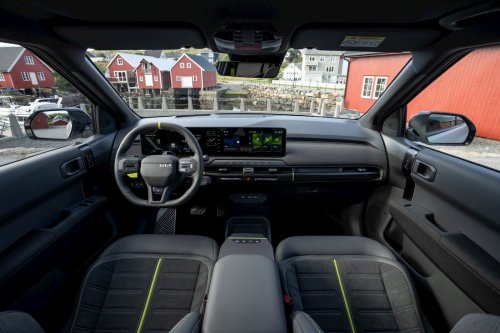
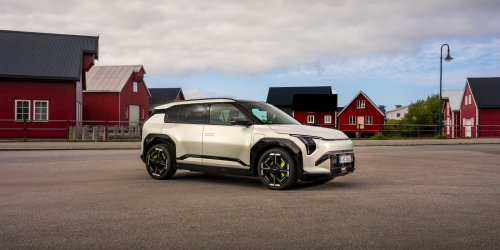
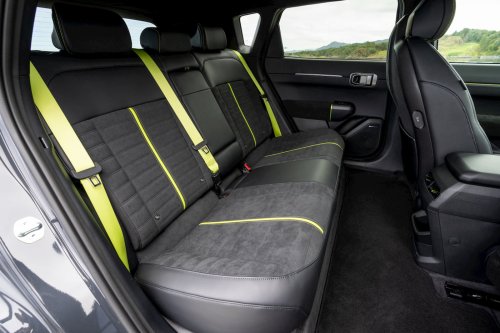
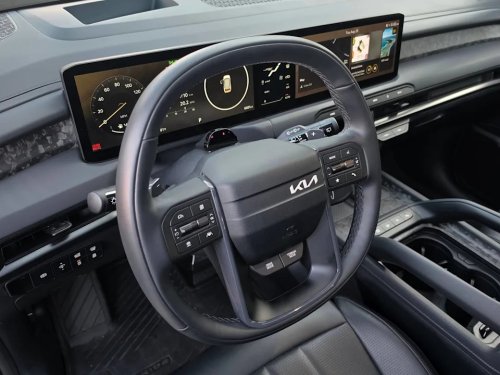
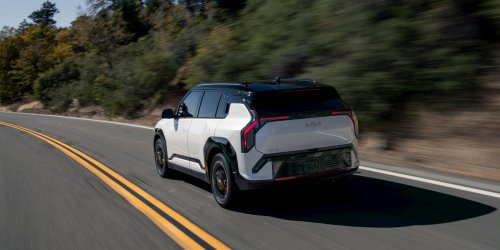
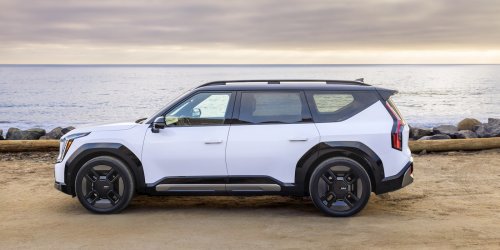
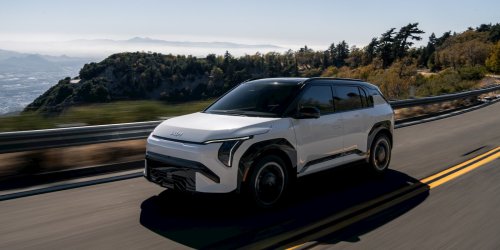
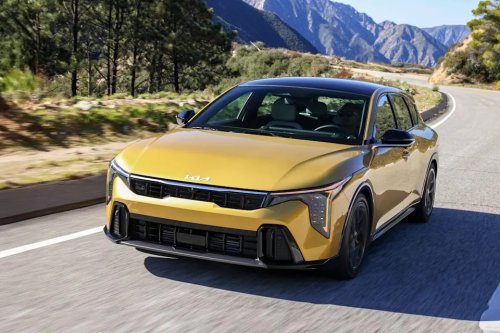
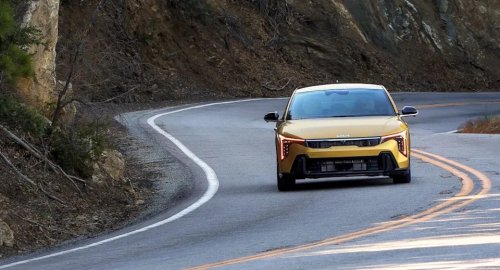
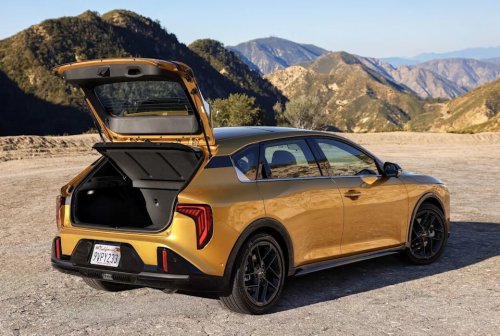
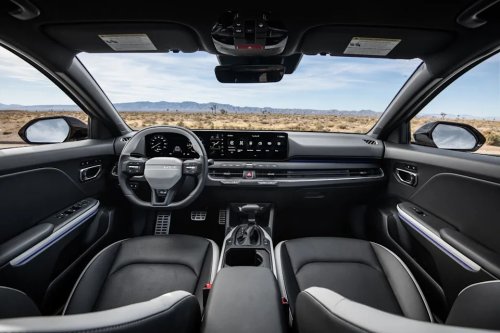
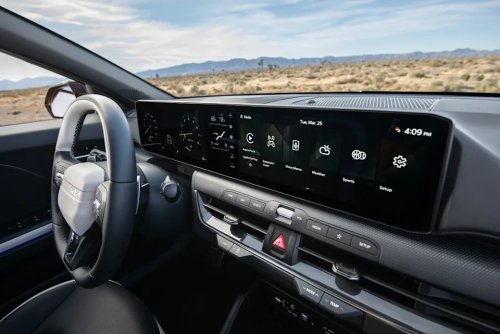
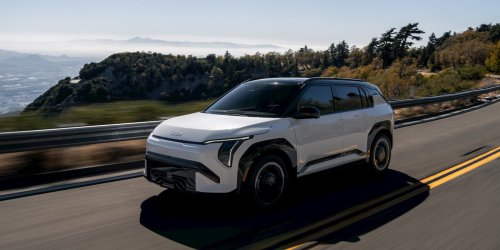
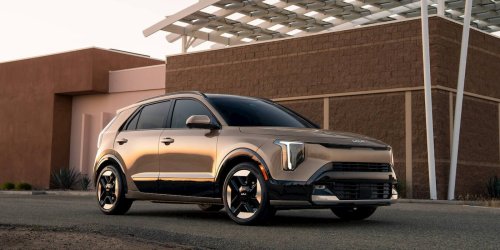
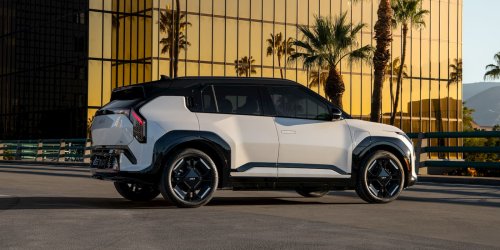
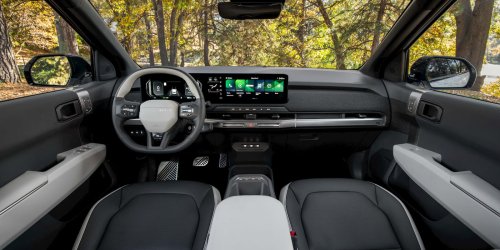
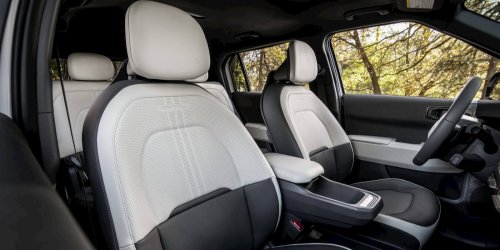
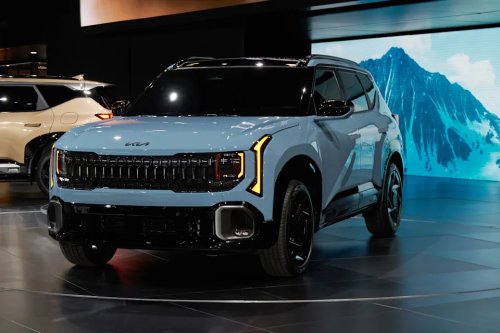
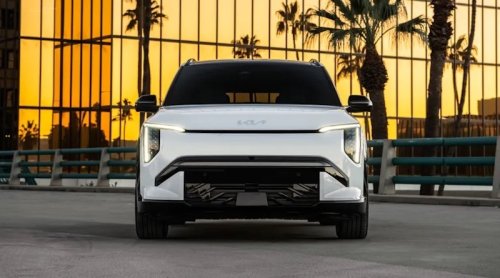
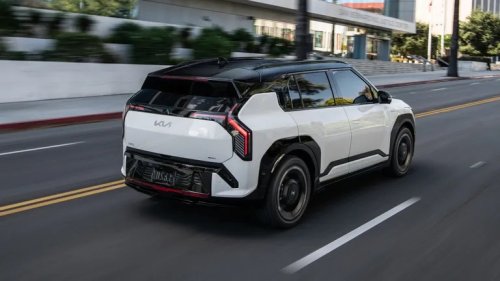
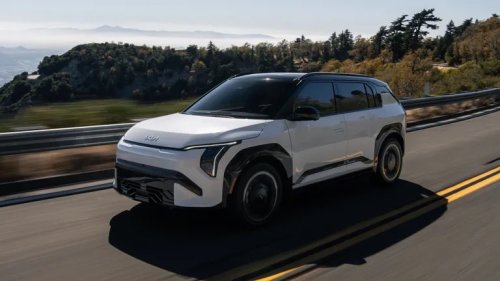
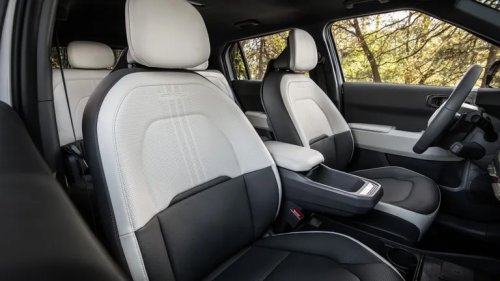
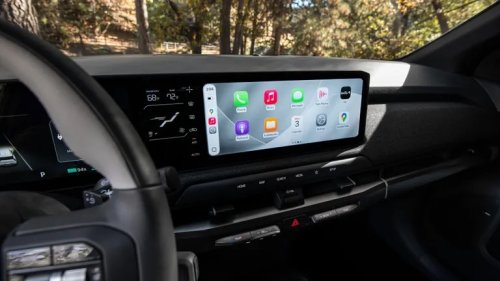
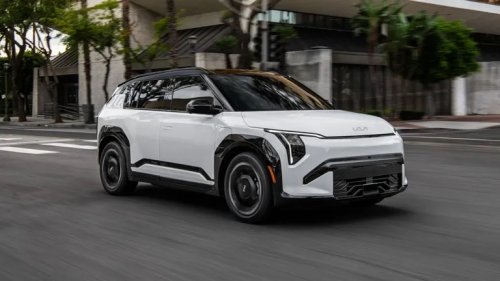
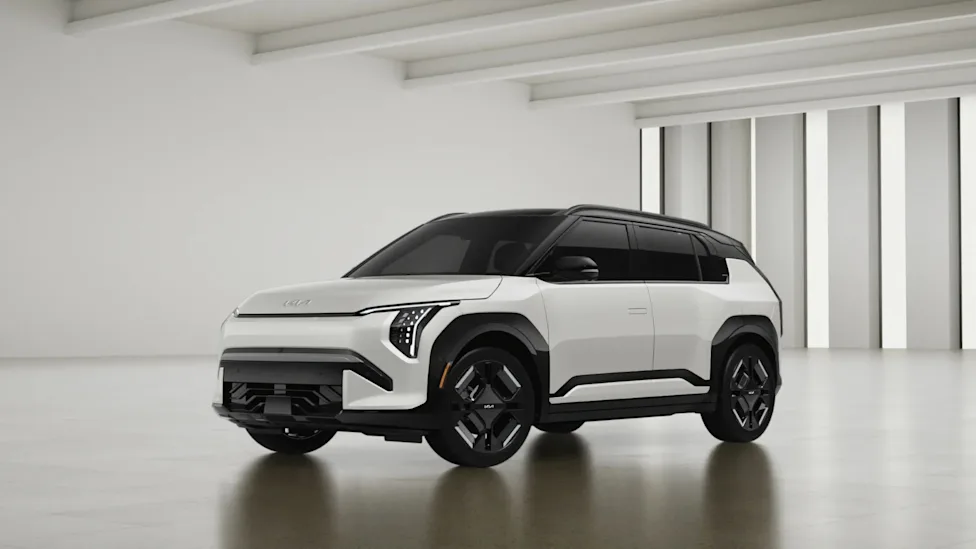
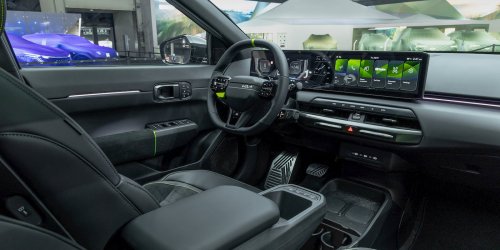
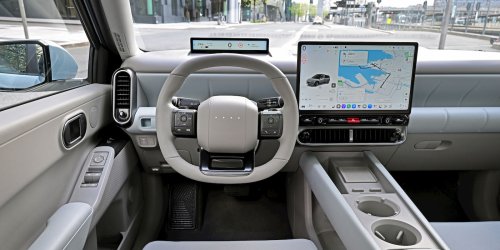
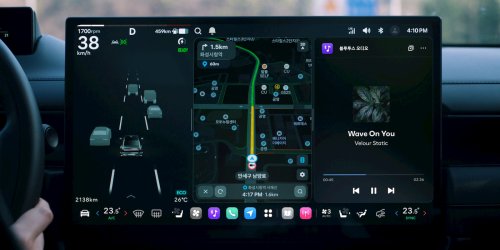
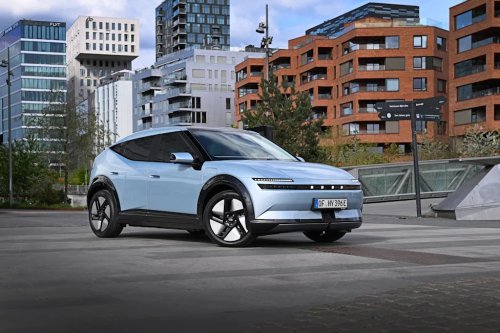
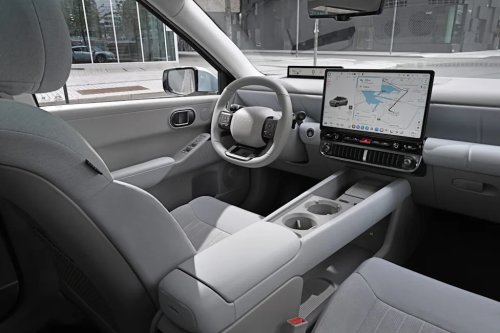
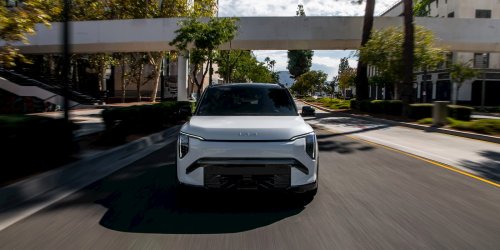
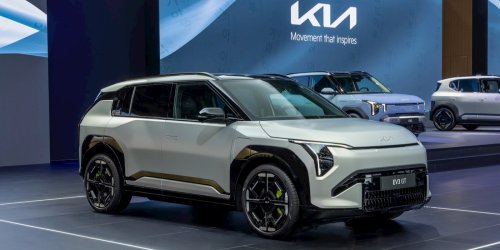
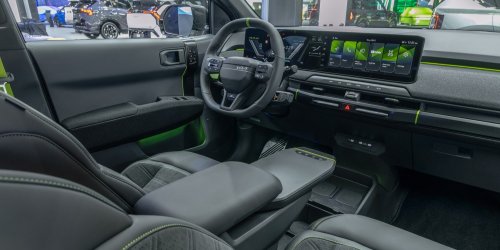
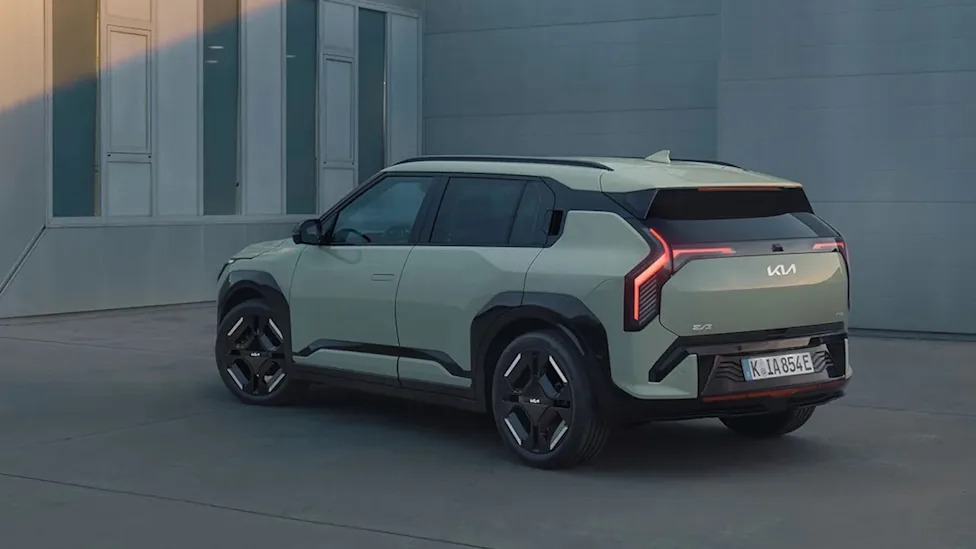
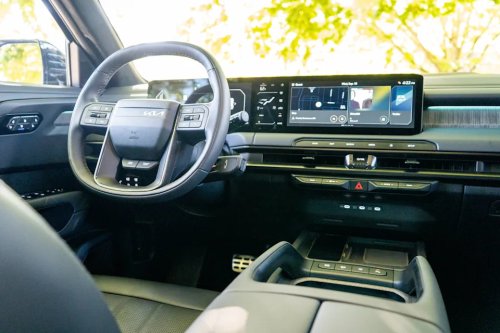
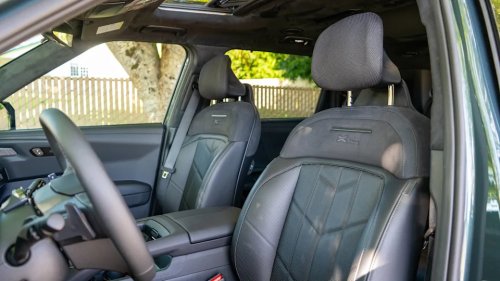
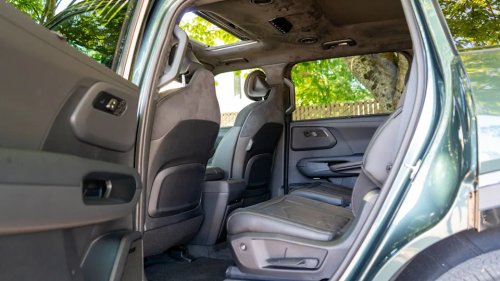
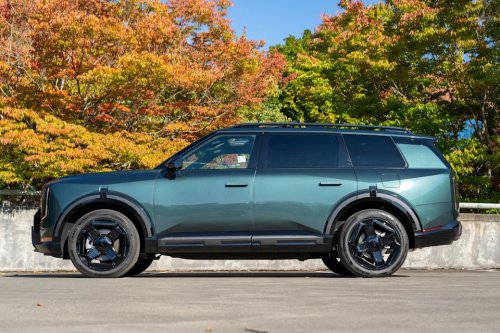
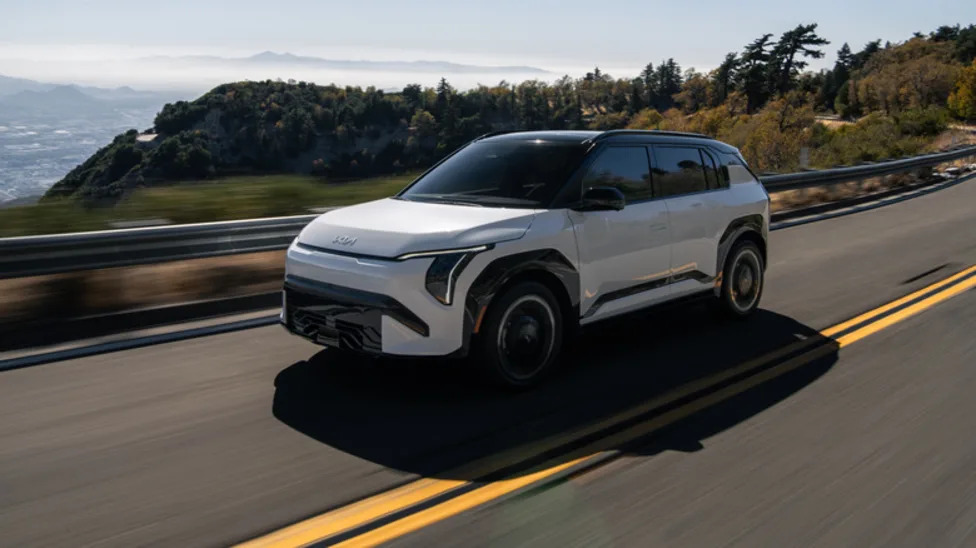
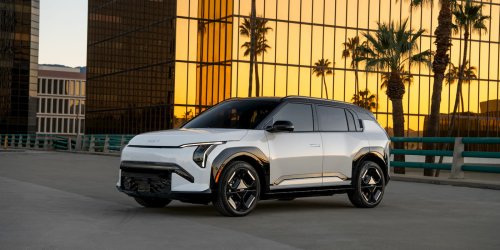
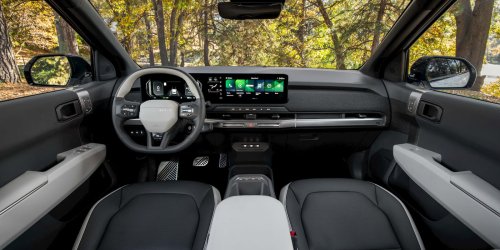
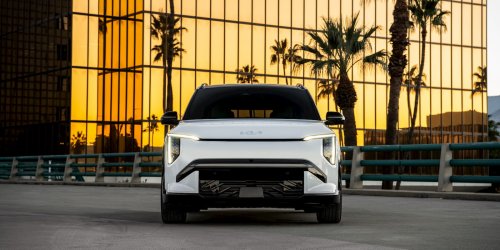
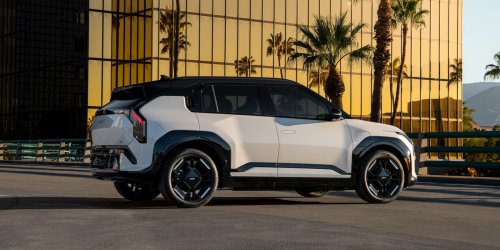
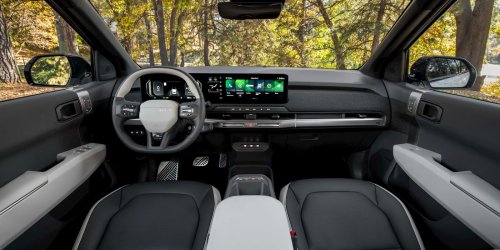
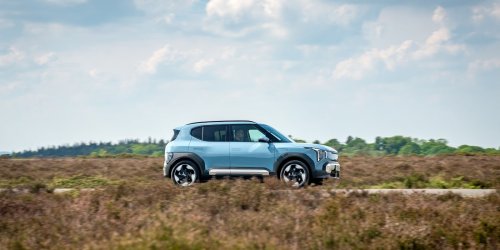
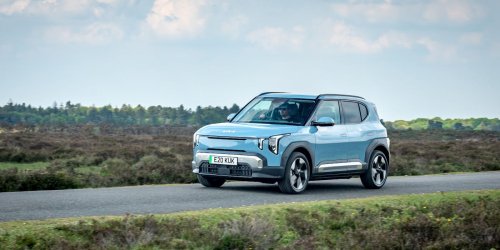
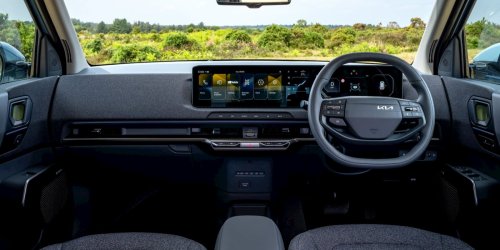
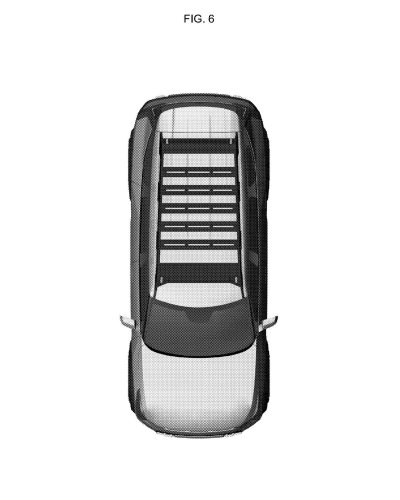
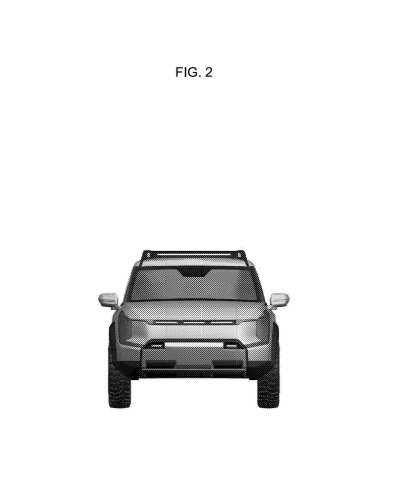
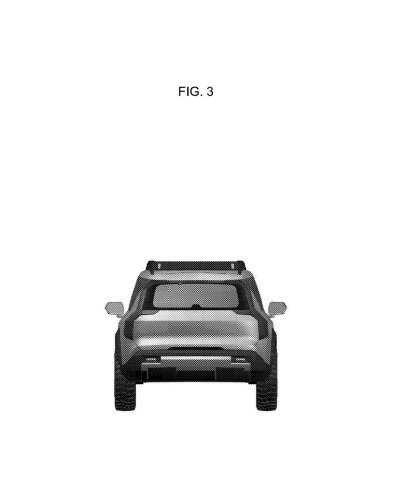
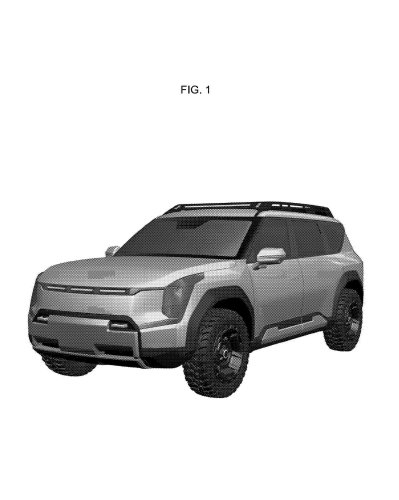
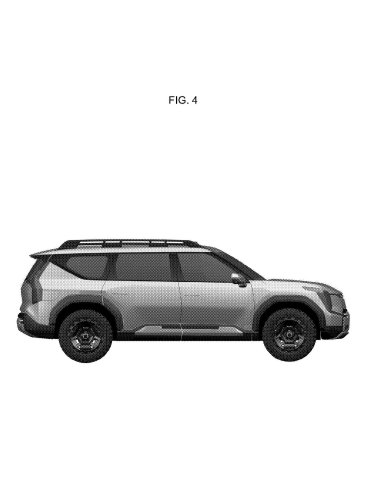
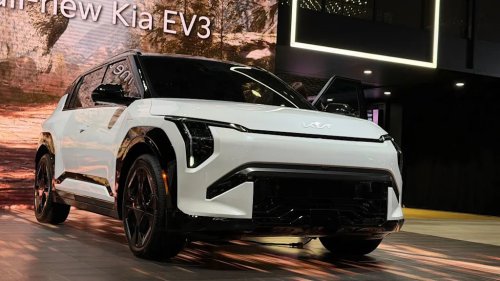
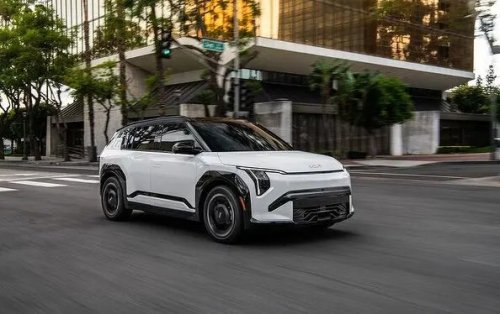
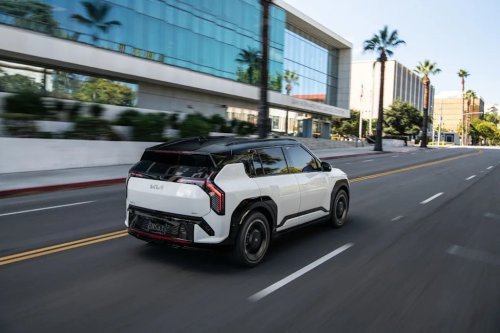
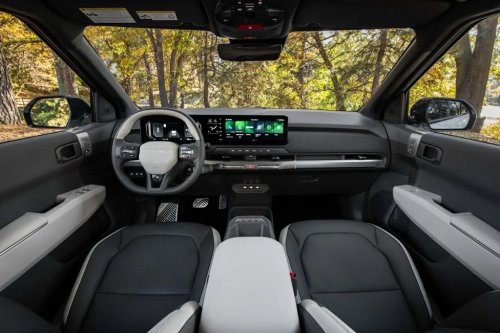
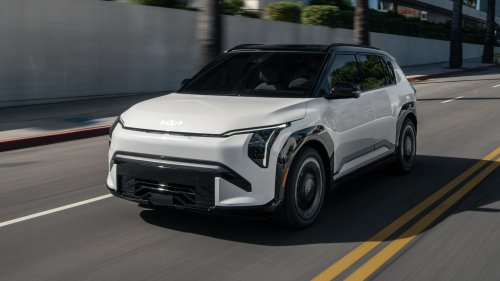
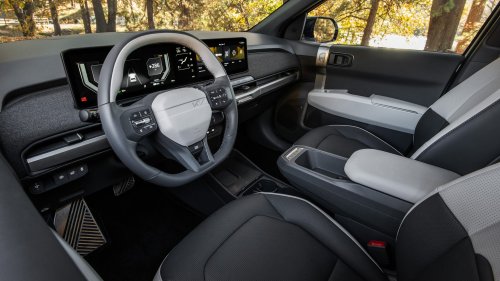
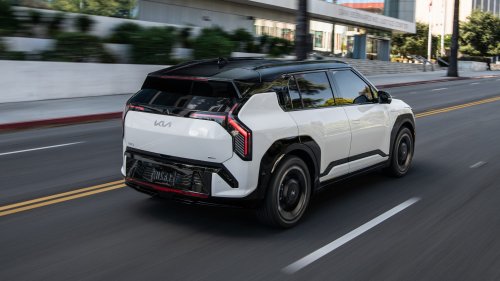
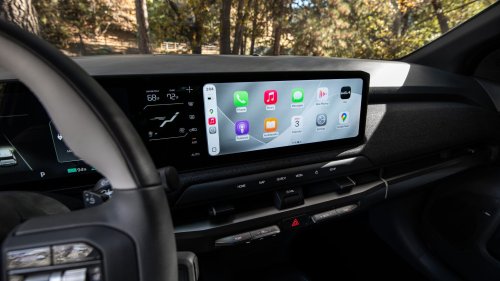
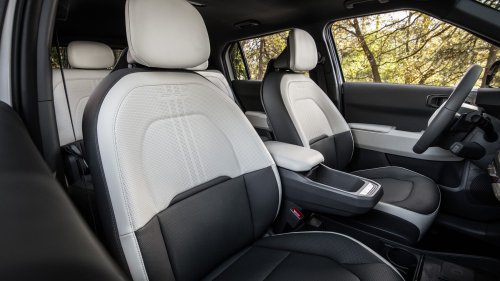
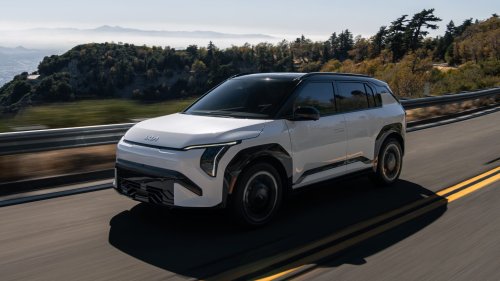
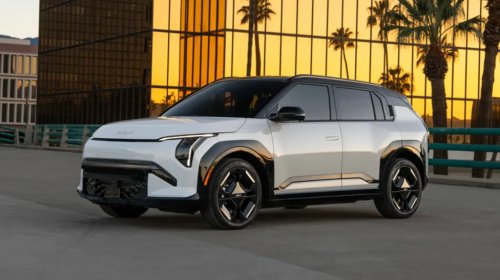
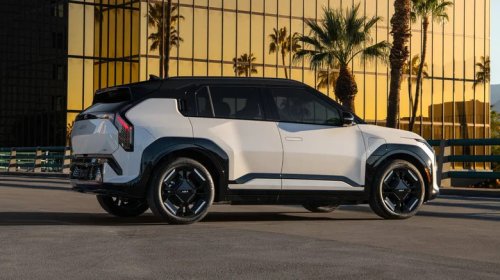
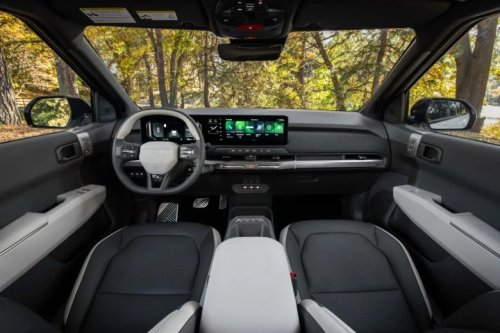
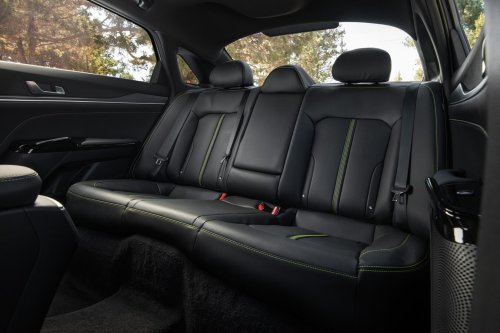
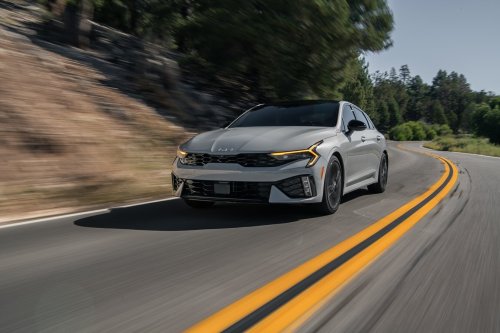
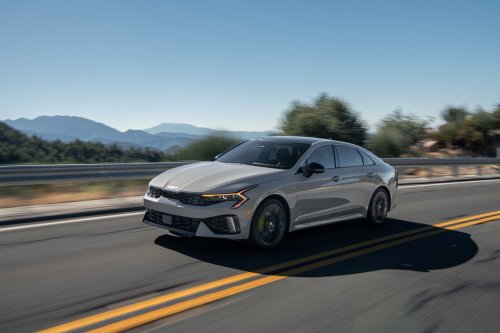
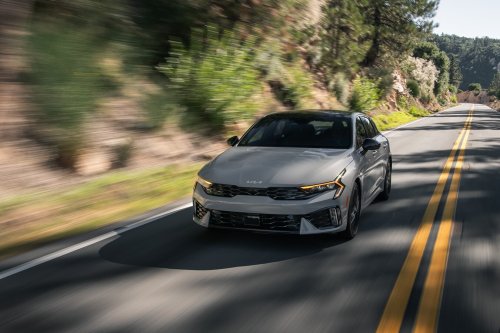
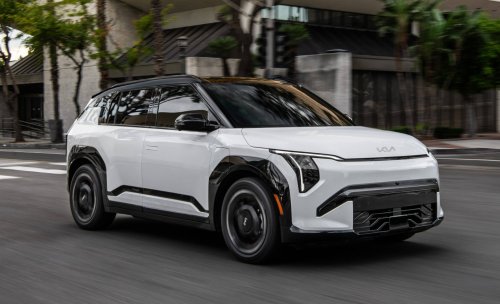
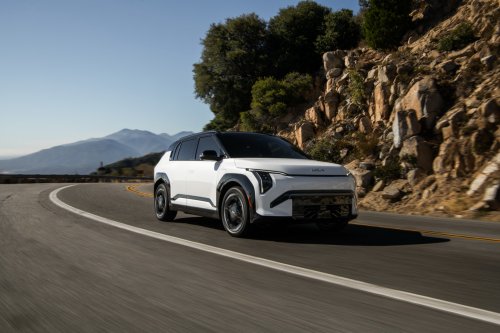
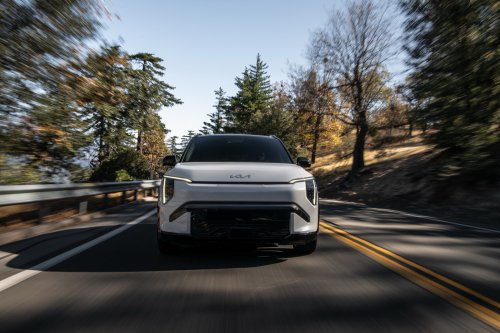
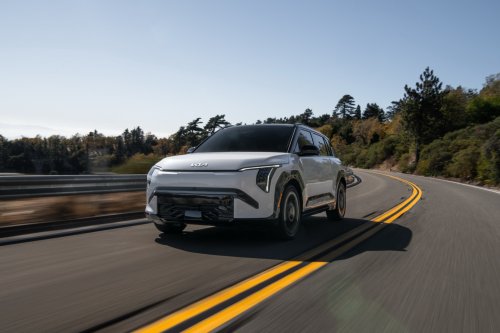
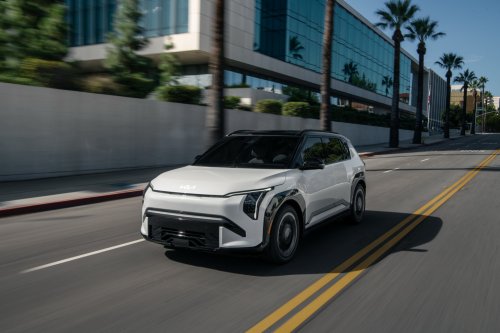
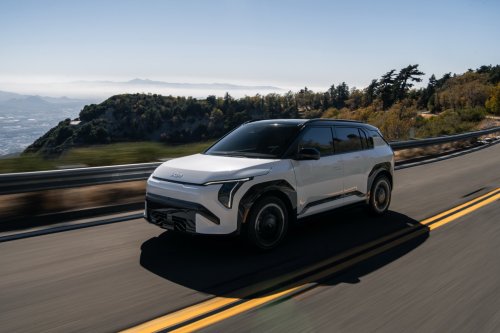
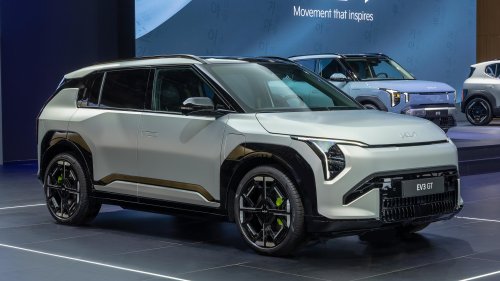
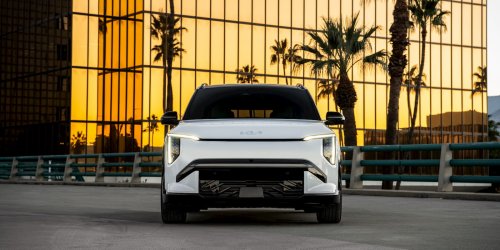
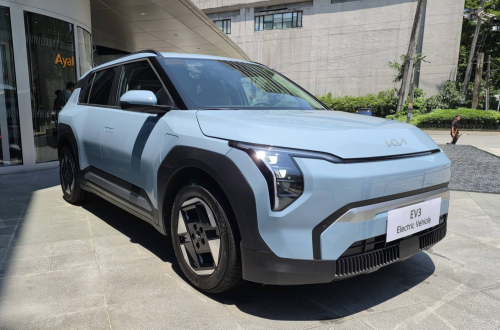
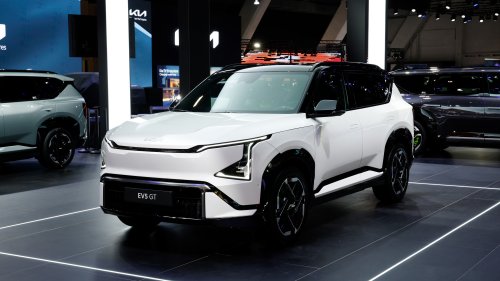
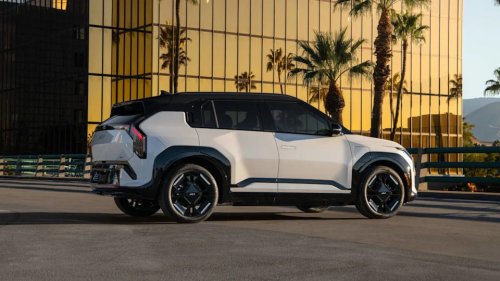
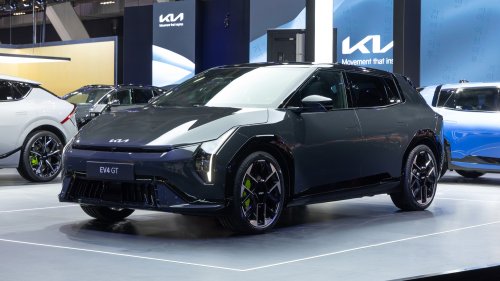
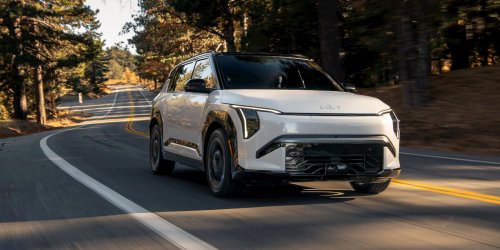
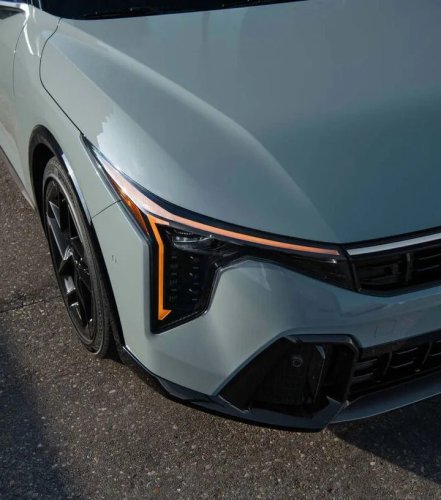
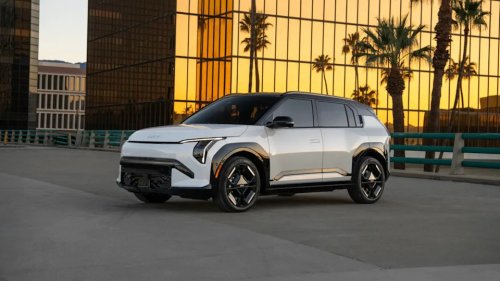
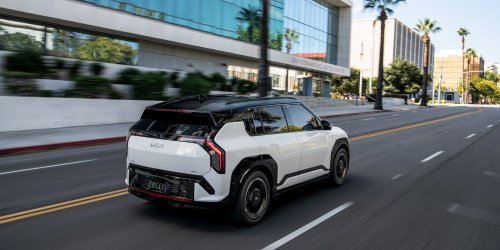
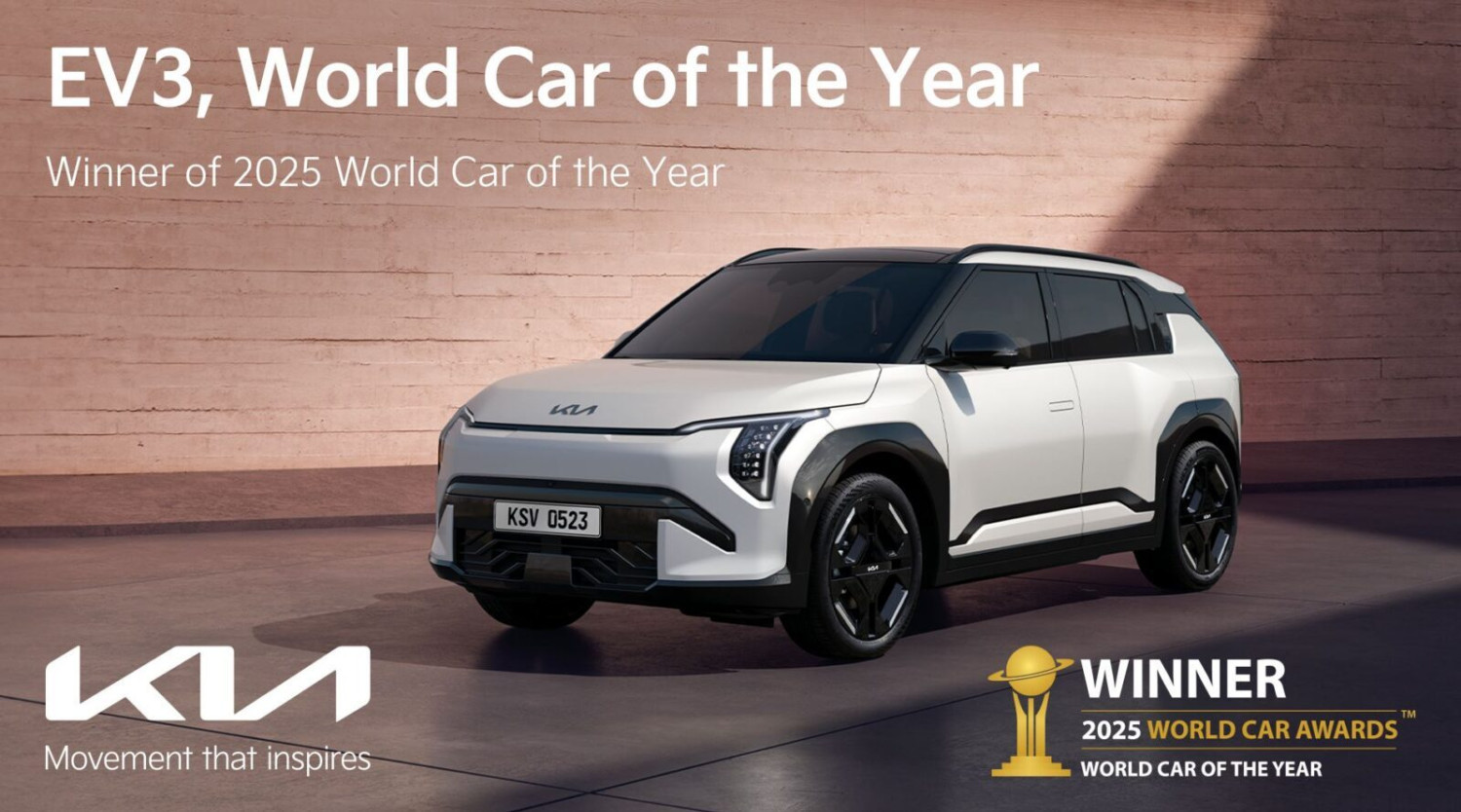
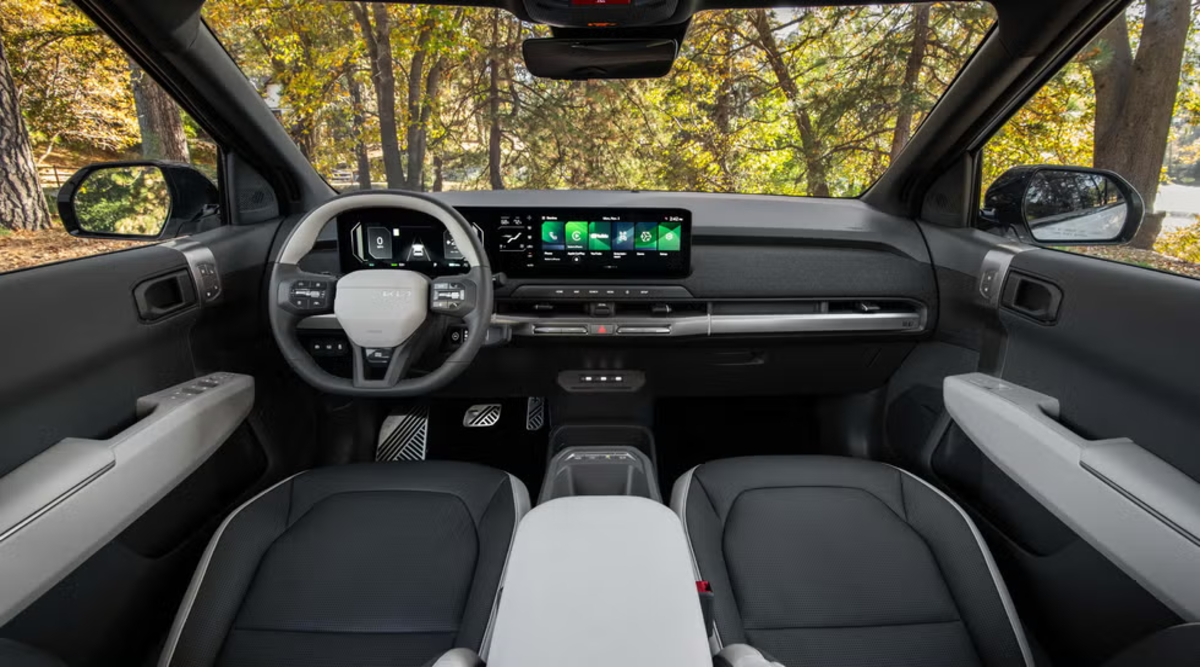
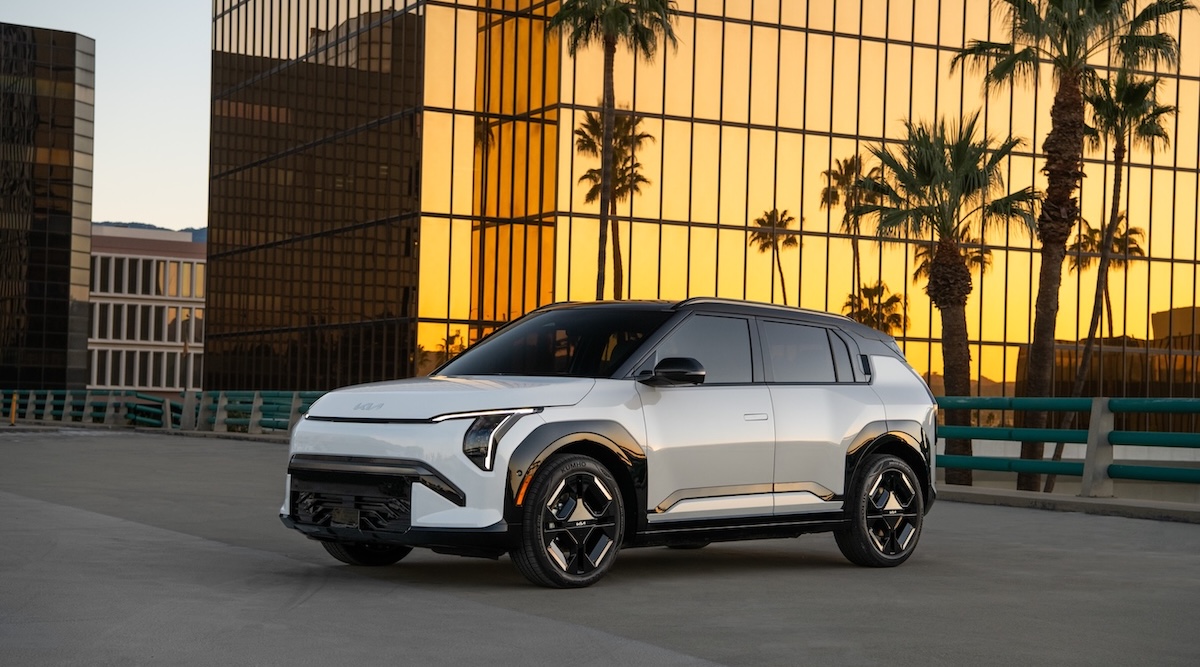
By all accounts, the Kia EV3 should be the perfect electric car for many US drivers. After all, it was named World Car of the Year in 2025. It is a thoroughly modern battery electric vehicle inside a compact SUV shell that faithfully follows the acclaimed design language of Kia’s seven-passenger electric SUV, the EV9. The EV3 is built on the 400 volt version of the Hyundai/Kia E-GMP platform, which means it does not offer the fastest charging performance, but it is still more than adequate for most driving situations. It comes equipped with a NACS charging port and the company says it can charge from 10 to 80 percent in about 30 minutes. The entry level car is equipped with a 58.3 kWh battery and a 201 hp motor powering the front wheels. Range is estimated to be 220 miles, and the base model is expected to retail for around $35,000. An 81.4 kWh battery is an option, as is a dual-motor configuration with 261 hp. Range with the larger battery and single motor is estimated to be 320 miles. That can increase to 288 hp if the owner opts for the GT Performance package, which is expected to sell for just a whisker less than $50,000. Credit: Kia The EV3 is about 170 inches long, which is 3 inches longer than the Volvo EX30 and 9 inches shorter than the Chevy Trax. That means it fits nicely into the compact SUV category, but it feels bigger inside, thanks to two 12.3″ screens plus a separate 5.3″ screen that controls the heat and air conditioning settings. Combined, those screens provide more than 30″ of digital displays. Wireless Apple CarPlay, wireless Android Auto, and i-Pedal 3.0 adaptive regenerative braking are included, along with Forward Collision Avoidance Assist and Lane Keeping Assist. Kia’s Highway Driving Assist 2 is available on high trim levels. Actions Have Consequences The EV3 was first introduced two years ago, with the expectation that it would be sold in the US market. Originally, the speculation was that it would be manufactured at the existing Kia factory in West Point, Georgia. That, of course, was before the immigration folks descended on the Hyundai battery factory outside of Savannah last year and hauled away a few hundred citizens of South Korea in handcuffs. At the time, we reported the raid “sent a message to South Korea, a country that the US has defended at great personal cost in lives and treasure for over 80 years, and a country that has built numerous factories in the US, saying ‘You are not welcome here.’ That same message, by extension, was broadcast to every other nation on Earth that seeks to do business in the US — if you send workers or executives here, they are subject to arrest and detention at any time. How this squares with the stated goal of the so-called president to get foreign corporations to invest in US based manufacturing is hard to figure.” Mexico Gets The Nod Courtesy of Kia Kia has gotten the message loud and clear. Earlier this year, it said it does not intend to bring the EV4 — a somewhat larger version of the EV3 built on the same platform — to the US, even though it is a Car of the Year contender in Europe. Now comes word that the company has decided to build the EV3 in Mexico. Production is scheduled to begin at its Pesquería factory in Nuevo León, Mexico, this month. Between now and 2028, Kia will invest $640 million in the region. That will include funding for a national charging network, a 2 MW solar park, and a wastewater treatment facility capable of recycling 1,050 cubic meters [277,00 gallons] of wastewater per day. Nuevo León has the advantage of being close to the US border, but it also is a very arid area where there is little excess water available for commercial use. When completed, the factory will add up to 1,500 new well paying jobs to the local economy — jobs that could have gone to American workers but for the bullheaded ravings of the puerile potentate of the Potomac and his coterie of sycophants. The EV3 will be available in the US later this year, but Kia thinks the car will attract buyers in many Central and South American markets. If Americans don’t want to buy one, that’s on them. Local Content According to Marcelo Ebrard, Mexico’s minister of the economy, the EV3 will launch with a local content share of 27 percent, with that figure expected to increase over the course of the investment. High-value components, particularly the battery, will initially continue to be imported from Asia. Mexico will therefore carry out vehicle assembly, but not yet large-scale production of key components. Increasing the domestic value added is a central objective of the government’s industrial strategy, known as Plan México. The 27 percent local content also has political significance, Electrive reports. During negotiations to revise the North American trade agreement, the US proposed in May that at least 50 per cent of the value of vehicles produced in North America should originate in the United States. If adopted, the proposal would fundamentally change the current rules of origin, which count value added across the entire region and therefore treat production in Mexico and Canada on an equal footing. Ebrard argued that Mexico is pursuing the opposite strategy in response to growing protectionism from its largest trading partner. Rather than shifting production abroad, the government wants to attract advanced technologies, such as battery manufacturing and electric vehicle production, to strengthen domestic industry and reduce imports. Against that backdrop, while manufacturers including Toyota and General Motors are relocating production capacity to the United States, Kia is expanding its manufacturing footprint in Mexico. Foreign Investment Surges In Mexico For Mexico, Kia’s investment comes at a strategically important time, Electrive says. As trade tensions reshape global supply chains, the country continues to attract manufacturing investment. According to the Ministry of Economy, 1,186 investment projects with a combined value of $404 billion are currently at various stages of planning. More than 2,000 South Korean companies already operate in Mexico, while Mexico and South Korea agreed earlier this year to deepen their economic cooperation. Kia’s decision to expand local EV production therefore aligns with the Mexican government’s strategy to strengthen domestic manufacturing despite an increasingly protectionist trade environment. In the US, the prevailing attitude is that its market is essential to any company’s financial success. Maybe that was true at one time, but no longer. Far from being king of the mountain in the global economy, the US is now largely irrelevant. The decision to build the Kia EV3 in Mexico rather than the US makes that abundantly clear.



















 +50 others