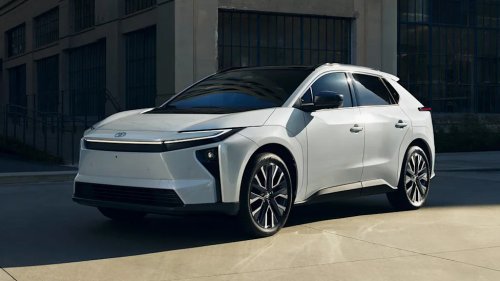
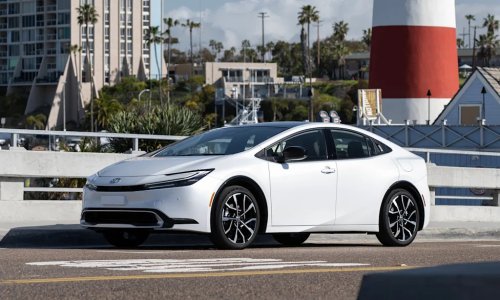
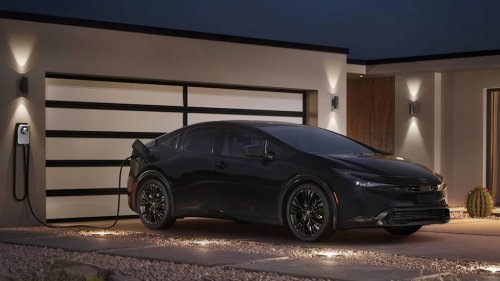
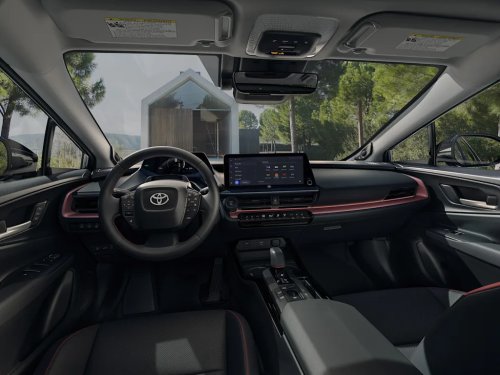
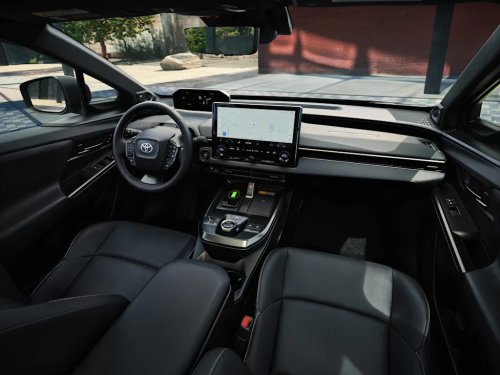
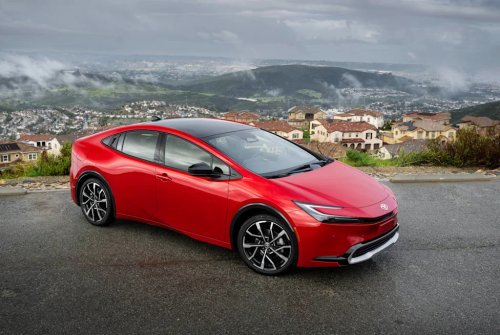
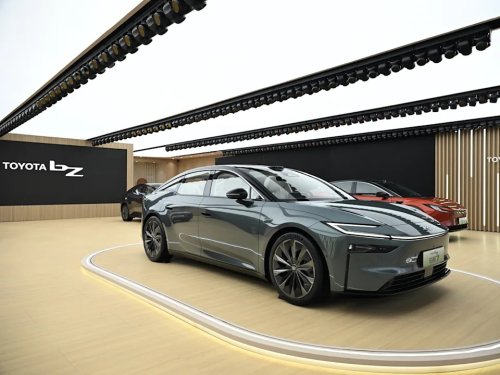
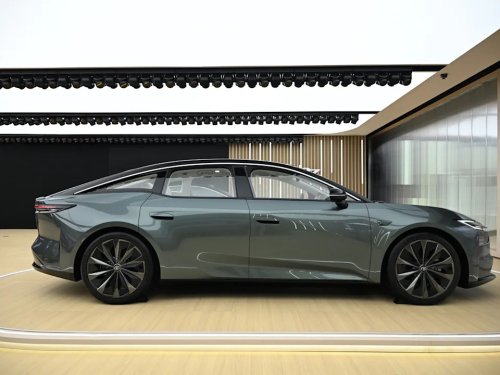
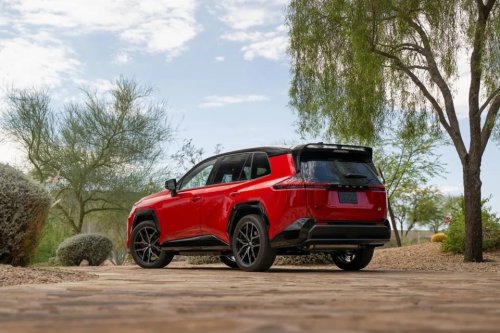
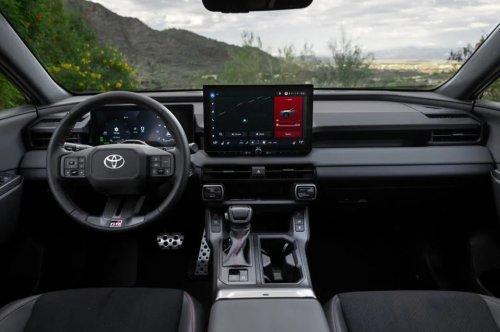
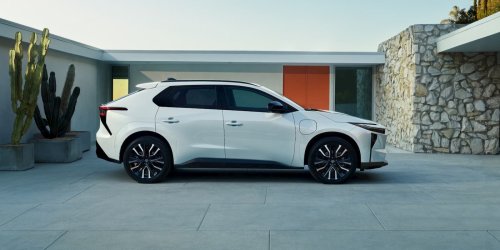
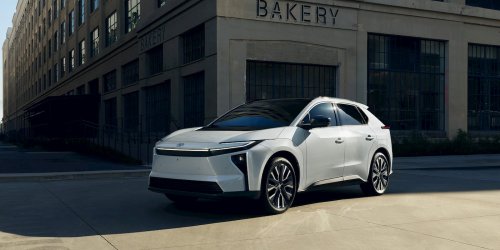
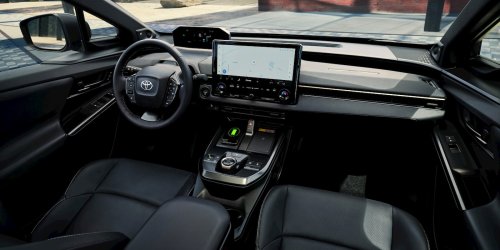
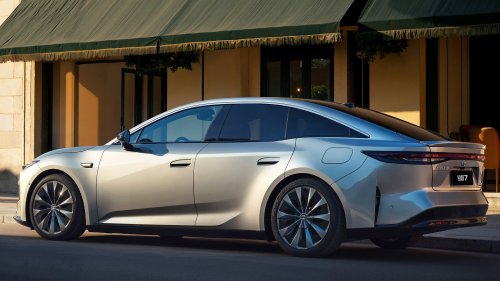
Autoblog and Yahoo may earn commission from links in this article.This Toyota duo is the answer to high gas pricesAverage gas prices in the United States are currently just over $4 per gallon, almost $1 per gallon more than a year ago. Partly due to this, many buyers have been looking for more fuel-efficient vehicle options in 2026. One way to reduce fueling costs is to consider a plug-in vehicle, be it a plug-in hybrid or full EV. At just below the $35,000 mark, Toyota has two vehicles that can be driven on electric power alone. These are the Prius PHEV and bZ EV, which are nearly the same price. But which one should you buy? Here's a comparison between these efficient, silent-running Toyotas.The Contenders: Prius PHEV and bZ EV2027 Toyota bZToyota2027 Toyota Prius PHEVToyotaThe 2027 Toyota Prius SE has a starting price of $33,980, while the 2027 Toyota bZ begins at $34,980—just $1,000 more. The Prius is Toyota's long-running hybrid hatchback, but it's more stylish and quicker than previous iterations of the compact. The bZ, meanwhile, is Toyota's first modern compact crossover, and it's been improved over the older bZ4X.AdvertisementAdvertisementWe'll compare only the base trims of each model, given their close pricing.Related: Toyota bZ Keeps Its Unbeatable Value for 2027 as EV Sales SurgeRange, Efficiency, and Performance2027 Toyota Prius PHEVToyotaView the 2 images of this gallery on the original articleWhile the Prius PHEV is significantly more powerful than the standard non-plug-in Prius, the base bZ isn't as powerful as top trims of the EV. Here's a look at how their powertrains match up.Prius PHEV SEbZ XLEPowertrain2.0L I4 and two electric motorsSingle electric motorHorsepower220 hp168 hpTorque139 lb-ft (engine only)N/ADrivetrainFWDFWD0-60 mph6.7 seconds8 secondsAll-electric range44 miles (600 miles with gas engine)236 milesMPGe rating (combined)129 MPGe130 MPGeIn Car and Driver testing, the Prius PHEV reached 60 mph in just 6.7 seconds. Toyota's estimated 0-60 time for the base bZ is much slower, at eight seconds. In everyday driving, the Prius PHEV will feel considerably quicker, and it's likelier to maintain that advantage at higher speeds, where EVs tend to be less responsive.AdvertisementAdvertisementThe ability to cover up to 44 miles on electric power alone means the Prius can often be operated as an EV, assuming your commute isn't too long and that you have easy access to home charging or a public charger. With the gas engine, it can cover 600 miles with a full battery and tank. That's considerably longer than the base Toyota bZ, which can only travel for 236 miles.MPGe ratings are nearly identical, which is a bigger win for the Prius, as EVs are typically more efficient than PHEVs. The only real advantage for the bZ here is the always-silent operation of its powertrain, assuming you prefer that aspect of the EV experience.Related: I Hate Priuses, but the 2026 Prius Plug-In Changed My Mind. Here are Five Reasons Why.Design, Practicality, and Features2027 Toyota Prius PHEVToyota2027 Toyota bZToyotaThe latest Prius looks nothing like the old one. It has a sleek, premium design with a low roofline and sporty hatchback rear. It's now a car you could buy because it looks good, which can't be said of any older Prius. The bZ is a sharper-looking crossover than the bZ4X, but it's not as stylish as the Prius.AdvertisementAdvertisementOf course, there are benefits to getting the bZ crossover. It's got a bigger back seat, whereas the Prius can feel rather cramped in the second row for taller people. There's also significantly more cargo space in the bZ, so it's a more practical vehicle overall. The entry-level bZ is slightly better specified, as it gets a larger touchscreen (14 to eight inches), heated front seats, nicer SofTex/fabric upholstery, and a powered driver's seat. Both have a heated steering wheel and dual wireless phone chargers. The Prius may look better, but the bZ is more comfortable for daily use.Related: The EV Sales Slump Has Three Surprising WinnersWhich One Should You Buy?2027 Toyota Prius PHEVToyotaView the 2 images of this gallery on the original articleAdvertisementAdvertisementBoth vehicles offer efficient, electric driving at a reasonable price. Now that the Prius PHEV has a much better all-electric range, it's a genuine alternative to an EV depending on your use case.Why you should get the Prius PHEVMuch quicker accelerationLong total range makes road trips easierStylish designPerfect for singles or couplesIdeal if your daily commute is shortWhy you should get the bZMore space for passengers and cargoIngress and egress will be easier for someMore standard featuresIn the end, the best car is the one that best fits into your lifestyle. At below $35,000, our choice is the Prius PHEV—it offers more performance, comparable efficiency, and a much longer range for $1,000 less.AdvertisementAdvertisementRelated: 2027 Toyota Prius Gets A Sinister New Look, A More Comfortable Cabin, And A Small Price BumpThis story was originally published by Autoblog on Aug 11, 2026, where it first appeared in the Car Buying section. Add Autoblog as a Preferred Source by clicking here.










































































![Toyota's $15,000 Chinese EV spotted overseas in RHD [Images]](https://cdn.topcarnews.net/thumb/id/aHR0cHM6Ly9pMC53cC5jb20vZWxlY3Ry-ZWsuY28vd3AtY29udGVudC91cGxvYWRz-L3NpdGVzLzMvMjAyNi8wOS9Ub3lvdGEt-YlozWC1FVi1SSEQuanBlZz93PTE1MDAm-YW1wO3F1YWxpdHk9ODImYW1wO3N0cmlw-PWFsbCZhbXA7c3NsPTE/3fdd3b5d03bdc27308f0c99caa99667e.jpeg?t=20260922&post_id=64756)