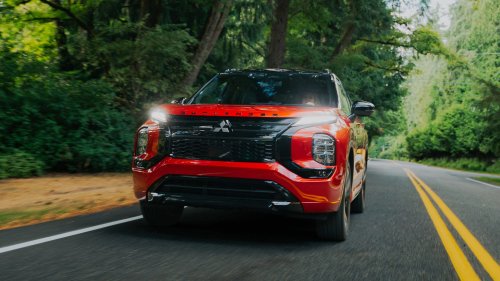
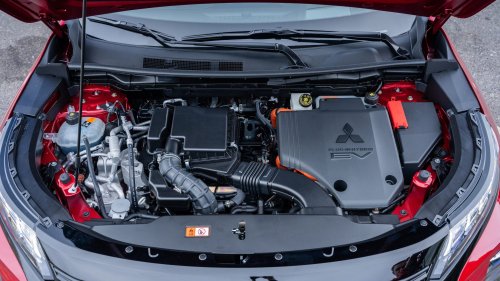
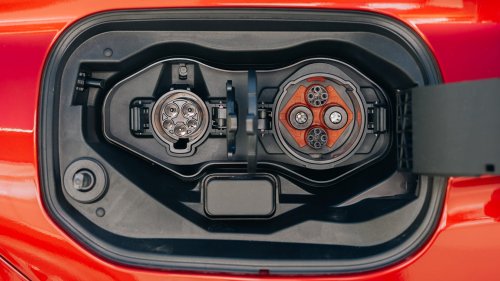
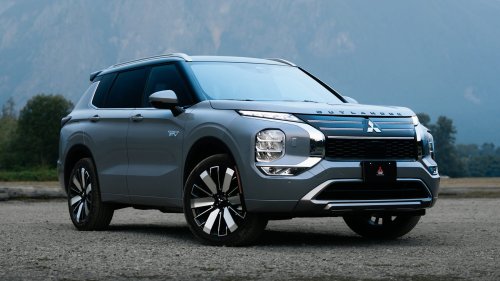
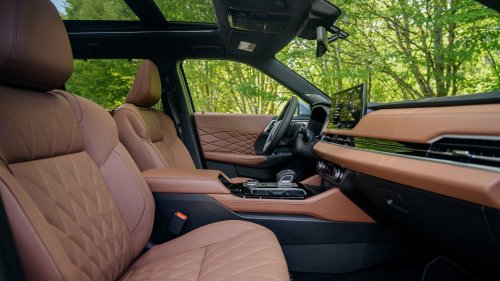
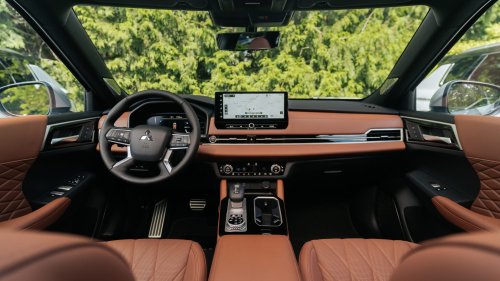
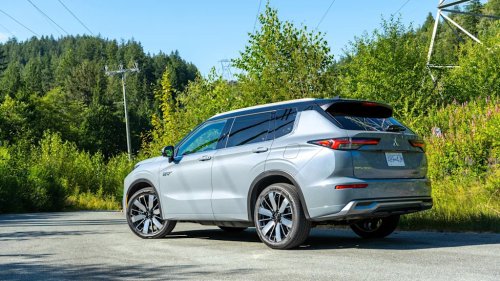
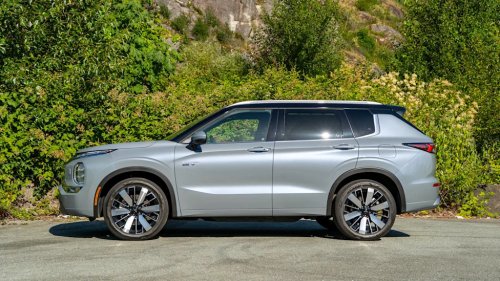
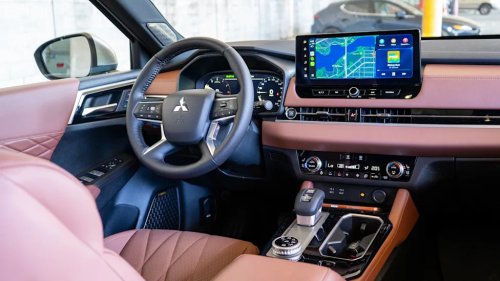
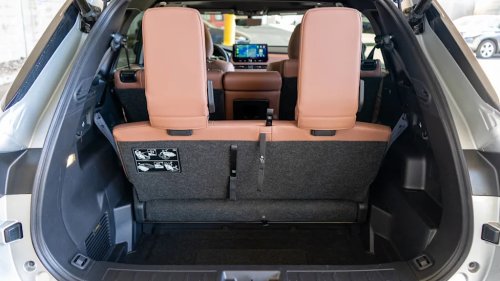
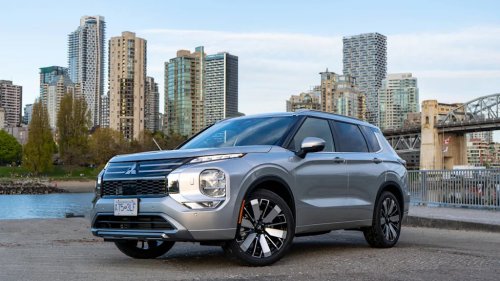
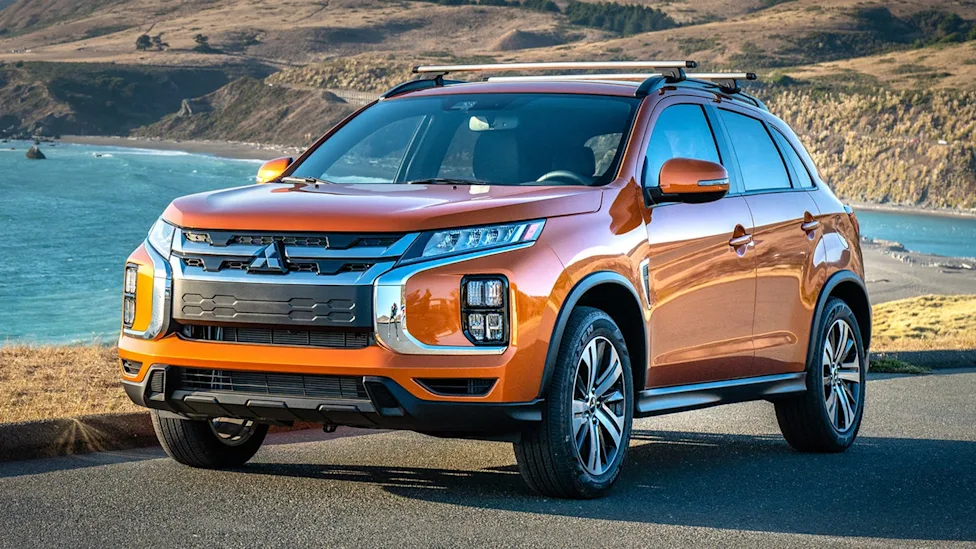
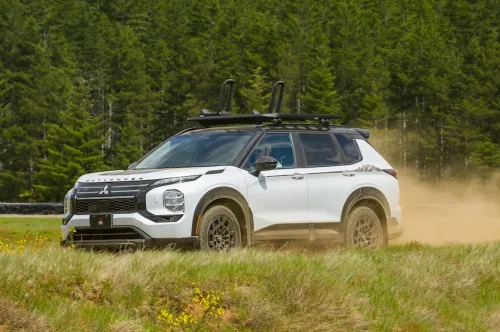
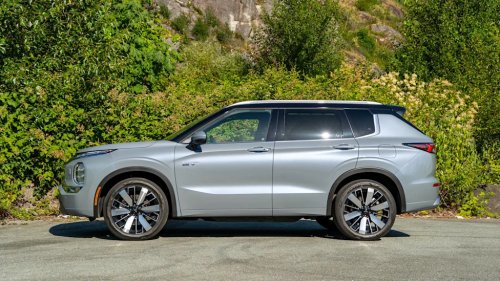
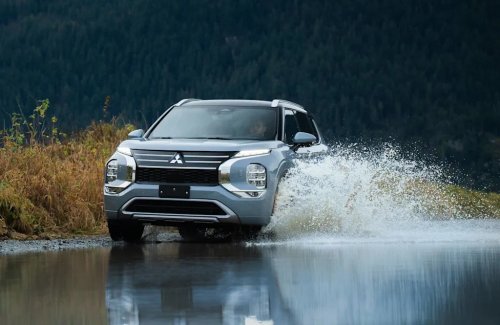
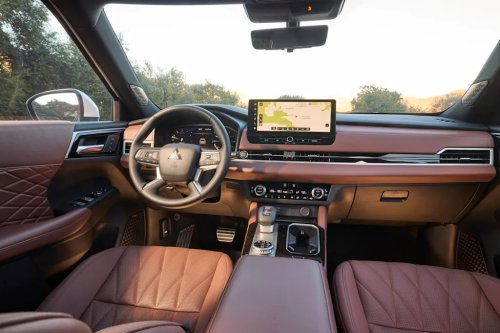
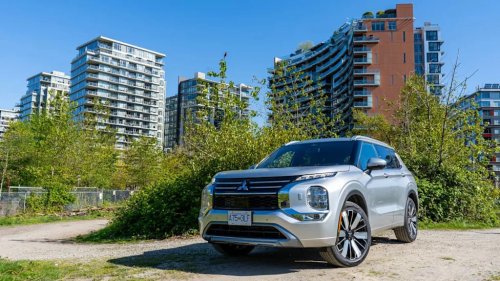
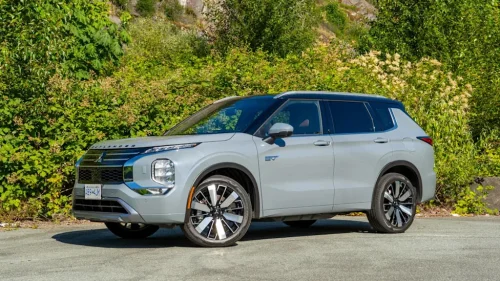
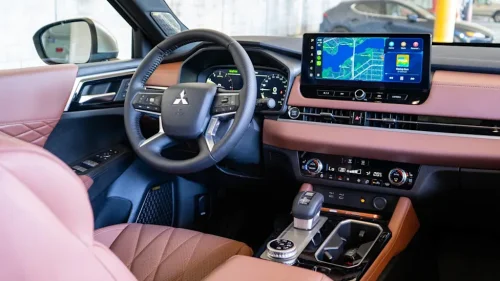
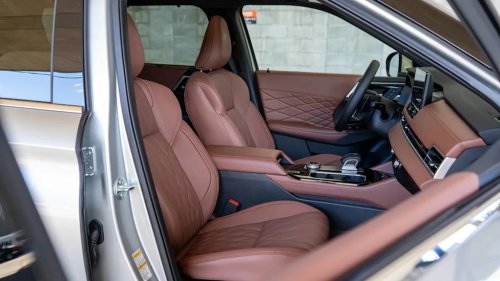
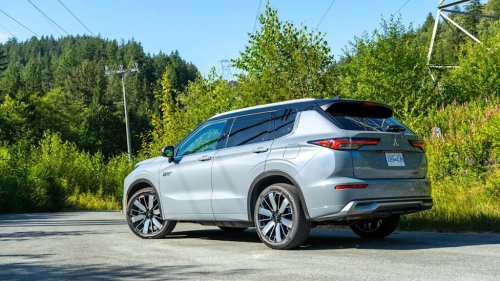
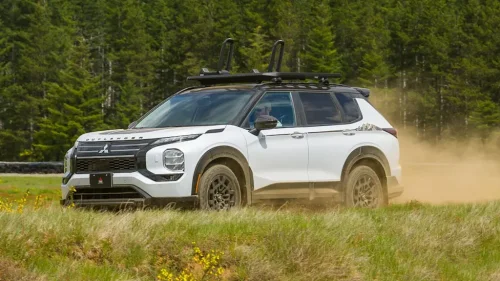
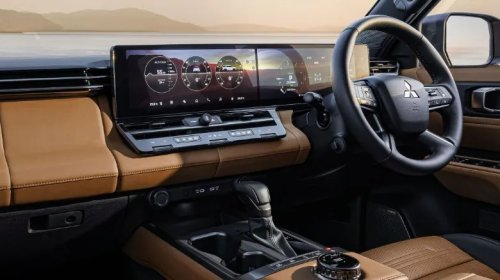
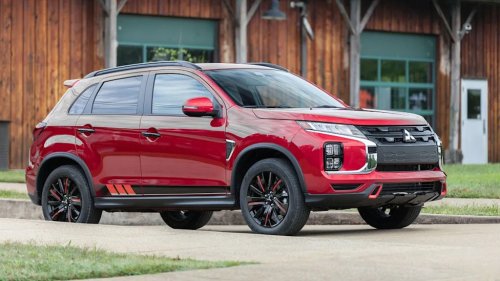
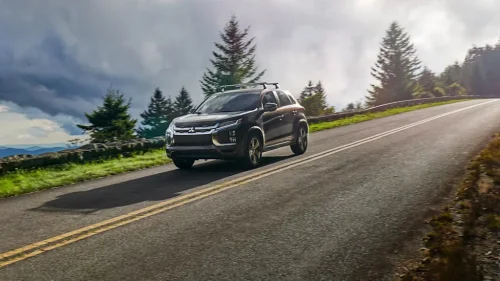
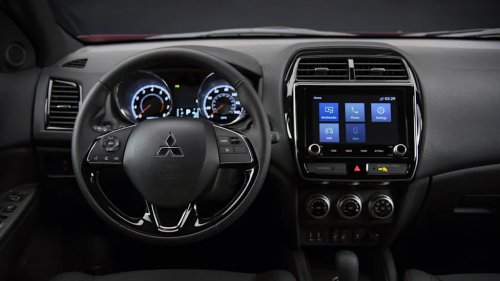
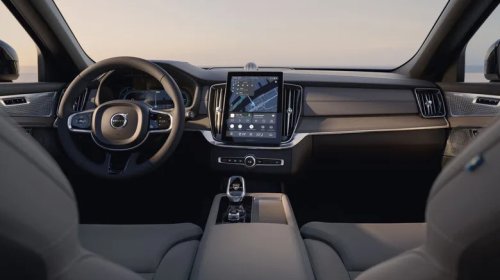
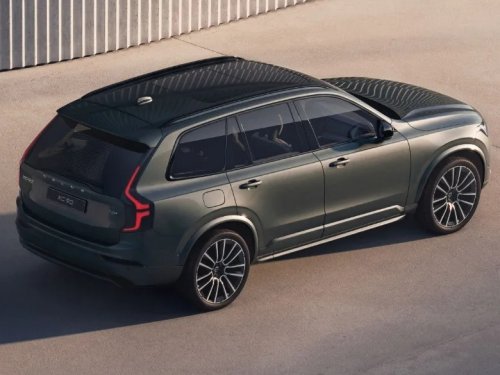
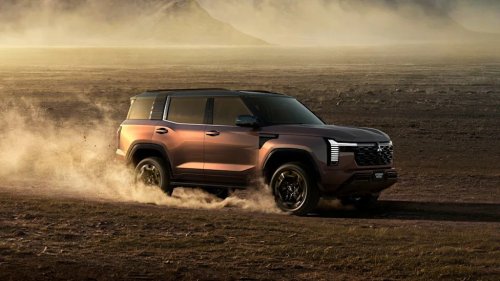
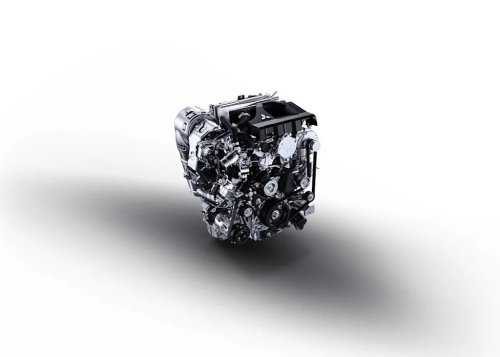
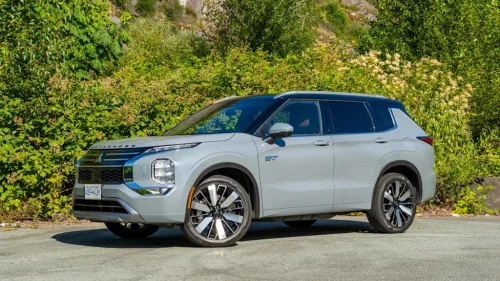
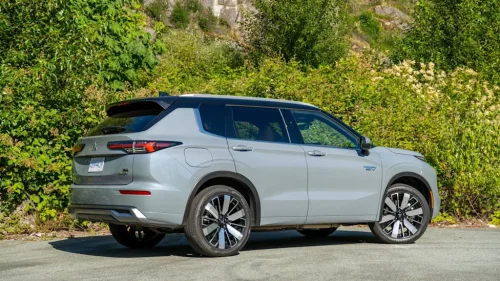
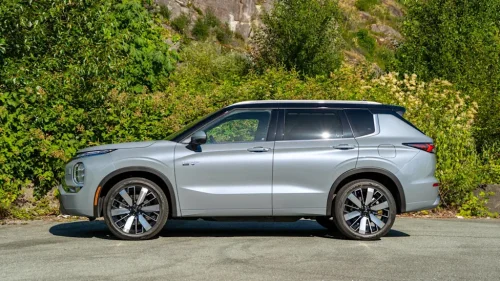
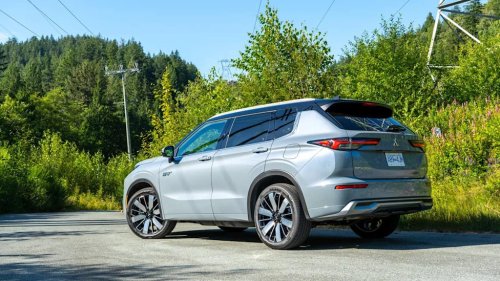
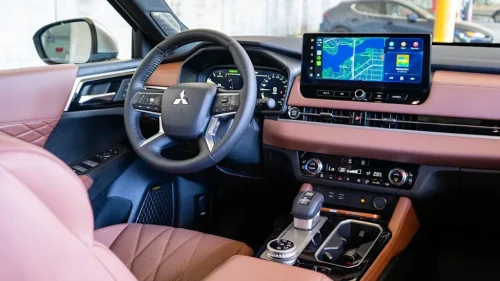
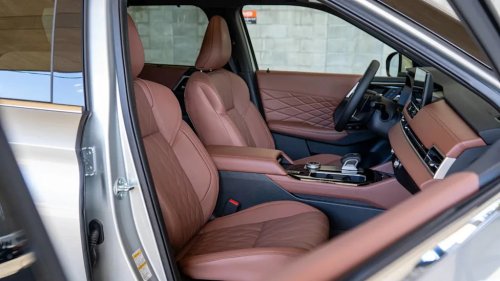
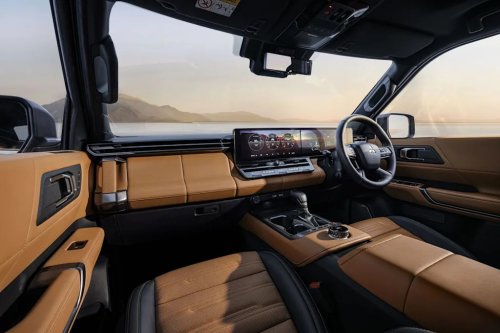
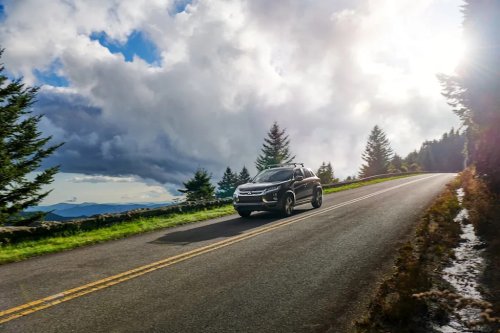
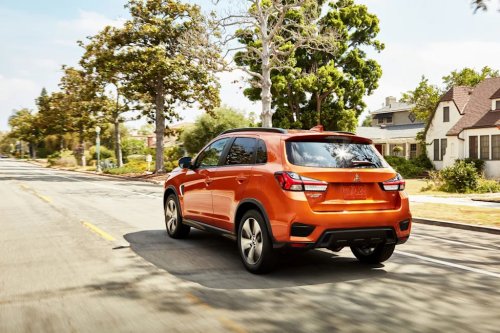
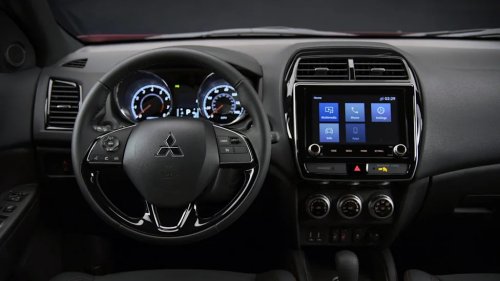
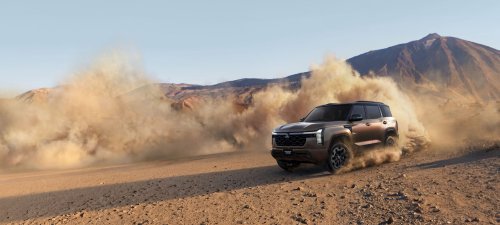
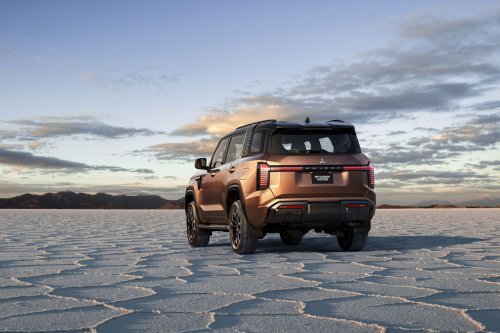
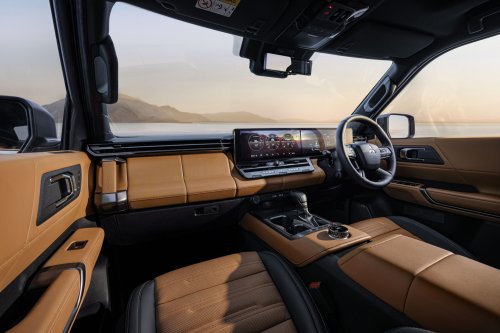
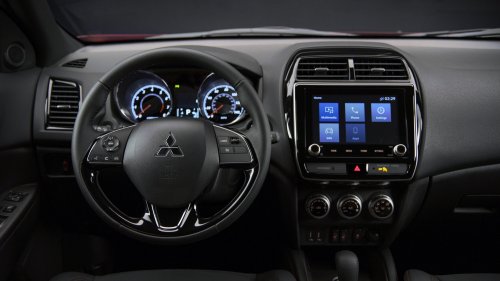
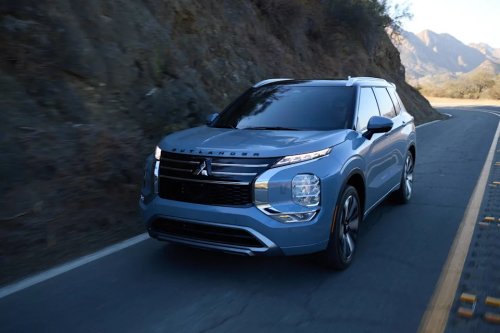
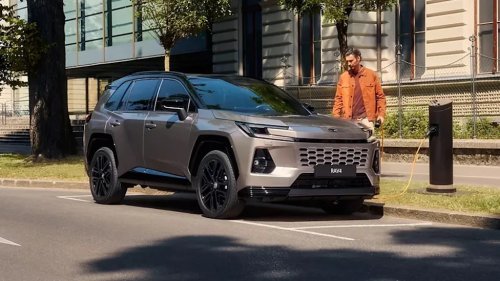
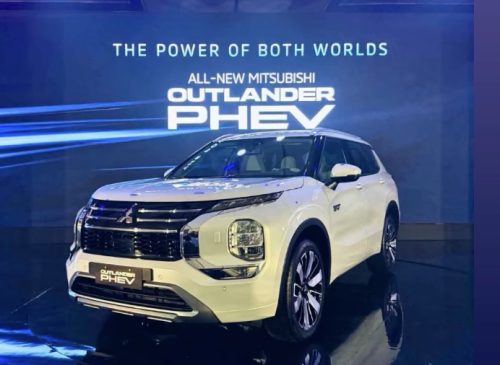
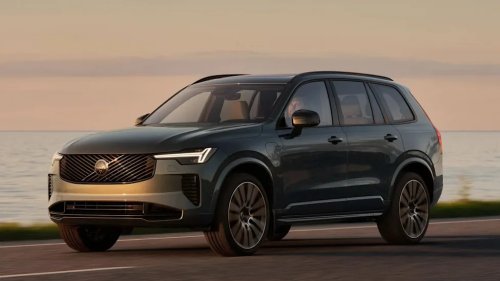
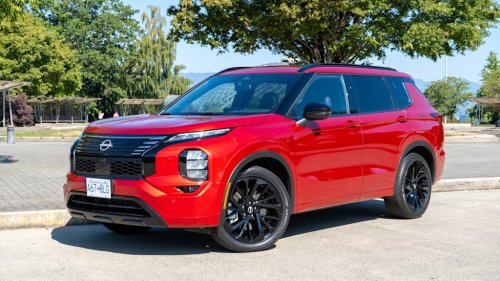
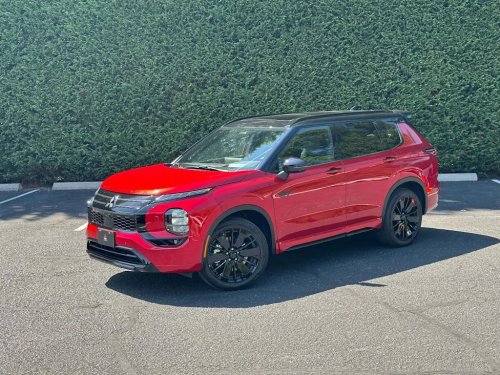
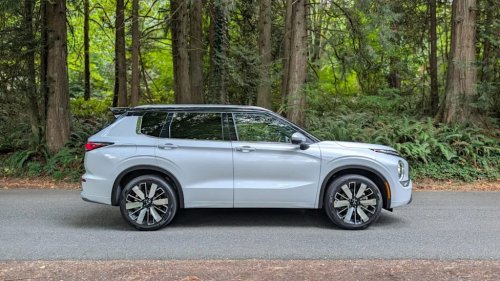
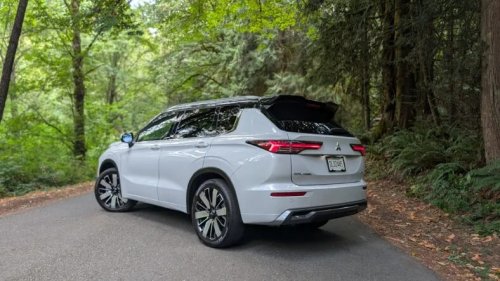
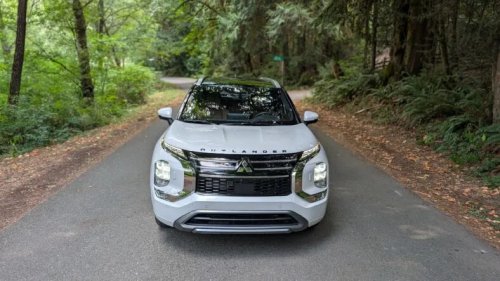
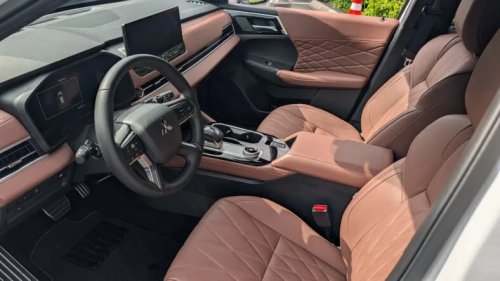
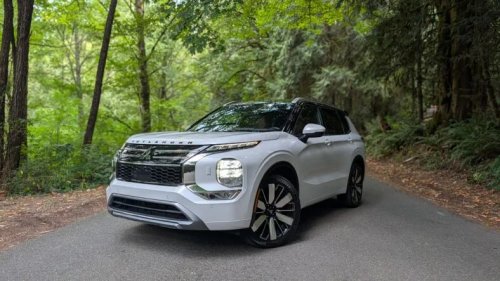
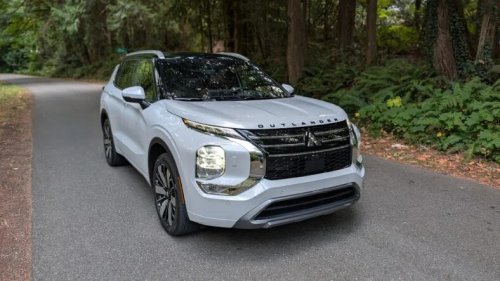
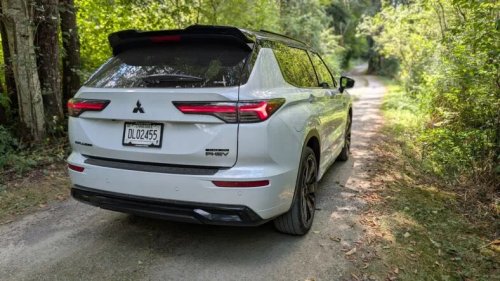
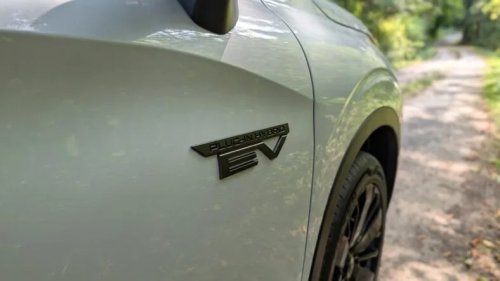
Kristen BrownThe 2026 Mitsubishi Outlander keeps its signature look but gains significant upgrades in powertrain, standard tech, and trim options.We've made it painfully obvious that the 2026 Mitsubishi Outlander is one of our favorite affordable SUVs, because of its capabilities, reliability, and price-to-feature ratio. One look at the interior of the gas-only Trail Edition or the PHEV model and you'll understand; Mitsubishi is on a mission to show us that affordable isn't always synonymous with cheap.While I was with Mitsubishi experiencing the upcoming Eclipse Sportback EV, I got to spend a bit of time behind the wheel with the all-new mild hybrid system replacing the company's trusty 2.5-liter engine for the gas-only model, as well as the battery and horsepower updates in the new PHEV. Both get exciting interior additions and swaps, too.AdvertisementAdvertisementThe most important thing is unchanged, though: the 2026 Mitsubishi Outlander is still affordable, adorable, and oh-so-charming. Here's what else you need to know.This story is 100% human-researched and written based on actual first-person knowledge, extensive experience and expertise on the subject of cars and trucks. Additionally, I was Mitsubishi's guest, but all opinions and impressions are my own.Firstly, Price Increases are More than ReasonableWith updates, there are usually price hikes, but for the Outlander, they're not as much as you might thinkI'll dig into the updates in a bit, but I felt it was incredibly important to note that, despite the long list of updates, additions, and replacements, Mitsubishi worked hard to protect the Outlander's standing as one of the most affordable 3-row SUVs available. The previous model with front-wheel drive started at $29,645, while the new Outlander's base MSRP is $29,995—an increase of about $350. The PHEV sees the highest increase, but that's because its updates are more significant (trust me, you'll see). It used to start at $40,400, while the new starting point is $43,245—an increase of about $2,845.The 2026 Mitsubishi Outlander's Engine Goes… Smaller?Smaller engine, less horsepower, but more torqueYes, you read that right. When we use terms like "update" or "refresh," most of us assume that means more of something. So, when Mitsubishi engineers said they were replacing their ol' faithful 2.5-liter four-cylinder engine for a smaller 1.5-liter turbo four, the other journalists and I must have looked confused, because Kevin Sittner, the company's EV and Powertrain Manager, said, "Trust me, there are good reasons for this." AdvertisementAdvertisementSittner explained that instead of a larger "gutless" engine, the 2026 Mitsubishi Outlander will have a 48V mild-hybrid system baked into a smaller, turbocharged engine. We see that in a lot of other SUVs like the Volvo XC60 and XC90, Mazda CX-90, and the Outlander's industry twin, the Nissan Rogue. But here's where it gets interesting: the smaller engine, even with the mild-hybrid system, actually makes less horsepower than the outgoing engine, with a rating of 174 HP compared to the 2.5's 181 HP.Sittner said that the most substantial benefit is torque. Instead of 181 lb-ft of torque, the new setup generates 206 lb-ft of torque. Why should you care? It means zero turbo lag, and it's much more enthusiastic starting from a stop, making it feel more awake—even at slower speeds. The 48V system, Sittner said, can also power the auxiliary systems like the A/C, compressors for the defroster, electric water pumps, and electronic power steering systems, so the engine doesn't take on additional strain. This is what helps improve the acceleration and throttle response.Another fun byproduct is that you also get a marginal boost in mileage: +2 MPG in the city, and +1 MPG combined. The highway rating is identical, though.There are Minor (But Important) Tweaks to Its Appearance and Ride Quality TooPeep that larger, more spacious center console and larger screenThis part of the conversation was brief, but the product planning managers were careful to note that on the outside, we get to witness a few small but important changes. The front bumper got a bit of a makeover, with sleeker lines to increase its curb appeal. The grills and wheels have been updated, too, to help it stand out a bit more from the 2025 model.AdvertisementAdvertisementOn the inside, Mitsubishi said it increased the amount of sound dampening to reduce wind and road noise (which I noticed immediately), added a new and larger center console that complemented a larger and more comfortable armrest, more storage, optional ventilated seats, and a larger optional multimedia screen (12.3 inches instead of 9 inches). By default, mid- and higher-level trims come with a very impressive Yamaha sound system designed specifically for the Outlander. The 2026 Mitsubishi Outlander will also come with improved springs, dampers, anti-roll bars, higher-quality bushings to absorb vibrations more effectively, and the all-wheel drive system has been recalibrated to make the ride more stable, smooth, and predictable. More Trims are Available for More BuyersA new trim is positioned between the ES and SEL, plus a blacked-out trimThe 2026 Mitsubishi Outlander will debut a new LE trim to act as a middle ground between the ES and SE trim. The team described it as a "value sweet spot," starting at $32,345 with front-wheel drive, or $34,145 if you want all-wheel drive. The company packaged it for those who want a stealth or blackout look, with black wheels and mirror caps, as well as fog lights. The LE trim does away with cloth, too, and instead uses vegan leather and microsuede accenting on the seats with a leather-wrapped steering wheel and shift knob, making it feel much more expensive than $34K. Because the Outlander's AWD capabilities are well-known, the LE will also come standard with cold-weather-friendly features, like heated front seats and a heated steering wheel, something that's usually an expensive add-on (or not available at all) in other similarly priced SUVs. Beforehand, if you wanted those, you were forced into a more expensive SE trim. AdvertisementAdvertisementYou also get the larger 12.3-inch screen, wireless phone mirroring, and that new Yamaha sound system I mentioned earlier. Mitsubishi also included the multi-view 360-degree camera system, too. All for roughly $2,000 less than the SE. There's also a new SEL Black Edition, which is a tech-forward stealth package that makes it feel like a Batmobile, and the Ralliart model is coming back, too. Now for the PHEV: Say Hello to a Larger Battery PackA larger battery comes with a longer list of benefitsThe 2026 Mitsubishi Outlander PHEV got the most important updates to the component that matters most (as well as the same interior and exterior updates as the mild-hybrid): the battery. Sittner was proud to announce that the company worked diligently to update the battery pack, actually increasing it from 20.0 kWh to 22.7 kWh—an overall boost of 13% without having to change how the battery is packaged in the car itself. Sittner also said that the new design allowed for a liquid cooling design, which boosted the maximum battery discharge rate by 60%. What does all that mean? To put it simply: a higher EV-only range and more horsepower. That 13% increase granted us 10 more miles, going from 38 miles of all-electric driving to 48 miles, making it one of the highest ranges on the list of affordable PHEVs, next to the Toyota RAV4 PHEV's range of over 50 miles. The PHEV's range was so high to begin with that Outlander owners reported in customer surveys that they rarely ever used the gas engine. So the company had to add a reminder to burn off at least 1.5 gallons of gas, and then top it off, to keep it fresh. But this reminder is set to come on after three months of the engine never turning over. With a higher EV range, I'm sure that'll be an even bigger "problem."More Battery = More HorsepowerThe rear of the 2026 Mitsubishi Outlander PHEV, showing the badgeThe previous Mitsubishi Outlander PHEV, even with a smaller battery, had a rating of about 248 horsepower combined with the engine and battery. The new battery pack translates to a combined output of 297 horsepower, which was one of the more noticeable aspects during my time with it. Because it's engineered to prioritize EV Mode, all 297 ponies are ready to go at any given time, so there's always more than enough juice to pass a slow truck or merge onto the highway—but especially from a stop with AWD.AdvertisementAdvertisementJust like the new mild-hybrid Outlander, the PHEV was also fitted with more sound-dampening material, which was very appreciated since, you know, the PHEV is largely a silent ride. The added horsepower and quieter ride amplified the premium feel that Mitsubishi was going for, and only reinforced its reputation as one of the best-selling PHEVs in the country.Both Are Vastly Improved, and We Can't Wait to Test ThemThe PHEV badge on the 2026 Mitsubishi Outlander plug-in hybridThese updates, while seemingly minor on paper, prove something incredibly important as both a consumer and a writer: Mitsubishi's been paying attention. Every answer to a question that felt similar to, "Why do that instead of X?" A member of the team answered, "Because it's what our customers want." They asked customers what can be improved, and they went and did it. Without increasing the cost to customers much at all. Mitsubishi is showing everyone that making an affordable product feel like a great value isn't just possible; it's much easier than you'd think. All companies have to do is listen and value their buyers' input to make it happen.Related HeadlinesAdvertisementAdvertisementBuy This, Not That: Plug-in Hybrid vs. Hybrid Versions of 10 Popular SUVs, and Which Is the Better BuyThe Best 3-Row SUVs for Installing Kids Car Seats—And Starting Below $45K? Yup!Buy This Not That: You Don't Have to Splurge; These 10 Popular Cars Offer Luxury Car Perks for LessRead more at A Girls Guide to Cars



















 +64 others