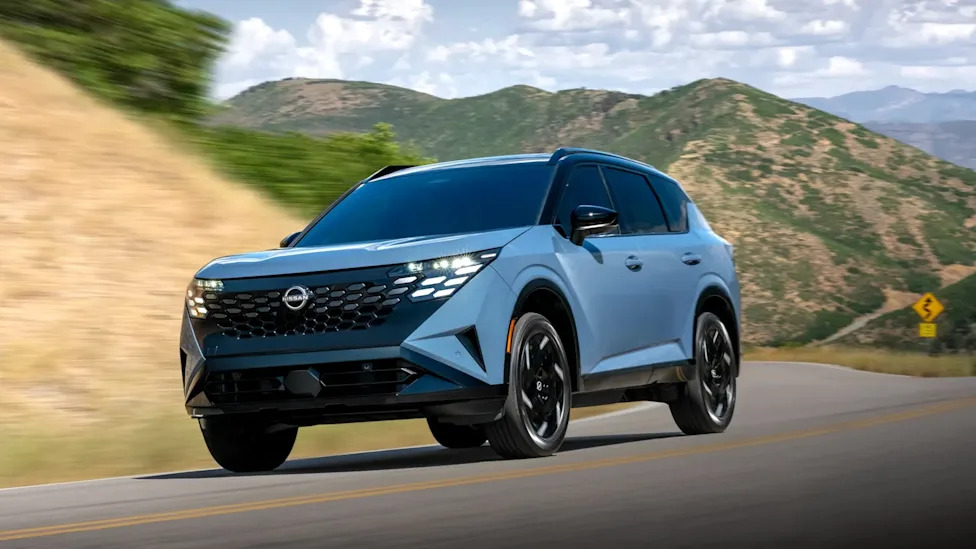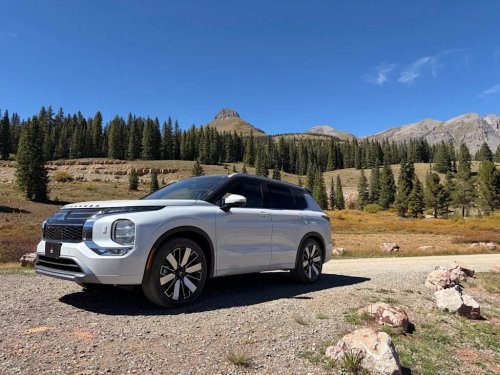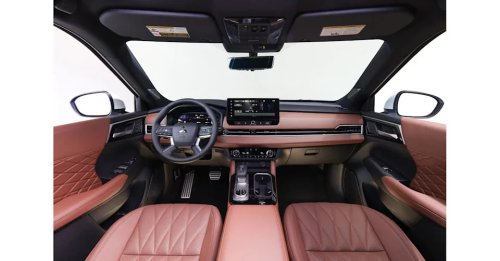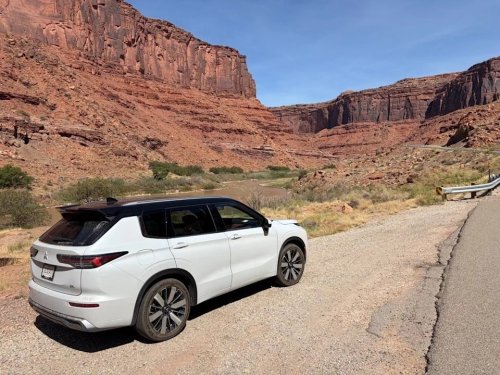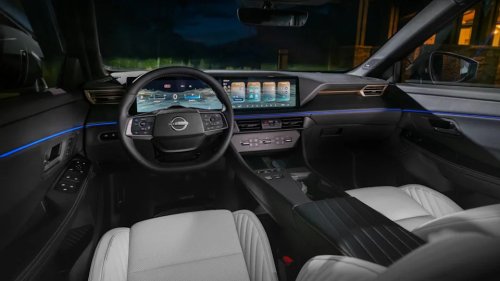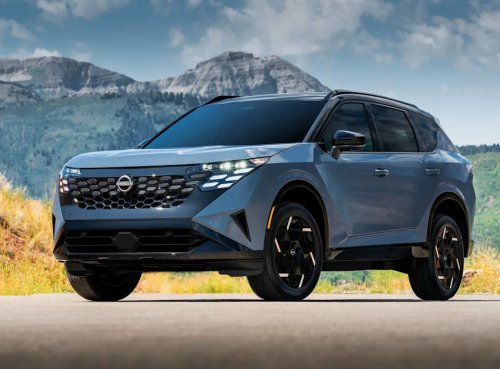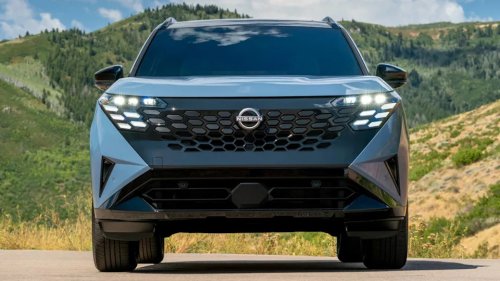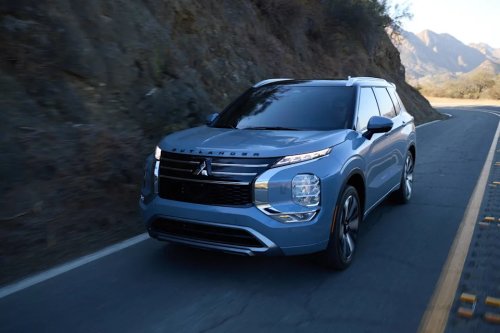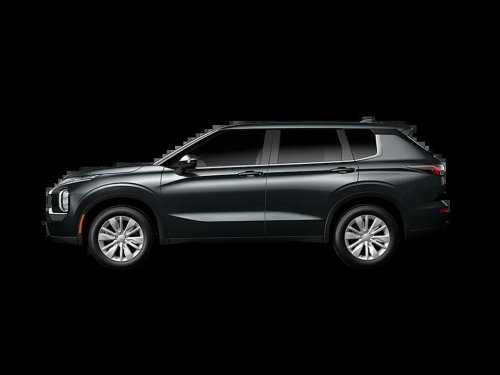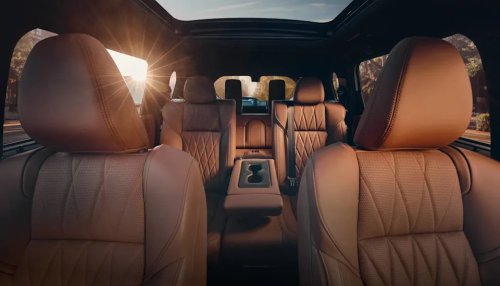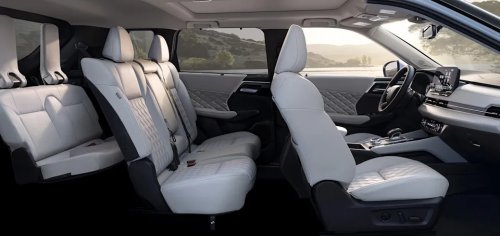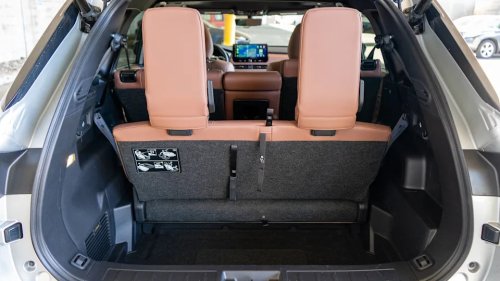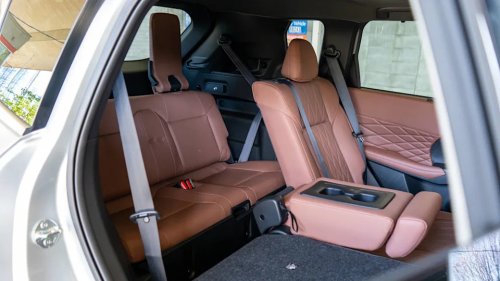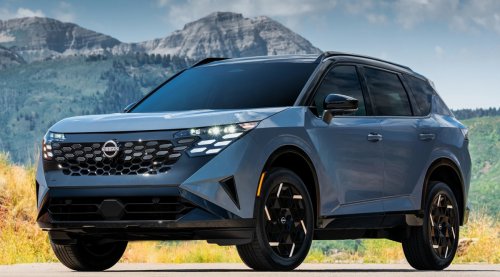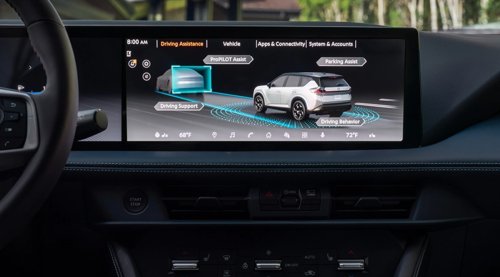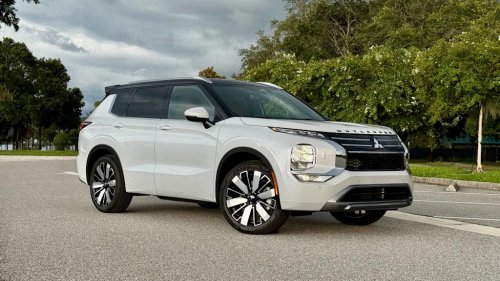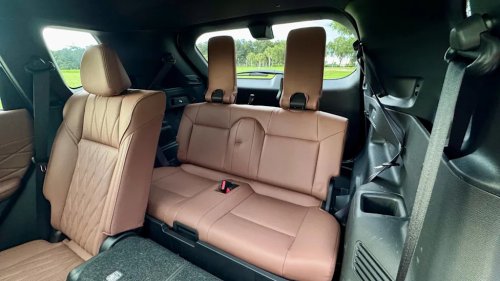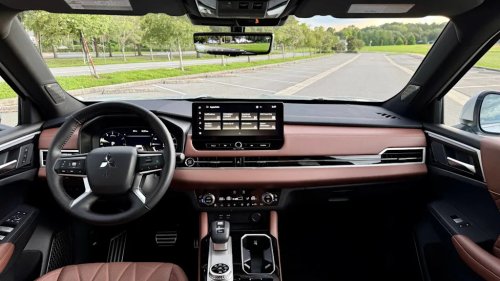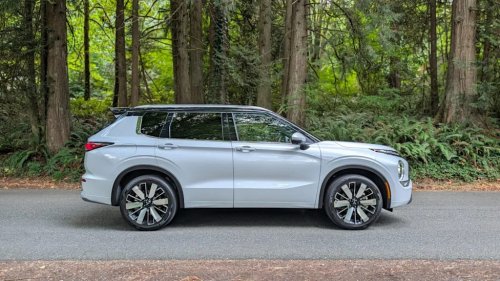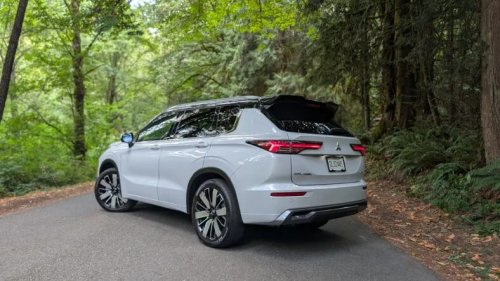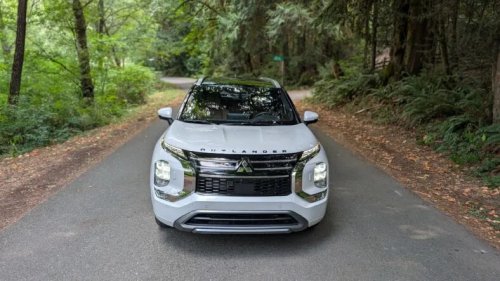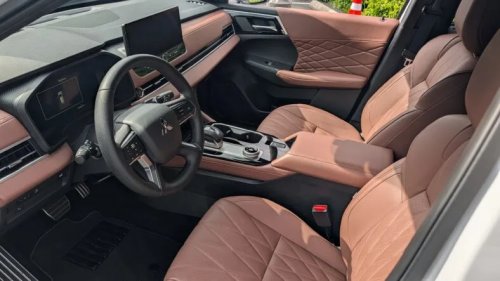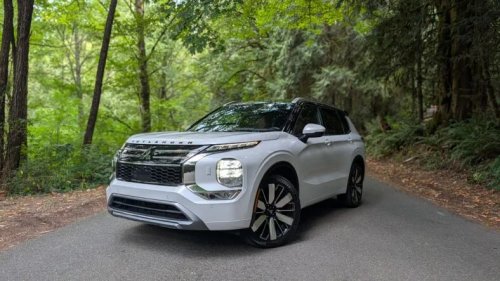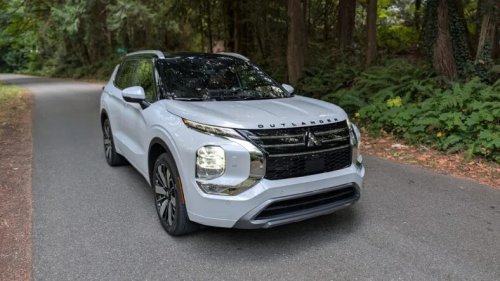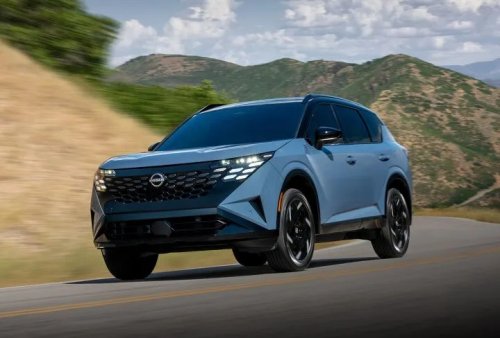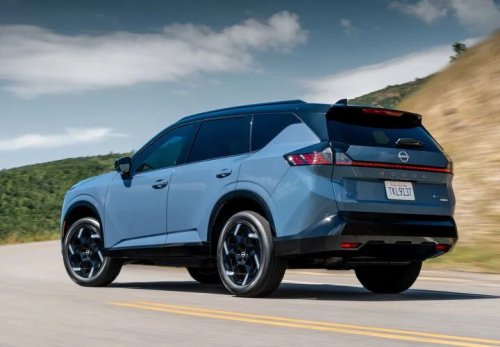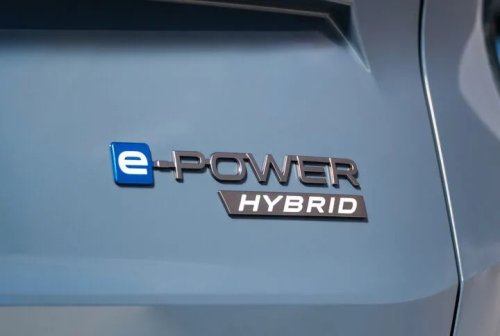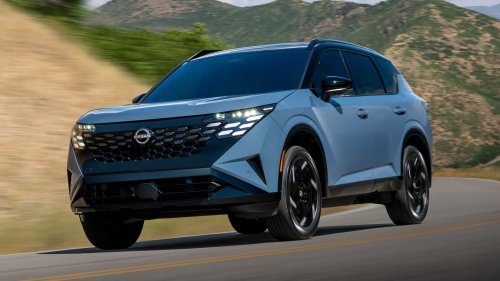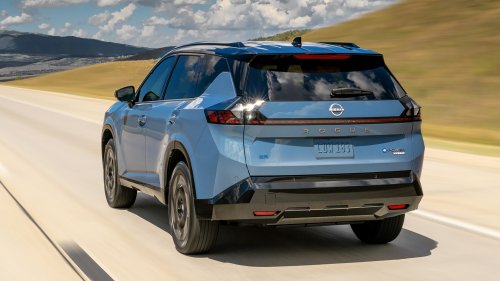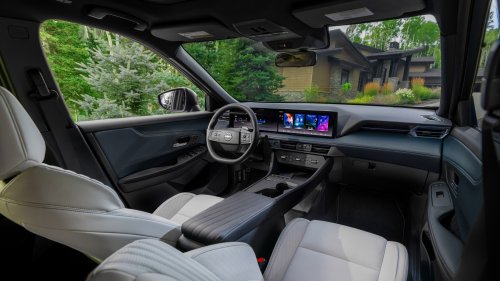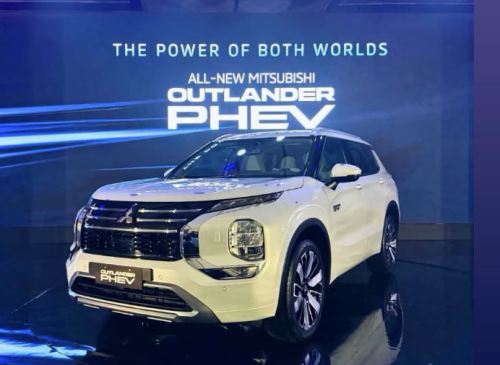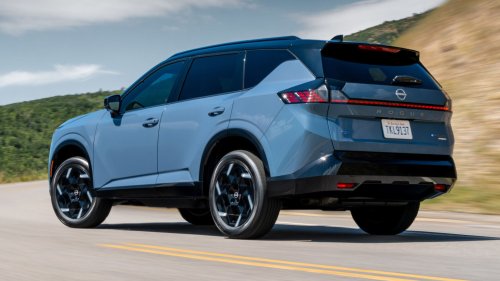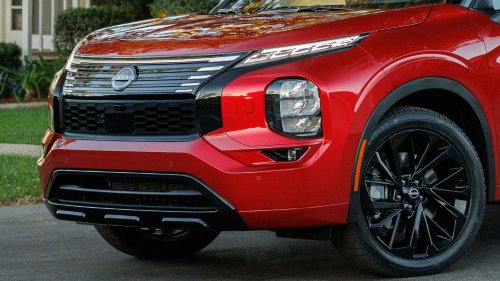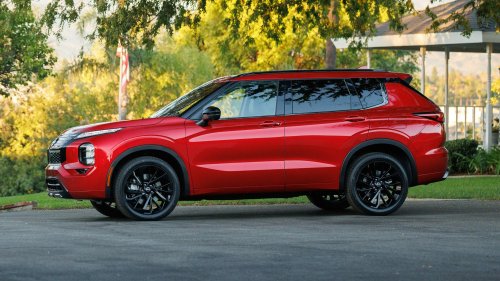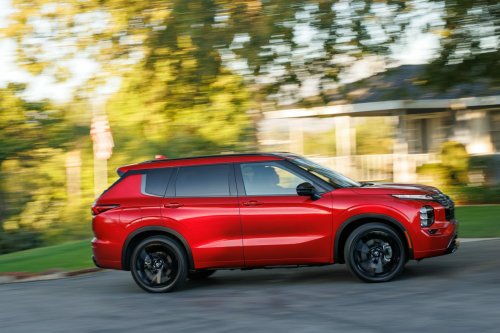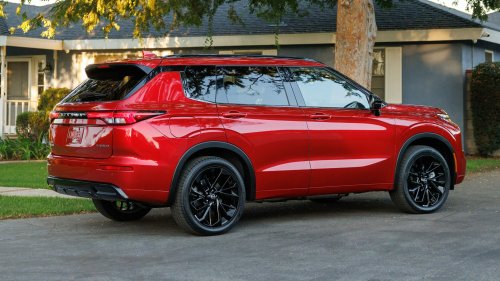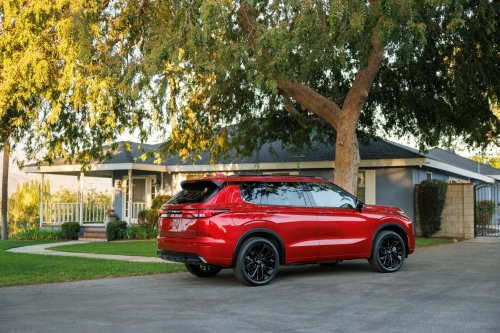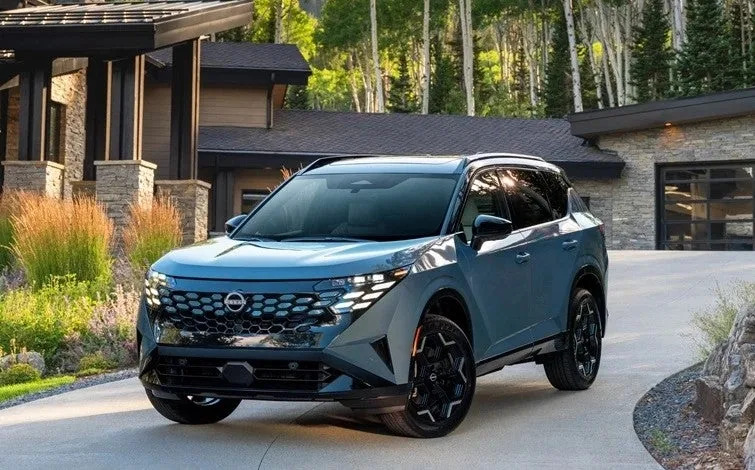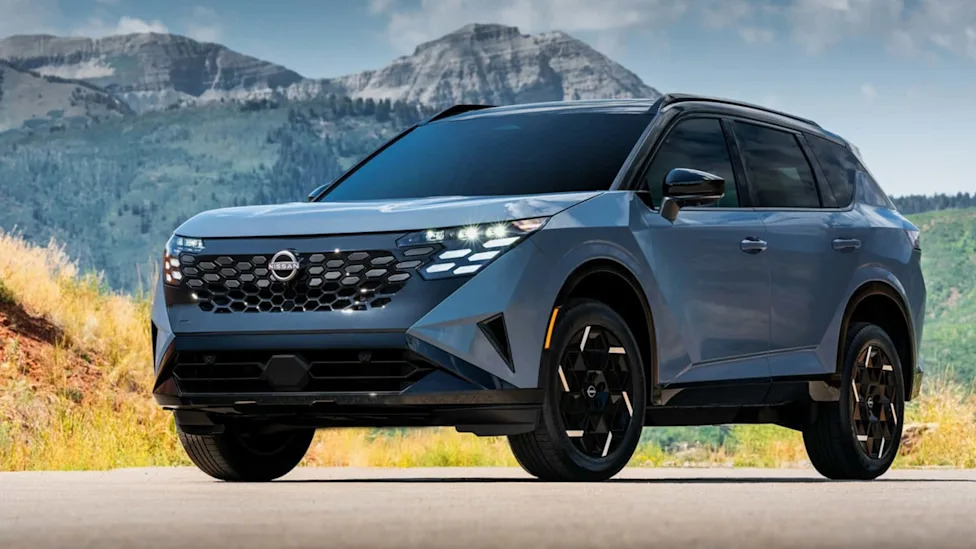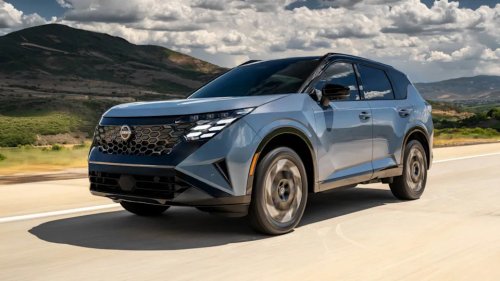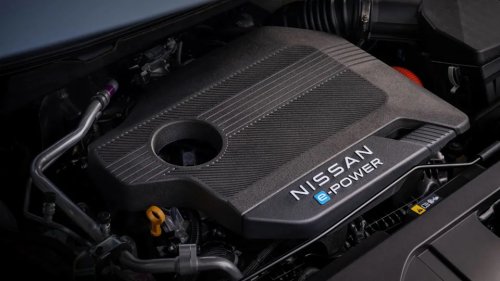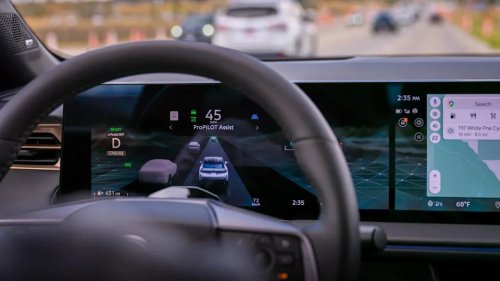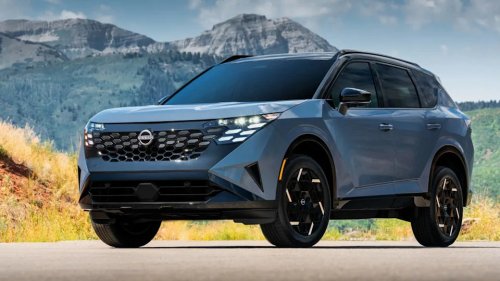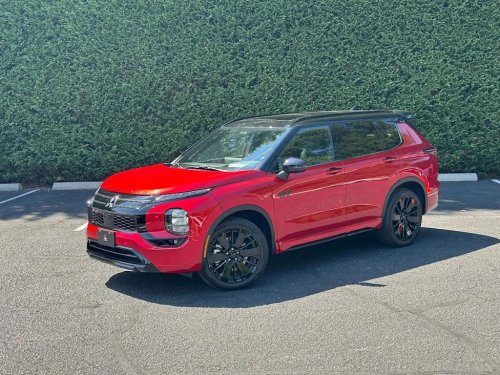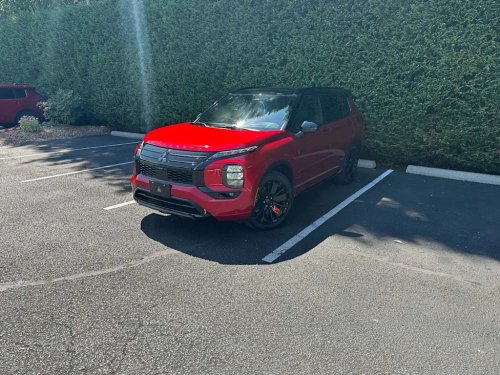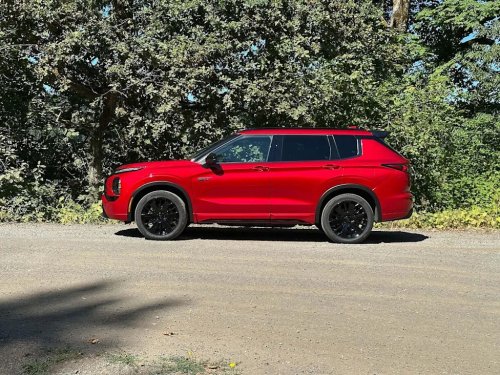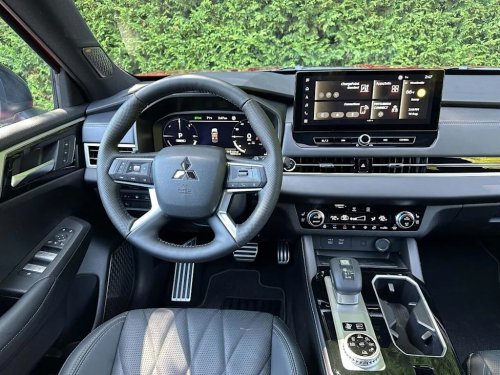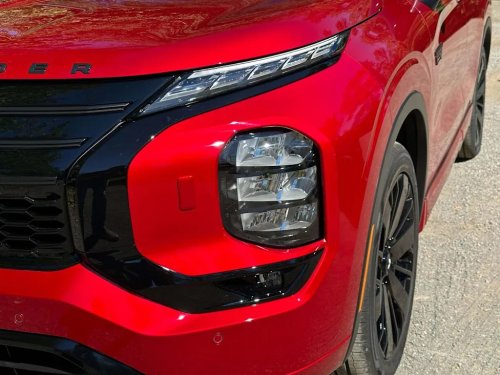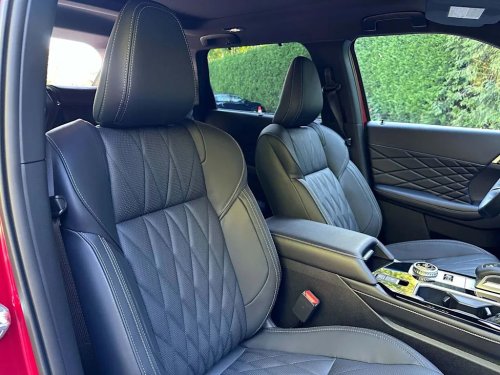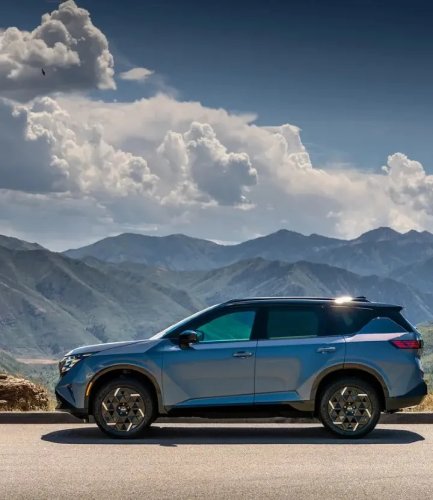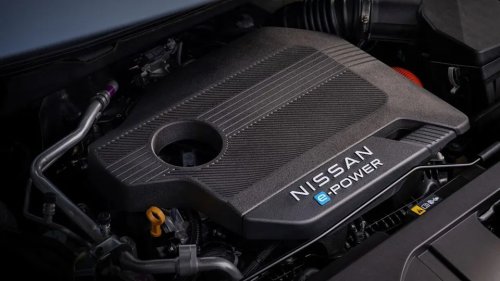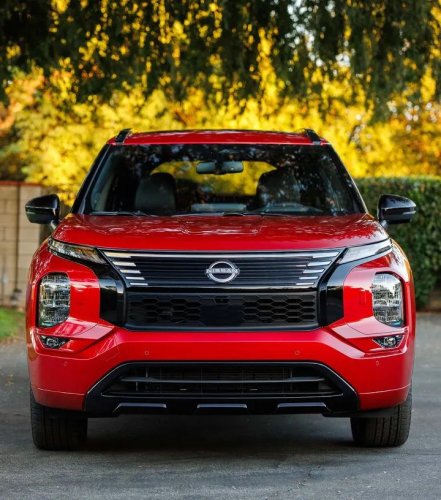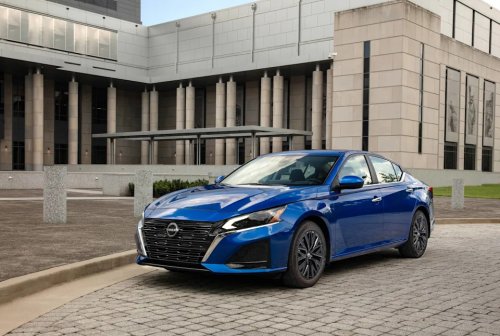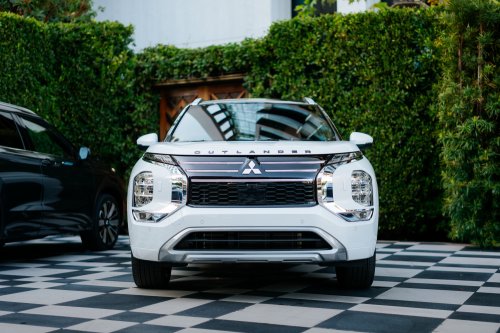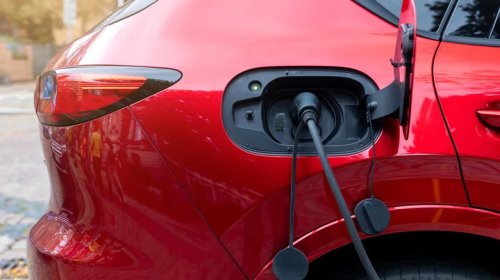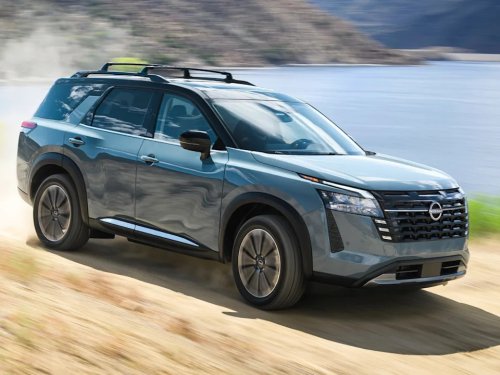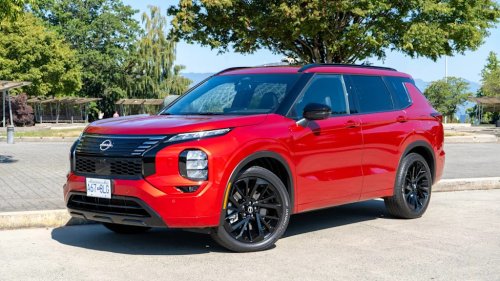
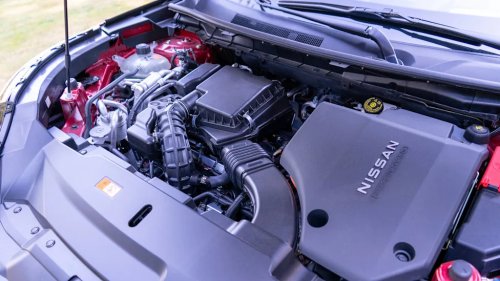
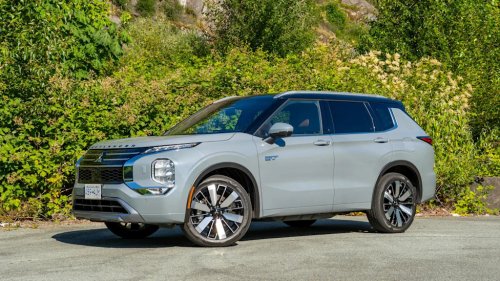
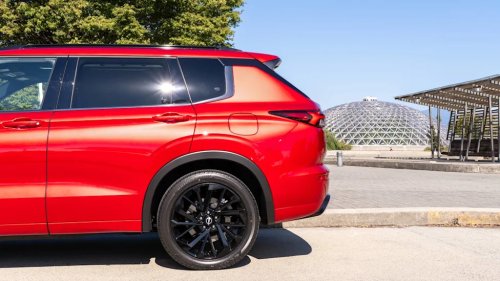
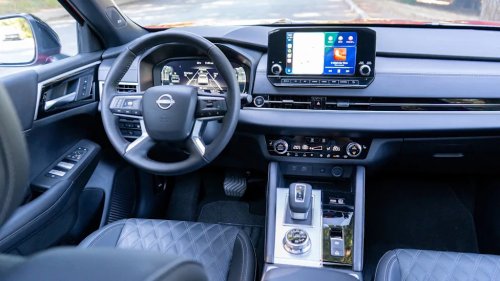
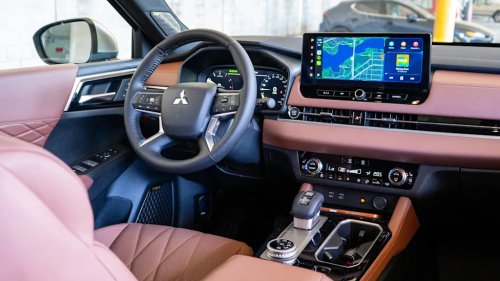
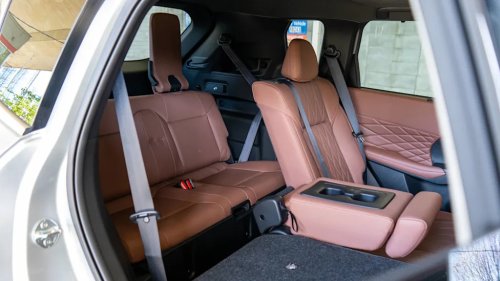
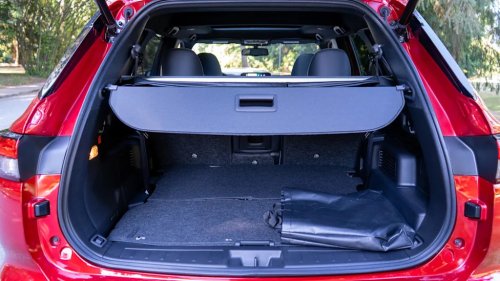
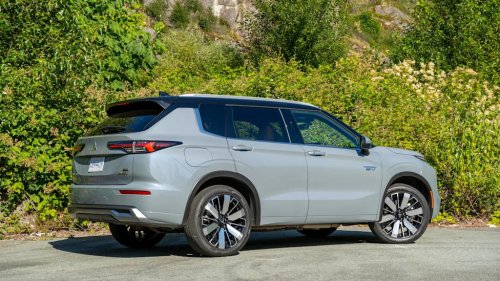



















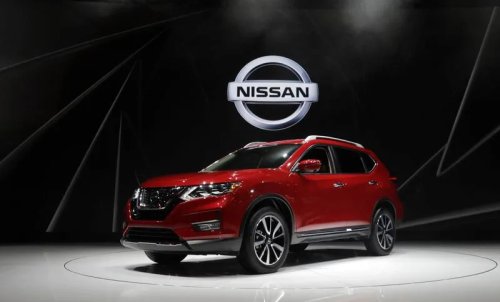
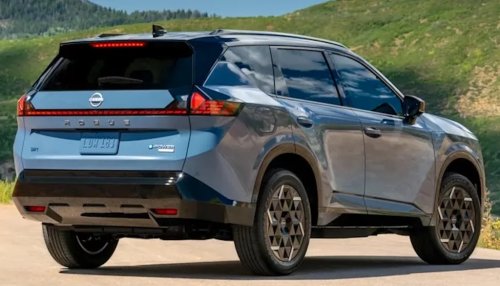
Autoblog and Yahoo may earn commission from links in this article.Comparing two closely related corporate-cousin SUVs usually involves searching for the smallest details that set them apart. Maybe one has slightly different suspension tuning, or perhaps another gets nicer seats. Often, the decision comes down to something as trivial as which grille you prefer or which dealership offers the better financing rate. The 2026 Nissan Rogue Plug-In Hybrid and the 2026 Mitsubishi Outlander PHEV seem like that kind of comparison at first glance, but pitting these two seemingly identical twins against each other actually reveals something far more confusing.Mitsubishi literally builds Nissan's Rogue PHEV alongside the Outlander at its Okazaki plant in Japan. They share the same basic body, interior architecture, twin-motor plug-in-hybrid layout, occasional-use third row, and enough switchgear that during my week with the Rogue, several non-car-enthusiast friends and I accidentally referred to it as a Mitsubishi on numerous occasions. The strange part, though, is that Mitsubishi didn't simply hand Nissan a 2026 Outlander and swap the badges, despite how things may look on the surface.AdvertisementAdvertisementInstead, the Rogue gets essentially the same powertrain and interior as the previous Outlander PHEV, while Mitsubishi significantly updated its own SUV for 2026. The result is one of the automotive industry's strangest sibling rivalries: the Nissan is effectively what the Outlander PHEV was, while Mitsubishi's own version has moved forward with substantial updates. I've now spent a week each with both around Vancouver, British Columbia, and having finally driven the twins separately, there's enough of a difference between them that choosing one is actually much easier than their shared DNA might otherwise suggest.2026 Nissan Rogue Plug-In Hybrid PlatinumCole Attisha2026 Nissan Rogue Plug-In Hybrid Vs. 2026 Mitsubishi Outlander PHEV SpecsSpecification2026 Nissan Rogue PHEV2026 Mitsubishi Outlander PHEVEngine2.4L I42.4L I4DrivetrainTwin-motor AWDTwin-motor S-AWCBattery20.0 kWh22.7 kWhSystem output248 hp297 hpTorque332 lb-ft332 lb-ftEPA EV range38 miles45 milesEPA combined efficiency64 MPGe73 MPGeGas-only economy26 mpg27 mpgTotal EPA range420 miles420 miles240V charging7.5 hoursApprox. 6.5 hoursDC fast chargingNoAvailable on select trimsSeating77Max. cargo volume64.7 cu. ft.64.7 cu. ft.Max. towing1,500 lb.1,500 lb.Thinking about selling your car? Get an instant cash offer online now. Click here to get started.The Nissan Rogue gets 248 horsepower, 38 miles of EV range, and 64 MPGe from its 20-kWh battery. Mitsubishi has enlarged the Outlander's battery to 22.7 kWh for 2026, increasing output to 297 horsepower, EV range to 45 miles, and efficiency to 73 MPGe. It also revised the battery's cooling system, steering, suspension, and interior. So there's more than a mere facelift-level difference—even if it doesn't look like much on the surface—it's a generational advantage hidden inside two SUVs that otherwise look essentially identical.2026 Nissan Rogue Plug-In Hybrid PlatinumCole AttishaPowertrain: Mitsubishi's Updates Actually MatterI liked driving the Rogue PHEV. That needs to be said first and foremost, because glaring at the comparison table makes it easy to assume the Nissan feels hopelessly outdated. From behind the wheel, at least, it doesn't. Its immediate electric torque makes city driving wonderfully stress-free, and 248 horsepower is plenty for an SUV like this, especially since it's still backed by the same 332 lb-ft torque figure as the updated Outlander. Changing lanes or passing slower traffic takes very little effort, and the gasoline engine slips into and out of the equation so subtly that I rarely notice when it's running. Over roughly 500 kilometers of mostly urban driving, my Rogue tester averaged an indicated 4.5 L/100 km, or around 52 mpg U.S., with its e-Step regenerative mode engaged almost constantly.All that said, the Mitsubishi still ticks all those same boxes as the Rogue, and then it ticks a few more, and it does so with an added sense of sharpness. Its 49 extra horsepower doesn't suddenly transform the Outlander into a Lancer Evo with seven seats, but the 297-hp system feels noticeably stronger at low speeds. There's more urgency when you first touch the throttle, and its larger battery allows the electric side of the powertrain to contribute more assertively.2026 Mitsubishi Outlander PHEVCole AttishaMitsubishi's 2026 update also stretches EPA electric range from 38 to 45 miles. That's only seven miles, but we're talking about an 18% improvement in the metric that arguably matters most to a PHEV owner. Charging widened the gap further during my tests. I connected the Rogue to a Level 2 charger for several hours, and it still didn't reach a full charge. Nissan quotes 7.5 hours at 240 volts, while the Outlander takes approximately 6.5 hours to charge, and SEL and higher trims also retain CHAdeMO DC fast-charging capability. The Nissan, however, is entirely incompatible with DC fast chargers, leaving you at the mercy of its lengthy charging time, with no alternative aside from its "Charge" drive mode, which uses the combustion engine as a sort of mobile power plant.AdvertisementAdvertisementInterestingly, I found the "Charge" drive mode setting to be dramatically more useful in the Mitsubishi. In the Outlander, I watched it bring the battery from roughly one-quarter to nearly full over about 90 minutes of driving. The Rogue replenished its battery much more slowly and could still lose charge unless I drove particularly gently. So while both are exceptionally refined PHEVs, the Outlander outdoes the Rogue without possessing any real drawbacks.Shopping for a new car? Click here to get a great deal on your next vehicle. Powered by Carvana, no haggle pricing, 100% online.2026 Nissan Rogue Plug-In Hybrid PlatinumCole AttishaDriving: Same Bones, Different PolishNeither of these SUVs should ever be confused with a more focused sports crossover, but the Outlander still surprised me more. The Rogue rides softly and isolates passengers extremely well. Its body control is excellent, but the steering is feather-light and vague. Tarmac mode adds some synthetic weight without adding much information, but the Mitsubishi ultimately feels more tied together.When I drove the Outlander along British Columbia's picturesque, meandering Sea-to-Sky Highway, the updated steering and suspension tuning gave it a sense of confidence I didn't expect from a three-row plug-in family crossover. Mitsubishi has specifically recalibrated the springs, dampers, stabilizer bars, and bushings for 2026, and the difference is palpable. The Rogue might be a somewhat softer, more anonymous commuter, for better or worse, but the Outlander is just as comfortable and actually gives something back to the driver when the road's twists and turns get enticing; something the Rogue simply does not do.2026 Nissan Rogue Plug-In Hybrid PlatinumCole AttishaInterior And Technology: This Is Where The Gap Gets BigThe difference inside the cabin was obvious before I even started either SUV. My Rogue Platinum tester wore black leather-appointed upholstery with familiar diamond stitching, but the rest of the cabin was overwhelmingly dark. Some plastics felt cheap, several buttons looked dated, and the 9-inch center touchscreen seemed conspicuously small in a vehicle priced at nearly $50,000 in the U.S. Still, the seats are exceptionally comfortable, visibility is superb, the cabin is extremely quiet, and the second row offers plenty of space. Heated rear seats, pull-up sunshades, and a panoramic roof make the Platinum an easy place for a family to spend time. But the Outlander shows how much better this same cabin architecture can become with just a bit more effort.2026 Mitsubishi OutlanderCole AttishaMy Mitsubishi tester had beautiful Brick Brown semi-aniline leather, brighter metallic accents, and the available 12-speaker Yamaha Ultimate audio system. Its updated 12.3-inch central infotainment screen looked considerably newer than Nissan's 9-inch unit, and Mitsubishi's revised center console and trim made everything feel more cohesively ergonomic. Mitsubishi offers an eight-speaker Yamaha system even on the base Outlander PHEV, while the SE Tech and SEL Premium configurations get the 12-speaker version—a notably superior system compared to the Platinum Rogue's Bose-branded unit. Upper trims can also add massaging front seats and semi-aniline leather. The Rogue's interior meets expectations for a well-equipped mainstream crossover, but the Outlander exceeds them, punching well above its price point.2026 Mitsubishi OutlanderCole AttishaAdvertisementAdvertisementPracticality: Finally, A TieChanging badges doesn't change the laws of physics. Both SUVs squeeze seven seats into a footprint around 185 inches long, and both should really advertise themselves as 5+2 rather than proper three-row family haulers. For a quick journey, the third row is a bit better than being shoved into the back of a Subaru BRZ, but not by much.But I think criticizing these SUVs because adults wouldn't want to spend three hours back there misses the point. If your child wants to bring a friend or two home from school, or you're dropping several kids and their gear off at soccer practice, those two little seats could be enormously useful. Fold them away, and you get 30.8 cubic feet behind the second row and up to 64.7 cubic feet with the rear rows folded. Mitsubishi itself calls the third row an "occasional" seat, which is exactly how I'd approach using it. Most compact PHEV SUVs don't give you that option at all.2026 Nissan Rogue Plug-In Hybrid PlatinumCole AttishaPricing: This Is Where The Rogue Gets Seriously Difficult To DefendHad Nissan made the Rogue considerably cheaper, this entire comparison might have gone differently. Selling a slightly older version of a good product for less money is hardly unprecedented. You sacrifice some power, range, and equipment; Nissan gives you a discount. Everyone understands the trade-off. Except that's not the case here…TrimU.S. MSRPMitsubishi Outlander PHEV ES$43,245Mitsubishi Outlander PHEV SE$45,445Nissan Rogue PHEV SL$45,990Mitsubishi Outlander PHEV SE Tech$48,345Mitsubishi Outlander PHEV SEL$48,945Nissan Rogue PHEV Platinum$49,990Mitsubishi Outlander PHEV SEL Premium$52,795Mitsubishi Outlander PHEV Black Edition$53,695Nissan also charges $1,545 for destination, versus $1,745 for Mitsubishi. The Rogue SL therefore starts $2,745 above the Outlander ES. Even if you consider the better-equipped Outlander SE a more appropriate comparison, the Mitsubishi still costs $545 less while retaining the larger battery, 297-hp powertrain, and 12.3-inch infotainment screen. Move upward, and the Rogue Platinum's $49,990 MSRP is $1,045 higher than an Outlander SEL at $48,945.AdvertisementAdvertisementYes, Mitsubishi's SEL Premium and Black Edition eventually become more expensive. But now you're paying extra for equipment Nissan doesn't offer: semi-aniline leather, the 12-speaker Yamaha system, massaging seats, and other upgrades. Then, when you consider warranty on top of everything, Mitsubishi pulls ahead even further.Nissan provides 3-year/36,000-mile basic and 5-year/60,000-mile powertrain warranties, with its battery covered for 8 years/100,000 miles, whereas Mitsubishi provides the original owner with 5 years/60,000 miles of basic coverage and 10 years/100,000 miles of powertrain coverage, along with 10 years/100,000 miles of PHEV-component coverage, 5 years of unlimited-mile roadside assistance, and 2 years/30,000 miles of scheduled maintenance. Nissan's larger U.S. dealer network is a legitimate convenience advantage, especially for loyal customers with an established relationship, but I'm struggling to identify another one. Clearly, the Outlander stamps out the Rogue here.2026 Mitsubishi Outlander PHEVCole AttishaVerdict: These Twins Aren't As Identical As They LookThe strangest takeaway from driving these two SUVs is the fact that the Nissan Rogue PHEV exists at all. It exists solely to fill a short-term gap in Nissan's lineup until the hybridized 2027 model arrives, and it has already been officially discontinued. You'd think that such a temporary, half-baked model would at least offer some sort of unique value proposition, yet it's nearly impossible to defend it against its own sibling, the Outlander, which costs roughly the same, if not slightly less, depending on trim packaging, while offering more.If somebody absolutely insisted upon the Nissan badge, found a substantial dealer discount, or had a particularly advantageous lease deal, I wouldn't necessarily warn them away—I still liked the Rogue PHEV. Underneath all the awkward product planning is a quiet, comfortable, practical, and extraordinarily easy-to-live-with family SUV. That's because the previous Outlander PHEV was never a bad vehicle, but the 2026 Outlander demonstrates just how much better that recipe has become with a few small but meaningful upgrades.AdvertisementAdvertisementMitsubishi took essentially every complaint I have about the Rogue and addressed them with its 2026 Outlander updates: more battery capacity, more electric range, more power, faster Level 2 charging, available DC fast charging, sharper responses, a richer interior, better infotainment, and dramatically stronger warranty coverage. Then it neglected to charge substantially more money for the privilege. So Nissan's biggest problem here, ultimately, isn't that it executed anything especially poorly while converting the Outlander into a Rogue—it's what Mitsubishi did to its own model after the fact, without really charging any more money for the favor.If these SUVs were separated by several thousand dollars in the opposite direction, the Rogue could represent a clever value play: last year's excellent recipe sold cheaply while Mitsubishi moves slightly further upmarket. But instead, the Rogue asks you to pay as much or more for less. So, after spending a week with each, I'd undoubtedly choose the 2026 Mitsubishi Outlander PHEV out of the pair. The Rogue isn't a bad SUV; it just isn't quite as good as the Outlander, which is, frankly, excellent.Autoblog aims to feature only the best products and services. If you buy something via one of our links, we may earn a commission.This story was originally published by Autoblog on Aug 26, 2026, where it first appeared in the Reviews section. Add Autoblog as a Preferred Source by clicking here.