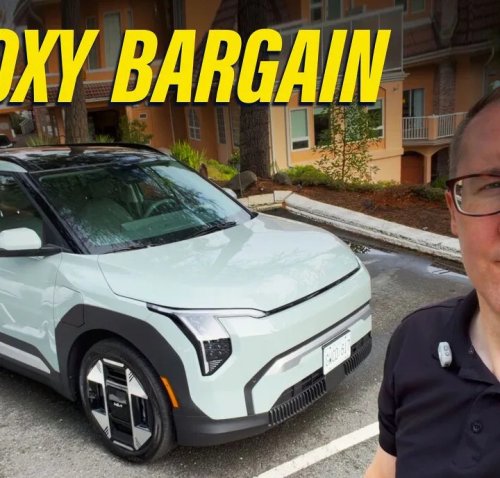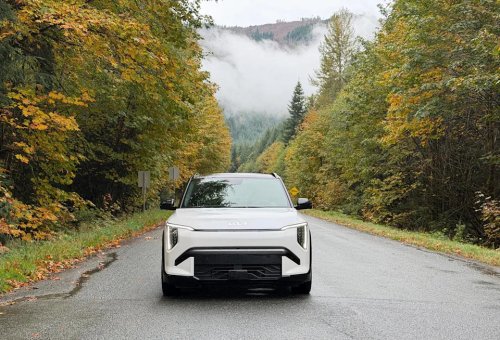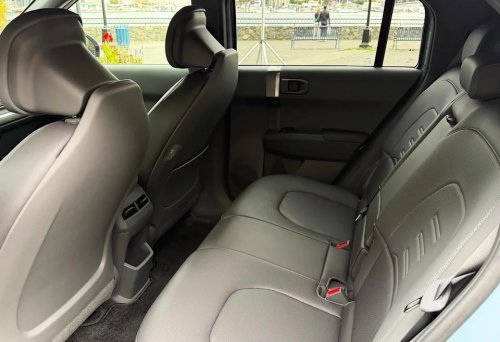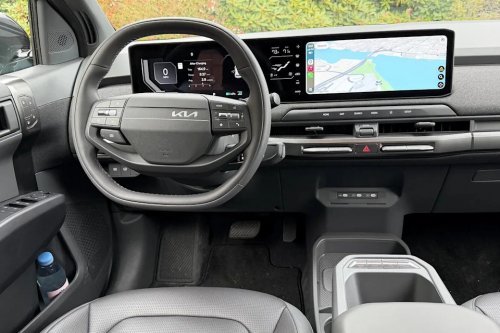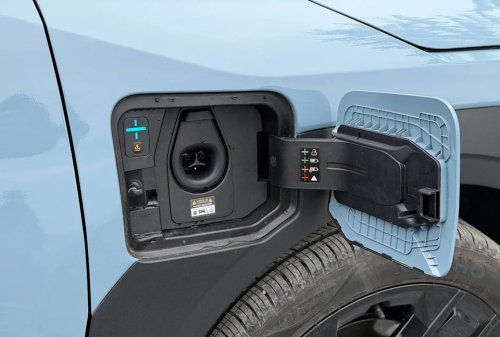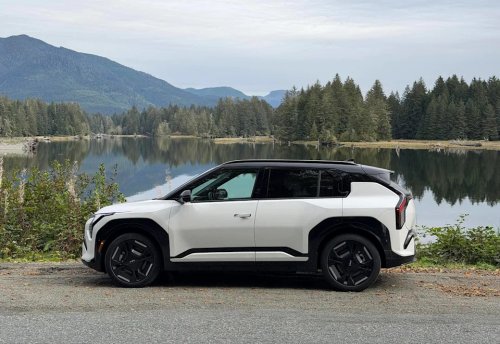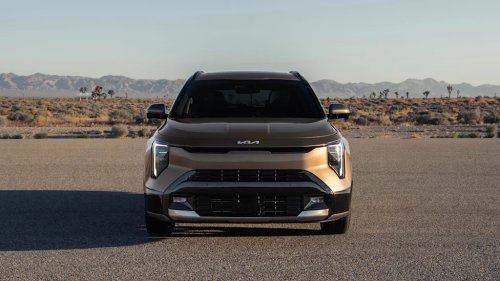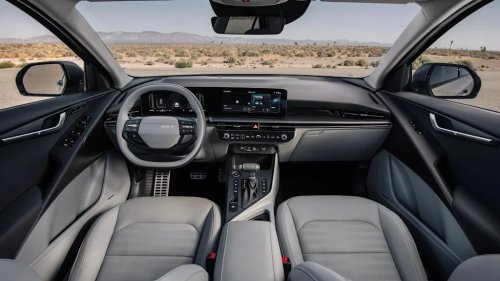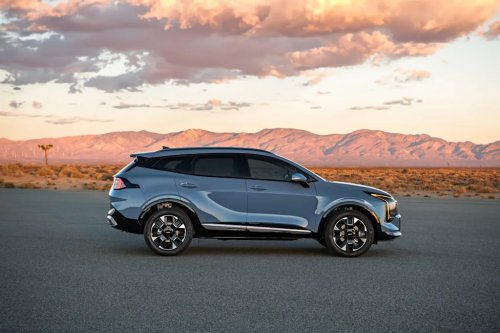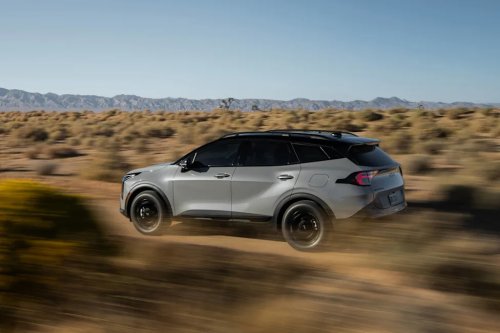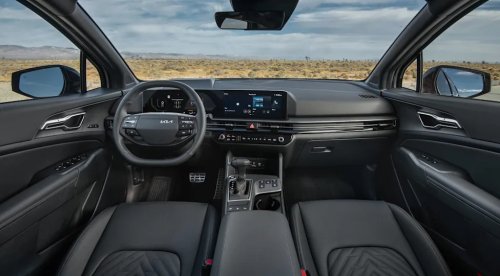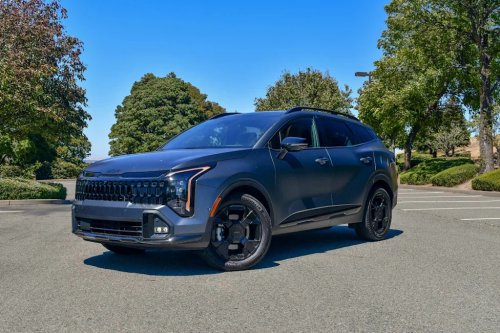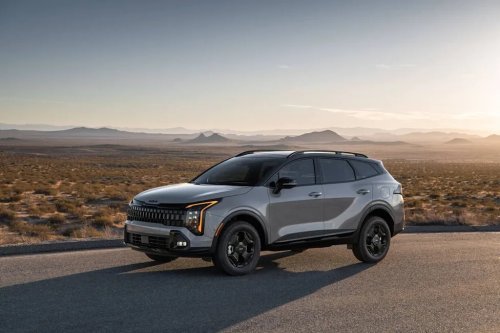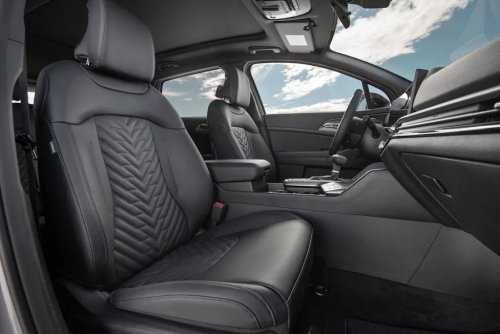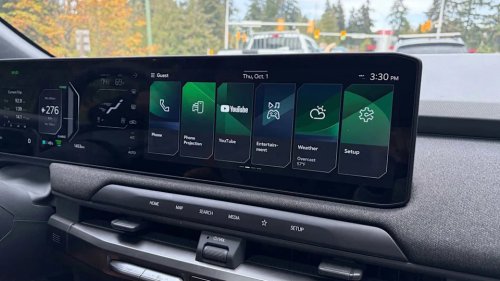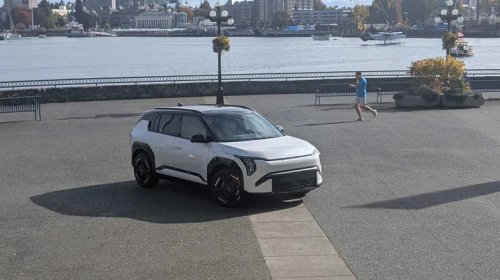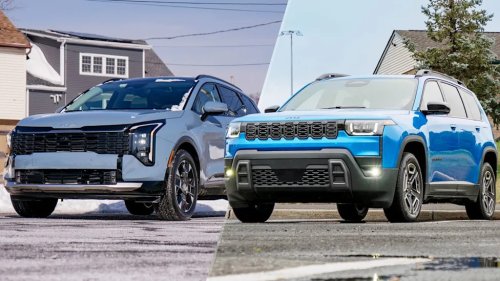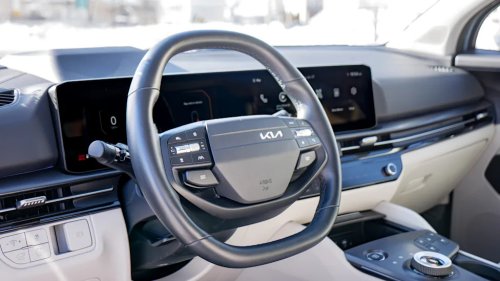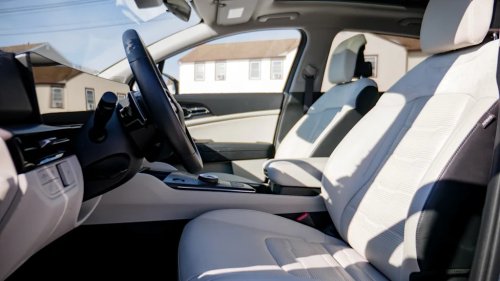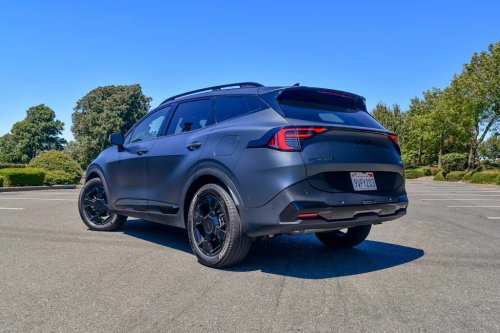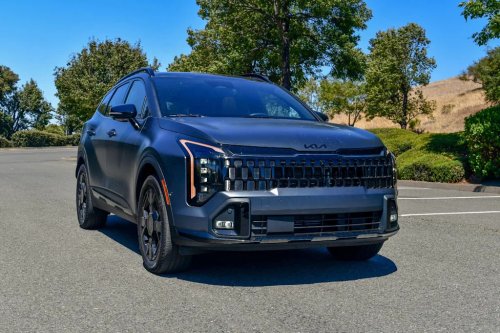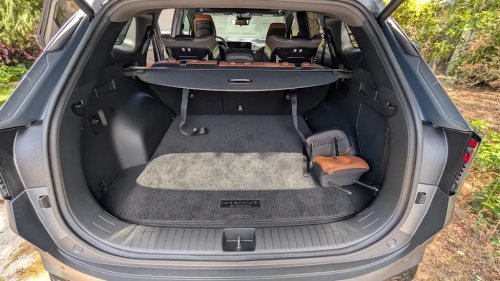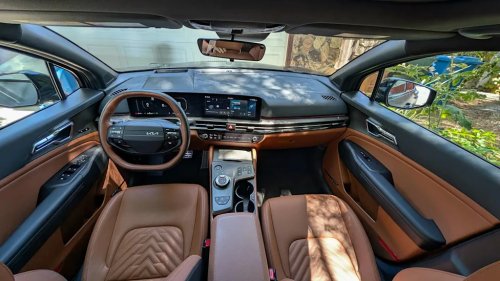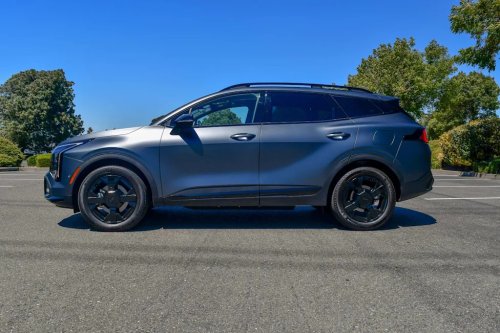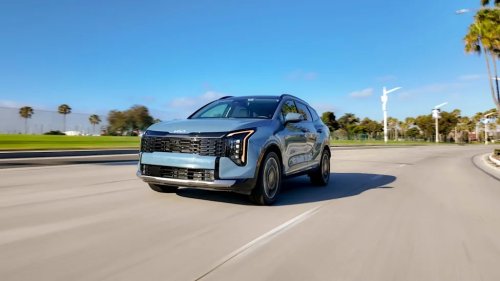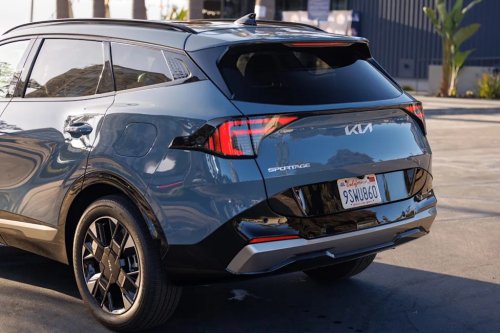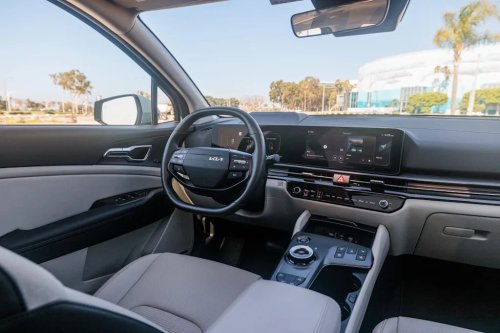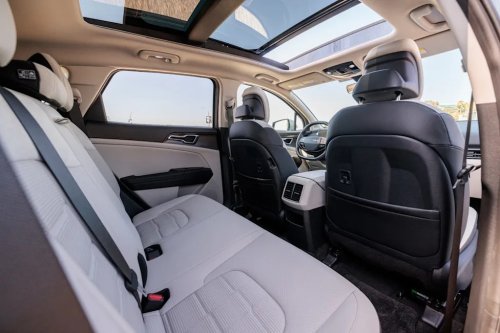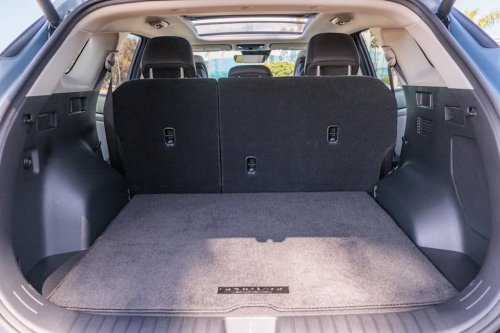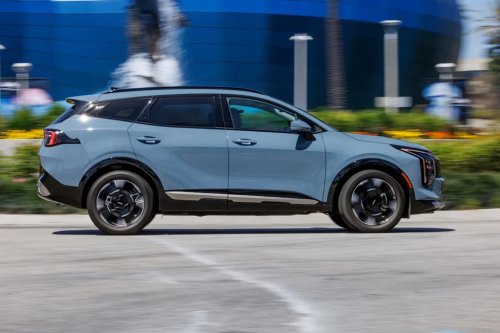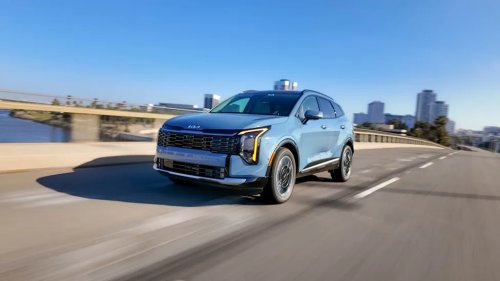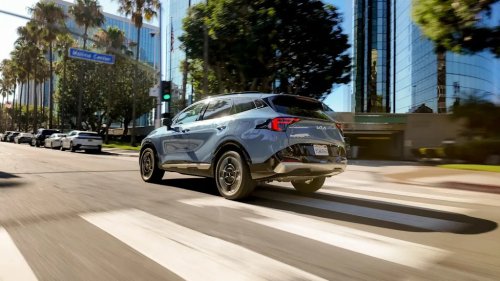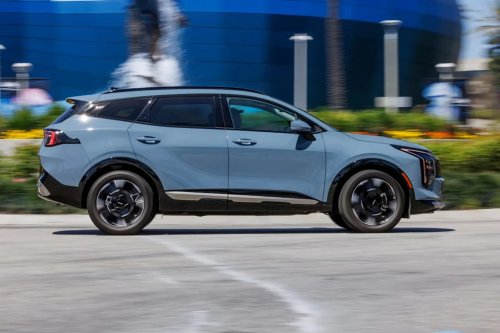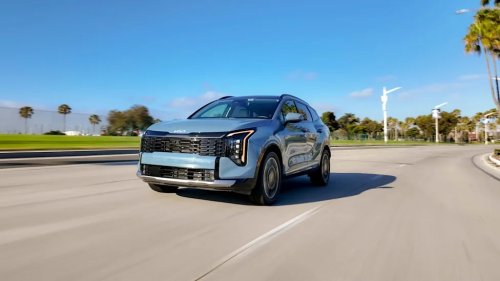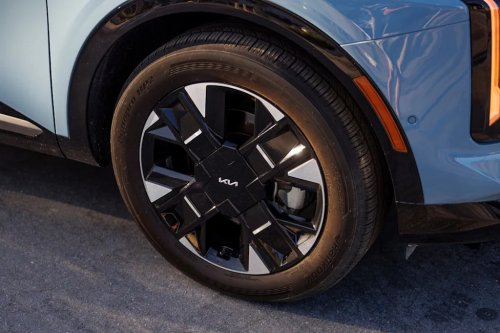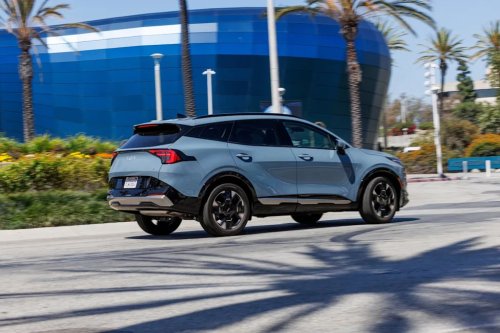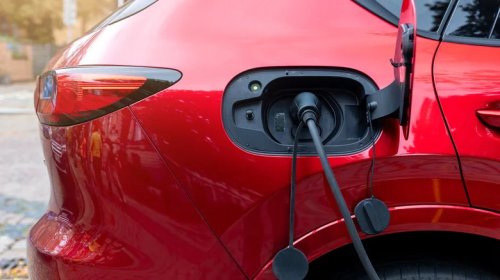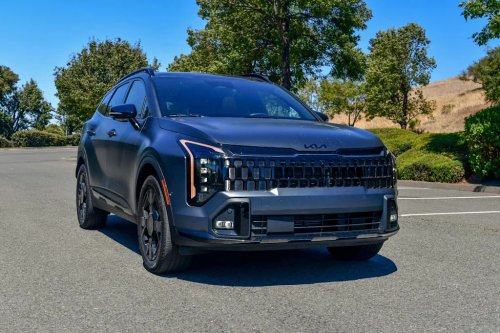
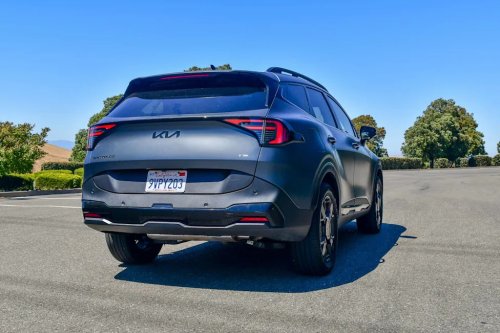
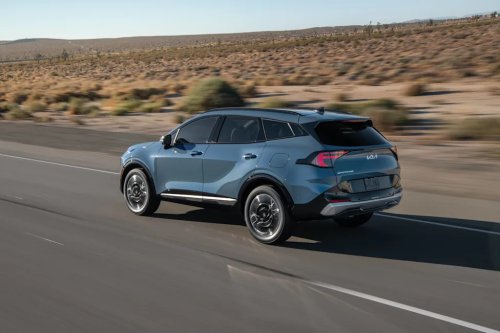
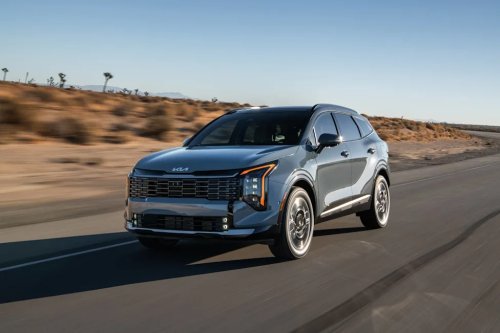
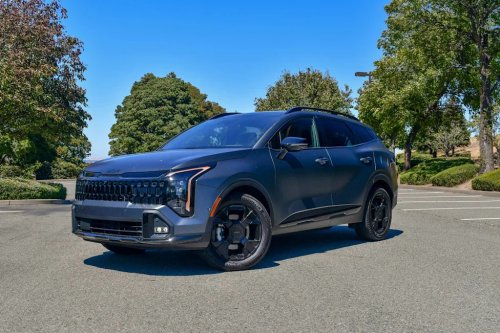



















Autoblog and Yahoo may earn commission from links in this article.The Kia Sportage is one of my favorite compact SUVs of 2026. It's roomy, refined, versatile, and packs one of the nicest interiors you'll find for the money. The tech is seamless, the road manners are composed, and it's exceptionally family-friendly—regardless of whether you choose the gas-only model, the self-charging hybrid (HEV), or the plug-in hybrid (PHEV). Pricing remains competitive across the board, starting at $28,890 for the base gas LX and topping out around $47,390 for the loaded X-Line Prestige PHEV. Kristen BrownView the 2 images of this gallery on the original articleAdvertisementAdvertisementWith so many configurations on the table, finding the sweet spot matters. Hybrids are in high demand right now—and for good reason—so I'm focusing specifically on the HEV versus the PHEV to see which electrified powertrain delivers the best real-world return on investment. Here is how they stack up after having driven both.Related: Road Ethos Launches: The New Automotive Lifestyle Site You Should ReadBefore doing some math, let's talk powertrains and rangeBy now, most of us know the fundamental split between an HEV and a PHEV. But to keep it simple: the standard hybrid (HEV) is self-charging. It harvests kinetic energy from the engine and regenerative braking to constantly top off a compact battery. It's a closed-loop system that requires zero behavior change or extra effort on your part. A plug-in hybrid (PHEV), by contrast, demands a routine. It packs a significantly larger battery pack to provide dedicated all-electric range, meaning regenerative braking alone isn't enough to sustain it. To reap any real financial benefit from the PHEV, plugging in regularly isn't optional. Kristen BrownThat's why the standard HEV is such an easy recommendation: virtually every driver benefits. You get effortless 38–42 MPG without thinking twice. While the HEV relies heavily on its electric motor for low-speed stop-and-go city driving—where hybrids are inherently most efficient—it lacks dedicated EV-only range. The PHEV, meanwhile, offers an EPA-estimated 34 miles of pure electric driving, keeping the gas engine off even at highway speeds. When the PHEV battery depletes, it still gets about 35 MPG combined, which is lower than the standard HEV because the 300 lb battery pack is dead weight. It's worse when you pack it full of people and gear.KiaBecause the PHEV uses a smaller gas tank to make room for the larger battery pack, the overall range is lower, too. The PHEV has a range of about 470 miles, while the HEV regularly clears a range of over 560 miles on a full tank. The front-wheel drive versions are rated for 590 miles of range. Now for the number crunching—the HEV wins for mostBut that electric cushion comes at a steep price. To realistically tap into that 34-mile all-electric range every single day without charging bottlenecks, most owners will want a dedicated 240V Level 2 home setup—adding another $800 to $1,500 in equipment and installation. Stack that on top of the PHEV's $4,800 to $6,600 sticker premium over the HEV, and the break-even horizon stretches well past the average ownership cycle. And if you don't plug it in every night, the PHEV simply becomes a heavier hybrid that costs a hell of a lot more than it should have.KiaEven with a dedicated at-home charging routine, the PHEV only shaves off an additional $250 to $350 per year in total energy costs compared to the standard HEV (remember, charging isn't free—it still hits your electric bill). That translates to an 8- to 11-year break-even point just to recoup the upfront price difference. Of course, local electricity rates and peak charging hours will shift those numbers slightly, but the financial math remains steep.AdvertisementAdvertisementThe HEV, by contrast, saves more money overall for the vast majority of drivers. Because it costs significantly less at the dealership—even on top trims—and requires zero external charging infrastructure, buying the HEV keeps thousands of dollars in your pocket from day one. While the PHEV technically burns less gasoline, its marginal fuel savings simply can't outrun the hefty equipment and sticker premiums.Kristen BrownOf course, if your round-trip commute is consistently under 34 miles, the PHEV makes a compelling case. You run on pure electric power during the week, plug 'er in when you get home, and repeat the next day without burning a drop of fuel. But if you're already willing to plug in every night and spend north of $47K, you're basically in dedicated EV territory. At that point, you might as well cross-shop a proper electric crossover like the Equinox EV or EV6, rather than paying a hefty premium for a hybrid carrying two complex powertrains under one roof.Related: 5 Features That Make the 2026 Kia Sportage X-Line Prestige PHEV a Surprisingly Good Family CarFinal thoughtsThe plug-in hybrid promises the best of both worlds, but the math tells a different story. Between the steep sticker premium, potential home charging setup costs, and lower gas-only fuel economy on long hauls, the PHEV asks for a lot of commitment for relatively small returns.AdvertisementAdvertisementIf you want an electric daily driver, buy a dedicated EV. But if you want a refined, ultra-efficient compact SUV that saves you serious money with zero lifestyle compromises, get the Sportage HEV. It's the easiest recommendation in Kia's entire electrified lineup.This story was originally published by Autoblog on Aug 30, 2026, where it first appeared in the Reviews section. Add Autoblog as a Preferred Source by clicking here.