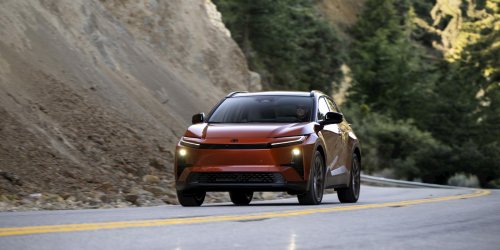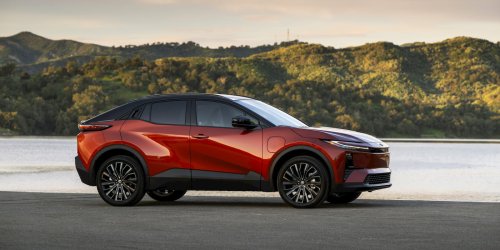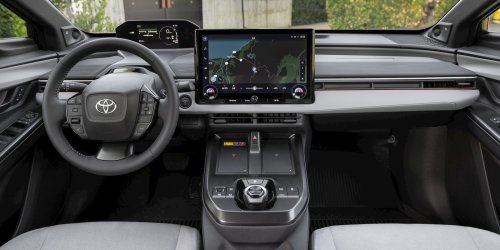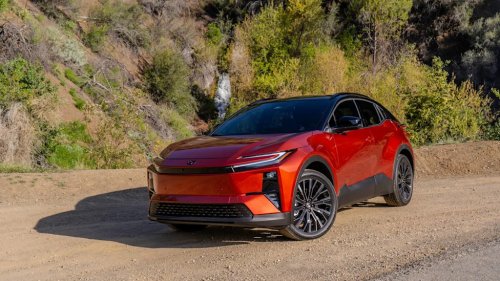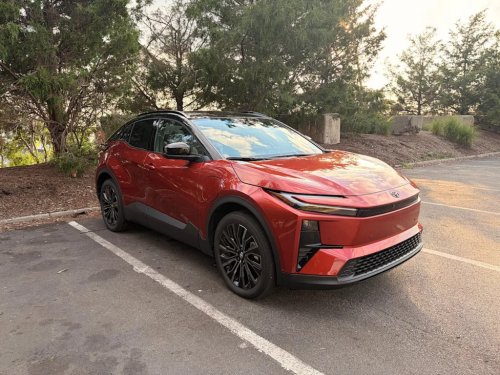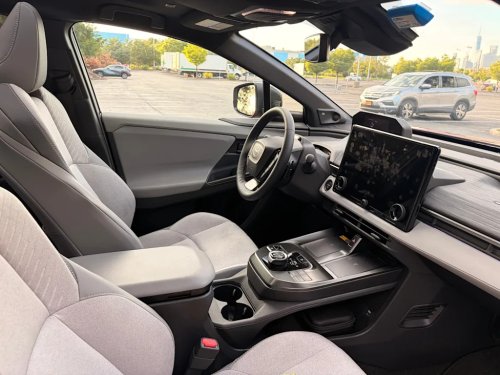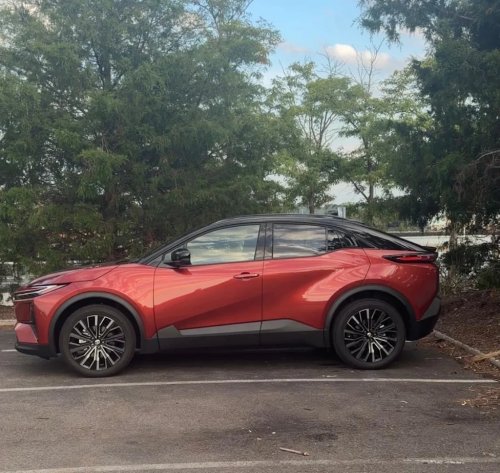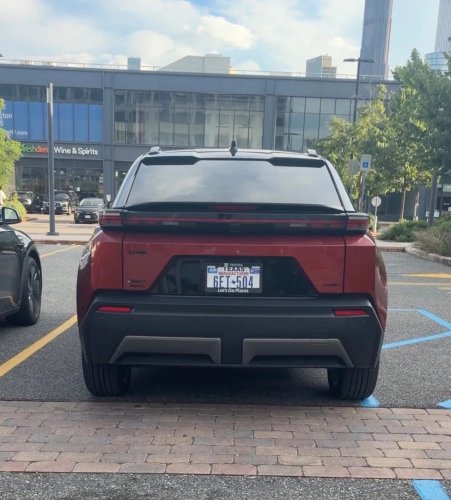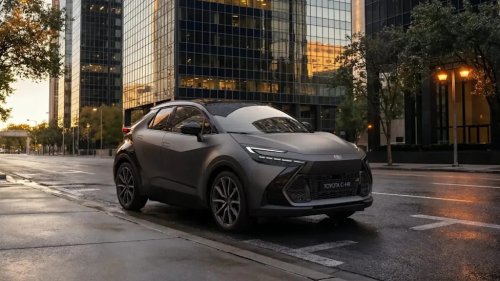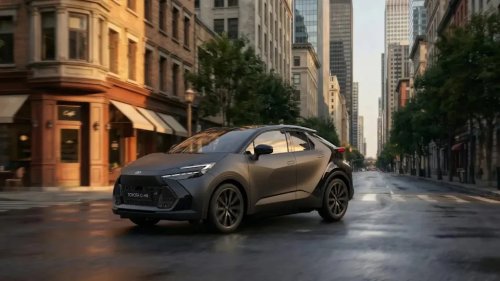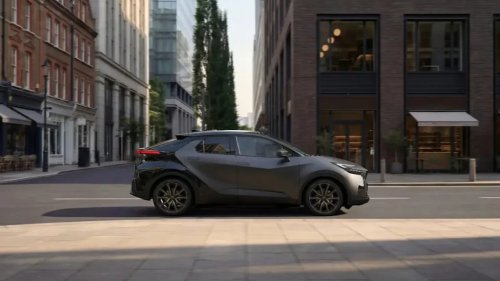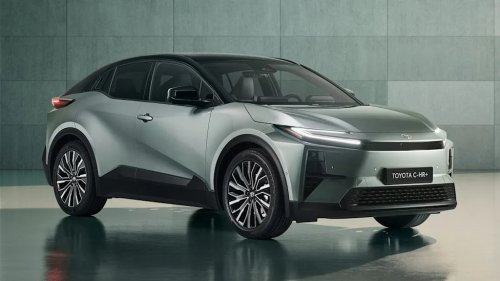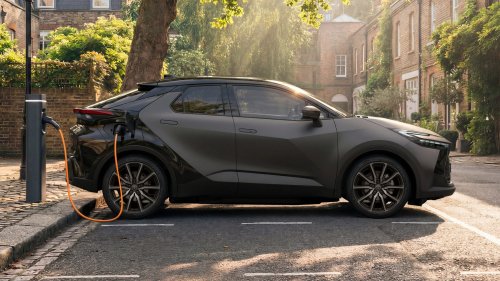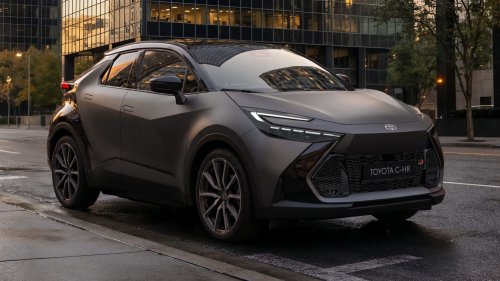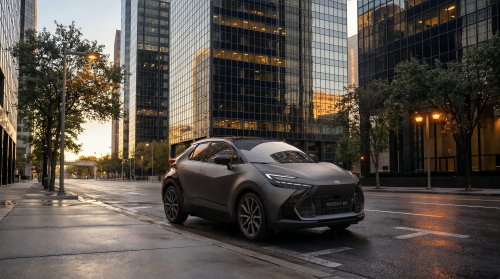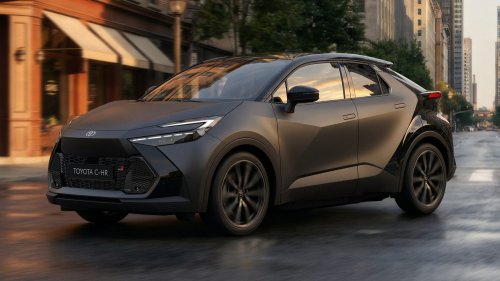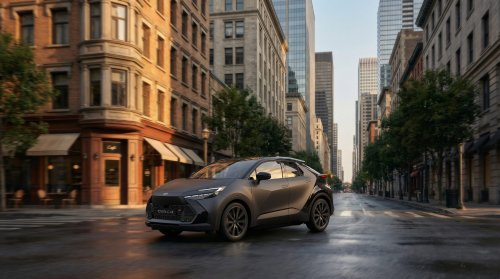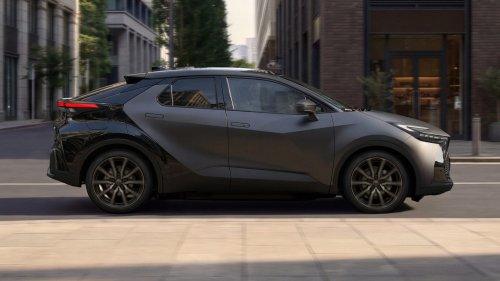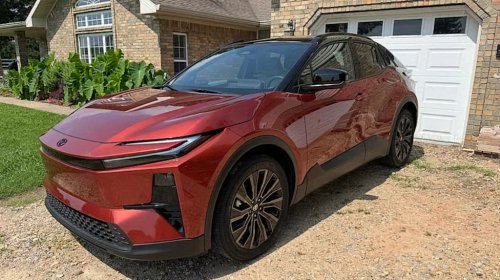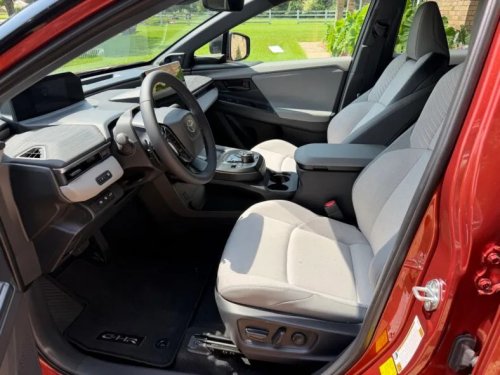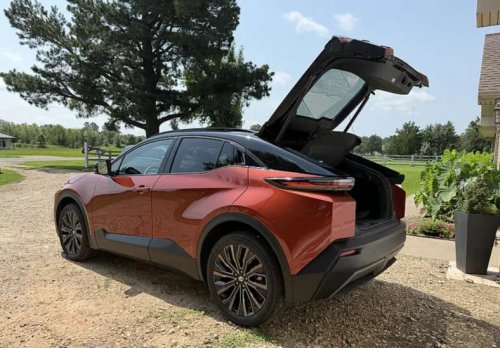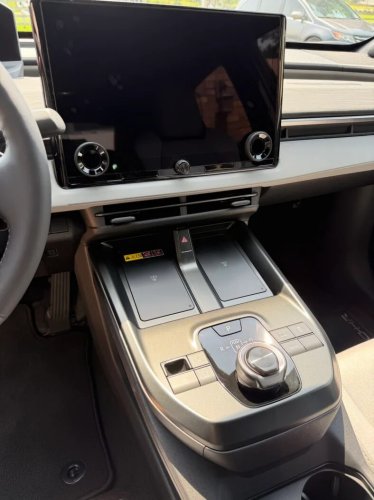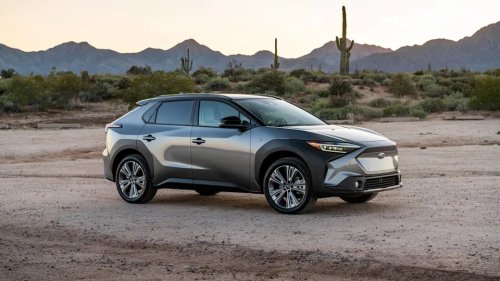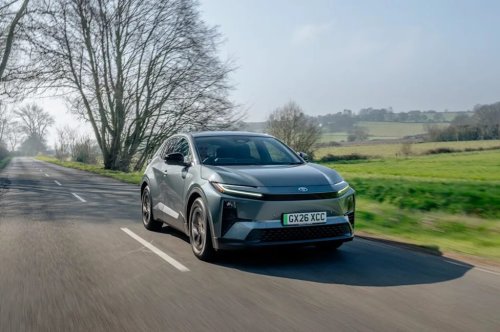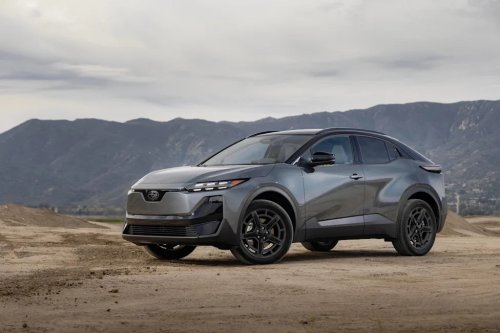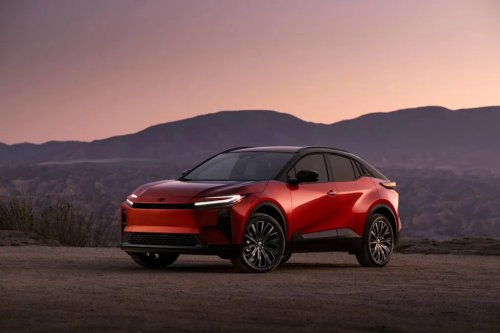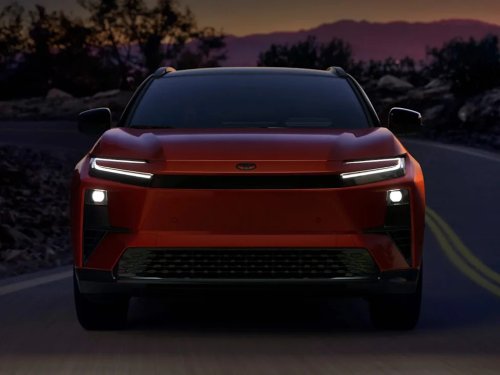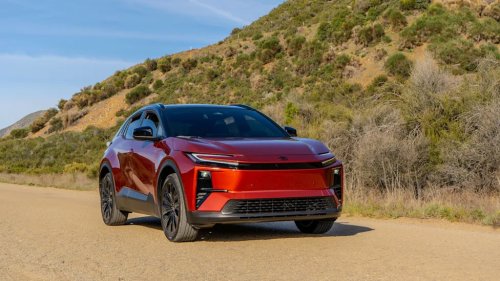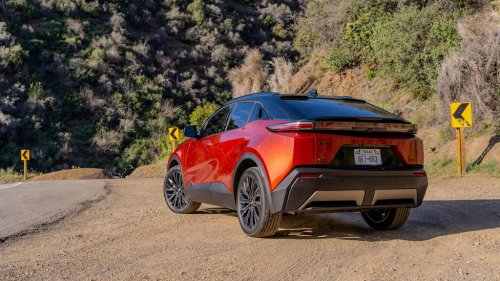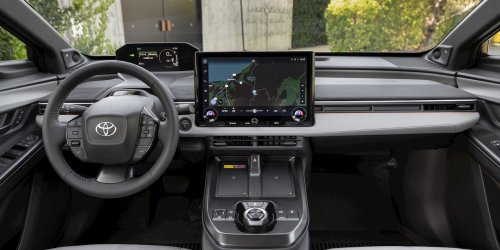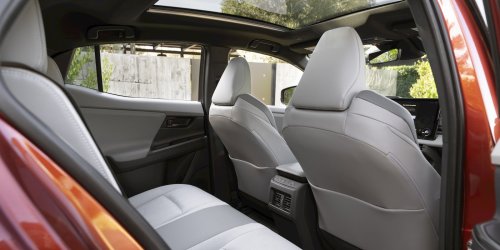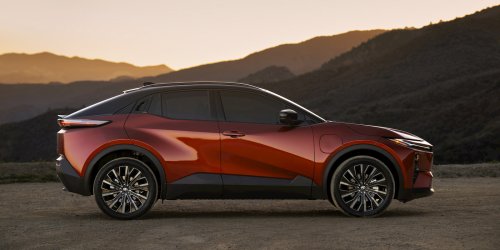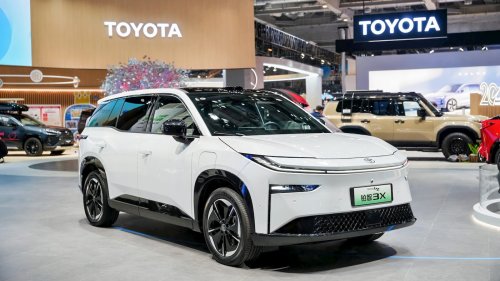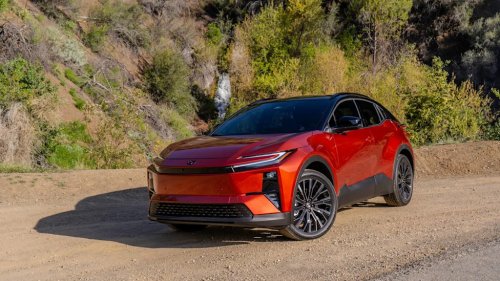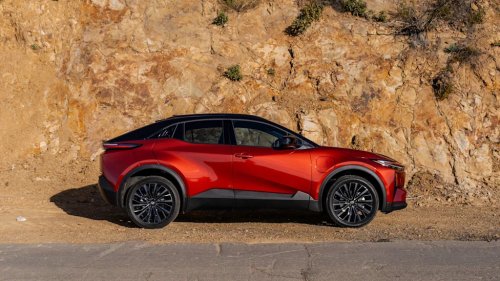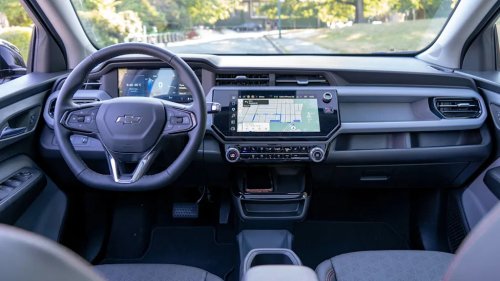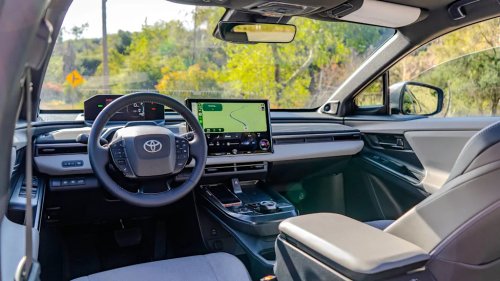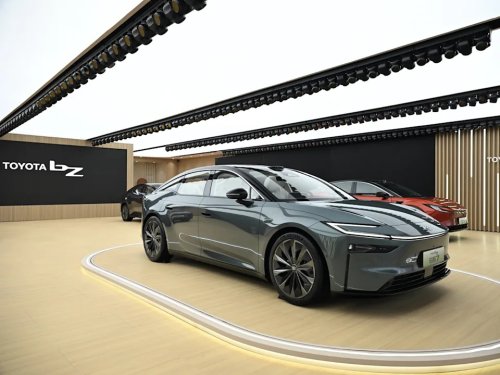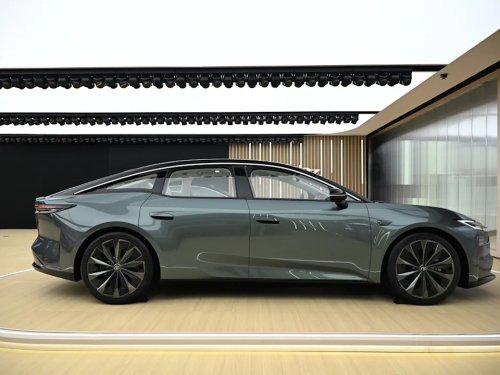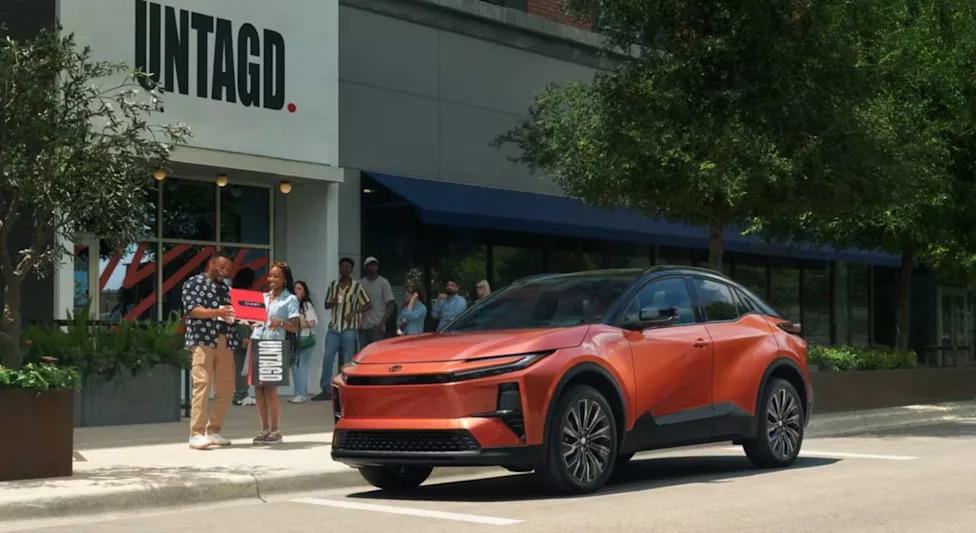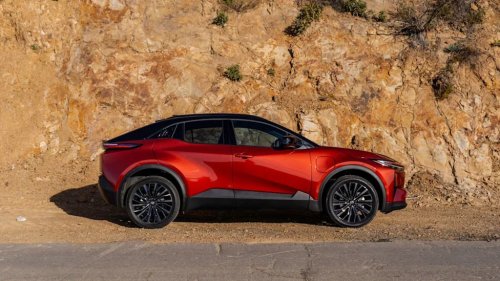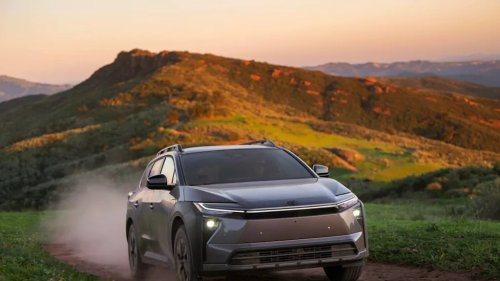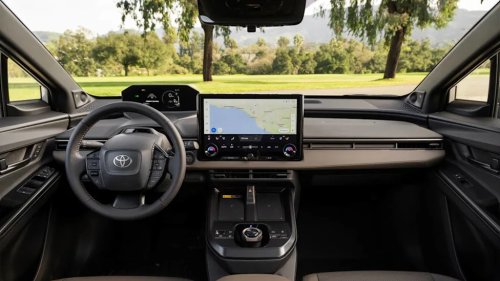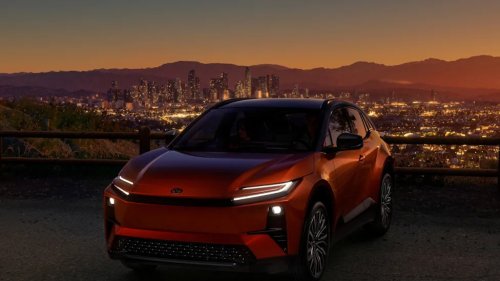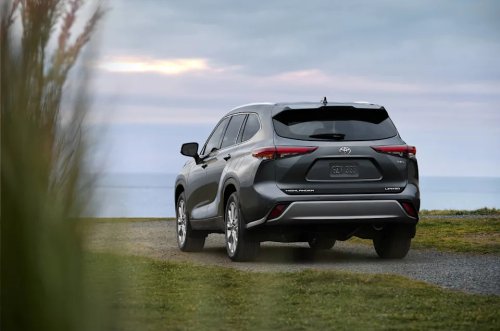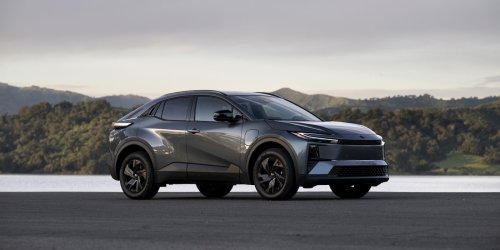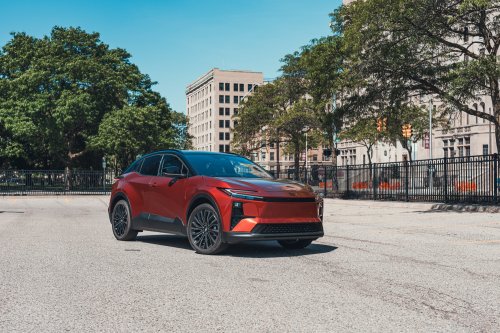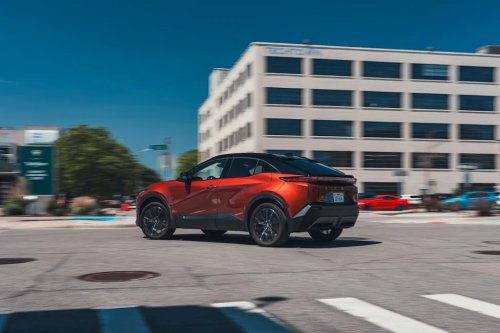
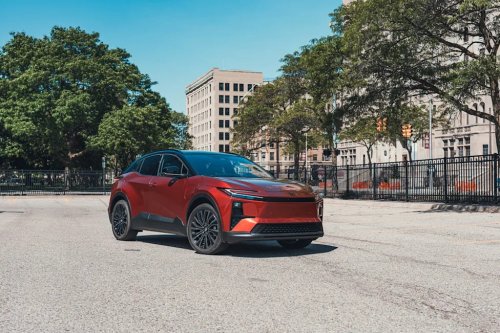
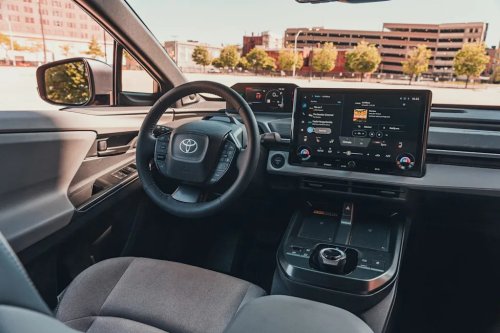
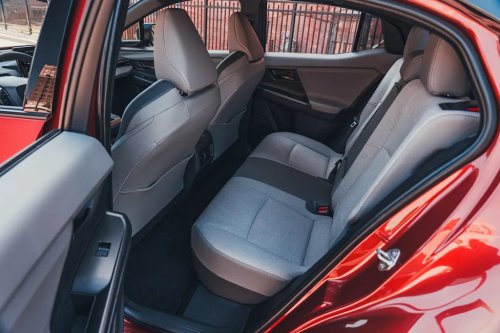
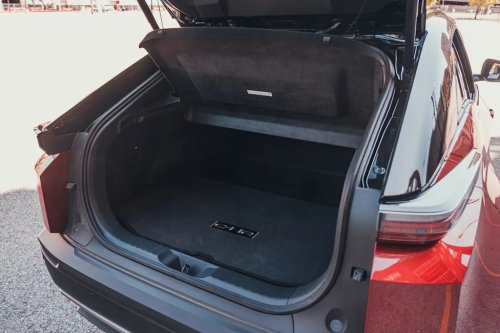
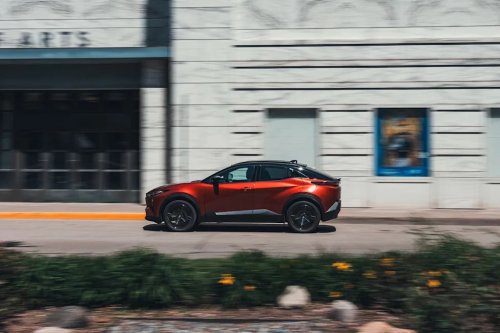



















2026 Toyota C-HR Test: Potent but Lacking DynamicallyMarc Urbano - Car and Driver (Marc Urbano - Car and Driver)6/11/26 UPDATE: This review has been updated with instrumented test results.A decade ago, TikTok was just a fledgling social media site, and the bare-bones 144-hp Toyota C-HR made its debut at the Geneva auto show. But a whole lot can change in 10 years. Now, TikTok is a global behemoth, and the C-HR is—well, it's still small, but now it promises sharp styling, a well-appointed cabin, and a potent electric powertrain. The C-HR doesn't quite live up to Toyota's promise of being its sportiest electric SUV, but it's still quick, comfortable, and filled with modern amenities.The C-HR is closely related to Toyota's other EVs, the bZ and bZ Woodland, but it has a 3.9-inch-shorter wheelbase than both and measures 6.7 inches shorter overall than the former. While the C-HR is smaller than the bZ, Toyota's bid to position it as the fun-forward EV means it borrows the more potent powertrain from its bigger brother: a dual-motor, all-wheel-drive setup spitting out 338 horsepower. At the test track, the C-HR zipped to 60 mph in 4.4 seconds, and it feels pretty quick in the real world despite a curb weight of 4447 pounds. No surprise, it was neck and neck with the closely related Subaru Solterra, a twin to the larger bZ. The 'Yota gradually runs out of steam past 60 mph, taking 7.2 seconds to reach 80 mph from a standstill, but it's powerful enough to make overtaking or on-ramps a nonevent.Marc Urbano - Car and Driver (Marc Urbano - Car and Driver)While its powertrain is peppy, the C-HR doesn't really shine on dynamic roads. The steering, while accurate, doesn't provide much feedback. There is also a decent amount of body roll (8.0 inches of ground clearance doesn't help with that), and it's pretty easy to get the tires to yelp as the C-HR understeers; it recorded just 0.82 g on the skidpad. Still, most drivers won't push their subcompact crossover's handling envelope, and in normal driving, the C-HR's responsive powertrain is accompanied by a comfortable ride and a quiet, isolated cabin.Marc Urbano - Car and Driver (Marc Urbano - Car and Driver)Along with being a composed daily driver, the C-HR offers a decent amount of range from its battery, which we approximate at 67 kWh of usable energy. Toyota says the C-HR can travel 287 miles on a charge in its base SE spec, with the XSE trim landing at 273 miles thanks to its larger 20-inch wheels. That's not bad, but the C-HR didn't fare as well in the real world, with the XSE model managing an underwhelming 230 miles in our 75-mph highway range test. That's 20 miles worse than the Nissan Leaf, which gets a lower 259-mile EPA range number.AdvertisementAdvertisementLike Toyota's other electric offerings, the C-HR has a NACS port, and the charging rate peaks at just 150 kilowatts on a DC fast-charger. In our testing, the C-HR took 32 minutes to go from 10 to 90 percent at a DC fast-charger. An 11.0-kW onboard charger allows for Level 2 charging in 7.5 hours, and Toyota provides both a 120-/240-volt charging cable and a NACS-to-CCS adapter as standard.The C-HR's cabin also follows the same formula as the bZ and bZ Woodland's interiors. The layout is nearly identical, featuring a 14.0-inch touchscreen and a digital gauge cluster. Toyota's infotainment boasts a clean interface and is sufficiently intuitive, but this vehicle also still has plenty of physical controls, both on the steering wheel and center console. The XSE model's mix of suede inserts and SofTex faux-leather upholstery gives the C-HR a far more premium vibe than the price would suggest—that is, if you can overlook the hard plastic adorning the top and bottom of the door panels.Marc Urbano - Car and Driver (Marc Urbano - Car and Driver)Despite being substantially more twee than the bZ, the C-HR still offers decent rear legroom. However, there isn't space for your feet under the front seats, and the lower seat cushions are fairly short and flat, leading to a knees-up position for taller rear occupants, who may not appreciate the sloping roofline either. Still, you can get heated rear seats on the XSE trim, and rear passengers are treated to HVAC vents and a pair of USB-C ports on either trim as standard.Marc Urbano - Car and Driver (Marc Urbano - Car and Driver)The C-HR also has a solid amount of cargo room considering its much smaller dimensions, with only one to three fewer cubic feet of space behind the second row than the bZ. The rear seats can also fold, opening up to swallow 60 cubic feet of stuff through a power liftgate. The C-HR also comes standard with rain-sensing wipers, and inside there are heated front seats, an eight-way power driver's seat, a heated steering wheel, two inductive charge pads, and three total USB-C ports. The XSE trim swaps out the fabric seat inserts for the suede, gives the front passenger an eight-way power seat, and adds a 360-degree surround-view camera. XSE buyers can also opt for a panoramic glass roof and a nine-speaker JBL sound system.AdvertisementAdvertisementThe C-HR is also a pretty good deal, with the SE starting at $38,595 and the XSE starting at $40,595, making it less expensive than many of its rivals while having more power and better range, although the larger bZ can be had with the same powertrain for only a few thousand dollars more. Still, even if its handling holds it back from being a true all-star, the C-HR's eager acceleration and well-equipped cabin represent a true glow-up from a decade ago.Marc Urbano - Car and Driver (Marc Urbano - Car and Driver)➡️ Skip the lot. Let Car and Driver help you find your next car.Shop New Cars Shop Used CarsYou Might Also LikeGift Guide: Best Ride-On Electric Cars for KidsFuture Cars Worth Waiting For: 2025–2029