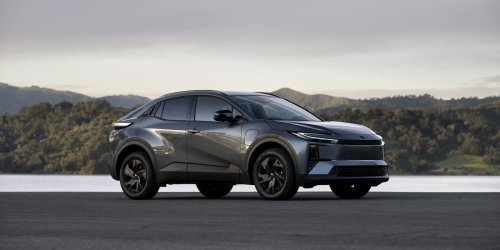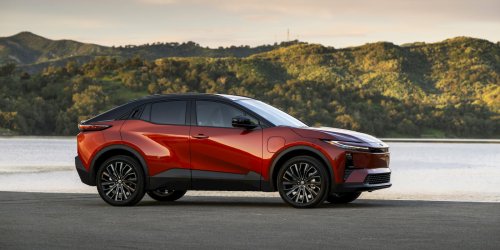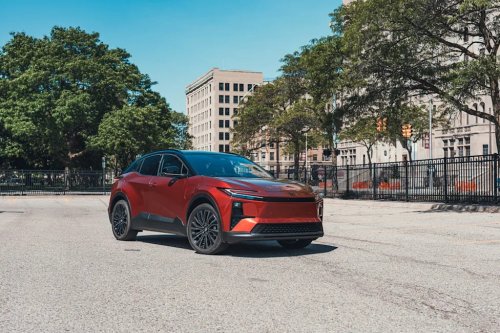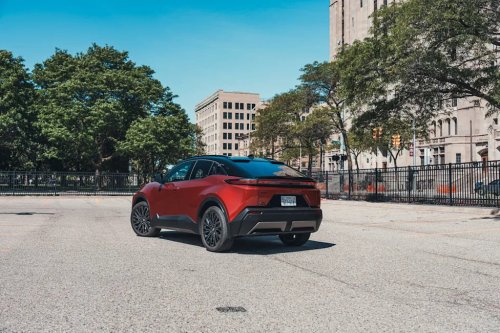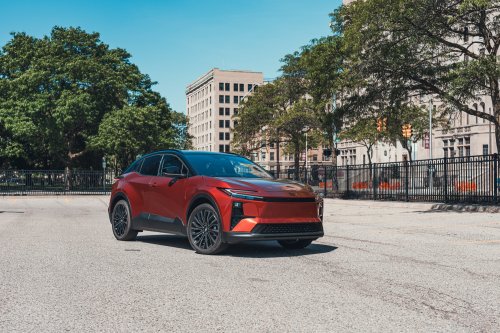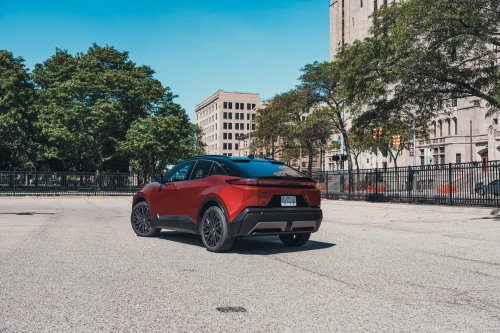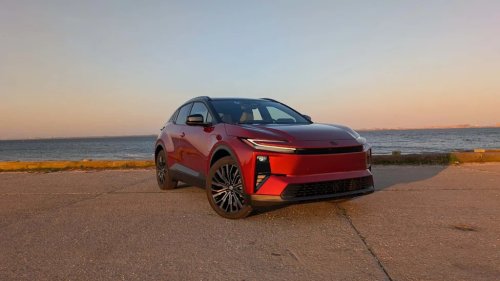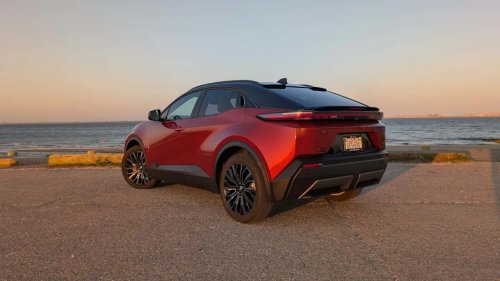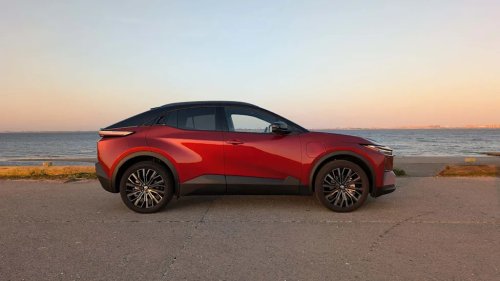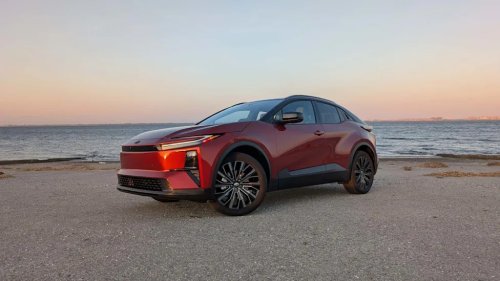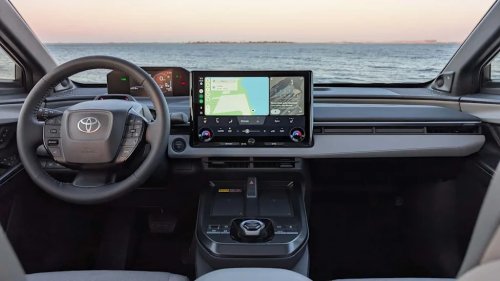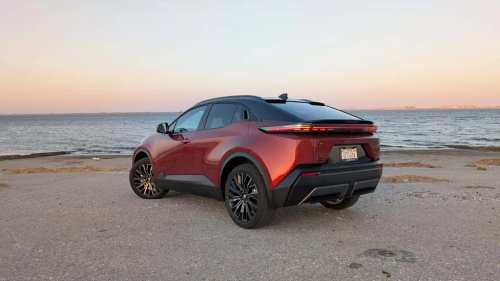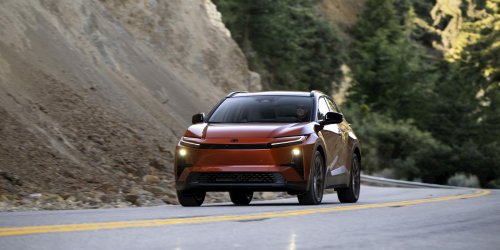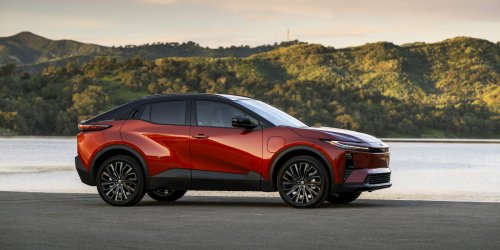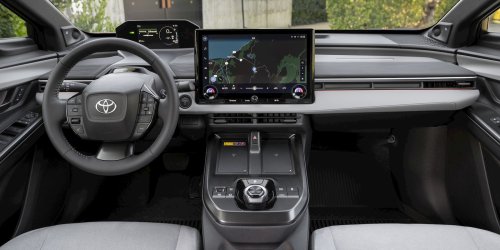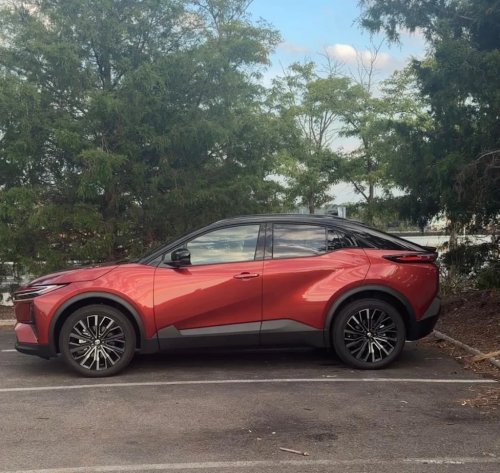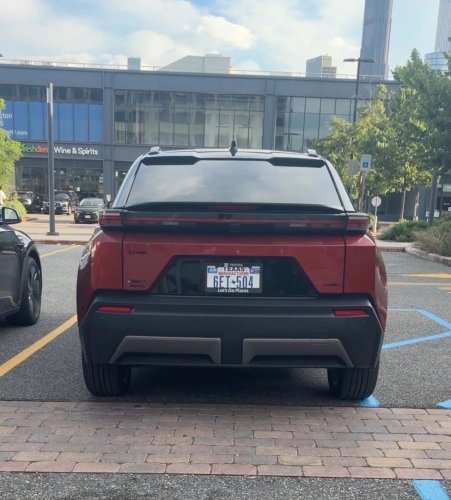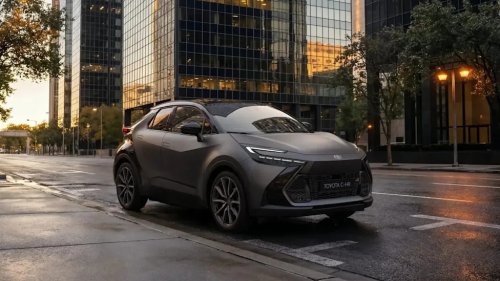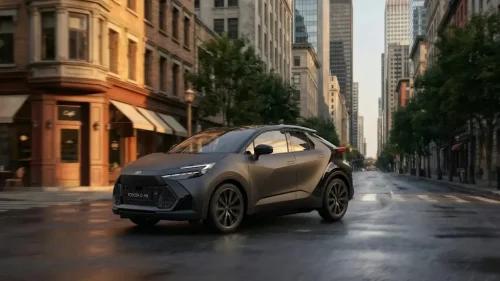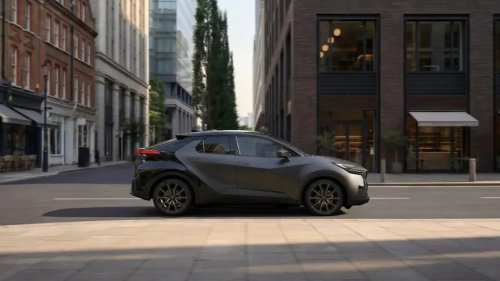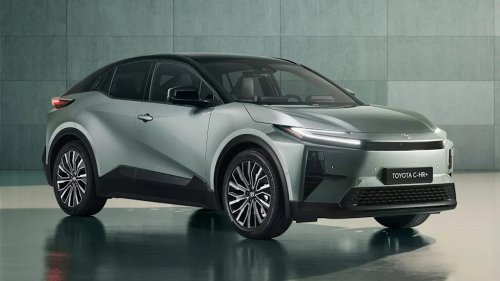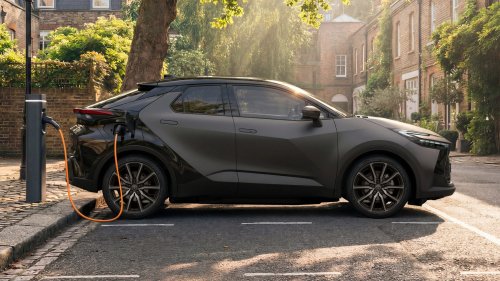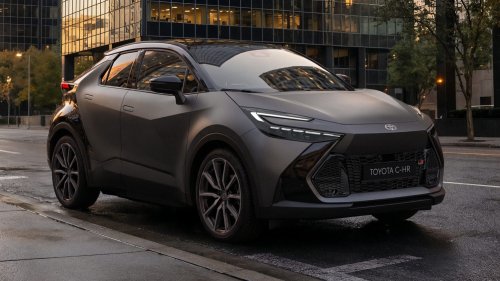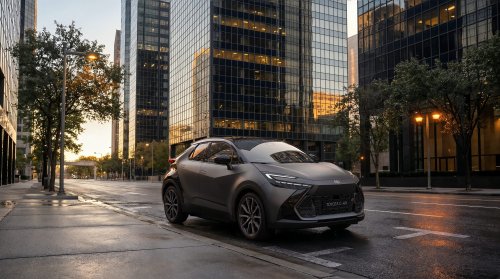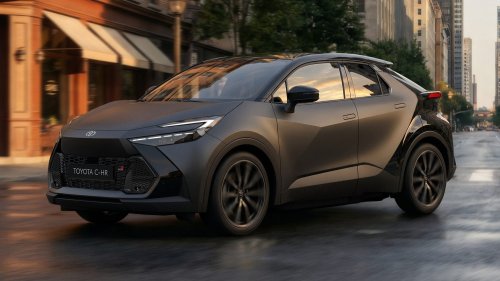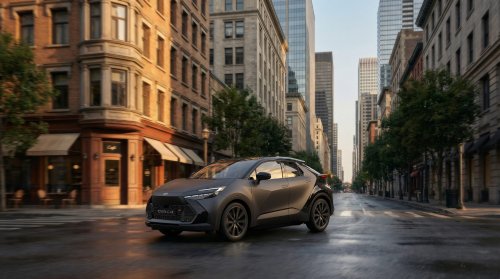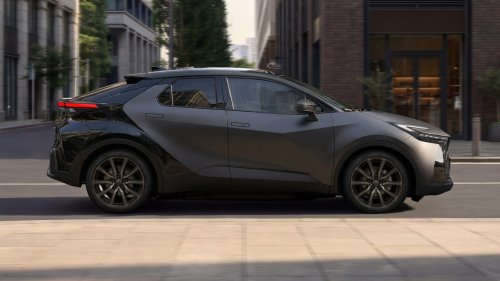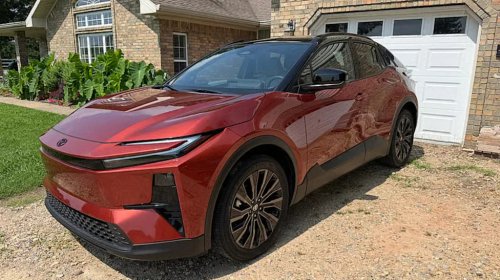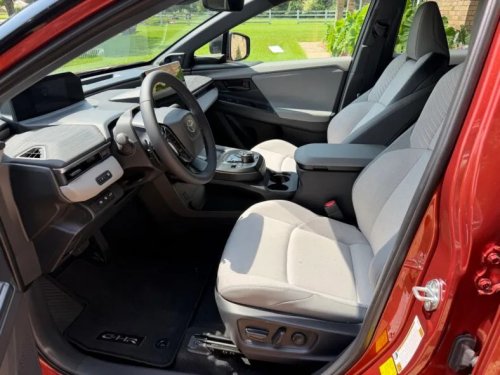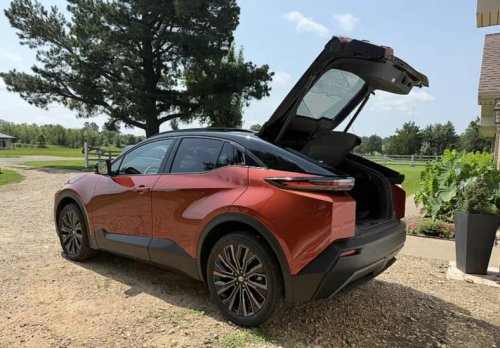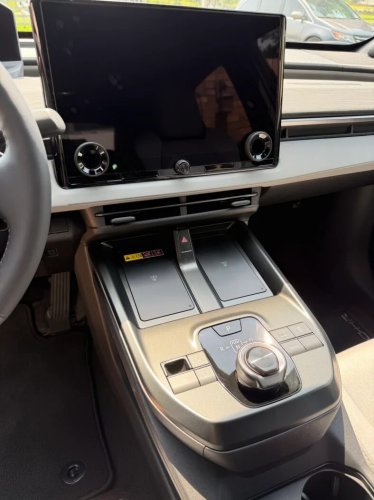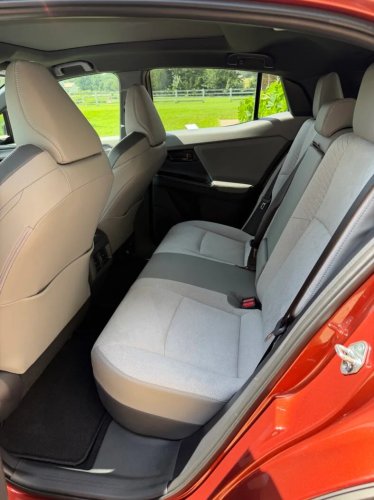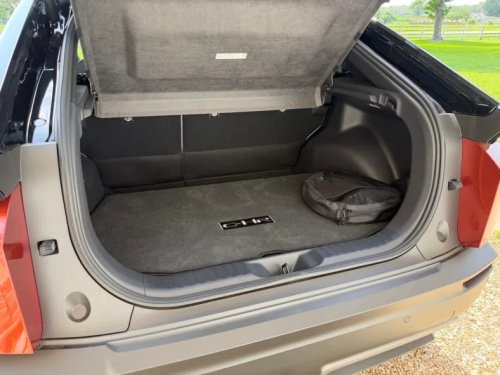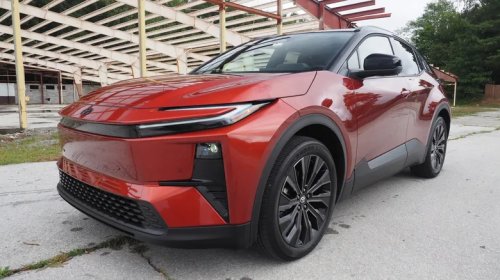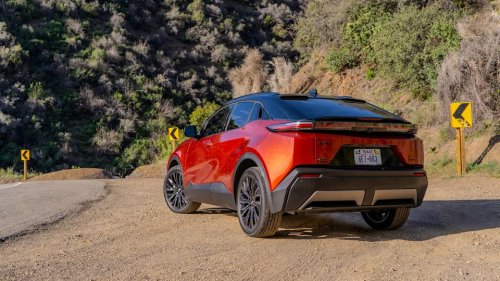
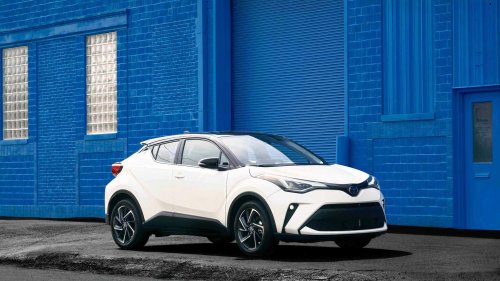
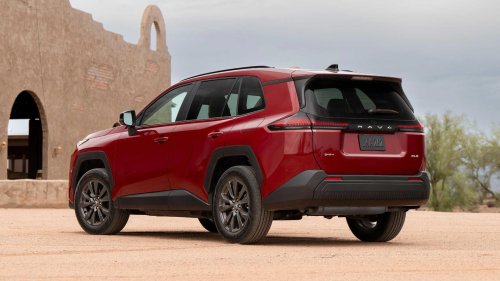
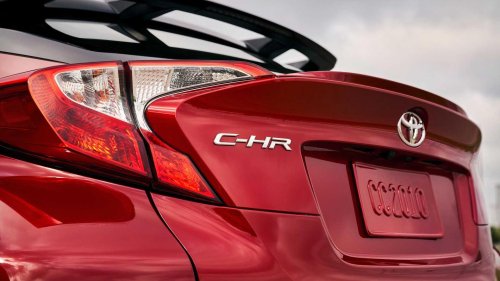
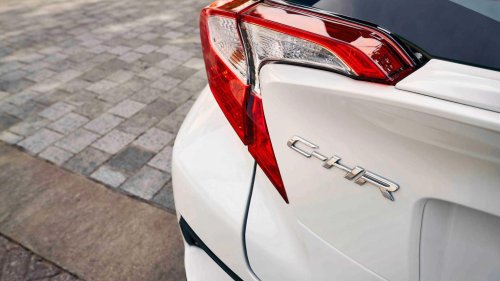
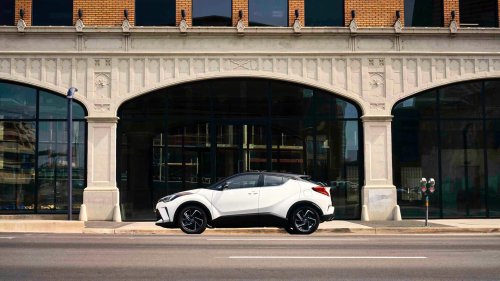
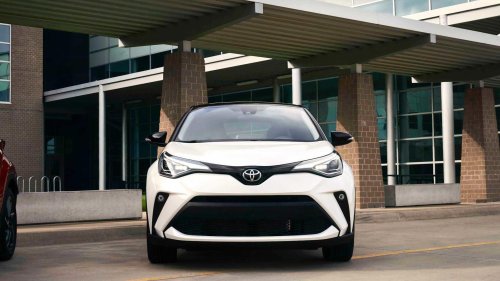
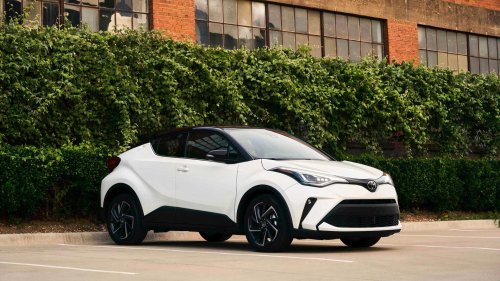
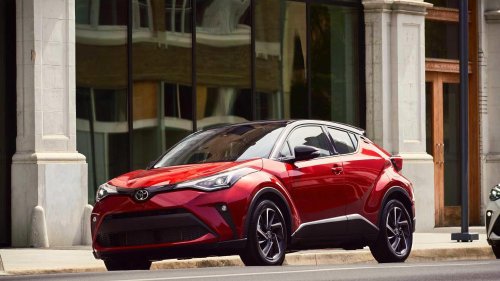
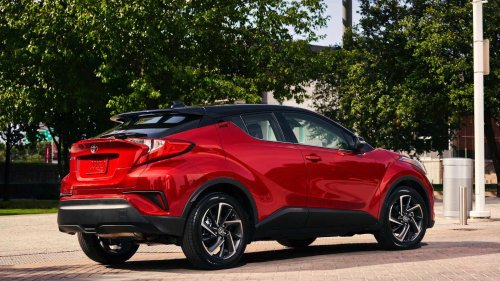
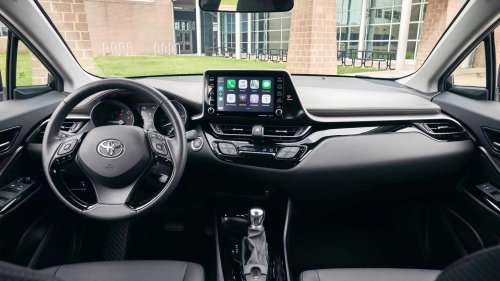
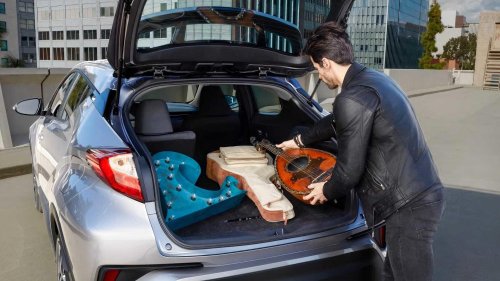
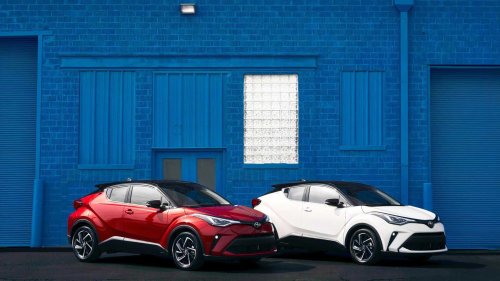
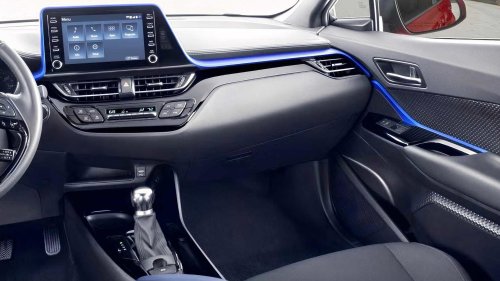



















Subcompact SUVs are one of the most popular automotive segments today. Over the past decade, purchasers have increasingly chosen vehicles with higher seating positions, greater practicality, and a trendier image over tiny sedans and hatchbacks. Automakers immediately flooded the market with compact crossovers for commuters, young families, and urban shoppers who wanted something flexible without having to buy an SUV. That demand also created a problem. As more small SUVs arrived, many of them started to feel the same. The formula was familiar: upright styling, decent fuel economy, light driving manners, and enough space for everyday life.They were sensible first, memorable second. Not every automaker followed that script. A few models tried to bring more personality to the segment through sharper styling or more unusual proportions. They were not always the biggest sellers, but some aged better because they were willing to stand out. That is often the case with quirky small SUVs. At first, buyers may overlook them because they feel too different. But over time, those same vehicles can start to look more interesting than their safer rivals. And when that bold design is backed by solid engineering, the result can be a vehicle that feels underrated years later. Quirky SUVs Rarely Become The Obvious Choice Bold Styling Can Be A Blessing And A Curse Honda Small crossovers are usually bought with logic in mind. Buyers in this class tend to prioritize value, fuel economy, practicality, safety, and long-term dependability. Because of that, many brands avoid doing anything too radical with design. The goal is usually to make a car that appeals to the widest possible audience, not one that divides opinion. That is why quirky models often have a harder time breaking through. A bold shape or unusual detail may attract attention, but it can also make a vehicle easier to dismiss. In the showroom, buyers often drift toward the option that feels safer and more familiar. A crossover can be good, well-engineered, and perfectly sensible, yet still lose out because another rival looks more conventional or carries a more obvious image. Brand Hierarchy Can Make That Problem Even Worse MazdaIn crowded lineups, some vehicles naturally get more attention than others. Bigger nameplates, stronger sellers, and better-known models tend to dominate, leaving the oddballs to sit quietly in the background. Once that happens, it becomes harder for the more unusual vehicle to define its own identity. But those overlooked models can become surprisingly appealing in the used market. Once the pressure of buying new is gone, buyers often start looking at things differently. Suddenly, distinct styling feels like character rather than risk, and a model that was once easy to ignore can start to make a lot more sense. One Small Crossover Took A Different Approach A Coupe-Like Shape In A Practical Segment Toyota That was the challenge faced by the 2019-2022 Toyota C-HR. When it arrived, it looked nothing like the average small crossover. Instead of the upright, sensible proportions that defined much of the segment, the C-HR leaned heavily into style. It had a sloping roofline, sharp body creases, a high rear end, and hidden rear door handles that gave it a more dramatic, almost coupe-like shape. That design made it instantly distinctive, but also polarizing. Some buyers appreciated that Toyota was willing to try something different in a class full of safe designs. Others thought it looked awkward or too fussy.Toyota Either way, it was not the kind of crossover that disappeared into traffic, and that alone made it a bit of an outlier in its class. It also had to live in the shadow of the RAV4, which remained Toyota’s far more obvious SUV choice for mainstream buyers. The RAV4 offered broader appeal, more space, and a clearer identity as the practical family option. That left the C-HR occupying a strange position in Toyota’s lineup.Toyota It was smaller, more design-led, and harder to categorize, which made it easier for many buyers to overlook. Yet those same qualities are part of what makes it more interesting now. The C-HR did not blend in, and in hindsight, that has helped it age better than some safer-looking rivals. More importantly, it still delivered the sort of core strengths buyers expect from Toyota. A Reputation For Reliability Toyota Durability In A Small SUV Toyota One of the biggest reasons the C-HR deserves a second look is that it paired its unusual styling with Toyota’s well-earned reputation for reliability. While it never built the same image as a Corolla, Camry, or RAV4, it still benefited from the same basic engineering philosophy: keep things simple, keep them durable, and avoid unnecessary complexity.Toyota That matters a lot in the used market, where reliability often matters more than anything else. A bold design might get a buyer’s attention, but a solid mechanical record is what makes a car worth living with long-term. In the C-HR’s case, that has been one of its biggest strengths. Compared with some rivals, it has avoided the kind of widespread major mechanical complaints that can sink a used vehicle’s reputation. Toyota Also Kept The Formula Fairly Straightforward Toyota Instead of chasing big power figures or introducing an overly complicated drivetrain, the C-HR stuck with a simple setup built around efficiency and everyday usability. That may have made it less exciting on paper than some rivals, but it also reinforced the sort of low-stress ownership experience that Toyota buyers often value most.Toyota This is where the C-HR starts to make more sense in hindsight. It may have looked quirky, but underneath that styling was a crossover built with the same logic that has helped so many Toyota models earn loyal followings. That combination of distinctive design and dependable engineering is not always easy to find; JD Power gives the 2020 range a 91/100 quality and reliability score. What Powers The C-HR Efficient And Easy To Drive Toyota The Toyota C-HR keeps things simple under the hood; it uses a 2.0-liter four-cylinder engine producing 144 horsepower, paired with a continuously variable transmission and front-wheel drive. Those numbers are modest, and they make it clear that the C-HR was never meant to be a performance crossover. But that was not really the point. The powertrain suits the vehicle’s role as a practical commuter and city-friendly SUV. It is easy to drive, smooth enough for daily use, and efficient enough to keep running costs reasonable; EPA estimates sit at 27 city, 31 highway, and 29 combined MPG. In everyday traffic, that matters more than outright speed. Fuel Economy Also Works In Its Favor Toyota The C-HR was designed to be affordable to run, which helps make a stronger case for it as a used buy. It is the kind of crossover that fits urban and suburban life well, offering the raised driving position many buyers want without becoming oversized or cumbersome. Its character matches that mission. The C-HR leans more to being comfortable than sporty, and that is probably the right choice for a vehicle like this. Toyota did not try to turn it into something it was not. Instead, it focused on making it easy to live with. A Cabin That’s More Practical Than You Think Simple Tech And Everyday Comfort Toyota Inside, the C-HR is more usable than its dramatic exterior suggests. The cabin layout is straightforward, the controls are generally easy to understand, and later versions gained Apple CarPlay, which helped keep the infotainment experience more relevant. It is not a flashy interior, but it works well for everyday use. The front seats are comfortable, and the driving position gives the sort of elevated view that has made small SUVs so popular. Cargo space is also decent for a car in this class, especially given the coupe-like styling.CarBuzzThe hatchback design adds flexibility, making it easier to load groceries, bags, or everyday items. There are compromises, of course. Rear visibility is not a strong point, largely because of the thick rear pillars and dramatic styling. The rear seat area can also feel darker and more enclosed than in some more traditionally shaped rivals. But those trade-offs come with a design that still feels distinctive years later. Why It’s A Smart Buy Today Affordable And Low-Stress To Own Toyota The best case for the Toyota C-HR today is that it offers a mix of qualities that many used buyers actually want. It is affordable — with KBB placing the 2020 C-HR's used price range from $17,250 to $18,500 — relatively efficient, backed by a strong reputation for reliability, and different enough to feel a little more interesting than the average small crossover.It never became one of the segment's stars, but used prices can be more appealing than those of bigger-name Toyota SUVs. That makes it easier to justify to buyers who want Toyota dependability without paying the premium often attached to a RAV4. At the same time, it still carries the reassurance of the Toyota badge, which matters when long-term ownership is the priority.CarBuzz For commuters, first-time buyers, and city drivers, the C-HR makes a lot of sense. It is easy to park, easy to drive, and inexpensive enough to make a practical case in the used market. More importantly, it manages to offer all of that without feeling completely anonymous. That is what makes the Toyota C-HR worth remembering. It was never the obvious choice, and maybe that is exactly why it deserves more credit now. In a segment built around safe, predictable designs, it dared to be a little different without giving up the everyday qualities that matter most. Years later, it feels less like a misstep and more like one of the more underrated small SUVs Toyota has built.