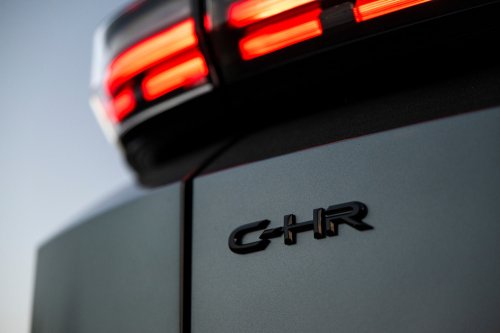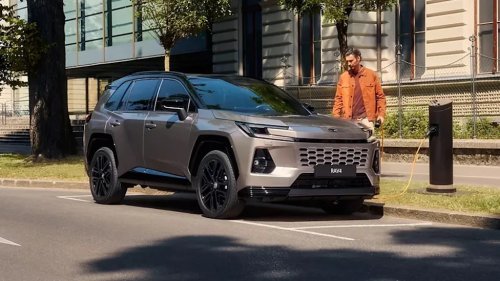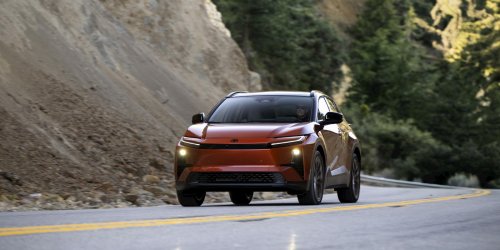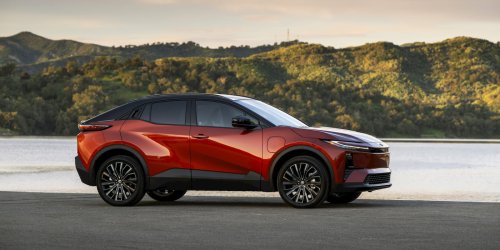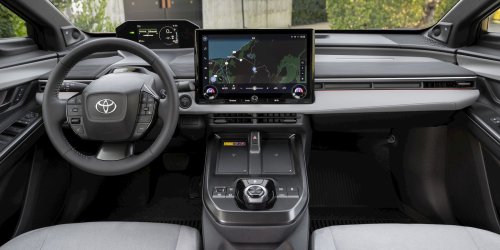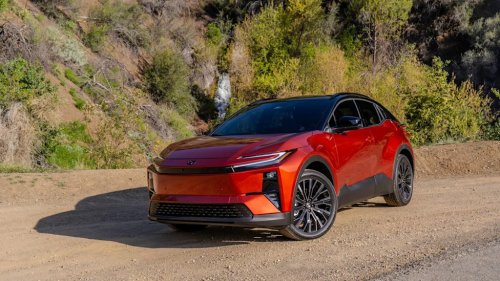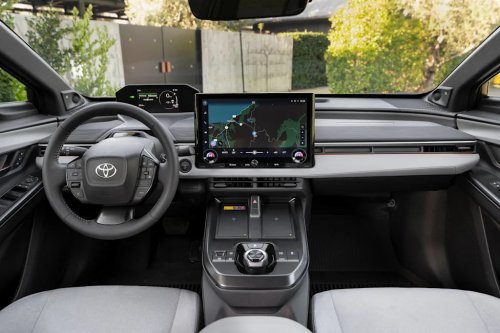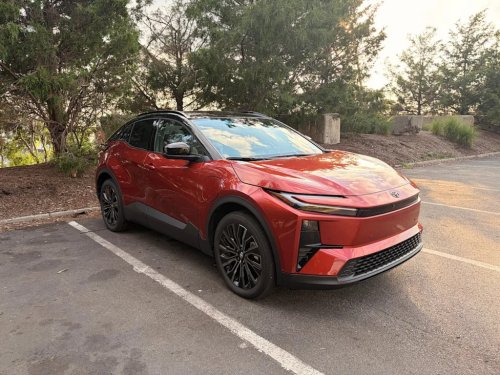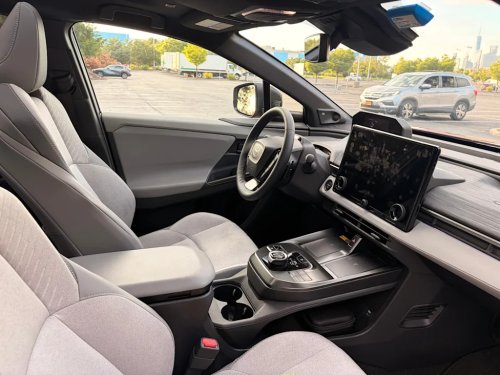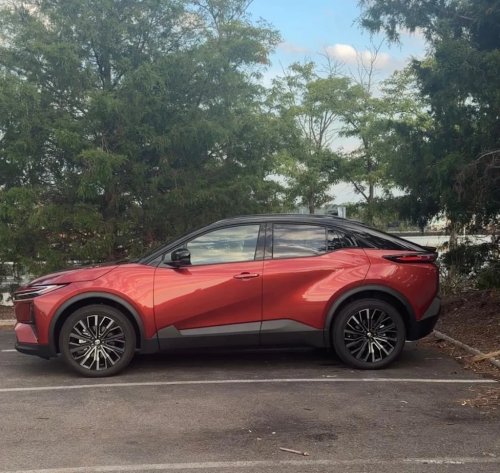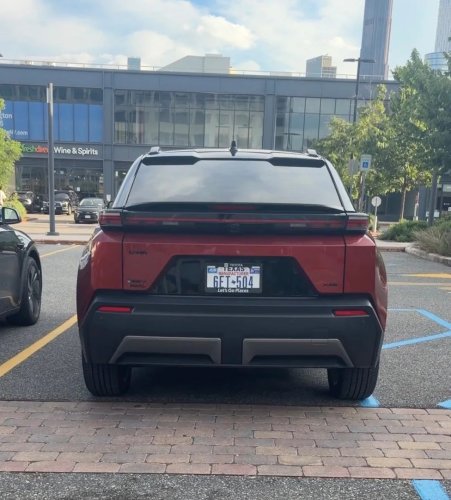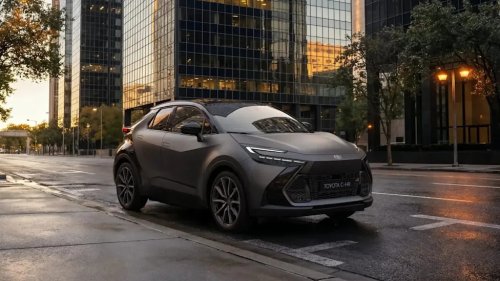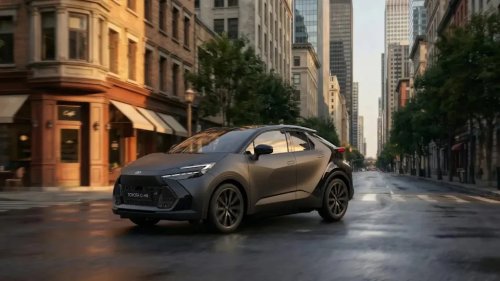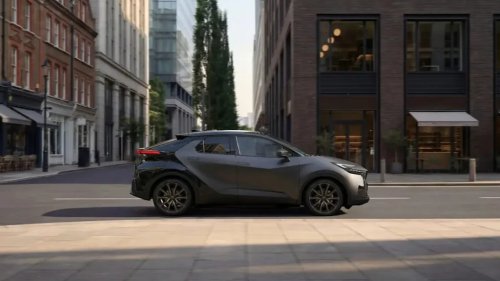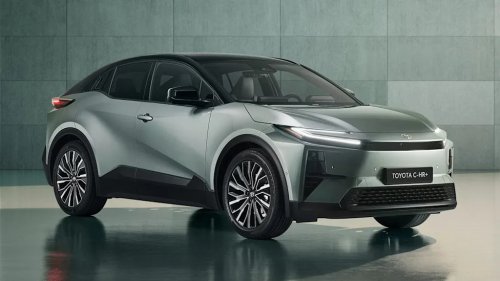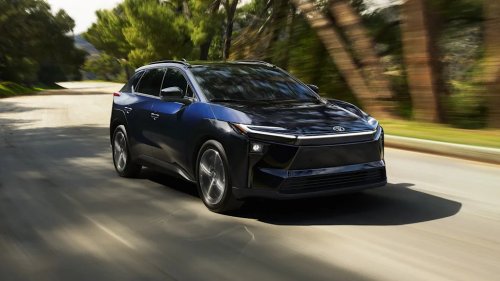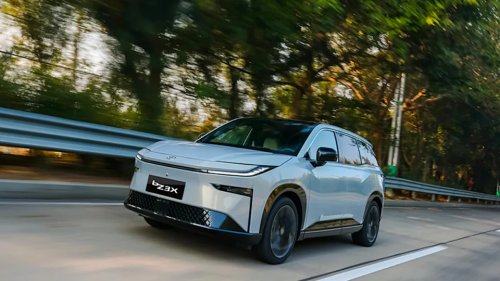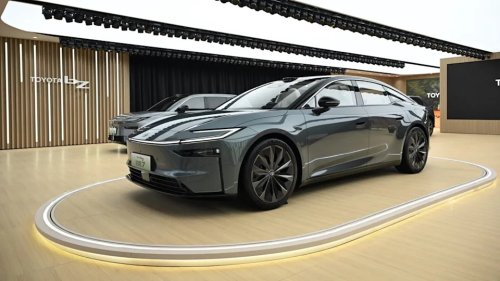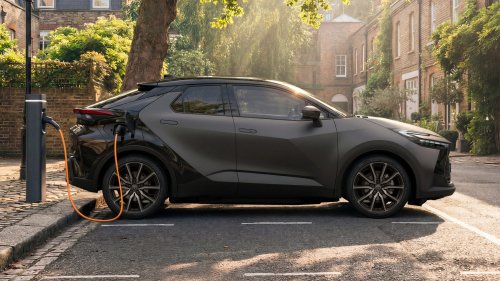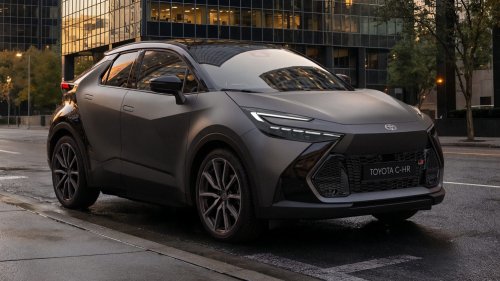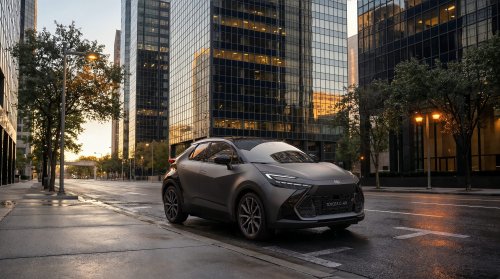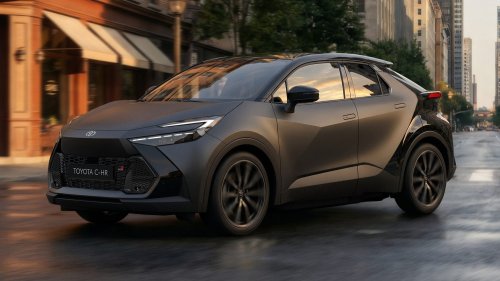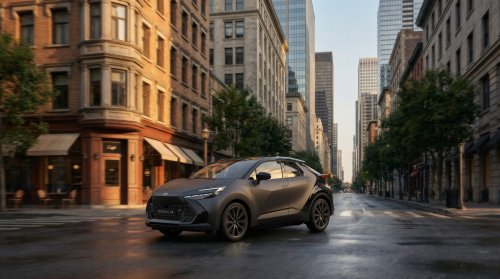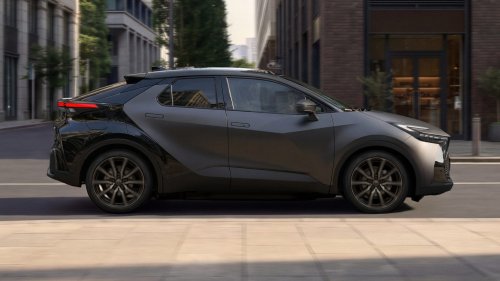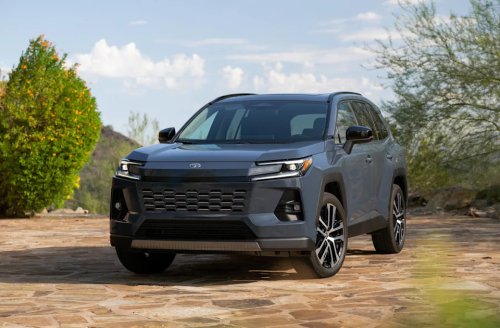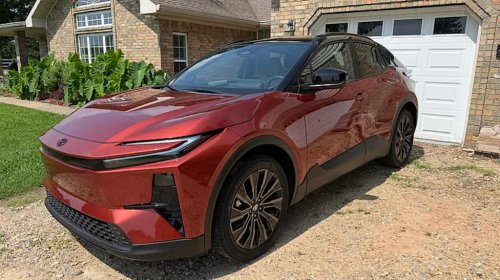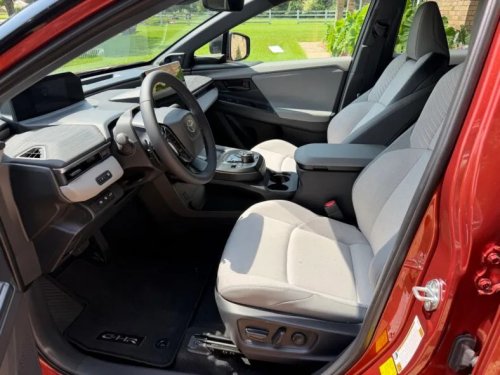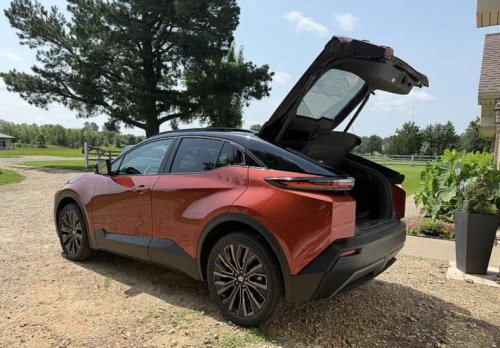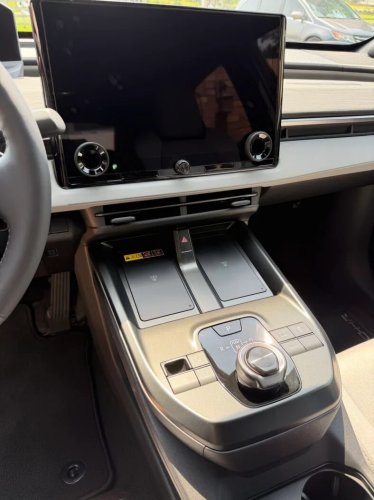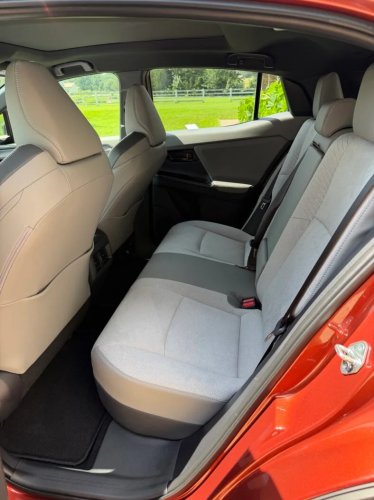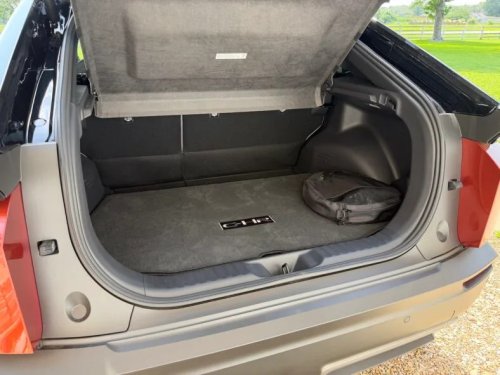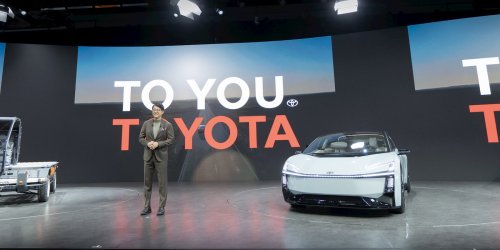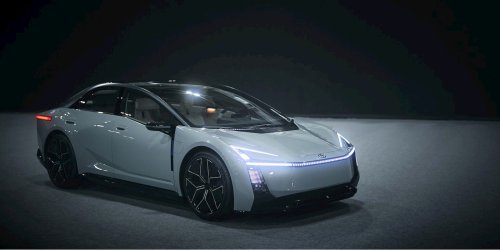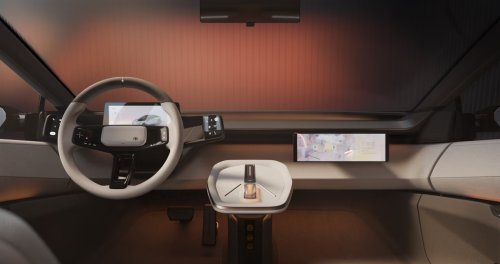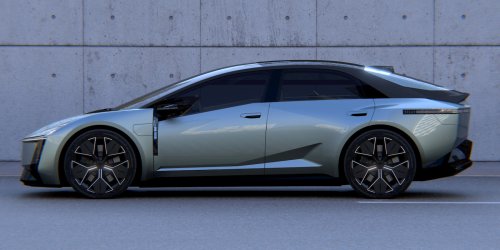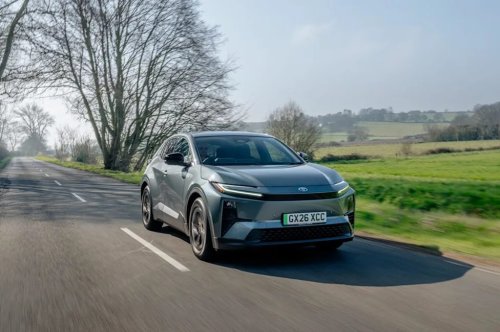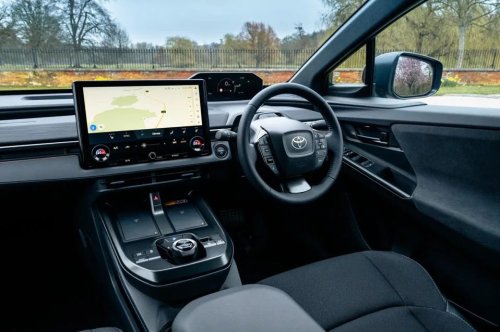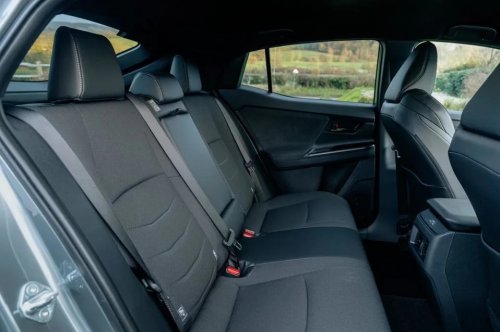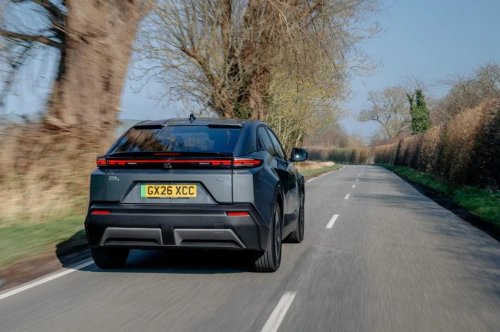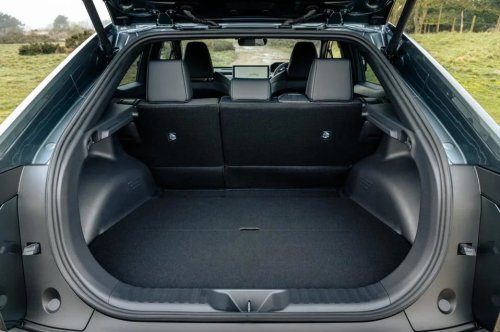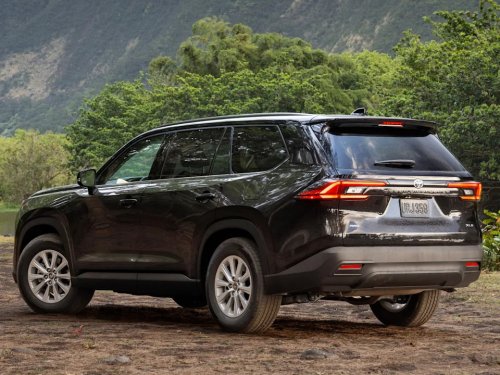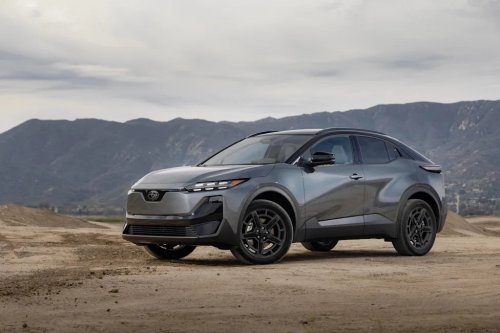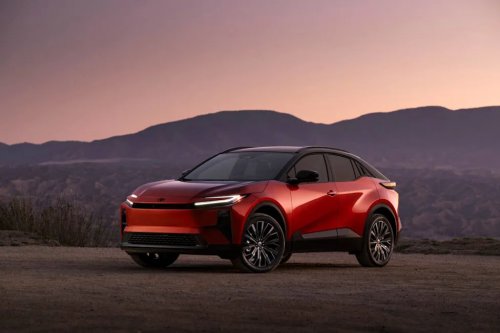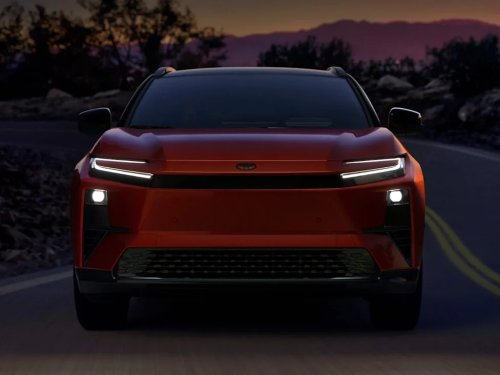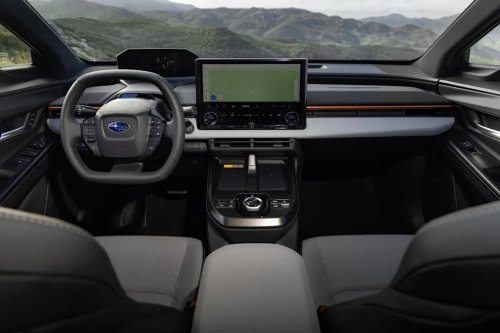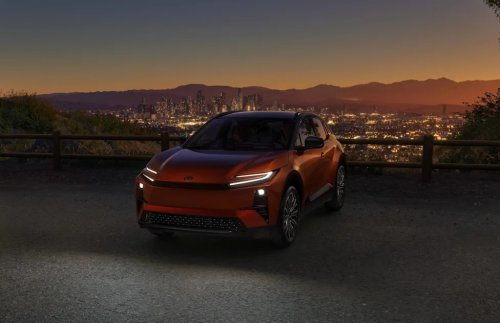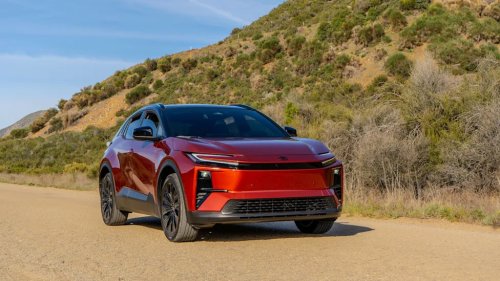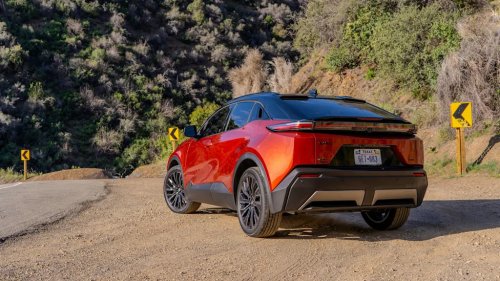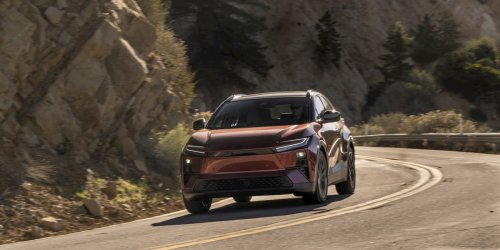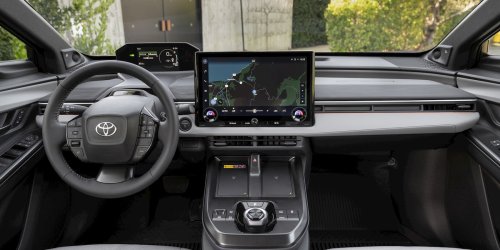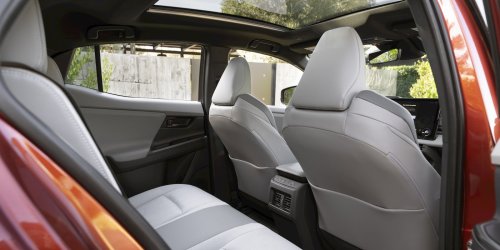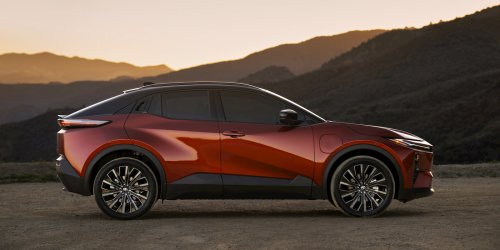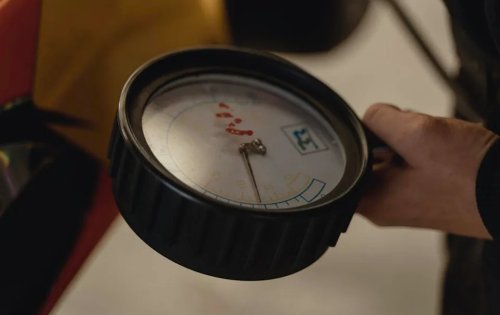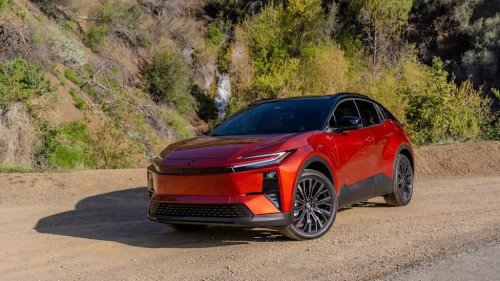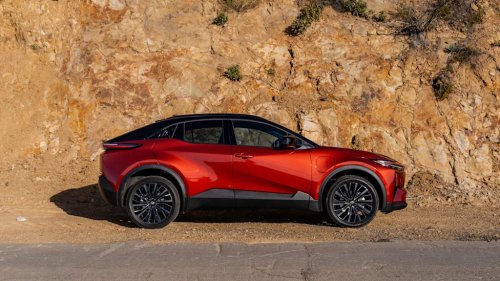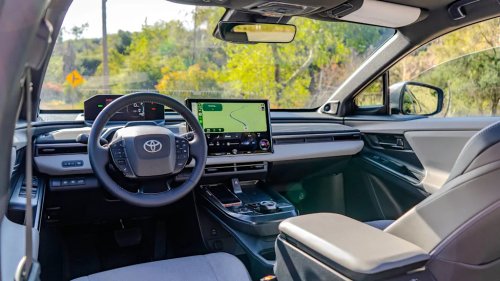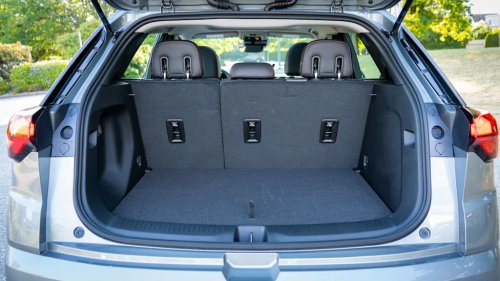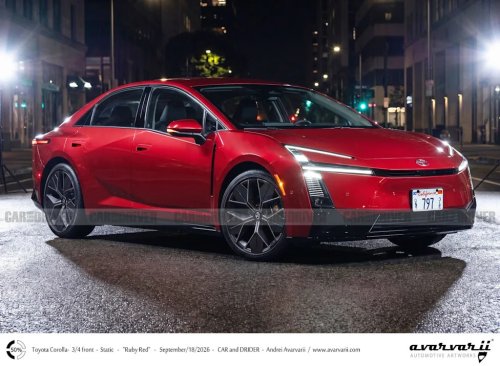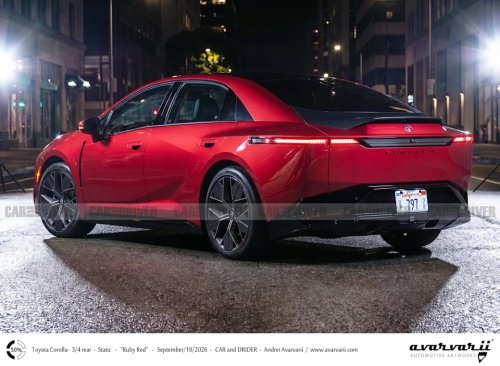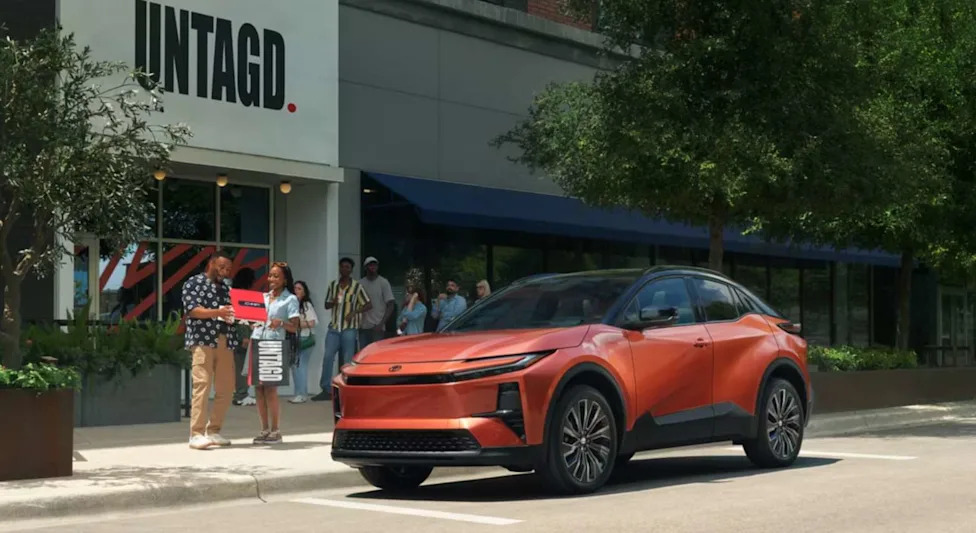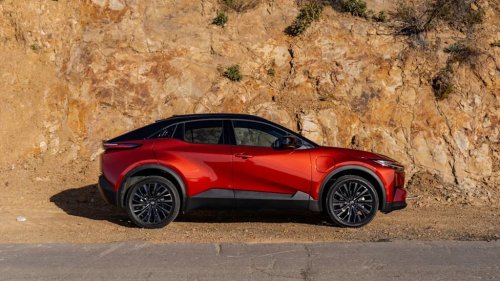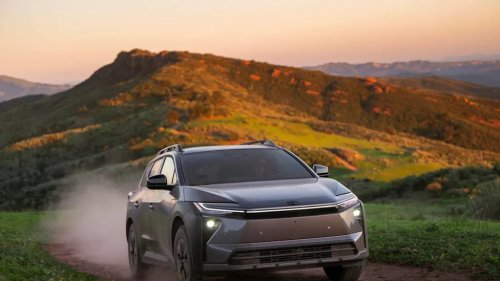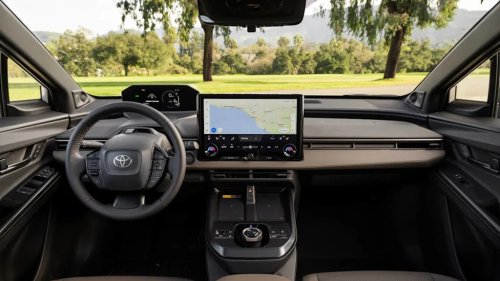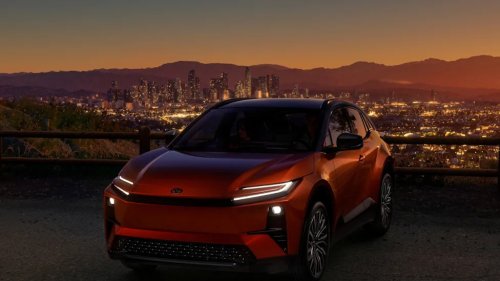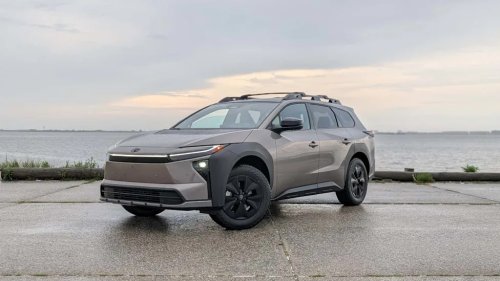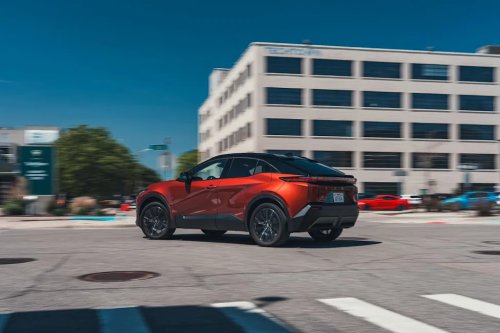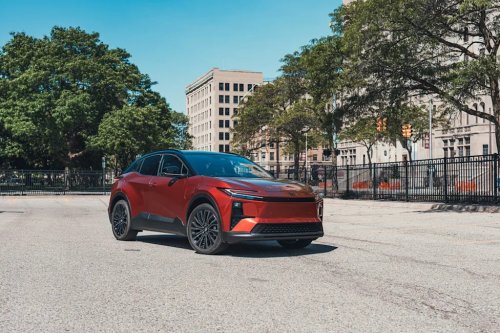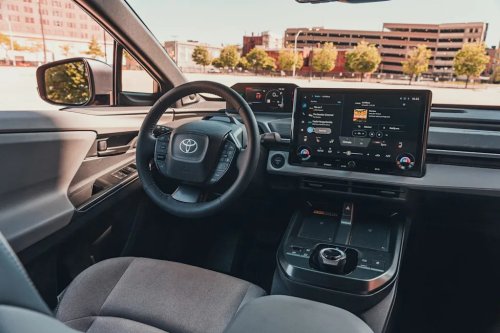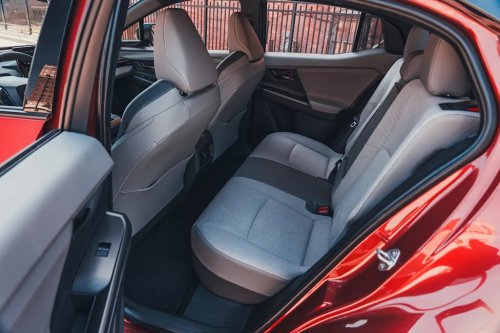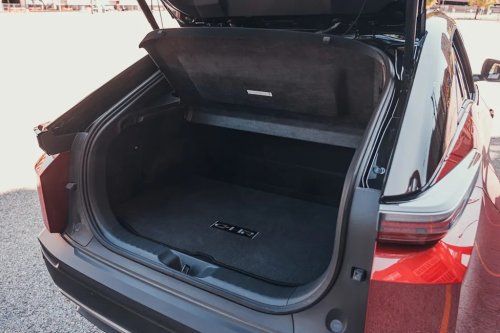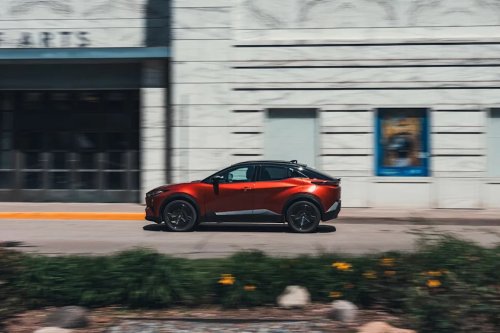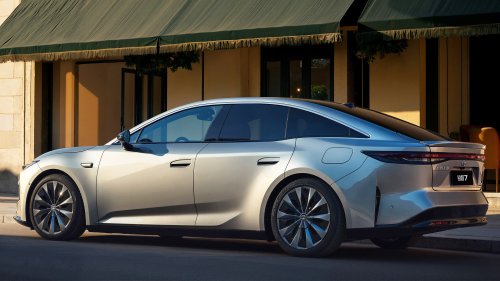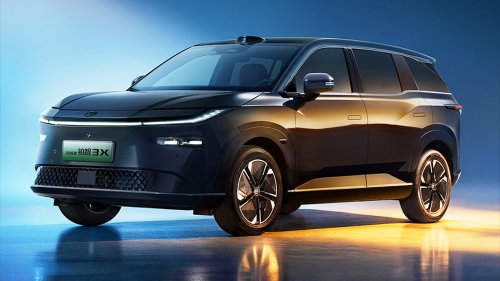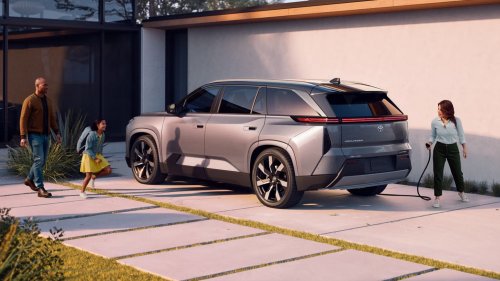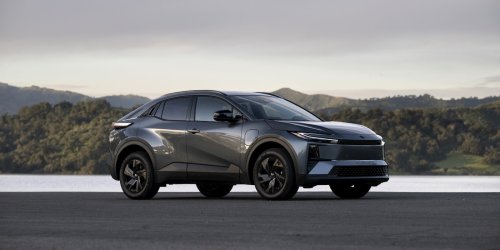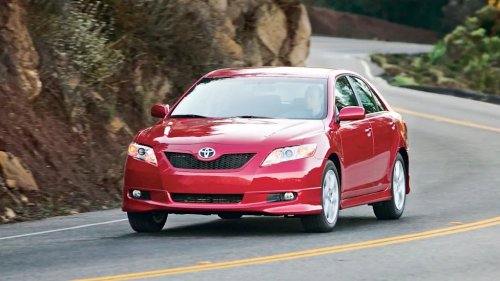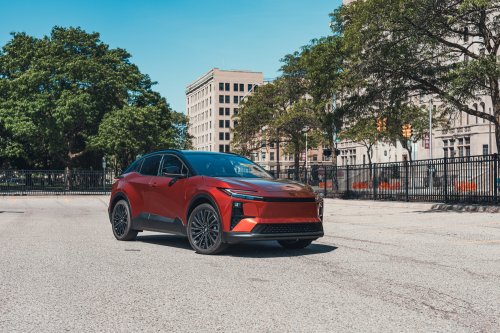




























Image: Kyle Patrick Image: Kyle Patrick OJAI, CA-You know when you see a friend after a spell and they've completely changed their entire way of life? That's the 2026 Toyota C-HR. The original C-HR had a dramatic look but, at least on our shores, lacked the goods to back them up. No hybrid, no all-wheel drive; it was too small and underpowered for the sub-compact SUV scene and always felt at odds with the Toyota lineup (as it was originally planned to be part of Scion). Now the C-HR is reborn for North America. It has nods to the original design like the hidden rear door handles but looks thoroughly modern with clear Toyota DNA. It's also been working on its health, skipping right over hybrid power and adopting a purely electric powertrain. The result is big gains: C-HR 2.0 has over double the power of the model that waved goodbye back in 2022. Time to catch up, or was this friendship best left in the past? Toyota invited me to spend a day threading the C-HR through the canyons outside of Ojai to find out. 2026 Toyota C-HR Quick Take With more than double the power of the previous generation, the 2026 Toyota C-HR revives the brand's smallest crossover as its smallest EV crossover. Attractive and quick it nonetheless struggles to separate itself from the now-improved Toyota bZ, feeling for all intents and purposes like a less practical version of Toyota's original modern electric vehicle. What's New for 2026: Image: Kyle Patrick Image: Kyle Patrick The C-HR is, along with the bZ Woodland, both arriving as extensions of sorts to the vastly improved 2026 bZ. Like the Woodland, the C-HR goes by another name in other parts of globe; in this case, this is the C-HR+, as the badge continues to apply to a smaller, combustion-engined model. While the name is the same, nearly everything else is different. The ‘26 is about six inches (152 millimeters) longer than the last C-HR, with much of that growth happening within the wheelbase too. Nonetheless, at 177.9 inches (4,520 millimeters) long the C-HR is notably shorter than the bZ. In America, the C-HR will only come in dual-motor, all-wheel drive form; Canada will also offer the single-motor, front-drive setup familiar from the bZ. Horsepower is 338 for the former and 221 for the latter. Battery capacity is a familiar 74.7 kilowatt-hours. Exterior Style: Image: Kyle Patrick Image: Kyle Patrick It's a good-looking thing, the C-HR. Toyota's hammerhead front-end works well on the smaller shape, blending well with the tight dimensions. Toyota designers have peeled back the cladding and given the flanks a distinct arrow shape in the mid-section, adding a sense of motion even when the C-HR is sitting still. A chopped tail, split roof-mounted wing, and taillights with a Morse code-like lighting signature all give it an appropriately futuristic feel. The XSE model shown here benefits from 20-inch alloy wheels for that concept car-like stance, and additional black-painted body parts like the roof and rear plate surround. The orange color ("Tandoori") is a no-cost option on SE and XSE. Powertrain and Fuel Economy: Image: Kyle Patrick Image: Kyle Patrick In 4.9 seconds, the C-HR banishes any thoughts of the old model's tardiness. That's the quoted time to 60 mph (97 km/h); the Canadian side quotes 5.2 to 62 mph (100 km/h), which is an oddly large gap for an electric model. Regardless, the C-HR is quick in that near-standard way of modern EVs, with zero drama and ultra linearity. It will start to run out of puff on high-speed passing maneuvers but so will just about anything else at this price range. As is the case with all of Toyota's current EVs, the C-HR has four levels of regenerative braking, ranging from tepid to modest. No one-pedal here. Boo. Given its placement as the sporty EV amongst Toyota's lineup, I'm disappointed the C-HR doesn't borrow the simulated shift feature of the Lexus RZ. For dual-motor models, range is 287 miles (452 kilometers) on 18-inch wheels and 273 mi (438 km) on the 20s. The Canadian-market single-motor can bump that up to a healthy 308 mi (496 km). All models come standard with the passenger-side North American Charging Standard (NACS) port as well as a 11-kilowatt-hour onboard AC charger. Handling and Drivability: Image: Kyle Patrick Image: Kyle Patrick The driving route for the C-HR is more Porsche than pedestrian, a snaking strip of asphalt loaded up with tight turns, blind crests, and dramatic camber changes. Like its color name suggests, the C-HR isn't extra spicy but rather warm. It handles the various dips and dives with aplomb, soaking everything up while maintaining course. In that sense, the C-HR is akin to a slightly overgrown rally car. It lacks the adjustability of one though, or even the road-going GR Corolla. Despite its 338 horsepower being pretty tame by 2026 EV standards, the C-HR's traction control light strobes away during the drive, noticeably sapping power right when it's needed most: launching out of corners. The rear motor also boasts barely over half the pony count of the front, so this remains a distinctly nose-led experience, at least in the dry. To its credit, the C-HR's small steering wheel has consistent and predictable weighting, cleanly building up as lock is applied. Honda Prelude Through the Generations: All the Details Ride Quality and Comfort: Image: Kyle Patrick Image: Kyle Patrick Even on 20s, the C-HR rides with impressive plushness. While there is a firmer edge to the ride than the family-oriented Woodland, it feels wholly appropriate given this lil' guy's mission statement. As a welcome surprise, the C-HR traverses speed bumps better than its big wagon brother too, settling quicker. Road noise is kept to a minimum, though there is surprising amounts of wind noise from the mirrors at speed. With the pano roof, front headroom is identical to the bZ at 38.6 in (981 mm) while rear passengers sacrifice about an inch (36.4 in / 924 mm). For reference, I can sit in the back with my noggin just touching the headliner. Comfort is good in both rows, though the back seat cushions are a wee bit low. Interior Style and Quality: Image: Kyle Patrick Image: Kyle Patrick All three of Toyota's BEVs feature the same cabin architecture, and that's no bad thing. The layout is deliberate and clean, with each model utilizing its own textures for a unique feel. A wide center console houses twin wireless chargers and ample foot-level storage. Most buttons are kept to the console and steering wheel, with a large 14.0-inch touchscreen encompassing the climate controls. The deep-set instrument cluster and low steering wheel position can be awkward for the uninitiated, but the payoff is less eye movement between pertinent info and the road ahead. Upgrading to the XSE trim sees the seats done in SofTex faux-leather with artificial suede inserts. These feel great, but I wouldn't say no to more color in here: maybe some extra tandoori, eh Toyota? Tech and Safety: Image: Kyle Patrick Image: Kyle Patrick The C-HR skips some of the more premium features to keep its price in check, such as ventilated seats. The 360-degree camera is just as useful here as it is in the rest of the Toyota BEV lineup; the optional JBL system, just as meh. Value Dollars and Sense: Image: Kyle Patrick Image: Kyle Patrick American pricing for the 2026 C-HR kicks off at $38,450 (including destination) for the SE trim. Buyers get cloth seats and 18-inch wheels here yet the heated front seats, power liftgate, rain-sensing wipers, blind spot monitoring and dual wireless chargers are all standard. The XSE ($40,450) adds the SofTex and faux-suede seating surfaces while tossing in drivers-side memory and passenger-side power adjustability, 20-inch wheels, the 360-degree camera, and unlocks the pano roof, JBL audio, and cold weather package options. Loaded up the C-HR stays under $44,000. Canada's C-HR trim lineup mirrors that of the USA's, with the dual-motor SE ($51,880 CAD) and XSE ($56,330 CAD) joined by a budget-conscious single-motor SE ($46,830 CAD). Final Thoughts: 2026 Toyota C-HR First Drive Review Image: Kyle Patrick Image: Kyle Patrick In a vacuum, the C-HR is an accomplished and satisfying EV. Unlike the rugged bZ Woodland however, beyond its different form factor the C-HR offers precious little difference from the now-quite-good bZ. As a form-over-function option within the vast Toyota lineup, the 2026 C-HR is a stylish EV with plenty of likeable aspects. Those who prize individuality will find a welcome new friend. 2026 Porsche Macan GTS: All the Details