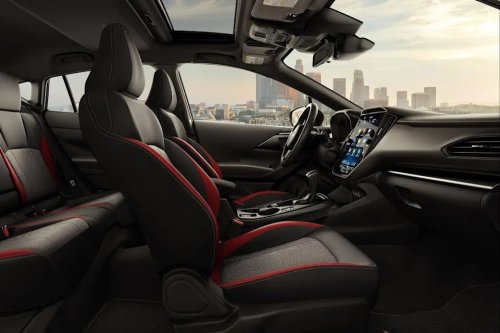
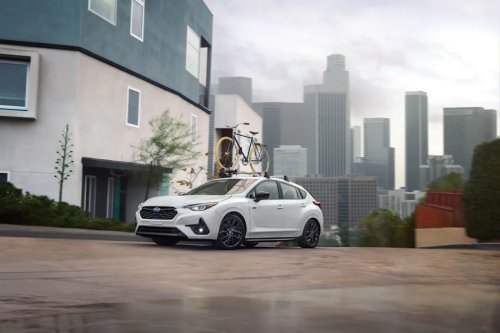
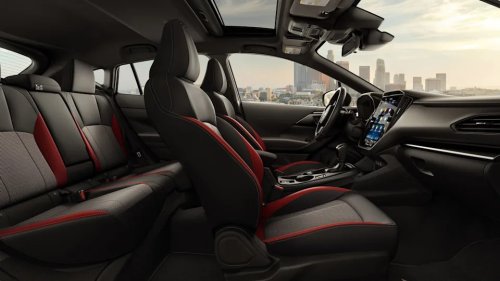
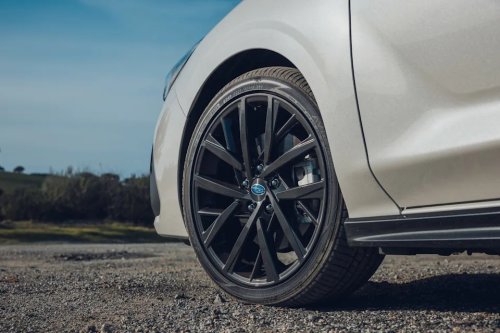
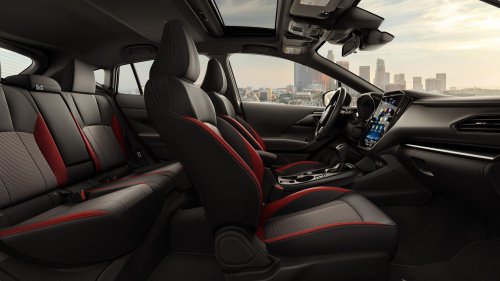
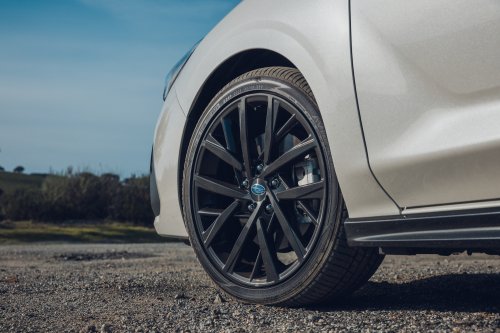
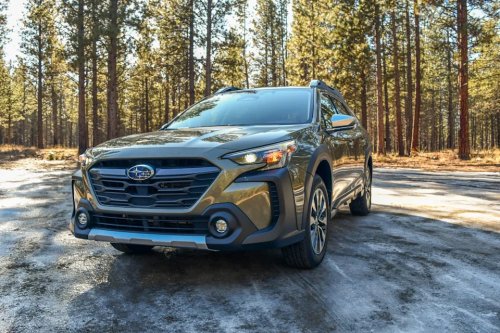
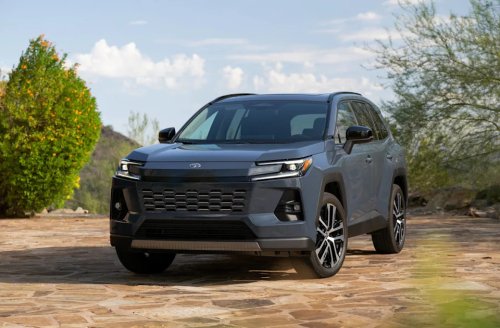
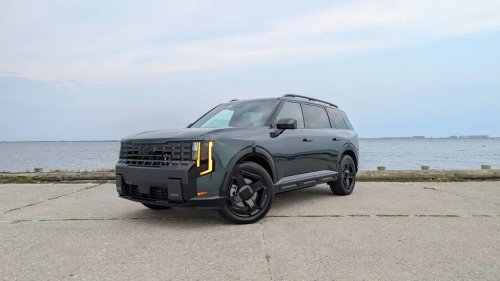
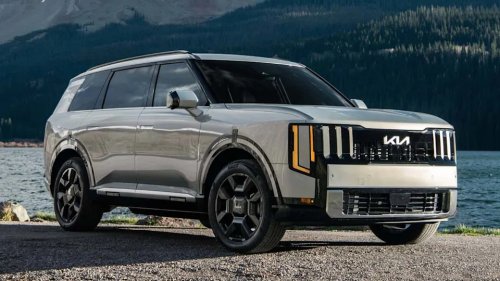
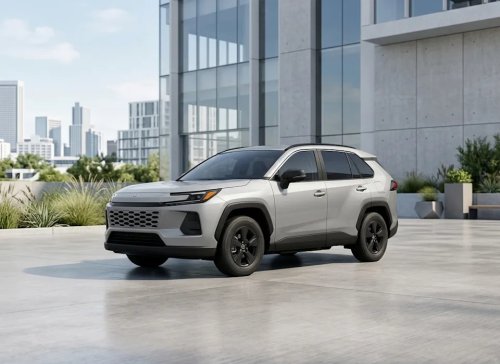
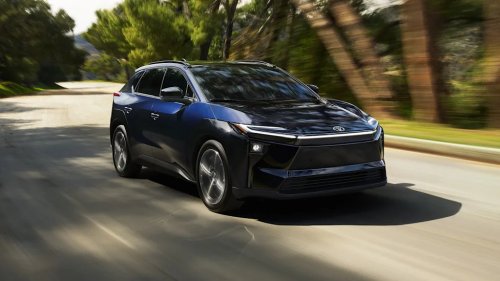
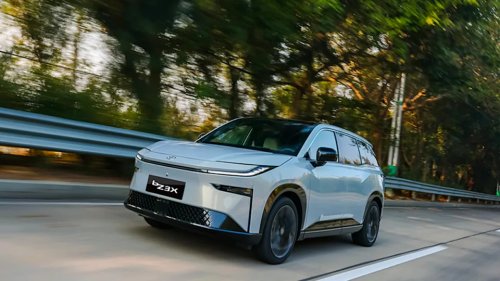
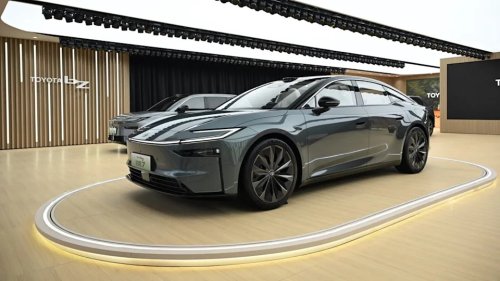
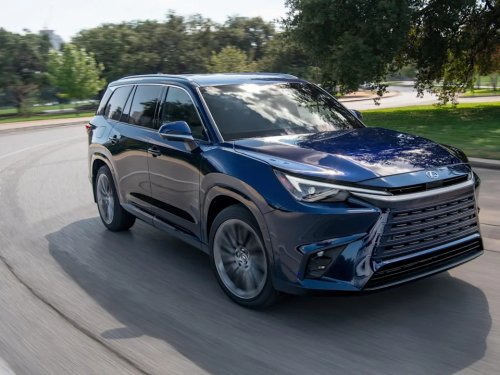
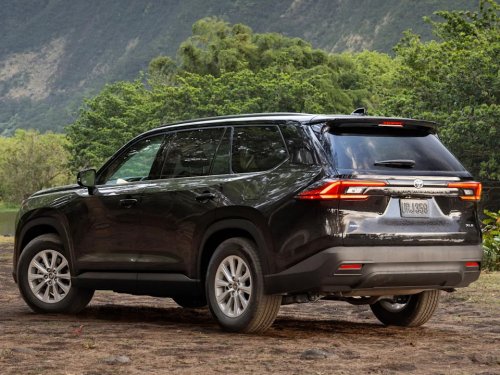
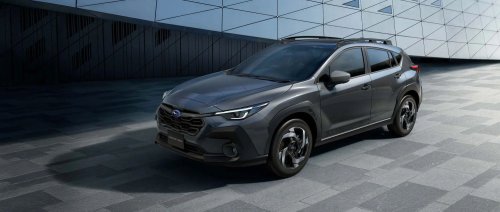
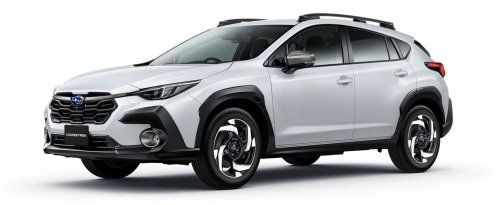
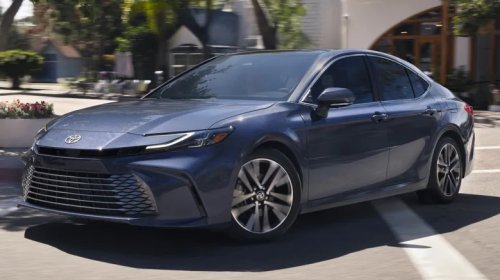
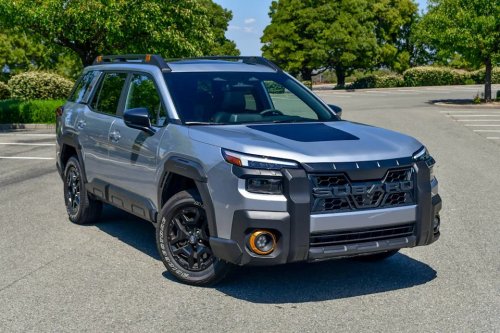
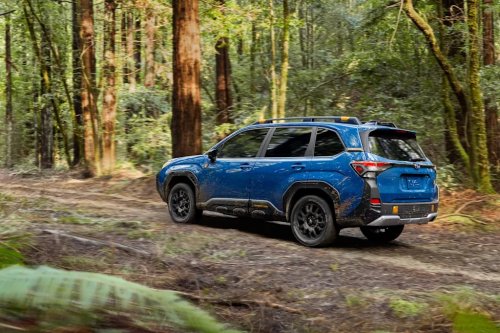
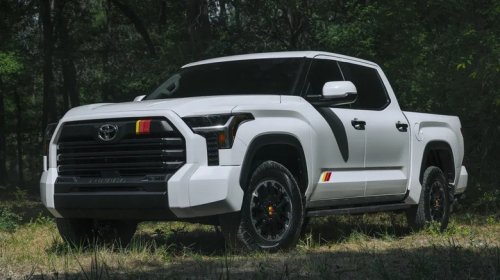
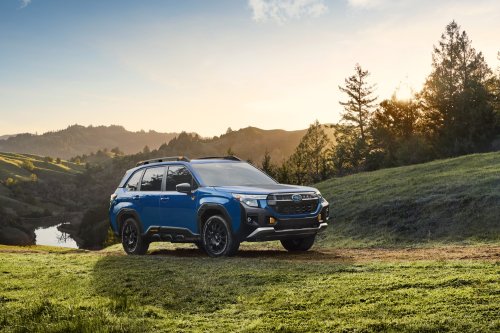
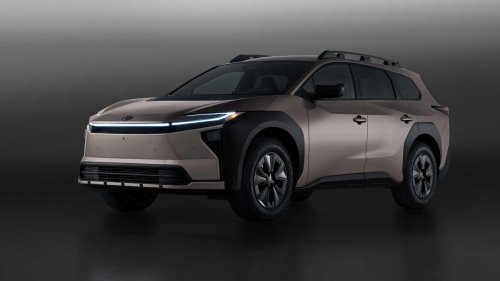
Toyota and Subaru's new EVs, the bZ Woodland and the Trailseeker, respectively, are fighting for the same territory despite being corporate twins. Each features all-wheel drive and a boxier silhouette than the company's previous joint EV efforts, the Toyota bZ4x and the Subaru Solterra. The two come with some off-road attitude too, including available off-road tires, extra ground clearance, and software designed to keep you pointing the right way on the trail and going the right speed. There are, however, some slight differences too, as each brand attempts to offer its own unique take on a shared vehicle.In order to give you the most up-to-date and accurate information possible, the data used to compile this article was sourced from Toyota, Subaru, and other authoritative sources. The Subaru Trailseeker vs. The Toyota bZ Woodland 2026_Toyota_bZ_Woodland_0011The Subaru Trailseeker and the Toyota bZ Woodland share common mechanical components, have the same battery capacity, and more. But each makes an effort to differentiate their SUV from the "competition." Subaru sticks to a much more blocky and aggressive aesthetic, and the two differ slightly inside as well, featuring different controls and layouts for each prospective buyer. Subaru And Toyota Have Their Own Aesthetic Twists On This EV Without a doubt, the biggest factor differentiating these two EVs is their looks. Subaru, on one hand, opts for a much more blocky aesthetic than Toyota, especially in front. The Trailseeker's front face features a larger lighting signature than the Toyota's, with much more emphasis placed on the split-headlight design that the two share. Subaru's huge plastic fender flare runs into the lighting element, and the front grille features an illuminated star logo for the first time.Meanwhile, the two appear much more similar in profile, with the Subaru again going for a chunkier aesthetic thanks to different running boards and wheel designs. On the whole, the Woodland screams "I GO OFF-ROAD" a little less than the Subaru, despite the heavy use of body cladding. In back, things look much more similar, with lower black plastic bumpers and each brand's respective logo arranged in the lighting element. Subaru opts to spell theirs out, while Toyota goes with the long-standing logo. Each SUV Boasts A Unique Interior Materials and trim accenting makes up the bulk of the changes inside each of the off-road SUVs. The pair offers the same 14-inch screen and digital gauge cluster. The steering wheels are different, with Subaru opting for a much more square wheel. Controls layouts appear to be the same, but we expect to see some subtle differences once we have the opportunity to get up close with each. The SUVs also offer different seating elements, with a two-tone pattern for the Subaru and solid black seating material for the Toyota. The Toyota bZ Woodland Is Built For Electric Off-Roading Toyota_2026_bZ_Woodland_0003Toyota offers a very similar off-road experience with the bZ Woodland. All-wheel drive will be standard on the Woodland, with an electric motor placed at each axle, resulting in a combined output of 375 horsepower. Toyota estimates the driving range will be around 260 miles. Owing to its taller stance, the bZ Woodland offers 8.3 inches of ground clearance. That taller shape also brings some benefits to passenger space, with the SUV offering an additional inch of headroom and six additional inches of overall length compared to a bZ4x. The bZ Woodland Is Loaded With Off-Road Goodies Toyota also fills the bZ Woodland with off-road features. For one, available all-terrain tires (likely fitted to the SUV's smaller 18-inch wheel option) will enhance grip on slippery terrain. However, this may incur a range penalty. Regardless, X-MODE software, which optimizes the all-wheel drive system for grip over various terrains, will help keep the SUV pointed in the right direction. Toyota includes a new Grip-Control software within X-MODE, which it says will "react to road surface characteristics and maintain a constant speed to prevent slipping on rough roads." The Trailseeker Is A Twist On Subaru Off-Road Fun 2026 Subaru Trailseeker EV front NYC debut Because the Trailseeker is a twist on Subaru and Toyota's EV collaboration, many of the features offered by the EV are identical to the Toyota EV. This is especially true of the mechanical equipment, many of which are shared with Toyota. The two share similar software as well, and Subaru also offers both X-MODE and Grip-Control for the Trailseeker, as well as a very similar 14-inch display and choice of options. Subaru Offers Its Twist On The Two Companies' Joint Architecture Subaru, like Toyota, will also sell you an EV capable of towing up to 3,500 pounds with standard all-wheel drive, two electric motors (one on each axle), and a big trunk larger than other EVs in its lineup. The two have nearly identical specs, from the 375 horsepower drivetrain to the center console, to the almost identical silhouette. Still, Subaru does say it uses "unique suspension" and a "tuned" all-wheel drive system. Both EVs Offer Improved Charging Stemming from a 74.7-kWh lithium-ion battery, Subaru says the Trailseeker will do an identical 260 miles of range on a charge. Both vehicles also feature the NACS port, which, as the North American Charging Standard moniker implies, has slowly become the industry standard. The two feature an onboard battery preconditioning system, too, which will help to further optimize range and charging speeds. Toyota says the bZ (and likely by extension the Trailseeker) will be able to charge from "10% to 80% battery capacity in around 30 minutes," so long as proper charging conditions, like output and battery preconditioning, are met. Should You Buy The Subaru Trailseeker Or The Toyota bZ Woodland?2026-subaru-trailseeker-6-1.jpgWe expect a few more subtle differences to reveal themselves as time passes. Both EVs are expected next year, and pricing has yet to be announced. Toyota offers the bZ Woodland in a single, loaded trim level, which will no doubt lend itself to some premium pricing. This trim level includes desirable features like an upgraded eight-speaker JBL sound system and panoramic roof, ventilated front seats, and front radiant heater, which forgoes traditional vents in favor of radiating heat out from the dash.Subaru, for its part, does not specify any trim levels, though the brand is typically more value-oriented and may offer a more basic trim. For now, given the existing similarities between the two, it's worth considering other factors, like the availability of dealerships in your area or the aesthetic differences between the two until more information becomes available.






















 +48 others