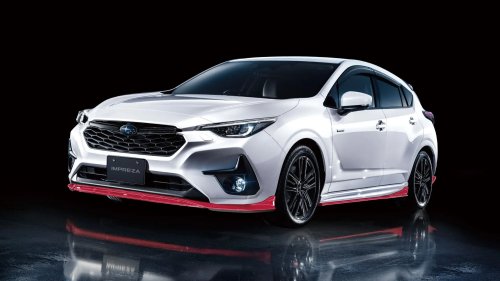
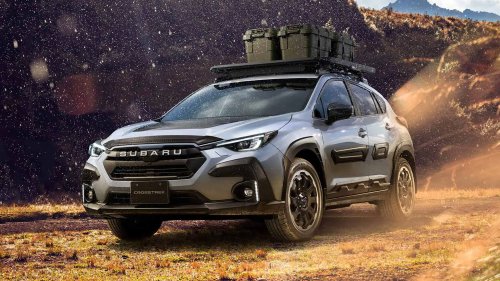
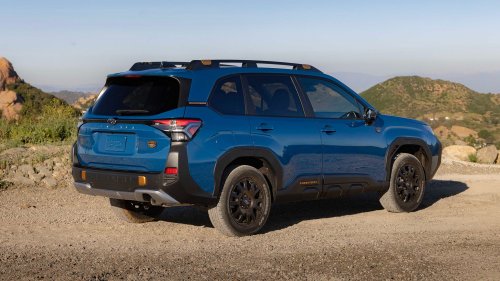
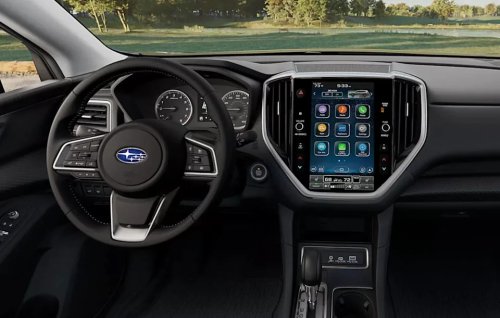
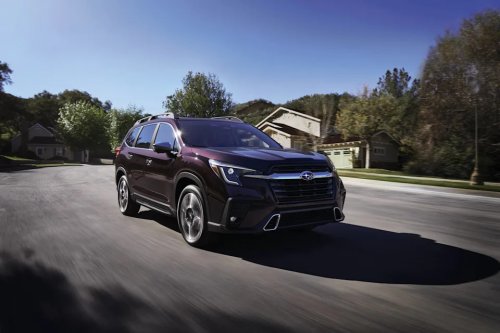
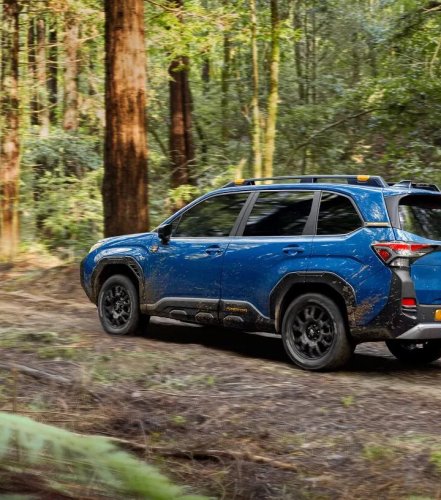
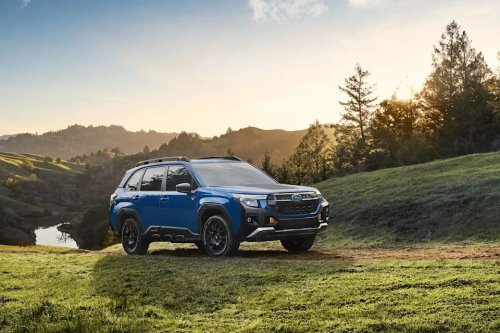
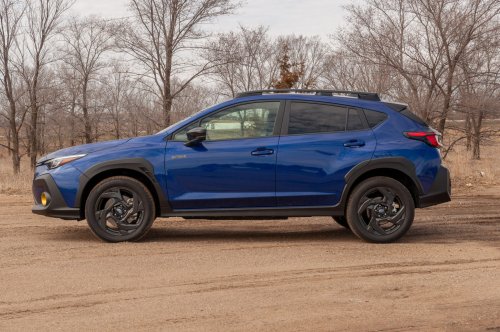
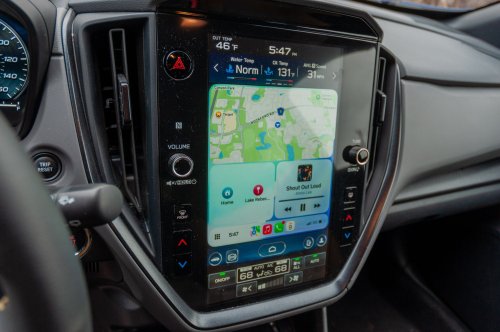
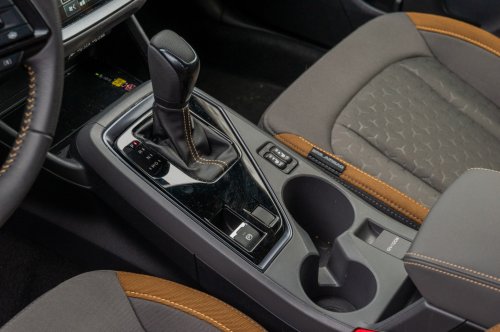
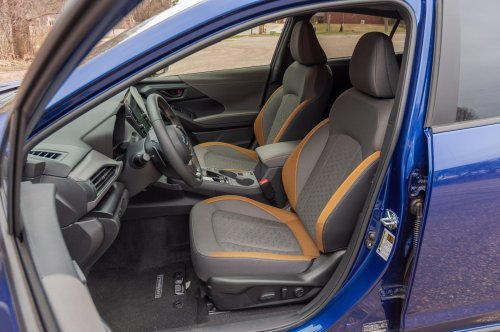
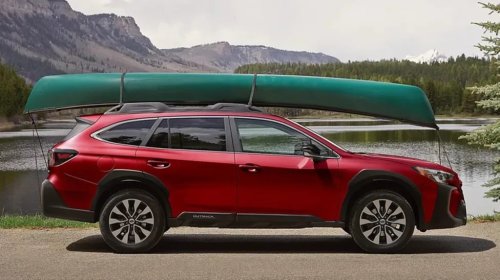
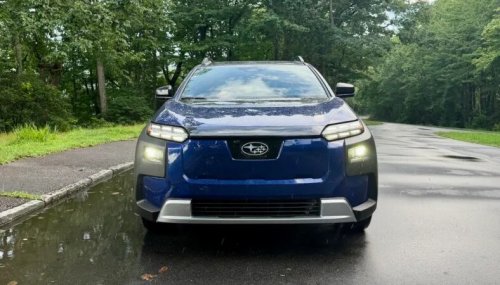
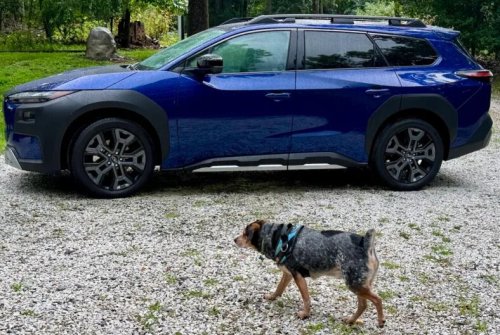
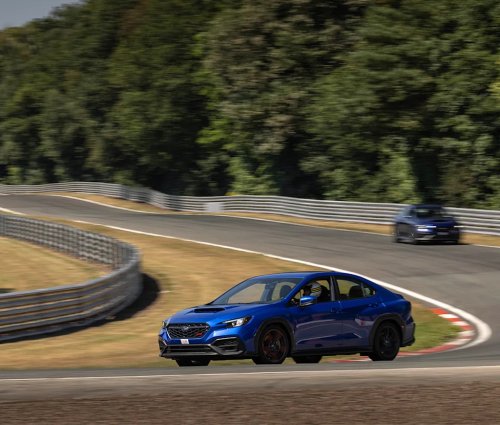
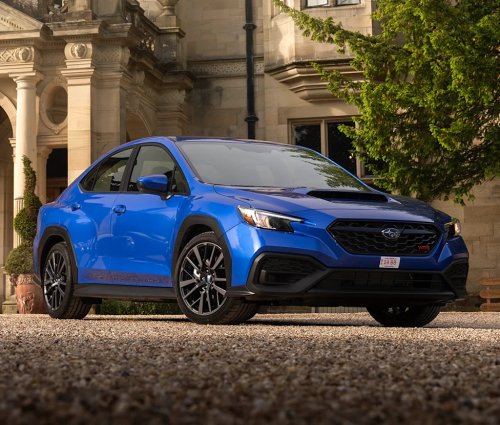
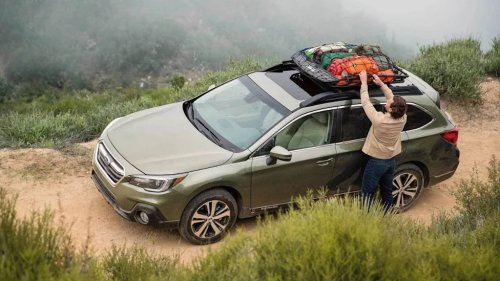
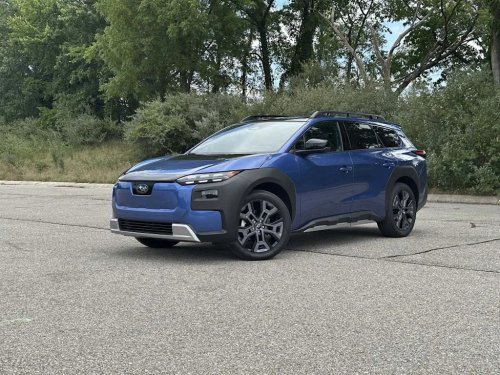
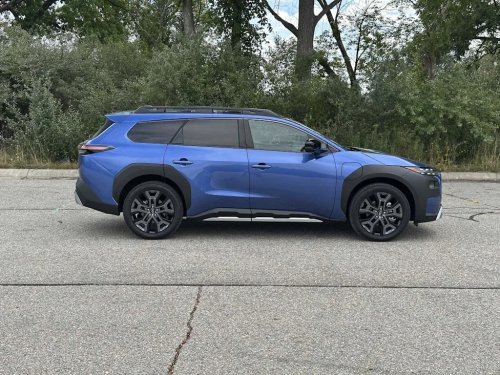
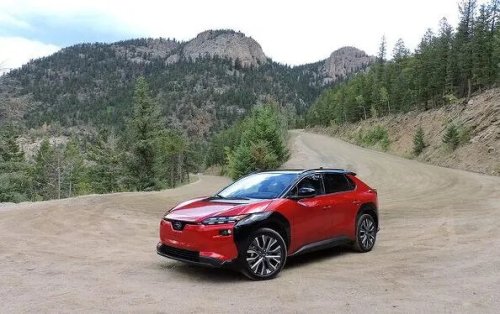
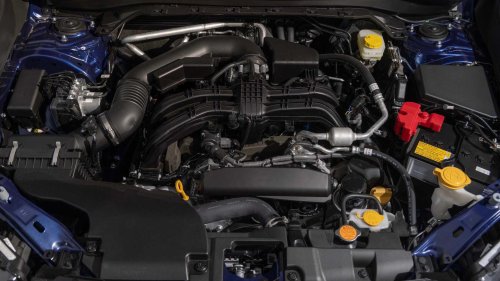
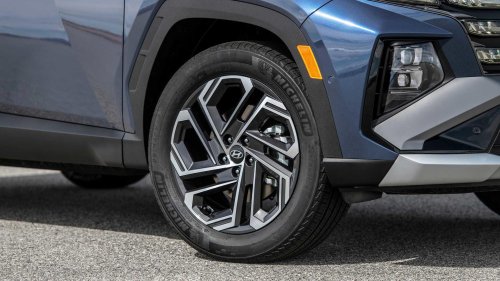
Jump LinksSubaru Added Security: Classic Or Gold PlusCertified Pre-owned (CPO)Adhering To The Maintenance ScheduleWhat Does The Subaru Warranty Cover?When Is The Warranty Voided?Buying a new Subaru Forester or Outback means you aren’t just buying into an industry-defining symmetrical all-wheel-drive (AWD) system; you’re buying into a promise of Japanese longevity. The Subaru warranty is the foundation of that promise, and it acts as a safety net for those who seek adventure rather than just completing the daily A to B drive. Every new Subaru warranty package is designed to mitigate the risks and pitfalls of ownership, ensuring that if a manufacturing defect crops up during your ownership experience, the cost doesn't fall on you.As with any brand’s warranty, it is important to understand the details of the Subaru warranty coverage. Why? Because there’s a collection of specific guarantees that range from the engine’s internal components to even the seat belts. Whether you call it a factory or manufacturer warranty, the Subaru standard warranty acts as your first line of defense against any unexpected turn of events during the ownership years. Befitting a Japanese brand, Subaru’s reputation for reliability is world-renowned, but even the best-engineered machines can experience hiccups, which is why Subaru is giving its owners the best possible coverage to smooth out the fixing of any mechanical failure.This article unpacks the standard Subaru warranty coverage, explores the optional Subaru Added Protection plans, scrutinizes the fine print on terms and conditions, and stacks it up against Hyundai and Kia's legendary offerings. Subaru's Standard Factory Warranty Explained Brett T. Evans / CarBuzz / Valnet Subaru’s factory warranty offers a comprehensive suite of protections that begins the moment you take delivery of your vehicle. There are several key areas that ensure different systems are covered for appropriate lengths of time.Basic Limited Warranty: Also called the bumper-to-bumper coverage, this warranty lasts for three years or 36,000 miles, whichever comes first. It covers nearly every part of the vehicle against defects in materials or workmanship. For instance, if your infotainment screen glitches, a power window motor fails, or a door handle becomes loose, this policy comes into play.Powertrain Warranty: Because the engine and transmission are among the most expensive items to repair, Subaru extends this coverage to five years or 60,000 miles. It covers the Boxer engine block and all its internal parts, the Symmetrical AWD system, the oil pump, water pump, and the transmission.Hybrids/EVs: Subaru's hybrid-EV warranty offers an eight-year/100,000-mile coverage for the hybrid battery and electric drivetrain.Brett T. Evans/CarBuzz/ValnetRust Perforation: Subaru provides a five-year/unlimited mileage warranty against rust. This refers specifically to corrosion that eats a hole through the metal body panels from the inside out. Structural rust-through. It is important to note that surface rust from, for example, stone chips isn't covered.Emissions Components: This warranty varies by state (especially in California-emissions states). It covers parts like the catalytic converter and electronic emissions control units for up to eight years or 80,000 miles, ensuring the vehicle meets environmental standards. Depending on where you purchase your Subaru, have your local dealer explain how this warranty plays out in your region/state.Seat Belts: Subaru pulled the rug from under the industry by offering a Lifetime Limited Warranty on seat belts and related components. If a belt fails to function properly or latch securely during normal use, it can be replaced during the life of the vehicle at no cost to the owner. Given how crucial seat belts have become in saving lives over the decades, this is a warranty that can not be praised enough.Wear Item Coverage: Subaru includes a three-year/36,000-mile warranty on specific "wear items." This covers the replacement of brake pads, clutch linings, and wiper blades if they wear out during the basic warranty period. This is a rare perk that can save owners hundreds of dollars in maintenance within the first few years. Subaru’s Added Protection In 2026 Subaru Added Security: Classic Or Gold Plus Brett T. Evans/CarBuzz/Valnet The Subaru Added Security program is the only extended service contract backed by Subaru of America. The Classic Plan covers nearly 1,000 parts, including the powertrain, cooling system, and fuel system. An added benefit is towing and rental car reimbursements. The Gold Plus plan is the "top-tier" choice under the program. It mimics the original bumper-to-bumper warranty, but covers virtually every component on the car, including advanced driver-assist systems like EyeSight and the STARLINK multimedia suite. The coverage for both plans can be extended up to 10 years/120,000 miles. Crucially, both plans are transferable to the next owner, which adds to the vehicle’s resale value. Certified Pre-owned (CPO) Subaru Subaru has also thought about the used buyer. A Subaru CPO vehicle must pass a rigorous 152-point inspection by factory-trained technicians. Once it is certified, it comes with a factory-backed seven-year/100,000-mile powertrain warranty. However, this CPO coverage begins from the original "in-service" date, meaning when the vehicle was first sold as a new car. CPO buyers also receive 24/7 roadside assistance and a $500 owner loyalty coupon. You can also upgrade to a Gold Plus CPO wrap plan to cover non-powertrain items for the same duration. Your local Subaru dealership will explain this in greater detail.Key requirements for CPO certification:Age & Mileage: Generally under five years old and under 80,000 miles. History: Must have a clean vehicle history report with no major accidents or title issues. No Modifications: Cannot have non-manufacturer accessories or modifications. The Inspection & Reconditioning Process:152-Point Check: A comprehensive inspection covering engine, brakes, suspension, electrical, interior, exterior, and more. Genuine Parts: Subaru-genuine parts used in any repair or replacement process. How To Maintain The Warranty's Validity Adhering To The Maintenance Schedule Subaru This goes without saying, but to keep your warranty intact, you must follow the service intervals outlined in the owner’s manual. This includes scheduled oil changes, tire rotations, and fluid inspections. While you aren't required to visit a Subaru shop for routine maintenance, you must keep all receipts and records if you visit an independent shop. If an engine failure occurs and there is no record of oil changes or if non-Subaru original parts were used, Subaru has the right to deny the warranty claim based on owner neglect. What Does The Subaru Warranty Cover? Ian Wright/CarBuzz/Valnet The warranty covers defects in manufacturing or workmanship, and is designed to fix things that were built incorrectly at the factory. It does not cover routine maintenance, damage from environmental factors (hail, floods, or tree sap), or damage caused by accidents. Simply put, if a part fails because it was faulty, it's covered. When Is The Warranty Voided? Subaru A warranty is rarely voided in its entirety, but a specific claim can be denied for several reasons. The main reason for a complete voiding is misuse, such as using the vehicle for racing or towing beyond its rated capacity. Essentially, this means driving or using the vehicle in a reckless manner. Modifications are another hurdle - especially non-OEM alterations. If something fails on the vehicle, and it’s determined that a modification is a direct cause of it, the warranty can be voided. If an insurance company finds that a vehicle is totaled and should be written off, a Salvage or Branded Title will terminate all factory warranty coverage immediately. Subaru's Warranty Compared To The Koreans 2026 Hyundai TucsonSubaru’s warranty offerings look good on paper, but it takes on a different nature when compared with its Korean competitors like Hyundai and Kia. Hyundai and Kia offer a five-year/60,000-mile basic warranty and a 10-year/100,000-mile powertrain warranty. On just the powertrain warranty, the Koreans offer nearly double the protection.However, Subaru’s warranty offers the unique "wear item" advantage. While a Hyundai owner might pay out-of-pocket for brake pads or wiper blades when they need replacing, a Subaru owner gets these covered under the three-year/36,000-mile Wear Item Limited Warranty. If you’re a Subaru owner who believes that life begins when you hit the gravel, Subaru’s roadside assistance is set up to provide service in rural and remote areas. The Koreans have the market won on duration, but Subaru’s coverage takes it when it comes to the consumables. Verdict: Is Subaru's Warranty Good Enough? Subaru Is Subaru’s warranty the best in the business? Strictly speaking, no. The three-year/36,000-mile basic limit is in line with the industry standard, which trails behind Hyundai and Kia. However, the picture around this warranty changes when we look at the intended ownership cycle.If you’re a lessee or buyer who trades in every three to four years, then the Subaru standard warranty provides solid coverage. The inclusion of a warranty for wear items like brake pads and wiper blades is a stroke of genius that removes the sting of maintenance costs during the covered period. But if you are a high-mileage driver who believes in keeping your vehicle for a decade, then the standard factory warranty is merely a starting point. In those cases, it’s recommended to look into the Subaru Added Security program that offers greater peace of mind should things go awry.Subaru's warranty doesn't lead the industry in length, but it offers unique perks that many brands have not thought about. Because Subaru is built on the idea of toughness and durability, the warranty, even in its basic form, provides what you need. It is a fair and balanced policy built around real-world usability.



















 +25 others