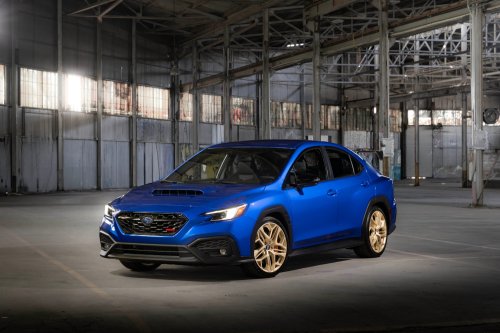
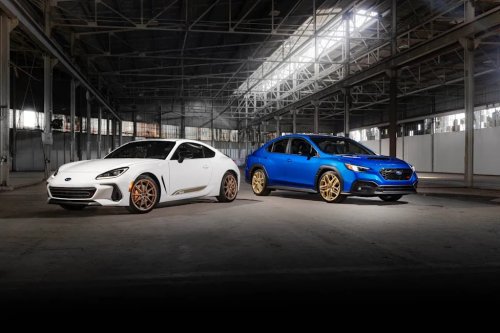
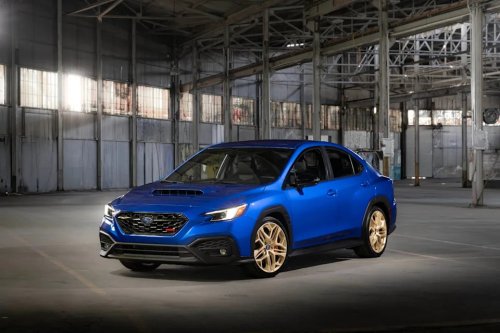
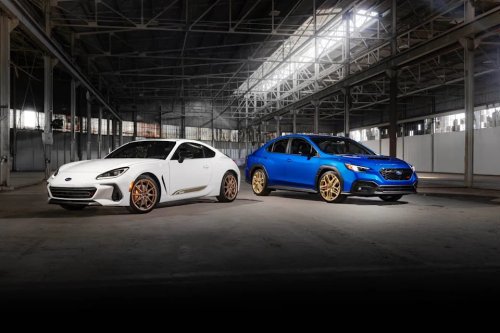
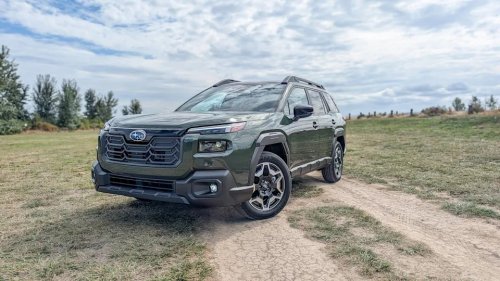
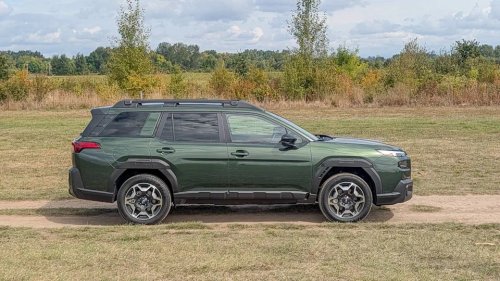
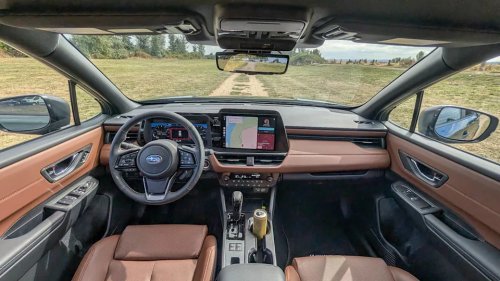
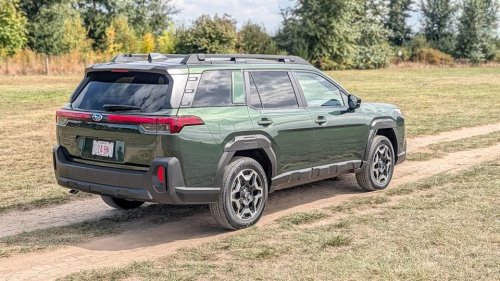
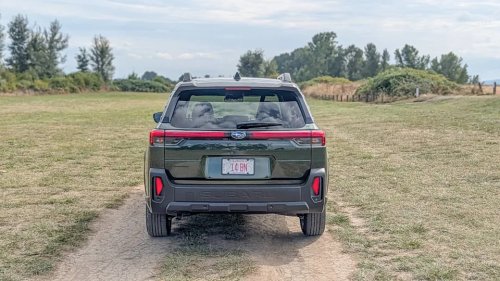
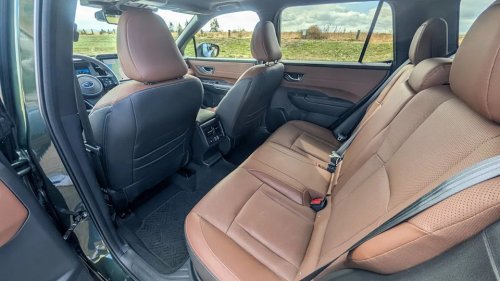
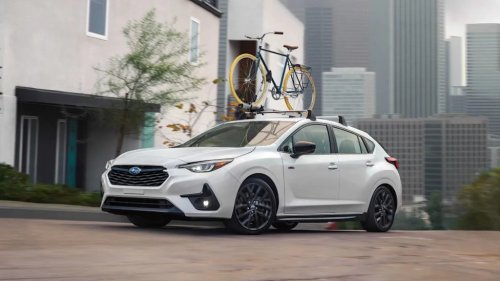
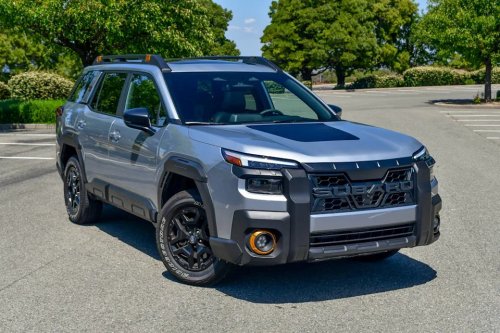
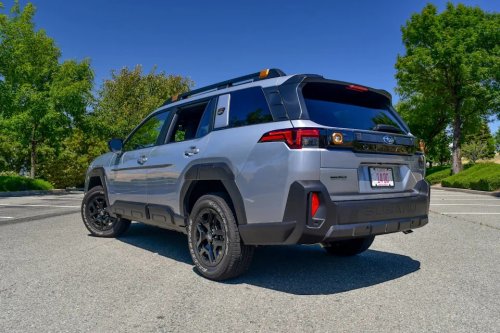
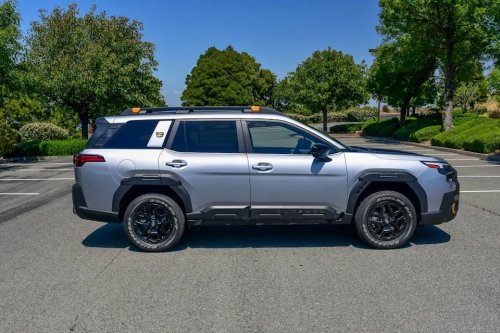
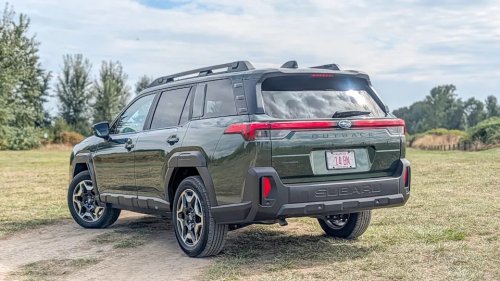
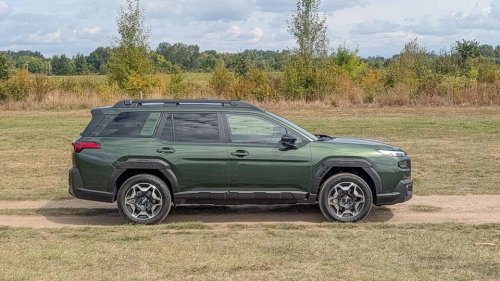
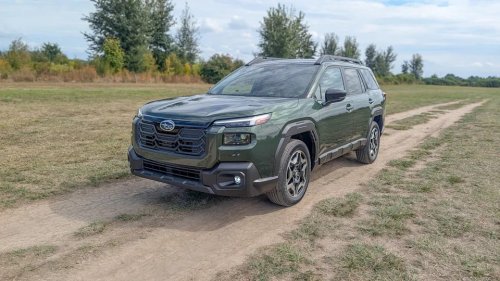
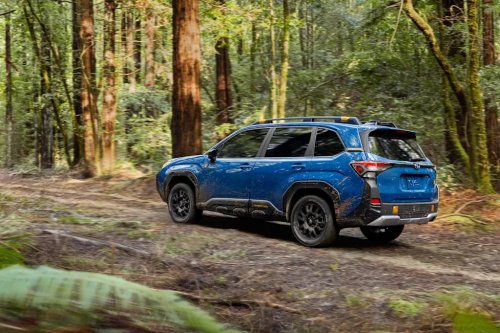
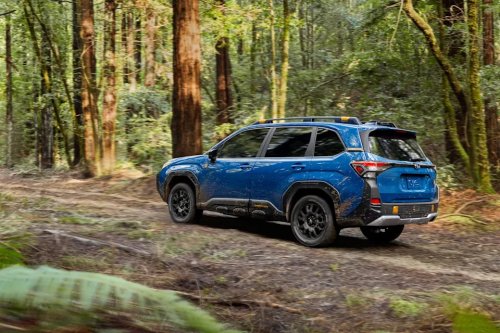
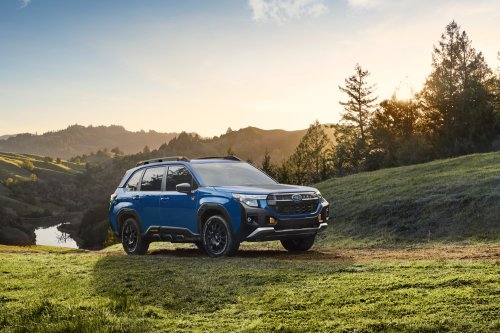
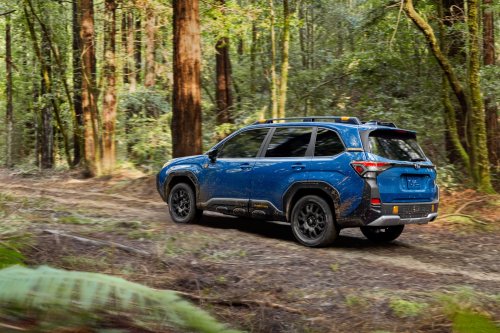
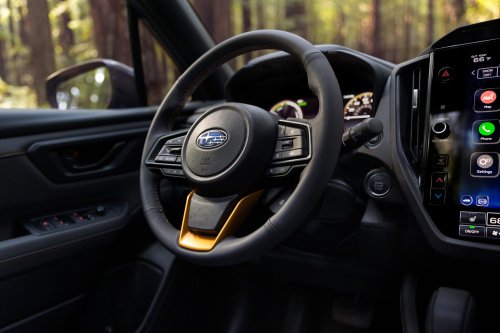
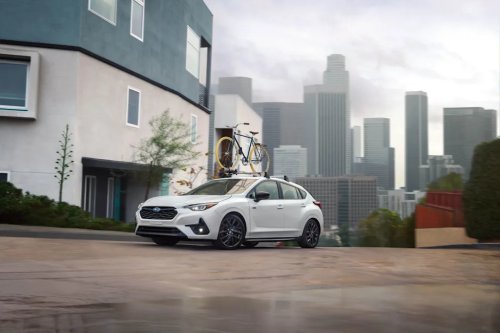
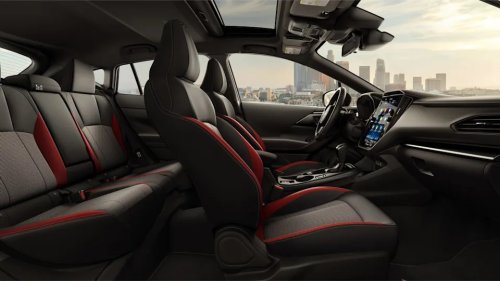
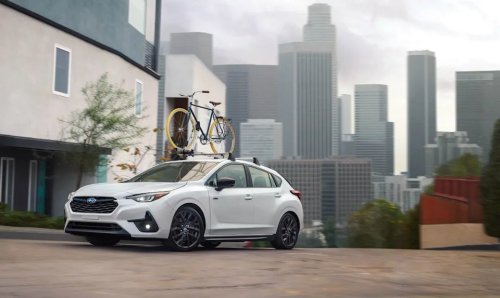
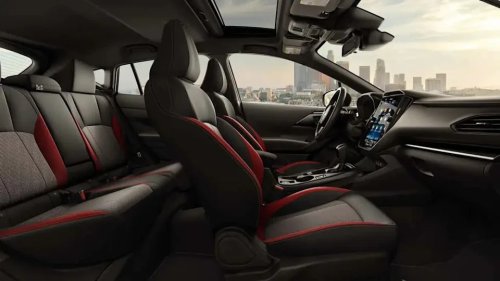
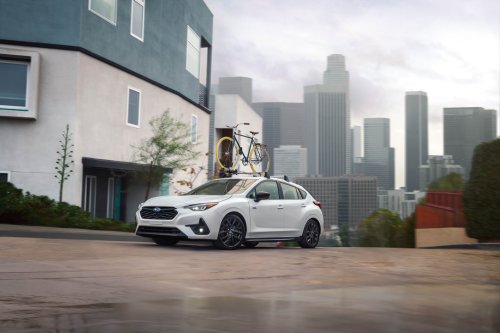
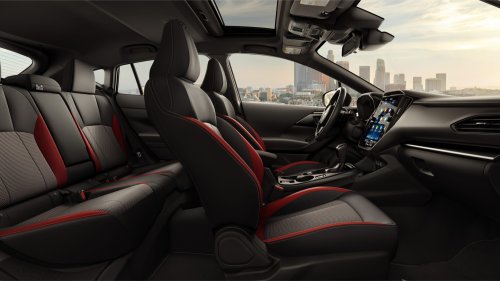
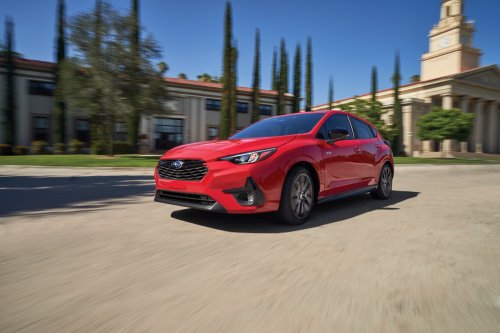
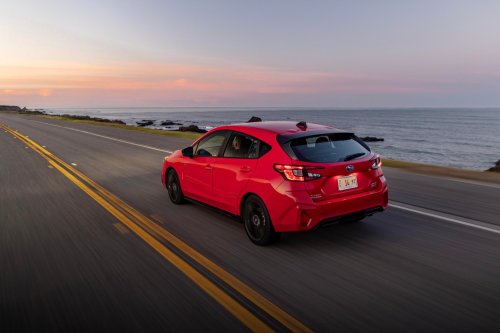
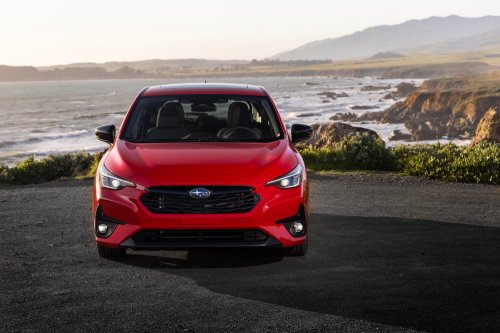
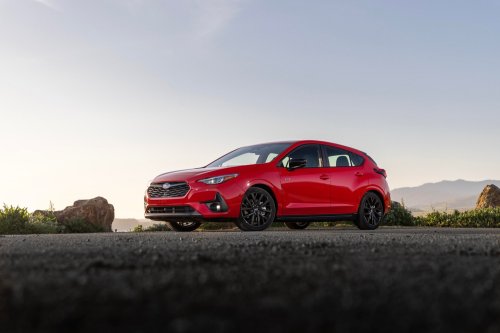
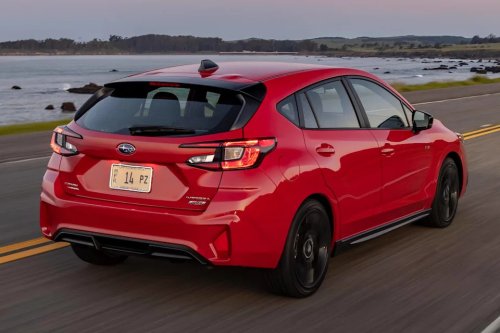
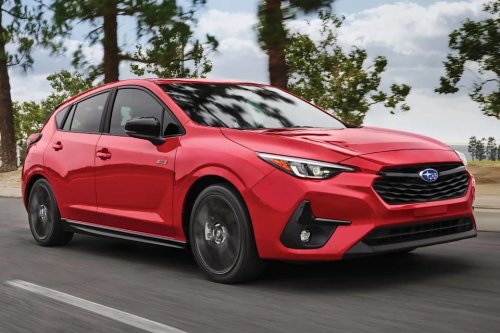
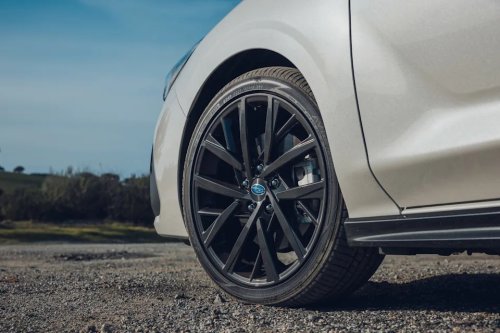
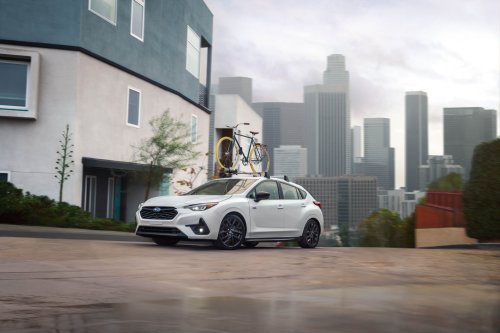
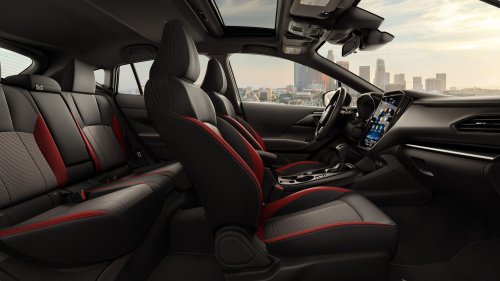
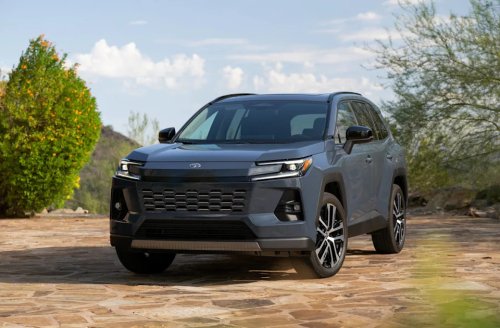
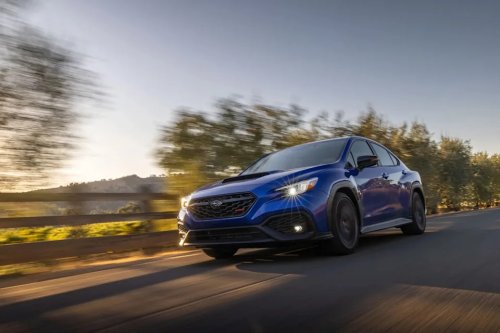
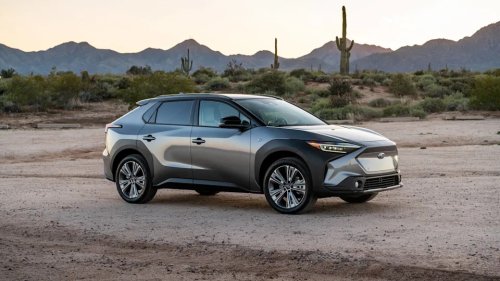
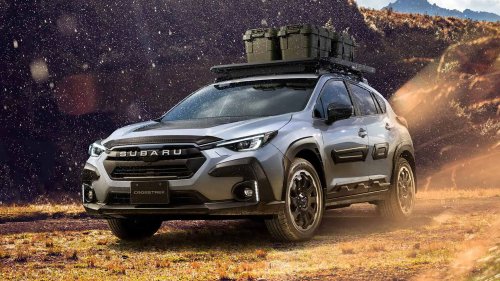
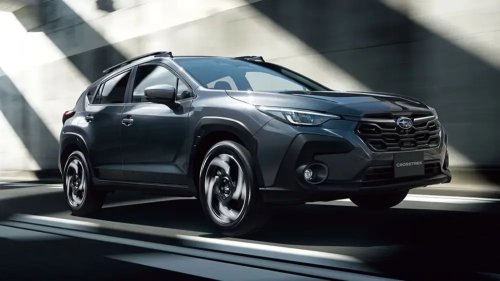
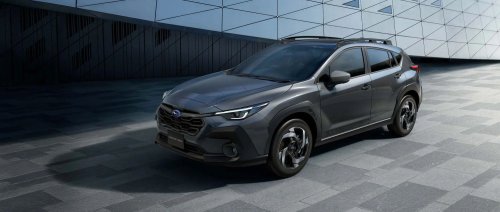
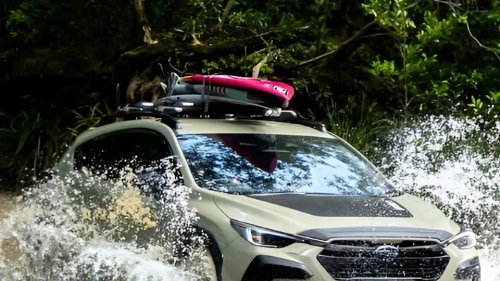
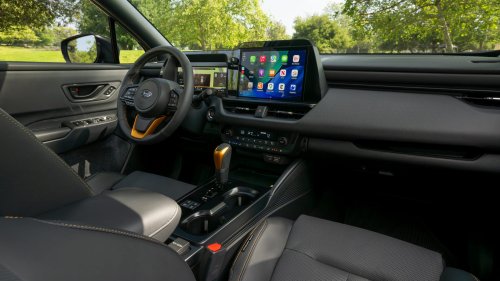
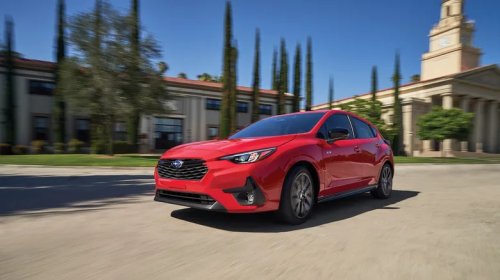
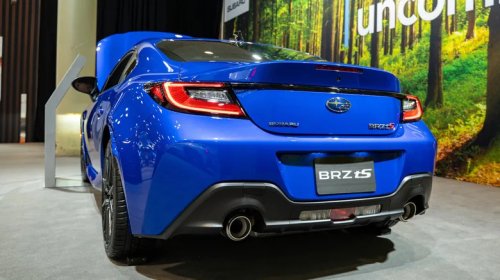
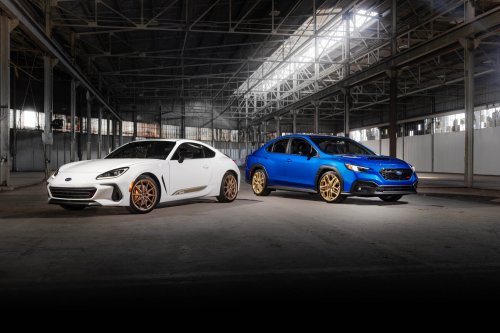
Subaru recently announced a pullback on its vehicle electrification journey, but someone forgot to cc fans of the brand on the memo. Subaru of America racked up a record-setting pace for its EV sales in April, and the automaker outdid itself in May with a blistering 148% increase in fully electric car sales compared to the same month last year. That wasn’t supposed to happen, considering the premature demise of the $7,500 federal tax credit in the US last September, but, well… Subaru’s EV Sales Are Going Up, Not Down Full battery-powered vehicles still make up a vanishingly small percentage of Subaru’s overall fleet in the US, so don’t get too excited just yet. Still, the automaker’s EV lineup at dealers expanded, not shrank, earlier this year. The automaker hit a new sales record for EVs in April based mainly on its revamped Solterra EV. The car accounted for just 949 units sold in April 2025, before the tax credit expired. The loss of the tax credit was supposed to smother EV uptake in the US, and it did to a large extent, but Subaru was among the exceptions. This April saw an after-credit, year-on-year jump of 18.9%, to 1,128 units. Also contributing were the company’s Trailseeker and Uncharted (pictured above) models. No April-to-April comparisons are available for these two models since they were only just delivered to dealers in this April, with Trailseeker accounting for 409 units sold and Uncharted accounting for 519. Who Is Buying All These EVs? Subaru still has an achingly long way to go before it catches up to industry leader Tesla and the rest of the front-runners. Still, the figures for May indicate that Subaru may be on to something. In an interesting turnabout, sales of the Solterra dipped to 750 for the month, a steep downhill slide compared to the May 2025 figure of 1,246. However, sales of the Trailseeker and Uncharted more than made up the difference, with Trailseeker coming in at 1,074 and Uncharted leading the pack at 1,270 for May 2026. Considering that April was only the second month of sales for both the Trailseeker and Uncharted, that’s not too shabby. The question is who is buying these cars? Subaru customers who already have a Solterra and want another Subaru EV? Or, maybe customers who drive a Subaru gasmobile are making the switch to electric drive? Could Subaru be attracting car buyers from other automakers, too? The C-HR+ Story Behind The Uncharted EV Readers, if you have a Subaru or are Subaru-curious, what do you think? Who is buying these cars all of a sudden? Drop a note in the discussion thread with your thoughts while I reach out to Subaru. Maybe they have some numbers to share on who is buying what. In the meantime, an interesting twist to the story is the relationship between Subaru and Toyota, with the former continuing to rely on the latter to fill manufacturing gaps. Our friends over at Automotive News remind everyone that all three Subaru EVs in the US market are based on Toyota platforms. That includes the Uncharted model, which is described as “closely related to the C-HR+.” Wait, did someone say C-HR+? The sporty Toyota C-HR+ is for sale in the hot zero emission market of Europe, where Toyota began deliveries to customers in March. The last time I checked, Toyota had no plans to bring the C-HR+ to the US, but it sounds like Subaru’s Uncharted could serve as a stand-in until the real thing arrives — whenever that happens. What the US did get is a low-key version of the C-HR+, to which Toyota has weirdly ascribed the name C-HR. Weird, because C-HR is the name of a gasmobile Toyota tried and failed to launch in the US several years ago. Why Buy A Subaru? Perhaps Toyota will have better luck with the electric version. In them meantime, Subaru has been hard at work developing a brand identity aimed at attracting drivers who want a little less drama from their automaker’s CEO and a little more corporate social responsibility from their automaker. “All Subaru products are manufactured in zero-landfill plants, including Subaru of Indiana Automotive, Inc., the only U.S. automobile manufacturing plant designated a backyard wildlife habitat by the National Wildlife Federation,” the New Jersey-headquartered company notes. Subaru also draws attention to its “Subaru Love Promise,” in which it pledges to “show love and respect to everyone and to support its communities and customers nationwide.” The company’s charitable giving program has racked up more than $340 million in donations over the past 20 years and its five core principles are also worth a mention. They include Pets alongside four more familiar social responsibility items, Environment, Health, Education, and Community. Don’t just take their word for it. In 2025 Forbes tapped Subaru of America among the top three brands on the magazine’s Best Brands for Social Impact List. The recognition was Subaru’s third consecutive year on the list, continuing its #1 rank in the automotive category. “The 2025 survey gathered more than 4.4 million ratings from 165,000 consumers, evaluating 3,900 unique brands based on factors such as values, trust, social stances, sustainability, and community support,” Subaru explains. Subaru of America President and CEO Jeff Walters credits the automaker’s dealer network for burnishing the company’s social impact cred. “Being ranked as the No. 1 automotive brand for the third consecutive year is a testament to the meaningful impact that our retailers are making in their local communities every day,” Walters explained in a press statement. As for the future of EV sales in the US, Subaru is not the only glimmer of hope in an otherwise gloomy picture. Kia showed up with some good news this week, and Hyundai also weighed in with its Ioniq EV. Meanwhile, the EV charging station industry continues to bank on an EV revival, and the battery manufacturing sector is also showing signs of renewal. Photo: Despite news of a pullback, Subaru of America launched the new Uncharted and Trailseeker EVs into the challenging US market in April, alongside its existing Solterra model (cropped, courtesy of SOA).



















 +25 others