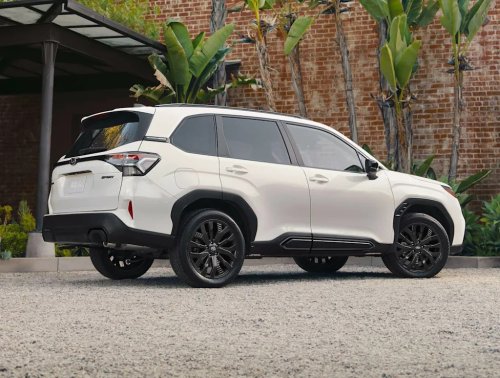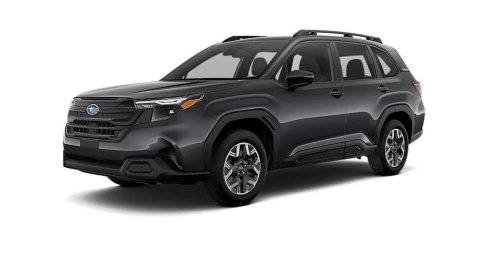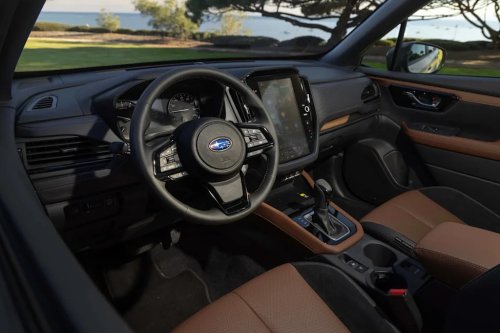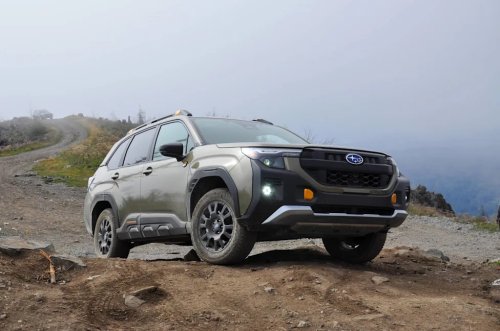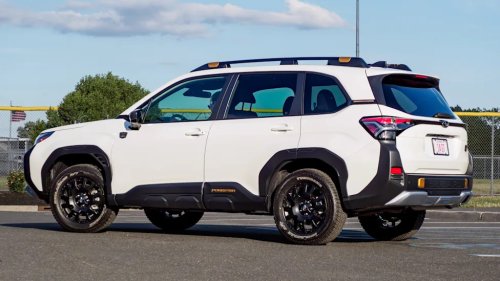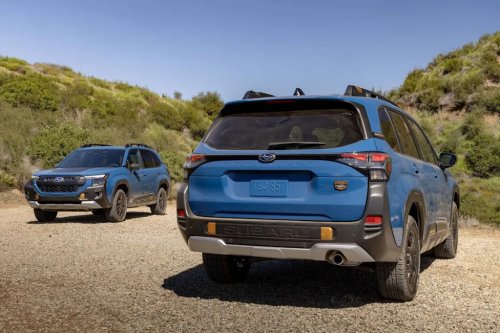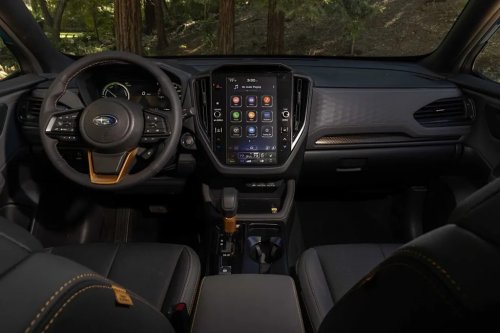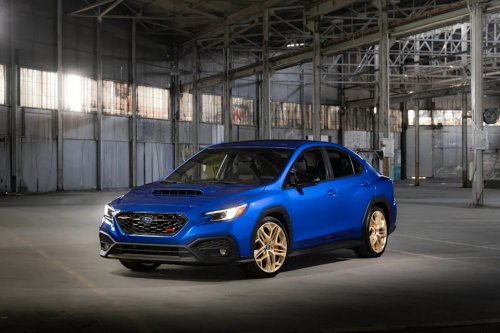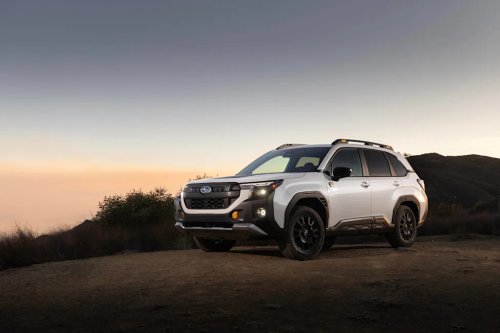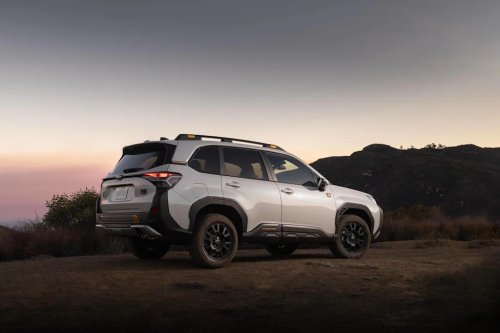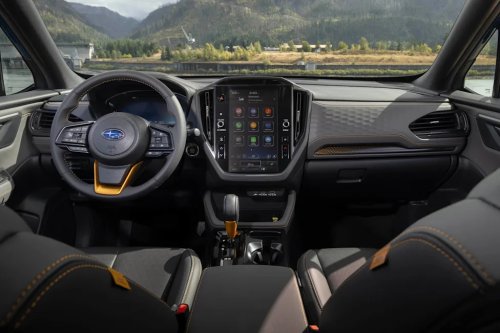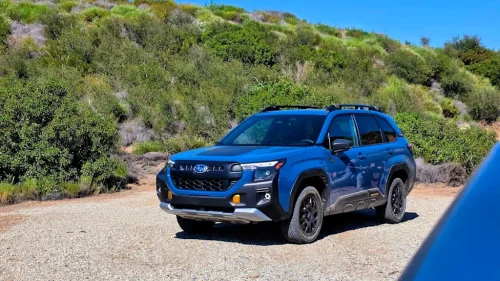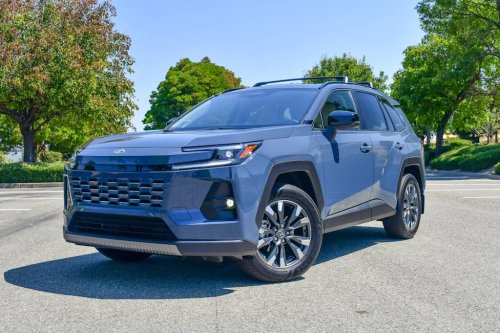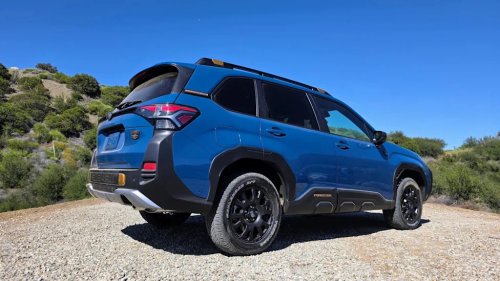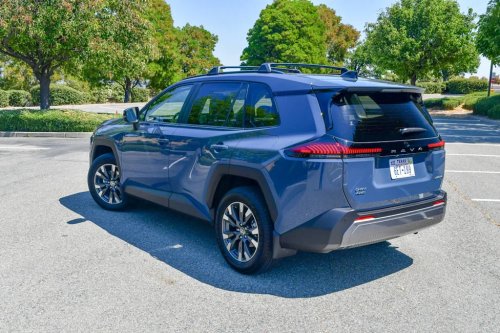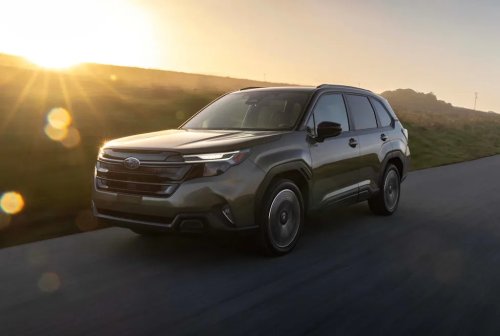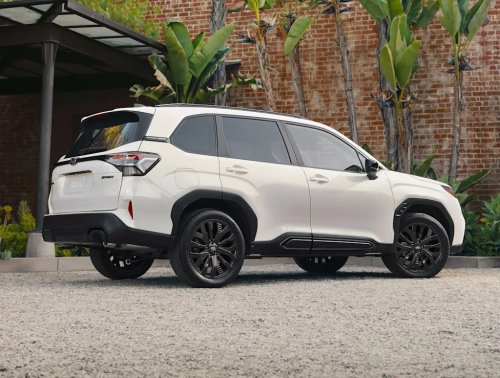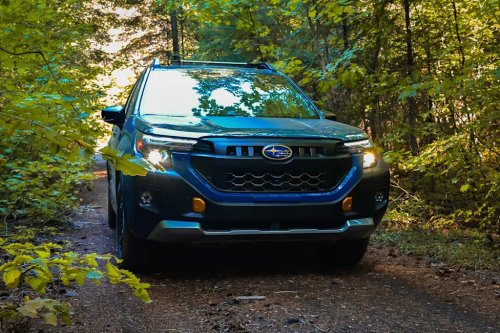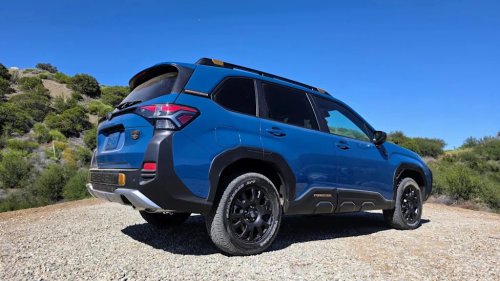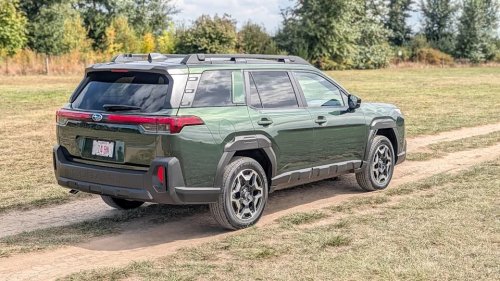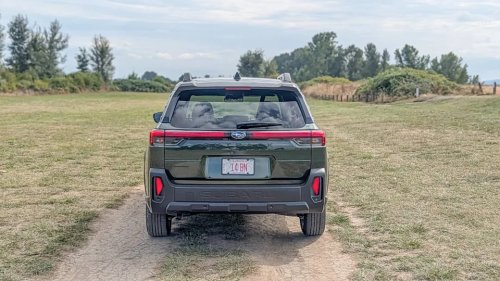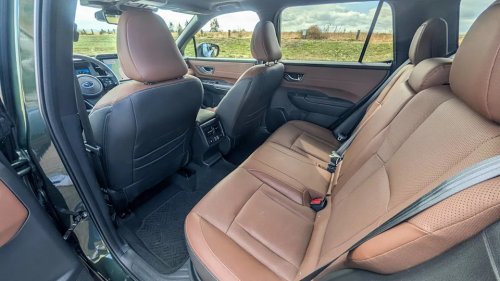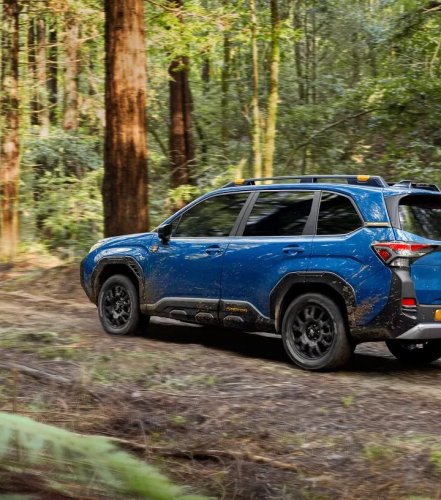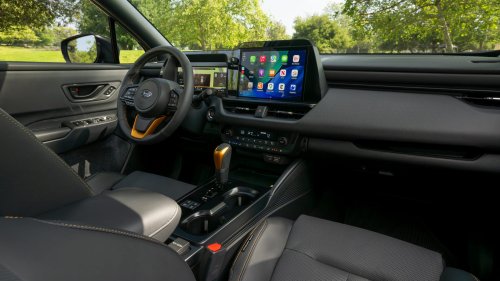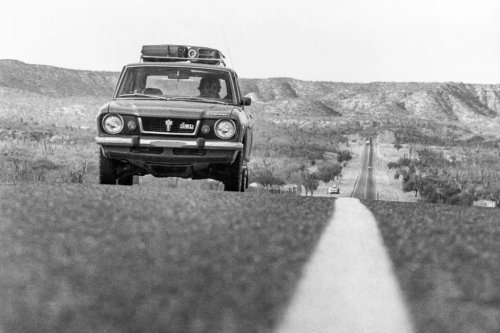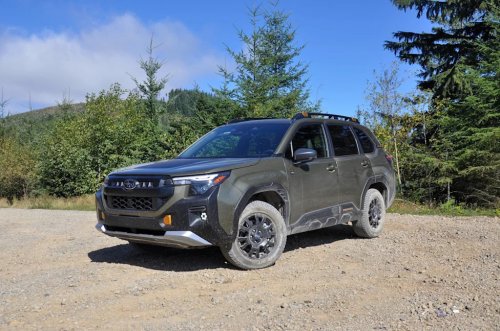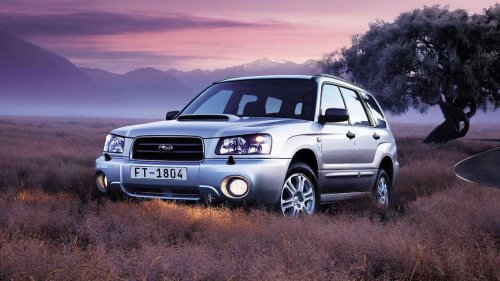
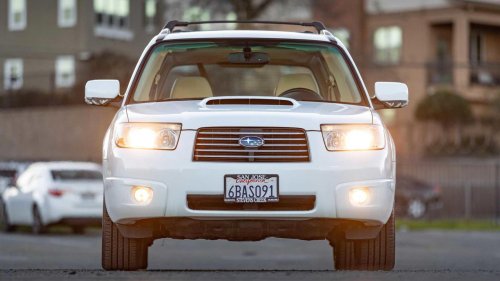
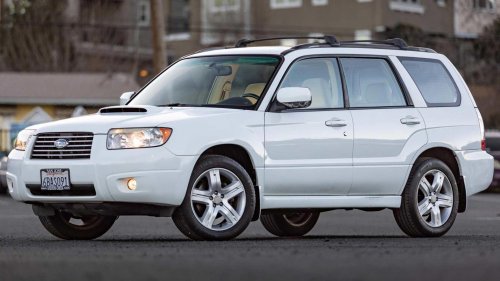
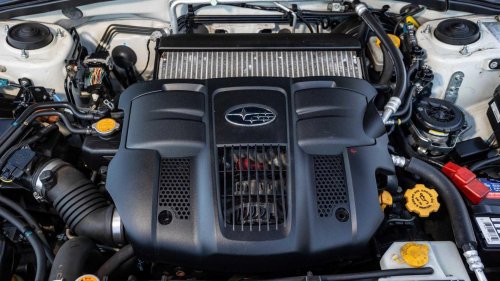
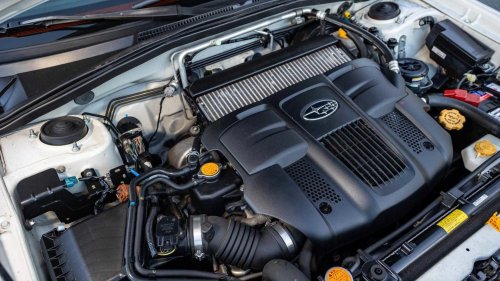
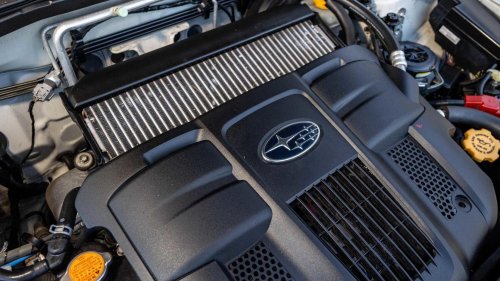
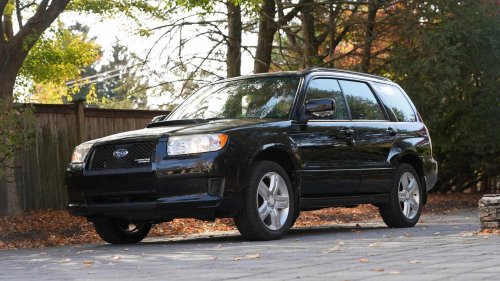
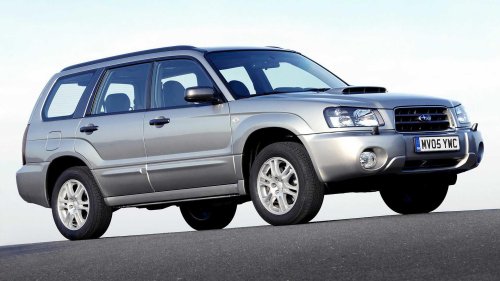
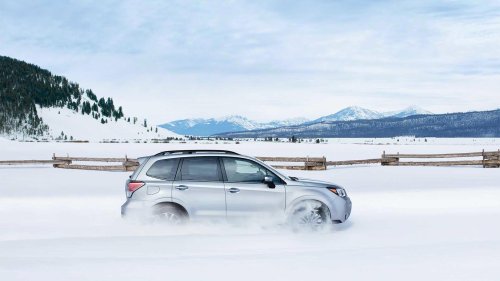
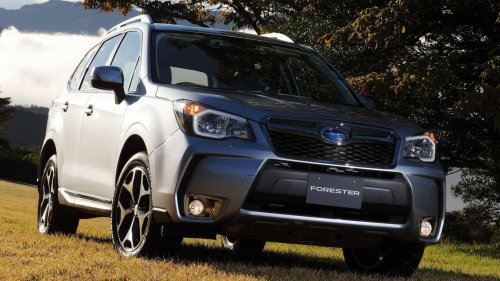
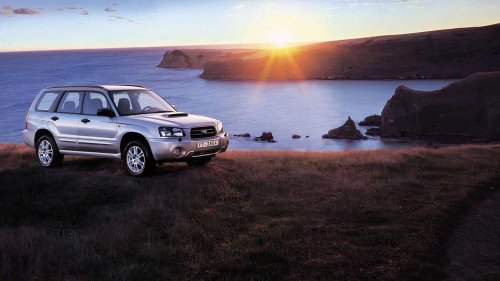


















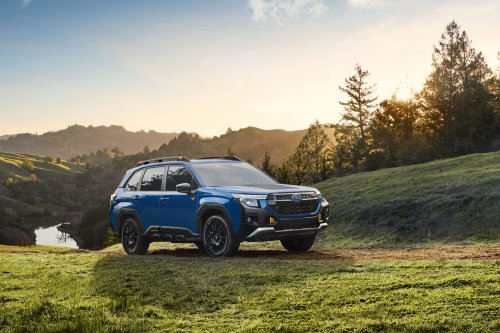

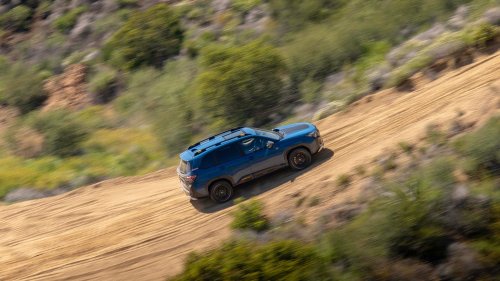
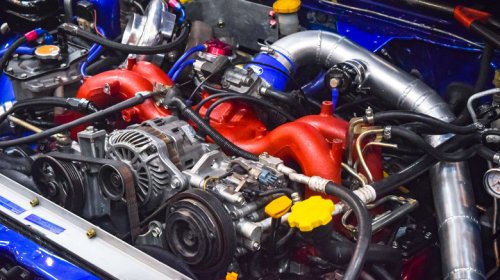
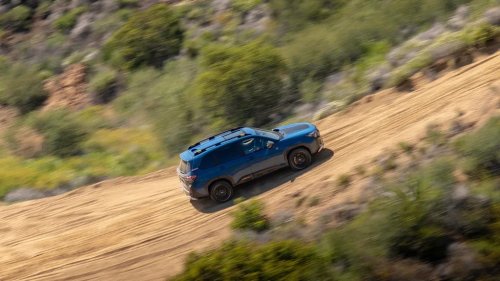
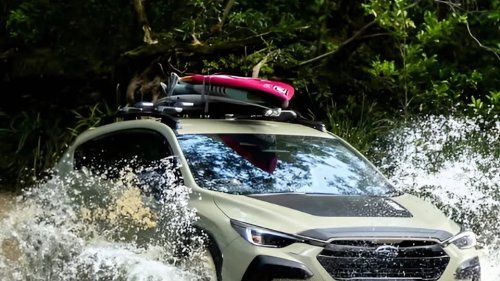
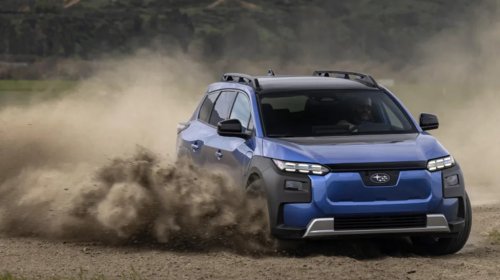
It's not exactly rare for automakers to produce cars that utilize a hot engine from some other, performance-oriented model. In the car world, these models are typically referred to as "sleepers." The reason being, when a sleeper pulls up next to you at the lights, you wouldn't know that it's hiding some sort of high-performance engine under the hood because, on the outside, it may just look like a normal, mild-mannered vehicle.In the mid-2000s, Subaru decided to build a sleeper of its own based on the decidedly-boring Forester. The hot, new grade was called the "XT", and it boasted the exact same engine found within the Impreza WRX. The beauty of the Forester XT sleeper is, well, it looks to be better-suited for ferrying old folks around town, rather than getting into races between the lights with tuner cars. Regardless, the Forester XT is one of Subaru's more forgotten performance wagons, and that's a good thing. A Wagon For Church And The Rally Special Stage Subaru While the Subaru Forester had been on the market since 1998, it didn't receive a dedicated "performance" grade until 2004. That year, the Forester XT was introduced.Bring A Trailer In 2004, the Forester was firmly planted within its second generation. Its underpinnings closely resemble those found in the Subaru Impreza, as both models share the same platform. However, while the first-gen Forester was focused on rugged, simple engineering meant to allow its owners to handle rough terrain with ease, the second-gen model received a healthy dose of refinement, taking the clunky old wagon into the future.Bring A Trailer With the introduction of the XT grade, the Forester was transformed from an off-road-ready grocery-getter into something much sportier, all while retaining its modest look. The crux of the Forester XT's penchant for hidden performance was its use of a turbocharged 2.5-liter Boxer engine, the very same found within the Impreza WRX. The Forester's XT grade was in production from 2004 to 2018, and it employed the use of a rally-bred engine from its inception right up to the end. All About Grandma's Turbocharged Boxer Engine Bring A TrailerThe mill responsible for catapulting the Forester XT into sleeperdom is Subaru's 2.5-liter turbocharged EJ255 flat-four engine. The mill itself belongs to Subaru's EJ engine family, a grouping of motors that traces its roots all the way back to 1988. The EJ255, in particular, first saw the light of day in 2004 under the hood of the Forester XT, and wouldn't be used in the Impreza WRX until 2006. The mill was also used by other hot Subarus, like the Outback XT, Legacy GT, and the Baja Turbo pickup. Saab also employed the use of the powerplant in its 9-2x for the 2006 model year.Bring A Trailer The EJ255 boasts a good bit of go-faster kit. For starters, it features a dual-overhead camshaft setup that controls a 16-valve valvetrain. The valves themselves are sodium-filled, meaning they're much better-equipped to handle high temperatures than those without a sodium filling. Both the EJ255's block and cylinder heads are made from aluminum alloy in an effort to save weight. Its turbocharger is produced by the Japanese company IHI. Come 2006, a slight change to the mill's cylinder heads raised its compression ratio by 0.2. Reliability Issues Bring A TrailerThe EJ255 also has a famous issue with its timing belt. According to Subaru, the mill's timing belt, made from rubber and cord, needs to be replaced every 105,000 miles or seven years, whichever comes first. While this is a standard service interval, the EJ255 itself is called an "interference engine." Interference engines employ the use of valves that open into the combustion chamber without enough tolerance baked in to avoid the piston heads if something goes wrong. Because of this, if the EJ255's timing belt fails and/or the motor jumps timing, the pistons can hit the valves, potentially causing major engine damage immediately. If you're looking to buy a Forester XT, or any Subaru with an EJ255, for that matter, make sure the timing service has been completed. If not, make sure to have it done as soon as possible. The Rest Of The Forester XT Bring A TrailerWith its engine sufficiently covered, let's talk about the rest of the Forester XT sleeper machine. Backing up the EJ255 mill was a standard five-speed manual transmission. Optionally, buyers could spring for a four-speed automatic. These two gearboxes remained the only options for XT-trimmed Foresters throughout its 2004 to 2013 use of the EJ255 engine. Its suspension was largely the same as the standard model, but featured some tightening-up in places like its struts. However, a significant amount of body roll has been widely reported.Subaru Subaru offered a slew of sub-trim levels that went along with the XT grade. Beginning with its second-gen Forester application in 2004, the XT came as the base XT and the higher-spec XT Limited, the latter of which offered things like upgraded interior materials and better tech. An XT "Sports" grade entered the fold in 2007, which offered sportier exterior styling, a fine-tuned and stiffer suspension setup, and Subaru's VDC traction control system was offered as an exclusive option.SubaruOnce 2009 rolled around, the Forester entered its third generation. Instead of retaining its rugged wagon appearance, the Forester grew into a crossover SUV. However, the XT grade remained, along with its manual transmission option. A total of three XT sub-trims were offered, beginning with the base XT Premium. Taking up the mid-range spot is the XT Limited grade, and the top-spec slot is occupied by the XT Touring. The Touring iteration was introduced for the 2011 model year.SubaruAn all-new engine debuted alongside the fourth-gen Forester XT. It no longer belonged to the EJ family, as it was now part of Subaru's FA engine fam. More specifically, the new mill was called the "FA20F", and it chucked out about 250 horsepower and 258 pound-feet of torque. It's a turbocharged 2.0-liter powerplant, which is also shared with the Subaru WRX. However, the manual transmission option was canned. Instead, Subaru offered its Lineartronic CVT. The gearbox employed the use of paddle shifters mounted on the Forester XT's steering column which could be used to simulate the feel of a true transmission. Conclusion SubaruIt goes without debate: the pre-crossover SUV Forester XT is just cooler. However, whichever model you may choose, you'll be granted the use of a rally-inspired engine and, so long as you avoid that fourth-gen version, you can even have it with a manual transmission. It seems that grandma was onto something, doesn't it?