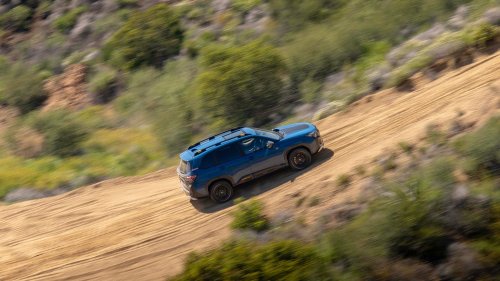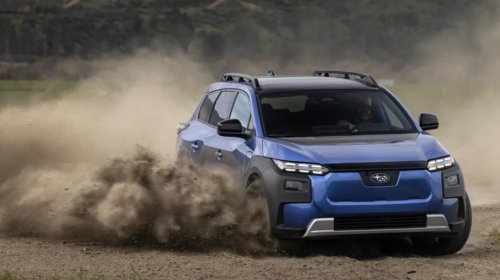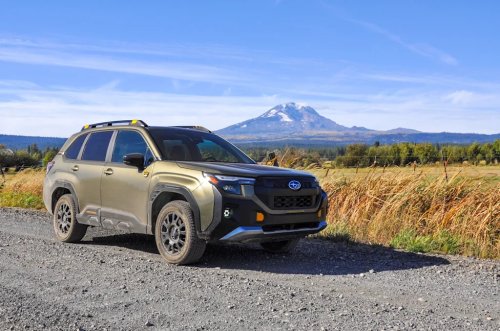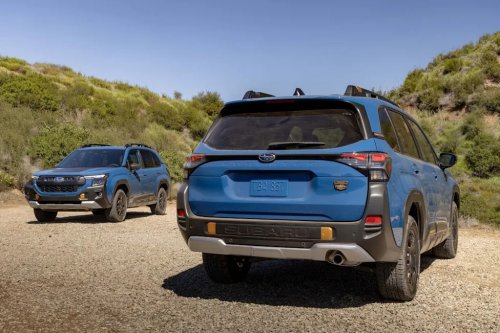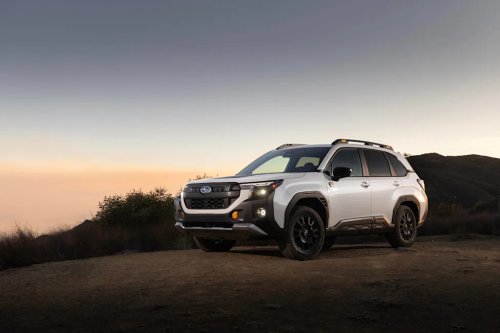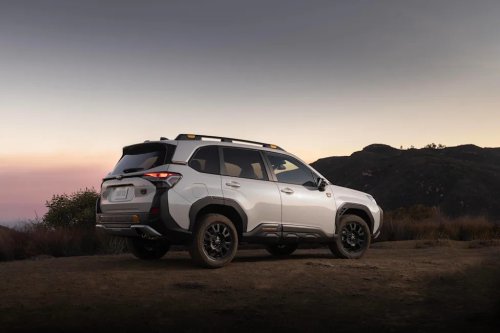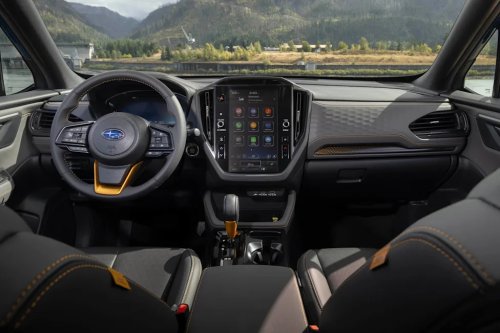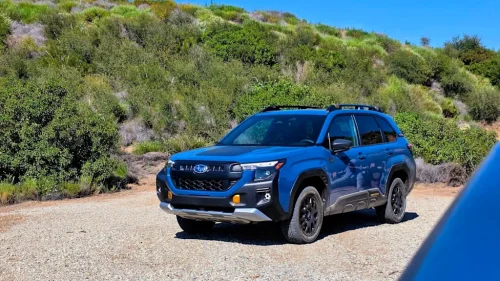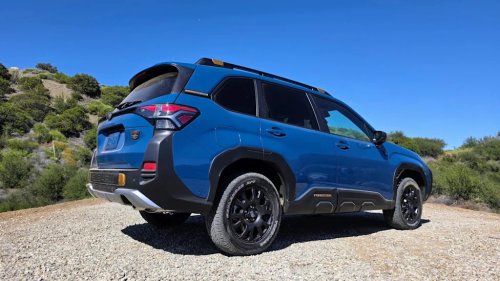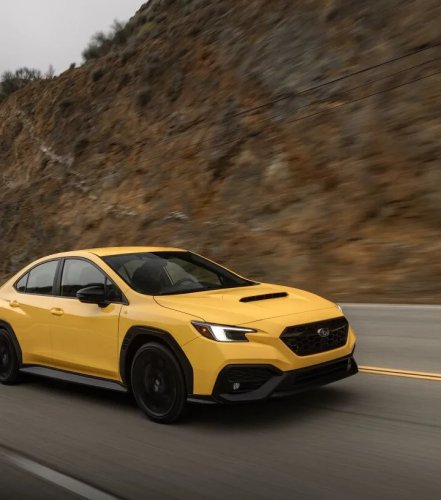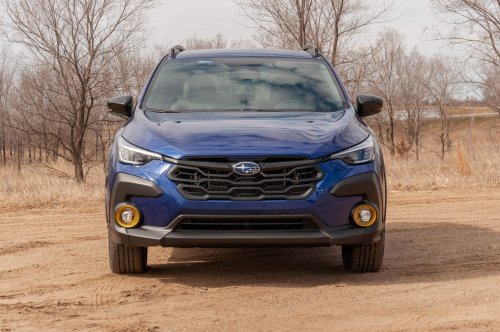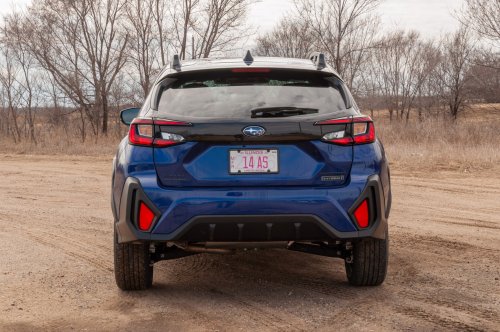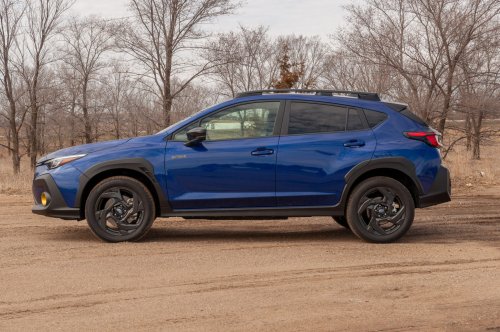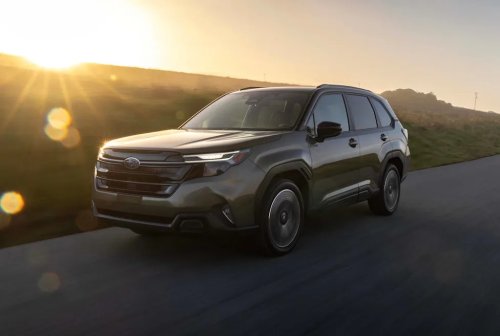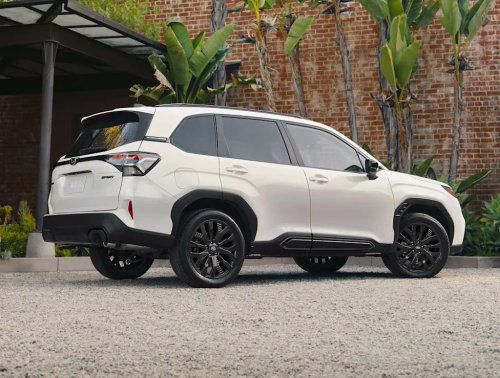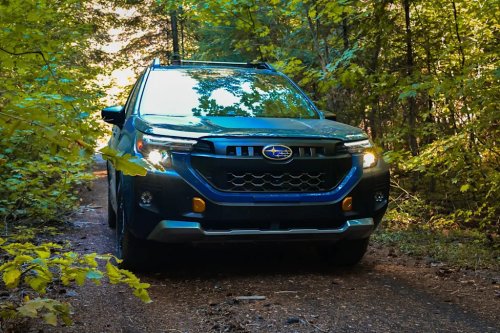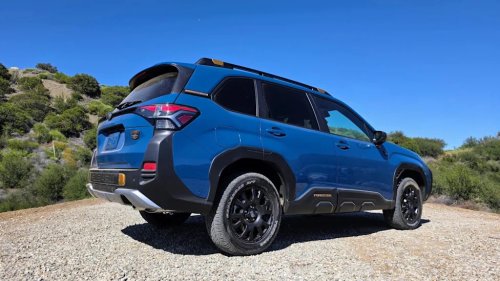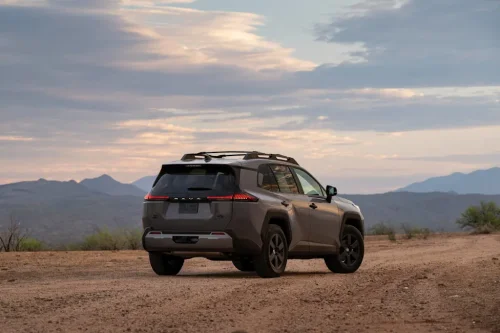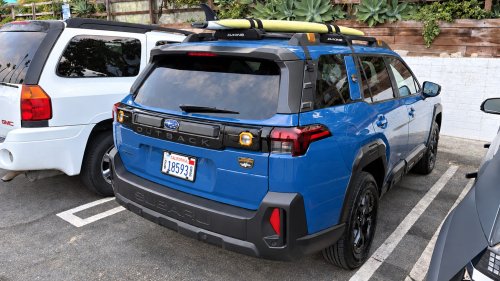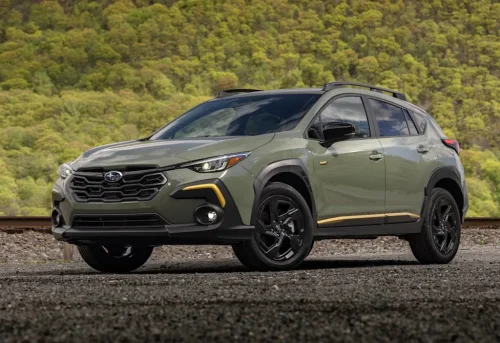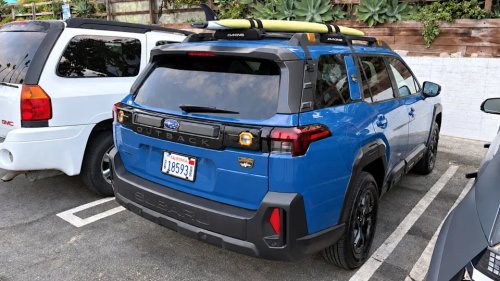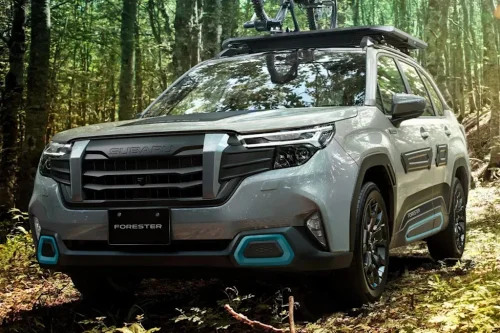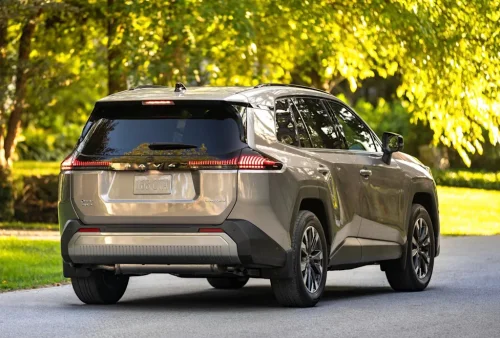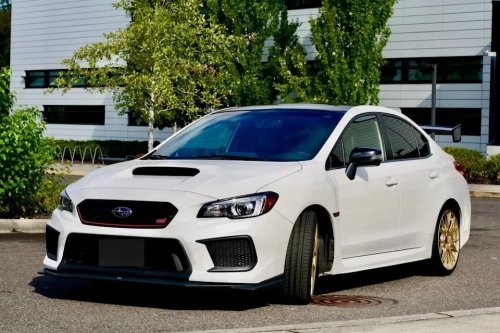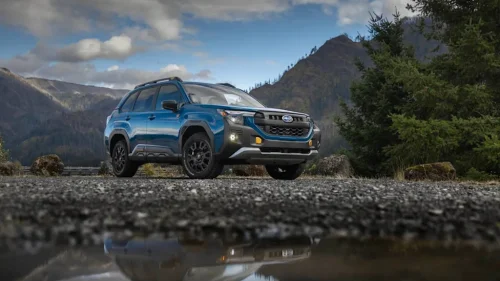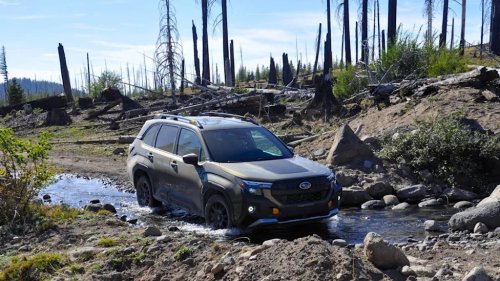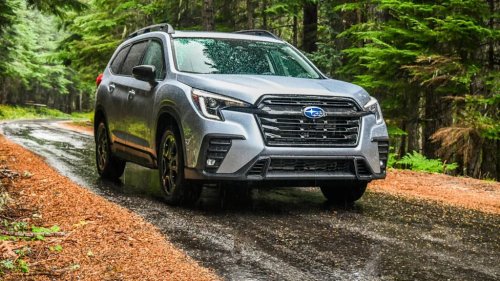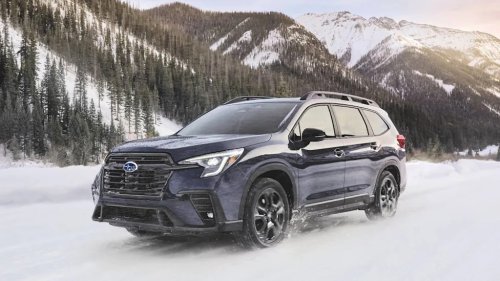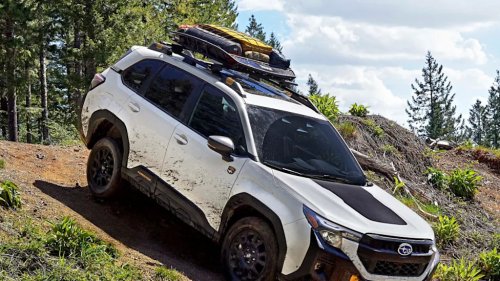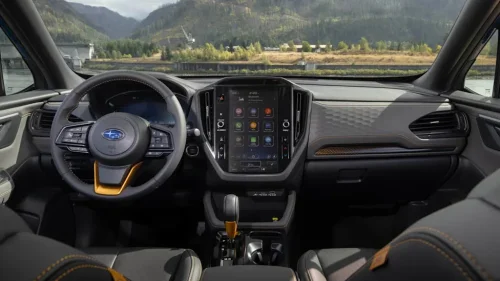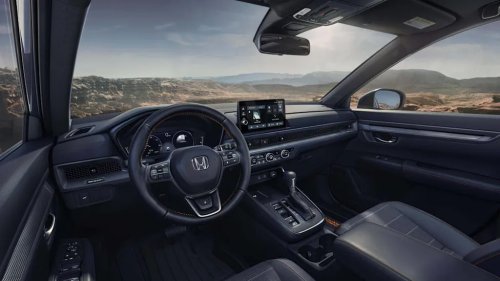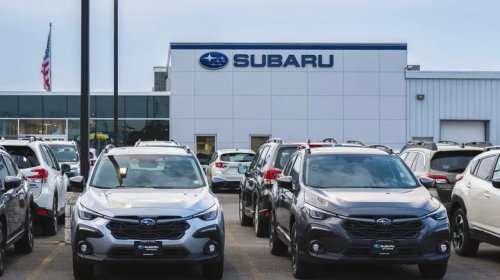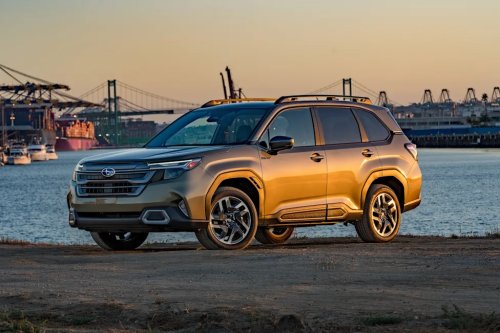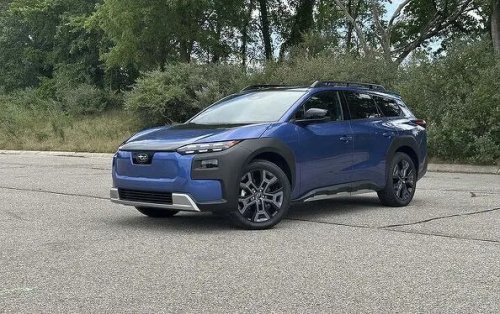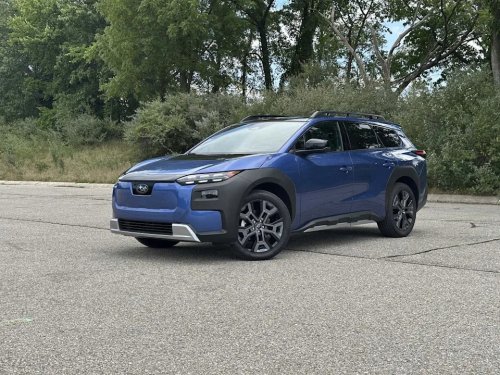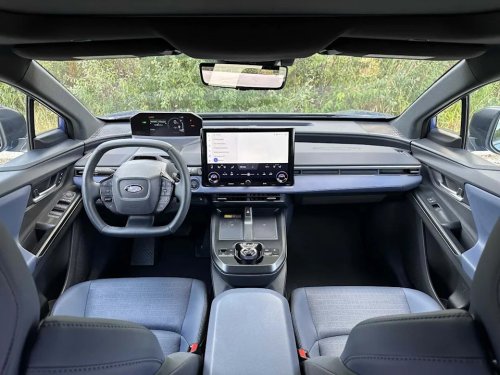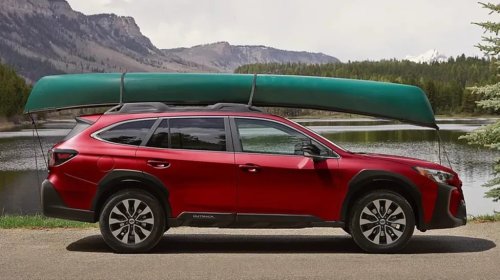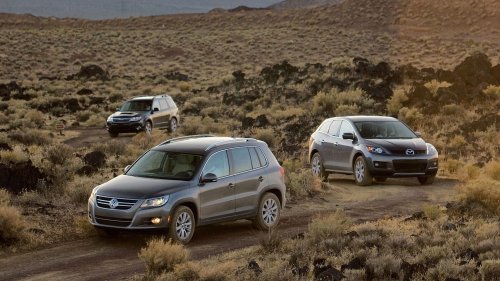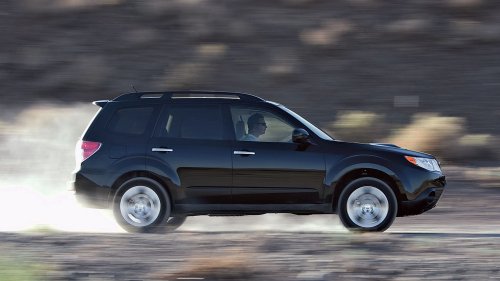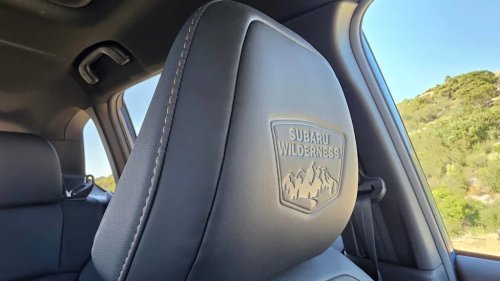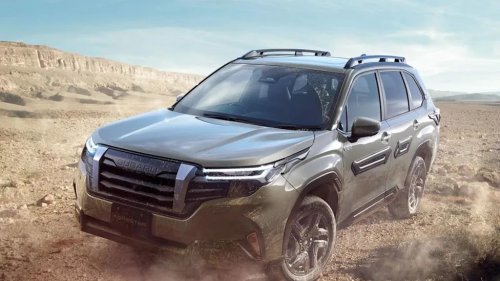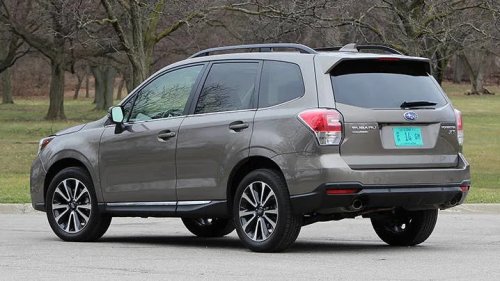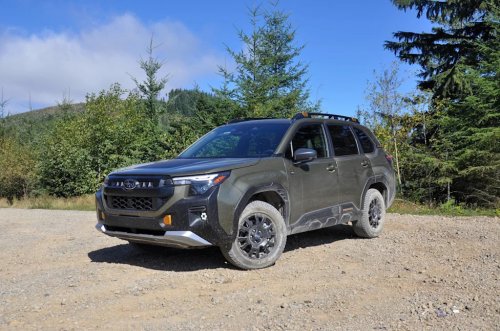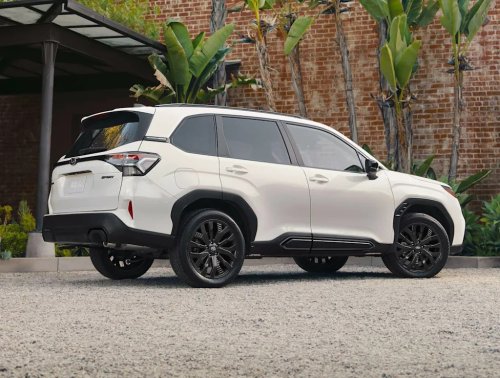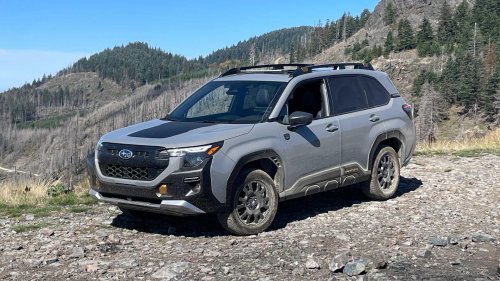
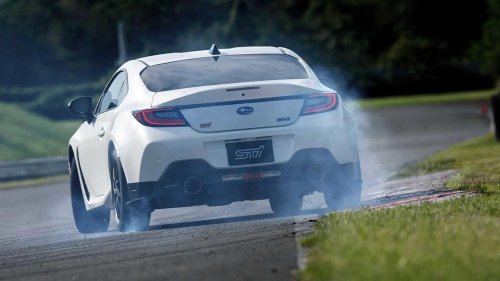
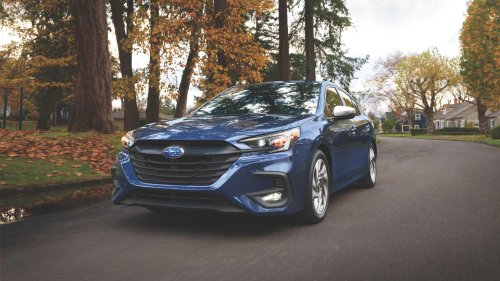



















UPDATE: March 3, 2026 Added additional Forester sales information, including a chart showing Subaru Forester sales trends over the last six years.Subaru is one of a handful of automakers that report monthly sales, but seeing the sheet for February, the automaker might be wishing to go quarterly instead. Even then, the news is bleak, because Subaru hasn't had a positive sales month since July 2025. With February numbers out, the once infallible brand is down again, 8.2% to be specific.Taking a closer look, every single Subaru model suffered big losses, save for two. One, the BRZ, isn't really moving the needle because it's such a low-volume seller. The second, however, is basically keeping the company's head above water. Of course, we're talking about the Forester. Subaru's Bread-And-Butter SUV Sets A Record Brett T. Evans / CarBuzz / Valnet The Forester climbed 24.9% in February alone, achieving 17,919 sales. Combined with January, Subaru has already sold 33,740 Foresters in 2026, a 23.6% year-over-year gain. As for second place, it's not even close. The Crosstrek, Subaru's best-selling vehicle in 2025, sits at 22,776 units sold so far. It's down 10.5% for the year, driven by a dismal February where only 11,480 'treks were sold.It certainly appears Subaru buyers are fond of the current-generation Forester. Revealed in 2023 as a 2024 model, the sixth-generation SUV ditched its slightly weird, bulky styling for something more proportional and upright. We also got the rugged Wilderness model back in early 2025, and it's clear buyers love extra cladding and a dash of color. Amid all the sales declines, Forester has remained a bright spot in the company's faltering lineup. Subaru Forester Sales In The 2020s Going by the numbers, it's clear that Subaru customers are into the current version of the Forester. A sharp drop for 2022 is related to supply chain woes from the COVID pandemic, but sales take a big leap in 2024, coinciding with the launch of the redesigned SUV. Sales remained virtually flat for 2025, but if current trends continue, Forester could have its best sales year since the pre-pandemic days. BRZ Up, Too Subaru It's also worth nothing that Subaru's sensational sports car, which hasn't been selling like hotcakes, still isn't selling like hotcakes. But it did take a step in the right direction for February. Sales climbed a little over 13%, but we're still only talking about 277 vehicles. Last February, Subaru sold 244, and for the year thus far, the BRZ is up 10.5%. But, when your former bestseller is down double digits and mainstays like the Outback are down nearly 25%, you'll take a win anywhere you can find one. What's Killing Subaru Sales? Subaru In its February sales announcement, Subaru cites a couple of factors behind the February decline. Curiously, the first is simply February being a shorter month, though 2025 wasn't a leap year, so it had the same 28 days as this year. The other factor is weather; there were some hefty storms that affected numerous regions in the US. Blizzards dumped big snow in the north, and early-season severe weather hit areas in the south.But other automakers are subject to the same conditions, and there are plenty of February success stories. Hyundai and Kia achieved new records, and Honda sales increased slightly driven by strong demand not for SUVs, but inexpensive sedans and hatchbacks. Still, Subaru remains optimistic that its seven-month sales slide will soon come to an end.Honda"Subaru and our retailers remain focused on earning customer trust with the safest, longest lasting, and most affordable vehicles available on the market today. Our versatile lineup is designed to meet a wide range of budgets and needs – from daily commutes, to carpools, to weekends spent accessing the outdoors. With that combination of value and dependability, we’re well-positioned to build momentum in the months ahead.”-Jeff Walters, Subaru America president and chief operating officer.With March marking the end of the first quarter for 2026, we'll soon get a better picture of how buyers in the US are responding to changes in policy amid average vehicle prices that are still higher than ever.