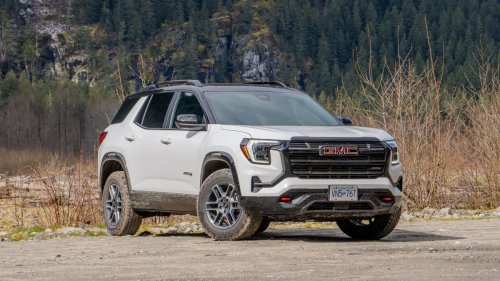
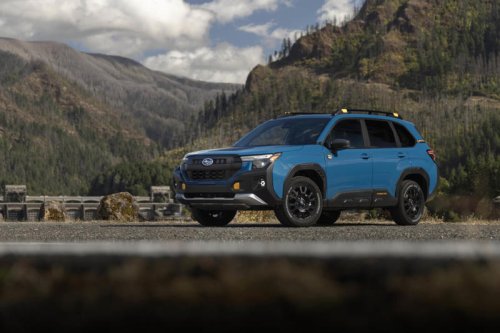
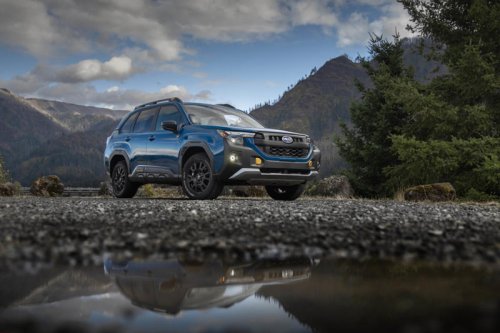
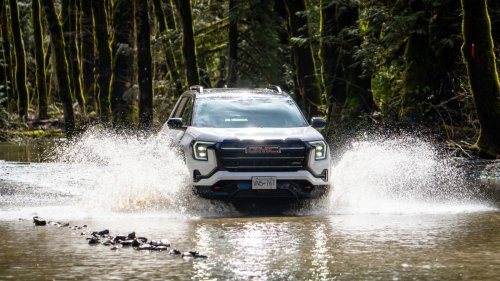
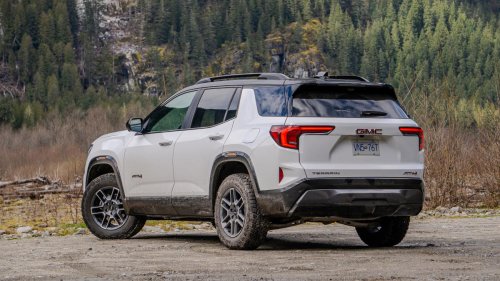
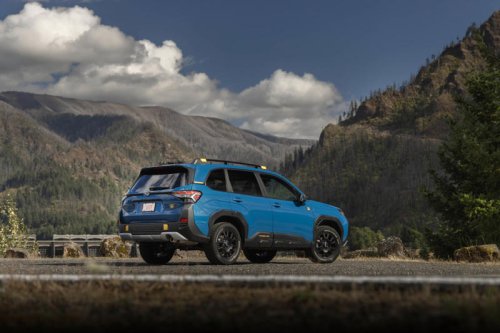
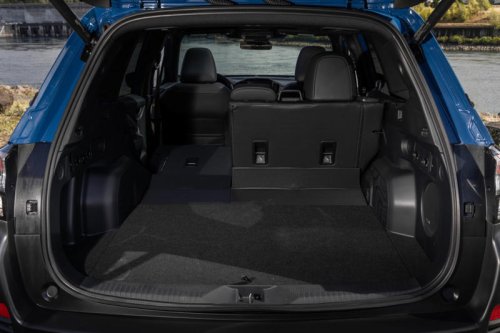
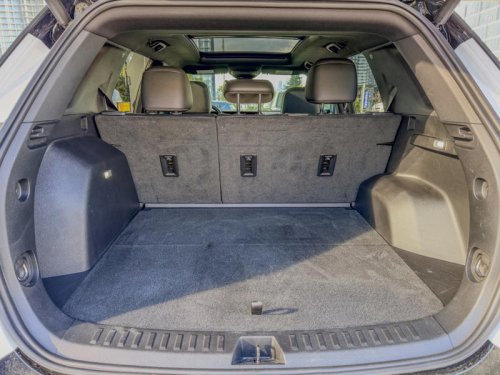
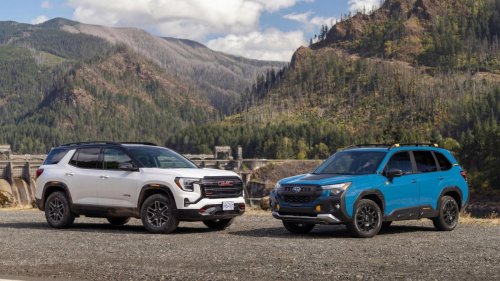
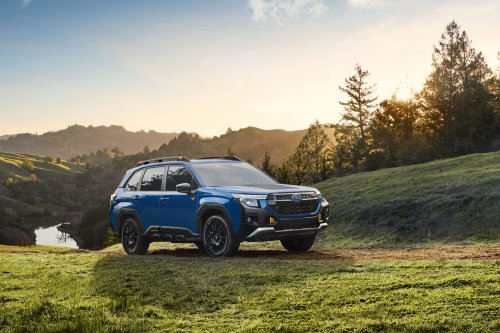
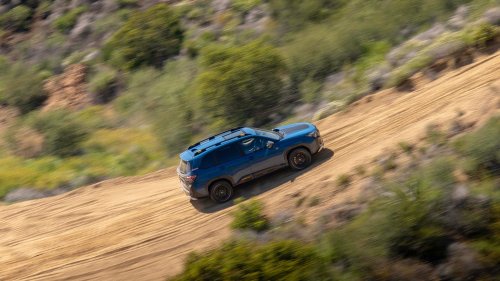
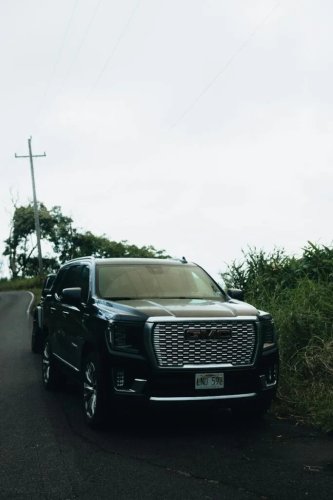
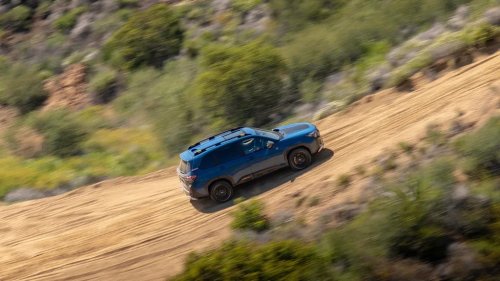
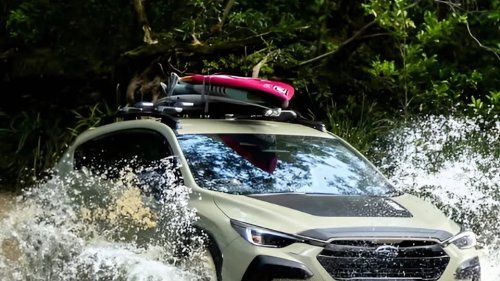
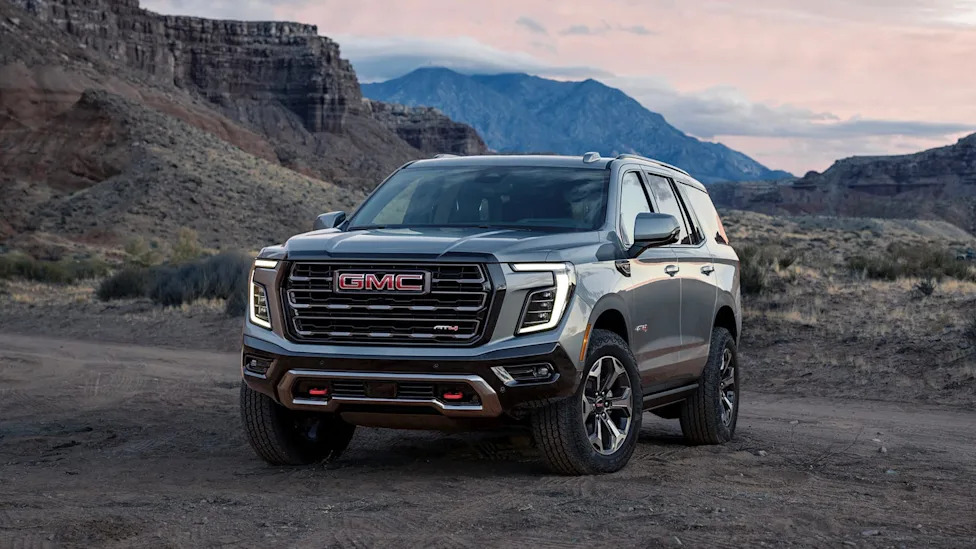
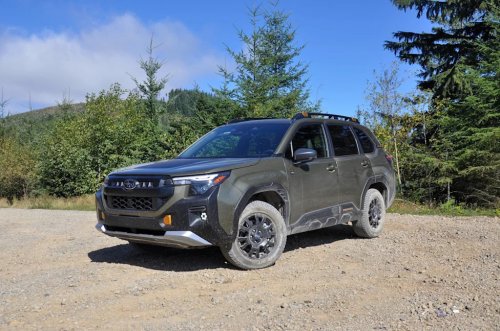
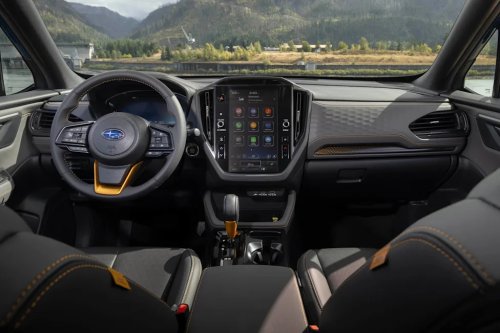
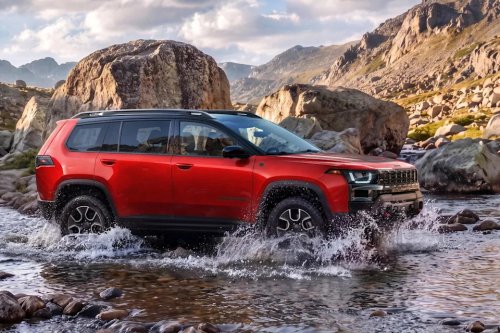
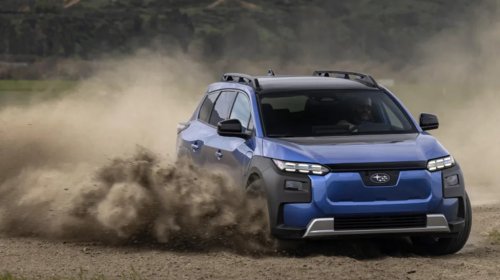
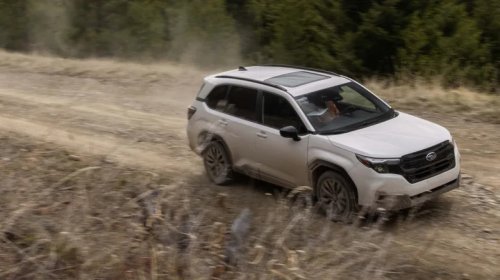
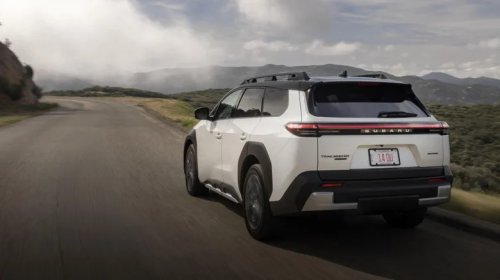
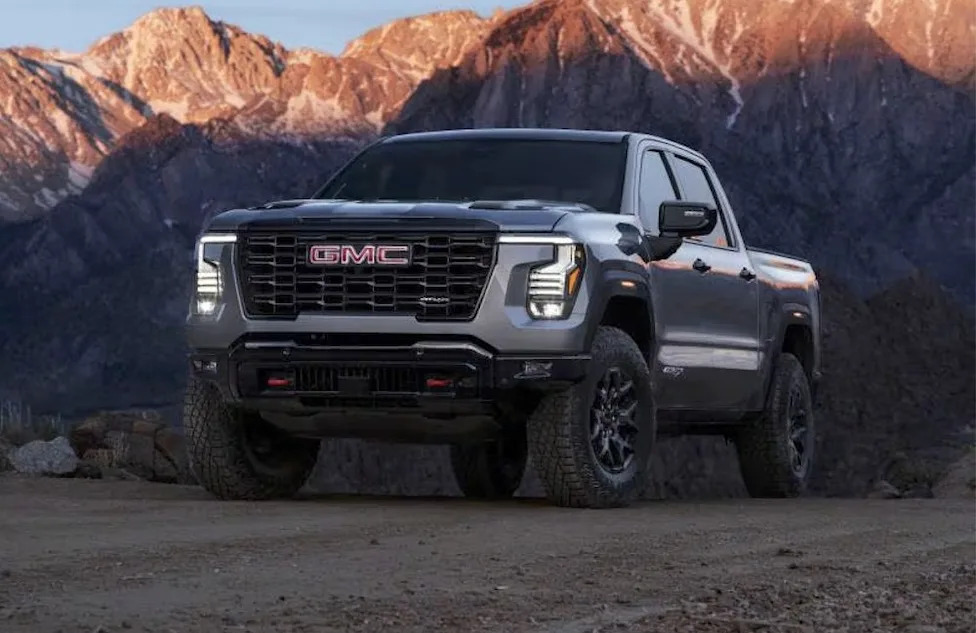
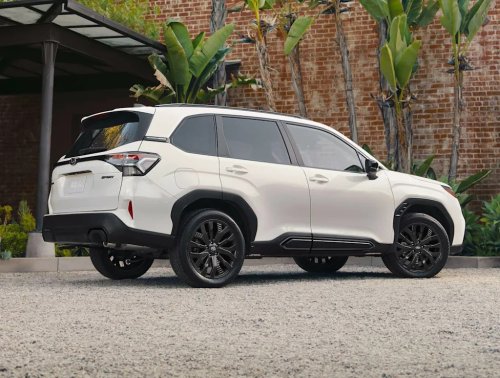
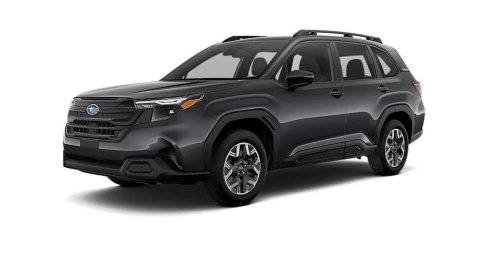
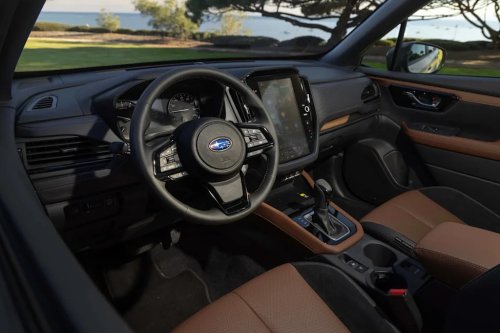
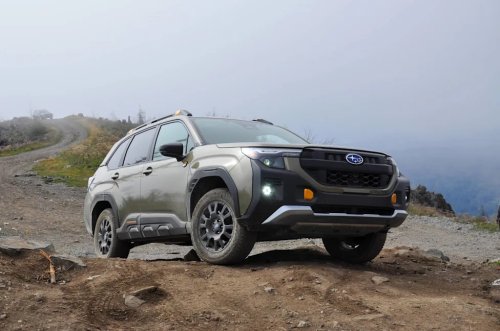
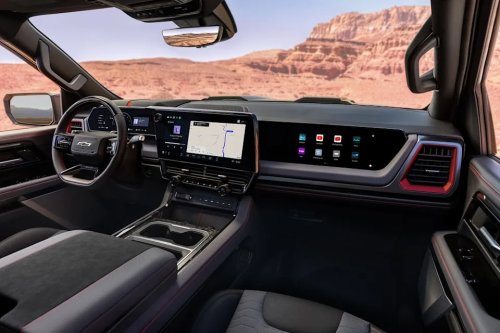
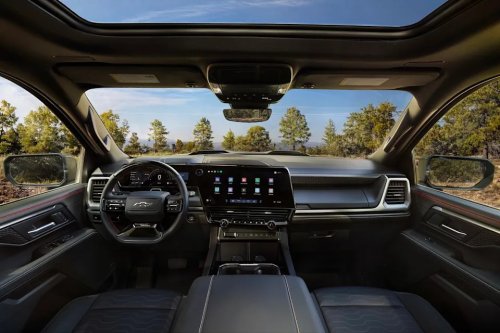
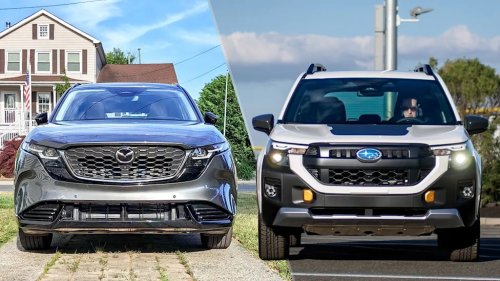
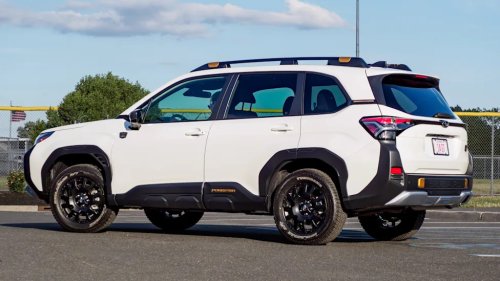
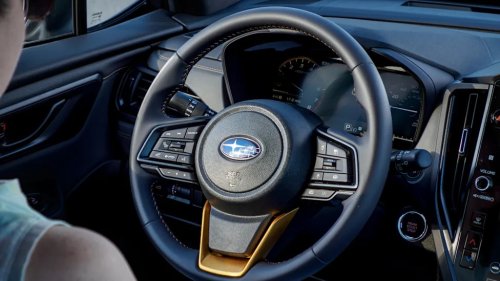
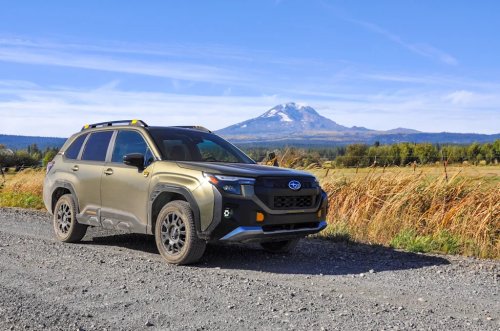
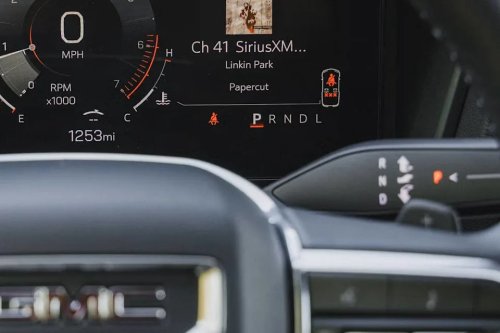
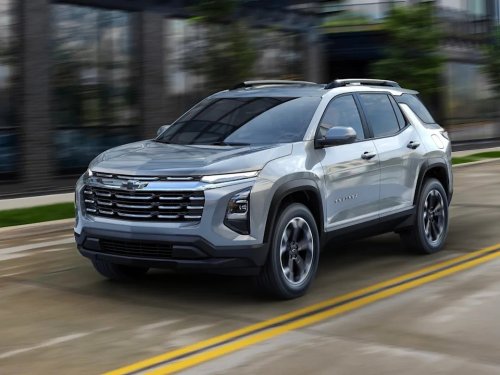
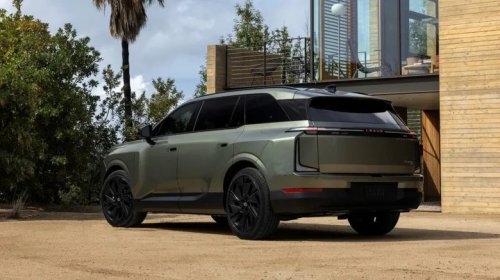
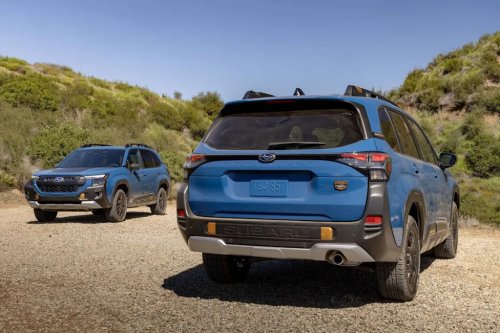
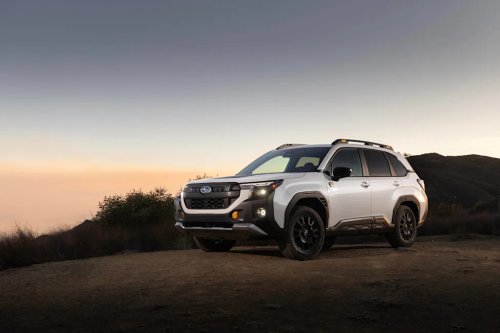
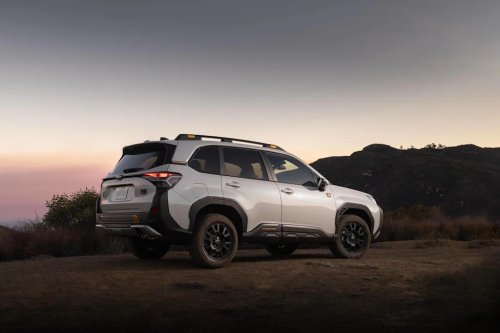
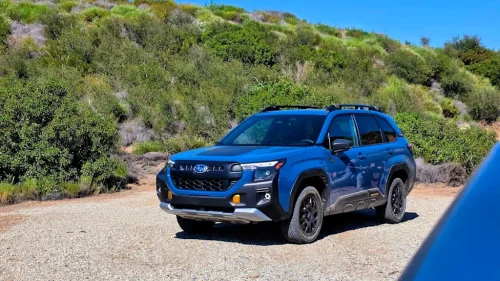
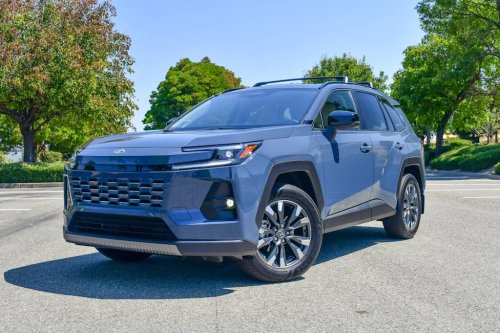
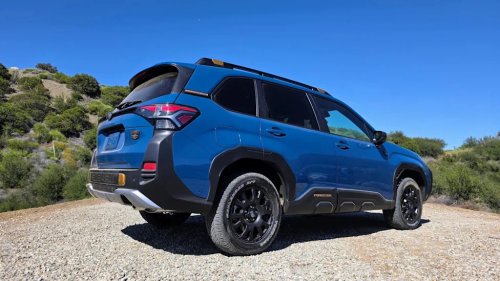
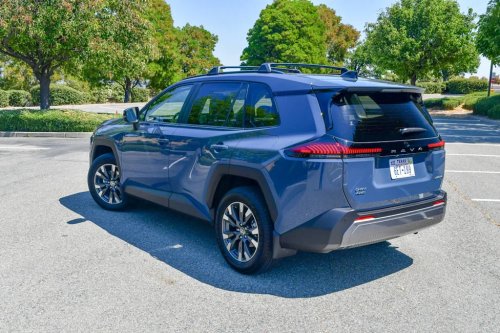
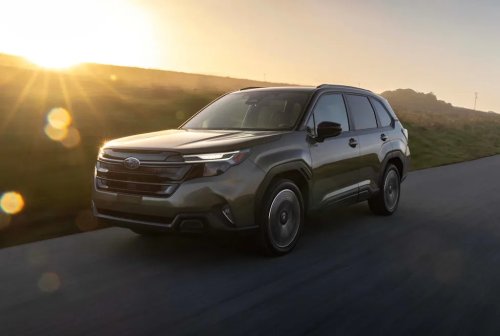
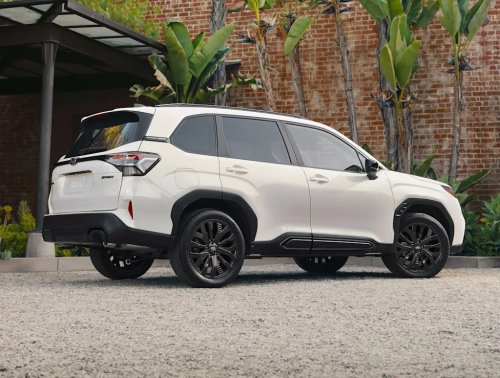
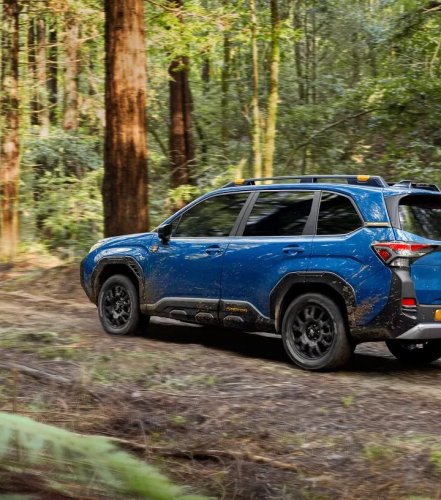
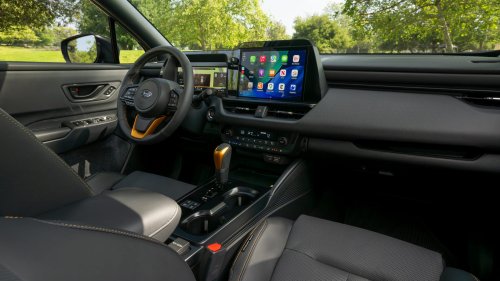
There's a major difference between a vehicle that looks ready for an adventure and one that's actually been mechanically prepared for it. In the compact SUV world, that distinction is getting harder to see at a glance. Chunky tires, protective cladding, copper accents, red hooks, roof rails, stitched logos—everybody is selling some version of the same weekend fantasy now. But the 2026 GMC Terrain AT4 and 2026 Subaru Forester Wilderness aim to serve that fantasy from very different directions. The Subaru is the more serious tool. The GMC is the more polished companion.That is the core philosophical split, but this comparison really comes down to the harder stuff: pricing, packaging, drivetrain character, interior space, trail hardware, and which compromises are easier to live with once the novelty of the badges wears off. These two may occupy the same part of the market, but they do not serve the same buyer equally well. Pricing: Close on Paper, Different in SpiritThe 2026 GMC Terrain AT4 starts at $39,400, while the 2026 Subaru Forester Wilderness starts at $38,385. Start ticking some extra boxes for additional options, packages, and accessories, and both can end up well over $45,000 after fees. So, clearly, this is not a case where one is dramatically cheaper than the other. The difference here is what each brand gives you for the money.The GMC leans harder into presentation. Its AT4 trim includes the big 15-inch infotainment screen, 11-inch driver information center, AT4-exclusive Terrain mode, 17-inch wheels with all-terrain tires, a lifted ride height, a front skid plate with steel underbody shield, red recovery hooks, and a factory-installed trailer hitch with wiring. Subaru, meanwhile, gives the Wilderness 17-inch matte black wheels, all-terrain tires, a full-size spare, X-Mode Dual Mode with hill descent control, a front-view monitor, a Wilderness-tuned suspension, and 9.3 inches of ground clearance. Subaru's $2,200 option package adds navigation, Harman Kardon audio, a 12.3-inch digital gauge cluster, and a power rear gate.That is really the first clue to the overarching difference here. The GMC feels like a nicer compact SUV that has been ruggedized, whereas the Subaru feels like a more rugged compact SUV that has been civilized.Need New Tires? Save Up To 30% at Tire RackFind the perfect tires for your exact vehicle and driving style. Click here to shop all top-tier brands, including Michelin, Bridgestone, and more, directly at Tire Rack. Powertrain and Drivability: The GMC Is the Better Daily DriverThe GMC uses a 1.5-litre turbocharged four-cylinder making 175 horsepower and 203 lb-ft of torque, paired with an 8-speed automatic transmission in AWD AT4 form. Subaru counters with its 2.5-litre naturally aspirated boxer four, good for 180 horsepower and 178 lb-ft of torque, paired with a CVT. On paper, the Subaru has the slight power edge. In day-to-day driving, the GMC feels like the more agreeable thing to live with, especially thanks to its extra torque, which makes inner-city stop-and-go acceleration seem effortless. That also comes down to the transmission. The Terrain's conventional automatic gives it a more natural, less strained feel in traffic and around town. It is not fast by any means, and on longer highway pulls, it can still feel a bit short of breath, but it responds more cleanly and more intuitively than the Subaru does. The Forester Wilderness's revised CVT does help low-speed off-road work with a shorter final drive ratio, but it still feels elasticky when you are just trying to pass somebody or merge onto a highway. That tracks with the broader character of each SUV. The Subaru's drivetrain feels engineered in service of capability, whereas the GMC's feels engineered in service of livability.Fuel economy is similarly close, though the Subaru has a modest edge. The Forester Wilderness is rated at 24 mpg city, 28 highway, 26 combined. The Terrain AT4 AWD is rated at 24 city, 26 highway, 25 combined. Neither is exceptional in the age of hybridized rivals, but the Subaru squeezes out a little more. Off-Road Capability: The Subaru Wins, and It's Not Especially CloseIf your idea of adventure involves actual terrain rather than just the occasional muddy access road, the Forester Wilderness is undoubtedly the better buy. Subaru gives it 9.3 inches of ground clearance, a revised CVT with a shorter final drive, dual-function X-Mode, improved approach, departure, and breakover angles, a front-view monitor, standard all-terrain tires, a full-size spare, and an uprated transmission cooler that helps support a 3,500-pound towing capacity. Subaru also says the Wilderness benefits from faster center-differential lockup and reduced wheelspin off-road, plus steering-angle integration for better stability at higher speeds. The GMC Terrain AT4's off-road credentials aren't fake, but they are far from what the Subaru boasts. GMC gives it an off-road-tuned suspension, a lifted ride height, an AT4-exclusive Terrain mode, a skid plate, a steel underbody shield, all-terrain tires, and 1,500 pounds of towing capacity. That is enough to make it genuinely useful on rougher forest roads, muddy tracks, pothole-ridden cut-throughs, and the kinds of trails most buyers in this category will actually attempt. But it is still operating with substantially less ground clearance than the Subaru at just 6.52 inches, and, even when equipped with a tow package, the Terrain AT4 caps out at just 1,500 pounds of towing capacity.That is the whole matchup in one brief section, really. The Subaru is the more hardcore answer. The GMC is the softer, smarter one for people who only flirt with that kind of terrain rather than actively seek it out. Ride and Refinement: GMC Has the Better Road MannersThe Forester Wilderness deserves respect for how much real hardware Subaru has packed into it without turning it into a total punishment device. But the Terrain AT4 is still the more polished road car. It is quieter, more settled, and more upscale in its overall demeanour. GMC's official positioning emphasizes the AT4's off-road-tuned suspension and lifted ride height, but what stood out to me during my time with it wasn't how aggressive it felt as an off-roader—it was how comfortable and composed it remained, even on all-terrain tires and off-pavement. The Subaru is better suited to harder use, but the GMC is easier to appreciate every single day. Subaru says the sixth-generation Forester lineup was improved for ride quality without sacrificing handling or capability, and the Wilderness still benefits from the brand's stiffer platform and raised suspension. But even then, its basic mission is more obvious from behind the wheel. The powertrain is more utilitarian. The calibration feels more trail-oriented. The whole thing asks you to accept a bit more compromise in exchange for the extra toughness. If you live in a city, deal with uneven road surfaces, and only occasionally get your SUV properly dirty, the GMC is, plainly, the better-mannered machine. Interior and Packaging: GMC Feels More Expensive, Subaru Is More Adventure-UsefulInside, the GMC feels more expensive. The Terrain's dashboard is dominated by the 15-inch center screen and 11-inch digital display, and it immediately gives the cabin a more modern, more premium-looking layout than the Subaru. GMC also does a better job than many rivals at combining that big-screen visual drama with usable physical controls. It feels contemporary without feeling like UX beta testing.The Subaru's cabin feels more purpose-built. The Wilderness gets water-resistant StarTex upholstery, all-weather mats, a cargo tray, copper stitching, a front-view monitor, and easy-clean surfaces that feel better suited to muddy boots, wet gear, and dogs that have no respect for your detailing bill. Its optional 12.3-inch digital cluster helps modernize the experience, but the Subaru still feels more functional than fancy. Space is interesting here. The GMC Terrain offers 29.8 cubic feet behind the second row and 63.5 cubic feet with the rear seats folded. The Forester Wilderness offers 27.5 cubic feet behind the second row and 69.1 cubic feet with the seats down, thanks in part to the standard panoramic moonroof on upper trims, which affects cargo packaging. So the GMC is slightly ahead with the rear seats up, while the Subaru opens up more with everything folded flat. Subaru also provides a useful edge in practical adventure details. The Wilderness includes a full-size spare, raised ladder-type roof rails with an 800-pound static load capacity, and more obvious trail-ready trim-specific hardware. GMC's packaging feels more upscale, whereas Subaru's feels more utilitarian. Safety and Driver Assistance: Subaru Comes Loaded, GMC Counters With Better Interface DesignSubaru continues to make a strong case for itself in terms of safety packaging. Every 2026 Forester gets the latest version of EyeSight, and the Wilderness adds automatic emergency steering, blind-spot detection with rear cross-traffic alert, emergency lane-keep assist, and reverse automatic braking. Subaru also says the new system operates more smoothly and in a broader range of conditions, thanks to a wider field of view, revised software, and an electric brake booster. GMC's Terrain offers more than 16 standard safety and driver-assistance features across the lineup, plus available camera views and the big-screen layout that makes interacting with the vehicle’s systems feel more modern and easier to parse at a glance. Plus, fewer of the GMC's controls are integrated into its central infotainment system, unlike the Subaru, which also takes a substantial amount of time to load up and to register inputs. That alone makes the Terrain less distracting from behind the wheel. So the Subaru has the stronger old-school safety résumé on paper, whereas the GMC tends to feel cleaner and more intuitive in actual interaction. Which One Should You Buy?The answer depends almost entirely on how honest you are with yourself. Buy the 2026 Subaru Forester Wilderness if you want the more serious machine. It has better clearance, better off-road geometry, better towing capacity, better trail hardware, and more durable packaging. It is the one I would trust more the farther I get from town. It is not pretending to be an off-roader; "Wilderness" really is its middle name.Buy the 2026 GMC Terrain AT4 if most of your life behind the wheel takes place on paved roads and only occasionally wanders off them. It is quieter, better-looking inside and out, easier to drive in town, and more polished in the way it goes about being a compact SUV. It is still useful on rougher terrain, but it never forgets that most buyers will spend far more time in traffic than in mud. The AT4 is, if nothing else, honest with itself. All things considered, the Subaru is more rugged, whereas the GMC is more rounded. One belongs deep in the woods, but the other makes more sense on the way there.