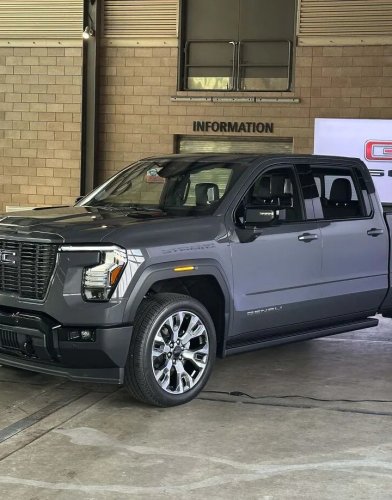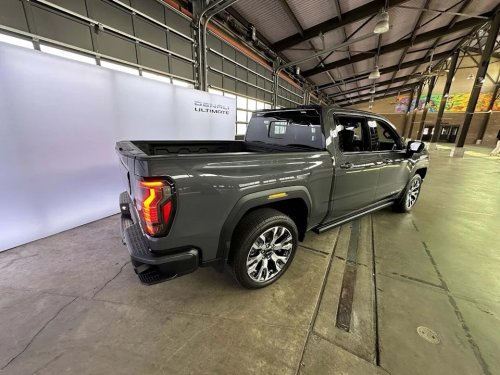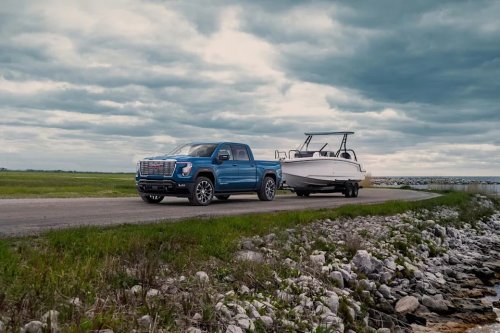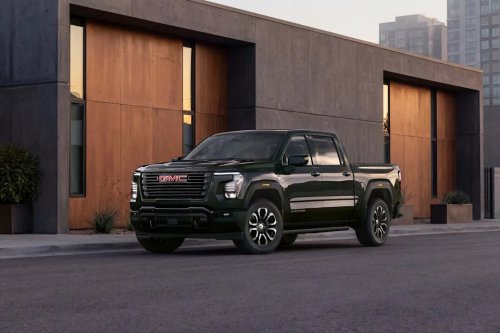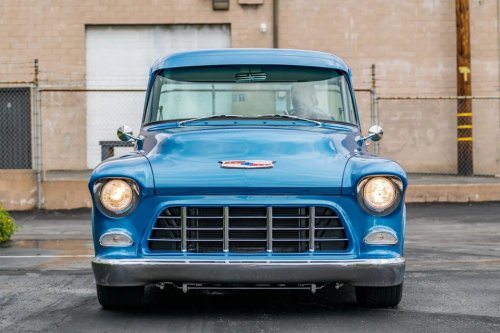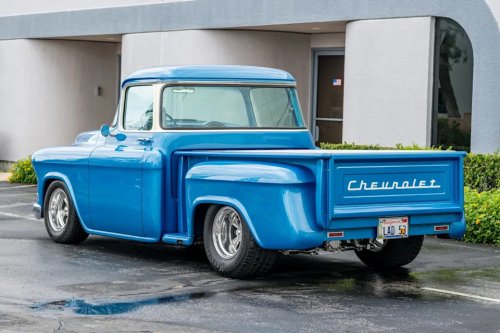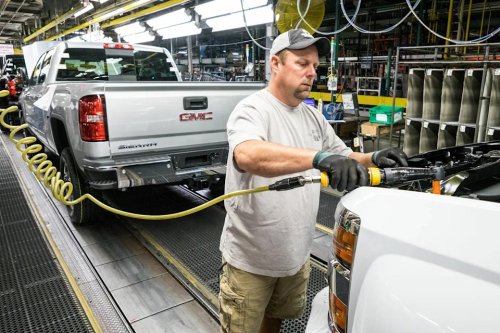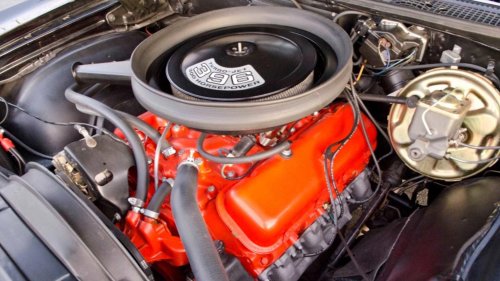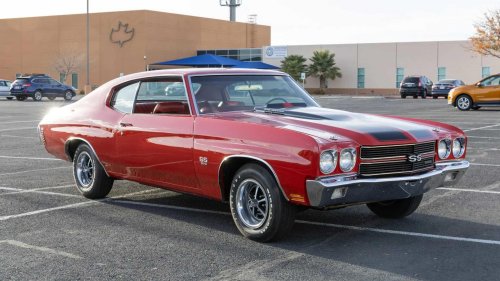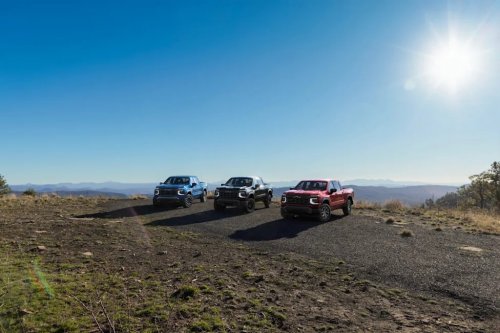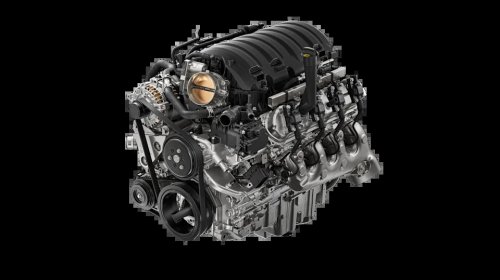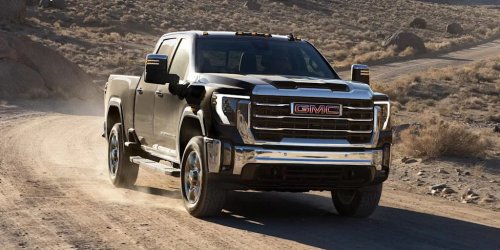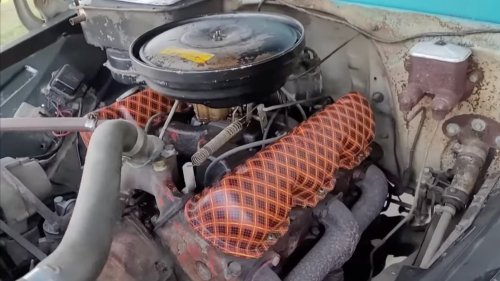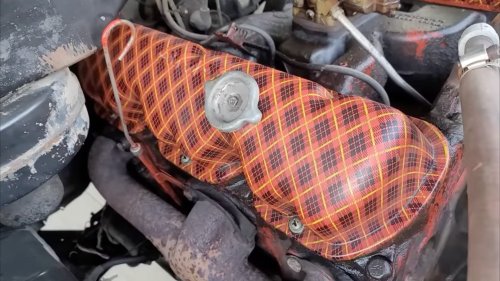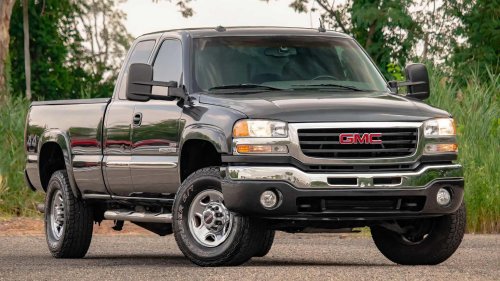
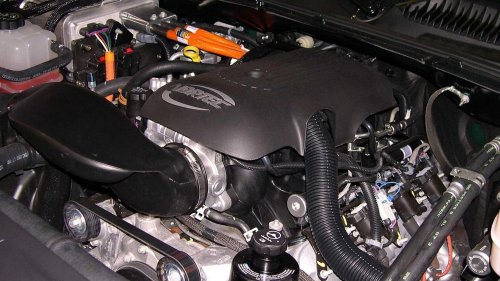
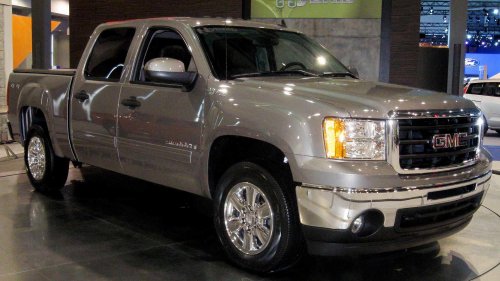
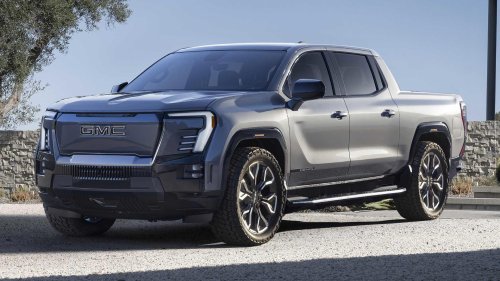



















The pickup truck had always been a workhorse with a clear purpose: to haul and tow. To get the job done, pickups have big engines, both gas and diesel. These engines have enough power for the duties of a pickup, but normally at the cost of fuel efficiency.At the turn of the 21st century, fuel economy became a concern for everyone. To combat this problem and improve fuel efficiency, economy cars implemented crucial technology that improved gas mileage. And it worked successfully in the market.That being said, the economy car is not the same as a pickup truck and does not serve the same purpose; it has a smaller engine and is used primarily as a daily driver—a family vehicle—unlike the pickup truck's traditional heavy-duty nature. GMC saw the trend and developed a solution for its trucks that are faced with tightening efficiency demands. In the early 2000s, this was a big step in an unknown direction for the pickup. As it turns out, it was a move that ended up being a few years ahead of its time. A Battery-Powered Solution For The Gas-Guzzling V8 Bring a Trailer GMC trucks in the 2000s came with a variety of engines, most of which were gas-powered V8s. They did offer a V6, but only with the base model. Power output ranged from 195 horsepower with the 4.3-liter V6 to 320 horsepower with the 5.7-liter V8. These engines prioritized diesel-like torque rather than fuel efficiency. The average fuel economy was around 13-15 MPG combined, and would drop to single digits under towing loads, depending on the engine variant. This was a problem that needed to be addressed.General Motors, the parent company of GMC, knew that CAFE standards were tightening and that the company needed to improve the fuel economy of its trucks, as competitor Ford announced plans to increase the fuel efficiency of their trucks by 25%. A new generation of GMC pickup trucks was on the way, with alternative powertrain options. A Step Towards The Future Sfoskett/wikimedia commons In 2004, as emissions and fuel-economy standards tightened, GMC launched the Sierra with a 5.3-liter V8 and a 14-kilowatt starter generator. The idea was simple: to increase fuel efficiency by 10–15% and make idling smooth while also helping reduce emissions from cars. The reality was quite different, though. In real-world driving conditions, the truck returned almost the same fuel economy as the non-hybrid variant.Simply put, the system was a mild hybrid that did not power the wheels directly. As the engine shut off when the truck came to a full stop, the mild hybrid would take over electronic control and operate the AC, lights, and radio. This technology was a far cry from the hybrid economy cars on the market that could return around 30 mpg. But this was the first attempt by GMC. Although a bit rudimentary, it ultimately introduced an innovation for the next generation of the hybrid. The First Strong Hybrid From GMC IFCAR/wikimedia commons In 2009, GMC introduced the second-generation Sierra 1500 Hybrid. It had a 6.0-liter V8 paired with a 60-kilowatt motor and a two-mode hybrid system, making it the first full-hybrid pickup truck. With this system, the truck could run completely on electric power at speeds below 40 mph in city driving conditions, and it also had cylinder deactivation, which shut down four cylinders to conserve fuel. With the help of the motor and cylinder deactivation, the hybrid Sierra achieved around 20 mpg, which was 25% more than the non-hybrid model. Sierra 1500 Hybrid Specs Jim Bunnell, GMC's general manager at the time, said "The Sierra Hybrid represents GMC's commitment to engineering excellence, delivering a fully functional truck that offers a significant improvement in fuel economy." He also added more of his thoughts on the claimed fuel economy, "Sierra Hybrid will deliver fuel economy that is expected to be the best in the full-size pickup segment, exceeding the current mileage leader, the non-hybrid Sierra."The Sierra Hybrid had a brand-new transmission to assist the motor: the Electrically Variable Transmission (EVT), and a 300-volt nickel-metal hydride Energy Storage System (ESS). "Along with being very smooth, the EVT always provides abundant torque at all rpm levels for easy towing," said Mark Cieslak, vehicle chief engineer. "It is particularly helpful on grades, as the EVT's greater ratio spread allows the engine to hold optimal rpm for smooth, steady performance, with no hunting between higher and lower gears." Two-Mode Hybrid System Of The Sierra 1500 Bring a Trailer The Sierra 1500 Hybrid was available in the crew-cab body style with both two- and four-wheel drive. With the unique two-mode hybrid system, the electric power needed to drive the vehicle could be generated by the hybrid system itself. When the brakes are applied or the vehicle is coasting, the electric motor generates electricity, which is stored in the 300-volt battery pack.The stored energy could later be used to power the truck. This worked through a regenerative braking cycle. A scaled-up version of the two-mode hybrid technology with bigger batteries was also used in fleets of hybrid transit buses in North America. This hybrid version from GMC was more in line with the hybrid tech available in different segments of cars. GMC’s Electric Future GMC The Sierra Hybrid was discontinued after 2013 due to low sales and high production costs. The price difference between the regular and hybrid versions was simply too great. Still, its hybrid technology was the test bed for what was to come. GMC later switched to full electric, recognizing the direction the market was headed. In 2024, GMC launched the Sierra Denali EV with a dual-motor setup producing 760 hp and capable of towing up to 10,000 pounds.GMC is now allegedly testing a new Sierra Hybrid for 2027 and bringing in a plug-in hybrid (PHEV) and an extended-range electric vehicle (EREV) type of hybrid. While this technology differs from the two-mode technology GMC used in the past, it remains possible because of lessons learned from early hybrid systems. At its core, this remains possible because of lessons learned from early hybrid systems.