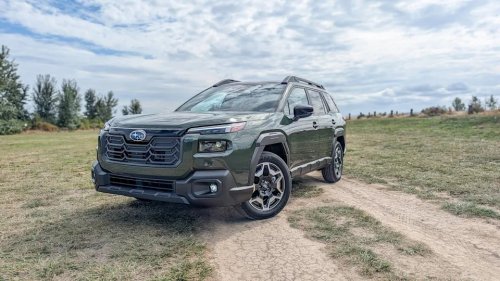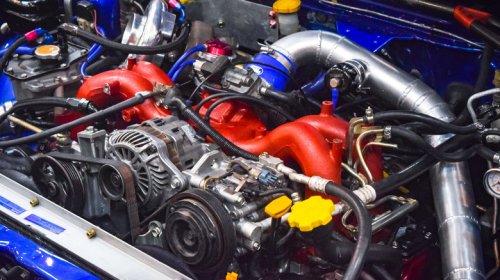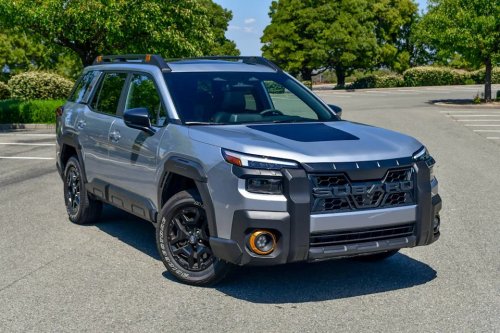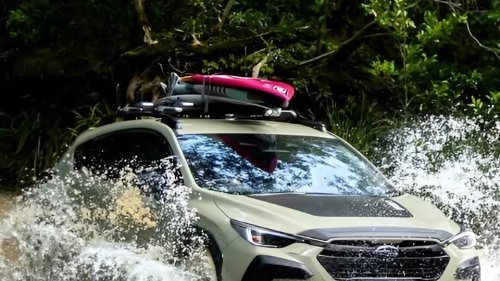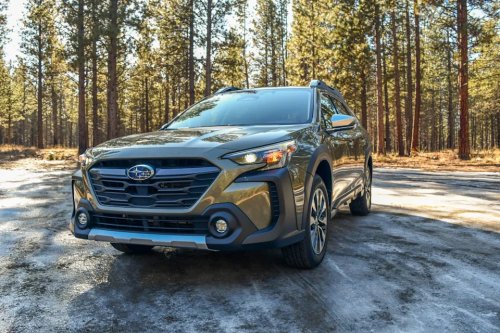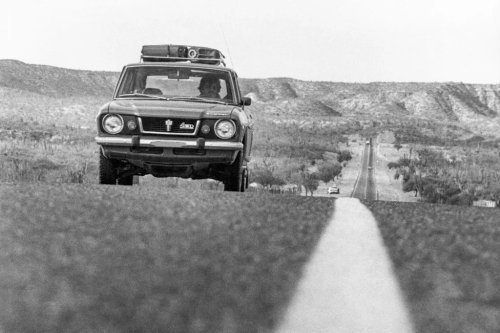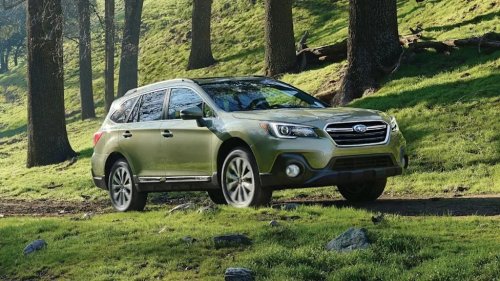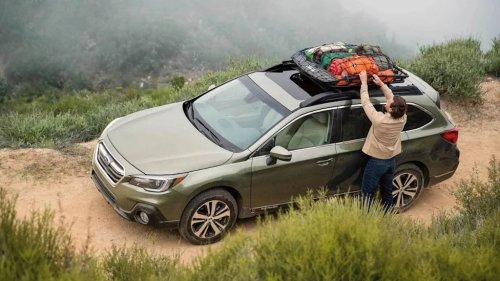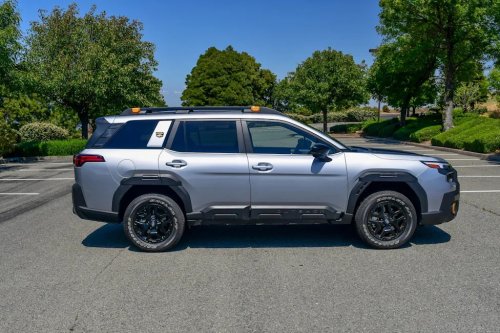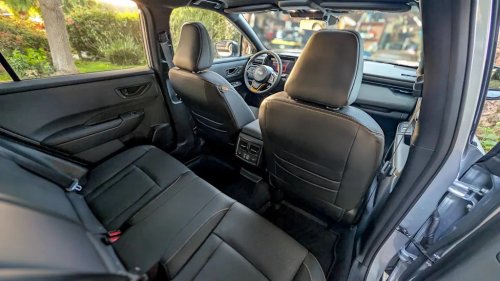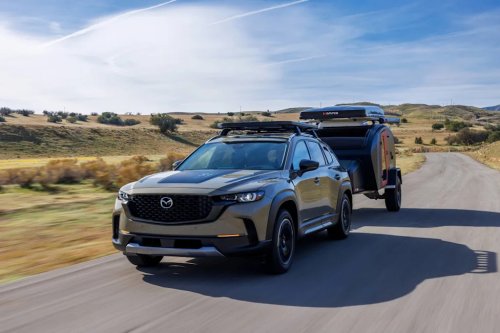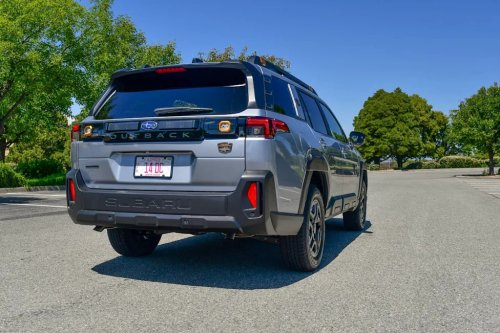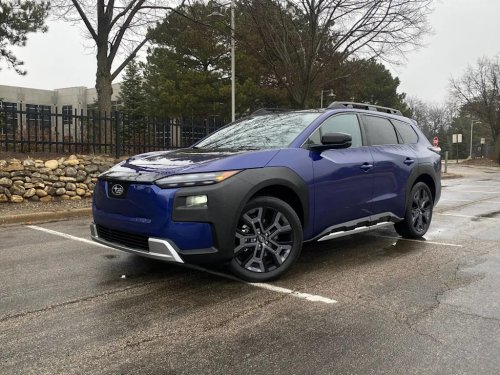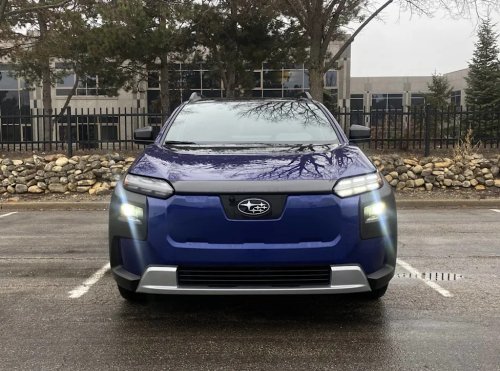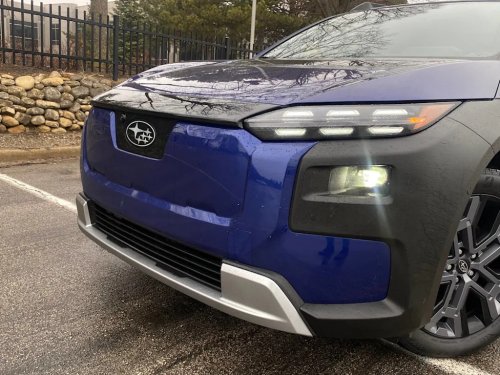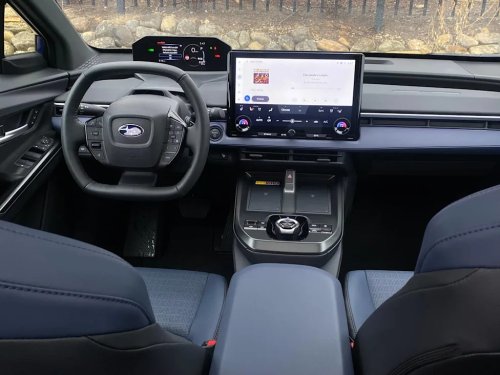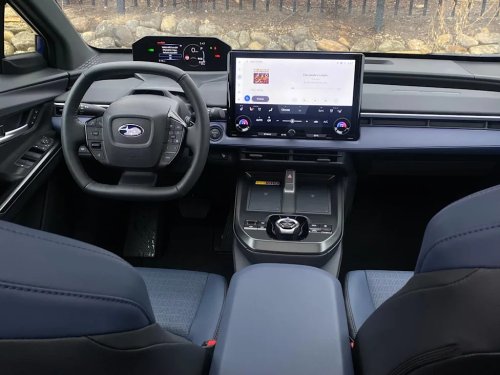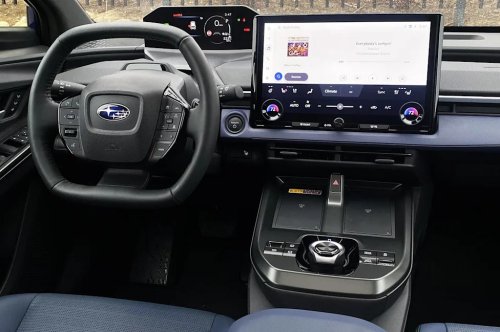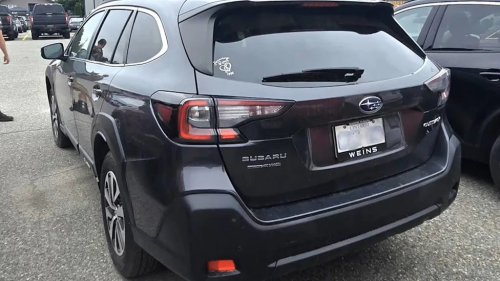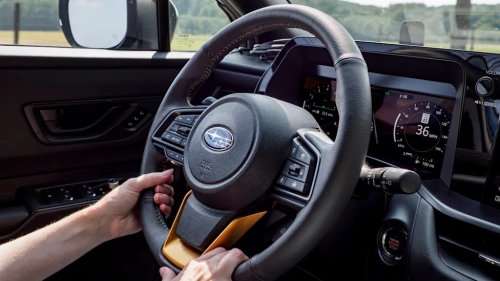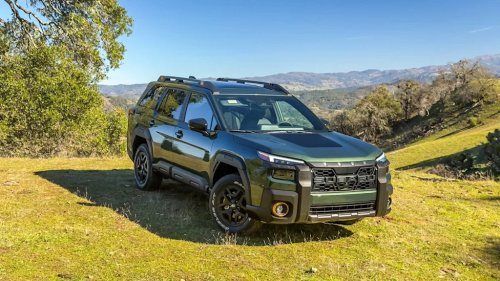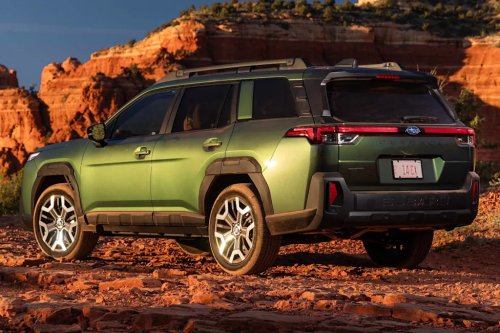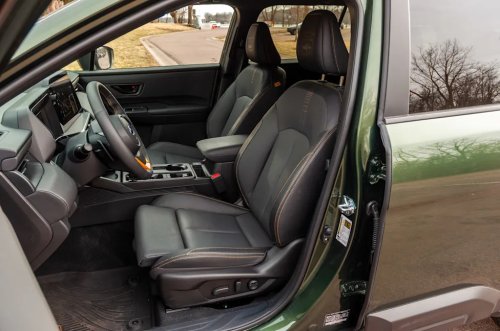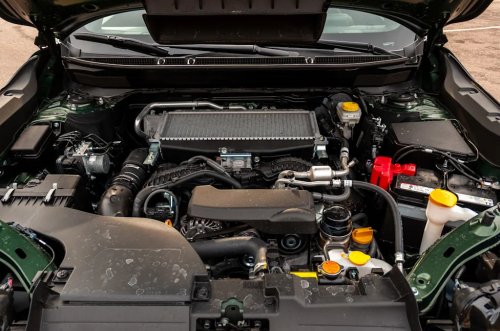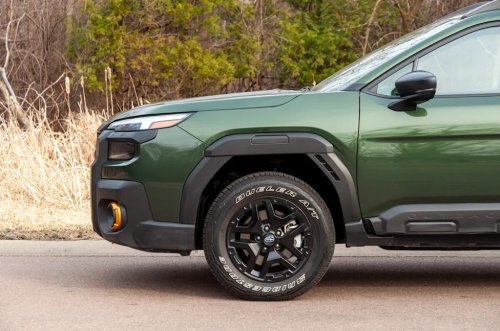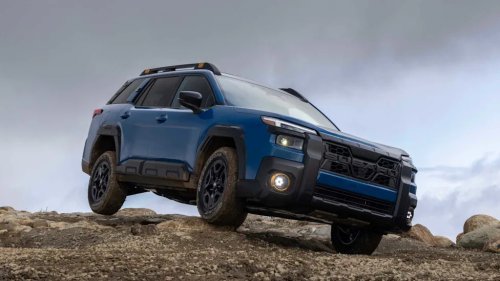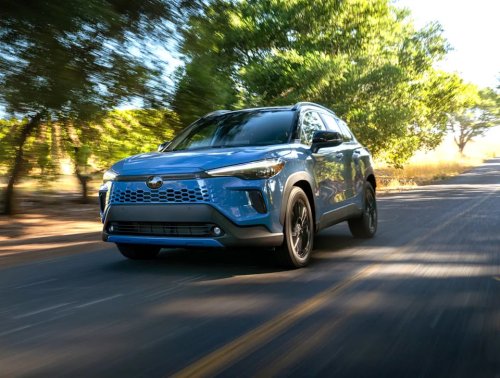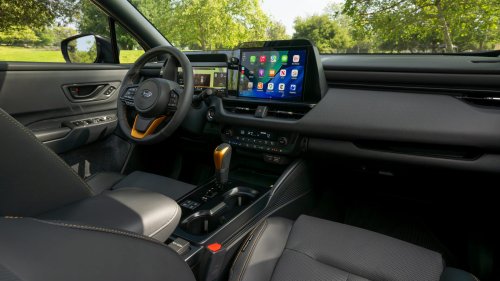

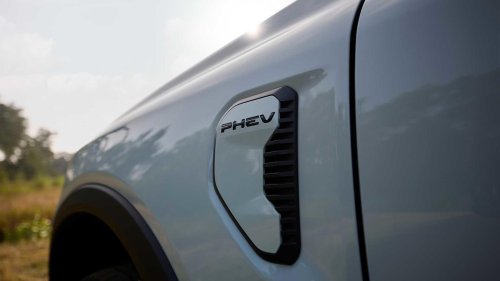
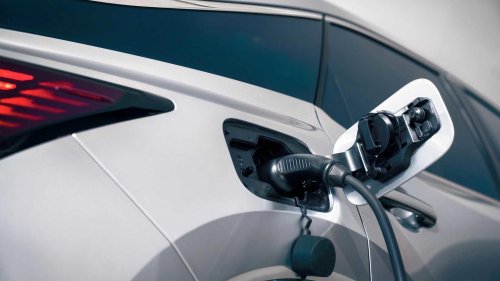
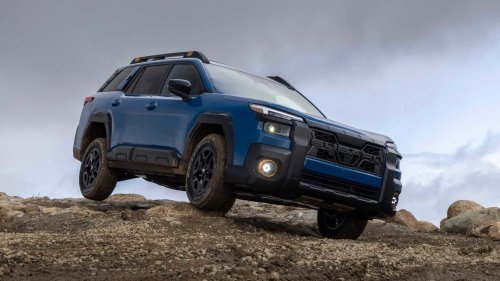
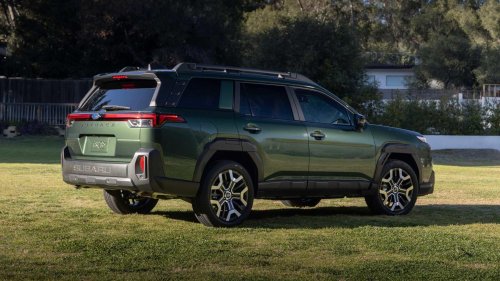
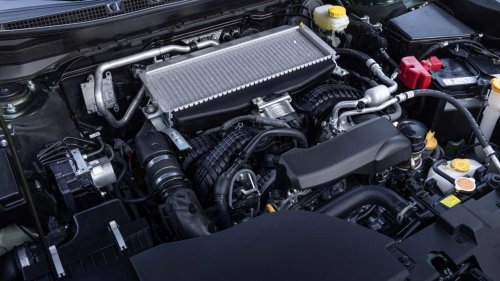
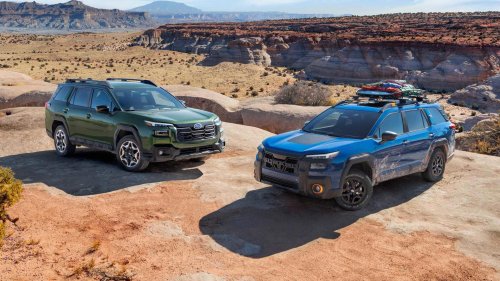
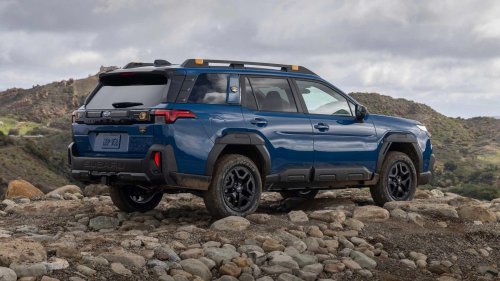
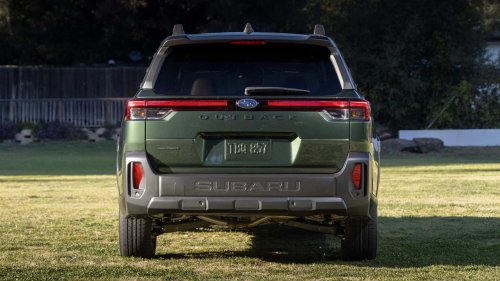
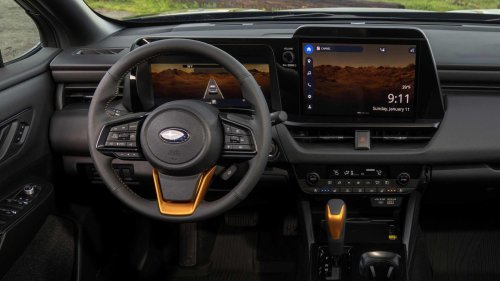
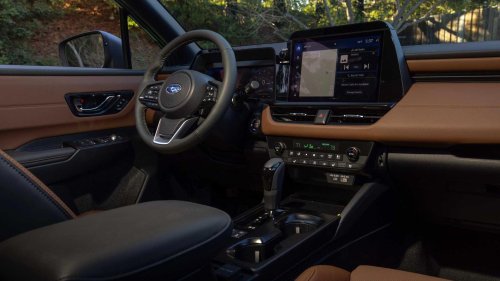



















When you’re looking for a reliable crossover SUV, you’ll unsurprisingly gravitate towards the Japanese. It is these automakers, after all, that have built the most reliable vehicles we’ve come to be familiar with. Yet among the reliable vehicles these brands make, there are still models that stand out even more.Case in point, today’s most reliable SUV for under $40,000. Why price capped at $40,000? Well, this is still well below the average transaction price of $49,275 for a new car in the United States, according to Kelley Blue Book, which at least means that it should be a vehicle that is within reach for a higher percentage of buyers. Anyway, without further ado, among already reliable vehicles that the Japanese brands make, this vehicle holds the distinction of being the most reliable of them all. Vehicle Reliability Trends In 2026 Toyota But to understand what makes the SUV in today’s article the most reliable of them all that’s under $40,000, we have to take a look at the overall industry trend and where we are headed. These are data and analysis gathered from the latest JD Power study. Increased Complaints Driven By Software Issues Toyota You’ve probably been hearing the term “software-defined vehicle” or SDV recently, and there’s a good reason for that. The Tesla Model S is the world’s first SDV, where vehicle features and systems are controlled by a main operating system. It’s literally the concept of a smartphone on wheels embodied in 2026. As automakers adopt this vehicle concept, the implementation of this software is often hit-or-miss. There’s no denying that, whether you like it or not, Tesla has and is still leading the SDV architecture, while other automakers are still fine-tuning how their SDV backbone works.Tesla Electrification Increases Vehicle Complexity FordPlug-in hybrid electric vehicles (PHEVs) are often cited as the best of both worlds. It is a short-range electric vehicle (EV) for your daily commutes, and it becomes a hybrid for long drives. Unfortunately, it can be the worst of both worlds, because having two powertrains means increased complexity. Increased complexity always equates to more potential problems and thus, lower reliability. For 2026, PHEVs continue to be the most problematic powertrain type, and the number of problems they experience on average even increased this year.Lexus Keeping things simple certainly helps things, which is why pure EVs are more reliable than PHEVs—at least on paper. EVs are more reliable than PHEVs, but not as reliable as normal hybrids or pure internal combustion engine (ICE) cars. In fact, ICE cars improved their average reliability score in 2026, and they remain the most reliable powertrain type among vehicles sold in the United States. Going In The Outback Subaru Right in line with JD Power’s reliability survey, which states that ICEs are the most reliable, the most reliable SUV under $40,000 also happens to be one. To be precise, it is the Subaru Outback, whose top reliability ranking from iSeeCars pretty much carries over unchanged in 2026; the 2026 Subaru Outback starts at $34,995. Where The Outback Stands Subaru The Outback’s top ranking is based on our analysis of all available data from iSeeCars, as it’s not officially based on a list of the most reliable SUVs under $40,000. Nevertheless, with this in mind, the 2026 Subaru Outback is rated 8 out of 10 by the publication, making it the most reliable among compact crossover SUVs and the most reliable SUV, regardless of size, in the mainstream segment. Subaru already has a reputation for solid reliability, and so we weren’t really too surprised to see it in this article. If you're considering alternatives, the other vehicles that make up the top five spots on the list include the Honda CR-V (non-hybrid), Mazda CX-5, Toyota RAV4 (both hybrid and non-hybrid), and the Ford Escape. Here's How Long It Will Last Subaru The Japanese brands are known to have long production lifespans for their engines. The two boxer engine choices that the 2026 Subaru Outback uses both debuted in 2019, and even then, these two engines came from engine families whose original designs were from the 2010s.The two engines—the FB25 2.5-liter and the FA24 turbocharged 2.4-liter—are known to be reliable, though the latter's naturally-aspirated version in the BRZ and GR86 was involved in oil starvation issues, particularly if the GR86 or BRZ was driven hard at a right-hand turn on the track. For those who won't track a GR86 or BRZ, this seems to be a non-issue. Meanwhile, the FB25 only had one recall in 2014, while 2011–2015 models somehow developed excessive oil consumption, which was remedied through an extended warranty for owners. 2026 Subaru Outback Performance Specs But how long is the Subaru Outback expected to last? According to iSeeCars, the Outback has an average life span of 12.2 years or 163,206 miles, and it has a 24 percent chance of reaching 200,000 miles. When something does go wrong as the vehicle ages, RepairPal says that the Outback's average annual repair costs are $607, which is slightly higher than the midsize SUV segment's $573, but lower than the industry average of $652. This is where the long production life spans of Japanese brands pay off. Though the engines are often already reliable, these engines reach their peak durability when they reach near the end of their product life cycles. What The Outback Offers In 2026 Subaru The Subaru Outback has been completely redesigned for 2026, transforming from a lifted Legacy wagon into a true midsize crossover SUV—for better or worse. As a wagon fan and owner, I'm admittedly disappointed to see this evolution of the Outback, but only time will tell whether the Outback's transformation is successful or not. Embracing The SUV Subaru No longer is the Subaru Outback the lifted Legacy wagon we've come to know and love. With the Legacy midsize sedan already discontinued, Subaru decided that the Outback is no longer constrained by the Legacy's overall shape. Subaru gave the Outback a taller and boxier look, coupled with thick body cladding all around. Clearly, Subaru embraced the Outback's utilitarian side, because the boxier and taller profile is a design that prioritizes function over form.Subaru The front end features a U-shaped grille with split LED headlights, while the chunky side profile is accompanied by heavy-duty roof rails. The rear end features the Subaru script stamped on its rear bumper, while the Outback script is stamped on the vehicle's tailgate. A more rugged Wilderness trim increases the ground clearance from the standard model's already high 8.7 inches to 9.5 inches, and this is coupled with 17-inch wheels wrapped in Yokohama GEOLANDAR all-terrain tires, as well as the benefit of adaptive dampers.If you regularly find yourself in the dirt, then this is the trim for you. The suspension is tuned for better stability on rough surfaces, but still keeps its composure on-road thanks to the new electronically controlled dampers- Nicole Wakelin, TopSpeed Journalist (2026 Subaru Outback Wilderness Test Drive) High-Tech And Functional Interior Subaru The new Outback's focus on functionality couldn't be any truer when looking inside. Thankfully, the dash design is no longer a copy-paste from other Subaru models, as the Outback now gets a horizontal dash layout that features either plush or rugged materials, depending on the variant. Subaru has made sure that the cabin is filled with numerous nooks and crannies, whilst still offering plenty of modern technology.Subaru In this case, the Outback debuts a new duo of screens—a 12.3-inch gauge cluster and a 12.1-inch square-shaped touchscreen running a new operating system that replaces the previous Starlink software. The new Outback also comes with Subaru's Highway Hands-Free Assist, which, thanks to GPS data with 3D high-resolution mapping, enables the Outback to provide hands-free highway driving on certain roads and conditions. Thankfully, despite the new tech features, the Outback still has plenty of physical controls.Sources: Subaru, RepairPal, KBB, J.D. Power, CarEdge