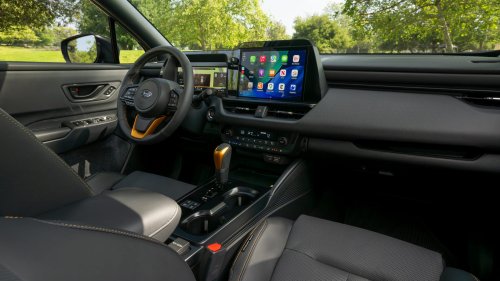
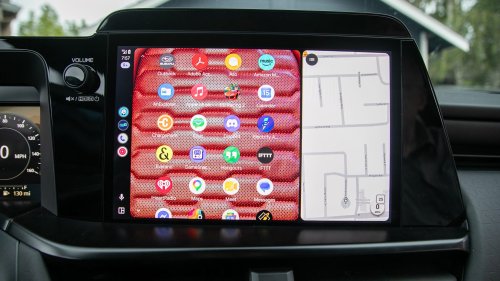
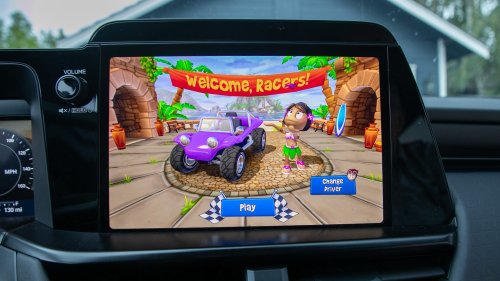
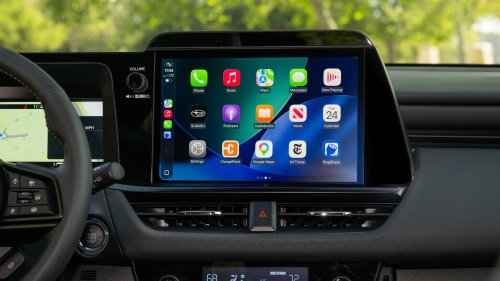
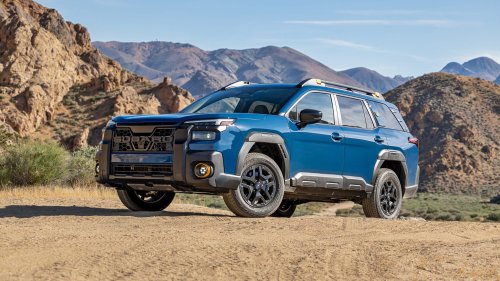
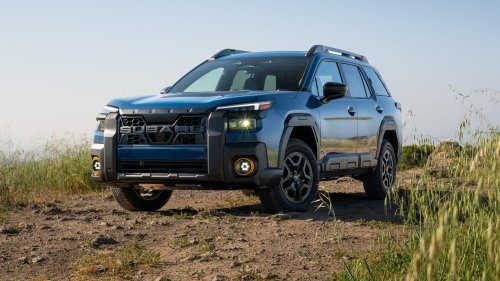
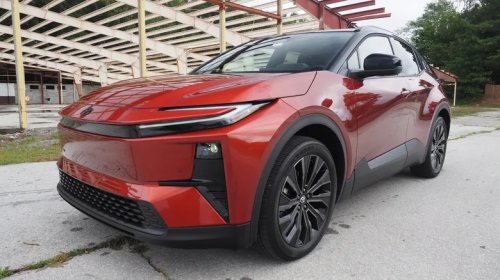
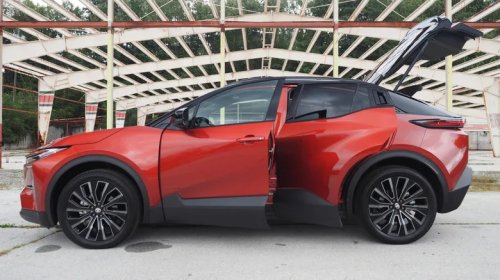
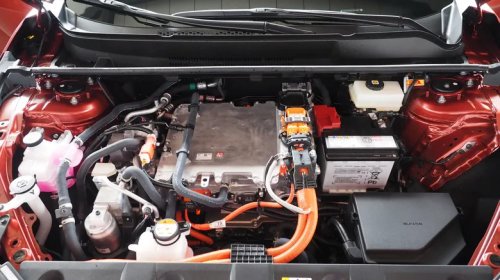
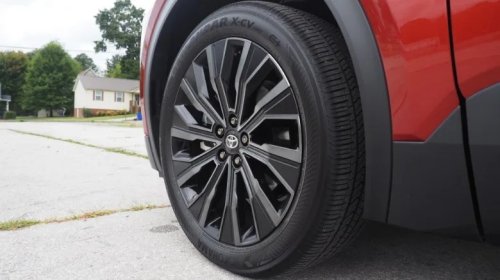
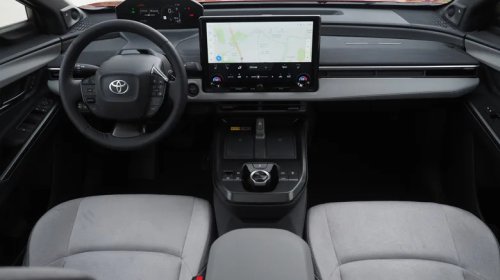
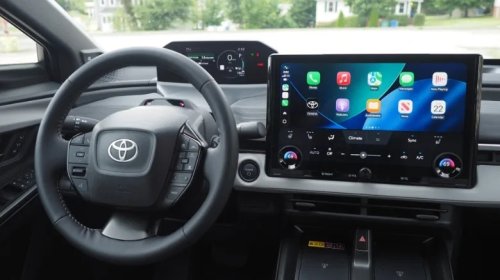
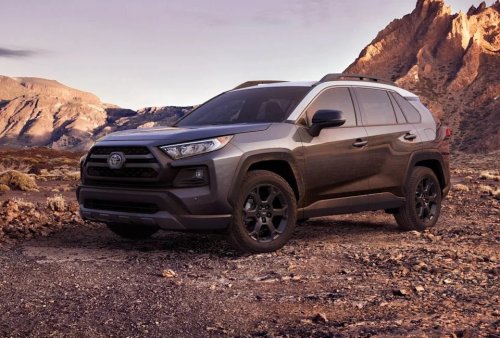
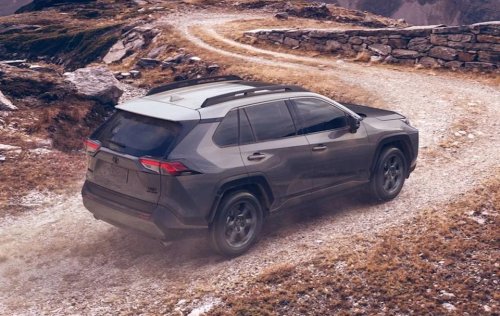
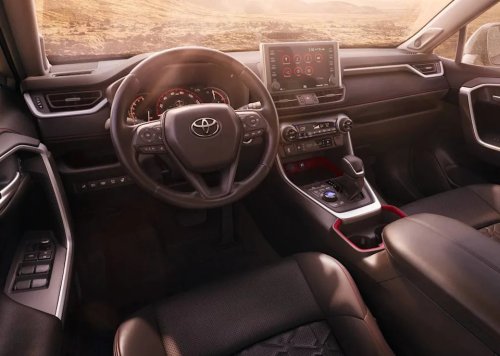
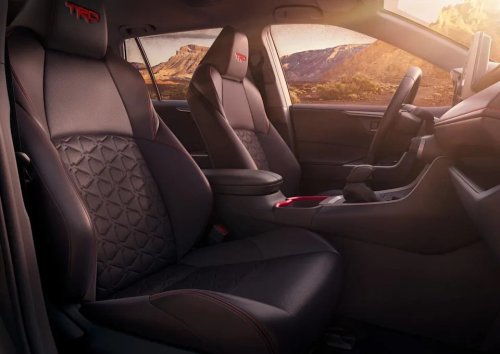
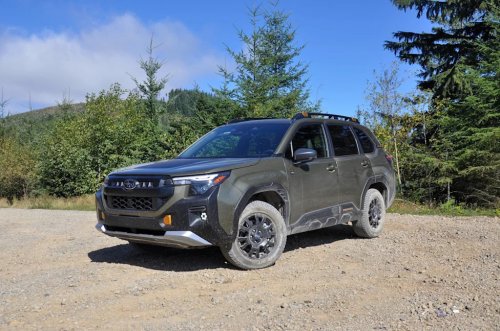
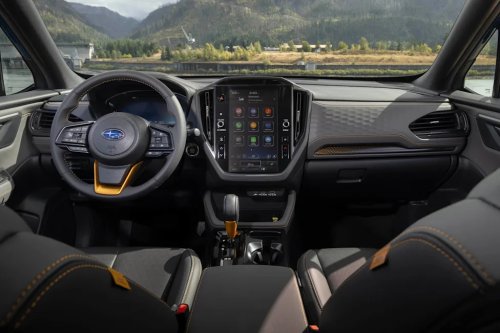
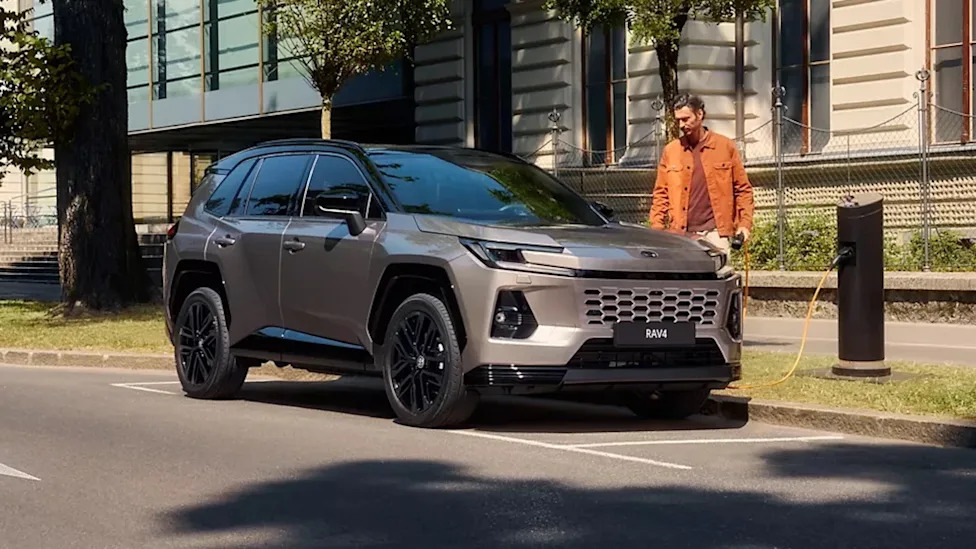
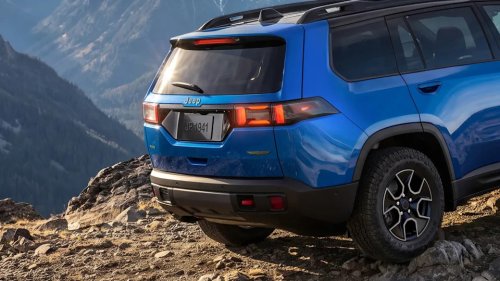
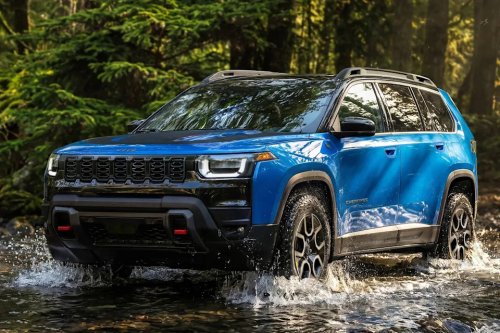
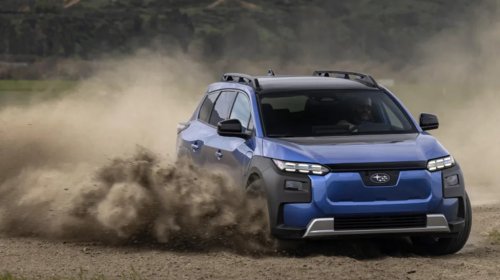
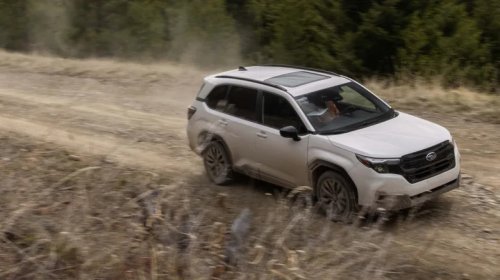
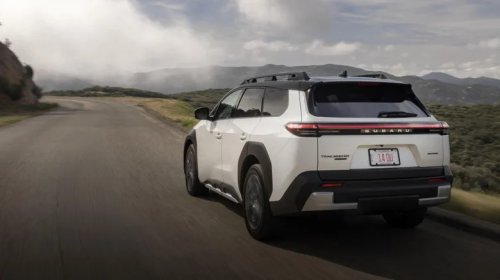
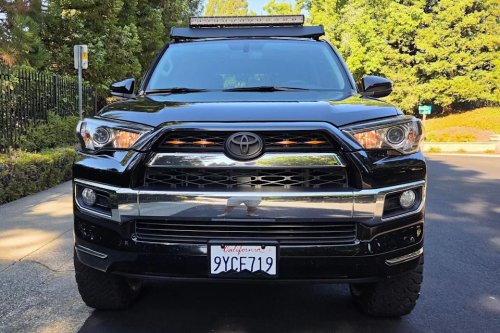
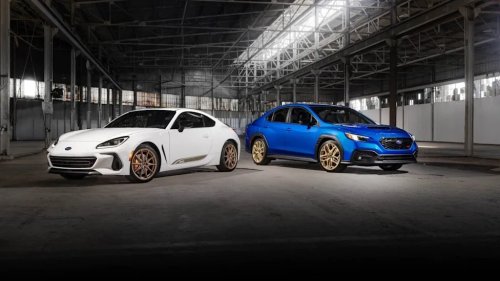
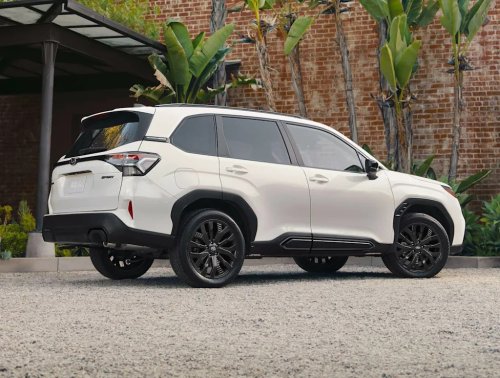
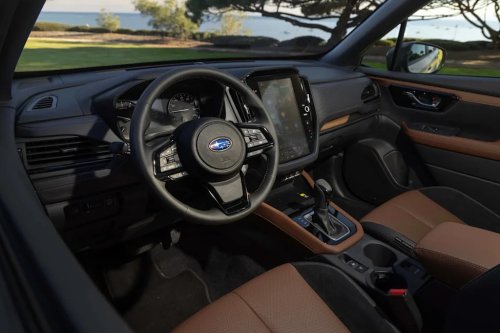
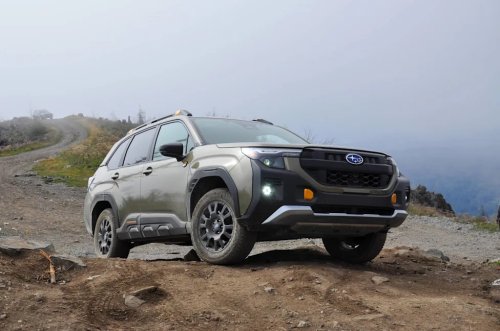
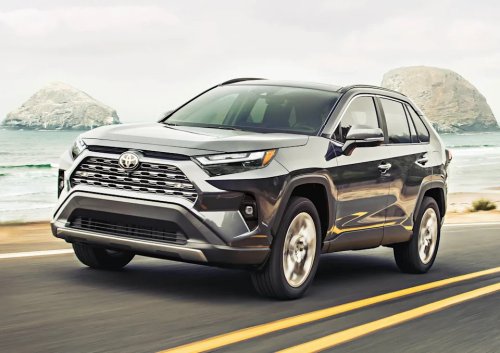
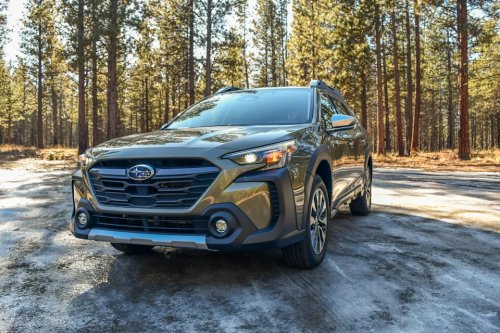
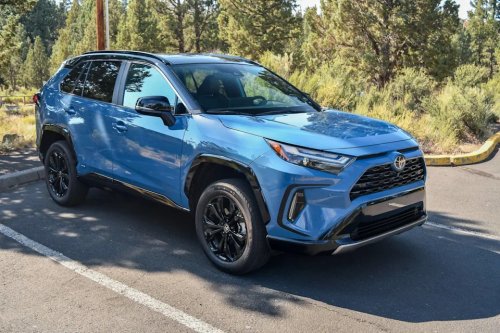
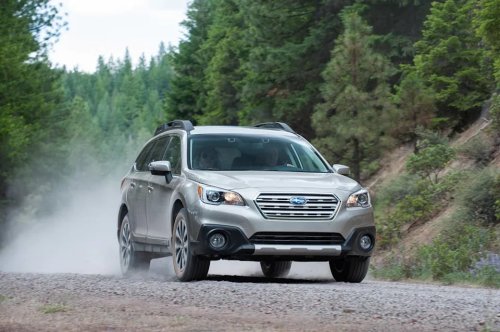
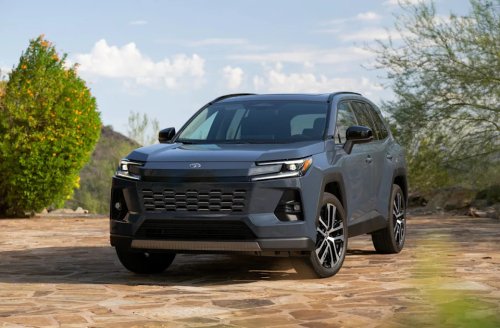
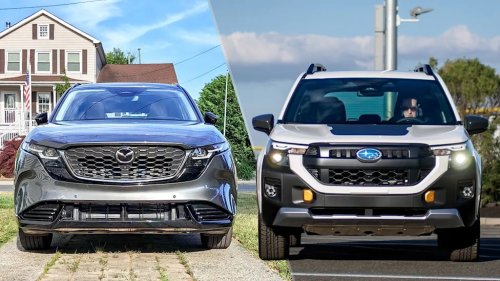
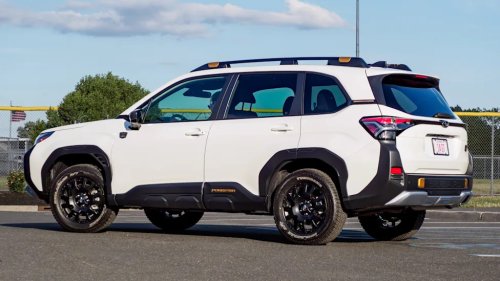
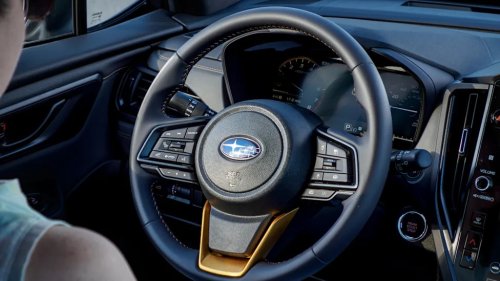
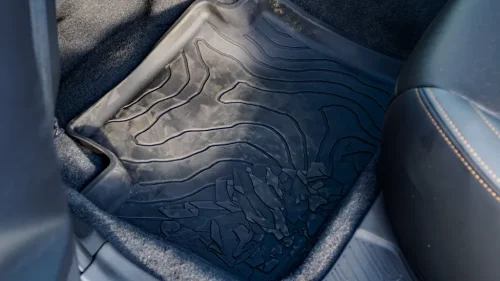
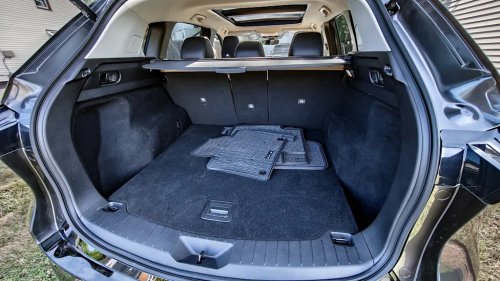
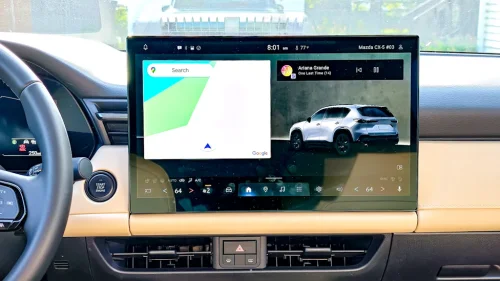
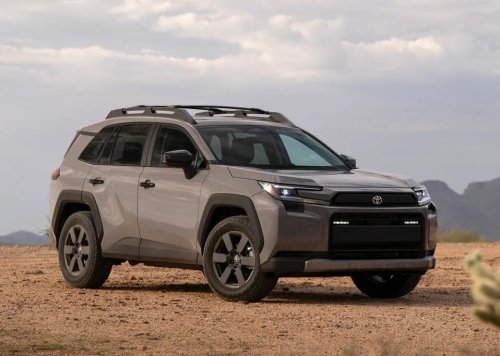
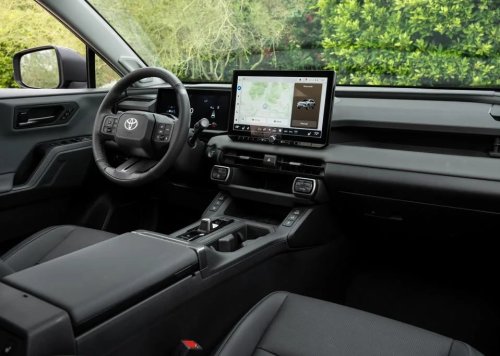
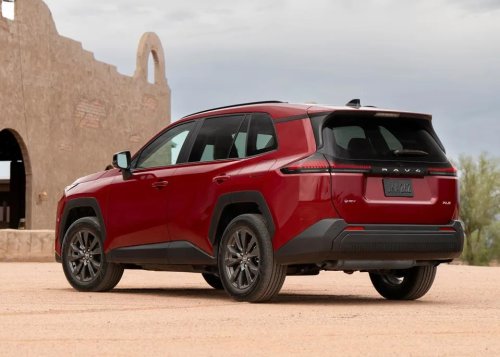
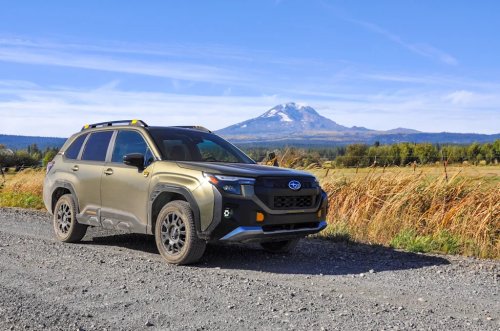
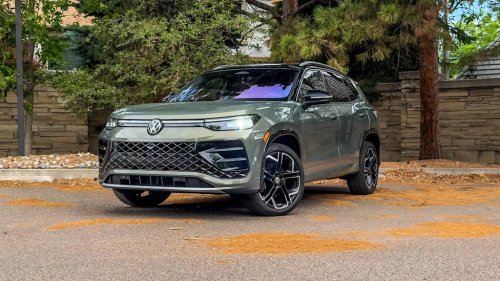
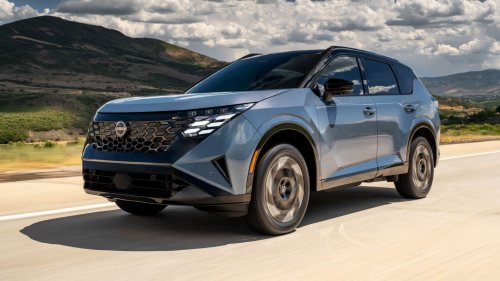
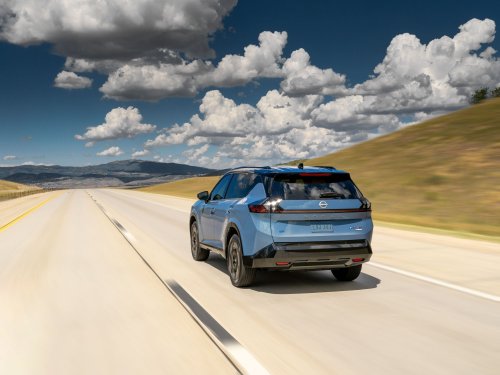
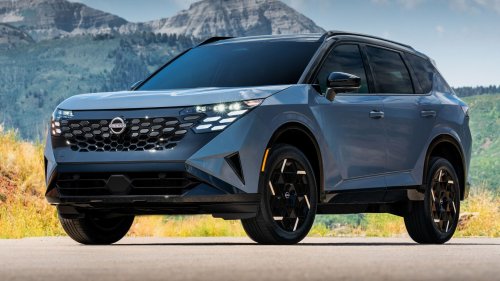
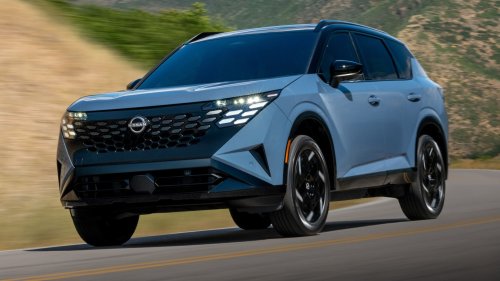
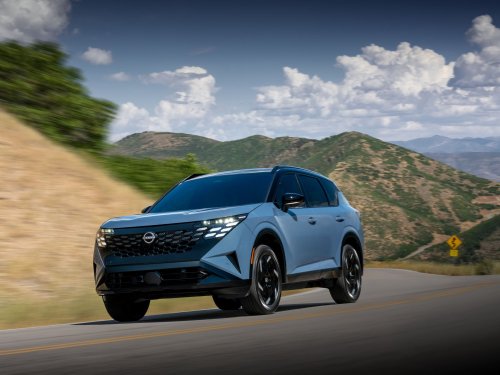
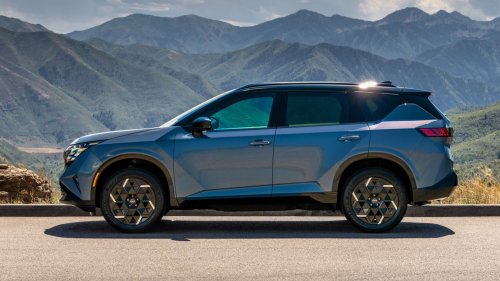
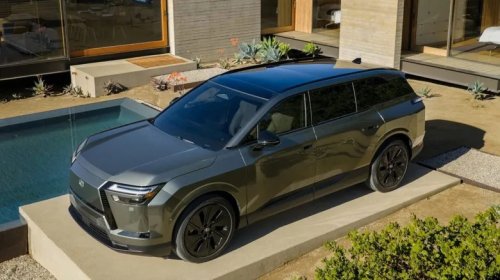
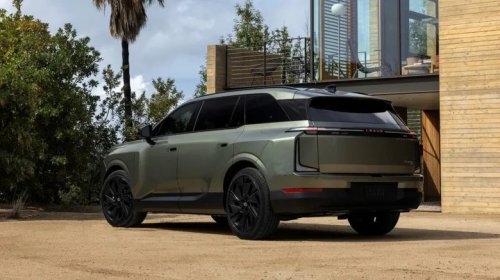
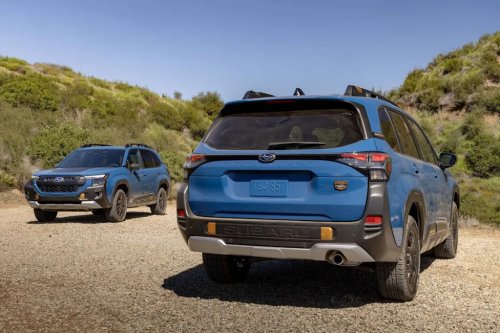
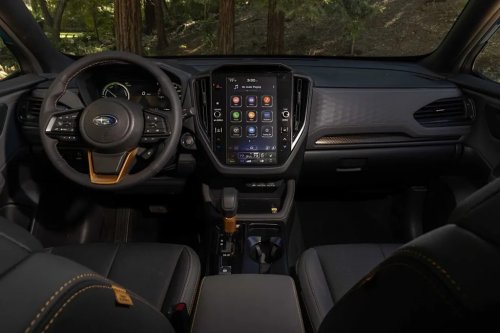
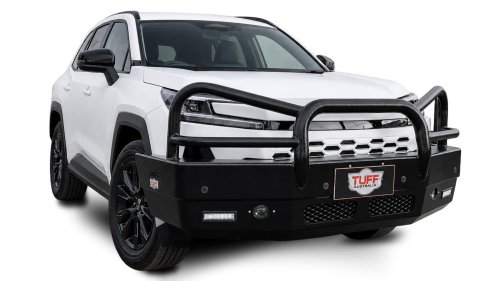
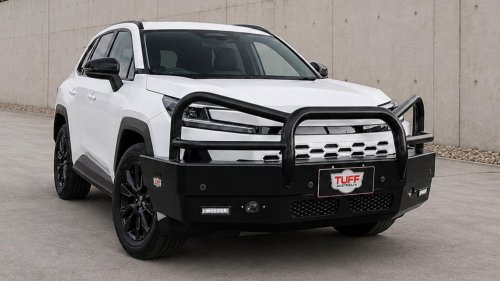
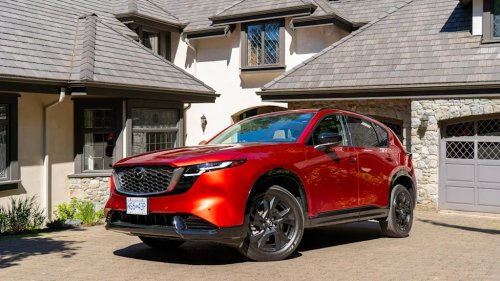
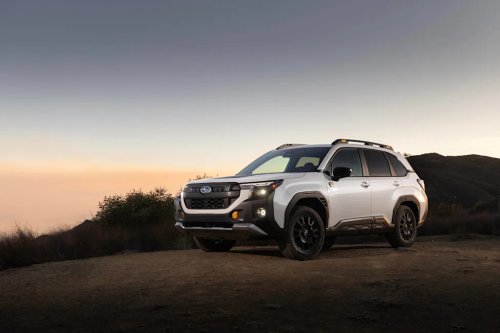
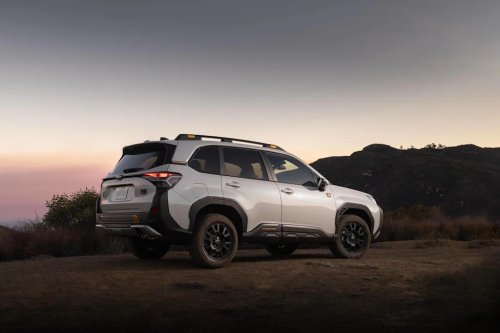
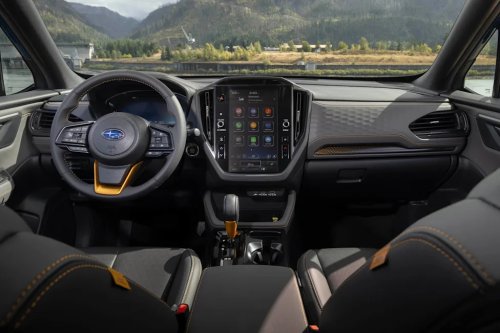
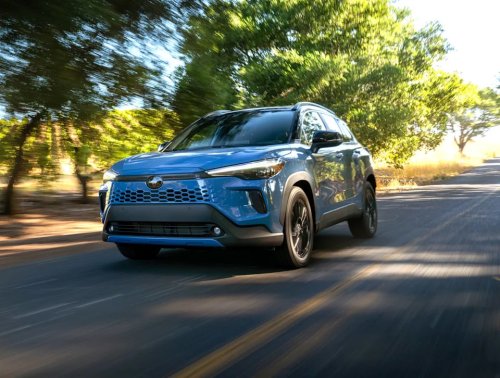
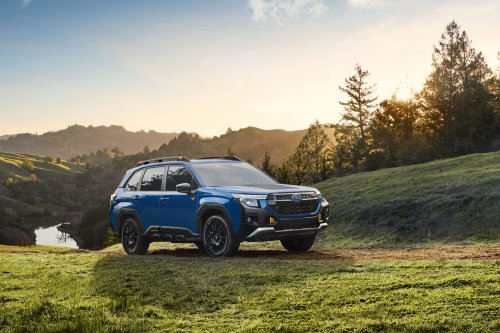
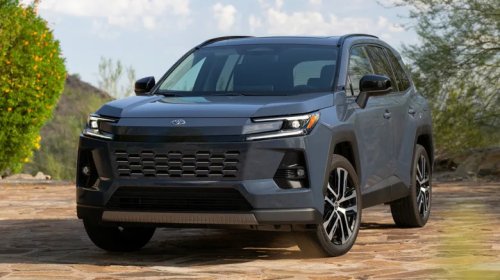
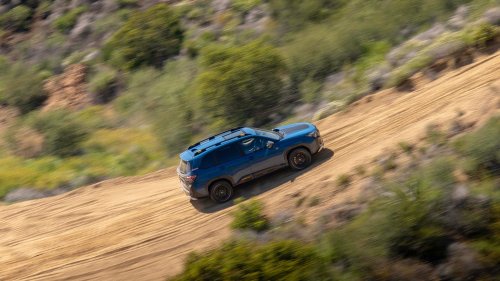
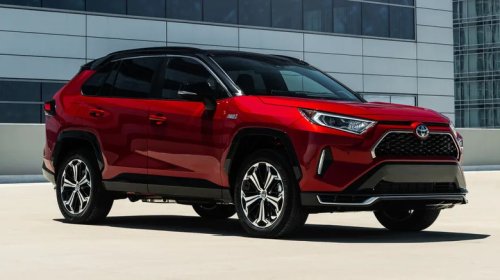
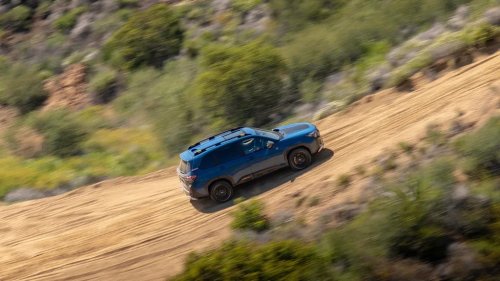
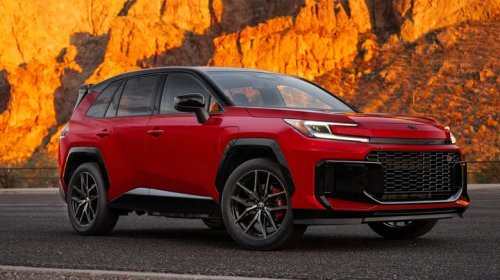
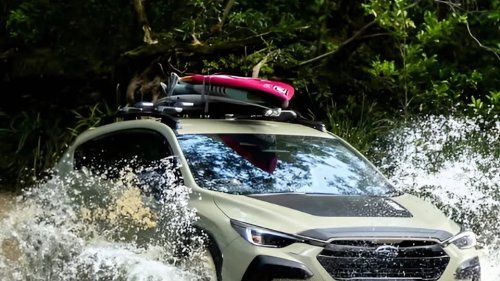
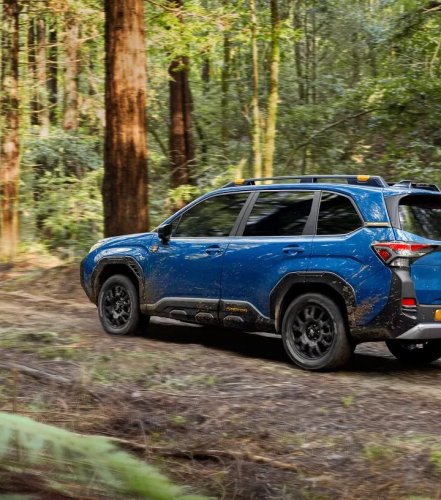
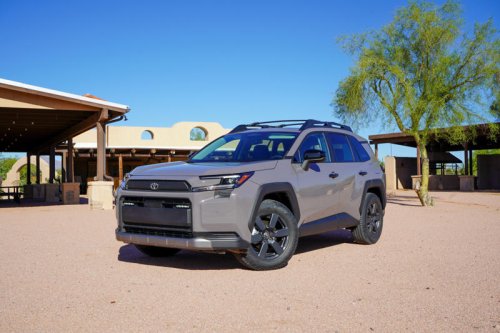
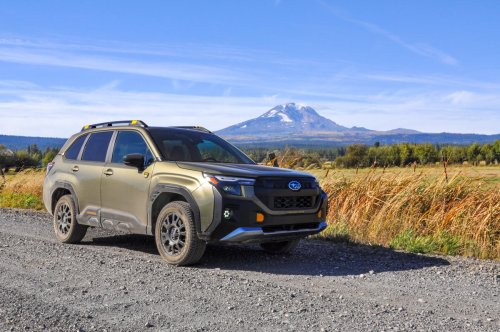
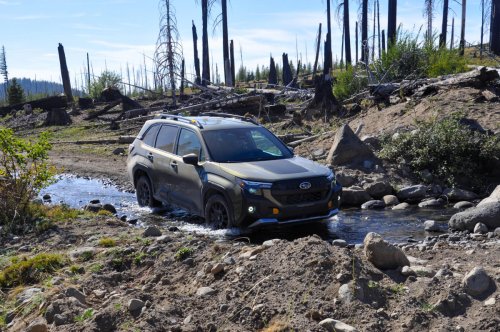
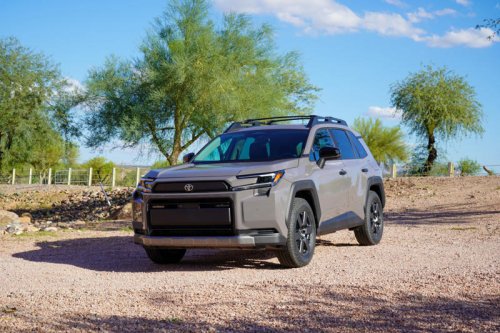
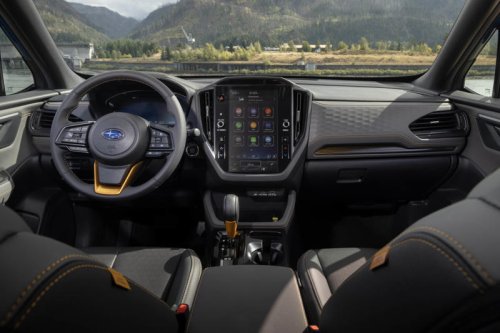
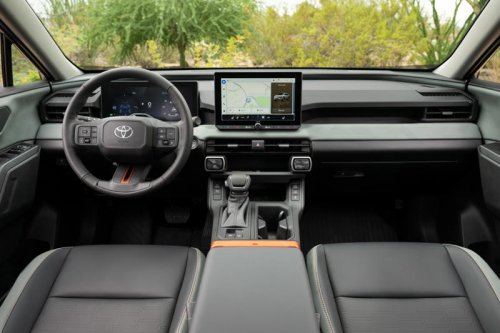
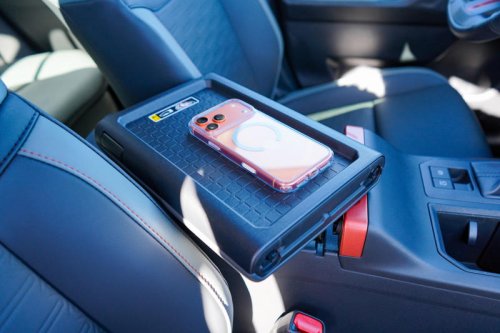
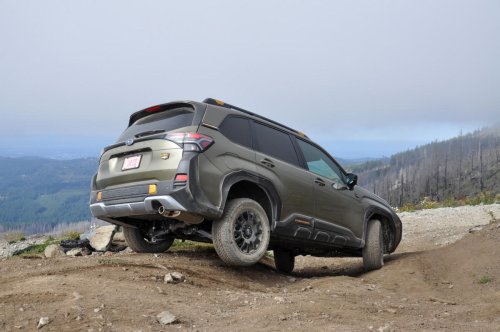
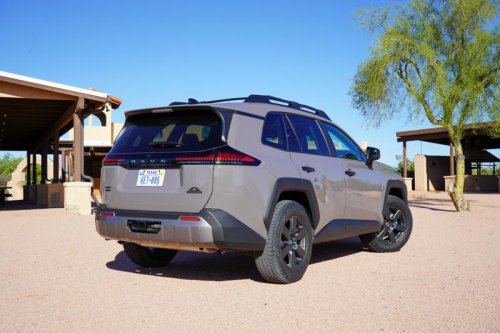
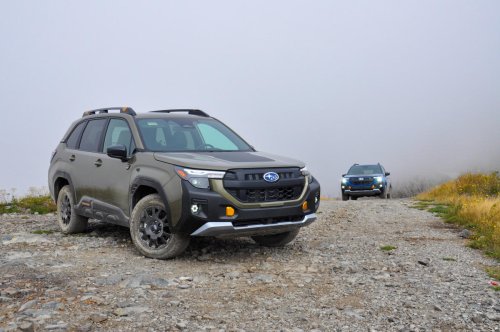
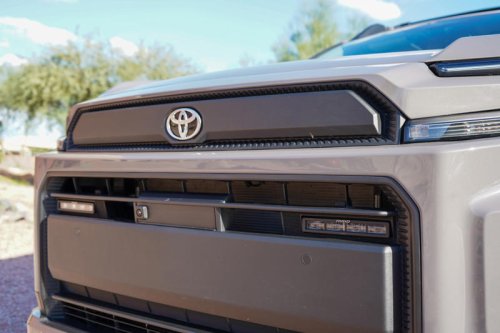
These two compact SUVs are like Boy Scouts that just arrived at camp. They're dressed up in their patches and sashes, ready for whatever the great outdoors can throw at them. But the 2026 Subaru Forester Wilderness and the 2026 Toyota RAV4 Woodland attend summer camps on opposite ends of the lake. The RAV4's nature retreat has newer amenities, intricate low-ropes courses, a phone in the director's lodge to call home when feeling lonesome, and an in-house guidance counsellor. The Forester's campsite is a bit grittier than that—the ghost stories told at night are far raunchier, and some of the other kids even have tattoos that their parents haven't yet discovered. The kids at the RAV4's campground are there to challenge themselves. The kids at the Forester's campground are there to get away from the real world. The 2026 Subaru Forester Wilderness and 2026 Toyota RAV4 Woodland both tap into the same reality-abandonment outdoor fantasy, but they do so with entirely unique understandings of what that looks like and different opinions on how much they actually enjoy getting covered in muck and dirt. One leans harder into authentic trail-forward substance, whereas the other is more polished on the road, more efficient, and probably more honest about the sort of life most of its owners will actually lead, even if it is a more timid one than its rugged furnishings would suggest. Powertrain and Driving Impressions: The Toyota Feels More Effortless, the Subaru Feels More Authentic to Its MissionToyota's 2026 RAV4 Woodland comes standard with all-wheel drive and the brand's fifth-generation hybrid system, good for 236 combined horsepower. Toyota rates it at an estimated 41 mpg city, 36 highway, and 39 combined in Woodland form, which is a very healthy number for something pitched as the more rugged member of the RAV4 family. It also has a base MSRP of $39,900 before destination fees. A 324-horsepower plug-in hybrid version is available as well, but it runs north of $45,000 and isn't as easily comparable to the Forester Wilderness.From behind the wheel, the RAV4 Woodland feels more immediate in everything it does. There's less hesitation, less grumbling, and quicker response, whether it be from the throttle or the steering wheel. That largely comes down to the fact that Toyota's new-generation RAV4 lineup is now built entirely around electrification, making even its more adventure-coded trim feel pretty civilized in daily use. Around town, the Woodland feels more alert and natural. Even if that essence diverges somewhat from the promises of an "all-terrain-ified" crossover, for all the off-road cosplay in this part of the market, most of these vehicles will spend the bulk of their lives doing very ordinary things. School runs, grocery shopping, long freeway jaunts with a bike rack mounted on the rear or a Thule box strapped to the roof—maybe even both. Need New Tires? Save Up To 30% at Tire RackFind the perfect tires for your exact vehicle and driving style. Click here to shop all top-tier brands, including Michelin, Bridgestone, and more, directly at Tire Rack. Subaru gives the Wilderness a naturally aspirated 2.5-litre boxer four making 180 horsepower and 178 lb-ft of torque, paired with a CVT. Fuel economy is 24 mpg city, 28 mpg highway, and 26 mpg combined, and pricing starts at $38,385. On the road, the Forester Wilderness is not exactly unpleasant, but it trades far more of its road manners for trail readiness than the RAV4 does. It is comfortable, predictable, and reassuring in the sort of old-world Subaru way that's turned people who regularly wear fleece sweaters into unwavering brand loyalists for years. But next to the Toyota, it feels more mechanical, for better or for worse. It's more earnest, perhaps, but it still feels analog to a degree that can feel somewhat coarse. You can certainly feel the extra effort in how it builds speed, and the CVT still has that familiar rubber-band quality that makes enthusiastic acceleration feel more like a request than a command, whereas Toyota's eCVT is far smoother in operation.The Subaru drives like it's been engineered with capability first and pleasantry second, whereas the Toyota drives like it's been engineered with its weekday duties at the forefront of its mission, but with some enhancements to better serve the odd weekend adventure out of town with its Woodland extras. The bottom line is: the Forester's the one you'll want to drive off-road, but the RAV4's the one you'd want to use in the city. Off-Road Credibility: The Subaru Actually Wants to Get Muddy, Whereas The Toyota is ImpartialUnlike many rugged-ified trims in this segment, the Forester Wilderness comes across with an overall attitude that suggests its readiness for adventure is its paramount priority, with all else integrated only to better serve that mission. Whereas almost every SUV in this segment feels as if it's convenience-first, capability-second, Subaru takes the opposite approach here. Subaru gives it a class-leading 9.3 inches of ground clearance, standard Symmetrical All-Wheel Drive, dual-function X-Mode, standard front underbody protection, improved approach, departure, and breakover angles, and a 3,500-pound towing capacity. The 2026 Toyota RAV4 Woodland does a far better job of delivering off-road capability than its previous generation did, but it still trades some of the Forester's ruggedness for city-friendliness. Still, the Woodland trim gets a more thoughtful bundle of upgrades than a lot of “rugged” compact SUVs do, unlike in previous years, where all you really got was a set of thicker tires and some funky new badges. Over a standard RAV4, it adds all-terrain tires, a standard tow hitch with a wiring harness, Woodland-branded raised roof rails with crossbars, integrated Rigid Industries LED fog lights, a unique satin-black front grille treatment, black exterior accents, all-weather floor and cargo mats, and standard AWD. It also gets a bump in ground clearance to 8.5 inches, versus 8.1 inches for much of the rest of the RAV4 lineup, and its maximum towing capacity climbs to 3,500 pounds. Interior and Practicality: Subaru Feels More Ready for the Mess, Toyota Feels More Ready for the CommuteThe Forester Wilderness has the better cabin for people who plan to use it like a piece of outdoor equipment. It gets StarTex water-resistant upholstery, which is to an SUV cabin what a GoreTex rain jacket is to your skin, standard EyeSight driver-assistance tech, and the upright, visibility-first layout Subaru has long retained. Subaru also says the Forester offers more total cargo space than the RAV4, with up to 74.4 cubic feet available with the rear seats folded, which tracks with the vehicle's boxier, more function-led shape. With the rear seats up, however, that number drops to 29.6 cubic feet—noticeably less than the RAV4's 37.8 cubic feet rating here. If you plan on car camping, the Forester is the better choice. If you'll be stuffing groceries in the trunk with your kids in the back seat, the RAV4 takes it.The Forester's interior feels as if it were designed to be well-used; seriously abused, even. You can let your mud-splattered dogs jump around with glee on the rear bench seat while sticking their noses out of open windows, throw your icy skis in the trunk, and proudly roll the windows down even when it's raining. Nothing about it feels precious—the Forester's cabin is designed to suck it up and take whatever you can throw at it. Inside, the Forester offers 43.3 inches of front legroom and 39.4 inches in the rear, along with 57.7 inches of front shoulder room and 56.7 inches in back. Total passenger volume lands at 106.6 cubic feet. The Toyota goes in a slightly different direction, though it's not as far off from the Subaru as you may think. Its cabin feels more contemporary, a bit slicker, and a little more considered from a general-market perspective. The new 2026 RAV4 gets a standard 12.3-inch digital gauge cluster across the lineup, a redesigned center console that can detach its lid and serve as a notepad (though I predict many of these will go missing over the years, and owners will be left without a central armrest), newly available 5G-based multimedia tech, and a more modern dashboard layout overall. Woodland also gets trim-specific touches that make it feel distinct without turning the whole interior into an REI catalogue. In terms of dimensions, Toyota delivers 41.0 inches of front legroom, 37.8 inches of rear legroom, 57.0 inches of front shoulder room, and 56.4 inches of rear shoulder room. With the rear seats up, the RAV4 boasts 37.8 cubic feet of cargo space—much more than the Subaru—but just 70.4 cubic feet with the rear seats folded away. Total passenger volume lands at 98.9 cubic feet. As far as cabin comfort and convenience go, the Forester beats the RAV4 in almost every spatial metric aside from cargo capacity behind the rear seats. Design and Character: One Looks Like It Means It, the Other Looks Like It Knows BetterThe Forester Wilderness is the more convincing visual statement in terms of toughness. It's clear from every angle that form follows function here, full stop. Subaru's Wilderness treatment remains one of the few ruggedized design packages in the industry that doesn't immediately come across like when a market analyst sports an Arc'teryx coat and a Patagonia fleece just to go to work in an office high-rise. The raised stance, copper accents, extra cladding, underbody protection, and generally upright proportions all align functionally with the vehicle's actual capabilities. It looks more at home off the beaten path than it does parked in a garage. The RAV4 Woodland is perhaps better-looking in a more conventional sense. Toyota's 2026 redesign is sharper, more modern, and still flattering without overselling itself. Woodland's unique grille, black trim, matte gray wheels, raised roof rails, and Rigid Industries LED fog lights make it look far tougher than the standard RAV4, but it still feels more like a stylish compact SUV first and a backwoods brawler second. Toyota has essentially split the difference between image and usability, and that will probably make it more broadly appealing. So this really comes down to whether you want authenticity or versatility. Pricing and Value: The Smarter Buy Depends on Whether You’re Actually Going to Use the Rugged BitsThe Forester Wilderness starts at $38,385. The RAV4 Woodland starts at $39,900. So the Toyota asks for about $1,500 more up front. But it also brings 236 combined horsepower, a standard hybrid powertrain, and a huge fuel-economy edge at 41/36/39 versus the Subaru's 24/28/26. Both can tow up to 3,500 pounds. That makes the Toyota the smarter buy for many people. It is quicker, more efficient, and more pleasant in everyday use, while still offering enough real hardware to justify the Woodland badge. The fact that it comes with all-terrain tires, a tow package, extra clearance, roof rails with crossbars, all-weather mats, and off-road-oriented fog lights as standard equipment further strengthens its case. But the Subaru has a strong value case of its own, because it is not charging you for an image alone. The extra ground clearance makes a huge difference, but only if you plan to take advantage of it. Underbody protection matters, but only if you plan to use it. The shorter final drive matters, but only if you'll actually need it to get you out of a sticky situation one day. With the Forester, it feels like you are paying for real substance, not just a few nice pieces of fashionable kit, but I suppose that's only justified if you're doing so for a genuine purpose, not just for outdoorsy roleplay. So, no, one vehicle doesn't necessarily outvalue the other; it's simply a matter of each making sense for a different kind of owner. Verdict: Buy the Toyota With Your Head, Buy the Subaru With Your Weekend PlansThe 2026 Toyota RAV4 Woodland is the one I would recommend to most people, and not because it is more exciting or more romantic. It absolutely isn't. What it is, however, is more calculated. But it's calculated in a way that makes it so appealing in a broad, focus-group-friendly sense that it loses much of the imperfect, quirky humanness it could otherwise have gained over more cut-and-dry RAV4 trims. Still, it is undoubtedly more complete as an everyday vehicle. It feels better dialled for the reality of modern ownership and modern life, is easier to use in traffic, is more efficient, and is more honest about what most buyers are actually going to do with a crossover like this. It is simply the smarter pick for more people.But the more interesting answer is still the 2026 Subaru Forester Wilderness. If you actually spend time off-pavement, if your weekends will involve the occasional rainstorm or blizzard, nauseating elevation, and tough terrain that make lesser crossovers feel brittle and ready to fall apart, the Subaru is the one with a stronger sense of purpose. It doesn't just wear the Boy Scout costume better; the RAV4 certainly has the neater neckerchief. But it understands the assignment more authentically—it's covered in scrapes and bruises, its shirt is untucked and wrinkled, and it has a unrelenting, mud-eating grin on its face. Ultimately, this comparison doesn't really come down to which one is more capable in some abstract or unrealistic sense. It ultimately comes down to which one is more capable of serving the life you actually lead—or at least the life you are close enough to leading that buying one of these doesn't exactly count as self-deceit. The Toyota is the better all-rounder here, but the Subaru is the better specialist.



















 +12 others