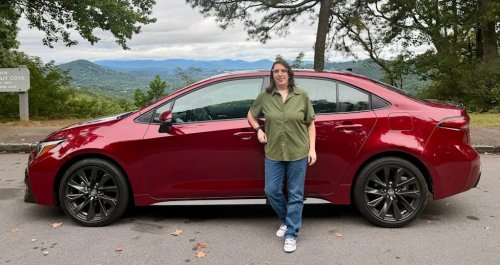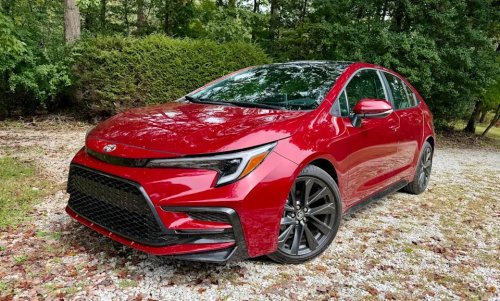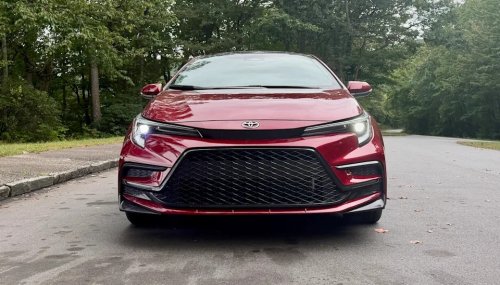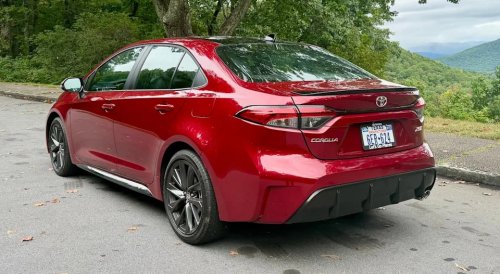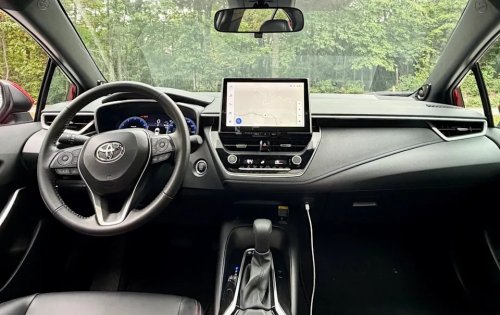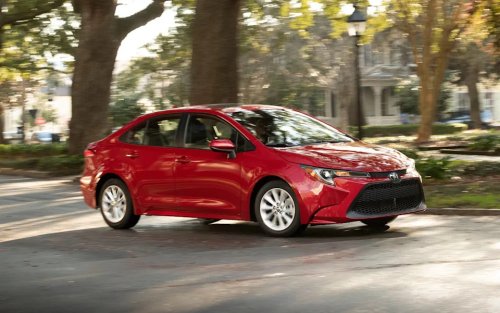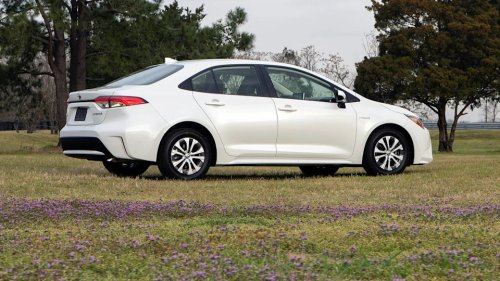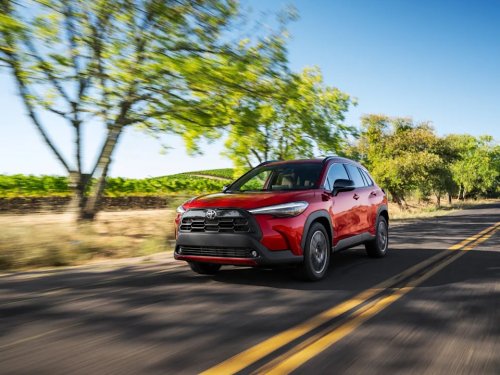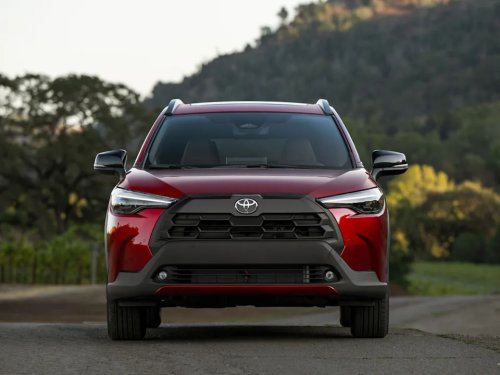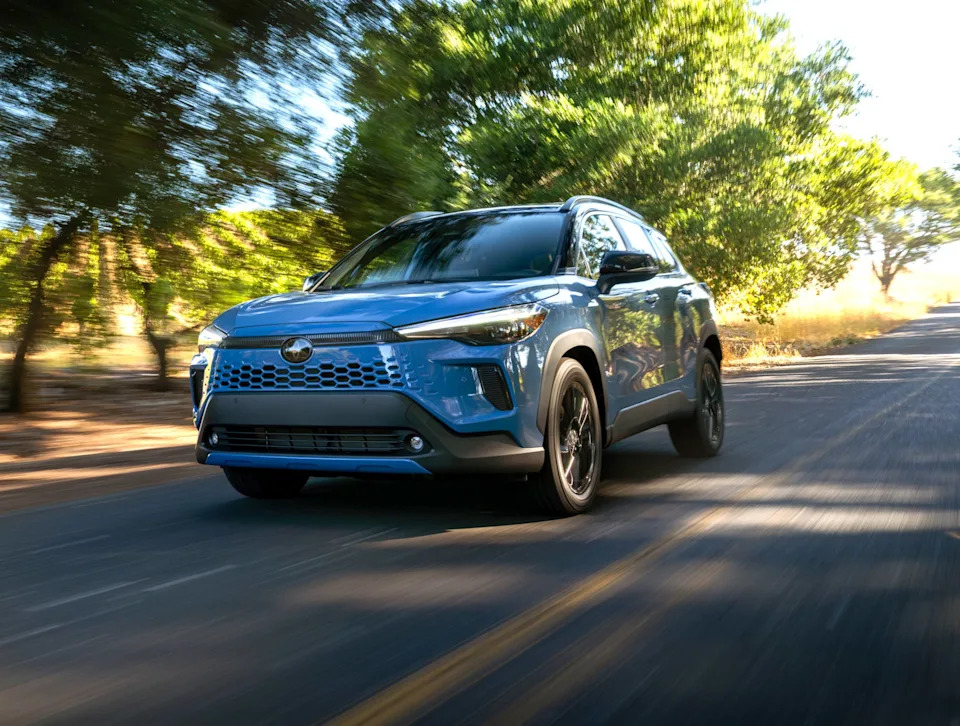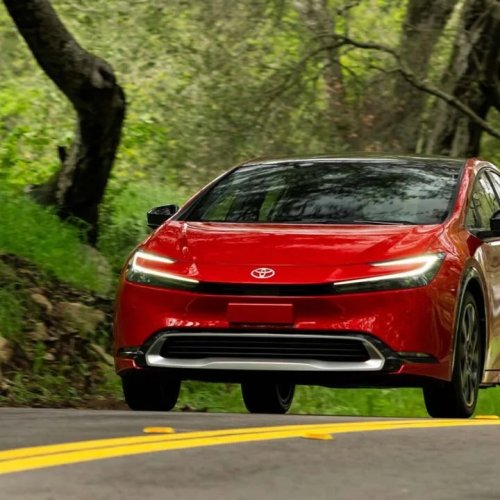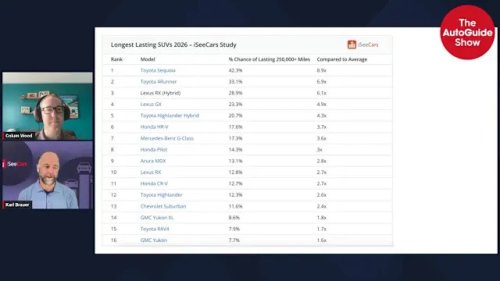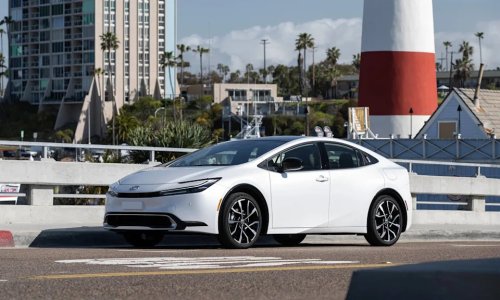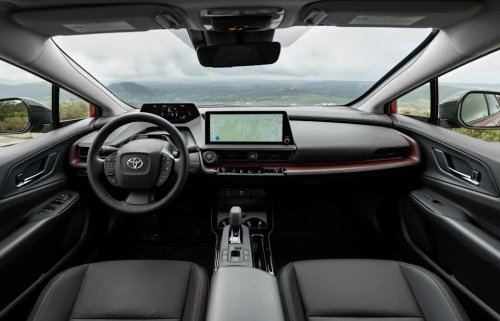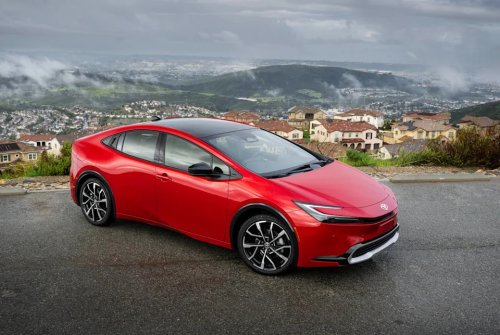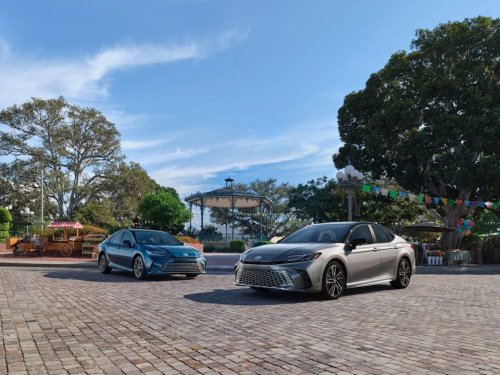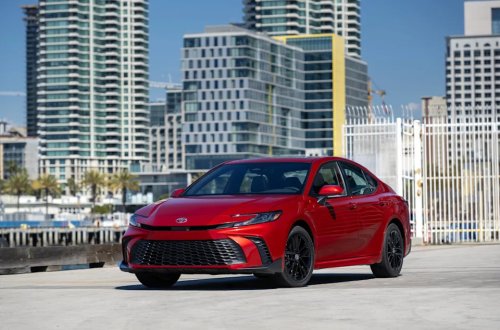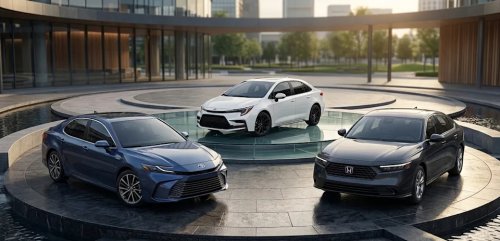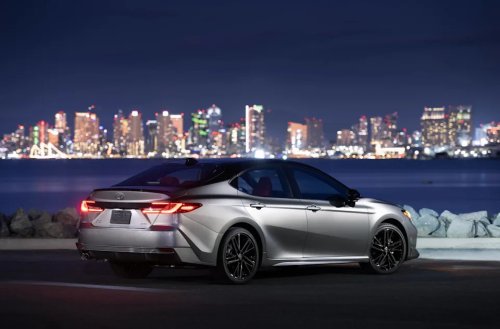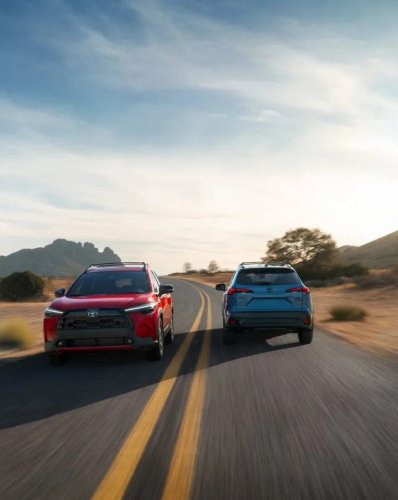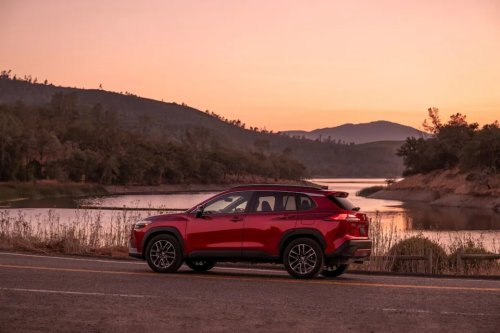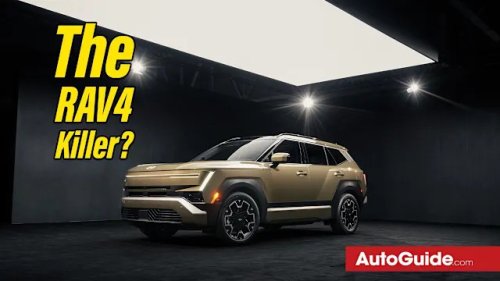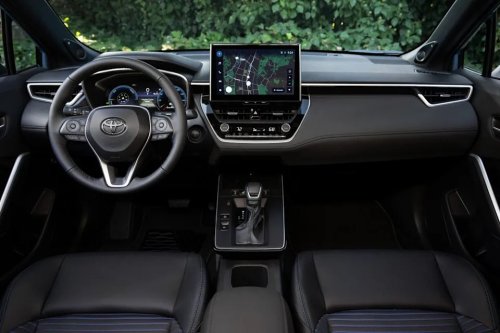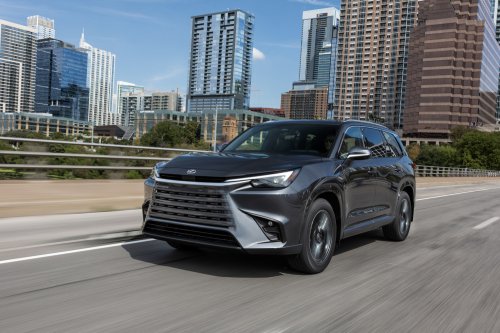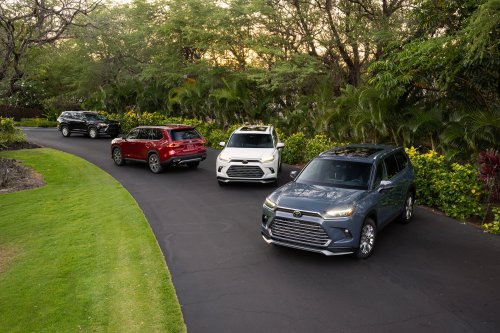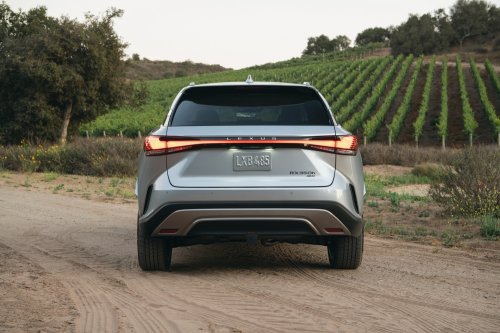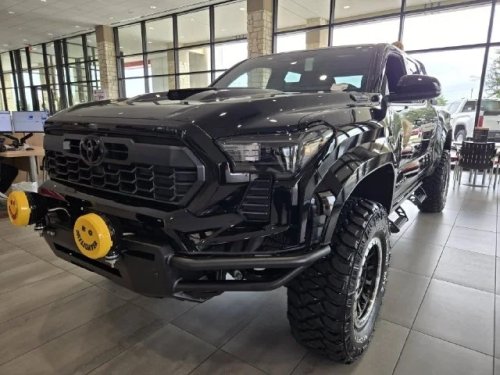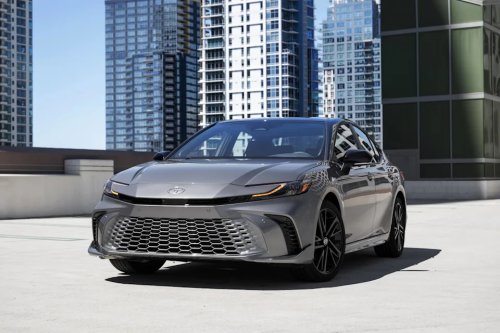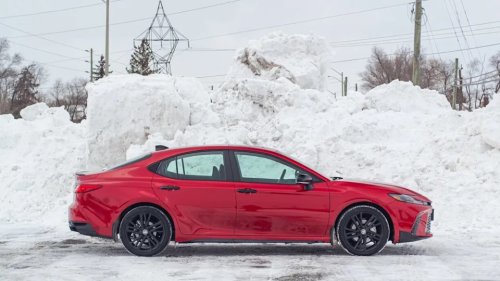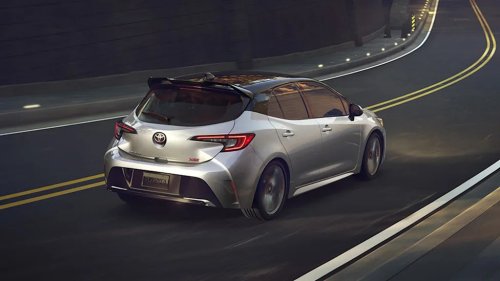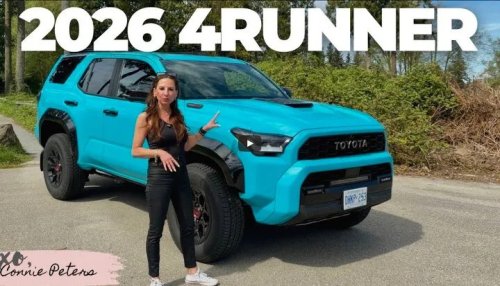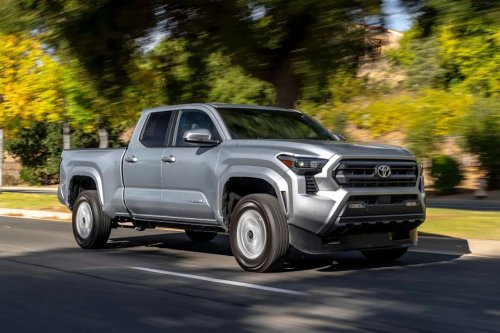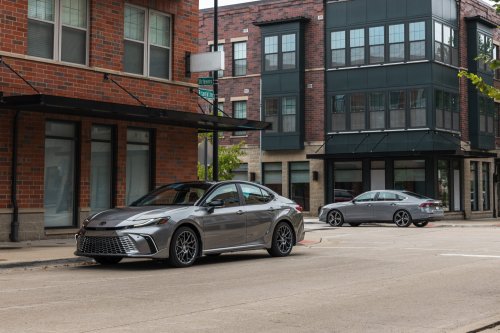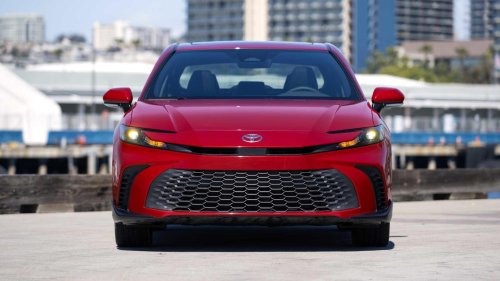
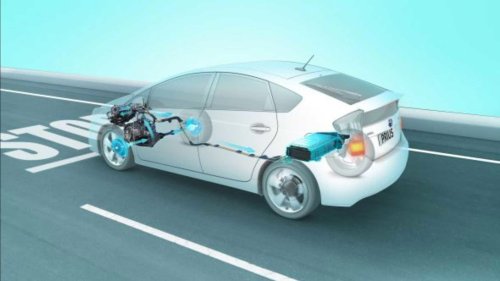
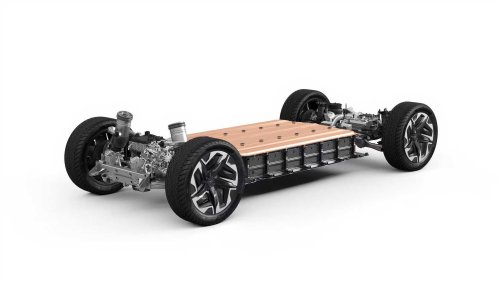
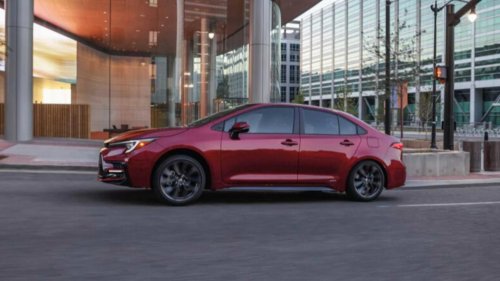
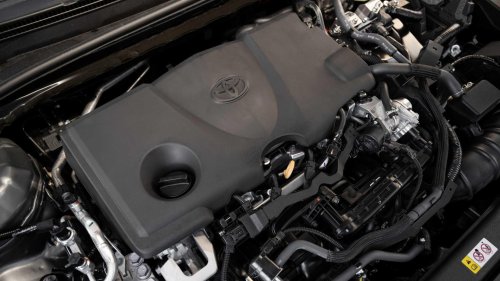
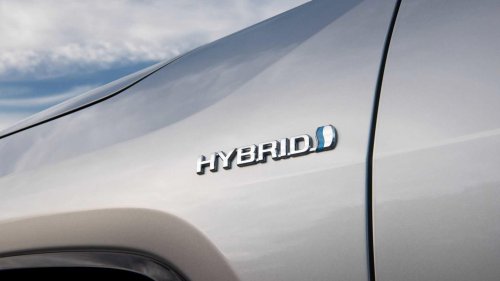



















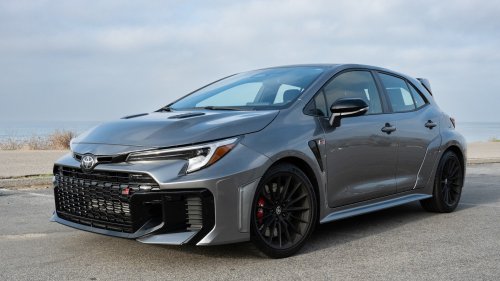
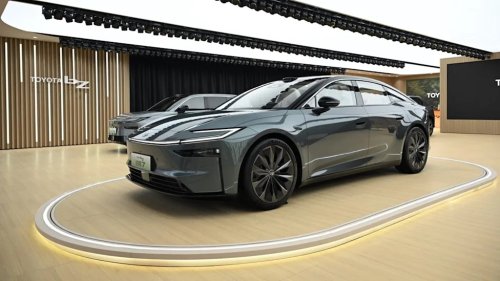
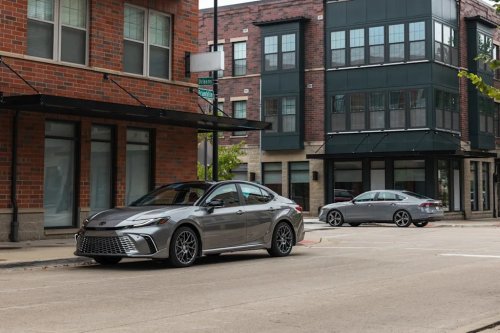
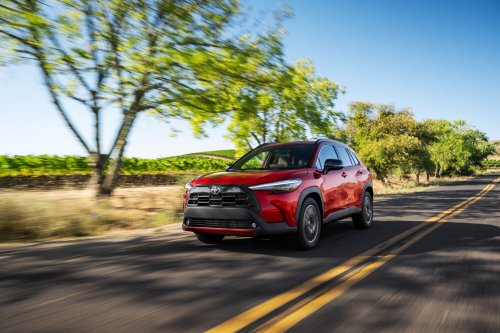
If the dust ever truly settles on the current automotive revolution, historians will undoubtedly flag the Battery Electric Vehicle (BEV) hysteria. They'll reflect on how many OEMs panicked and made wholesale changes with their sweeping EV plans, fueled by regulator threats on one side and Tesla momentum on the other.Those historians may also notice that Toyota was the adult in the room, insisting on a more nuanced approach to electrification. They'll see that Toyota stuck to its hybrid approach in the middle of an EV boom, even when others were cynical. But without the benefit of hindsight, it's hard today to fully define progress.EVs are still important and growing in some areas, and there's certainly a long way to go before we reach the punchline. However, mainstream buyers are still looking for products that can cut fuel consumption without changing their daily routines too much, and in that context, hybrids may yet be the sharper answer. And it could be that Toyota will squarely win the argument when taking into account timing, infrastructure cost, and US buyer behavior. The Market Changed ToyotaThe market in the US has been far more uneven than the first strong EV wave could have foreseen. A lot of factors come into the equation here, including trip patterns, electricity prices, climate worries, charging access, homeownership, and even regional policy support. And that means that while a battery electric vehicle could be attractive for one buyer, it's not even under consideration for another.The US Energy Information Administration says that about 22% of light-duty vehicles sold in 2025 were hybrids, battery electric vehicles, or plug-in hybrids combined, This is up from 20% in 2024. Within that total, the share of hybrids is rising as the share of BEVs and plug-ins declines. The market may also be tailing off after the US government removed tax credits from September 2025, but it appears that the easiest form of electrification for a broad swath of buyers is the one that asks the least of them. And against that backdrop, Toyota appears to have had the best approach after all, and its argument today looks even stronger than it did a few years ago. Why Toyota Might Have Been Right Toyota UK At least for now, hybrids fit the broad US market much better than full EVs and much of that is down to practicality rather than ideology. You’ll certainly get better fuel economy with lower tailpipe emissions from a hybrid versus a pure gas car, with a familiar refueling experience as well. For those who may live in an apartment where charging is definitely a challenge, that could really matter.Many people simply don't want to fuss around with charging reliability, speed, battery preconditioning, and other new demands, and may not even entertain the idea of a new BEV. But on the other hand, a battery electric car can clearly be the better product for those who may have dependable home charging and a routine that fits it, although that doesn't seem to be the case for a huge slice of America.Toyota Motor North America reported 1,183,248 electrified vehicle sales in the US in 2025, which was 47% of its total sales volume. In March 2026, the top-line organization said that electrified vehicles now represented 54.5% of that month's total sales volume, and first-quarter electrified sales came to 50.5% of that quarter's total volume.This means that Toyota is doing rather well when it comes to electrified vehicles, and it's certainly not being punished for focusing more on hybrids. Toyota knows that the mass market is more willing to absorb hybrids in any big push toward electrification, and its figures confirm the point. The Battery Logic General Motors Some OEMs think Toyota's 1:6:90 logic is too defensive, but it does seem to stand up in an argument. To explain: Toyota is saying that battery materials are scarce, and that the material you'll need for one long-range BEV could instead be spread across several plug-in hybrids (6) or many more (90) conventional mild-hybrids.Toyota reckons that the overall carbon reduction for those 90 hybrids could be as much as 37 times more than a single BEV over a life cycle. So, if you want to reduce fuel consumption as much as possible and do so quite quickly, there's a clear case for putting smaller batteries into more cars instead of putting very large batteries into fewer cars.It's important to remember that carmakers do not have access to an infinite flow of materials and consumers do not yet have access to infinite charging points. And companies need to delicately balance these challenges as they learn how to deploy expensive technology at scale. However, Toyota felt that broad hybridization would allow it to move more quickly towards a world of reduced consumption and emissions while encountering less buyer friction along the way.To put much of its money where its corporate mouth is, Toyota decided to sell one of its most popular products as a hybrid-only in 2025, and this became the default powertrain for the familiar mid-size Camry. This car now has a 2.5-liter four-cylinder, along with the fifth-generation hybrid system, turning out 225 net combined hp in front-wheel-drive form or 232 hp in AWD. The new-age Camry also delivers a manufacturer-estimated 51 MPG combined in its LE FWD trim.A little down the price ladder, the Corolla Hybrid also makes the same case, and this car gives up to 50 MPG combined. And for new owners, that's the kind of solid product proposition that makes hybrid ownership feel normal, attainable, and unthreatening, with the market clearly responding well to this Toyota push. The EV Case Still Stands Toyota Early proponents of full electrification might have expected policy, infrastructure, and household economics to rise in line with EV adoption. And in some parts of America, like California, that may not have been too crazy an argument. Residents of that state bought 79,066 zero-emission new vehicles in the fourth quarter of 2025, representing 18.9% of new car sales. But that picture doesn't translate very well across the national market, and other states may not catch up with California any time soon.While purely electric vehicles are still convincing a significant segment of the population, you could also argue that infrastructure failure has helped turn the argument in Toyota's favor. The US is definitely behind the eight-ball in that respect, so perhaps Toyota's strategy would have looked more conservative if charging, build-out, affordability, and policy support had moved much faster than they did. Why Buyers Keep Choosing Hybrids Toyota Although some new car buyers are strongly driven by ideology, most are probably not. Instead, they're looking at factors like reliability, monthly cost, convenience, and long-term risk and with these in mind, hybrids score well. From a reliability point of view, conventional hybrids also appear to be the most trustworthy vehicle type, with full EVs and plug-in hybrids lagging gas-powered vehicles. This means that cautious buyers can turn to a Toyota hybrid and see a drivetrain that's both familiar and proven.Toyota isn’t taking its foot off the pedal when it comes to its hybrid push either. In late 2025, it announced a $912 million manufacturing investment tied to hybrid production in the US, which means that the company can clearly see continuing volume into the future. The Real Lesson Toyota Nobody's saying that BEVs or plug-ins have lost the electrification argument, but the transition is clearly happening on a more gradual or regionally uneven timeline than some people predicted. Meanwhile, Toyota seems to have understood that earlier than most and did not believe that the whole country was ready for the same pace of electrification at the same time.With its current strategy, Toyota is living in the present and considering infrastructure, household budgets, and current habits. And while that’s far less glamorous than an all-EV headline, it appears to be the more effective approach, for now.