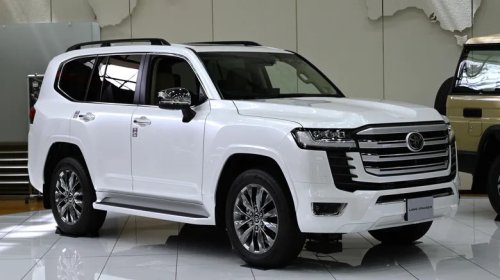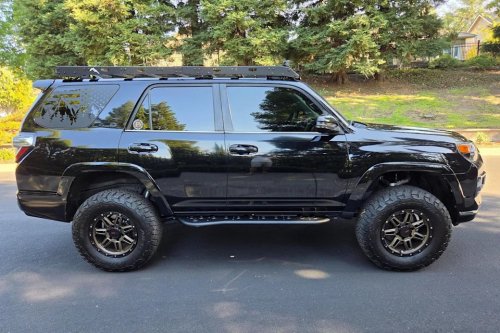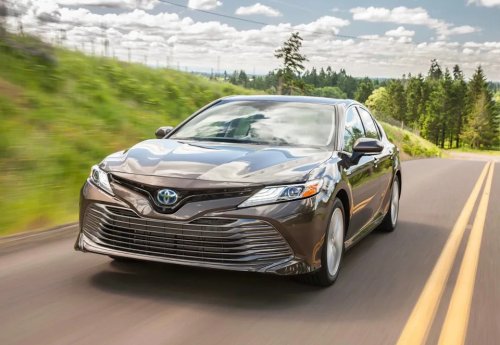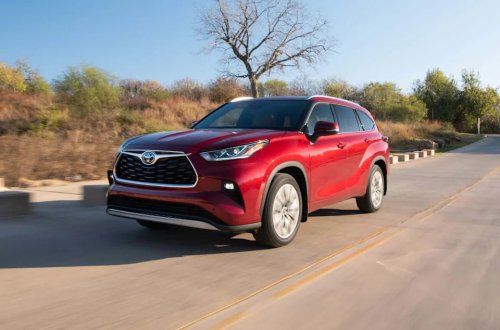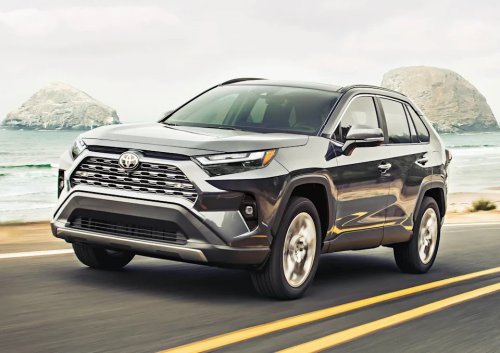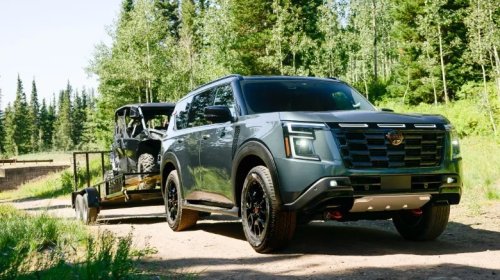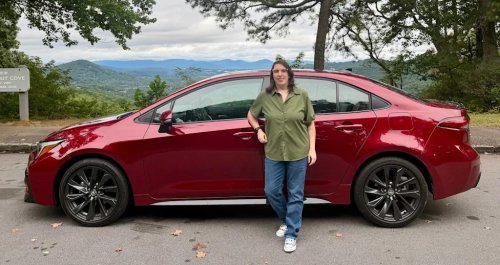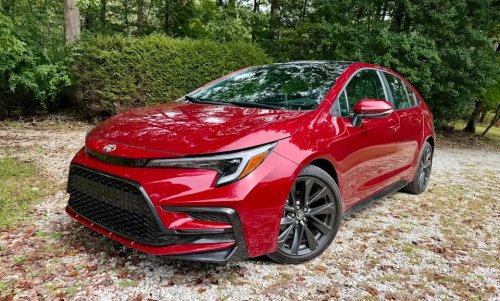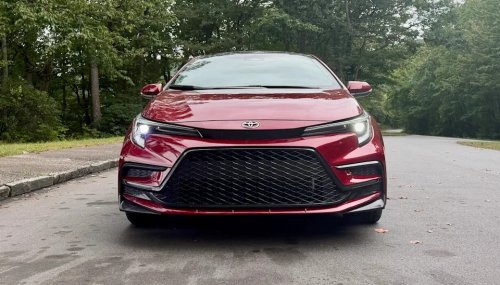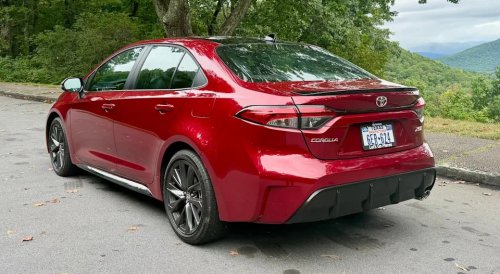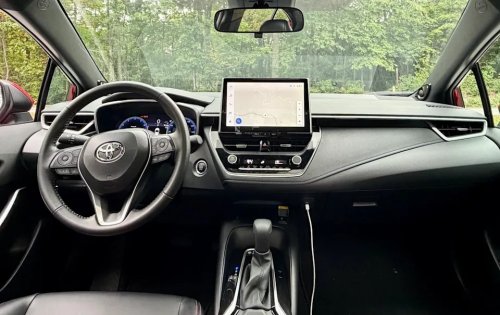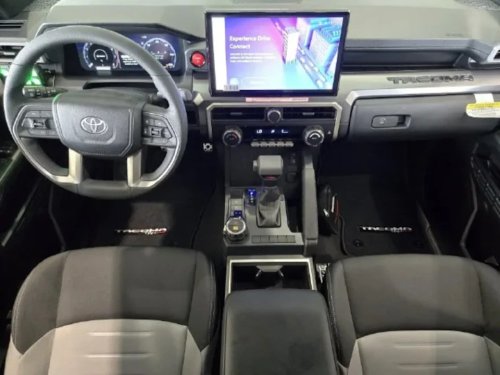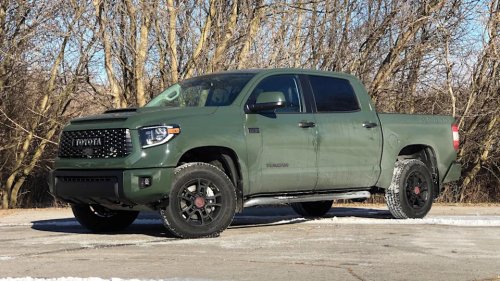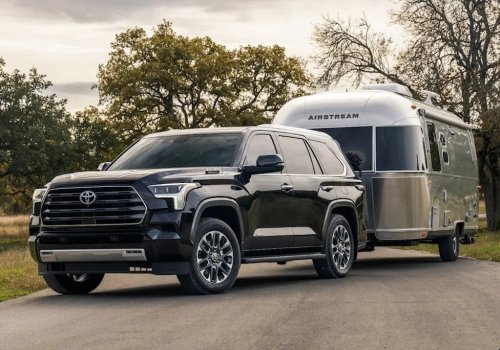
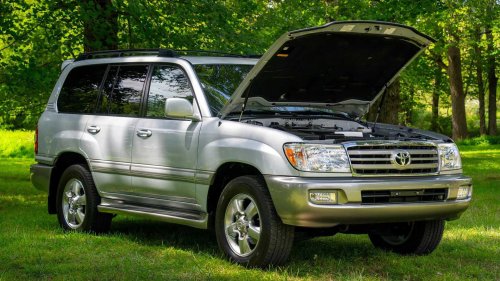
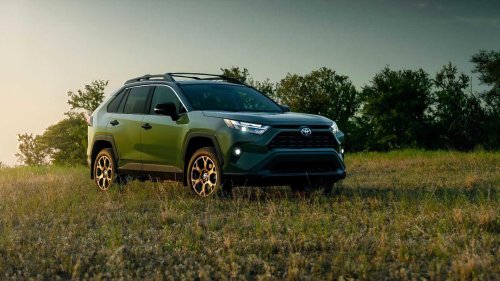
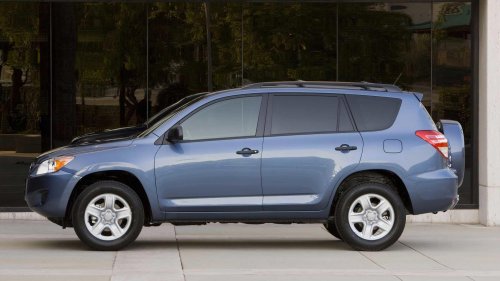
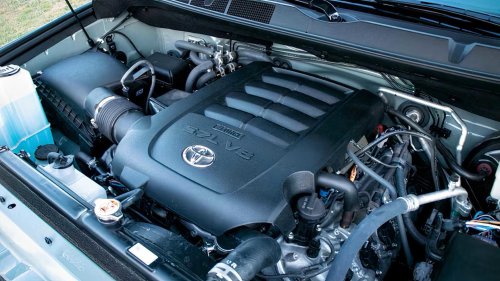
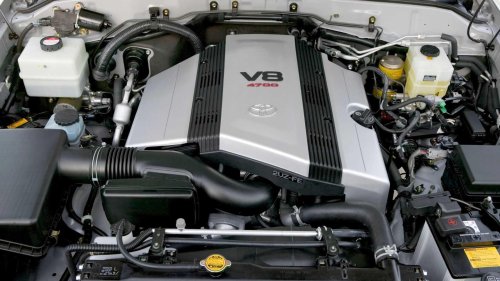
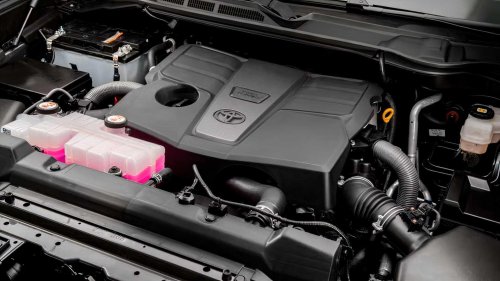
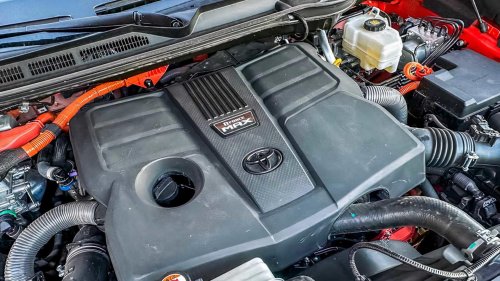
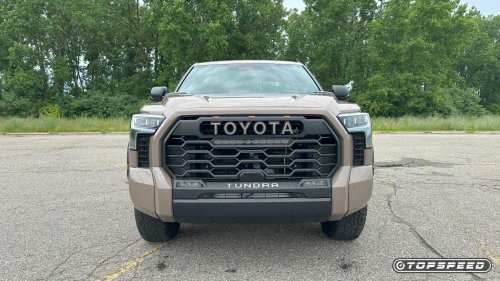
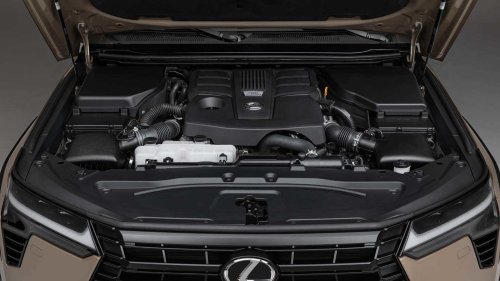
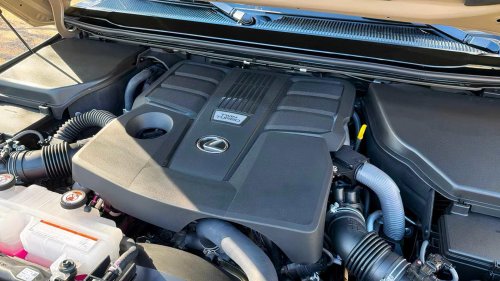
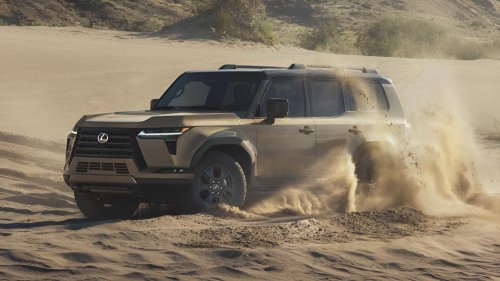
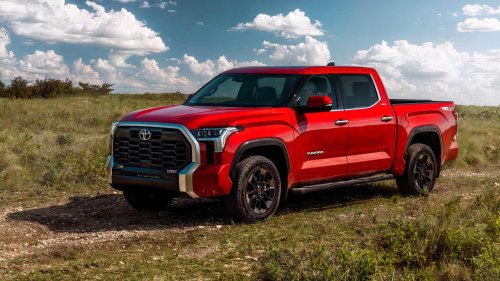


















It is not often that we write about Toyota not delivering the rock-solid dependability that we have all become used to over the last few decades; generally, praise for the Japanese marque is nothing but high. However, some disruptions in the generally easy-flowing camp are shaking its reputation for go-to reliability.In the past few years, owners of some of the most iconic Toyota nameplates have said that they don't make them like they used to, and while some were ignored, the latest widespread Toyota engine troubles give some credence to the claims. Toyota As The Reliability Master Toyota It is no exaggeration that Toyota has become one of those brands that a lot of us will buy without much of a second thought because of their reputation for offering sensible, well-built, long-lasting, and bulletproof machines. Whether that is Toyota pickup trucks, SUVs, cars, or sports cars, they generally have us covered for what we want.Bring A Trailer Decades of testing and proof for models like the Land Cruiser have made them overlanding legends; sports cars in the shape of the Toyota GR86 have made a name for themselves with a blend of reliability and pokey fun; the Tacoma and Tundra pickup trucks are mostly seen as trucks you buy once and keep forever; the Toyota RAV4 is one of the most successful and revered compact SUVs ever created, and some model years of the Corolla are nearly unstoppable. A Brand Built On Trust ToyotaToyota has built a reputation for reliability through decades of disciplined engineering, relatively conservative design, and an almost obsessive focus on quality control. At the core of this is the Toyota Production System, which focuses highly on precision, efficiency, and maybe one of Toyota's main accolades: continuous improvement. Rather than chasing trends, Toyota generally takes a measured approach to new tech, making sure that everything is tested properly before it reaches us.Toyota That patience usually pays off, and over time, consistency has turned into real-world reliability. Drivers around the world have come to expect Toyota vehicles to deliver decades of fuss-free service with just basic maintenance. Their track record has built a widespread trust in them, and for many of us, buying a Toyota has become a safe and practical choice. The Most Reliable Toyota Engines Ever Made ToyotaCars, trucks, and SUVs from each generation of Toyota have gained a reputation for being bulletproof, and Toyota is one of those brands that epitomize reliability in the modern market. A lot of this is down to the engines that some models have under the hood. Here in the U.S., few engines carry the same weight as the naturally aspirated 5.7-liter 3UR-FE V8, a cast powerhouse used in previous model years of the Land Cruiser, Tundra, and Sequoia. Owners have claimed to have put hundreds of thousands of miles on these beasts with nothing but simple maintenance.ToyotaThen there is the 1GR-FE, found under the hood of models like the Lexus GX 400, the Tacoma, and the 4Runner; it has become one of the Japanese brands' most celebrated mills for its easy-to-care-for nature and useful outputs in the boonies. Even the 2JZ-GTE used in the Supra was built for fun and easy performance mixed with longevity; Toyota has undoubtedly made some of the best. The Toyota Tundra With The V35A -FTS V6 May Be A ProblemToyota This is why it may be a bit of a surprise for many to find out that one of Toyota's newer V6 engine options is not upholding its usually stellar reputation. The V35A-FTS twin-turbocharged V6, fitted to some of the latest Toyota Tundra models, has been linked to some serious issues by owners, like knocking, rough running, stalling, and in some of the worst-case scenarios, complete engine seizure.What makes these engine problems a little more concerning is the number of vehicles that Toyota is recalling. Toyota's recall covers the 2024 Lexus GX, the 2022–2024 Tundras, and 2022–2024 Lexus LX models, all of which are available with the V35A-FTS V6. What Toyota Says The V35A Engine Problem Is Toyota In total, recalls are for around 127,000 vehicles in North America, with over 113,000 Tundras alone, while over 800 warranty claims for this problem have already been lodged. What hits even harder is how early some failures are appearing, sometimes well before 20,000 miles. This is something that really doesn't align with Toyota's or Toyota pickup trucks' carefully crafted rep.Craig Cole | TopSpeed According to Toyota, machining debris left inside the engine during production can contaminate internal components and lead to the aforementioned issues. This is what has shocked a lot of us; they haven't said that it is a fundamental engineering flaw, but a manufacturing defect.LexusToyota says that this is a contained issue tied to a specific production window, not a widespread failure. Their fix is still ongoing and involves inspection and, in most cases, full engine replacement. From Toyota's perspective, the engine architecture is sound, but the manufacturing has let things down. What Others Say The V35A Engine Problem Is Lexus Not everyone is buying what Toyota has said, though, and that does not bode so well for brand trust. Some independent teardowns from mechanics have started to notice a pattern that raises bigger questions. In multiple cases, failed engines show clean rod bearings but with damaged main bearings, something that doesn't really add up with random debris contamination.Lexus This has led to speculation that the engine issue could be rooted in the engine's design, particularly around oiling or load distribution under stress, which is not ideal for an engine that is being used in a pickup truck. If that does prove to be true, it shifts what Toyota has been saying and moves it from a fixable production error to a deeper engineering issue. In a high-strung twin-turbo, even a small weakness can turn into something big, quickly. Toyota Tundra Owners Rightly Feel Betrayed Toyota Buying a Toyota Tundra in the past meant buying a truck that you could take anywhere, tow a huge amount, and that would last a lifetime. Take the 2001 Tundra. On Kelley Blue Book, 98 percent of the 1,315 owners who left a review would recommend buying one, and give it a reliability score of 4.9 out of 5. Likewise, the 2021 Tundra is rated 84 out of 100 for reliability on J.D. Power, so for a long time, you knew what you were getting.Noah Washington | TopSpeed That's why the fallout from the V35A-FTS situation in 2022–2024 models has hit so hard. Even with Toyota's response, owners have shifted from confidence to caution. This is where things start to feel very un-Toyota.ToyotaSome owners have reportedly opted for extremely early first oil changes, around the 500-mile mark, well ahead of the factory schedule, to flush out any potential residual debris or any contaminants before long-term wear can set in. Yes, it seems like a smart decision, but it says a lot when owners start to over-maintain an effectively new truck out of caution rather than routine. The New V6 Doesn't Stack Up To The Old V8 Toyota When the Toyota Tundra underwent a redesign in 2022, the legendary 5.7-liter naturally aspirated 3UR-FE V8 was dropped, and it is needless to say that not all Tundra fans were pleased. It wasn't an exotic engine, nor was it particularly cutting-edge, but it just worked, and it helped the Tundra build an unkillable reputation. You got a cast-aluminum block, reinforced internals, and conservative tuning built for durability over headline-grabbing outputs.Toyota What makes the 3UR-FE so trusted isn't just because it is strong, but how it delivers the strength. With a relatively low output for its displacement (maximum factory horsepower output in a Tundra is 381 horsepower) and a wider safety margin built into the components, it rarely operates near its limits. That means lower cylinder pressures, reduced thermal stress, and less long-term strain on bearings and cooling systems.ToyotaEven in heavy-duty use, the 3UR-FE's architecture worked in its favor. It has a port-injection fueling system, which means less carbon buildup worries, while the conventional naturally aspirated nature removes some of the more complexity that modern engines face. In typical Toyota fashion, it is mechanical conservatism at its best; hence why some owners have put a million miles on them.Toyota The maximum towing capacity of a Tundra fitted with a 3UR-FE V8 tops out at around 10,500 pounds, compared to the 2022 Tundra, which, when fitted with the twin-turbo V35A-FTS V6, can tow up to 12,000 pounds. There is a clear step up. However, even with the step-up in towing, the 2022–2024 Tundra still lags behind its main competition, like the Silverado, which can tow up to 13,300 pounds, and the F-150, which can tow up to 14,000 pounds.ToyotaFuel efficiency has gone in the right direction; FuelEconomy.gov says that the 2021 Tundra can achieve up to 15 combined mpg, while the 2022 Tundra can achieve up to 22 combined mpg. There are great payoffs, but if you are looking for a forever truck, then, as it stands, there is no competition against the older V8-equipped Tundras. Is Toyota Still A Bulletproof Brand? ToyotaYes, Toyota is still a reliable brand; they haven't just fallen off the cliff, but there is certainly more conversation about how reliable they are brand-wide now. For years, the reputation was almost blanket coverage: sedans, SUVs, or trucks, it didn't matter. A lot of us bought into the badge, and by extension, you also got the feeling that mechanical headaches were someone else's problem. For certain Toyota models now, that is a bit harder to lean into.Craig Cole | TopSpeed What is very apparent, though, is that some Toyota models are still ruling the reliability ratings. The 2026 Toyota Camry is rated 80 out of 100 for reliability on J.D. Power, while the ever-useful 2026 Corolla is rated 81 out of 100 for reliability. These models are still quietly getting the job done in the useful, efficient, and usable fashion that we are used to; again, no headline-grabbing gimmicks, just Toyota.Toyota In the truck world, though, especially around the 2022–2024 Tundra, there is understandably a bit of hesitation. Even though the official recall scope is limited to these specific model years, the ripple effect has clearly leaked into newer builds, with some potential owners already doubting the 2026 Tundra. According to the latest Toyota sales figures, there has been a 2.6 percent decrease in sales of the Tundra compared to this time in 2025 (34,616 sold calendar to date in 2026 versus 35,550 in 2025). This Reliability Woe Isn't Toyota-Wide ToyotaThe V35A-FTS twin-turbo V6 problem is real, and it is significant for both Toyota and Toyota fans, but it doesn't totally rewrite Toyota's entire reputation. There are some differences in what Toyota has said is causing the problem compared to what independent mechanics have said, and while that doesn't cast Toyota in the best light, there are plenty of Toyota models that are still expected to rack up the miles without the drama. Think the lighter-duty models like the Corolla, RAV4, and Camry.Isaac Atienza | TopSpeed Toyota hasn't stopped being reliable. However, it is no longer the kind of reliability that we can just assume, as we did in the past. Because of the recent V35A-FTS V6 engine problems, some models of Toyota and Lexus have now become models we have to take a slightly closer look at, engine by engine. For a brand that has built its reputation on trust, it is not ideal, but if Toyota's past examples of fixing problems are anything to go by, we should see them back on the right track.Sources: Toyota, J.D. Power, Kelley Blue Book, and NHTSA