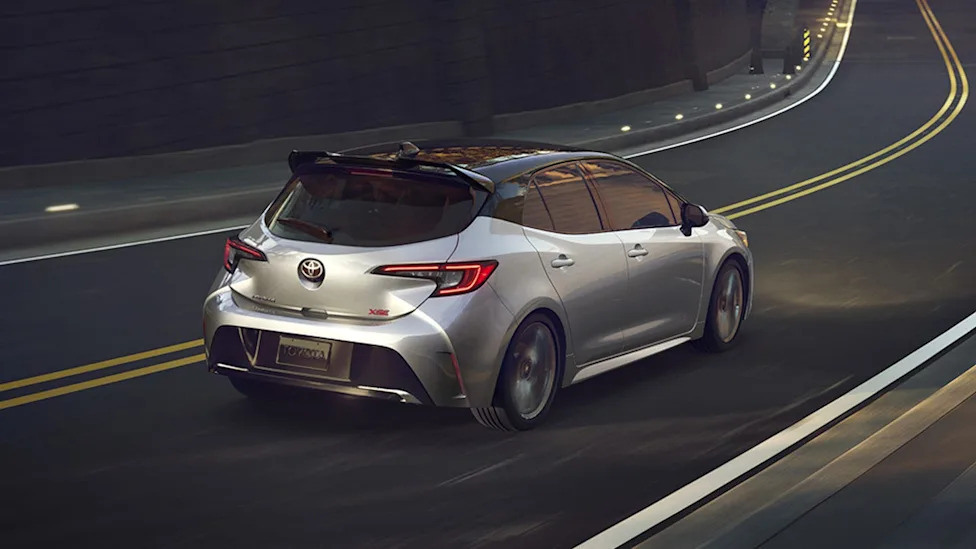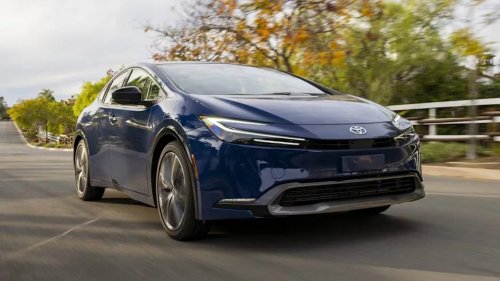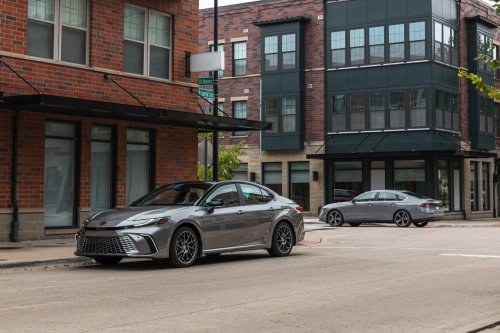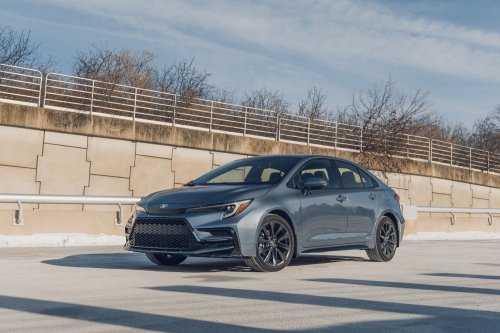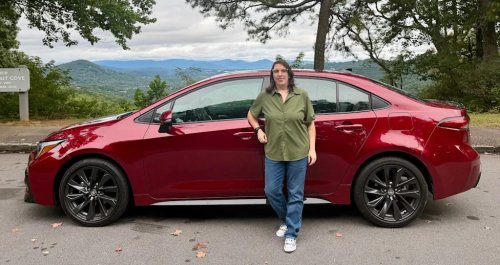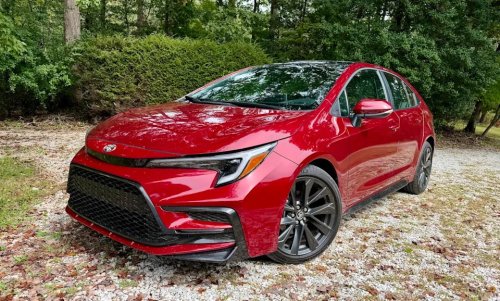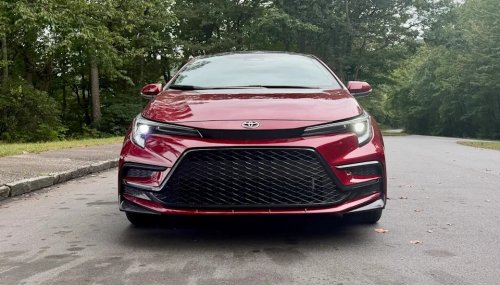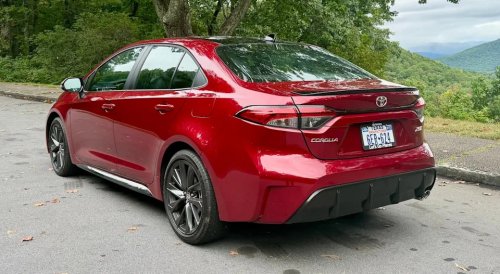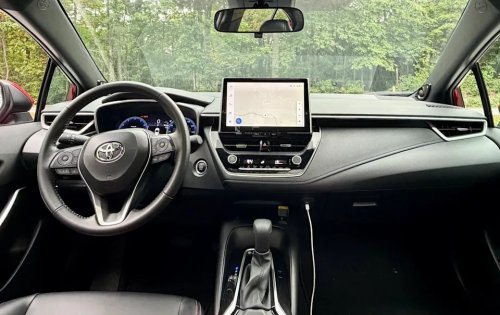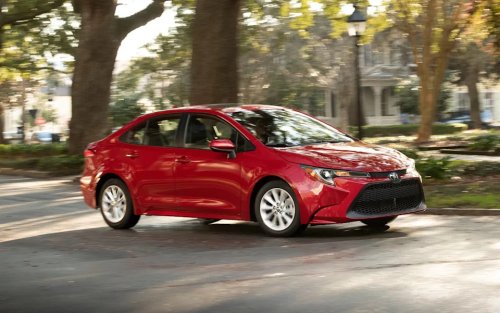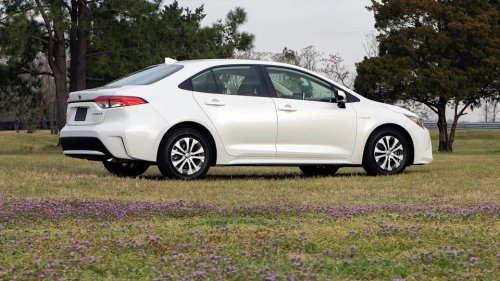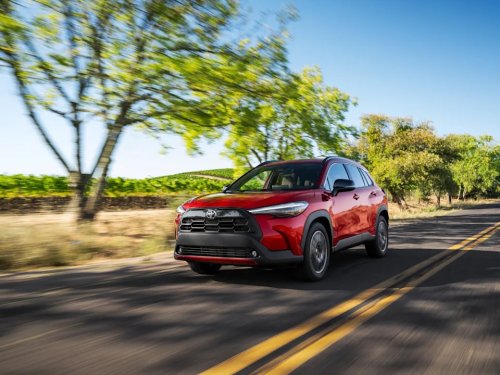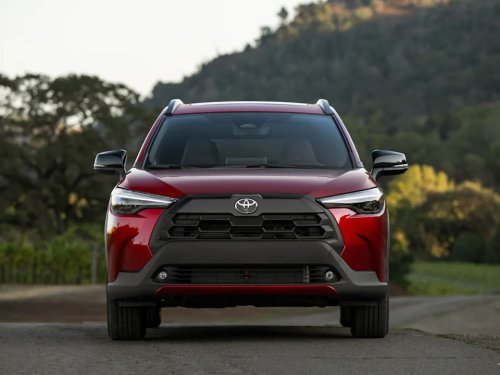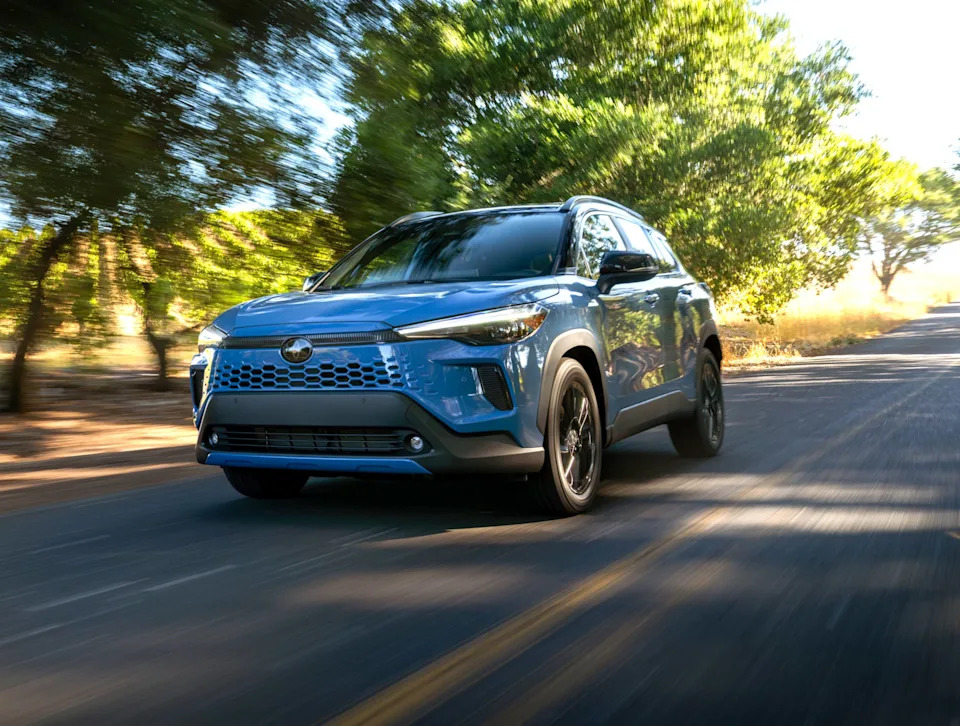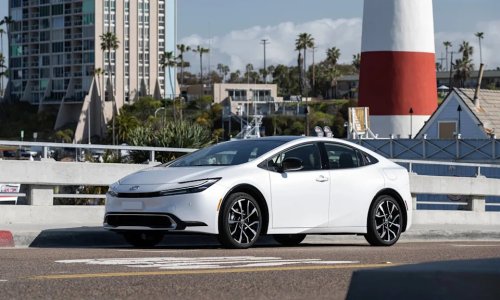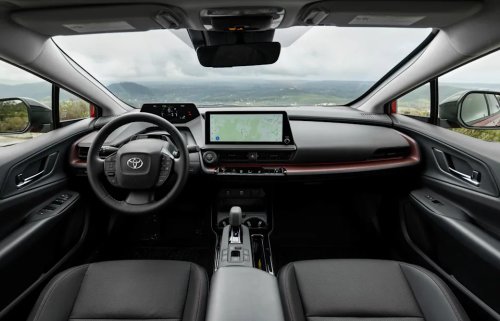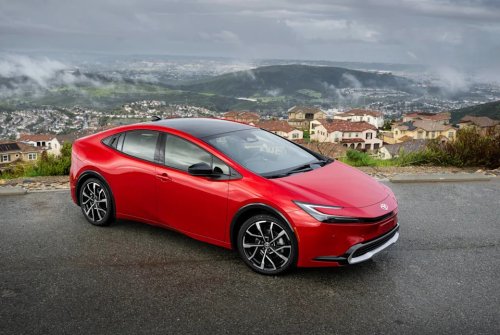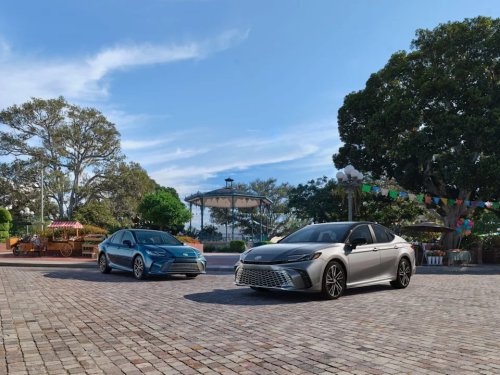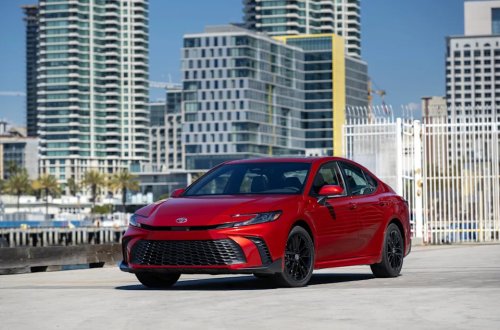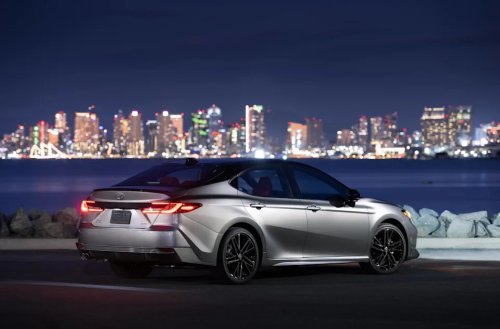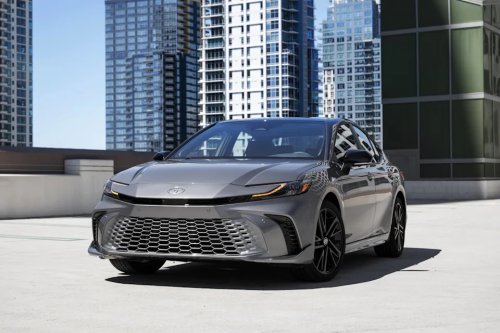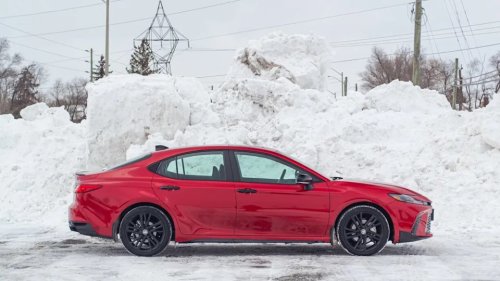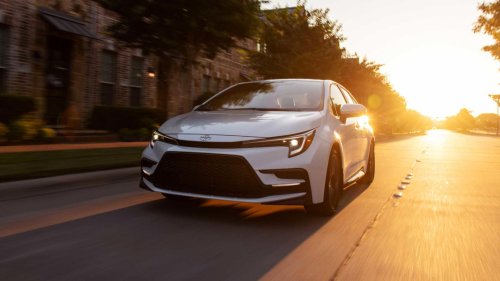
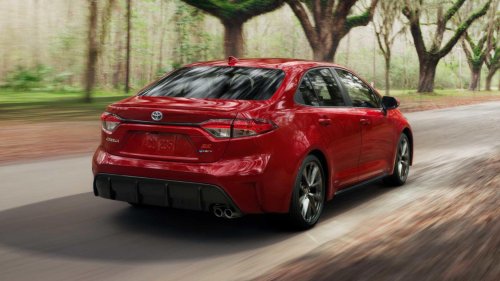
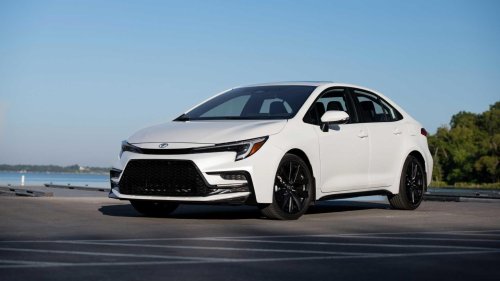
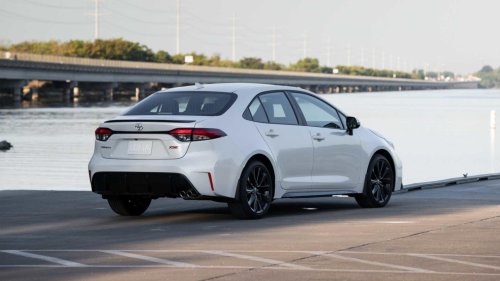
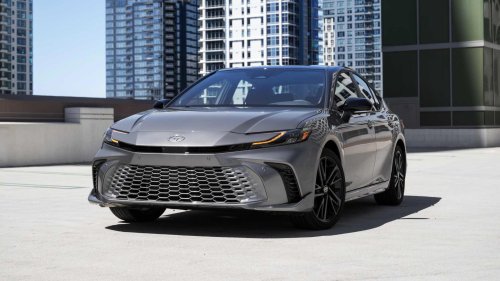
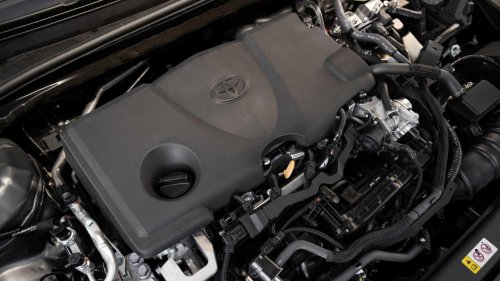
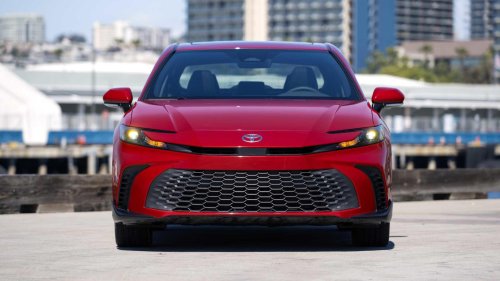
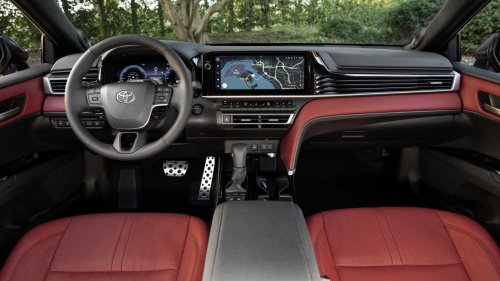
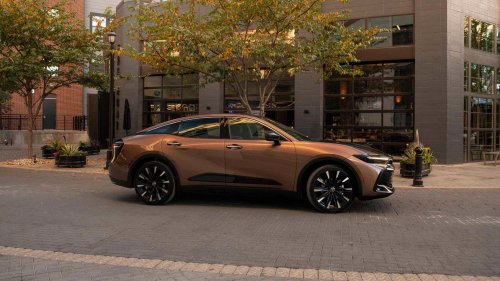
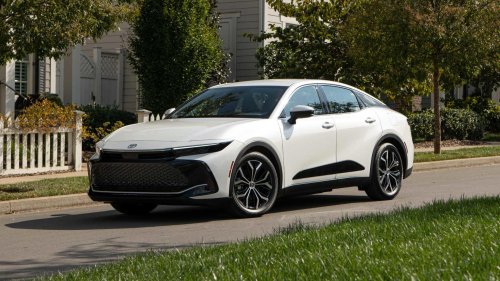
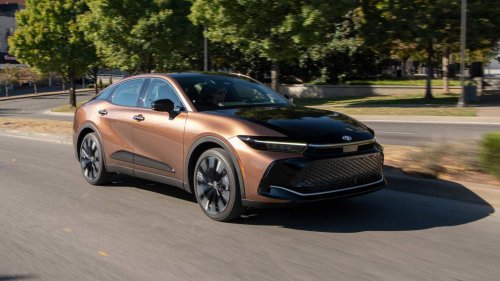
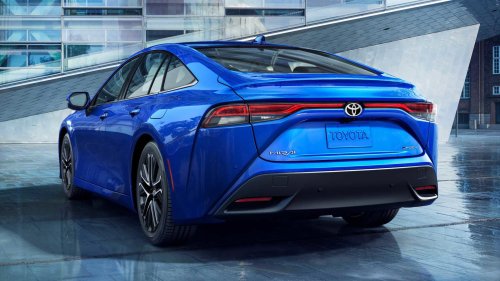
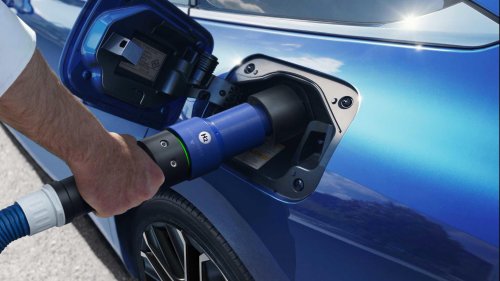
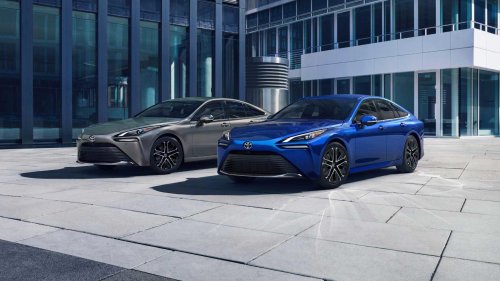



















The automotive market has decided the sport utility vehicle is king, with pickup trucks coming in close second for popularity on the American market. However, looking at the sales charts undoubtedly spurred by a tightening economic climate, Toyota sedans make an interesting case for themselves, with more and more buyers signing on the dotted line for traditional three-box cars.While the masses spend a fortune on lift kits and plastic cladding that most will rarely even use, the smart money is circling back to the efficiency and fuss-free motoring of the Toyota sedan. The Japanese automaker's 2026 portfolio is not just a collection of legacy nameplates, but a calculated strike against the very bloated crossover segment.When looking at the current Toyota sedan model lineup, there's actually more choice than most other automakers offer, where manufacturers have either cut their sedan offerings entirely or whittled the range down to one or two models - Toyota offers four sedans for 2026, representing a mix of hybrid technology and platform engineering that puts the lineup ahead of rival offerings. Whether you are consulting a Toyota sedan models list for a first car or a flagship executive, the value proposition is undeniable. The information was correct at the time of publishing and sourced directly from Toyota. The base MSRP (manufacturer's suggested retail price), where mentioned, excludes destination fees and other costs. We list Toyota sedans by price from least to most expensive. 2026 Toyota Corolla ToyotaThe 2026 Toyota Corolla lineup consists of gas-powered and hybrid models, with the base models have a standard four-cylinder engine paired with a CVT. The hybrid, however, is more than just a frugal commuter; it is a masterclass in cost-per-mile engineering, which leads us to the first of our reasons for buying this Toyota sedan in 2026: Reason #1: Hybrid Efficiency For Under $25k Achieving an EPA-estimated rating of 53/46/50 mpg on the city/highway/combined cycles, depending on the trim, this powertrain fundamentally changes the math of daily driving. The heart of the system is the naturally aspirated 1.8-liter four-cylinder engine paired with two motor-generators that, because it doesn’t operate under high stress to generate power, will likely provide years of service if looked after.ToyotaBut the MPG figures aren’t just numbers to make the brochure look good. They’re very close to real-world figures where, especially in stop-and-go city traffic, the electric motors do the heavy lifting. The transmission, functioning as an electronically controlled continuously variable transmission (e-CVT), manages the power flow without the friction belts or chains found in traditional CVTs, which removes possible mechanical failure points and increases reliability. The Corolla Hybrid is priced from $24,775. Reason #2: Toyota Safety Sense 3.0 Toyota In the past, buying an entry-level compact car meant accepting a safety compromise, often receiving only the legally mandated basics. In 2026, the Corolla comes with Toyota Safety Sense 3.0 (TSS 3.0) as standard across the entire range. This isn't a stripped-down version of the tech found in the flagship Lexus models; it is a comprehensive suite of active driver-assist systems. One of the standout features, Proactive Driving Assist, utilizes the vehicle’s camera and radar to provide gentle braking into curves or subtle steering inputs to maintain a safe distance from other road users (vehicles, pedestrians, or cyclists).Pre-Collision System now features intersection support, capable of detecting oncoming vehicles or pedestrians when turning left or right. Lane Tracing Assist has also been upgraded with improved lane recognition that can follow the path of the vehicle ahead even when lane markers are faded or missing. TSS 3.0 consists of: Pre-collision system with pedestrian detection Lane departure alert with steering assist Full-speed range dynamic radar cruise control Lane tracing assist Road sign assist Automatic high beams Proactive driving assist Reason #3: The Corolla's Best-Selling Legacy Toyota There is a reason the Toyota Corolla is the best-selling nameplate in automotive history, with over 53 million units shifted globally since 1966. That number isn't just an answer to a question, but a statistical validation of the "Quality, Durability, Reliability" (QDR) mantra that defines Toyota. Buying a Corolla in 2026 means you're buying into a lineage that has survived oil crises, recessions, and shifting consumer tastes. At its core, the Corolla adheres to the global standard for basic transportation: affordable, cheap to fix, and nearly impossible to kill. It might not be the most exciting sedan on the road, but it is the one that guarantees you won't lose your shirt when it’s time to sell. 2026 Toyota Camry Toyota Reason #4: Fuel Efficiency Is Standard Across The Range ToyotaThe Camry lineup continues as a hybrid-only range for 2026. Every Camry utilizes the fifth-generation Toyota Hybrid System (THS 5), which pairs a 2.5L four-cylinder engine with lighter, more compact electric motors. This standardization means you no longer have to pay extra to unlock the best fuel economy figures, because achieving the best possible efficiency figures is now the baseline for the entire model range.The hybrid system is tuned for drivability as much as economy. The electric motors provide a good dose of torque during the initial acceleration phase, masking the torque dip typically associated with gas engines and making the Camry feel punchy off the line. By using a lithium-ion battery pack that is lighter and more energy-dense than the old nickel-metal hydride units, the system can stay in EV mode for longer periods during low-speed crawling, i.e. bumper-to-bumper traffic. This reduces engine runtime, lowers thermal stress on components, and ensures that even the sportiest XSE trim delivers MPG figures that would embarrass a subcompact car from a decade ago. Reason #5: AWD Available On All Trims ToyotaNormally, choosing a midsize sedan means settling for a front-wheel drive (FWD) car, but Toyota has made its Electronic On-Demand All-Wheel Drive (AWD) available across the entire Camry lineup. This system is fundamentally different from the heavy, mechanical AWD systems of the past; instead, it uses a dedicated electric motor mounted on the rear axle to drive the rear wheels independently.Because there is no physical driveshaft connecting the front and rear axles, there is no parasitic power loss during normal highway driving, preserving the car's stellar fuel economy ratings. The system is reactive and intelligent, and can send power to the rear wheels in milliseconds when the front wheels detect slip, or during cornering to reduce understeer. Basically, the AWD system offers the confidence of all-wheel traction without the efficiency penalties usually associated with it. Reason #6: Tech Overhaul For A More Modern Interior Toyota The previous-generation Camry was mechanically sound, but on the technology side, the car was aging. With the latest iteration and going into 2026, the lineup rectifies this with a complete cabin overhaul centered around the available 12.3-inch Toyota Audio Multimedia touchscreen and a matching 12.3-inch digital gauge cluster. This new digital real estate runs on a significantly faster processor that eliminates lag, and it offers smartphone-like responsiveness that brings it in line with the segment’s best.The system supports wireless Apple CarPlay and Android Auto as standard. Beyond the screens, the tech addresses connectivity with five USB ports and a Qi wireless charging pad. On higher trims, the inclusion of a 10-inch Head-Up Display allows drivers to monitor navigation and speed without taking their eyes off the road."Toyota has clearly put a lot of work into improving the seats, and they're more supportive while also being softer, and the headrests are more forward than the last generation. The interior feels like the Camry we're used to, just better; 'familiarity improved' seems like an apt description. The space is more than ample for four adults, the visibility is great, it's ergonomically pleasing, and it's so much more comfortable and quiet than before."- Ian Wright, Senior Road Tester, CarBuzz 2026 Toyota Crown 2026 Toyota Crown side profile Reason # 7: Hybrid-Performance That Defies The Car's Size ToyotaThe Crown Platinum trim features the Hybrid MAX powertrain. This system pairs a 2.4L turbocharged four-cylinder engine with a rear eAxle to produce a combined 340 hp and a 400 lb-feet of torque. Unlike the standard hybrid system, which prioritizes efficiency, the Hybrid MAX is tuned for torque density and acceleration, propelling this 4,343-lb sedan from 0-60 mph in under 6 seconds!Crucially, the powertrain ditches the e-CVT found in the rest of the lineup in favor of a direct-shift 6-speed automatic transmission. This transmission option allows the engine to hold gears and ride the torque wave, but the fuel economy is lower than the standard hybrid setup. What Toyota did with this powertrain is proof that hybridization can be used to enhance performance, and not just suffocate it. Reason #8: A Crossover? No, Just An Elevated Seating Position Toyota The Toyota Crown occupies a unique space in the market. It’s been designed to bridge the gap between the traditional sedan and the crossover, and its defining feature is the elevated hip point. The seats are positioned roughly four inches higher than a Camry, but lower than a RAV4.For older buyers or those with mobility issues, stepping into the Crown is definitely a more comfortable drop than almost falling into a low-slung car or climbing up into a truck. Once seated, the driver benefits from something that’s a huge selling point on SUVs: a commanding view of the road, but the sedan-like driving feel remains. 2026 Toyota Mirai ToyotaThe Toyota Mirai is the brand's hydrogen fuel cell sedan that comes with high-capacity hydrogen tanks for extended driving range figures as much as 402 miles. It's also the final sedan in Toyota's portfolio for 2026. But, with a unique propulsion system, is it for everyone? Here are the reasons why buying this Toyota sedan could be a good idea for you: Reason #9: $15k Complimentary Fuel ToyotaThe 2026 Toyota Mirai remains a viable proposition, but it’s technically for a specific buyer who lives near hydrogen infrastructure. Even with the nicheness, the financial incentives are staggering! Toyota continues to incentivize adoption by including a complimentary fuel card valued at $15,000 that’s valid for three to six years, depending on purchase or lease terms. When you factor this into the total cost of ownership, the Mirai effectively becomes the cheapest luxury car to operate in America for the duration of that card.While the logistics of hydrogen refueling remain the primary barrier to entry, for the commuter who lives and works along the "Hydrogen Highway" (stretching 800 miles from San Diego to San Francisco, covering more than 50 operating stations), this incentive flips the depreciation curve. It allows you to drive a cutting-edge vehicle with zero tailpipe emissions while Toyota foots the bill for every mile you cover. Reason #10: Flagship Lexus Chassis Toyota Beneath the Mirai’s futuristic styling lies the GA-L platform. Yes, the very premium rear-wheel drive (RWD) architecture that underpins the flagship Lexus LS sedan. By utilizing a platform designed for a six-figure limousine, the Mirai inherits sophisticated multi-link suspension geometry and exceptional structural rigidity that translates directly into ride quality. The car soaks up road imperfections with a solidity and composure that is absent in economy platforms. The placement of the hydrogen tanks and the battery stack creates a low center of gravity and a near 50:50 weight distribution, and you are effectively buying a Lexus driving experience with a Toyota badge.These Toyota 4-door cars offer better fuel economy and handling than their SUV counterparts, and the new Toyota sedan buyer is spoiled for choice. If you break down the Toyota sedan models by size, you realize there is a vehicle for every use case, and these distinct Toyota sedan types prove that the sedan isn't dead.